

Airs Medical Files for IPO: Pioneering Pre-IVF Incubation System Led by 40-Year Veteran in Assisted Reproduction Drives Domestic Substitution of ART Consumables
Population issues have long been a top national priority, but since 2016, China has shown signs of falling into a “low fertility trap.” Among the contributing factors, the reproductive health of individuals of childbearing age is closely linked to fertility rates. Data indicate that the incidence of infertility in China has been rising year by year, currently reaching 12%–18%. In particular, female reproductive capacity declines sharply after the age of 35, significantly affecting eugenics and healthy childbirth. It is precisely for these reasons that assisted reproductive technology (ART) for the treatment of infertility has gradually become more widespread.
According to ZePing Macro data, China’s assisted reproductive technology (ART) sector has experienced rapid development in recent years. The total number of ART treatment cycles exceeds 1 million annually, resulting in over 300,000 live births, which accounts for approximately 3% of the total birth population. In terms of treatment modalities, in vitro fertilization (IVF) is the predominant ART method in China, representing nearly 80% of all treatment cycles.
In IVF, oocyte quality is one of the key factors influencing success rates. Oocyte quality not only affects fertilization rates but also impacts embryonic development and ultimate pregnancy success. High-quality oocytes are essential for embryo implantation in the uterus and successful gestational growth.
Oocyte quality is directly influenced by female age and ovarian stimulation protocols. However, studies have demonstrated that short-term culture (averaging 5 hours) of retrieved oocytes in a specialized medium prior to fertilization can enhance oocyte quality. Building on this evidence, ARSCI Biomedical Inc. (hereinafter referred to as “ARSCI”), based in Zhejiang, pioneered the “ARSCI Pre-IVF Incubation System” and developed corresponding products, including in vitro maturation (IVM) medium for oocytes, fertilization medium, and a one-step embryo development medium. Notably, the IVM medium for oocytes is the first of its kind in China. On July 25, 2023—a date coinciding with both the birthday of the world’s first test-tube baby and International Embryologist Day—it received the first national regulatory approval for similar products in China (National Medical Device Registration No. 20233181017).
ARSCI focuses on the specialized production of products for reproductive medicine and assisted reproductive technology (ART) laboratories. The company’s predecessor was JieYing Laboratory Inc., a Canadian entity founded in 2006 by Dr. Qian Richeng, an internationally renowned clinical embryology expert and former Tenured Professor in the Department of Obstetrics and Gynecology at McGill University Faculty of Medicine.
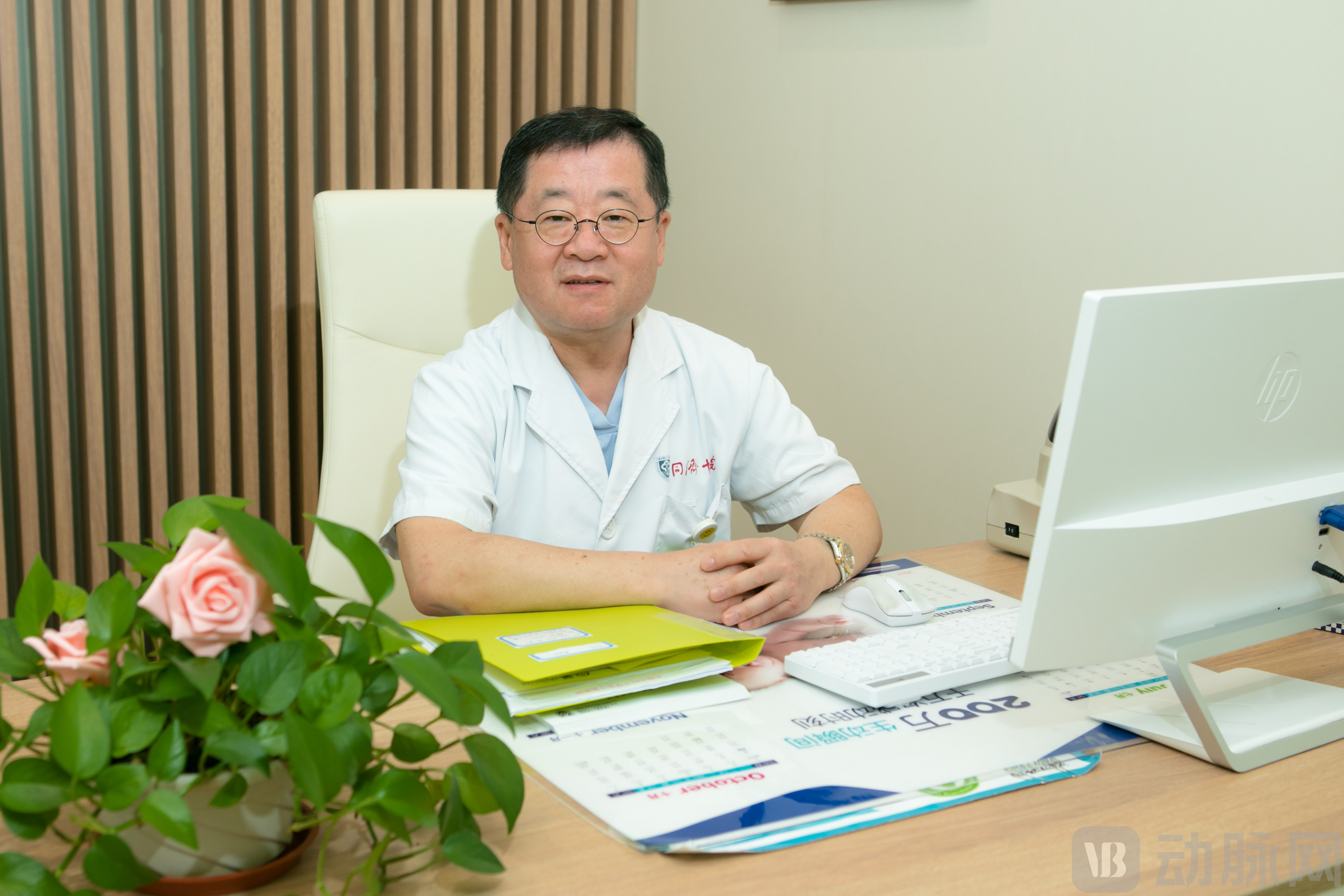
Prof. Qian Richeng
At that time, assisted reproductive technology products manufactured by Canada’s Jieying Laboratory were already exported to the United States, the United Kingdom, France, Italy, Denmark, Greece, Japan, South Korea, Thailand, Indonesia, India, Turkey, and other countries.
Professor Qian Richeng is also the first expert in Canada to develop and apply in vitro maturation (IVM) technology for oocytes and cryopreservation of human eggs, enabling patients to give birth to healthy infants. The two technologies and product patents he developed—in vitro maturation of immature oocytes and vitrification cryopreservation of oocytes—have been licensed to CooperSurgical Inc. in the United States for clinical treatment of infertility and are marketed worldwide.
Professor Qian Richeng has been engaged in the treatment of infertility using human assisted reproductive technology for over 30 years. He is a pioneer in the development of in vitro maturation (IVM) techniques for human oocytes and vitrification cryopreservation techniques for human oocytes. He has published more than 200 papers in various academic journals and at international conferences, served as the lead editor for three English-language books on reproductive medicine and fertility cryopreservation, and contributed to more than 20 chapters in English-language textbooks. He is the former Associate Editor of Human Reproduction and the Journal of Assisted Reproduction and Genetics, serves on the editorial boards of multiple international journals in reproductive medicine and reproductive biology, acts as a peer reviewer for numerous international academic journals, and holds positions as a visiting professor and advisory consultant at the reproductive medicine centers of many university-affiliated hospitals in China.
In 2016, he returned to China and founded ARSCI Biomedical Inc., while also establishing the Reproductive Medicine Center of Shanghai Tenth People’s Hospital Affiliated to Tongji University, where he has served as Director ever since.
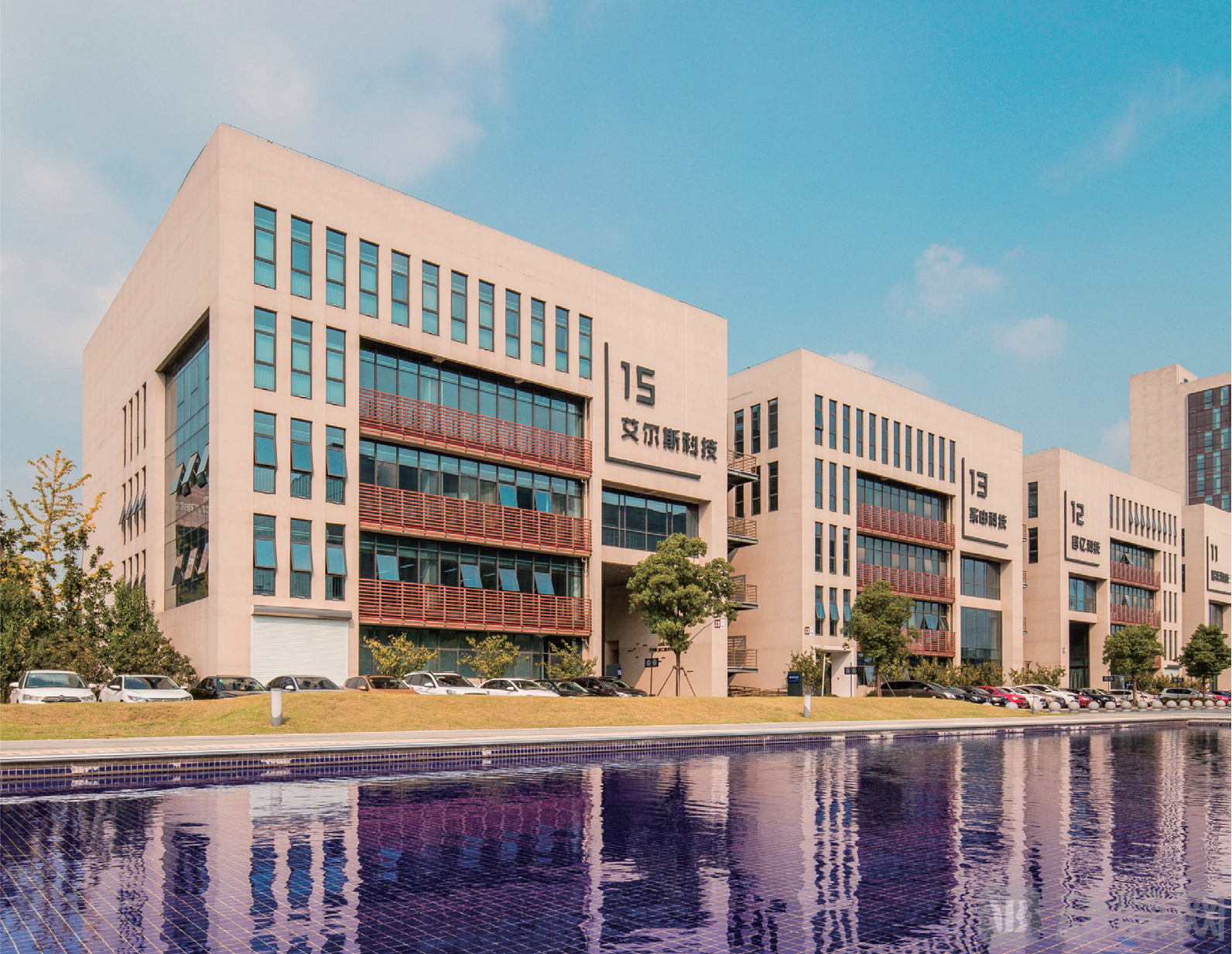
ARSCI Corporate Environment
As a medical procedure, the safety and success rate of assisted reproductive technology are naturally the primary considerations.
Professor Qian Richeng, drawing on over four decades of research experience in assisted reproductive technology, proposed the concept of “pre-fertilization incubation” (Pre-IVF incubation) following oocyte retrieval. He explained to VCBeat that oocyte quality is associated with female age, controlled ovarian stimulation protocols (particularly the timing of the trigger injection), and the pre-fertilization incubation system.
Currently, controlled ovarian stimulation is routinely employed in assisted reproductive technology (ART) for the treatment of infertility to retrieve a greater number of oocytes for in vitro fertilization (IVF), thereby enhancing efficiency and success rates. However, follicular size is heterogeneous at the time of oocyte retrieval following stimulation, meaning that the retrieved oocytes originate from follicles of varying sizes. Standard clinical practice, both domestically and internationally, involves directly placing the retrieved oocytes into "fertilization culture medium" while awaiting sperm preparation, followed by conventional IVF or intracytoplasmic sperm injection (ICSI). This waiting period typically lasts 3–6 hours.
Professor Qian Richeng’s research has demonstrated that culturing oocytes retrieved after egg retrieval in an appropriate in vitro maturation (IVM) medium, rather than in a fertilization medium for pre-fertilization culture, can improve oocyte quality. This enhancement subsequently boosts embryonic developmental potential, the rate of high-quality embryos, and blastocyst formation rates, which may in turn improve embryo implantation and pregnancy rates. Based on these findings, Professor Qian Richeng proposed the concept of “Pre-IVF Incubation” and established the ARSCI Pre-Culture System. This system features specifically designed products, including an IVM medium, a fertilization medium, and a one-step embryo development medium. Notably, the IVM medium launched by ARSCI is the first of its kind in China and obtained the country’s first regulatory approval for similar products on July 25, 2023.
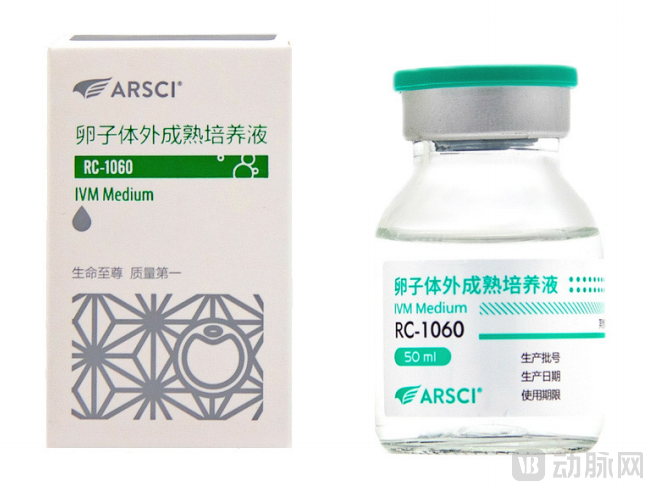
ARSCI Oocyte In Vitro Maturation Culture Medium
In September 2022, Dr. Li Jianhua from the Department of Reproductive Medicine, Division of Obstetrics and Gynecology, at the Seventh Medical Center of Chinese PLA General Hospital published a study titled “Effect of pre-IVF incubation in maturation medium on oocyte maturity, fertilization, embryonic development, and clinical outcomes following embryo transfer” in the journal *Reproductive and Developmental Medicine*. The study demonstrated that short-term incubation (averaging approximately 5 hours) of retrieved cumulus-oocyte complexes (COCs) in in vitro maturation medium prior to fertilization can effectively improve oocyte maturity, fertilization rates, and embryonic development rates. Notably, the rate of high-quality embryos on day 3 and the blastocyst formation rate on day 5 were increased by 10%–15%.
Professor Qian Richeng told VCBeat that the in vitro maturation (IVM) culture medium developed by ARSCI Biomedical Inc. is an improved version of its first-generation product (licensed to CooperSurgical Inc. in the United States in 2004) and second-generation product (manufactured by Jieying Laboratory in Canada). These improvements involve optimization of components and formulation ratios, aiming to enhance oocyte quality and boost the developmental potential of embryos after fertilization. Through short-term pre-fertilization culture, this culture medium can effectively improve the quality of oocytes retrieved from all patients, while also enabling in vitro maturation of immature oocytes from various sources.
Currently, the ARSCI pre-culture system and three culture media products have obtained corresponding invention patents. The company holds seven Class III medical device registration certificates and four series of Class II registration certificates. Its product portfolio covers most of the consumables required in clinical assisted reproductive technology (ART) laboratories.
As multiple products hit the market, ARSCI has entered a critical phase of its market development.
It is reported that ARSCI Biomedical Inc. is collaborating with more than 20 reproductive medicine centers across China to organize and participate in multi-center randomized controlled trial (RCT) clinical validation studies, aiming to implement and promote the concept and products of the ARSCI pre-culture system, thereby achieving import substitution and localization.
Meanwhile, the company has established a 3,200-square-meter production line in Jiaxing, Zhejiang, to support the domestic market demand pipeline for its assisted reproductive technology product series. Once the domestic market stabilizes, ARSCI will leverage the channel resources accumulated over many years by its core team in overseas markets to gradually expand internationally and build a global Chinese brand.
Amid widespread debate over the future of the assisted reproductive technology (ART) industry, triggered by a 40% decline in newborn numbers over the past five years, Professor Qian Richeng believes that the current drop in fertility rates is an indisputable fact. It is only natural that many young people are reluctant to have children due to increasing life pressures. At the same time, however, there are numerous families facing fertility challenges. Currently, Shanghai, Zhejiang, Jiangxi, Shandong, Qinghai, the Xinjiang Uygur Autonomous Region, and the Xinjiang Production and Construction Corps have taken the lead in including ART services within the scope of medical insurance reimbursement. With technological advancements and the accelerated promotion of supportive policies, ART is expected to be chosen by an increasing number of families.