

Benegene Advances Global First In Vivo CRISPR Antiviral Gene Editing Therapy and Files for IPO
Currently, gene-editing technology is penetrating the core of biomedical research with unprecedented breadth, enabling researchers to perform precise genetic modifications in both in vivo and in vitro settings, thereby opening up possibilities for treating a wider range of diseases.
Although this technology has a relatively short development history, CRISPR/Cas9 has rapidly emerged as a forefront hotspot in the biomedical field in recent years, owing to its advantages such as high targeting specificity, operational simplicity, and the capability for multiplex gene editing. Currently, numerous Chinese enterprises are represented among the representative therapies based on CRISPR/Cas9 gene-editing technology that have entered registrational clinical trials.
At the National Science and Technology Conference, the National Science and Technology Awards Conference, and the Academician Conference of the Chinese Academy of Sciences and the Chinese Academy of Engineering held on June 24, the “Innovative Team for Translational Medicine Research in Hematology at Ruijin Hospital, Shanghai Jiao Tong University School of Medicine” was awarded the First Prize of the National Science and Technology Progress Award. This project was jointly completed by team members, including Professor Cai Yujia, founder of Bendao Gene.
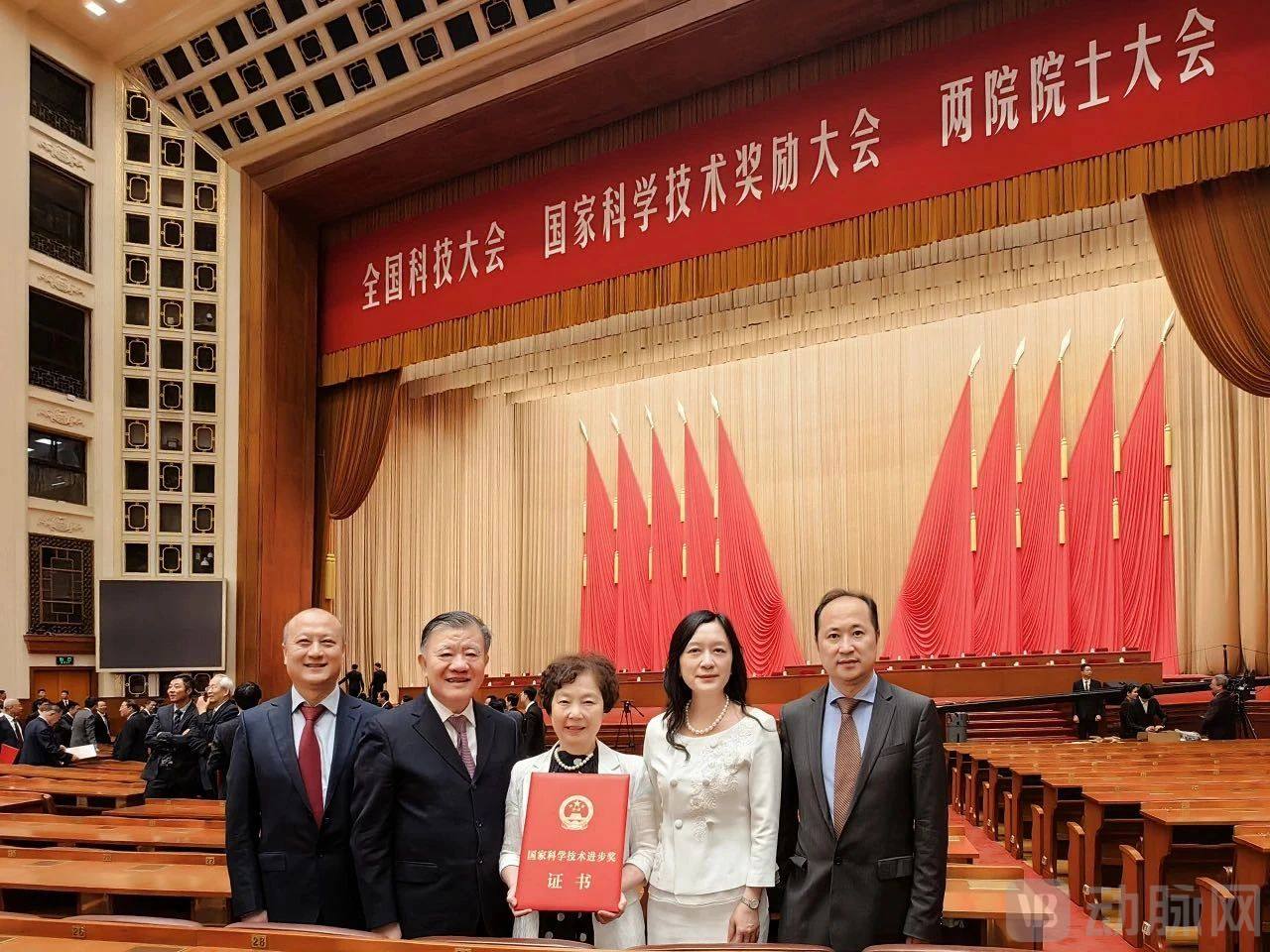
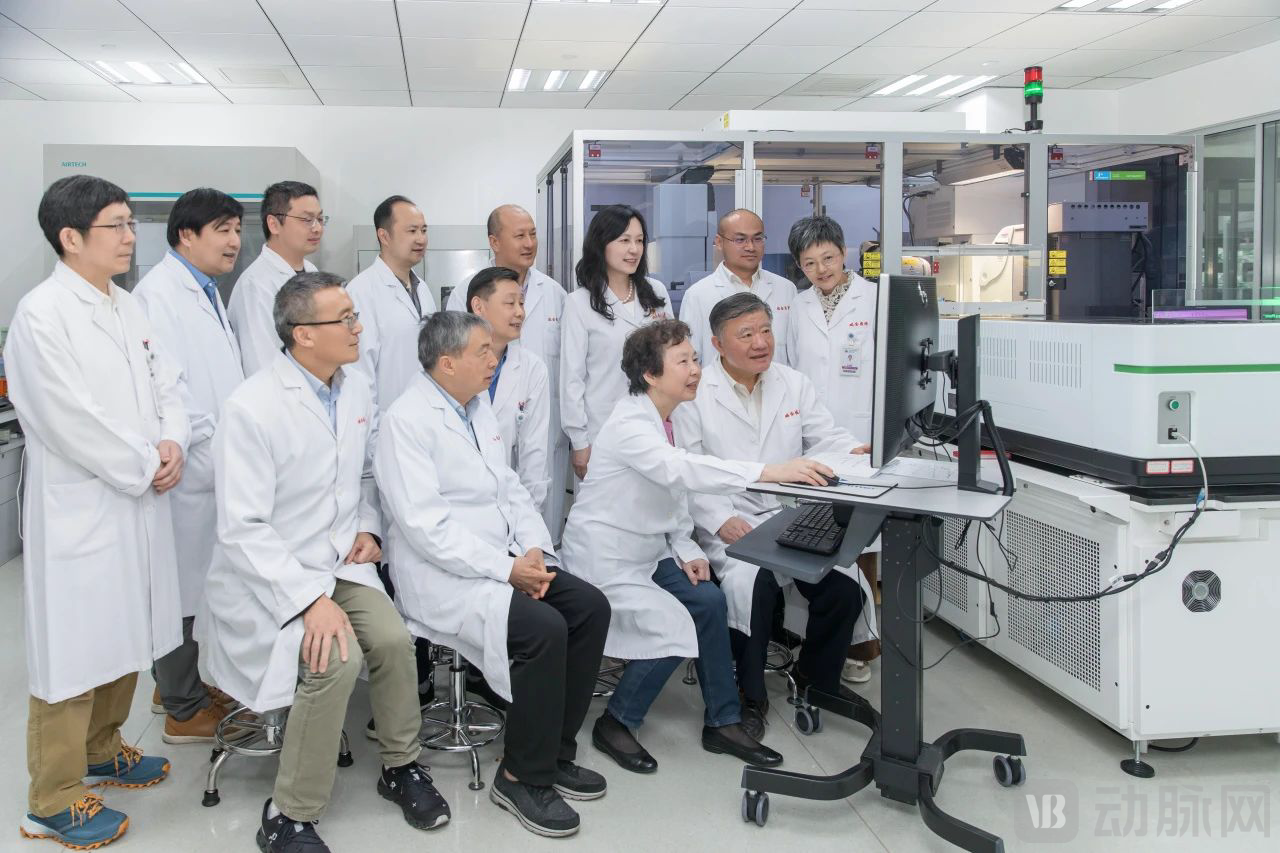
It is reported that the project achieved pioneering innovation in induction differentiation therapy for acute promyelocytic leukemia (APL), transforming APL from the most lethal form of leukemia into the first curable acute myeloid leukemia. The research team further pioneered and successfully expanded novel targeted therapies and cellular immunotherapies for lymphoma and multiple myeloma. Their explorations in gene therapy for thalassemia and hemophilia have also provided new avenues for curing hereditary blood disorders. This honor not only affirms the “Innovative Team for Translational Medicine Research in Hematology at Ruijin Hospital, Shanghai Jiao Tong University School of Medicine,” but also recognizes Professor Cai Yujia’s innovative research in the field of gene therapy.
It is worth mentioning that Bendao Gene’s R&D achievements have also received high recognition internationally.
In June this year, Professor Cai Yujia, founder of Bendao Gene, was invited by the organizing committee of the American Society of Gene & Cell Therapy (ASGCT) to deliver an invited talk titled “Beyond AAV, Gene Editing of HSV in Patients with Herpetic Stromal Keratitis” at the ASGCT Annual Meeting, the world’s largest conference in the field of cell and gene therapy. He presented to global peers the latest research progress on gene editing therapy for herpetic stromal keratitis using China’s first original gene therapy vector—virus-like particles (BD-VLP)—as well as frontier explorations in in vivo editing therapies.
According to available data, invited talks at the ASGCT Annual Meeting are regarded as the most prestigious sessions. The invited scientists are often outstanding representatives who have made significant original contributions to the field of cell and gene therapy (CGT), and their presentations typically represent cutting-edge technologies and future directions in gene and cell therapy. This presentation is alsoThe Only Invited Presentation from China at This Year’s ASGCT Meeting, highlighting the influence of China and Bendao Gene in the global biotechnology sector.
From a technical perspective, addressing issues such as off-target effects, editing efficiency, cellular fitness of edited cells, immune responses, and delivery methods, along with optimizing vector design, is key to achieving efficient delivery, precise targeting, and overcoming the limitations of current therapeutic efficacy.
Professor Cai Yujia, founder of Bendao Gene, not only masters the core technologies of gene therapy vectors but also possesses extensive experience in the engineered design and modification of viral vectors for gene therapy, laying a solid foundation for Bendao Gene’s innovative breakthroughs in the field of gene editing.
He pursued his doctoral studies under the supervision of Professor Thomas Perlmann, a professor at the Karolinska Institute in Sweden and Secretary General of the Nobel Committee, and Professor Jacob G. Mikkelsen at Aarhus University in Denmark, earning a Ph.D. in gene therapy. Upon returning to China, he served as a Principal Investigator at the Systems Biomedical Research Institute of Shanghai Jiao Tong University, where he has long been engaged in the research and development of viral vectors for gene therapy and delivery technologies for gene editing, as well as the study of interactions between gene therapy vectors and the host immune system.
Currently, Bendao Gene has successfully developed the VLP-mRNA delivery platform (BDmRNA) and the next-generation lentiviral vector platform (BDlenti), and has built a pipeline of multiple first-in-class product candidates around its core delivery technology platforms, initiating several first-in-human clinical studies. Meanwhile, the company has pioneered clinical research on in vivo gene editing for antiviral therapy globally, achieving significant clinical breakthroughs in gene therapy for conditions such as macular degeneration and thalassemia.
Professor Cai Yujia led the initiation ofThe First Global Clinical Study of In Vivo Gene Editing Therapy Using an mRNA Delivery System, and in early November 2020, led the team to successfully complete the world’s second clinical study of in vivo CRISPR gene-editing therapy. This groundbreaking achievement closely followed the world’s first such trial, completed by Feng Zhang’s team at Editas Medicine in March of the same year. Notably, Bendao Gene has also launchedWorld’s First Clinical Study of CRISPR-Based Antiviral Therapy。
Furthermore, the Bendao Gene team has also developed multiple innovative drugs specifically for the treatment of refractory diseases. Among them, BD111 ophthalmic injection, targeting herpes simplex virus type 1 (HSV-1) stromal keratitis, serves asThe World's First CRISPR Antiviral Gene-Editing Drug, marking a milestone. This follows the in vivo gene editing therapy programs of Editas and Intellia,The Third GloballyIn vivo gene editing candidates that have successfully entered the IND and clinical stages. Following the validation of their clinical safety and efficacy, BD111 also received Orphan Drug Designation from the U.S. FDA in June 2022. In August 2023, BD112, an in vivo gene editing therapy, was granted Orphan Drug Designation by the European Commission (EC).
With the successive approval of clinical trial applications for BD111, an in vivo gene therapy for viral keratitis utilizing the BD-VLP gene-editing delivery platform, and BD112, Bendao Gene’s expertise and capabilities in gene editing and clinical treatment have been further validated, accelerating its research efforts in the field of glaucoma. In May this year, Bendao Gene collaborated with Beijing Tongren Hospital, Capital Medical University, to launchThe World’s First Clinical Study on Gene-Editing Therapy for Glaucoma (“BD113 In Vivo Gene-Editing Therapy for Glaucoma”), and BD113 is alsoThe world's first gene therapy drug for glaucoma.
At this year’s ASGCT meeting, Professor Cai Yujia shared the latest research progress on China’s first original gene therapy vector—virus-like particles (BD-VLP)—in the gene editing treatment of herpes simplex keratitis. By presenting preclinical and clinical trial data, he demonstrated the potential of VLPs for clinical application, showcasing to global peers the feasibility of gene editing therapies for viral diseases and further underscoring the importance of foundational technological innovation.
Compared with most biotechnologies, gene editing has a relatively short development history. It was not until March 2020 that the third-generation gene editing technology, CRISPR, entered the clinical stage.
As an emerging industry, gene editing clearly presents high barriers in terms of technology, capital, and talent. Achieving breakthroughs in this field is no easy feat, and the accomplishments made by Bendao Gene in this area were not attained overnight.
Thanks to Professor Cai Yujia’s academic background and his long-term research in the field of gene therapy, Bendao Gene enjoys inherent advantages in both technology and talent. The company was initially founded by frontline gene therapy researchers from Shanghai Jiao Tong University, together with experts in pharmaceutical toxicology and industry professionals. However, securing financing proved somewhat challenging during the company’s earliest stages of development.
On the one hand, the industry was still in its early stages at the time, with gene therapy facing unresolved bottlenecks; consequently, the prevailing perception of this technology was characterized by “high risk” and “low druggability.” On the other hand, Bendao Gene’s products were still in the early development phase in 2021, with research papers yet to be published in journals and preclinical data remaining undisclosed.
Both the industry and enterprises seemed to have fallen into a winter chill at that time.
Yet, it was precisely during this challenging year that Bendao Gene experienced a critical period of rapid growth.
That year, the company successfully completed a RMB 60 million Series A financing round, exclusively led by Huakong Fund. This capital alsoThis directly facilitated the approval of the Investigational New Drug (IND) application for BD111 Injection, Bendao Gene’s in vivo gene editing therapy based on Virus-Like Particles (VLPs), transforming Bendao Gene from a preclinical biotechnology company into a clinical-stage biotech firm with a robust pipeline portfolio.
At the time when Huakong Fund invested in Bendao Gene, the broader environment was fraught with uncertainty. The healthcare sector’s investment and financing landscape was undergoing cyclical adjustments. Merely six months had passed since CRISPR was awarded the Nobel Prize in Chemistry in October 2020, and most institutions remained cautious about this technology.
The reason why Huakong Fund was able to quickly lock onto the gene editing track and successfully invest in Bendao Gene lies in the institution's adherence to the Top-down research method and its precise grasp of investment timing.
Prior to investing in Bendao Gene, Huakong Fund had tracked over 1,000 tertiary sub-segments across four major industries and conducted in-depth research on more than 150 sub-sectors within the biopharmaceutical field. Consequently, in the face of the global pandemic outbreak in early 2020 and significant breakthroughs in CRISPR technology, Huakong Fund was able to rapidly focus its attention on the mRNA and gene editing sectors.
They found that these two fields are in a stage of rapid development, especially in the research and development of mRNA vaccines and the clinical application of gene editing, demonstrating huge potential and market prospects.
Against this backdrop, Huakong Fund began scanning domestic mRNA and gene editing companies, and Bendao Gene came into its view thanks to its unique VLP-mRNA delivery technology and innovative achievements in the field of gene editing. After gaining an in-depth understanding of Bendao Gene’s delivery technology and R&D team, Huakong Fund recognized the company’s development potential.
First, VLP-mRNA delivery technology is the core competitiveness of Bendao Gene. Compared with traditional AAV delivery technology, VLPs have a larger volume and higher delivery efficiency, enabling more effective delivery of CRISPR/Cas9 mRNA to target cells and achieving safe and controllable in vivo gene editing therapy. This technological breakthrough not only resolves the delivery challenges in gene therapy but also significantly enhances the safety and efficacy of treatment.
In addition, Bendao Gene’s R&D team is another key factor valued by Huakong Fund. Founder Professor Cai Yujia is a leading scientist in the field of gene therapy, with extensive R&D experience and a strong academic background. His team comprises experts across multiple disciplines, including gene therapy, immunology, and pharmacology, providing robust support for the company’s research and development efforts.
Therefore, although Bendao Gene’s early-stage products are still in the preclinical phase, Huakong Fund, leveraging its in-depth understanding of industry prospects and underlying technologies, determined that Bendao Gene’s technological roadmap holds significant advantages. While most investment institutions remained cautious about the technology and market outlook, Huakong Fund rapidly completed the project initiation and approval processes within less than a month.
To ensure the high-growth potential of its portfolio, Huakong Fund continuously provides a series of value-added services to enterprises. In the biopharmaceutical sector, and even within specific sub-segments, the fund actively invests in multiple companies pursuing different technological routes or targeting distinct indications. This strategy helps build an integrated upstream-downstream industrial ecosystem, enhances the risk resilience of individual companies, and supports the development of portfolio companies. Furthermore, Huakong Fund has established a professional international team that delivers comprehensive global services. These services help both current and prospective portfolio companies rapidly access critical resources in product R&D and commercialization, ensuring they can swiftly respond to market demands at crucial junctures, achieve sustainable growth, and actively expand into overseas markets.
Since 2021, Bendao Gene, as a portfolio company of Huakong Fund, has successfully navigated the critical “survival threshold” and continued to publish scholarly works, thereby validating the efficacy and correctness of its research direction and content. With the passage of time and breakthroughs in foundational technologies, the company’s pipeline products have also been progressively validated. Today, Bendao Gene’s invitation to deliver a featured presentation at the world’s largest conference on cell and gene therapy stands as a testament to its international recognition.
In the future, Bendao Gene plans to complete all clinical trials within four years and submit applications to the NMPA to achieve product commercialization. After further demonstrating the safety and efficacy of gene therapy in the fields of rare and orphan diseases, it will expand its virus-like particle (VLP) technology to a broader range of indications. The company aims to achieve an initial public offering (IPO) within two years. Throughout this process, Huakong Fund will continue to provide support to Bendao Gene, offering multi-dimensional assistance to foster the growth of both the enterprise and China’s gene therapy sector.