

Radiologist-Founded Cardiovascular 3D Printing Pioneer Files IPO Prospectus
Prior to 2018, Dr. Ma Kejun, a radiologist with nearly two decades of experience, had never imagined that his career trajectory would undergo a disruptive transformation following a reunion with his university classmates, thereby embarking on an arduous entrepreneurial journey.
The 20th anniversary reunion of his graduating class remains vivid in Ma Kejun’s memory. He recalled, “We shared deep bonds with our university classmates, many of whom have gained prominent reputations across China. During our conversations, numerous classmates specializing in cardiology expressed their hope that I could leverage my expertise in medical imaging to support their research and address the practical challenges they encountered. Given my substantial knowledge of 3D reconstruction technology, I analyzed the feasibility from a technical perspective and concluded that it was indeed viable. Thus, I decided to give it a try. In this way, I entered the field of cardiovascular 3D printing.”
The anatomical structure of the heart is intricate and complex. Understanding cardiac anatomy requires strong spatial reasoning abilities, while constructing the spatial architecture of congenital heart diseases presents even greater challenges. It is a consensus within the medical community that the training period for cardiac surgeons is lengthy, largely due to the heart’s unique physiological characteristics and the high technical difficulty of surgical procedures. Furthermore, the lack of satisfactory training models in clinical practice remains an unavoidable issue.
3D printing technology enables the production of patient-specific cardiac models for particular diseases. By providing intuitive visualization of the heart, 3D printing offers distinct advantages in demonstrating spatial structures. It not only deepens healthcare professionals’ understanding of the anatomical and pathophysiological characteristics of cardiac diseases during education and training, thereby reducing the learning curve for physicians, but also serves significant clinical value. Clinically, it clearly presents the three-dimensional anatomical features of lesions and their adjacency to surrounding structures, offering a superior reference for preoperative surgical planning. Furthermore, lead surgeons and assistants can perform simulated procedures and rehearse surgical plans on 3D-printed physical models, thereby strengthening their comprehension of the surgical strategy—particularly for assistants—and enhancing their understanding of the lead surgeon’s intraoperative intentions.
3D printing technology has been widely applied in hard tissues such as orthopedics and dentistry, but its application in the cardiovascular field is still in its infancy. This is partly because the heart, as a continuously beating organ, produces imaging artifacts due to motion; additionally, the small density differences among cardiac tissues pose significant challenges for cardiovascular image analysis and reconstruction, thereby imposing higher requirements on printing precision and materials. Therefore, an interdisciplinary team integrating expertise from biomaterials science, mechanical engineering, computer science, medicine, and medical imaging is required.
Ma Kejun, who quickly clarified the key contextual threads, leveraged multi-party resources to establish a basic framework and rapidly recruited relevant talent, forming a formidable team integrating medicine and engineering.
Xi'an Mark Medical Technology Co., Ltd. (hereinafter referred to as "Mark Medical") was officially established in July 2018.
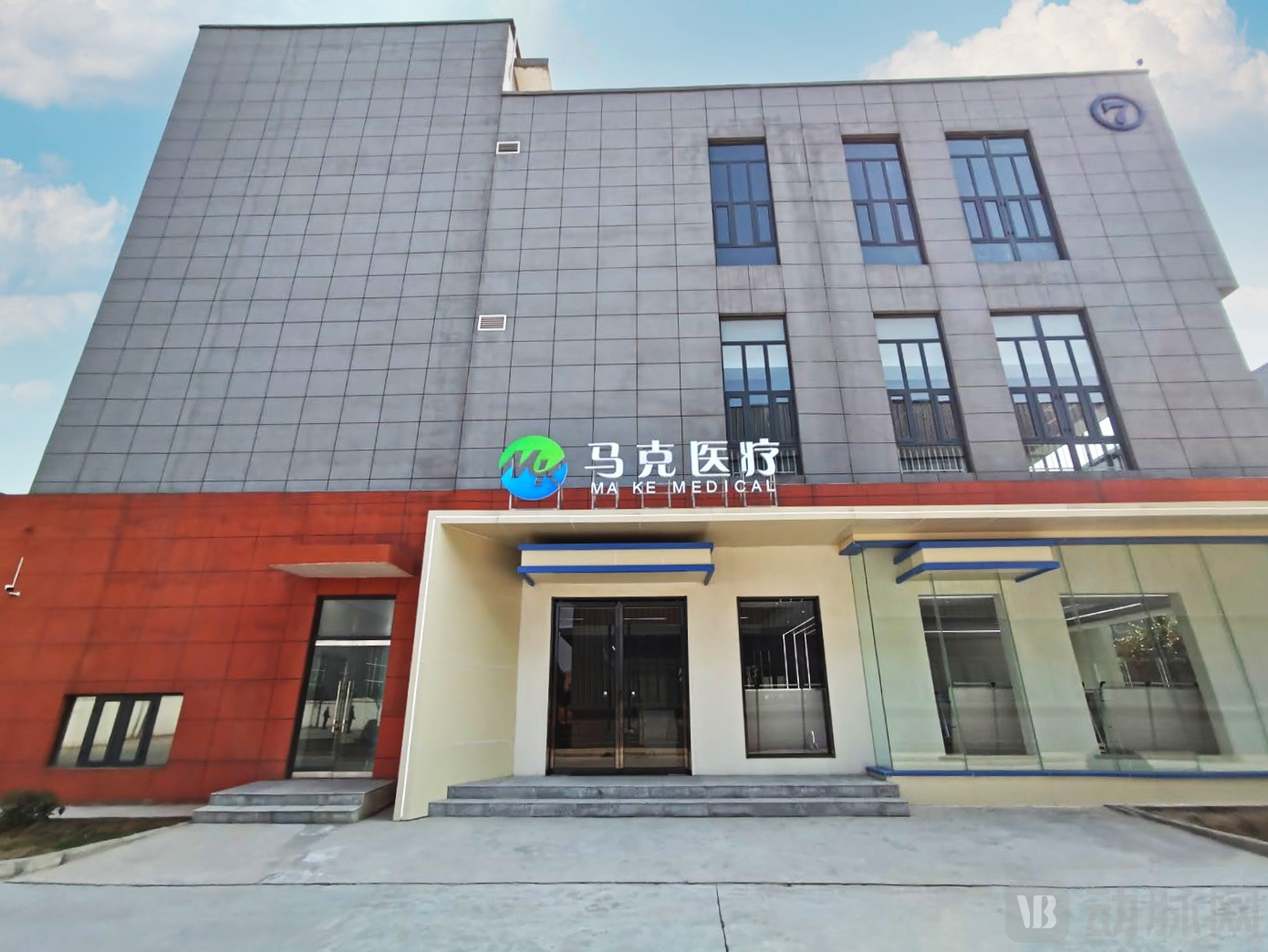
In the subsequent years, Xi'an Mark Medical Technology Co., Ltd. was recognized as a National High-Tech Enterprise and served as a Vice-Chairman Unit of the Additive Manufacturing Medical Devices Professional Committee under the China Association for Medical Device Industry. In terms of academic contributions, the company actively participated in and assisted with the publication of six monographs, including *Cardiovascular 3D Printing Technology*, *Cardiovascular 3D Printing*, *3D Printing Technology in Transcatheter Aortic Valve Replacement: Applications and Practice*, *Manual of Guidelines for Transcatheter Aortic Valve Replacement Procedures*, *Application and Practice of 3D Printing Technology in Transcatheter Mitral Valve Interventional Therapy*, and *Application and Practice of 3D Printing Technology in Transcatheter Tricuspid Valve Interventional Therapy*. Furthermore, Xi'an Mark Medical assisted experts and scholars from universities and hospitals such as Xi’an Jiaotong University and Air Force Medical University in successfully securing more than 30 national invention and utility model patents, and published over 50 academic papers in SCI-indexed and core journals.
These outstanding achievements earned the company the Excellence Award in the Biology (Growth Group) category of the 10th Innovation and Entrepreneurship Competition (Shaanxi Division) and the Shaanxi Qin Chuang Yuan Technological Innovation and Entrepreneurship Competition. Furthermore, it successfully became the first enterprise in China to obtain a Class II Medical Device Registration Certificate for “Customized 3D-Printed Cardiovascular Models” (Shaanxi Medical Device Registration No. 20222020123). Additionally, the company secured a Class II Medical Device Registration Certificate for “Customized 3D-Printed Human Organ Models” (Shaanxi Medical Device Registration No. 20222020124).
Notably, in January 2024, the fifth batch of additive manufacturing group standards, “Personalized Cardiovascular Models for Assisting in the Diagnosis and Treatment of Structural Heart Disease,” led and drafted by Mark Medical, was officially released, establishing a benchmark for promoting the application of additive manufacturing in the treatment of heart disease.

Mark Medical’s Innovation Project Wins First Prize at the 2nd Shaanxi Province Veterans Entrepreneurship and Innovation Competition

Group Photo of Stratasys President for South Asia Visiting the Collaboration Site
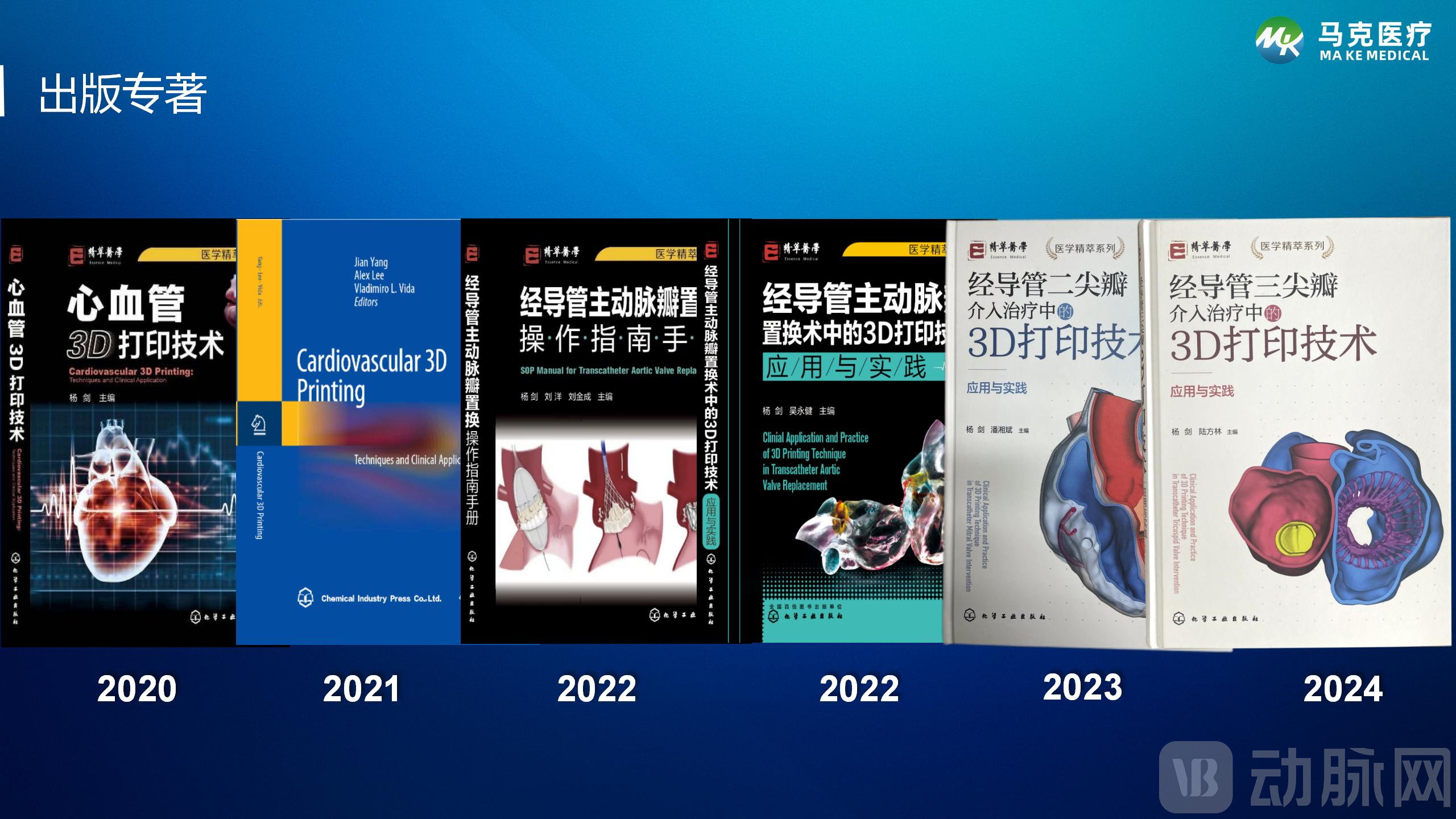
Mark Medical assisted in the publication of six books on cardiovascular diseases.
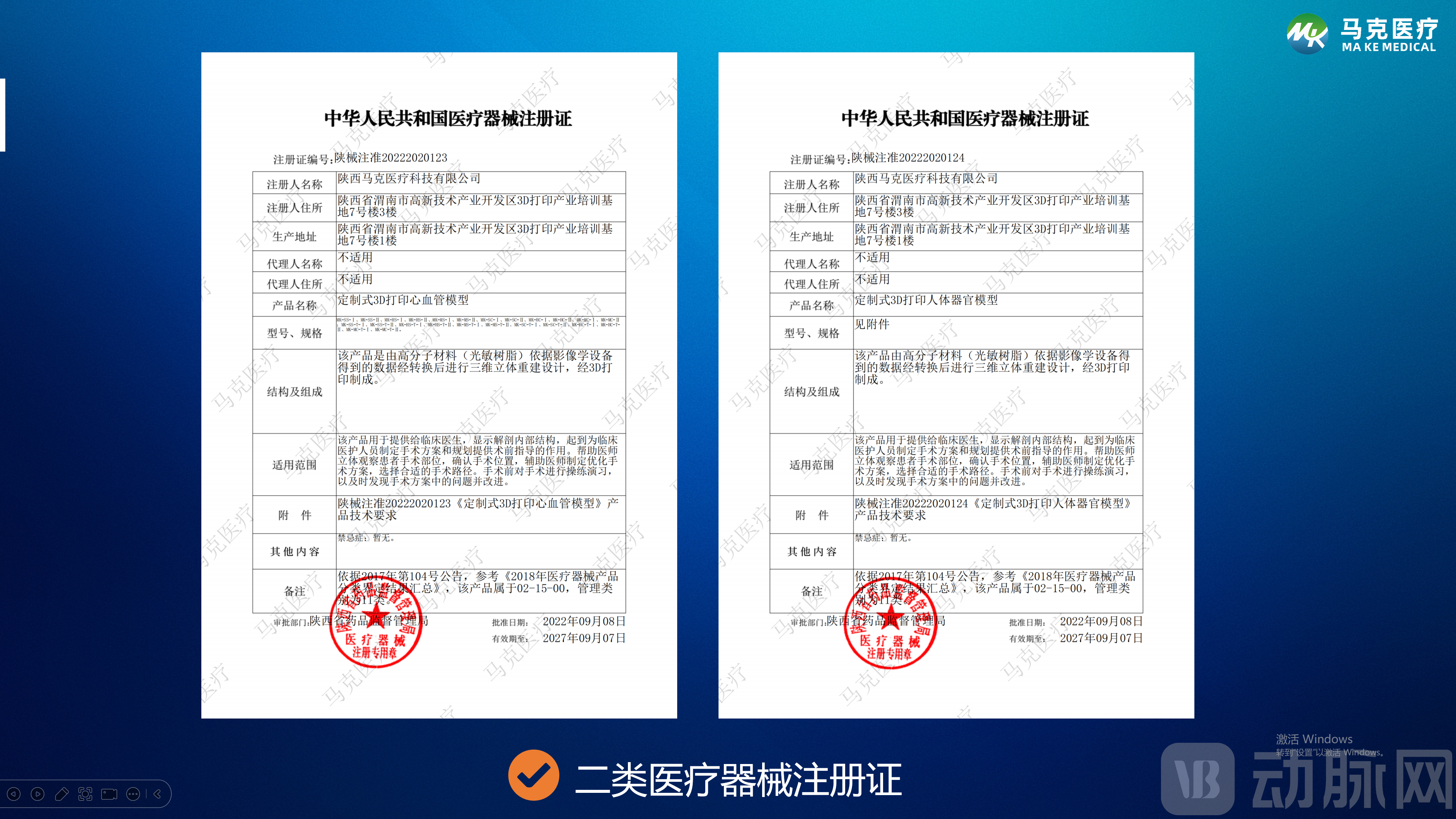
Mark Medical Class II Medical Device Registration Certificate
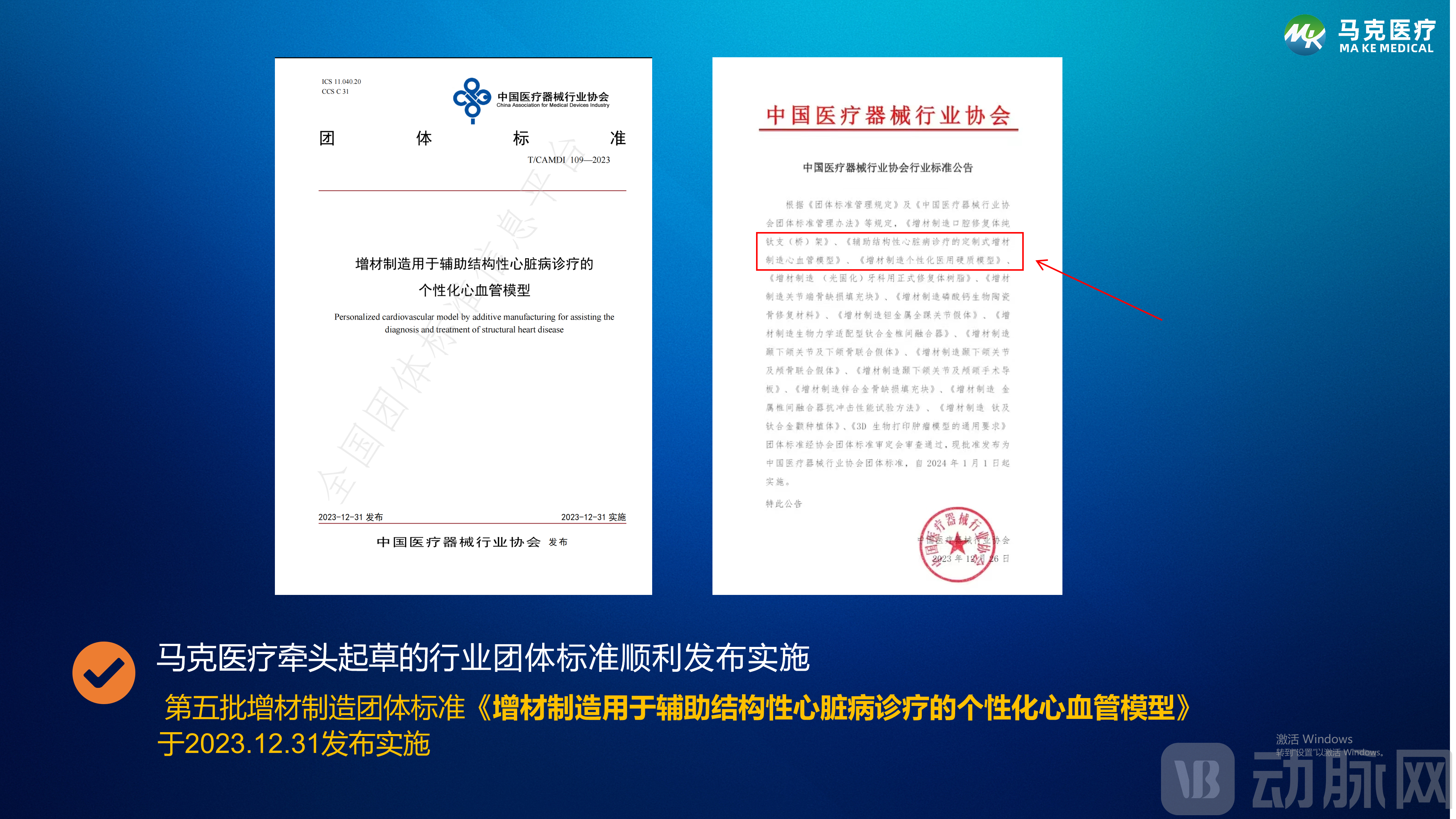
Industry Group Standard Led and Drafted by Mark Medical Released and Implemented
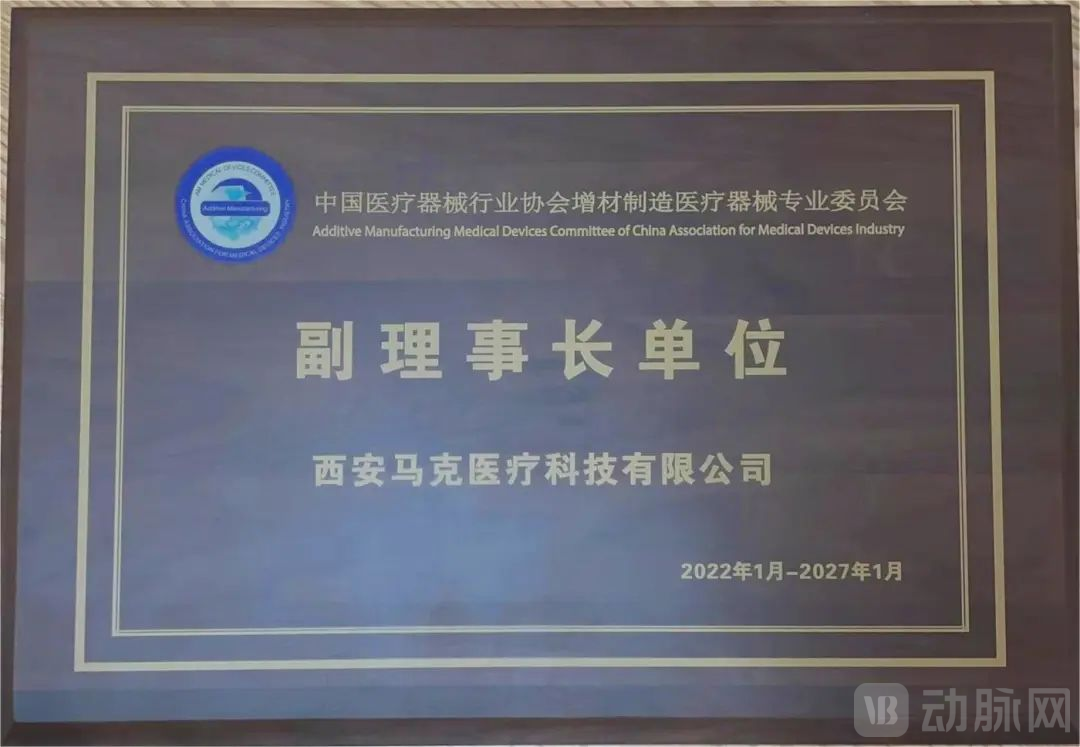
Xi'an Mark Medical Technology Co., Ltd. Elected as Vice Chairman Unit of the Additive Manufacturing Medical Devices Professional Committee of the China Association for Medical Device Industry
Create 1:1 3D personalized medical models based on real imaging data,
Assists physicians in understanding complex lesions and studying surgical approaches to improve surgical success rates.
Mark Medical has been deeply engaged in cardiovascular 3D printing for many years, accumulating raw CT and ultrasound data from tens of thousands of cases covering various cardiovascular diseases at more than 300 domestic and international hospitals across China. The company has established collaborations with over 1,000 cardiovascular physicians and surgeons in China and has garnered support from top-tier medical expert teams both domestically and internationally.
Leveraging profound expertise in medical anatomy and advanced 3D modeling techniques, our team conducts meticulous analysis, data extraction, professional design, and precise modeling of traditional medical imaging data, including CTA. This process accurately replicates the physical structure and biomechanical properties of anatomical models, thereby constructing a 1:1 three-dimensional digital model that is fully consistent with the patient’s cardiovascular system.
In the field of soft tissue printing, Mark Medical has comprehensively built a technical experience barrier from multiple dimensions such as materials, technology, and process craftsmanship. By using biomimetic printing materials with varying degrees of hardness, color, and thickness for different anatomical structures, it can accurately simulate tissue morphology, replicate patient lesion structures, and precisely display complex spatial information.
Mark Medical’s cardiovascular 3D printing technology not only addresses the limitations of traditional imaging in visualizing complex anatomical structures, providing cardiologists with a new perspective to intuitively understand lesion morphology, but also serves as a concrete reference for clinical staff in formulating surgical plans. It enables simulation of cutting and suturing, as well as risk assessment. This technology assists physicians in comprehensively observing the surgical site in three dimensions, confirming the operative location, selecting optimal devices, refining surgical strategies, determining the most appropriate surgical approach, and conducting preoperative rehearsals to promptly identify and rectify potential issues in the surgical plan.
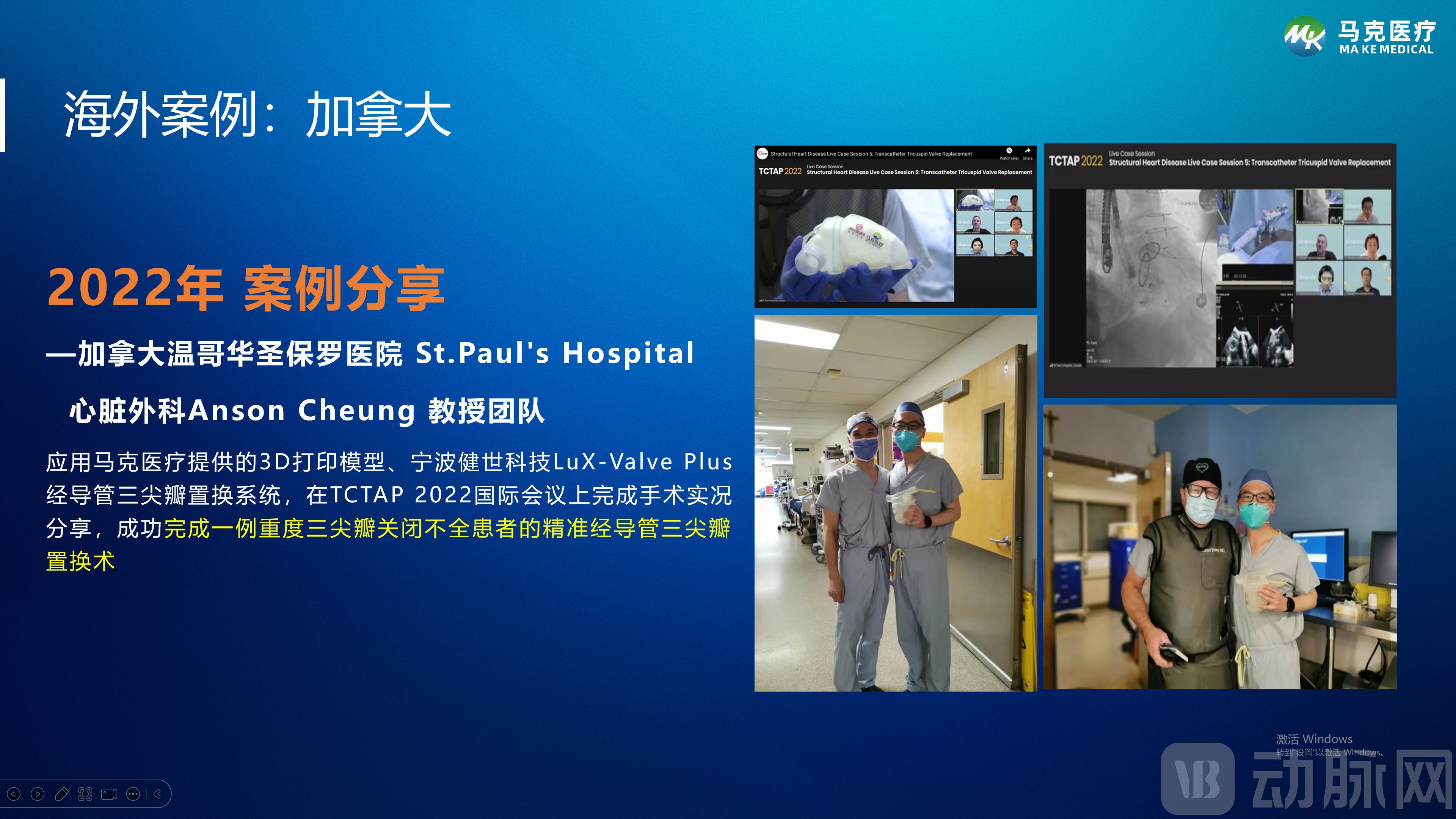
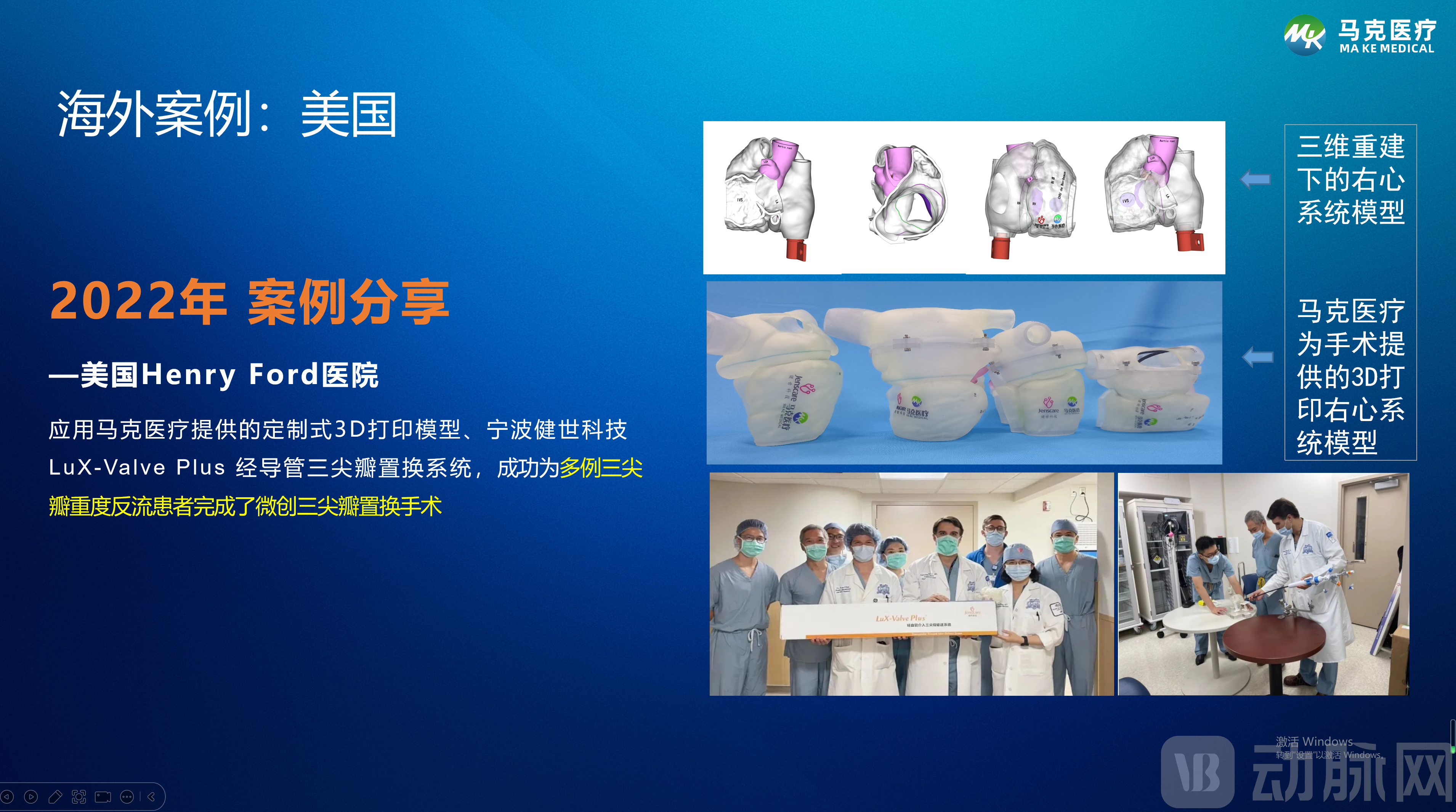
To meet the stringent time-sensitivity requirements of cardiac surgery, Mark Medical has continuously optimized its production processes, now achieving model fabrication from data within 24 hours and nationwide delivery across China within 72 hours. Additionally, the company has established 3D printing sub-centers in select regions of China to ensure delivery in as little as 20 hours. Looking ahead, Mark Medical aims to further accelerate its operations, targeting a reduction of the delivery cycle to 12 hours.
With the rapid advancement of image reconstruction technology, numerous cardiovascular 3D imaging software solutions have emerged on the market. These tools empower physicians to examine the heart from multiple angles by rotating the images and even allow for virtual “sectioning” of the heart to explore its internal structures. The convenience and intuitiveness of this technology appear impressive, leading some to believe that it is sufficient to replace 3D-printed models.
However, Ma Kejun holds a different view. He emphasizes that while 3D imaging can partially substitute for direct visualization of physical structures, it fails to provide tangible perception or accurate spatial judgment in surgical simulation and distance assessment. “It is akin to the destination distance shown on a map, which may appear short, yet the actual experience of traveling there can be vastly different. In surgery, a physician might determine from 3D images that a guidewire needs to be advanced by two centimeters; however, due to the complexity and tortuosity of the blood vessels, the actual advancement required during the procedure may be four centimeters. Therefore, relying solely on image-based judgment is inevitably subjective, whereas hands-on verification offers more authentic and concrete insights.”
Nevertheless, Mark Jun also expressed his keen expectation for collaboration with leading 3D imaging companies and revealed that a deep partnership has already been established with Peixin Medical, a domestic innovative AI medical imaging platform. Xi'an Mark Medical Technology Co., Ltd. specializes in 3D printing technology. By leveraging Peixin Medical’s AI-assisted decision support system for medical imaging, it receives advanced image analysis support and underlying technical infrastructure, thereby significantly enhancing efficiency and accuracy. The professionalism and complementarity of the two parties have fostered a more seamless collaboration, enabling the provision of more detailed and practical solutions for surgical diagnosis, treatment, and planning.
Mark Medical currently operates a 6,000-square-meter modern production base for 3D-printed models, achieving precise, customized manufacturing of over 30 types of patient-specific 3D-printed cardiovascular models and more than 20 types of patient-specific 3D-printed human organ models. The company has established clinical and research collaborations with over 300 hospitals across more than 20 regions worldwide, earning high recognition from renowned medical centers such as Henry Ford Hospital (USA), St. Paul's Hospital (Canada), and Lille University Medical Center (France). To date, it has provided nearly 20,000 personalized digital healthcare solutions.
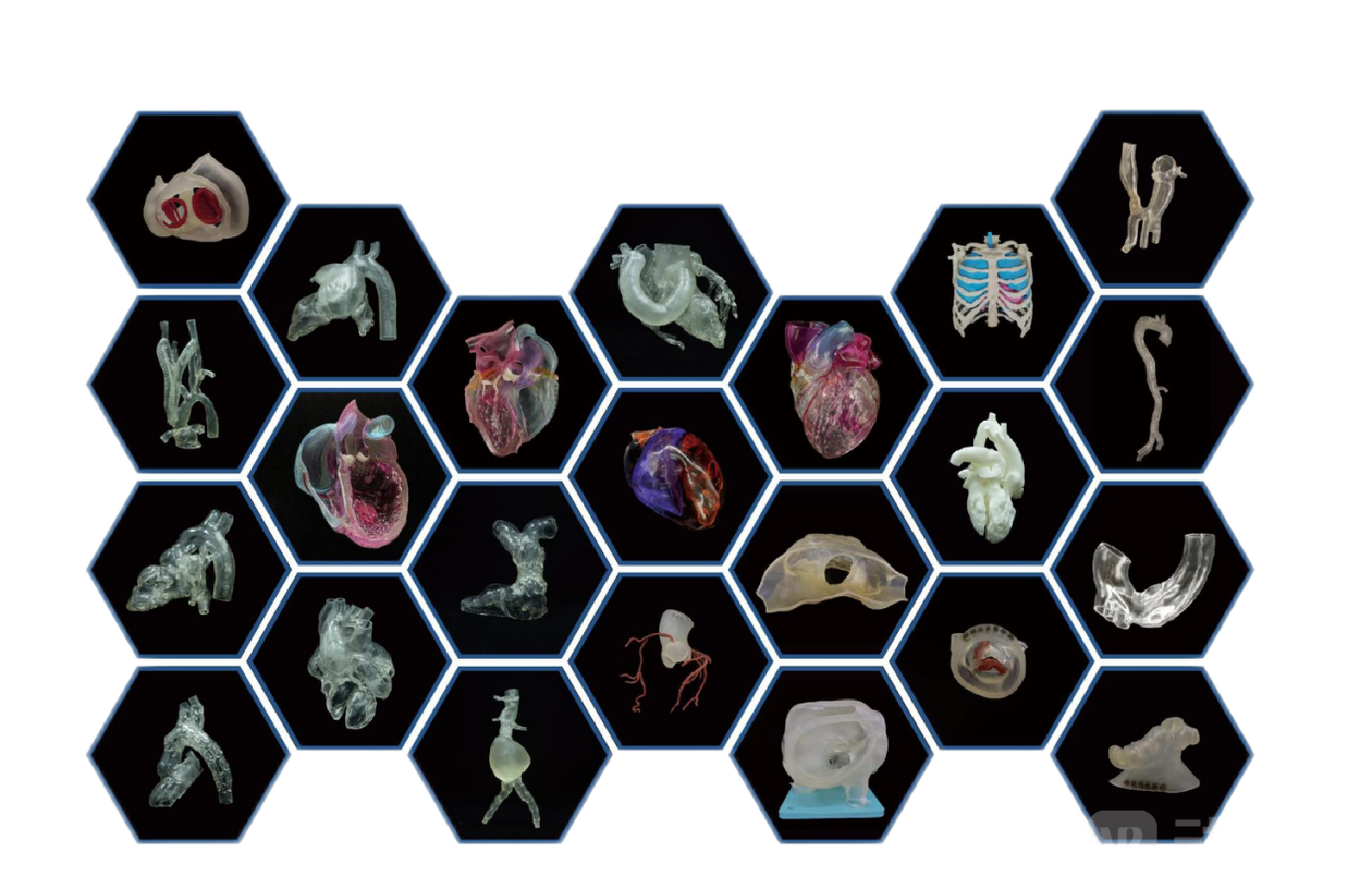
Customized 3D-Printed Cardiovascular Models

Surgical Simulation System Product Showcase
Furthermore, Mark Medical collaborates with renowned domestic and international medical device manufacturers—including Edwards Lifesciences, Medtronic, Stratasys, Materialise, Venus Medtech, MicroPort Scientific Corporation, Peijia Medical, and Nuomai Medical—to co-develop new products and devices. By providing these manufacturers with rich and authentic cardiovascular data, Mark Medical’s 3D-printed cardiovascular models help reduce the number of large-animal experiments, shorten R&D cycles, and facilitate faster physician familiarity with device operation during clinical promotion.
Mark Medical is also continuously improving its joint talent development mechanisms with universities, hospitals, and other institutions. In collaboration with universities, hospitals, and professional associations, it has established internship and training bases, including multiple national- and provincial-level medical 3D printing training centers.
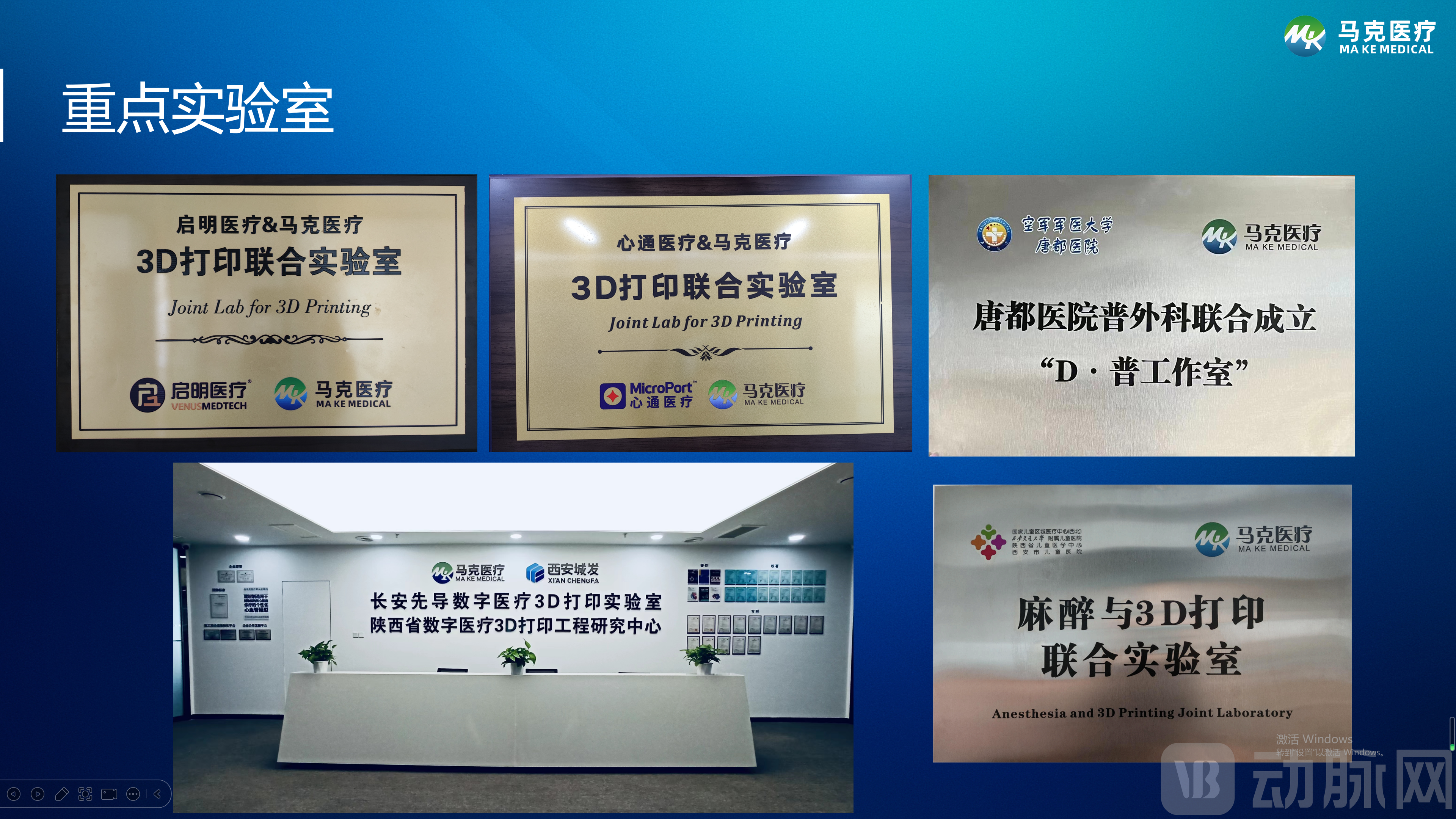
In addition, Mark Medical applies customized 3D-printed models and surgical simulators to replicate real clinical surgeries, facilitating physician teaching and training; it leverages its proprietary massive medical database to provide academic research support for medical professionals.
It is reported that the company’s revenue exceeded RMB 10 million in 2023. Looking ahead, Mark Medical will continue to deepen its engagement in the field of cardiovascular 3D printing, exploring conditions such as large-vessel diseases, heart transplantation, and arrhythmias, thereby providing references for the realization of precise and personalized treatment of cardiovascular diseases.
References:
1. “Mark Medical: Focusing on the Integration of Medicine and Engineering to Expand Digital Healthcare R&D Services for Cardiovascular Diseases,” by Qin Keji
2. [3D Professional Committee] Member Introduction | Candidate Vice-Chairman Unit - Xi'an Mark Medical Technology Co., Ltd.