

MooN Biotech Secures RMB 300 Million Series C+ Financing to Accelerate Industrialization of Bio-Innovation Products
CEC CAPITAL
Investment and Asset Management Institutions
SDIC JULI
Private Equity Fund Management Institution
Guangzhou Colony Biotechnology Co., Ltd. (hereinafter referred to as “Colony Bio”) announced that it has recently completed a C+ round of financing amounting to RMB 300 million, exclusively invested by SDIC JULI, with CEC CAPITAL serving as the exclusive financial advisor. This round of financing marks another instance of support from national-level funds for Colony Bio, following the introduction of SDIC Venture Capital Fund in its previous C round. The newly raised funds will be primarily used to advance the scaled production and commercialization of more of the company’s innovative biological products, expand its proprietary commercial microbial strain library and component library, and further enhance its biomanufacturing technology platform.
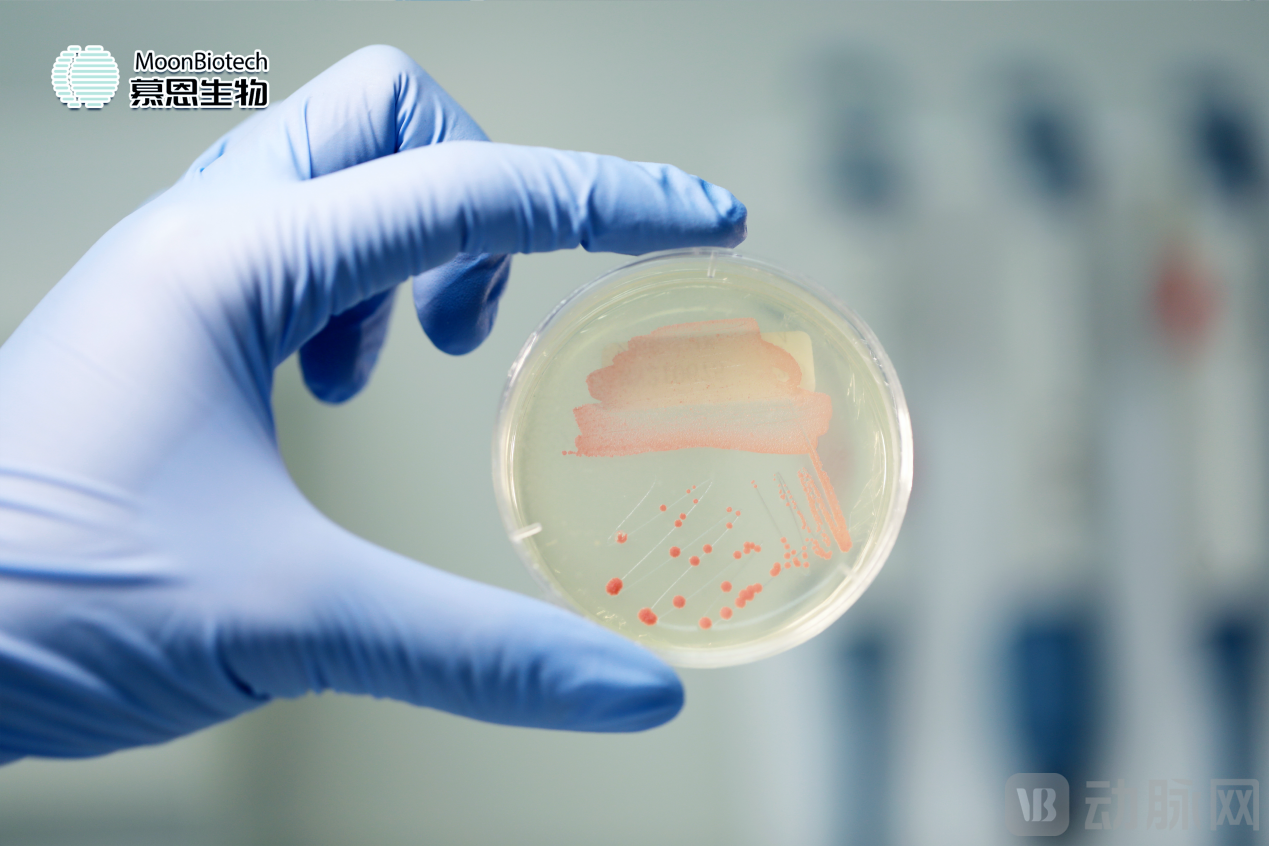
This round of financing is of significant importance for SDIC Group’s strategic layout and the promotion of the development of China’s biomanufacturing industry. Biomanufacturing is a processing approach centered on industrial biotechnology, utilizing microbial cells and enzymes in combination with chemical engineering techniques to produce target products. In this field, microbial chassis, genetic elements, and enzyme molecules serve as the cornerstones of synthetic biology and biomanufacturing, acting as the “chips” of the biomanufacturing industry. Meanwhile, diverse microbial strain resources constitute the fundamental guarantee for discovering and developing new genetic elements, novel chassis strains, and new enzyme molecules. With the support of this financing round, Guangzhou Colony Biotechnology Co., Ltd. will continue to invest in the construction of its proprietary microbial strain and element libraries, striving to become a core driving force in China’s biomanufacturing industry and helping to forge a new engine for the bioeconomy.
Guangzhou Colony Biotechnology Co., Ltd. is a platform-based biotechnology company focused on microbial discovery and biomanufacturing. It has established a complete industrialized technical system spanning the discovery, screening, engineering, and application of microorganisms, and has built the world’s largest and most biodiverse microbial strain library and genetic element library, safeguarding over 270,000 microbial strains with independent intellectual property rights. Leveraging high-quality strain resources, in-depth microbiome research and data mining, as well as a leading synthetic biology technology platform, the company efficiently develops and provides top-tier bio-based products and solutions for specialized sectors including biological agriculture, biopharmaceuticals, and microbial protein.
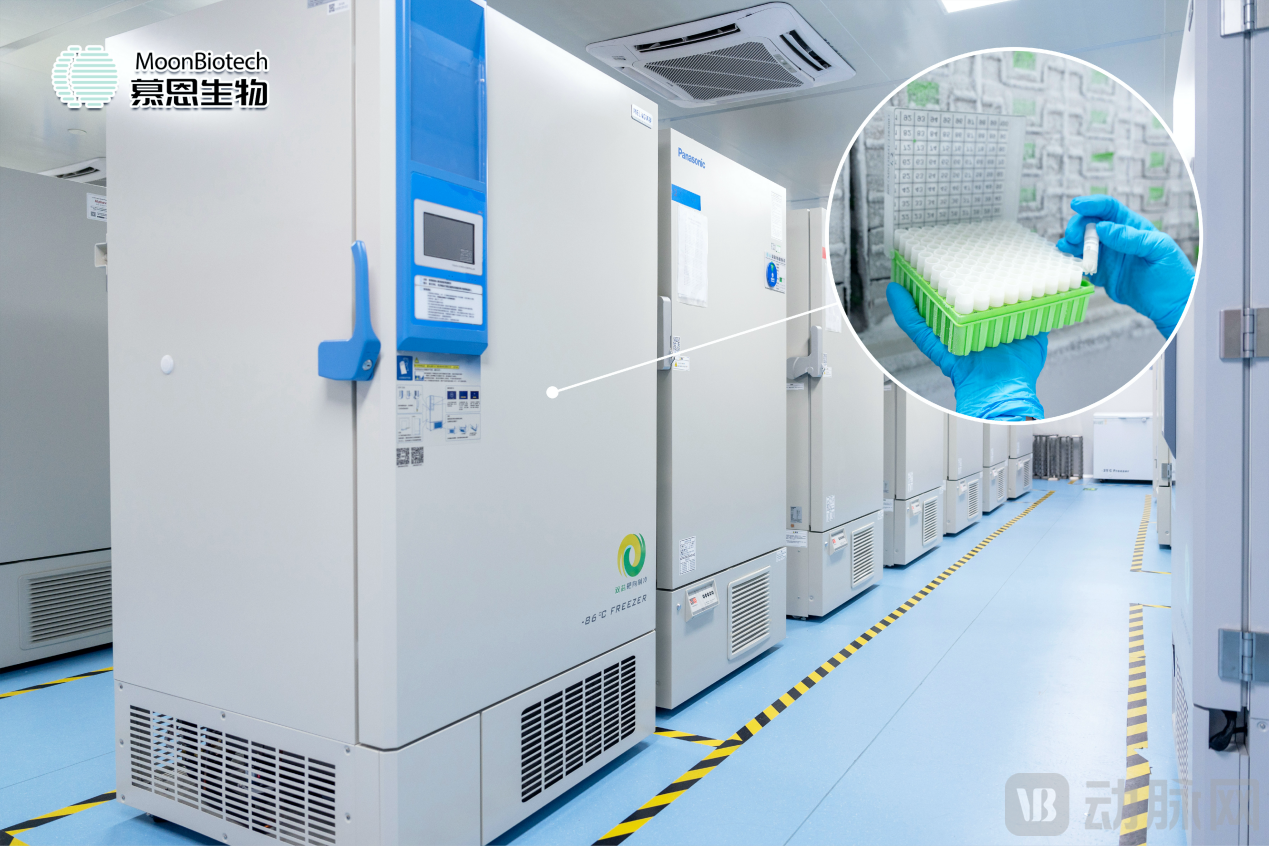
Strain Resource Bank
In the bio-agriculture sector, Guangzhou Colony Biotechnology Co., Ltd. focuses on the development and application of next-generation agricultural biologicals and trait genes. The company has obtained 34 registration certificates for microbial inoculant products, completed R&D for over 15 biopesticide products currently undergoing registration, and launched more than 20 highly innovative functional microbial inoculant products. It serves over 20 million mu of arable land annually, with a threefold year-on-year growth rate, significantly improving crop production efficiency. The company’s first large-scale intelligent manufacturing facility for agricultural microbes, located in Jinshi, Changde, Hunan Province, was officially completed and put into operation last July, with an annual production capacity of over 20,000 tons of microbial preparations. Currently, the company has established close collaborations with leading agricultural enterprises such as Syngenta Group, FMC Corporation, and Adama. Furthermore, following the signing of a project cooperation agreement with Syngenta in 2021, both parties have joined hands again this year to launch a new phase of trait gene exploration projects based on microbial diversity, aiming to accelerate the decoding of the “genetic code” in the seed industry.
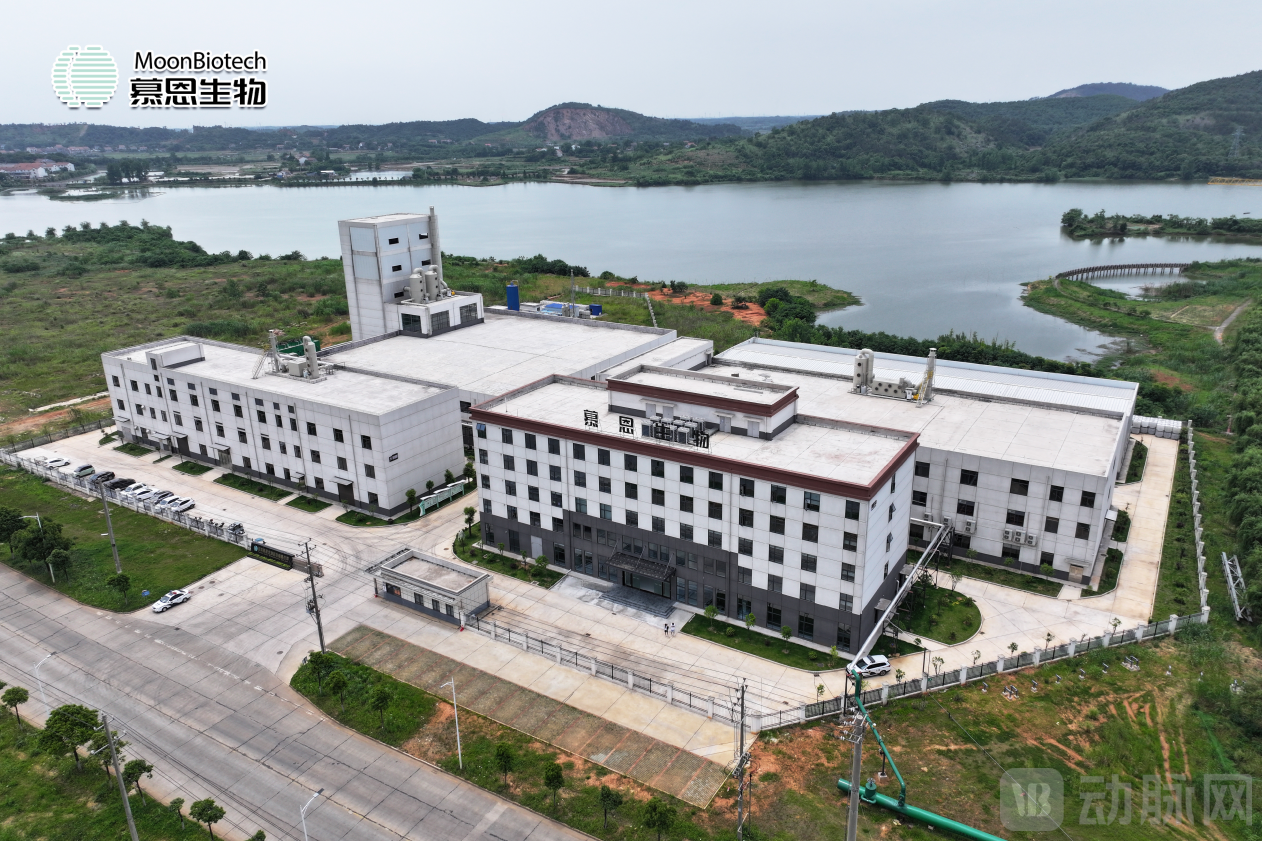
Phase I of the Colony Biotechnology Plant in Tianjin
In the biopharmaceutical sector, Guangzhou Colony Biotechnology Co., Ltd. currently has three drug candidates in clinical development and multiple preclinical pipelines, covering therapeutic areas such as oncology, obesity, type 2 diabetes, and non-alcoholic steatohepatitis (NASH). Its independently developed innovative live biotherapeutic product, MNC-168 enteric-coated capsules, is the first tumor-targeting live biotherapeutic drug in China to receive clinical trial approval through both domestic and international regulatory submissions. It is currently undergoing Phase I clinical trials at Guangdong Provincial People's Hospital. Another independently developed innovative live biotherapeutic for weight loss, MNO-863, is the first live biotherapeutic drug in China indicated for weight loss and metabolic syndrome. The company has established collaborations with global and domestic pharmaceutical giants, including Novo Nordisk, Hengrui Medicine, and Merck China Innovation Center, and has entered into clinical partnerships with medical institutions such as Guangdong Provincial People's Hospital and the Chinese PLA General Hospital (301 Hospital).
In the microbial protein sector, Guangzhou Colony Biotechnology Co., Ltd. focuses on discovering, screening, and engineering target production strains from China’s vast fungal biodiversity resources to enable high-efficiency, low-cost, and scalable production of alternative proteins for food and feed. This approach aims to transform the traditional reliance on crop cultivation, animal husbandry, and fishing for protein acquisition, thereby fulfilling its mission of “sourcing protein from microbes.” To date, the company has identified multiple super strains with superior comprehensive traits from over 10,000 candidate strains, achieving protein content exceeding 55%, and has completed process scale-up on its self-built ton-scale pilot production line. Currently, two production strains have entered the registration and application phase for novel food ingredients. The company has partnered with Fuxiang Pharmaceutical, a listed company, to conduct technical research and promote industrialization in the field of microbial protein. It has also secured export orders for microbial protein, thereby achieving a closed-loop commercialization model.
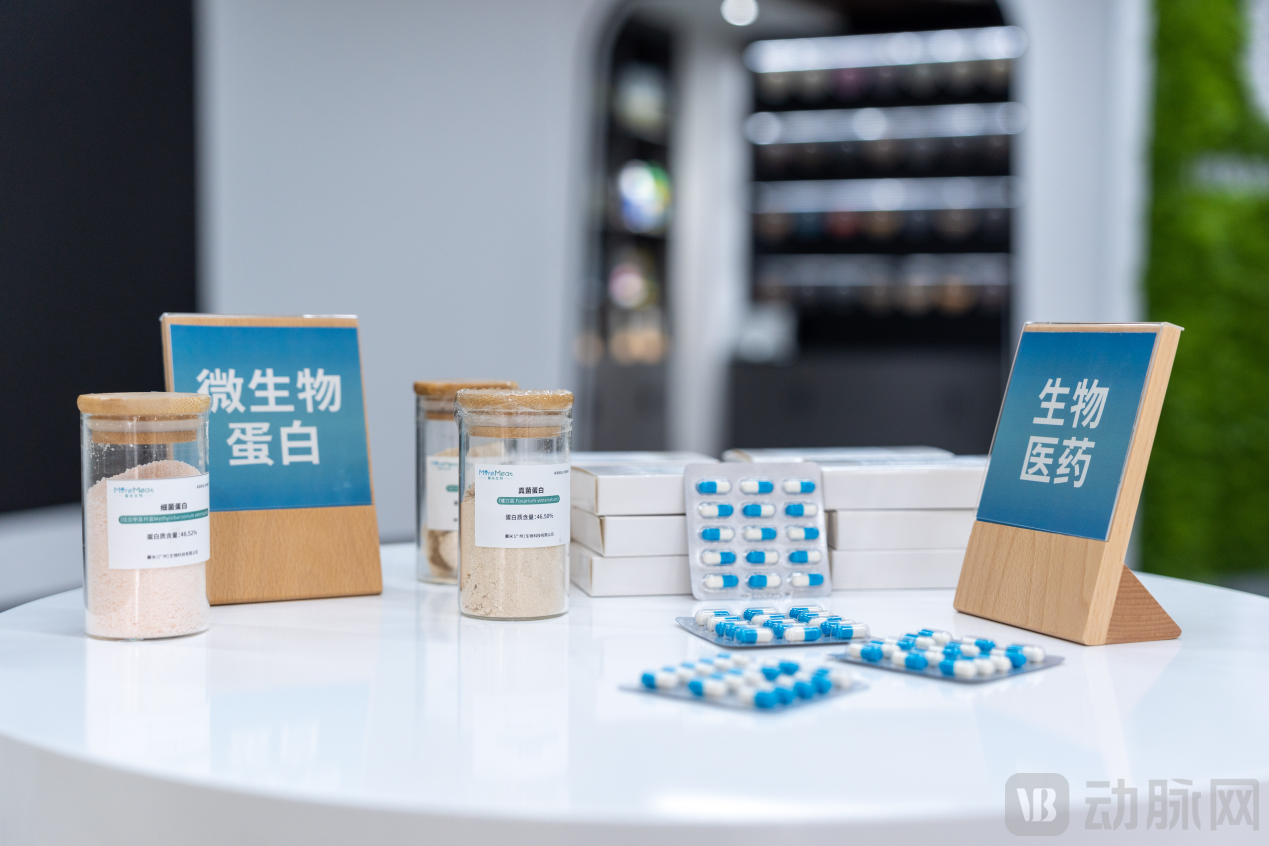
Biopharmaceuticals/Microbial Protein
Regarding the successful completion of the Series C+ financing round,Dr. Xianzhi Jiang, Founder, Chairman, and CEO of Colony BiotechnologySpecial thanks to our investors for their recognition. “We sincerely appreciate SDIC JULI’s support and trust in us. This year marks the ninth anniversary of Guangzhou Colony Biotechnology Co., Ltd. Over these nine years, we have been fortunate to receive continuous encouragement and support from all sectors, working hand in hand with a group of like-minded partners. Currently, Guangzhou Colony Biotechnology is at a critical stage of development. In the vast bio-manufacturing industry, which is full of opportunities and challenges, we remain true to our original aspiration. Driven by innovation in microbiology, we are committed to providing more accessible, effective, and competitive bio-innovative solutions and bio-manufacturing products, based in China and serving the global market.”
SDIC JULI stated: Under the strategic deployment of SDIC Group for developing the national biomanufacturing industry, SDIC JULI will continue to carry out strategic investments and ecosystem layout in the biomanufacturing sector. It will fully leverage SDIC Group’s industrial resources, strengthen post-investment management and empowerment for Guangzhou Colony Biotechnology Co., Ltd., and work together with other shareholders to increase support for the company. This collaborative effort aims to accelerate its development and strive to achieve the strategic goal of establishing Guangzhou Colony Biotechnology Co., Ltd. as a key national platform for microbial resource discovery and biomanufacturing technologies, thereby creating substantial economic and social benefits for investors.
Liao Jieying, Managing Director of CEC CAPITALstated, “We are deeply honored to have assisted Guangzhou Colony Biotechnology Co., Ltd. in completing this round of financing. ‘Biomanufacturing’ is a national priority industry and a new engine for growth, with the bioeconomy having become an important strategic component of the country’s future development plans. As a globally leading biomanufacturing-enabling platform, Guangzhou Colony Biotechnology possesses a microbial chassis library that serves as a guarantee for the sustainable development of biomanufacturing, aligning with the broader direction of industrial development and national strategic upgrading. We look forward to Guangzhou Colony Biotechnology leveraging this financing round to further capitalize on its advantages in strain resources, technological platforms, and industrialization, thereby accelerating the commercialization of its products.”
About SDIC JULI
SDIC JULI Investment Management Co., Ltd. (hereinafter referred to as “SDIC JULI”) is a subsidiary of State Development & Investment Corp., Ltd. (hereinafter referred to as “SDIC”). It is a fund management company initiated by the State-Owned Investment Companies Professional Committee of the China Investment Association (the “State-Owned Investment Committee”) and jointly established by SDIC, state-owned investment companies from various provinces and municipalities, and social capital. The original intention behind the company’s establishment was to fully leverage the platform role of the State-Owned Investment Committee, collaborate with its member units, serve the real economy through financial services, and promote national economic structural adjustment and industrial upgrading. The company operates independently in accordance with market-oriented operations and professional management requirements, adhering to the strategy of selecting leading enterprises within focused industries for strategic investments, with the aim of building a first-class private equity fund management institution in China. The target fund size is RMB 50 billion, with an initial fundraising scale of RMB 10 billion.