

Gong RuJing of Yidu Tech Highlights Trust as Key to Advancing AI in Healthcare at Summer Davos
“AI in healthcare is a highly challenging field. For enterprises, it requires not only addressing scientific questions but also understanding artificial intelligence technologies and respecting the complexities of the healthcare industry.” At the 15th Annual Meeting of the New Champions of the World Economic Forum (Summer Davos), Ms. Gong Rujing, Chairwoman and Founder of Yidu Tech, attended as an outstanding representative of the health technology sector. She shared her unique insights on the future of AI in healthcare during the thematic dialogue on “Accelerating the Application of Data Analytics in the Healthcare Industry.”
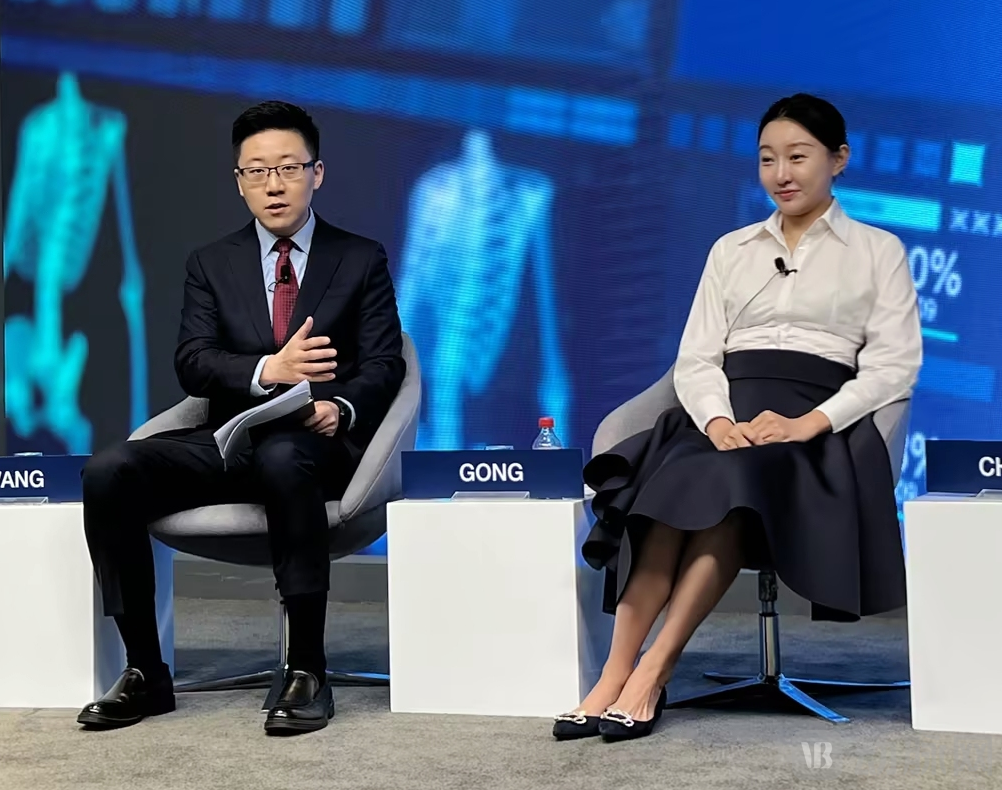
This year marks the 10th anniversary of Yidu Tech’s establishment, as well as the 10th year Ms. Gong Rujing has dedicated herself to the healthcare industry. “I will continue this work in the coming decades and strive to do it even better,” she stated. She revealed that since embarking on her entrepreneurial journey a decade ago, she has been driven by a life mission: to leverage the power of technology to make precision medicine accessible to every ordinary person.
Ms. Gong Rujing stated that the past decade has been a journey filled with miracles and achievements. During this period, Yidu Tech has gradually established close collaborations with key stakeholders across the healthcare industry chain, including government agencies, hospitals, pharmaceutical companies, insurance providers, experts, and clinicians. As of March 31, 2024, Yidu Tech’s “AI Healthcare Brain,” YiduCore, had been authorized to process and analyze more than 5 billion medical records, covering over 2,500 hospitals. Leveraging YiduCore’s accumulated capabilities in AI technology and medical knowledge comprehension, Yidu Tech works hand in hand with its partners to jointly drive innovation and progress in the healthcare sector.
In the realm of regional population health management, Yidu Tech has assisted in building urban “Health Brains,” with multiple benchmark projects implemented in cities such as Beijing and Ningbo. In the field of AI-enabled clinical research, Yidu Tech has supported research experts and clinicians in publishing over 240 high-impact papers, accelerating the translation and application of scientific achievements. Furthermore, Yidu Tech provides clinical trial services to globally renowned pharmaceutical companies, helping them optimize trial processes, reduce costs, and ultimately bring new drugs to market more quickly, thereby benefiting patients. In healthcare management, Yidu Tech’s AI technology also plays a significant role. By analyzing vast amounts of medical data, it provides comprehensive decision support to healthcare administrators, helping them optimize resource allocation and improve service efficiency. The number of active users who have completed at least one transaction on Yidu Tech’s health management platform has reached nearly 27.6 million. “These achievements are all driven by the empowerment of medical data analytics and AI technology.”
“We are now entering a new era of AI technology.” The advancement of large language model (LLM) technology has revealed new possibilities across various industries. Yidu Tech has independently developed a healthcare-specific vertical LLM and is promoting the application of this technology across all segments of the entire “healthcare, pharmaceuticals, insurance, and patient” value chain, aiming to leverage new AI technologies to foster greater progress and innovation. At the same time, Ms. Gong Rujing pointed out that the healthcare industry is highly specialized, complex, and sensitive; therefore, while adopting new technologies, it is crucial to address challenges related to data security, privacy protection, and ethics.
“Data security and privacy protection are the foundation for the development of AI technology and medical big data technology. We must ensure that all stakeholders are satisfied with compliance, security, accessibility, and privacy protection.” However, under different circumstances, targeted privacy protection strategies at varying levels may also be required. She illustrated this issue with a vivid example: “If a patient is in a coma and in critical condition, unable to express their wishes, can doctors access their medical records without waiting for the patient’s consent? This requires us to think deeply and carefully weigh the trade-offs.”
“AI still has a long way to go.” She called for joint efforts from policymakers, healthcare institutions, technology companies, and other stakeholders to unlock the vast potential of medical data. Ms. Gong Rujing pointed out that building trust is key, while also enhancing data operability to fully harness the power of data. “It is not just about higher-quality data, but about a healthier future.”
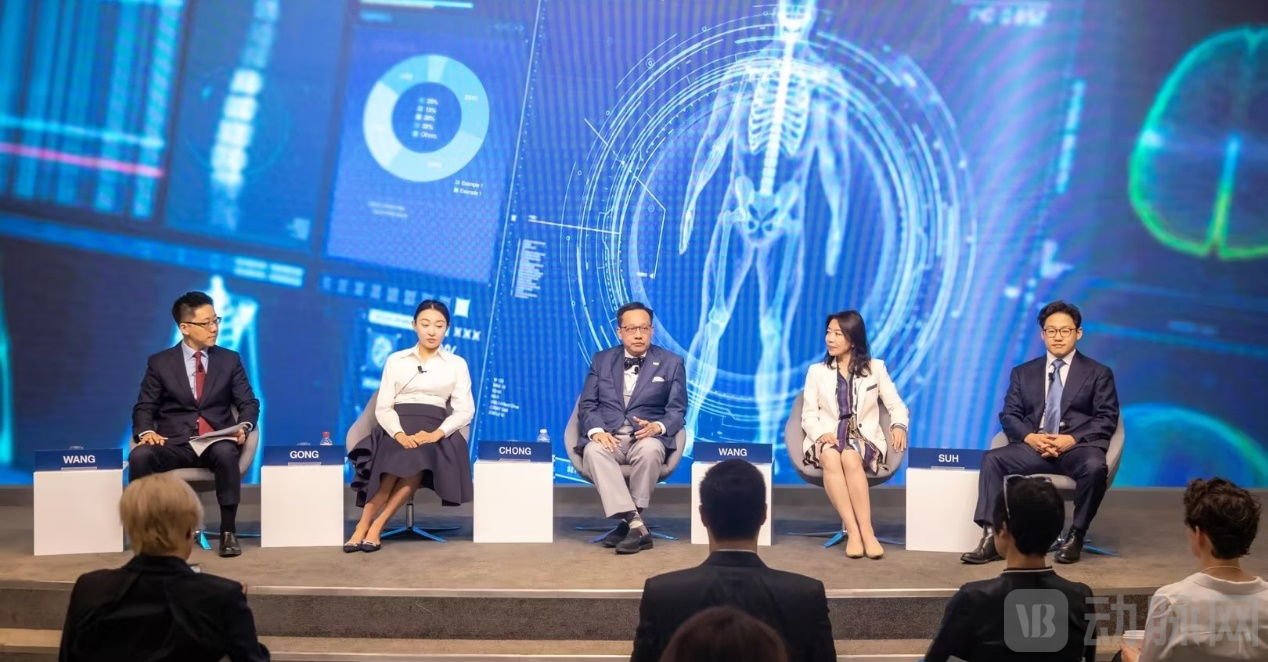
Other participants in this dialogue include Professor Chong Yap Seng, Dean of the Yong Loo Lin School of Medicine at the National University of Singapore; Dr. Brandon Suh, Chief Executive Officer of Lunit; and Dr. Wang Nan, Senior Vice President and Chief Investment Officer of Neusoft Corporation, as well as Chairman and President of Neusoft Europe.