

WeDoctor Empowers People-Centered Integrated Healthcare System Through Digital and AI Innovation
On the morning of June 29, the 6th China Healthy County Development Conference grandly opened in Yangzhou, Jiangsu Province. Leaders from numerous departments, associations, and institutions—including the National Health Commission, the China Medical and Health Culture Association, the China Rural Health Association, and the Yangzhou Municipal Health Commission—joined hospital administrators, experts, scholars, and corporate representatives from across China to jointly explore new pathways for the high-quality development of public hospitals and the enhancement of primary healthcare service capabilities.
AsThis conference'sKey Topics,How to Promote Medicine with Digital Intelligence TechnologyHealthcareHigh-quality development in the field has become the focus of attention for attending guests. IndustryLeading Enterprise: WeDoctorBy virtue ofIts deep involvement and outstanding contributions in the field of digital healthcare,Invited to attend the conference and share experiences.WeDoctorHoldingPresidentMr. ZhangAtKeynote Address at the Main ForumKeynote Address, introducing how WeDoctor explores through institutional innovation and technological innovation,and promoteThe Digital Health Community Model Provides Strong Support for the Construction and Upgrading of Integrated Medical Consortia, build“People-Centered Health”Integrated Healthcare Service System。
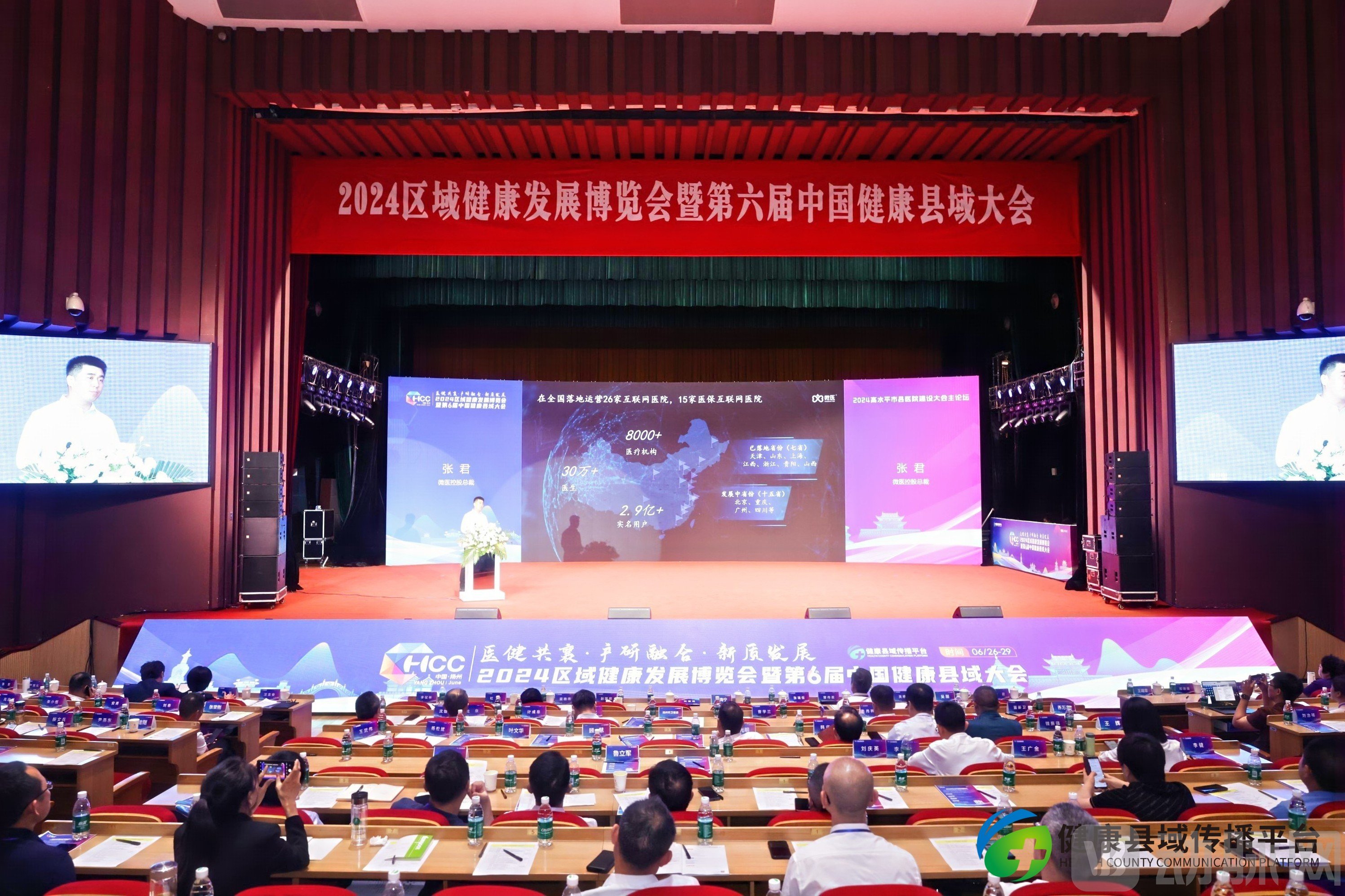
Figure | The 6th China Healthy County Conference Focuses on Digital Intelligence Empowering Healthcare
Digital Intelligence Empowerment: Effectively Implementing the Coordinated Development of the “Three Medicals”
Since establishing China’s first internet hospital in 2015, WeDoctor has achieved significant milestones in the field of digital healthcare. To date, WeDoctor has launched and operated 26 internet hospitals across China, 15 of which have enabled online reimbursement through medical insurance. Starting in 2019, WeDoctor partnered with provinces and municipalities such as Tianjin and Shandong to jointly explore an “upgraded” version of medical consortia—the Digital Health Consortium. This initiative aims to address the issue of “connected but not integrated” within existing medical alliances by leveraging digital solutions. By employing data-driven and intelligent technologies, including big data and AI, it seeks to enhance the quality and efficiency of medical services, while promoting the coordinated development of medical insurance, healthcare delivery, and pharmaceuticals.
Mr. Zhang stated that by building the “Three-Medical Linkage” digital platform, an AI-driven intelligent center for co-management of chronic diseases, and a “digital foundation” for regional population health information platforms, WeDoctor has gradually established systematic intelligent support for the Digital Healthcare Community. This enables medical consortia to effectively leverage health insurance as the key driver to coordinate linked reforms across healthcare, medical insurance, and pharmaceuticals, with payment method reforms leading the transition toward health-oriented healthcare service models.
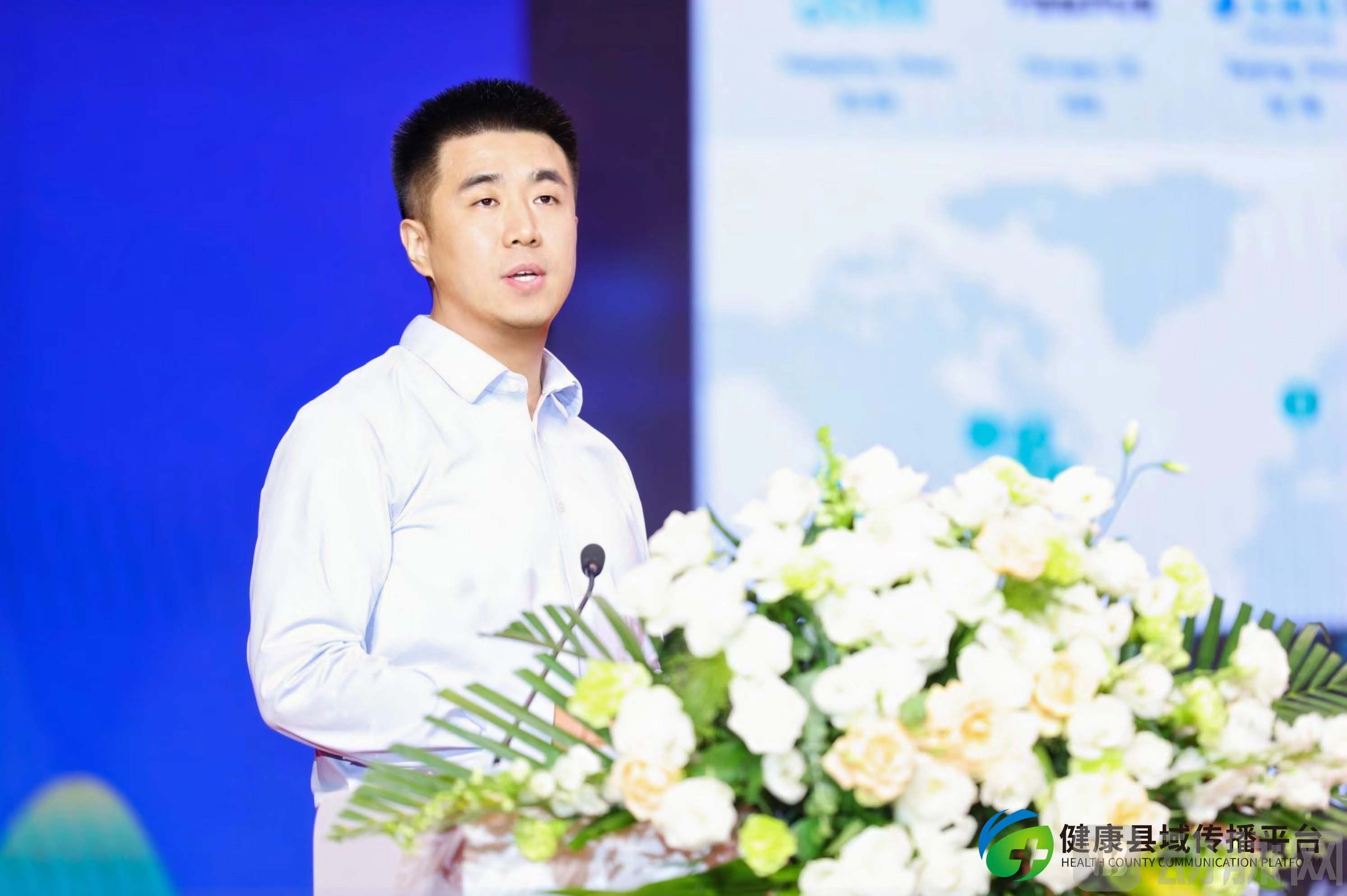
Figure | Zhang Jun, President of WeDoctor Holdings, Delivers Keynote Address on the Digital Health Community Model
Taking Tianjin’s Digital Health Consortium as an example, the completion of three construction phases has enabled the retention of surplus medical insurance funds and effectively promoted the development of an integrated healthcare service system. In the first phase, the “Four Clouds” platform (Cloud Management, Cloud Services, Cloud Pharmacy, and Cloud Diagnostics) was established to address deficiencies in primary basic medical service capabilities. In the second phase, 238 chronic disease management centers were built, significantly enhancing primary healthcare management capabilities and facilitating the implementation of capitation-based payment reform for single diseases (diabetes). In the third phase, the chronic disease management centers were upgraded to create a multi-morbidity co-management, full-lifecycle AI system, exploring the “global budget payment for family doctor contracted services” model within medical insurance payment reform.
“The ‘Four Clouds’ provide centralized services to primary healthcare institutions, comprehensively enhancing their diagnostic, treatment, and chronic disease management capabilities, thereby retaining patients at the primary care level and enabling effective health management,” introduced Zhang Jun. The “Four Clouds” platform delivers integrated services covering medical care, pharmaceuticals, laboratory testing, health management, and administrative support to 266 primary healthcare institutions in Tianjin. Following the establishment of the Cloud Pharmacy, the variety of medications available at the primary care level expanded from 400 to 2,642 types, while intelligent prescription review achieved a compliance rate of 98.36%.
Continuous Innovation to Support the Upgrading of China’s Medical Consortiums
Relevant officials from the National Health Commission have pointed out that the focus of implementing the Healthy China initiative and the integration of medical care and disease prevention lies within the primary healthcare system. Against the backdrop of developing new quality productive forces and digital empowerment, primary healthcare institutions should strive to leverage contemporary advancements to achieve multifunctional integration and the coordinated development of systems, mechanisms, and other key elements. This will drive supply-side structural reform, optimize the allocation of medical resources, and enhance overall efficiency.
The digital health community model has achieved a transformation in productivity through technological and operational innovation. In April 2022, the Cyberspace Administration of China, the Ministry of Agriculture and Rural Affairs, the National Development and Reform Commission, the Ministry of Industry and Information Technology, and the National Rural Revitalization Administration jointly issued the “Key Points for Digital Village Development in 2022,” explicitly calling for “guiding localities to explore the development of grassroots digital health communities.” The experience of Tianjin’s Xiqing District in building a digital health community was included as a typical case of close-knit medical consortium construction by the National Health Commission and promoted nationwide. To date, seven provinces and municipalities have partnered with WeDoctor to establish digital health communities.
At the exchange session on advancing the development of close-knit medical consortia held during this conference, Bo Lichao, Party Branch Secretary and Director of the Dasi Town Community Health Service Center in Xiqing District, Tianjin, shared the achievements and experience of Xiqing District’s digital health consortium. By leveraging a digital platform to optimize the allocation of medical resources, Xiqing District has significantly enhanced the capacity and efficiency of primary care services. The number of drug specifications available at the primary care level has reached 4,854, and 48 home-based medical service items are now offered. Among the nearly 10,000 enrolled patients with diabetes covered under special outpatient programs, the blood glucose control rate has increased to 36.9%. The referral rate for these enrolled diabetes patients across the district is only 2.6%, and patient satisfaction has exceeded 97%.
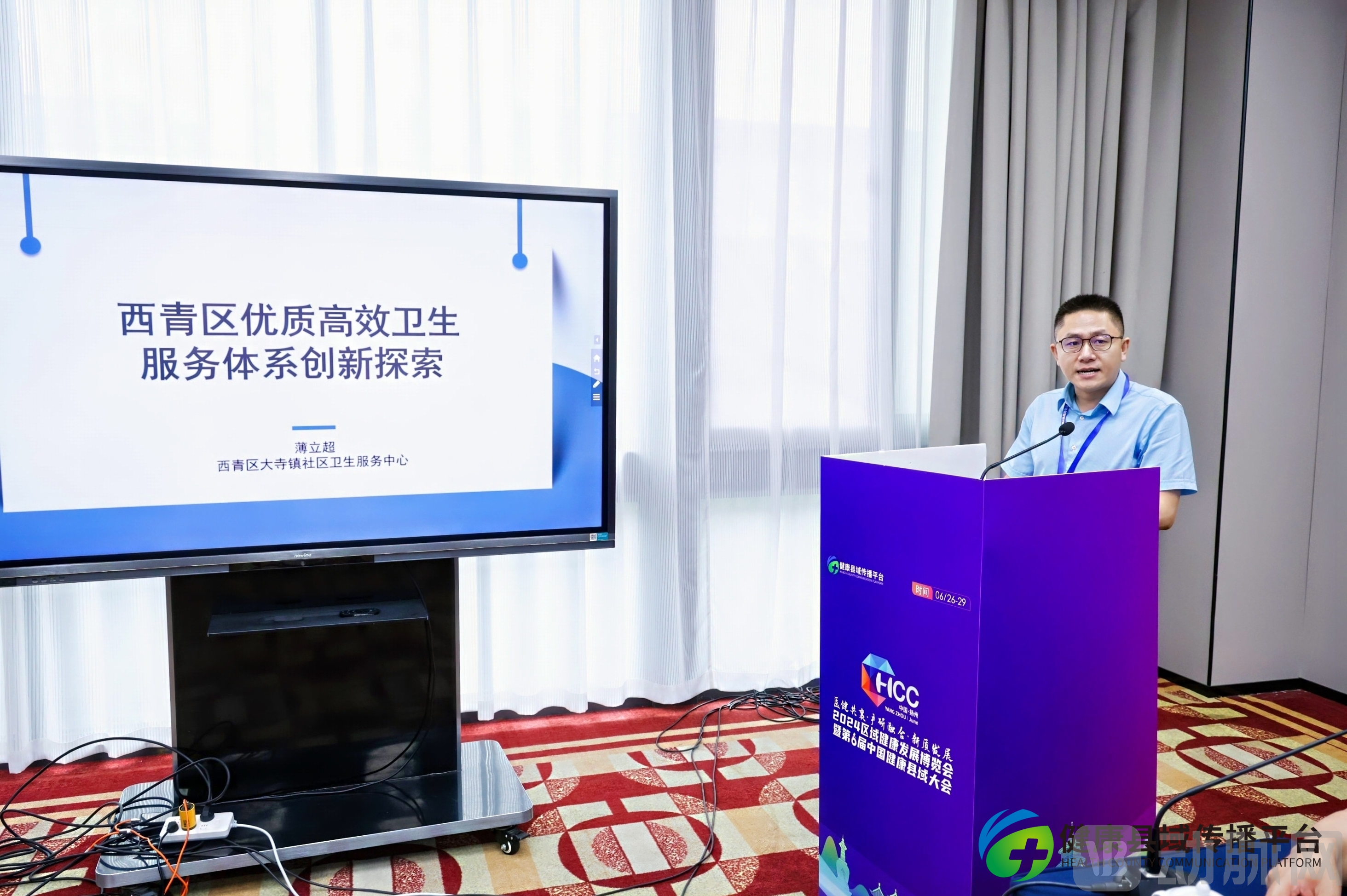
Figure | Xiqing District, Tianjin Shares Experience in Building a Digital Health Community
Notably, WeDoctor has been deeply involved throughout the construction and upgrading of the Sanming healthcare reform. Currently, it is collaborating with Shanghai Ruijin Hospital to promote the implementation of the “AI-Based Joint Management of Six Diseases” in Sanming, thereby supporting the realization of the “health-centered” approach in the Sanming Healthcare Reform 3.0 phase. This innovative model not only revolutionizes the concept of chronic disease prevention and control by shifting from a singular “disease management” mode to a comprehensive “patient-centered” strategy, but also further drives the upgrade of service models from treatment to health management, serving as a new digital-intelligence engine that propels the continued advancement of healthcare reforms in Sanming and across China.
“We are committed to building a discipline, product, operational, and management system for the digital and intelligent co-management of multiple chronic diseases, drawing on Sanming’s innovative practices and Tianjin’s experience,” said Zhang Jun. By continuously refining the overall framework of the Digital Health Community, WeDoctor aims to provide systematic and scientific solutions for the construction and development of Medical Communities across China, facilitating the context-specific promotion and application of the Sanming healthcare reform model nationwide, and jointly driving the intelligent upgrade and healthy development of healthcare services.