

Domestic First: Zhejiang University Second Hospital's Academician Wang Jian'an Team Successfully Completes High-Risk PCI Supported by Domestic Percutaneous Left Ventricular Pulsatile Pump

SHENGSHI science and technology
Developer of Clinical Decision Support Systems
Recently, the Second Affiliated Hospital of Zhejiang University School of Medicine successfully performed the first domestic high-risk percutaneous coronary intervention (HR-PCI) supported by a percutaneous left ventricular pulsatile pump, using the new generation of interventional left heart pulsatile pump independently developed by Hangzhou SHENGSHI TECHNOLOGY CO. LTD (hereinafter referred to as “SHENGSHI Technology”).
This surgery marks the first clinical trial in China of a domestically produced percutaneous left ventricular pulsatile pump, preliminarily verifying the safety and efficacy of SHENGSHI Technology’s independently developed product in providing protection during high-risk PCI procedures, representingThe New Generation of Interventional Left Ventricular Assist Device Officially Enters Clinical Practice.
The patient is a 73-year-old female who was admitted due to chest tightness and discomfort occurring 8 days after right hip arthroplasty. Her past medical history includes hypertension for over 10 years, type 2 diabetes mellitus for over 30 years, diabetic nephropathy for over 5 years, and cerebral infarction.
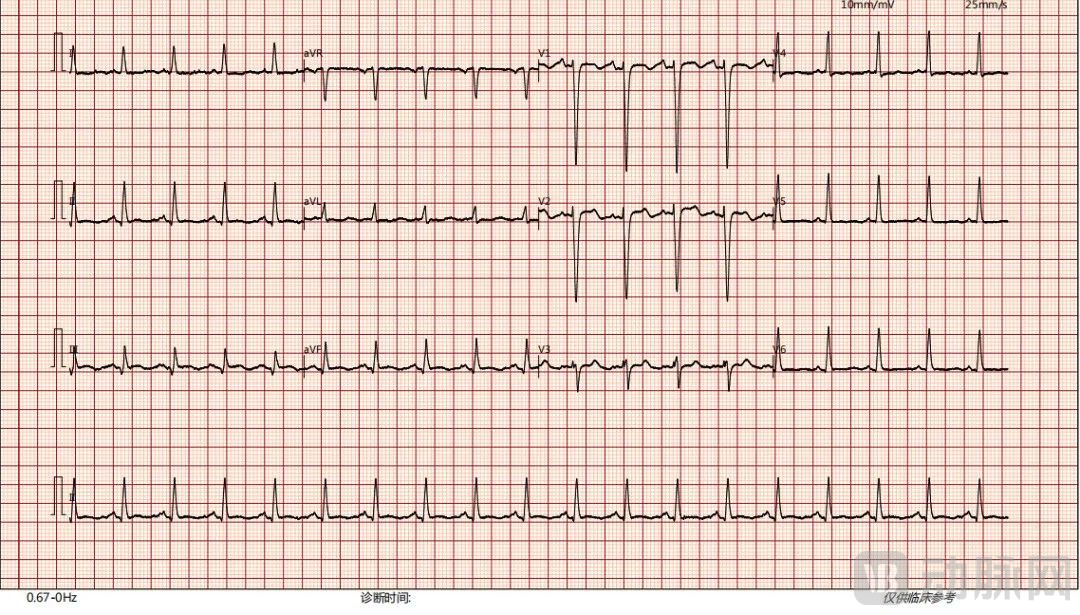
Admission Examination: ECG findings: sinus tachycardia, poor R-wave progression in the anterior wall with mild ST-segment depression. Echocardiography findings: left ventricular ejection fraction at the lower limit of normal (LVEF 51.2%), with segmental wall motion abnormalities of the left ventricle. Hematological and biochemical findings: WBC 26.3×10^9/L, Hb 64 g/L, creatinine 271.5 μmol/L (estimated eGFR 14 mL/min), TnT 2.45 ng/mL, NT-proBNP 1081.2 pg/mL.
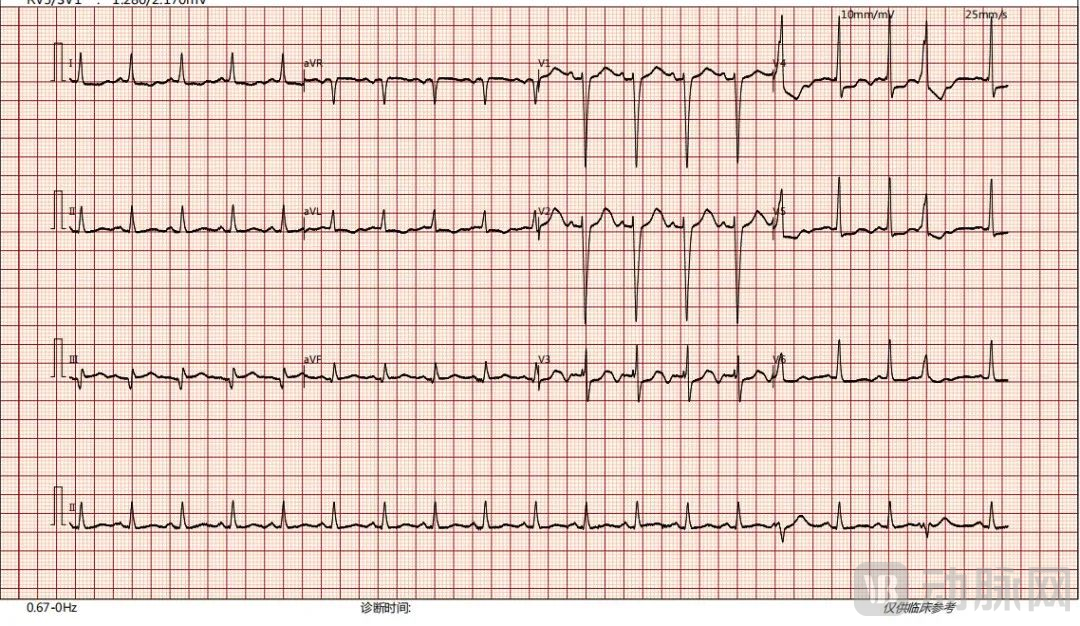
Admission Electrocardiogram
Admission Diagnosis: Acute non-ST-segment elevation myocardial infarction, cardiac function class II-III (Killip classification); pulmonary embolism (new-onset); post-right hip arthroplasty (8 days ago); moderate to severe anemia; pulmonary infection; type 2 diabetes mellitus with stage V diabetic nephropathy; primary hypertension; old cerebral infarction.
Clinical Analysis: The patient is of advanced age with multiple chronic comorbidities. Recent postoperative chest tightness raises suspicion for acute coronary syndrome. Concurrently, the patient presents with elevated infection markers, moderate-to-severe anemia, and uremic-stage renal dysfunction, indicating an extremely high risk of various severe complications during and after surgery.
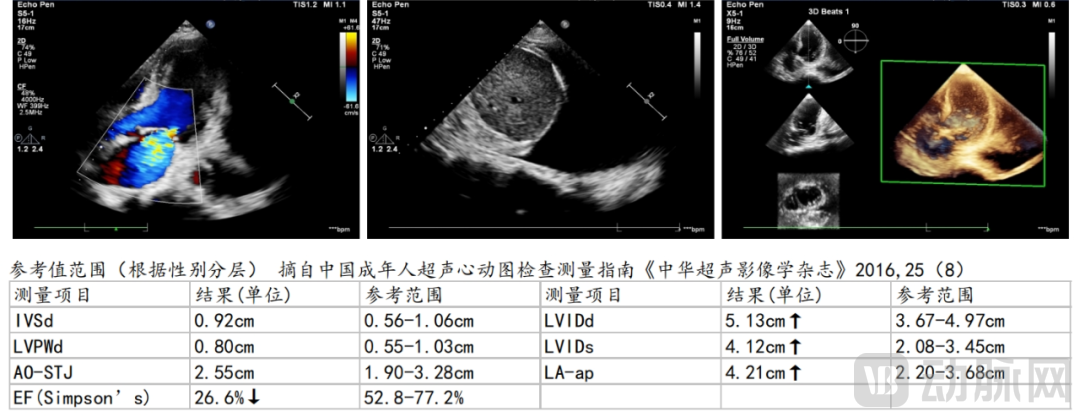
Change in Condition: After admission, the patient showed a suboptimal response to optimized pharmacological therapy. Serial monitoring of cardiac enzymes revealed an initial decline in troponin T (TnT) followed by a rebound increase. The left ventricular ejection fraction (LVEF) deteriorated sharply to 26.6%, and B-type natriuretic peptide (BNP) levels exceeded 5000 pg/mL. Given the critical condition, urgent assessment of coronary artery status is required.
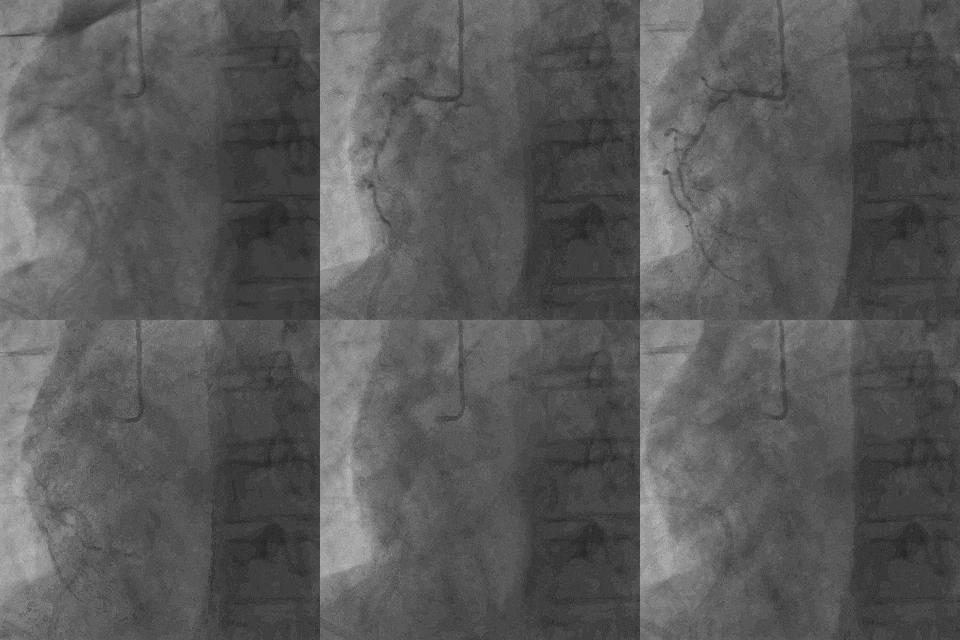
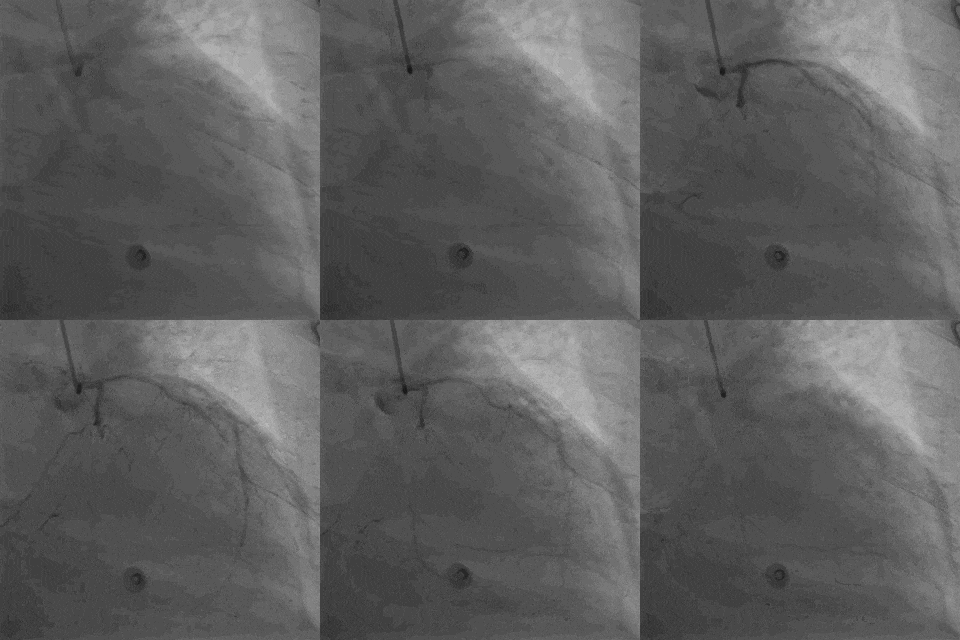
Angiographic results revealed severe three-vessel disease: the mid-segment of the left anterior descending artery exhibited 90% stenosis; the left circumflex artery was totally occluded, with visible collateral circulation providing retrograde perfusion to the distal segment; and the right coronary artery showed diffuse severe stenosis throughout its course, with distal occlusion.
Given that the patient and their family declined coronary artery bypass grafting (CABG), the Coronary Intervention Team of the Second Affiliated Hospital of Zhejiang University School of Medicine conducted a consultation. After analyzing the patient’s condition, the team decided to perform percutaneous coronary intervention (PCI) with the support of SHENGSHI Technology’s next-generation interventional left ventricular assist pump.
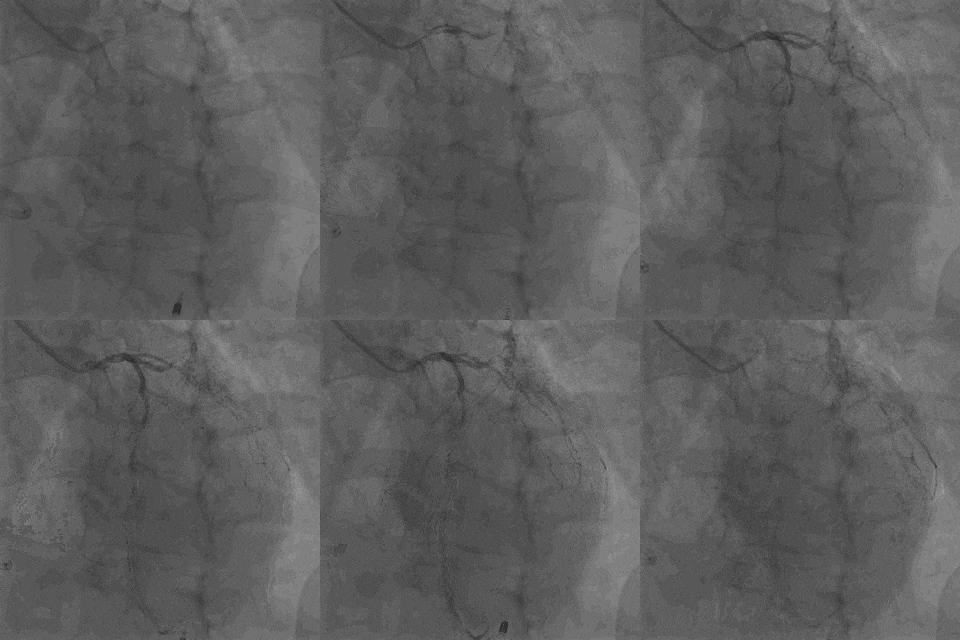
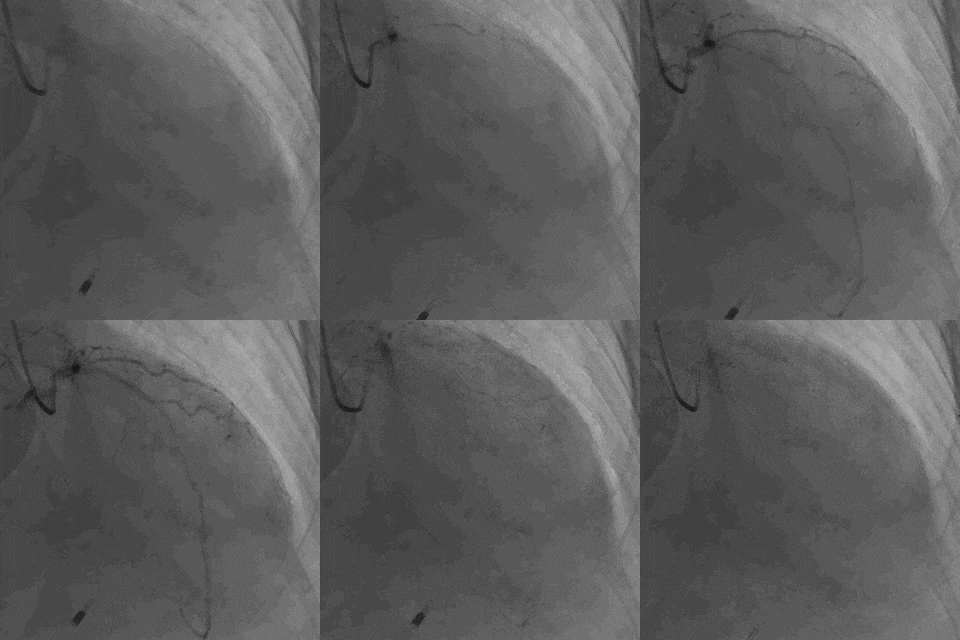
Percutaneous Left Ventricular Pulsatile Pump Implantation
Following right hip replacement surgery, the left ventricular assist device was successfully implanted via the left femoral artery approach. Dr. Jiang Jun, Director of the Department of Cardiology at the Second Affiliated Hospital of Zhejiang University School of Medicine, initially attempted to recanalize the occluded lesion in the circumflex artery using a CTO guidewire. However, due to the patient’s long-standing diabetes and renal insufficiency, the lesion was heavily calcified and rigid, making guidewire passage difficult. Considering that the patient was in the acute phase of heart failure and had renal insufficiency, Professor Jiang promptly adjusted the treatment strategy, prioritizing the management of the left anterior descending artery lesion. After pre-dilation, a stent was rapidly implanted.
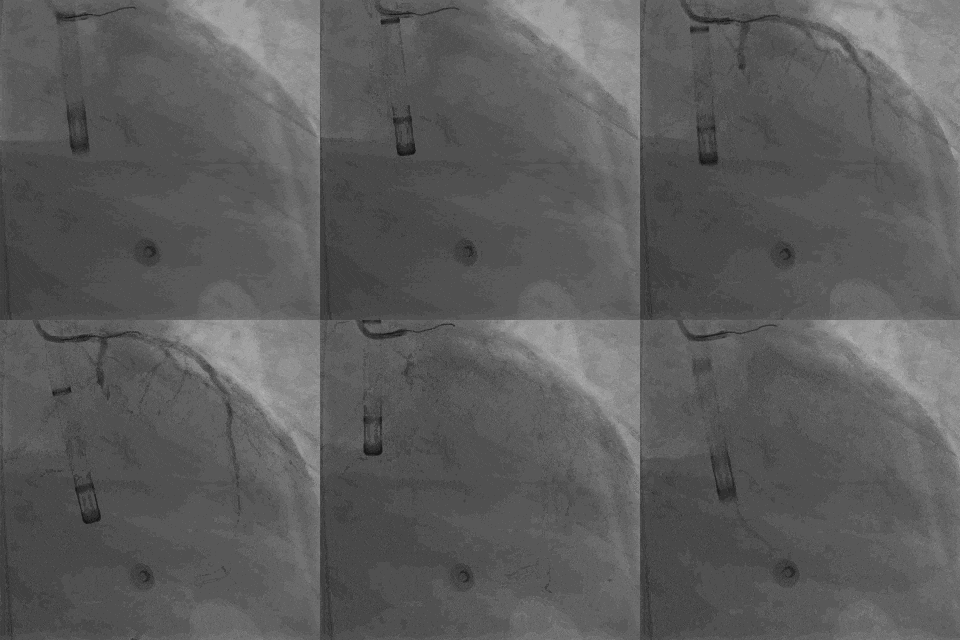
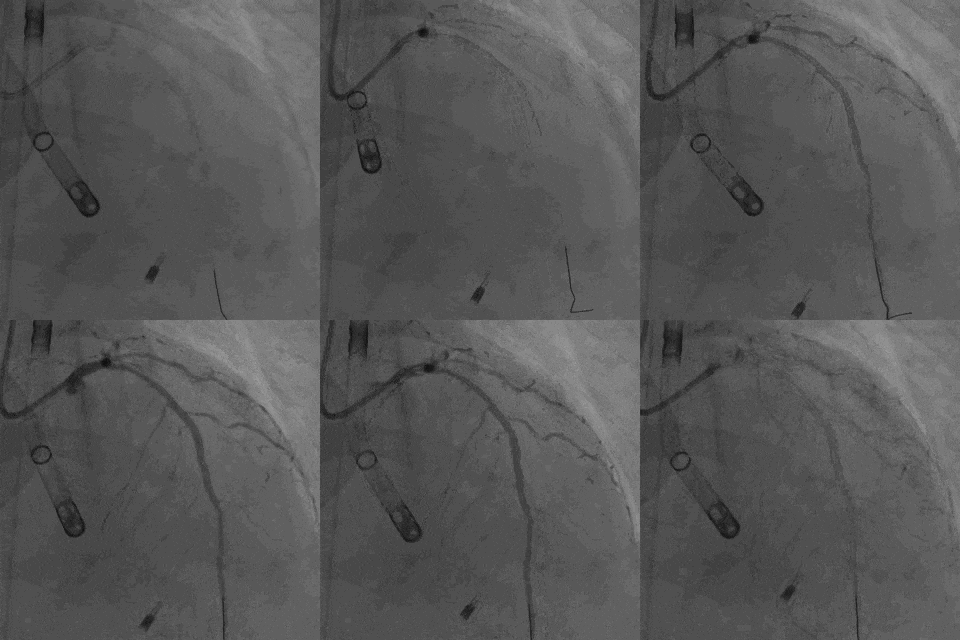
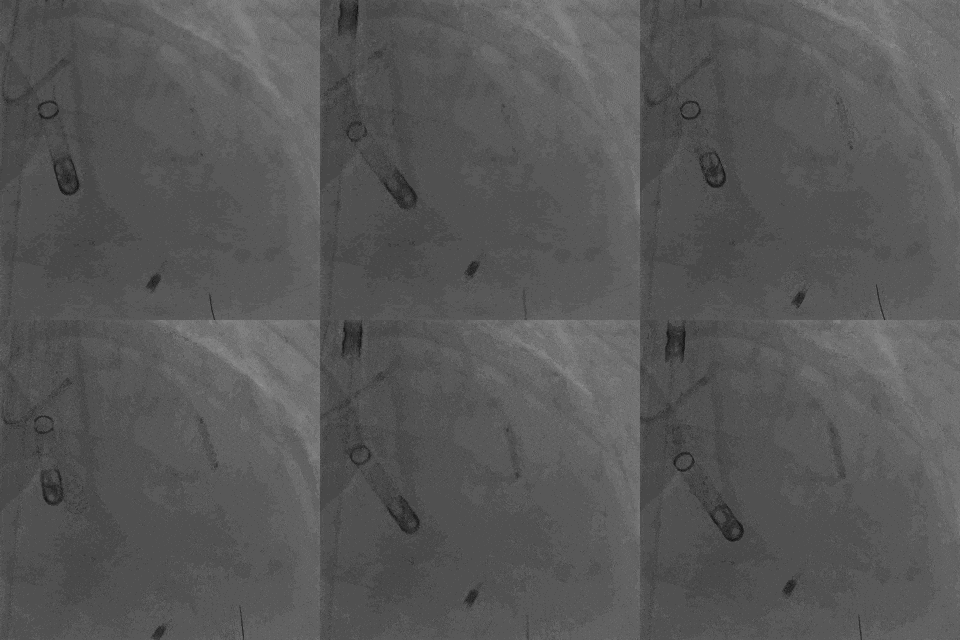
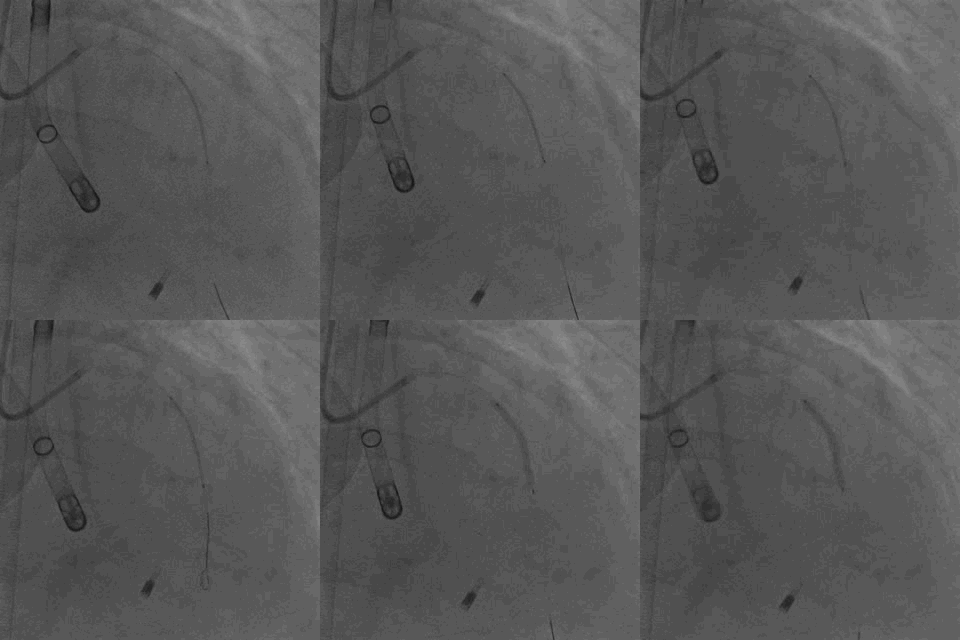
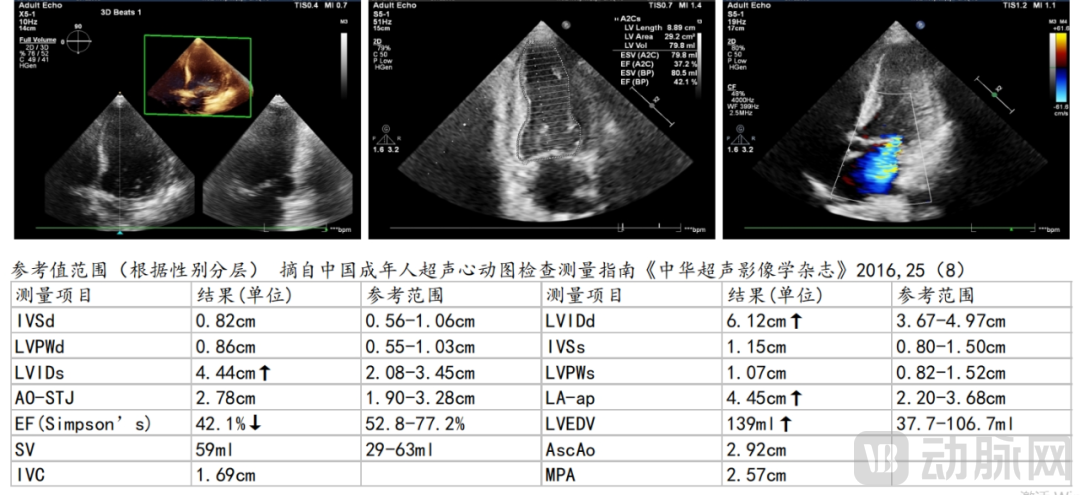
The patient experienced no discomfort during the procedure. The left ventricular assist device (LVAD) operated stably, with intraoperative monitoring showing a left ventricular ejection fraction (LVEF) of 41.0%. Hemodynamics remained stable, and the LVAD was removed immediately after the percutaneous coronary intervention (PCI). The patient was discharged smoothly eight days postoperatively, with a follow-up LVEF recovery to 42.1% prior to discharge. The team led by Academician Wang Jian’an at the Second Affiliated Hospital of Zhejiang University School of Medicine successfully performed a high-risk PCI supported by a domestically produced percutaneous left ventricular assist device, further demonstrating the efficacy and safety of SHENGSHI Technology’s new-generation interventional LVAD in clinical applications.
It is reported that the investigational device used in this trial is a new-generation pulsatile pump, developed through years of in-depth collaboration and sustained breakthrough efforts by a research team led by Professor Gao Qi from the State Key Laboratory of Transvascular Implantable Devices at Zhejiang University, leveraging the core technological expertise of SHENGSHI science and technology.
This product has applied for 12 patents. Its design better aligns with the hemodynamic characteristics of pulsatile blood flow, significantly reducing mechanical damage to blood cells and demonstrating excellent hemocompatibility. It generates pulsatile blood flow synchronized with the cardiac cycle, thereby significantly improving ventricular-arterial coupling and facilitating ejection into the arterial system. Furthermore, this product effectively reduces ventricular wall stress, alleviates cardiac load, improves cardiac output, increases left ventricular ejection fraction (LVEF), and enhances coronary perfusion pressure, placing its technological level at a leading position internationally.
The successful development of this technology has not only significantly reduced the clinical complexity and patient treatment costs associated with high-risk percutaneous coronary intervention (PCI) procedures, but also filled the gap in domestically produced interventional left ventricular assist devices, marking a breakthrough advancement for this technology in China. It holds profound significance for enhancing China’s medical technical capabilities and promoting the sustainable development of its healthcare sector.
China currently has the largest number of heart failure patients worldwide, with new cases continuing to rise. Clinical demand for circulatory support technologies is growing, yet no such products are currently available in the domestic market.
High-risk percutaneous coronary intervention (HR-PCI) primarily refers to cases with complex coronary anatomy/lesions accompanied by high-risk clinical features and/or comorbidities. In such HR-PCI patients, even transient myocardial ischemia during the procedure can lead to hypotension and reduced cardiac output, thereby triggering hemodynamic instability, impaired coronary perfusion, and heart failure. Consequently, despite continuous breakthroughs in coronary interventional techniques, approximately 8% of patients with ST-segment elevation myocardial infarction (STEMI) still develop cardiogenic shock, with a mortality rate approaching 50%.
Although the intra-aortic balloon pump (IABP) was once considered a major advance in the treatment of cardiogenic shock, given that both vasoactive medications and IABP use have failed to significantly improve patient mortality, the prophylactic use of percutaneous mechanical circulatory support (pMCS) devices to maintain hemodynamic stability during high-risk percutaneous coronary intervention (HR-PCI) has become recommended by international guidelines and supported by expert consensus both in China and abroad.
Due to its advantages, including minimal invasiveness, rapid initiation, and ease of operation, percutaneous mechanical circulatory support (pMCS) has been rapidly adopted in clinical practice, with usage far exceeding that of classic circulatory assist devices. Impella alone has cumulatively treated over 235,000 patients worldwide, earned recommendations from multiple clinical guidelines and expert consensus statements, and experienced robust sales growth.
According to data from the "Chinese Guidelines for Primary Diagnosis and Treatment of Heart Failure (2024)," the total number of heart failure patients in China has reached 12.1 million, with approximately 3 million new cases annually, ranking first globally. Meanwhile, driven by factors such as cardiogenic shock complicating myocardial infarction, acute deterioration of end-stage heart failure into cardiogenic shock, circulatory support during high-risk PCI procedures, fulminant myocarditis, cardiogenic shock and severe respiratory failure caused by other diseases, as well as cardiac arrest and respiratory failure resulting from severe accidents, the demand for short- to medium-term circulatory support systems in China exceeds 600,000 cases.
However, the situation is severe: although China has the largest number of heart failure patients worldwide, with the number of new cases continuing to rise and clinical demand for circulatory support technologies growing increasingly, no such products have yet been launched domestically.
Currently, the new generation of interventional left ventricular assist pump independently developed by SHENGSHI science and technology has successfully implemented the first domestic high-risk percutaneous coronary intervention supported by a percutaneous left ventricular assist pump. This achievement fills a technological gap in China, significantly improves patients' quality of life, and effectively reduces medical costs.
Features prominent fluid dynamics characteristics, positioned as an “accessible” product suitable for China’s national conditions
It is understood that this product, as a passive, interventional Class III medical device, can be applied in the clinical field of cardiovascular emergencies and critical care. It consists of an intervention tube and a membrane pump structure, and is compatible with the IABP host. The inlet at the tip of the intervention tube is located in the left ventricle, allowing blood to be directly drawn from the left ventricle during late diastole and systole, effectively unloading the burden on the left ventricle and reducing myocardial workload. During diastole, the extracted blood can be directly pumped into the aorta through a high-efficiency switching valve, thereby increasing blood perfusion to vital organs such as the heart, brain, and kidneys.
Specifically, this pulsatile pump adopts an extracorporeal membrane pump drive mode, achieving pulsatile mechanical circulatory support for the left ventricle by synchronizing blood flow with the electrocardiogram (ECG) via the extracorporeal membrane pump. In terms of flow path design, SHENGSHI Technology has further optimized the system by employing a unique drainage method that generates vortex flow within the membrane pump. This effectively flushes the pump to prevent thrombus formation while maintaining flow, thereby improving the operational energy efficiency of the membrane system. Furthermore, the pulsatile pump is equipped with high-efficiency switching valves that can rapidly respond to volume changes in the membrane pump, enabling periodic opening and closing to flexibly alter the direction of blood flow. Regarding host compatibility, this product is compatible with any standard IABP console and requires no dedicated hardware.
Notably, this pulsatile pump features outstanding hydrodynamic characteristics and has secured more than 12 patents. Positioned as an “accessible” product, it caters to the needs of a broad base of primary-care hospitals (such as county- and city-level facilities), making it particularly well-suited to China’s context of uneven regional development, relatively limited healthcare investment, and patients’ emphasis on cost-effective medical care.
Building a Heart Failure Circulatory Support Platform Based on “Fluid Dynamics” Technology
In the face of foreign technological blockades in current circulatory support technologies and the absence of domestic alternatives, SHENGSHI Technology has achieved a breakthrough by leveraging its years of deep expertise in “fluid dynamics” technology and related industrial practices.
SHENGSHI Science and Technology was founded in 2017 by Dr. Gao Qi, a renowned expert in fluid dynamics, and is among the earliest enterprises in China dedicated to the research and development of interventional artificial hearts. Leveraging an internationally leading scientific research platform in fluid dynamics, the company maintains ongoing collaborations with premier medical institutions such as the National Center for Cardiovascular Diseases, fostering deep integration of medicine and engineering to facilitate the clinical translation of advanced scientific achievements. Committed to advancing precision diagnosis and treatment of cardiovascular diseases in China, the company currently focuses on the independent innovation of a cloud-based platform for non-invasive precision diagnosis and treatment of cardiovascular conditions, as well as life support systems for acute and critical care. By breaking through foreign technological blockades and addressing key international "chokepoint" challenges, SHENGSHI aims to drive industrial upgrading and provide superior medical products and services to patients with cardiovascular diseases.
The company has established four major technological platforms: impeller and flow channel optimization design, next-generation high-performance motor technology, intelligent flow control technology, and full-function in vitro validation technology. These platforms ensure robust technical support for the company’s circulatory assist products, covering everything from the design and manufacturing of core components to the verification of product functionality and safety. Significant breakthroughs have also been achieved in both software and hardware R&D, with multiple innovative products advancing into animal testing, clinical trials, and regulatory registration stages. After six years of arduous entrepreneurship and technological innovation, the company is on the verge of entering a “harvest period,” marking a new phase of industrial implementation and commercialization.
SHENGSHI Technology’s rapid development has garnered high recognition from government authorities at all levels, earning it numerous honors such as “National High-Tech Enterprise,” “China Technology-Based SME,” Hangzhou “Eagle Plan” Enterprise, and “Hangzhou Innovative SME.” Looking ahead, the company will actively promote the iterative upgrading of its existing products, accelerate the regulatory approval process for its next-generation implantable left ventricular assist device, and develop a broader portfolio of comprehensive diagnostic and therapeutic solutions for “circulatory disorders,” safeguarding patients’ lives through technological innovation.