

Heyu Hospital Officially Opens as a Flagship Smart Healthcare Facility in Guangdong Province’s Key Construction Project
Since the National Health Commission proposed the development of a “trinity” smart hospital information system encompassing electronic medical records, smart services, and smart management, hospitals and health IT enterprises have embarked on reconstructing and building smart hospitals. After years of dedicated effort, the concept of the smart hospital has gradually evolved from an abstract notion derived from technology and outcomes into a concrete, multi-layered framework.
Not only are information and communication technologies, big data, and artificial intelligence accelerating their integration into medical application devices through systems such as Hospital Information Systems (HIS), Electronic Medical Records (EMR), Picture Archiving and Communication Systems (PACS), and Hospital Resource Planning (HRP), but vendors are also conducting top-level, full-lifecycle design for hospitals. This approach is centered on clinical scenarios and medical workflows, while taking into account hospital organizational structures, business processes, and societal needs.
On June 28, 2024, Shunde Heyou Hospital (hereinafter referred to as “Heyou Hospital”), invested in and constructed by Midea Holdings, officially commenced operations. As a key construction project in Guangdong Province, it is an international, smart, research-oriented general hospital that integrates both inclusive and high-end healthcare services.
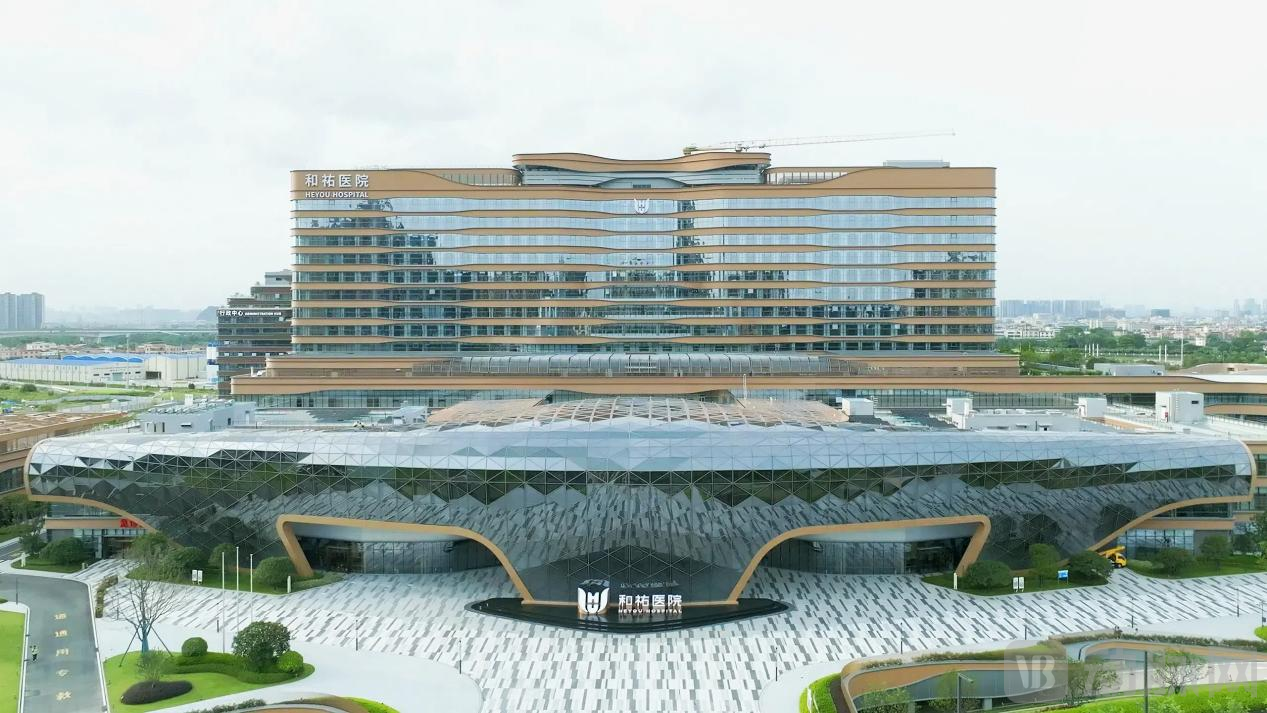
It is reported that Heyou Hospital is located in Beijiao Town, Shunde District, with a total construction area of approximately 380,000 square meters and an overall planned capacity of 1,500 beds. Currently, the completed facilities include one non-profit tertiary general hospital (Heyou Hospital), one secondary general hospital (IMC International Medical Center), a Proton and Heavy Ion Therapy Center (making it the second hospital in China to possess such a center), and supporting amenities.
Notably, Heyou Hospital has adopted Midea Building Technologies’ “Smart Hospital LIFE Solution.” From the outset of construction, “smart” and “low-carbon” were established as the core pillars of the entire project, achieving deep integration of healthcare and technology. By applying the “HDT Five-Step Methodology” and adhering to the “Large Platform, Small Scenarios” development philosophy throughout the project’s full lifecycle, the hospital has emerged as a representative model in China that combines smart capabilities, low-carbon operations, and high efficiency.
From a top-level design perspective,
Building a "Living, Evolving" Smart Hospital
Since the launch of smart hospital initiatives, many hospitals have begun to explore this path. However, in the face of growing healthcare demands and limited medical resources, how to build an efficient, intelligent, and patient-centered healthcare service system remains a common challenge for the industry.
In this context, Midea Building Technologies partnered with Heyou Hospital to resolve this issue.
The company first assembled experts and scholars from multiple fields, conducted in-depth research, analysis, and case studies, actively explored the core issues of smart hospital construction, compiled andReleased the "HEST Four-Dimensional Smart Hospital Construction Blue Book", from Humanism, Economics, Sociology, and EngineeringFour Dimensions Provide Theoretical Support for the Definition, Evaluation, and Iterative Direction of Smart Hospitals。
Guided by these theories and leveraging its core technologies, Midea Building Technologies has successfully delivered smart hospital construction solutions to numerous medical institutions. Heyou Hospital stands as a prime example of the comprehensive integration of Midea Building Technologies’ smart hospital theories and technologies.
During the development of Heyou Hospital, Midea Building Technologies first applied the “HDT Five-Step Method,” aligning with Heyou’s strategic positioning and benchmarking against global healthcare facility standards, while conducting in-depth visits and studies of dozens of exemplary hospitals. Based on the benchmarking results, two rounds of workshops and in-depth interviews were conducted with 52 co-creators, including representatives from various hospital departments and professional teams.
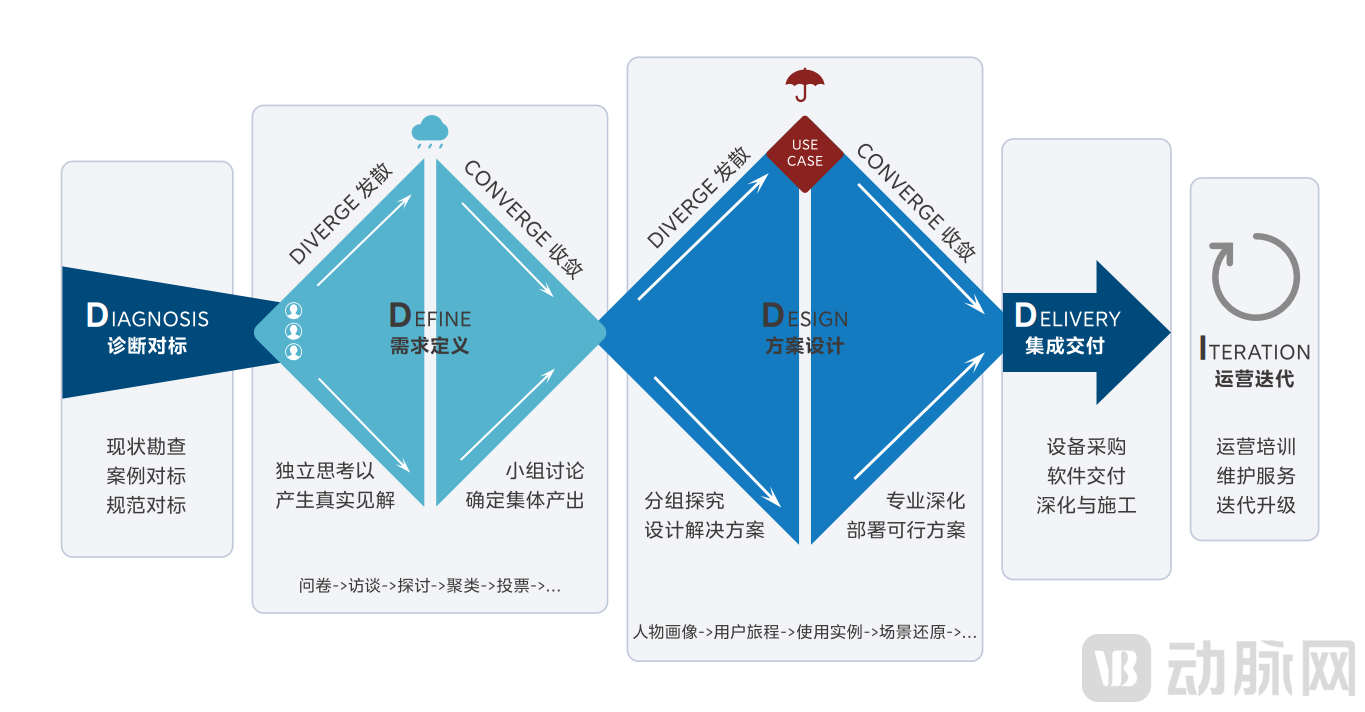
HDT Five-Step Method
Based on a thorough understanding of the needs of medical staff, patients, hospital logistics personnel, and administrators, Midea Building Technologies has developed an overall architecture for smart hospitals, along with “blueprints” for key scenarios. This approach addresses critical bottlenecks encountered in previous smart hospital initiatives—such as fragmented hospital information systems, inconsistent standards, variable data quality, and the lack of established project management organizational structures—while providing clear direction for defining requirements and deepening scenario applications in subsequent work.
Subsequently, Midea Building Technologies broke away from the technology-centric model of smart hospital construction. Adopting a human-centered philosophical approach, it designed scenarios aligned with clinical workflows from the user’s perspective. Guided by the concept of “large platforms, small scenarios,” the company implemented unified planning, design, construction, and maintenance for hospital projects, achieving integrated delivery to ensure future system upgrades and continuous scenario iteration.
By leveraging a digital “macro-platform” to abstract away technical specialization and heterogeneity, and by rapidly orchestrating platform services across diverse “micro-scenarios” in response to evolving workflows and requirements, new application services can be built. This approach ensures that all technologies and resources are centered on scenario-specific needs, regional workflows, and end-users, enabling flat, rapid integration and flexible adaptation. It provides evidence-based digital tools for refined management of regional scenarios, ultimatelyHe You Hospital is being built into a “living, evolving smart hospital.”
Create diverse modular smart solutions by integrating "micro-scenarios,"
Enable Patients and Hospital Administrators to Perceive “Smart” Healthcare
With the overall framework of Heyou Hospital now largely in place, how can patients and hospital administrators truly perceive the hospital’s “smart” capabilities?
From the perspective of the patient care journey, multiple scenarios may be involved, including outpatient clinics, pharmacies, medical technology departments, inpatient wards, and operating rooms. However, due to the complex internal environment of hospitals, patients often face a series of challenges during their medical visits, such as difficulty in quickly locating specific departments within expansive outpatient areas, and significant time consumption resulting from an inability to determine the priority order among multiple required examinations.
To this end, Midea Building Technologies has developed a series of customized solutions, including Smart Outpatient Departments and Smart Wards, tailored to the diverse “micro-scenarios” within hospitals. By embedding “smart” capabilities into every scenario, these solutions enable Heyou Hospital to achieve a more human-centric and efficient operational transformation, while simultaneously enhancing patient satisfaction.
Taking the hospital outpatient scenario as an example, Midea Building Technologies has created for Heyou Hospital“1+NEXT Transparent Clinic”Solution: Push diagnostic and treatment workflows, queue information, intelligent priority scheduling, test results, billing information, and other data from medical information systems to patients. By integrating various AI-powered medical assistance systems, this creates a personal healthcare companion for patients, enabling transparent medical care.
Even in the parking process, Heyou Hospital has achieved intelligent management with automatic prompts for appointment-based vehicle entry and department navigation.
When patients arrive near the department, the system automatically triggers a check-in reminder to ensure timely completion of the registration process. Patients can join the queue in advance via the mobile app, thereby reducing on-site waiting time. Furthermore, test results and billing information are promptly pushed to patients through the app, enhancing both the medical experience and operational efficiency.
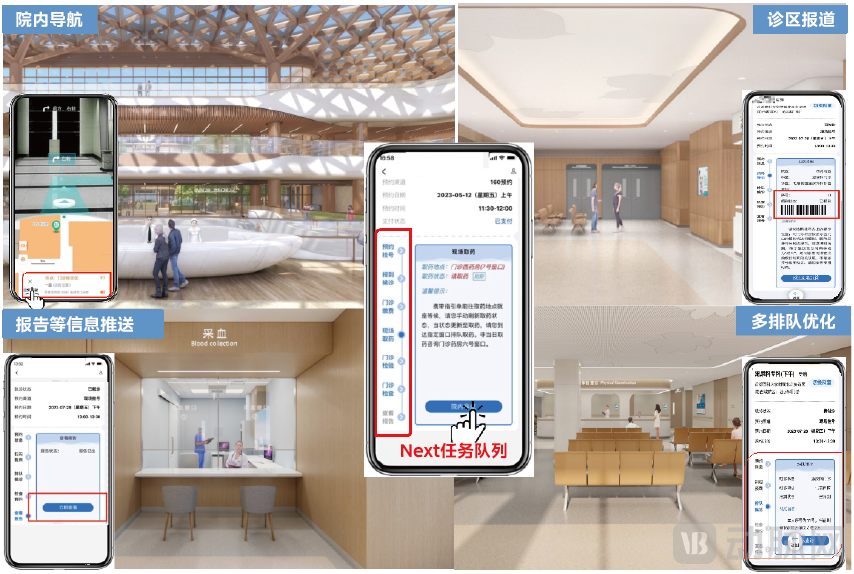
1+NEXT Transparent Outpatient Scenario Planning and Next Task Queue
Focusing on the inpatient ward, a core scenario within the hospital healthcare system, Heyou Hospital has further adopted Midea Building Technologies’“Wukong” Smart Ward Solution, with the patient room as the basic smart unit of the ward, integrating and linking all intelligent systems within the room to achieve functions such as smart infusion, fall prevention, elopement prevention, infant anti-theft, medical staff alarms, ICU extubation prevention, and nearby emergency calls for medical staff. This approach builds a safe and continuous smart ward for diagnosis and treatment while ensuring refined management of smart nursing, improving nursing efficiency, and guaranteeing the hospital's "quality and efficiency upgrade."
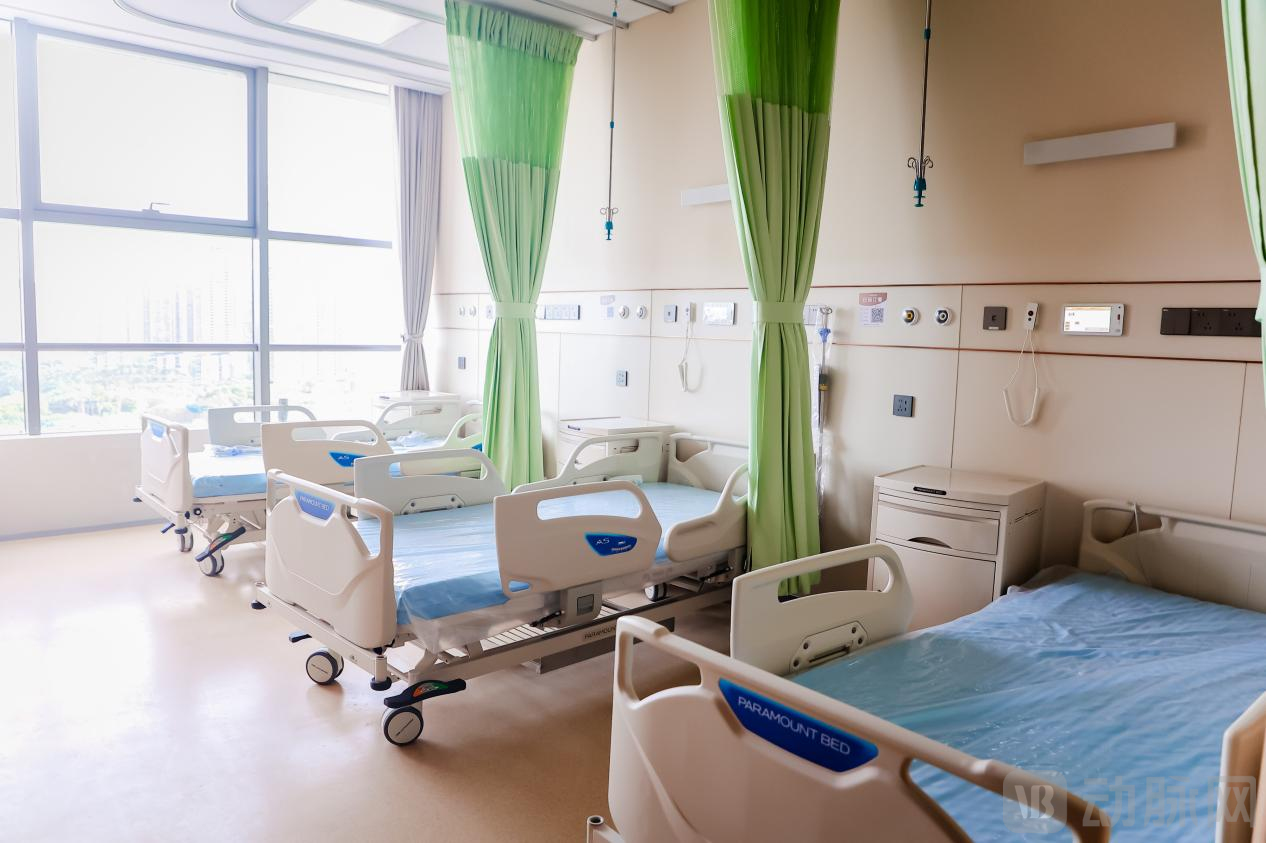
Leveraging the comprehensive solutions provided by Midea Building Technologies, Heyou Hospital has achieved efficient resource matching and precise positioning for patients prior to diagnosis and treatment. This effectively addresses issues such as cumbersome processes, fragmented operations, disordered workflows, and excessive time and labor consumption during the care journey. Furthermore, it optimizes post-consultation communication channels between doctors and patients, thereby enhancing patient satisfaction and the overall medical experience.
Digital Empowerment,
Building Smart Elevators to Alleviate Hospital Transportation Pressure
Notably, Midea Building Technologies has even factored in the value of smart elevators during the construction of smart hospitals, further optimizing both the patient healthcare experience and hospital operational efficiency.
“The efficient and orderly flow of hospital personnel relies on an efficient, intelligent elevator system. Improving elevator efficiency can effectively enhance the patient experience while also boosting the hospital’s operational efficiency. To this end, Midea Building Technologies has customized a comprehensive smart hospital elevator solution specifically for Heyou Hospital, creating a compassionate healthcare environment through an efficient, convenient, and comfortable elevator experience for all within the facility.”Zeng Libo, Sales Director for the Public Utilities Industry at Midea Building Technologies, candidly stated.
It is reported that Heyou Hospital has installed a total of 64 LINVOL passenger elevators and 10 escalators. To address the diverse needs of various areas, including the administrative zone, outpatient zone, inpatient zone, and infectious disease outpatient zone, MideaTailored elevator solutions for hospitals ensure that passenger needs are precisely met across various scenarios.
In terms of elevator control,He You Hospital has built an elevator control system based on the iBUILDING Midea Building Digitalization Platform.This system integrates the target floor control algorithm into the iBUILDING platform, while the elevator control system communicates via bus protocols. This enables the elevators to perform optimal passenger flow analysis and prediction through the system. By providing optimal dispatching solutions based on advanced control algorithms, the system achieves precise group control management. Through intelligent elevator scheduling, it ensures precise and efficient elevator operation.
In addition, the elevator system at Heyou Hospital integrates AGV (robot) linkage functionality, enabling efficient and precise elevator operations for medical robots and enhancing the intelligence and smart capabilities of in-hospital logistics. Meanwhile, Midea has incorporated multiple innovative features into the system, including IoT voice calling, contactless elevator calling both inside and outside the car, intelligent UV disinfection, constant temperature and humidity control via air conditioning, and multi-layer air purification. These enhancements provide hospital staff and patients with a safer, more convenient, and more comfortable elevator experience.
iBUILDING, Midea’s Building Digitalization Platform, Lays the Foundation for Smart, Low-Carbon Hospitals
IoT Application: 50% Reduction in Base Station Construction Costs for Signal Coverage
One key reason He You Hospital has been able to deliver such an exceptional smart experience for both patients and hospital administrators is its success in addressing the common pain points encountered in the development of smart hospitals.
Dr. Sun Jing, General Manager of Midea Building Technologies’ Meikong Smart Buildings Division, stated“In the past, the development of smart hospitals was primarily technology-centric, aiming to address various hospital needs solely through technological means. However, this technology-centric approach has drawbacks such as ‘isolated technological advancements,’ ‘discontinuous data and user experience,’ and ‘high professional barriers with inflexible iteration.’ Smart hospital systems are not merely a simple aggregation of independent systems; rather, they rely heavily on forward-looking top-level design, robust platform integration capabilities, and a support framework that enables seamless collaboration among subsystems. This is also key for hospitals to significantly improve operational efficiency and reduce energy consumption while continuously optimizing the quality of medical services.”
To address the aforementioned pain points, Midea Building Technologies leveraged the smart hospital overall architecture based on the iBUILDING digital platform to establish a unified hospital-wide IoT platform. This platform integrates 60 subsystems and 39,000 hardware data points, while developing over 10 key scenarios and more than 30 modular applications, thereby achieving unified data and information consistency management for intelligent devices and subsystems at Heyou International Hospital.
Through the iBUILDING Midea Building Digitalization Platform, Heyou Hospital has significantly improved its operation and maintenance management efficiency, making overall operations smarter and more efficient.Hospital operations management efficiency, equipment asset management efficiency, and work order maintenance and repair efficiency can be improved by more than 30%.
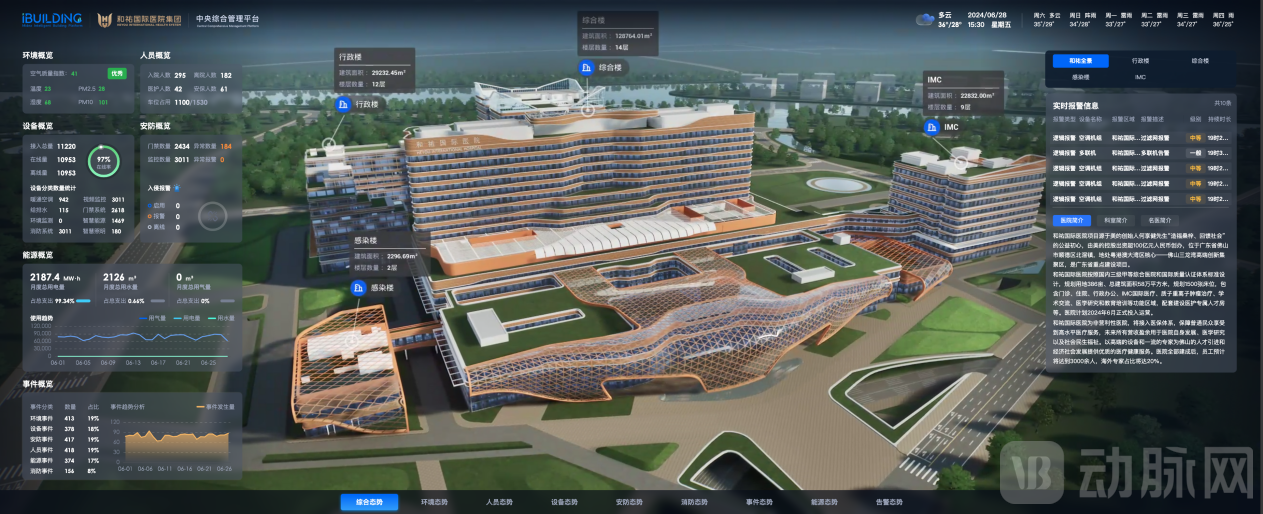
Illustrated data and devices are for simulated demonstration only and do not represent real data.
Meanwhile, considering that the numerous IoT hardware and applications in hospitals often operate as siloed systems, different applications not only require redundant deployment of hardware such as IoT signal coverage base stations, but also suffer from inconsistent entry points, user interaction experiences, and upgrade and maintenance processes, making it difficult to sustain efficient application usage.
Midea Building Technologies established a unified IoT platform signal coverage system across He You Hospital, structured into three tiers: IoT application scenarios, the IoT platform, and IoT subsystems. It developed 12 IoT subsystems, including asset management, mobile nursing, personnel positioning, one-touch emergency alarms, indoor navigation, infant anti-theft, infusion monitoring, medical waste management, and equipment energy efficiency management. This initiative not only improved patient experience but also enhanced medical staff response times, laying a foundation for data interoperability to support efficient operations and maintenance.
Through the establishment of a unified IoT platform, Heyou Hospital's variousIoT application signal coverage base station construction costs are reduced by more than 50%, one-click alarm response speed is increased by more than 25%, special patient positioning monitoring increases medical staff response speed by more than 30%, and safety and traceability management are improved by more than 30%.
High-Efficiency Plant Room Solutions Reduce Hospital Energy Consumption,
Energy savings of over 27% compared to traditional design solutions
Furthermore, in view of the existing HVAC plant room systems in traditional hospitalsExcessively high proportion of energy consumption in overall hospital building energy use, complex energy demand across various hospital areas, low equipment efficiency, and numerous points of energy efficiency losssuch issues. Midea Building Technologies, drawing on its years of exploration and accumulation in the refrigeration field, has put forward targeted solutionsHigh-Efficiency Mechanical Room Solutions, and was practically applied at Heyou Hospital.
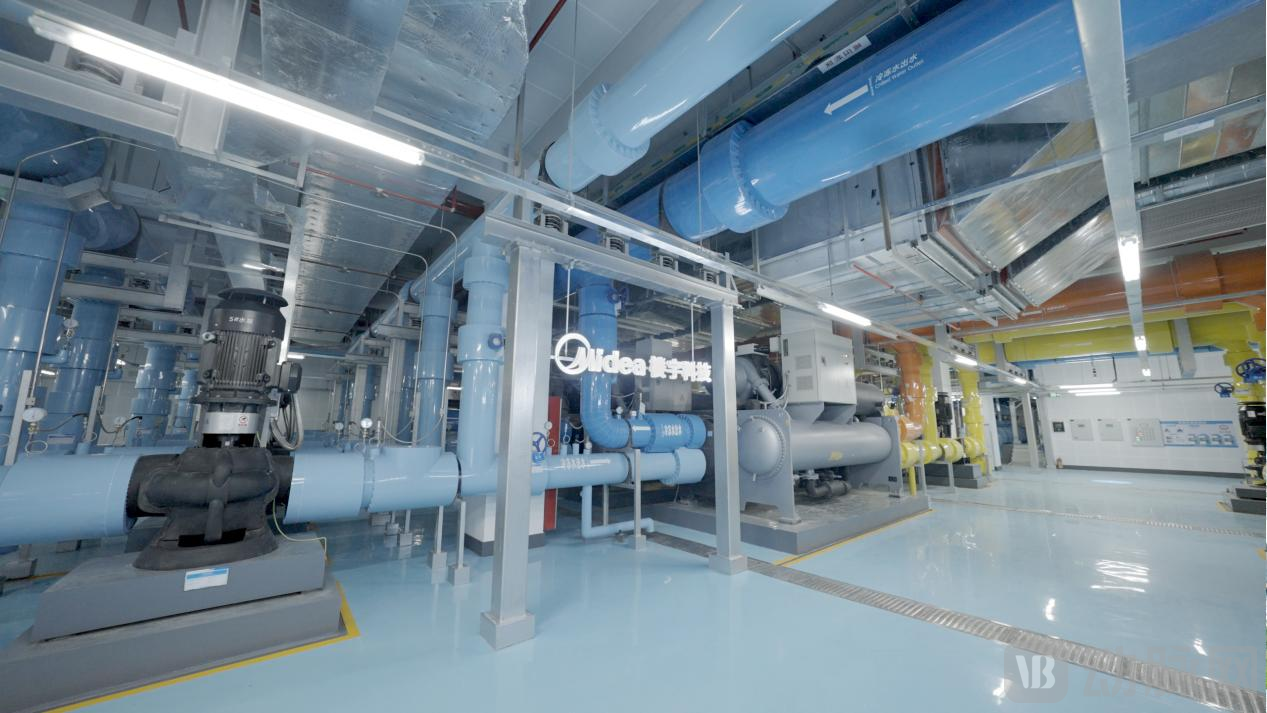
This solution adopts Midea’s concept of high-efficiency plant room construction, with optimal energy efficiency as the control objective. It optimizes the design and implements unified management of the heating and cooling source plant rooms, leveraging intelligent technologies to enhance system efficiency, thereby creating a reliable, energy-efficient, low-carbon, and smart integrated high-efficiency energy station.
Midea’s High-Efficiency Chiller Plant applies a full-link digital solution encompassing design, commissioning, and operation and maintenance (O&M) for high-efficiency plants. By integrating hardware and software through HVAC, automatic control, programming, and software design, optimizing parameters via a virtual commissioning platform, and enabling intelligent O&M through the i-Energy Efficiency Platform, it achieves efficient design, construction, and delivery across the entire lifecycle with an end-to-end approach.
It is understood that the project has adopted Midea’s ultra-high-efficiency chillers, high-efficiency vertical pumps, and variable-flow cooling towers. These are integrated with a multi-agent distributed control system for high-efficiency plant rooms, featuring Midea Control DDC controllers, to achieve dynamic optimization of system parameters and ensure high energy efficiency throughout the entire lifecycle.
High-efficiency plant rooms are connected to the iEnergy Efficiency iCPM on-site control and iCPO cloud optimization platform, ensuring stable operation of air conditioning equipment. Through intelligent commissioning, intelligent optimization, and intelligent diagnostics, a comfortable, efficient, and energy-saving air environment is created. It is predicted thatThe annual average energy efficiency of the high-efficiency plant room exceeds 5.7, achieving energy savings of over 27% compared to traditional design schemes and saving more than 3 million kWh of electricity per year.
In addition to the central energy plant, Midea’s MDV VRF systems and iManager also provide flexible heating and cooling sources for the Heyou Administration Building.
The administrative building of Heyou Hospital covers an area of 29,000 square meters, with 80% of its energy consumption attributed to air conditioning. Midea employed the MDV8 VRF + i-Manager solution to conduct intelligent analysis of the building’s energy usage, clearly identifying that non-energy-efficient behaviors of the VRF systems primarily include leaving units running unnecessarily and setting temperatures too low, thereby precisely pinpointing the root causes of the hospital’s excessive energy consumption.
The i-Manager system adopts a multi-split topology, incorporating functions such as department-specific energy consumption metering, remote centralized control of multiple devices, automated settings and reminders for behaviors like “forgetting to turn off units,” and energy-saving potential reports. It enables visualized and quantified management of hospital HVAC systems. According to estimates,If a hospital’s annual electricity cost is projected at RMB 60 million, adopting Midea’s High-Efficiency Plant Room Solution and iSteward can reduce electricity expenses by 20% per year.
From the perspective of hospital management, particularly in scenarios aimed at enhancing operational efficiency, it is evident that current policy directions and industry trends are imposing new requirements on hospital management.
In terms of national policy, with the emphasis on the “three highs” elements of new quality productive forces (high technology, high efficiency, and high quality), and the promulgation of policies for large-scale equipment updates and trade-in programs, hospitals, as a key service sector, are facing specific measures and requirements for building energy conservation and carbon reduction. For instance, by 2025, hospitals are required to renovate an additional 200 million square meters of floor space, increase energy efficiency by more than 20%, and upgrade equipment and systems such as chillers, heat pump units, and elevators, leveraging intelligent full-control technologies to monitor and manage building energy efficiency.
Regarding industry trends, the requirements of the National Performance Examination for public hospitals have driven healthcare institutions to focus on operational efficiency. As a monitored metric in this examination, energy consumption per 10,000 yuan of revenue is required to decrease year by year. Meanwhile, hospital management faces pain points such as aging equipment, staff shortages, and outdated management practices. Consequently, there is a pressing demand for safer, more comfortable, and intelligent equipment and management tools.
As a medical institution that fully implements Midea Building Technologies’ concept of smart hospital construction, Heyou Hospital has broken through the development bottlenecks facing smart hospitals. It has truly become a distinctive smart hospital integrating intelligent healthcare, smart services, smart management, smart operations and maintenance, and smart logistics, thereby providing a reference model for smart hospital construction in the healthcare industry.
In response to these trends and demands, Midea Building Technologies offers a comprehensive smart hospital solution, encompassing energy-efficient equipment, precise and stable intelligent control systems, and the digital iBUILDING platform, ensuring seamless integration across standardization, digitization, and intelligence. Looking ahead, Midea Building Technologies aims to collaborate with more healthcare institutions to jointly drive the green and intelligent development of the medical industry.