

Innovative Approaches to Frontloading Disease Control Amid Surging Respiratory Infections
Currently, we are facing severe challenges from respiratory infectious diseases and other issues on an unprecedented scale.
According to members of the National Health Science Popularization Expert Database, since March 2023, a series of pathogens have begun to show cyclical epidemic patterns: the population has experienced outbreaks ranging from respiratory syncytial virus (RSV) and COVID-19 reinfections to influenza. Starting in June 2023, Mycoplasma infections entered an epidemic trend, which continued until early this year. The epidemic cycle of RSV infections has also been further extended, spanning the winter season and peaking in March and April. Currently, respiratory diseases such as hand, foot, and mouth disease, pertussis, influenza, and parainfluenza are also at high incidence levels.
To further promote the integrated prevention and control of influenza and other respiratory infectious diseases, strengthen scientific exchanges both domestically and internationally, and advance preparedness and related efforts for emerging and re-emerging respiratory infectious diseases, the 2024 World Influenza Conference was held from July 5 to 7 in Boao Town, Qionghai City, Hainan Province. Numerous prominent experts from academic circles both in China and abroad attended the event in person.
Influenza and Respiratory Infectious Diseases Are Imposing a Significant Disease Burden on China’s Healthcare System. According to statistics, in 2023, the number of reported influenza cases in China reached 12.5282 million, while the incidence of respiratory infectious diseases exceeded 15 million. This large patient population not only exacerbates the burden on the healthcare system but also increases the risk of further disease transmission.
How can we better respond to the current risks of disease transmission and reduce the healthcare burden? The 2024 World Influenza Conference was convened to provide answers to this question. The conference was hosted by the Chinese Preventive Medicine Association, the Asia-Pacific Alliance for the Control of Influenza, the Chinese Center for Disease Control and Prevention, and the Chinese Academy of Medical Sciences. It also received support from numerous domestic and international societies and organizations, including the International Society for Influenza and Other Respiratory Virus Diseases, the US Adult Immunization Summit, the European Scientific Working Group on Influenza, and the Influenza Stakeholder Network for the Middle East, Eurasia, and Africa.
At the conference, representatives from the World Health Organization, the U.S. Centers for Disease Control and Prevention, the Asia-Pacific Alliance for the Control of Influenza, as well as academicians and experts in the fields of influenza and other respiratory diseases from China and abroad, focused on“Global pandemic policy-making, expansion of surveillance scope within the Global Influenza Surveillance and Response System (GISRS), roadmaps for progress in vaccine research and development for influenza and other respiratory viruses, patterns of respiratory infections and disease burden, adult influenza, comparison of clinical severity and treatment approaches for influenza, COVID-19, and RSV infections, and technological advances in detection and epidemiological surveillance of emerging and re-emerging respiratory infectious diseases”Delivered a thematic presentation, providing strategic direction for disease prevention and control.
Clearly, the prevention and control of infectious diseases such as those affecting the respiratory tract remain a formidable and long-term challenge.
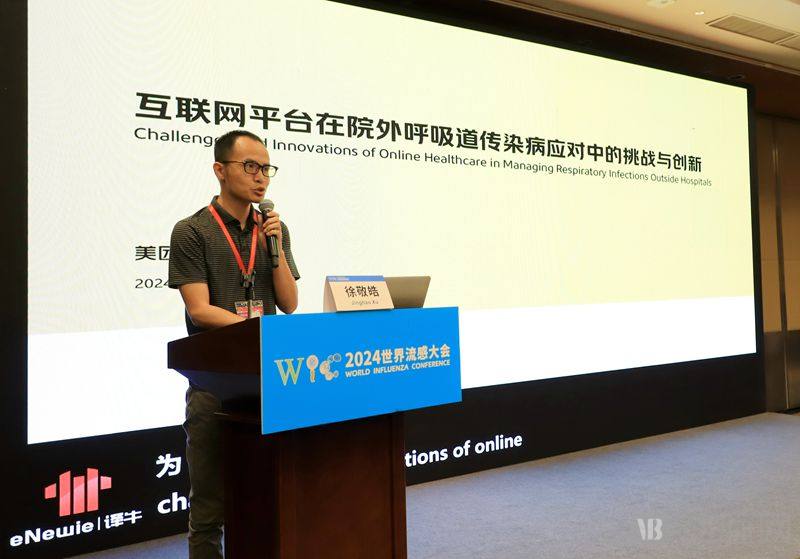
It is worth noting that during academic discussions on the prevention and control of influenza and other respiratory infectious diseases, Meituan Medicine was the only internet healthcare platform invited to participate in the conference, where it delivered a keynote address titled “Challenges and Innovations of Internet Platforms in Responding to Out-of-Hospital Respiratory Infectious Diseases.” Xu Jinghao, General Manager of Meituan’s Medical Innovation Business Division, demonstrated to the public how Meituan Medicine, as an industry force, leverages its own resources to support the prevention and control of influenza and respiratory infectious diseases through at-home rapid testing, online consultations, and medication purchases.
The development of internet healthcare platforms has brought convenience to the public, but patients still face certain pain points that have not been effectively addressed.
The case of Yang Yang (a pseudonym), who was pregnant at the time, serves as an illustrative example. Despite rarely leaving home except for prenatal checkups and even undergoing full-body disinfection upon her husband’s return, she still developed a high fever of 38°C due to an illness. She faced a dilemma: she feared contracting infections by visiting the hospital for diagnosis, yet was also reluctant to take medication arbitrarily. In fact, this is not a predicament unique to Yang Yang.
After internet healthcare platforms integrated online consultation and pharmaceutical e-commerce, how to better assist patients in addressing disease testing beyond professional diagnosis and medication has become a key challenge for these platforms. To address this industry pain point, Meituan Medicine innovatively launched its home-based rapid testing service. Since its launch last December, the service has gradually expanded to cover Beijing, Shanghai, Guangzhou, Shenzhen, Hangzhou, Chengdu, Nanjing, and other regions. As of March 2024, it had served over 400,000 users.
Breakthroughs in disease detection would not have been possible without innovation in internet-based, at-home rapid testing products—
First, precise product design addresses the core testing needs of patients when symptoms of common respiratory infectious diseases appear.
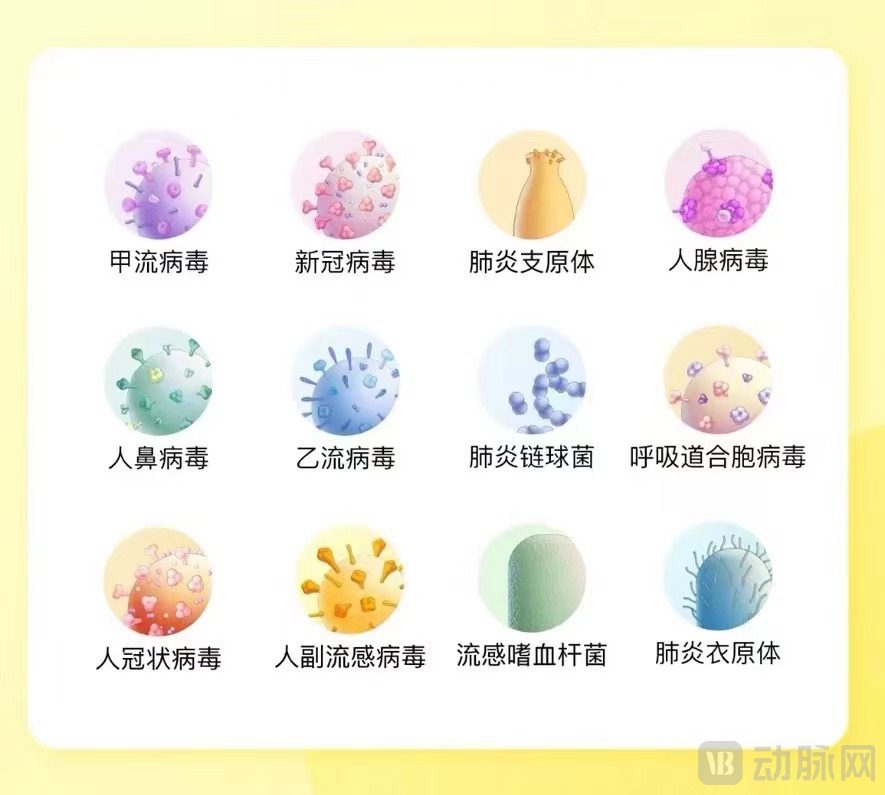
After evaluating 1,426 testing items, Meituan Medicine discovered that acute tests, primarily for respiratory infections, have a high level of urgency and address an unmet market demand. Subsequently, it rapidly partnered with professional testing institutions to innovatively launch a home-based rapid testing service utilizing multiplex nucleic acid amplification technology. This service can simultaneously detect multiple common respiratory pathogens, including Influenza A, Influenza B, and Mycoplasma pneumoniae. The number of detectable targets is 4–12 times greater than that of current antigen tests, while sensitivity is 100–1,000 times higher. Compared with antigen tests, it can detect viruses two days earlier, achieving a positive concordance rate of 99.99%. Recently, the product has been upgraded to cover a broader range of respiratory pathogens, thereby better addressing patients’ testing challenges.
Second, the rapid access to convenient services enables patients to obtain disease test results as quickly as possible.
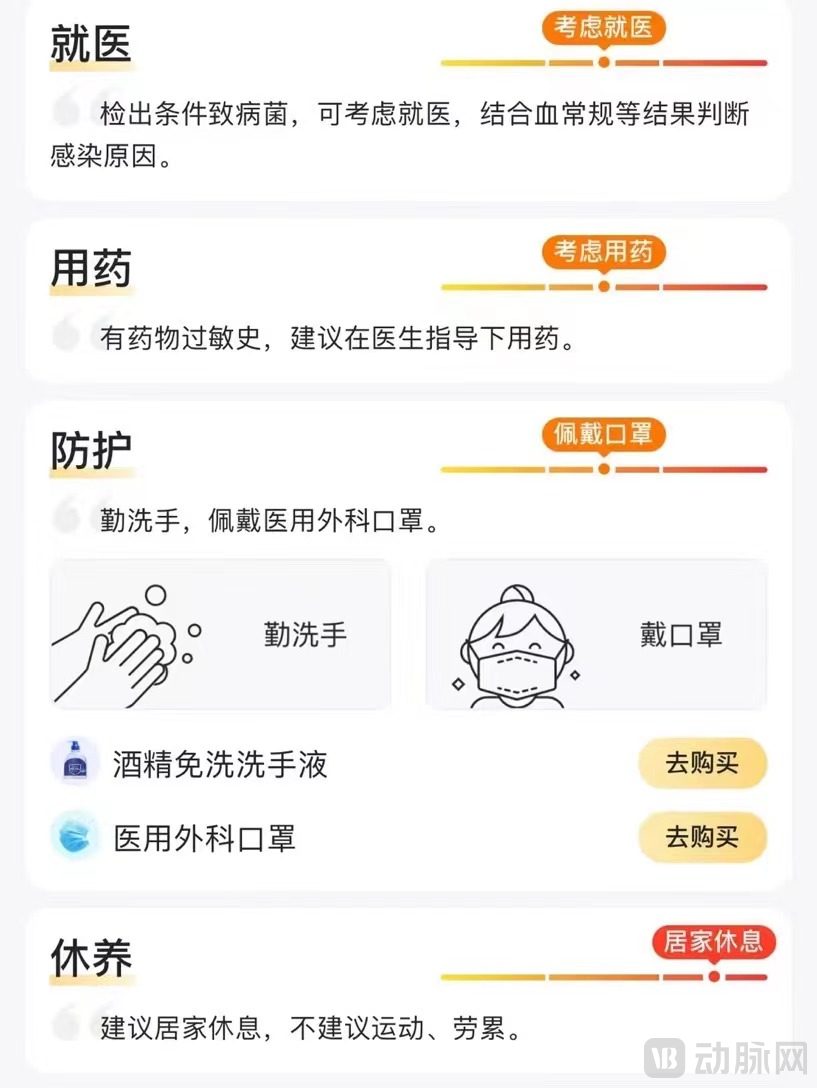
When patients are afflicted with potentially contagious respiratory diseases, they often experience anxiety and require timely awareness of their condition to facilitate targeted treatment. Internet-based rapid testing products enable users to receive test results within an average of three hours from order placement. Furthermore, unlike conventional tests that merely indicate negative or positive outcomes, this service provides patients with a detailed interpretation of their test reports, helping them better understand their health status.
Third, it provides innovative diagnosis and treatment scenarios, enabling patients to receive “home-based care” and ensuring a stable and reliable healthcare experience.
Previously, patients were required to visit offline outpatient clinics for disease screening and diagnosis, a process that was not only time-consuming but also posed a significant risk of cross-infection. In contrast, the one-stop service provided by online internet healthcare platforms enables patients to achieve a closed-loop system for home-based self-health management, effectively addressing challenges related to disease testing, medical consultations, and medication procurement. Particularly during periods of high disease prevalence, internet healthcare platforms can alleviate the strain on offline medical resources and provide patients with stable and reliable medical services. As health insurance coverage for online services expands to more cities, internet healthcare platforms are expected to further reduce patients’ diagnostic and treatment costs and better divert patient flow from offline hospital outpatient departments during epidemic outbreaks.
While addressing the pain points in patient disease detection and completing the closed loop from testing to diagnosis and treatment to medication dispensing, internet healthcare platforms can also play an indispensable role in digital disease prevention and control by leveraging user health big data. Regional health big data, formed by integrating patients’ self-test results, online consultation records, and medication purchase data, can better support disease prevention and control efforts at both the individual level and under government-led initiatives. Compared with vertically segmented internet healthcare service markets, this innovative model—which centers on the patient’s disease journey and integrates diverse medical services—represents a new exploration worthy of reference for the industry’s future development.
At the individual level, cross-referenced user data accumulated by such platforms can help individuals better understand geographically based disease risk factors, take timely health precautions, and obtain reliable health protection guidance;
From a societal perspective, within the government-led disease prevention and control system, integrated data from internet healthcare platforms can serve as an important supplement to disease prevention and control efforts.Taking Meituan Medicine as an example, on the one hand, it can leverage regional health big data to gain insights into community infection trends and predict urban infection status; in the future, it may even utilize big data from Meituan’s travel and dining services to analyze inter-city disease epidemic trends. On the other hand, it can rationally allocate pharmaceutical distribution resources based on current trends. In mid-November last year, Meituan Medicine monitored that searches for Oseltamivir Phosphate and Baloxavir Marboxil Tablets remained exceptionally high among popular medications for influenza A. By collaborating with offline chain pharmacies and pharmaceutical companies, Meituan Medicine ensured a stable drug supply and effectively responded to this sudden surge in demand.

In March this year, the Guangzhou Center for Disease Control and Prevention entered into a strategic agreement with Meituan Medicine for infectious disease surveillance and early warning."Under the government-led disease prevention and control system, we will collaborate on earlier identification of infectious disease trends and timely response to public health emergencies, enriching a multi-point trigger, rapid-response, authoritative, and efficient infectious disease monitoring and early warning system. This will further enhance the sensitivity and foresight of Guangzhou's infectious disease surveillance and early warning capabilities, jointly safeguarding the healthy lives of Guangzhou residents."
In fact, the public health system has been further improved in the wake of the pandemic. China is “moving virus surveillance further upstream by establishing sentinel hospitals; currently, more than 800 sentinel hospitals have been incorporated into the national influenza surveillance network. The direct reporting system for infectious diseases has been further optimized, reducing the average reporting time from five days to four hours. Moreover, the country has taken a multi-pronged approach—enhancing fever clinic operations, monitoring viral mutations, and conducting urban wastewater testing—to simultaneously strengthen China’s emergency response capacity for infectious disease outbreaks.”
In December 2023, the General Office of the State Council issued the Guiding Opinions on Promoting High-Quality Development of Disease Prevention and Control. The document explicitly states that “capabilities in surveillance, early warning, testing, and inspection shall be enhanced, and a multi-point trigger mechanism for surveillance and early warning shall be established. This mechanism, led by disease control authorities and featuring cross-departmental, cross-regional, and military-civilian coordination, shall focus on multi-channel infectious disease surveillance, risk assessment, and predictive early warning, ensuring rapid response, authority, and high efficiency. The construction of an intelligent, multi-point trigger system for infectious disease surveillance and early warning shall be comprehensively advanced.”
Establishing a fully functional disease control and prevention network, and building a multi-level, full-chain, three-dimensional prevention and control system are undoubtedly receiving increasing attention.
andLeveraging the digital advantages of internet healthcare platforms, surveillance for respiratory infectious diseases and other conditions is being shifted upstream—moving from medication data further back to diagnostic data. This regional health data will undoubtedly further strengthen the disease prevention and control system, playing an indispensable role in a multi-level, full-chain, three-dimensional prevention and control framework.