

Sichuan-Based Biopharma Baili Tianheng Submits Hong Kong IPO Application Following Record-Breaking $8.4B ADC Deal

Biokin Pharmaceutical
Pharmaceutical R&D Developer
Last month, Biokin announced that its board of directors had approved the proposal for “the Company’s issuance of H-shares and listing on the Main Board of the Hong Kong Stock Exchange,” signaling that this leading pharmaceutical company on the STAR Market is likely to complete its A+H dual listing within two years.
As of the end of March 2024, Biokin’s cash and cash equivalents amounted to RMB 5.812 billion; as of the end of June 2024, the company’s market capitalization on the STAR Market exceeded RMB 75 billion.The primary purpose of continuing to raise capital in Hong Kong is to build up cash reserves (“stockpile grain”) for the clinical development of several pipeline candidates, including BL-B01D1, in the United States and globally.
The out-licensing of BL-B01D1 represents a landmark business development (BD) deal in the history of China’s biotech industry. In late 2023, Biokin reached an agreement with Bristol Myers Squibb (BMS) for BL-B01D1, featuring an upfront payment of $800 million and potential total transaction value of up to $8.4 billion.Beyond the record-breaking amount, most importantly, Biokin did not relinquish its rights to the U.S. market—the most critical market for innovative drug sales—but instead opted to co-develop with BMS, sharing both costs and profits.This transaction structure is similar to that of the deal between Legend Biotech and Johnson & Johnson, meaning that Biokin will have a higher profit share in the U.S. market in the future.
BL-B01D1 is an EGFR/HER3-targeting bispecific antibody-drug conjugate (ADC) developed by Biokin for the treatment of solid tumors. Generally, ADC development is extremely costly, with expenses ranging from RMB 50 million to RMB 70 million to reach the Investigational New Drug (IND) stage. If site-specific conjugation technology is employed, which requires the use of specialized enzymes, the costs are even higher; the investment required to develop an ADC from inception to the IND stage approaches RMB 100 million, equivalent to the total investment needed to develop two to three monoclonal or bispecific antibodies to the IND stage. Advancing ADC pipelines to Phase II clinical trials incurs exponentially higher costs; RMB 500 million would only support two to three ADC pipelines reaching Phase II under conditions of optimal capital utilization.
Although Biokin has consistently relied on revenue from generic drugs to fund its innovative drug business, financing remains a crucial source of capital for innovative drug development for most Chinese companies.BL-B01D1 entered the development pipeline in May 2019, progressed to Phase I clinical trials in January 2022, and advanced to Phase II clinical trials in May 2023. Its indications cover gastric cancer, bladder cancer, non-small cell lung cancer, small cell lung cancer, nasopharyngeal carcinoma, head and neck cancer, colorectal cancer, esophageal cancer, breast cancer, and cervical cancer. At the 2023 ASCO Annual Meeting, data on BL-B01D1 attracted significant interest from potential partners, culminating in a record-breaking business development deal with Bristol Myers Squibb (BMS) by the end of that year.
During this period, Biokin secured three significant funding rounds.
The first sum came from the founder Zhu Yi’s prior foresight and preparation.In 2017, Zhu Yi began seeking external funding to prepare the resources necessary for advancing innovative drugs into clinical trials. OrbiMed and DeFu Capital provided Biokin with equity financing featuring a “10+2” year term; however, Zhu Yi did not utilize these funds until BL-B01D1 entered clinical trials.
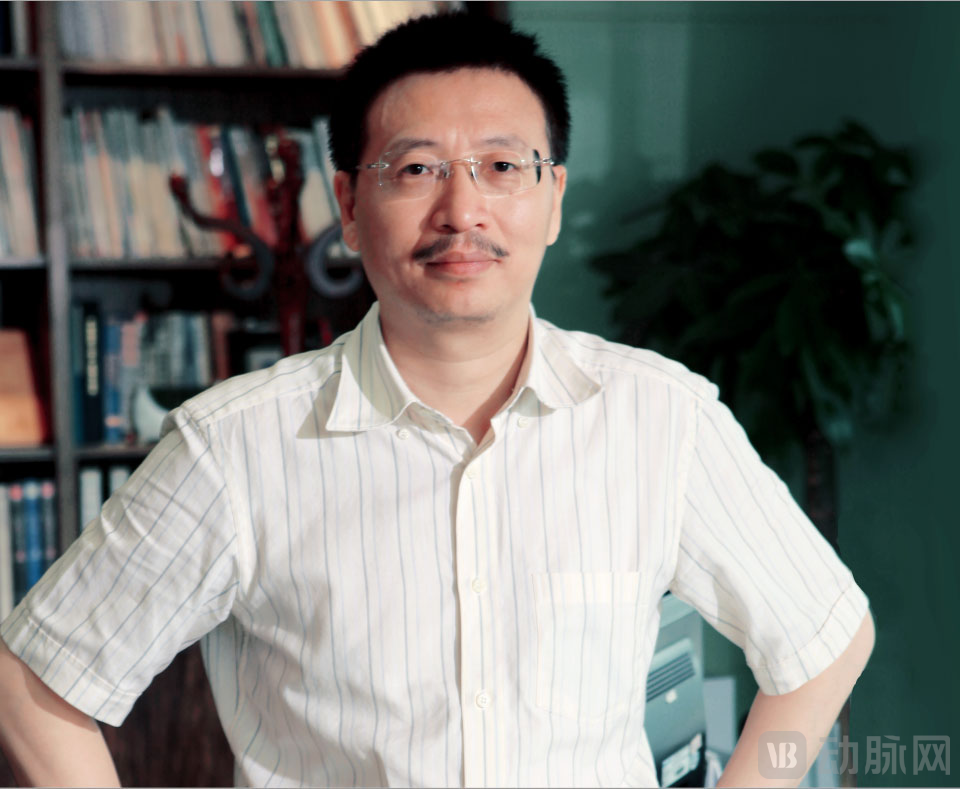
Dr. Zhu Yi, Founder of Biokin
Then, in January 2023, Biokin became the first company to list on the STAR Market that year, raising net proceeds of RMB 884 million.In 2023, Biokin’s stock price surged by 336.51% for the year, reaching a market capitalization of RMB 56 billion by year-end. Zhu Yi stated, “Thanks to the listing on the STAR Market, which opened up channels for capital raising, we were able to invest heavily in R&D in 2023 and accumulate extensive clinical data.”
The third transaction was a bank loan obtained by Biokin.Following the company’s IPO, Zhu Yi pushed forward with clinical trials at an accelerated pace—particularly for BL-B01D1—despite immense pressure and market skepticism. During this period, he persuaded a state-owned commercial bank based in Chengdu to provide Biokin with a groundbreaking RMB 500 million loan specifically earmarked for clinical research.
With financial support, Biokin attracted the attention of numerous multinational corporations (MNCs) thanks to its outstanding clinical data, ultimately reaching a collaboration agreement with BMS based on clinical data from over 800 patients.
The phased achievements of BL-B01D1 are the result of a relay of funding for innovative drugs: starting with internal capital, followed by venture capital (VC), an initial public offering (IPO), and subsequent bank loans. Such sustained financial input is extremely valuable in the current biopharmaceutical financing market, which is generally characterized by a lack of trust, confidence, and understanding. Yet it is also inspiring and uplifting—it demonstrates that we still can and must seek mechanisms and approaches to nurture the development of China’s innovative drug achievements.
From this perspective, VCBeat recently spoke with Dr. Zhu Yi, founder of Biokin, to revisit the BL-B01D1 deal.
VCBeat: Was BL-B01D1 a globalized project from the very beginning?
Zhu Yi:Yes, that was the case from the very beginning. In 2014, we established SystImmune, Inc. in Seattle with a global mindset, aiming for the global commercialization of our products. During our development, we identified two key resource gaps: first, global clinical development is extremely capital-intensive; second, we lacked the capability for overseas commercialization. However, our business development (BD) strategy is not simply to sell off our products, but to globalize both our products and our personnel. Therefore, we opted to collaborate with multinational corporations (MNCs), with the ultimate goal of building Biokin’s global development and commercialization capabilities through these partnerships, thereby enabling us to independently operate our product portfolio.
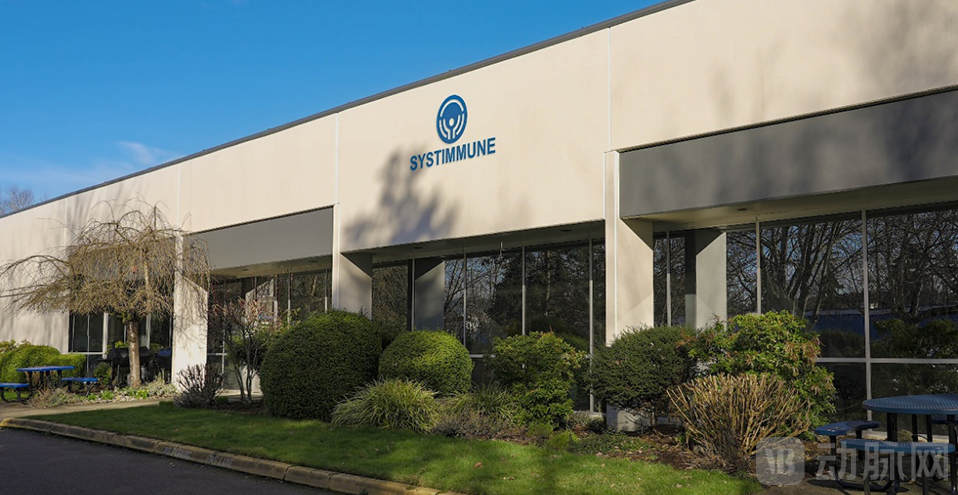
SystImmune, Inc.
VCBeat: I recall you mentioning that after the data was presented at last year’s ASCO, eight of the top 10 multinational corporations (MNCs) worldwide expressed interest in collaborating with Biokin. What were the offers they proposed?
Zhu Yi:In fact, nearly all of the top 20 multinational corporations (MNCs) globally have engaged in preliminary discussions with us, and several ultimately extended offers. We have adhered to a model of co-sharing development costs and profit distribution; therefore, while the offer structures from these companies are identical, they differ in terms of profit-sharing ratios and other specific details.
VCBeat: Prior to this, it was rare for Chinese companies and multinational corporations (MNCs) to negotiate deal structures in this manner. How did the MNC accept this?
Zhu Yi:Our colleagues at our Seattle subsidiary were initially hesitant to approach multinational corporations (MNCs) regarding transactions of this magnitude and structures involving co-development and co-commercialization, deeming such deals unfeasible. I proposed that we first draft the email and conduct the initial round of discussions, with me leading the presentation.
Initially, multinational corporations (MNCs) were indeed reluctant to accept the proposal, though they would not express this overtly; instead, they would listen without committing. However, the presence of robust product data indicated that their outreach signaled genuine interest. When the counterparty sought to advance negotiations, we required the MNCs to first endorse the deal structure. Some MNCs explicitly rejected our terms. We remained patient, occasionally willing to make concessions on specific clauses, while steadfastly maintaining the core structure unchanged. If the counterpart hesitated, we suggested adopting a wait-and-see approach, deferring the decision on whether to proceed until after other negotiations had concluded.
Some companies gradually abandoned this structure because they did not want it, while others directly stated that they would no longer pursue it. However, looking back, our persistence was justified. They now see a company capable of competing on a global scale—one with product competitiveness, team vision, and decision-making capability.
VCBeat: So, data is one aspect; how one perceives or positions oneself is also crucial?
Zhu Yi:Ultimately, it is the data that speaks. In our negotiations with BMS for collaboration, we leveraged positive clinical efficacy and manageable safety data from over 800 patients across more than ten tumor types. A deal grounded in such robust data inherently justifies this valuation, if not a higher one.
VCBeat: With clinical data from over 800 patients, many biotech companies may not have the financial resources to conduct such studies. Apart from the support of other business revenues at Biokin, is financing on the STAR Market also crucial?
Zhu Yi:Financing is indeed a major dilemma currently facing biotech companies. Biokin listed on the STAR Market in 2023, and its stock performance has been relatively strong since the IPO. Thanks to the access to capital markets enabled by its listing on the STAR Market, we were able to conduct high-intensity R&D investment in 2023 and accumulate extensive clinical data.
It is important to recognize that loss-making enterprises can still be high-quality companies. The STAR Market supports innovation, which entails “creating” the future rather than merely “improving” the present. Consequently, such ventures are inevitably unprofitable before their innovations are transformed into marketable products. Capital invested in these innovative, loss-making companies can be regarded as “investment in the future,” which reflects one of the key functions of the securities market. Another major function is to pool capital from across the society, enabling these companies’ products to benefit the public at large. Innovative, loss-making enterprises, in essence, represent the future of entire industries and the nation as a whole.
VCBeat: Could you elaborate on how an innovative company manages its expenditures and the pace of its spending? Many skeptics are essentially questioning how loss-making companies incur their losses and whether there is a foreseeable path to profitability.
Zhu Yi:Innovation, at its core, is driven by people. Therefore, it is essential to invest in individuals who possess a genuine spark in their eyes and the true capacity for innovation. Many individuals with so-called prestigious accolades may not necessarily have authentic passion for innovation or profound insights. Secondly, avoid allocating all funds to real estate. Biotech companies can lease facilities as needed; however, scientific instruments and equipment should be purchased according to specific requirements, and one must always acquire the best available options.
As for the pace of spending, the most capital-intensive phase for biotech companies is truly the clinical stage. Some companies misallocate funds during the preclinical stage, leaving them unable to launch clinical trials rapidly once they reach the clinical phase, thereby missing numerous opportunities. Slowness in clinical development wastes valuable time and puts them at a competitive disadvantage. At this critical juncture, companies must go all out, mobilizing all available resources and reserves to make substantial investments.
This is precisely the approach Biokin adopted after its listing on the STAR Market. We had initially planned to allocate funds to our quadruple-specific antibody product; however, upon reviewing the ADC patient data, we determined that immediate investment should be redirected toward bispecific ADCs, which offer a faster development timeline. This necessitated a change in the use of proceeds from the fundraising, drawing public criticism for appearing “greedy.” Nevertheless, I maintained that this course of action was imperative, regardless of how negatively it might be perceived, as the worst-case scenario would merely entail regulatory penalties. At that time, another decision involved launching clinical trials on a full scale. While this approach was indeed highly risky, I believed it was the right moment to press forward despite the risks.
Later, the stock exchange approved our approach. Market rumors suggested that the company would soon have negative net assets, and once its stock price fell below book value, it would lose the opportunity for further financing. However, we were well prepared. During this process, Biokin secured a RMB 500 million loan from banks specifically for clinical research, without requiring guarantees or collateral.
VCBeat: Which bank?
Zhu Yi:China Construction Bank, Sichuan Branch. Using short-term loans for long-term investments is a major taboo; using them for venture capital is even more prohibitive. I was well aware that failure would mean the end of the company, yet without moving forward, opportunities would be lost. However, operating in the biotech sector requires navigating such challenges to cultivate the courage needed for decisive decision-making. I told the then-president of China Construction Bank that if they could extend a loan to Biokin, we would create greater value, increasing our market capitalization from RMB 30 billion to RMB 50 billion, thereby rendering the bank’s loan low-risk. He took these points to heart. It was then that I realized my Ph.D. in finance had indeed proven valuable.
In fact, we also have credit lines from other banks. Overall, you need to prepare sufficient funds, possess the capability to secure financing through various channels, and ensure that capital is deployed effectively. When spending is necessary, you must be decisive—even investing up to 200% of the planned amount—but when it is not, not a single penny should be spent.
VCBeat: Since Biokin is a publicly listed company, it can use its market capitalization for hedging purposes and recoup gains through stock price appreciation. You have outlined an effective financing pathway for biotech firms; however, most biotechs are privately held. When dealing with these companies, banks may be uncertain about their creditworthiness.
Zhu Yi:Banks frequently extend loans to enterprises, so they have a set of evaluation criteria. I still only own one property purchased in 2001; when banks assess my collateral assets, they recognize that we are fully dedicated to pharmaceutical development.
In fact, when we established our company in Seattle, there was a period during which the banks were quite concerned. Many people did not understand; at that time, the company had not even been listed on the ChiNext board, leading many to suspect that we were planning to “abscond.” Biokin’s investment in the United States was actually not substantial, amounting to approximately USD 120–130 million. However, over the years, as we continuously advanced innovative drug development in the U.S. and initiated clinical trials in China, the banks began to recognize and trust Biokin. This recent repatriation of funds through business development (BD) transactions further demonstrates our genuine commitment to innovative drug R&D. Banks maintain a credibility record based on a company’s day-to-day conduct. When a company interacts with financial institutions, this record plays a crucial role in determining whether the bank will approve its loan applications.
In fact, every loan approval at a bank involves considerable internal debate. Whether someone is willing to take the risk and advocate for you depends largely on your established credibility. If you have a history of reckless spending, indiscriminate investments, offering exorbitant salaries, and maintaining a lavish lifestyle, but suddenly approach the bank claiming financial distress and requesting a loan, how do you think the bank would perceive your application?
VCBeat: Banks can provide special-purpose loans for clinical development, which means biotech companies can secure a dedicated facility from banks during the critical phase of business development (BD) negotiations.“Licensing Debt”Is it also feasible? However, it appears that the prerequisites include a strong level of trust and cooperation with the bank, as well as a relatively open stance from the partner.
Zhu Yi:Yes, if a biotech company has built a strong reputation, banks will recognize that its loan request is not for extravagant spending but to seize strategic opportunities. Preparations for such indirect financing must be made well in advance; last-minute efforts will be too late.
VCBeat: What other methods can Biotech companies use to demonstrate their strength and qualifications, thereby securing more financial support?
Zhu Yi:The recent “Eight Measures for the STAR Market” have clarified the overarching direction of supporting companies with genuine hard-core technologies in listing and financing. In the Biotech sector, it is challenging for regulatory authorities to evaluate whether a company qualifies as possessing hard-core technology, and certain evaluation criteria may need to be established. For instance, reaching cooperation intentions with multinational corporations (MNCs) or domestic pharmaceutical enterprises could serve as one criterion, or industry associations might assume a supervisory role. Whether through listing and financing or bank lending, the overall approach should leverage market forces, enabling an effective market mechanism under industry self-regulation to make such determinations. On this basis, the state will undoubtedly provide assistance and support.
VCBeat: Do you think there are significant differences in the Biotech financing environment between China and the United States?
Zhu Yi:Whether in China or the United States, true innovation is always scarce, with most efforts being follow-up initiatives. As for innovations in indirect financing, I believe China has made significant advancements. For instance, traditional banks in China have assumed part of the responsibility for supporting innovation by engaging in technology finance and other related activities. Moreover, these banks systematically seek out valuable innovative enterprises, while naturally keeping risks within controlled limits.
However, the distinguishing feature of the U.S. biotech ecosystem is its rapid resilience; even after a severe downturn, the next wave of companies emerges quickly. Capital remains available in the market, and large pharmaceutical companies, leveraging their financial strength, continue to generate value for biotechs through business development (BD) activities. Their “winter” is more akin to a bubble clearance, freeing up space and resources for valuable innovations. Once this market purification process is complete, truly capable companies and projects regain access to funding.
I believe that, on a global scale, the biotech ecosystem can truly flourish only in the United States and China. However, our ecosystem resembles a grassland rather than a forest: it lacks towering trees. While it appears lush and vibrant during periods of prosperity, it becomes highly vulnerable when winter arrives.
VCBeat: This winter, Biokin and BL-B01D1 have become a beacon of hope and an industry benchmark. May I ask if you are under significant pressure at the moment?
Zhu Yi:The pressure on our company’s innovative operations is indeed substantial. Our goal is to become a leading multinational corporation (MNC) focused on oncology within ten years, delivering breakthrough impact in cancer treatment. For me, every day and every minute is precious, and so is every dollar. Of course, our most valuable assets are our innovative ideas and the potential products that may emerge from them.
BL-B01D1 has currently initiated six Phase III clinical trials involving nasopharyngeal carcinoma, esophageal cancer, non-small cell lung cancer, and breast cancer. Additionally, nine Phase II trials for first-line treatment are underway, covering multiple cancer types such as small cell lung cancer, cervical cancer, and urothelial carcinoma. According to BMS forecasts, BL-B01D1 is expected to be launched in the United States in 2028.
Looking back, who exactly made this BD deal possible? The founder’s determination to develop drugs, years of sustained investment in the field of innovative medicines, and long-accumulated business acumen; the company’s strong track record of credibility and forward-looking global layout; sophisticated investors, banks willing to extend substantial loans for innovative drug development, and visionary partners...
However, the key to this BD deal lies in the fact that Biokin’s starting point was not to use a license-out strategy to address funding issues, nor to facilitate an exit for its underlying investors; rather, it aimed to leverage multinational corporations (MNCs) to create opportunities for itself to become an MNC.As Zhu Yi previously stated, “If you have the capability, there is no need to license out; you can simply develop and commercialize it yourself. Once you become a global company, you may no longer need to engage in license-out deals.”
A review of the 24 global ADC transactions in the first half of 2024 reveals that Chinese enterprises participated in 10, accounting for nearly half. China has thus become the most active country in global outbound ADC deals. At this year’s ASCO Annual Meeting, Chinese ADC pharmaceutical companies presented 33 research findings covering 25 products. In terms of hot targets, the R&D progress of Chinese pharmaceutical companies is by no means inferior to that of multinational corporations, basically keeping pace with giants such as AstraZeneca, Daiichi Sankyo, AbbVie, and Merck & Co. However, in terms of influence and future commercial returns, they are clearly not yet on par with these industry leaders.
The pharmaceutical industry is currently facing a cyclical funding dilemma. It has been no small feat for China’s innovative drug sector to evolve from scratch to its present state, establishing talent pipelines, infrastructure, and R&D capabilities. Given the long development cycles and high risks inherent in the pharmaceutical industry, rebuilding the ecosystem would be extremely difficult should it collapse.
A key function of capital markets is to reward innovation. If we aim to foster groundbreaking, zero-to-one innovations, we must allow investors and innovators to achieve high returns to balance the high risks and low success rates inherent in such endeavors. Otherwise, capital will either flee the pharmaceutical sector or flow into “safe,” mature areas, giving rise to a cohort of inwardly competitive biotech firms that lack both global competitiveness and international development capabilities.
Fortunately, at this crossroads in the industry’s development, there are still glimmers of hope on the horizon, such as the release of the “Eight Measures for the STAR Market,” innovative explorations by financial institutions, and investment firms that have remained committed to supporting the growth of China’s innovative drug sector.
Of course, there has been a succession of policy support measures. Just a few days ago, the State Council reviewed and approved the Implementation Plan for Full-Chain Support for the Development of Innovative Drugs. The draft for public consultation, which had circulated online for nearly four months, has finally been officially implemented. Comprehensive support across the entire value chain for innovative drugs—spanning review and approval, market access, clinical use, and capital financing—is set to become a reality. This includes, in particular, international reference pricing for innovative drugs and coverage for expenses outside the basic medical insurance scheme.
What the industry hopes for in the future is, in all likelihood, not to discuss how to close a single business development (BD) deal, but rather how to build a global company, or more broadly, how to continue advancing China’s innovative drug industry.
In recent years, Chinese pharmaceutical companies have continuously enhanced their independent innovation capabilities. A growing number of domestic innovative drug enterprises are expanding into overseas markets to seek broader development opportunities. However, in this process, many Chinese pharmaceutical companies face challenges such as funding shortages and lack of experience, which often hinder them from maximizing benefits in cross-border transactions.
To support Chinese pharmaceutical companies in expanding into overseas markets, we call on the industry to strengthen collaboration and provide enterprises with more diversified investment and financing channels along with supportive tools. Our article series will continue to share innovative insights from industry experts and relevant case studies, helping to further drive the rise of Chinese pharmaceutical companies on the global stage.
View Previous Articles:
01. Safeguarding the Achievements of China’s Innovative Drugs: No More Delays