

Forum on Frontier Medical Innovation and Translation Changemakers 2024 Successfully Held
“In 2023, China’s contribution to the Nature Index ranked first for the first time.” Technological advancements are reshaping the landscape of the healthcare industry. In this grand historical process, we are both witnesses enjoying the dividends and active participants driving the change.
Among us is a group of individuals who not only identify genuine market needs and opportunities, creating new enterprises and business models, but also foster collaboration to promote the application of cutting-edge innovations across industries, thereby leading technological and healthcare advancements. By integrating the creativity of entrepreneurs with the innovative power of change-makers, they drive the translation and application of advanced technologies and scientific research, enhancing healthcare and social well-being while continuously improving and breaking through in an ever-changing environment.They are the core force driving technological progress and innovative development—the Change Makers.
Amidst the primordial qi where all things come into being, the “2024 Frontier Medical Translation and Innovation Forum,” jointly organized by Legend Capital and the Healthcare Innovation Ecosystem Alliance (HIEA), was successfully held on July 4. The event brought together numerous clinical experts, academic researchers, and industry leaders to further explore new possibilities in frontier biological innovation, the translation of scientific research achievements, and the global expansion of Chinese innovations. VCBeat was invited to attend and provide on-site coverage.
"Translating cutting-edge research into clinical practice is a thorny path that must be traversed."
From the core technologies and foundational patents of innovative drugs, to the key components of high-end medical devices, and even the upstream consumables for life science instruments, they have all borne witness to the persistent, thorny challenges that have accompanied the development of China’s healthcare industry.
To address the constraints and shortages in core technologies and products across various industries, China has continued to invest heavily in original research and development. In 2012, R&D expenditure surpassed the one-trillion-yuan mark, reaching three trillion yuan by 2022. This demonstrates the determination and confidence embodied in China’s era of “big science,” underpinned by a nationwide, coordinated approach.
The path to translating frontier innovations into practical applications is fraught with challenges, yet it must be pursued.
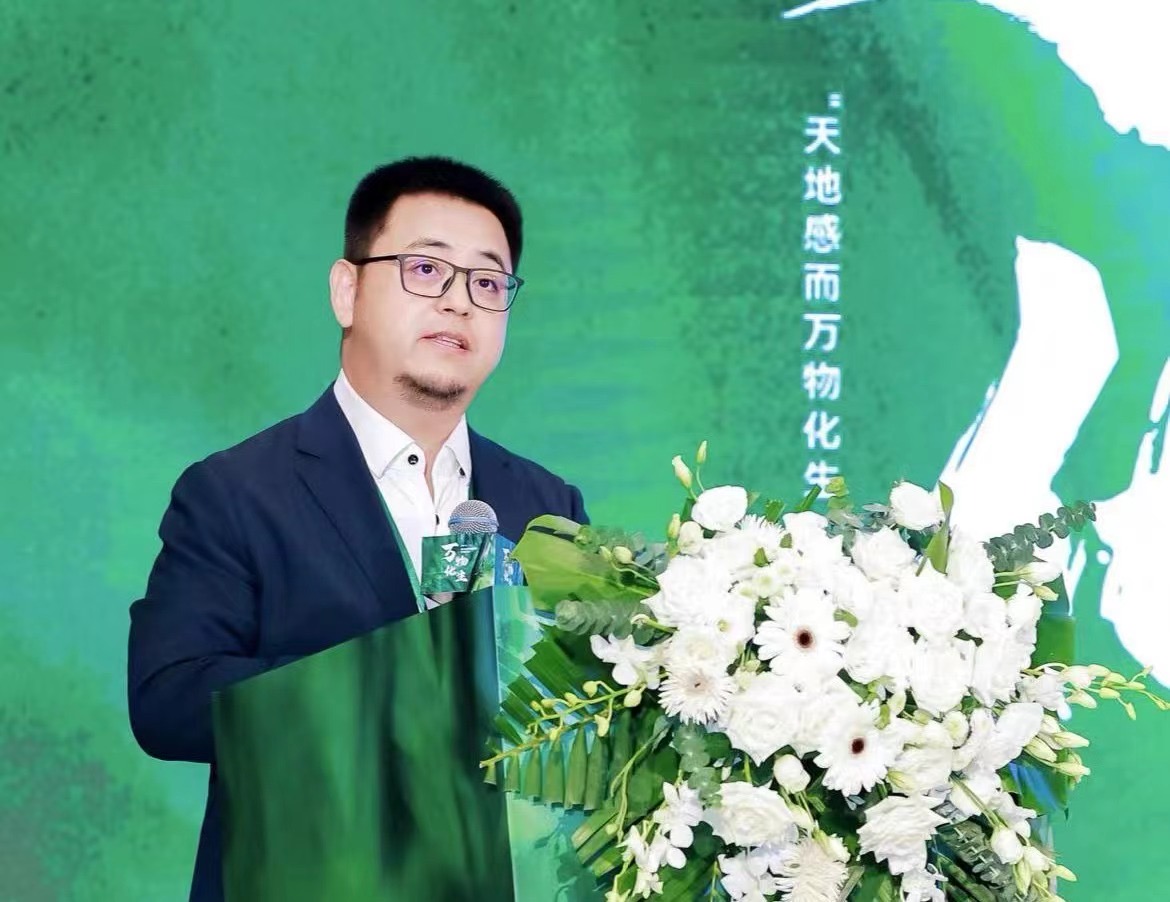
Junlian Capital Co-Chief Investment Officer Wang Junfeng
Wang Junfeng, Co-Chief Investment Officer of Legend Capital, delivered the opening remarks for this forum. Wang Junfeng stated that,Legend Capital has focused on early-stage investments since its inception, empowering technological innovation while upholding the scientific research DNA inherited from the Chinese Academy of Sciences system.For a long time, China has faced the persistent challenge of a disconnect between scientific research achievements and clinical needs, as well as difficulties in translating foundational innovative technologies into practical applications. Coupled with new challenges such as the recent period of industry volatility and adjustment, and shifting investor preferences, the entire sector is undergoing an unprecedented test. Looking ahead, how can we more effectively promote the research, development, and translation of innovative drugs? How can the pathway from scientific innovation to industrial commercialization be streamlined? How can various stakeholders in academia, industry, and research institutions each fulfill their respective roles? Wang Junfeng hopes to explore strategies for breaking through these bottlenecks through this forum, and to reaffirmInvest Early, Invest Small, Invest Long-Term, Invest in Innovation; Ecosystem Empowerment for Frontier Technology Disruptiondetermination.
Xiao Ruiping, Dean of the School of Future Technology at Peking University and Deputy Editor-in-Chief of The New England Journal of Medicine, shared insights on the translation of frontier life science achievements from “imitation” to “source.”Although China has historically faced challenges such as insufficient innovation and a high proportion of generic drugs, the rapidly evolving ecosystem for innovative pharmaceuticals—driven by the collaborative efforts of industry, academia, research institutions, capital, and policy—has ushered in what is arguably the golden age of innovation.. From her decade-long observation as Deputy Editor of The New England Journal of Medicine, Xiao Ruiping has witnessed how China’s clinical research and drug development have advanced by leaps and bounds, forming a grand new ecosystem. She believes that,Entrepreneurs’ adherence to their original aspirations, indomitable belief, and essential resource integration capabilities are indispensable elements that sustain the protracted entrepreneurial journey and enable innovation-driven entrepreneurship.。
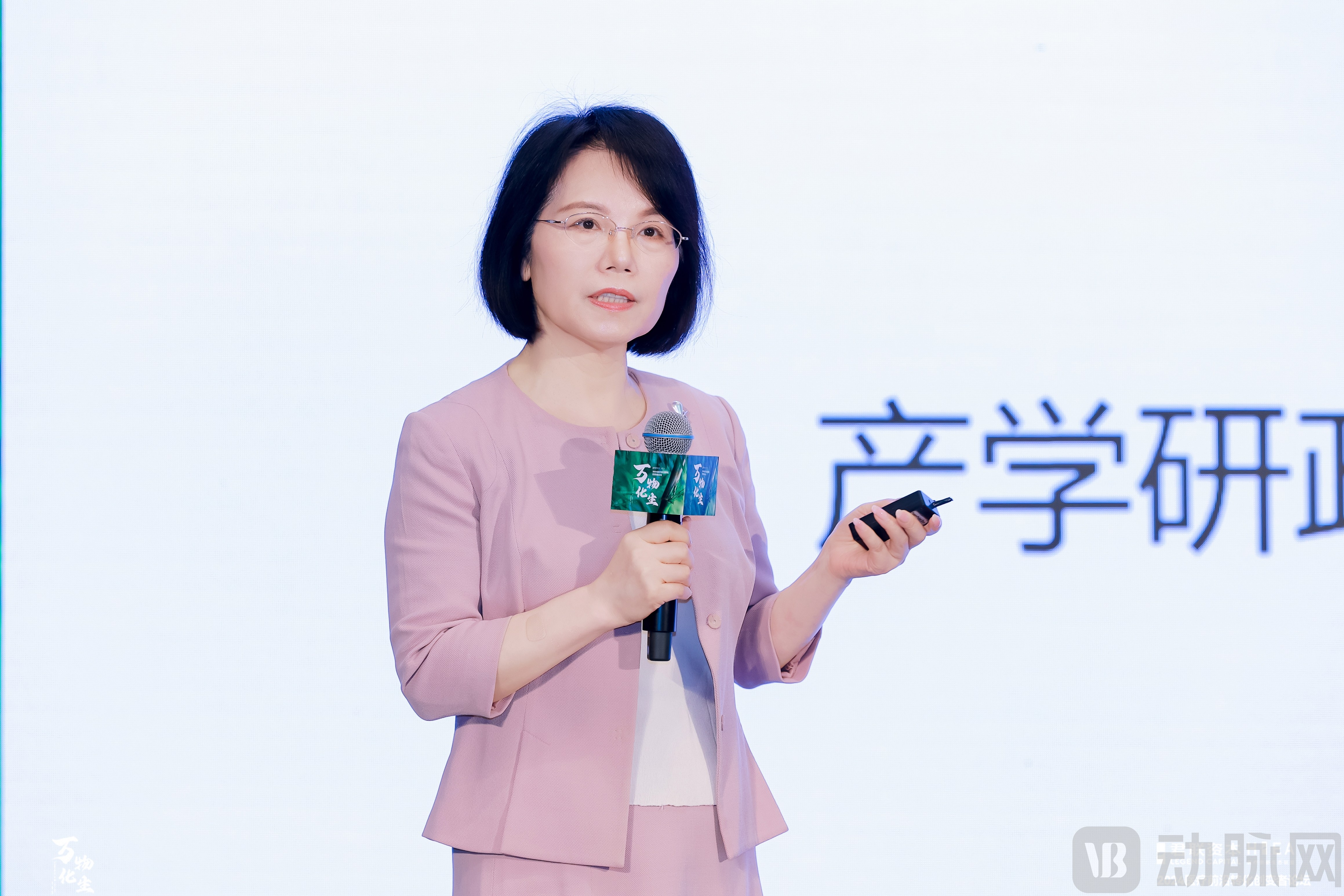 Xiao Ruiping, Dean of the School of Future Technology at Peking University and Deputy Editor-in-Chief of The New England Journal of Medicine
Fu Gang, Chairman of Baiyang Pharmaceutical Group, addressed the three major pain points in China’s pharmaceutical innovation and elaborated on the fundamental principles of source innovation in medicine.Fu Gang believes that, amid the current cost-containment pressures on the payment side, China’s pharmaceutical industry has three pathways for the future: brand building, a steadfast commitment to innovation, and global expansion.Biopharmaceutical competition is global in nature. Currently, the disconnection between R&D and real-world application scenarios, the lack of source innovation with technological barriers, and technological blockades encountered in international competition have become the primary pain points hindering medical innovation in China. Only by reshaping the value chain through disruptive innovation can we develop new quality productive forces. To address these pain points, Baiyang has summarized a set of fundamental principles supporting original medical innovation through its practice: Medical progress is primarily driven by the mutual reinforcement of three major fields—biology, bioengineering, and clinical medicine. This process spans from biological target discovery to engineering drug structures, and then to clinical validation. Through massive clinical samples, we can discover new patterns and biological directions, while computational science integrated throughout the process enhances efficiency. Within this system, achieving breakthroughs at key nodes creates opportunities for developing First-in-Class innovative drugs and medical devices that overcome “chokehold” technologies. The ultimate goal is to optimize healthcare scenarios, making disease treatment more precise, faster, and safer.

Fu Gang, Chairman of Baiyang Pharmaceutical Group
In the final presentation of the first session, Qi Fei, Executive Director at Legend Capital, explored the frontiers of translational innovation under the theme “In Global, For Global.” Qi candidly acknowledged that the path toward genuine original innovation is fraught with uncertainties and challenges, and that the chain of frontier translation is equally arduous and long, impossible for any single individual to complete alone. The five key elements—academia, expertise, research, capital, and industry—are all indispensable. The effort to bring together these elements was precisely the starting point for Legend Capital in organizing this forum, aiming to integrate individuals from diverse stages, disciplines, and skill sets.Legend Capital will continue to integrate resources around cutting-edge translational initiatives, explore and establish a full-chain ecosystem, and persist in providing dual empowerment through both professional expertise and management capabilities.Finally, Qi Fei cited Zhuokai, Ruibo Biopharma, Langxin Biopharma, Zhongsheng Suyuan, Tolo Harbour Biotech, Lingtaike Biotech, and Zhenyu Biopharma as examples to illustrate how Legend Capital systematically brings together scientists, clinical experts, and industry partners through an investment logic focused on frontier translational medicine.
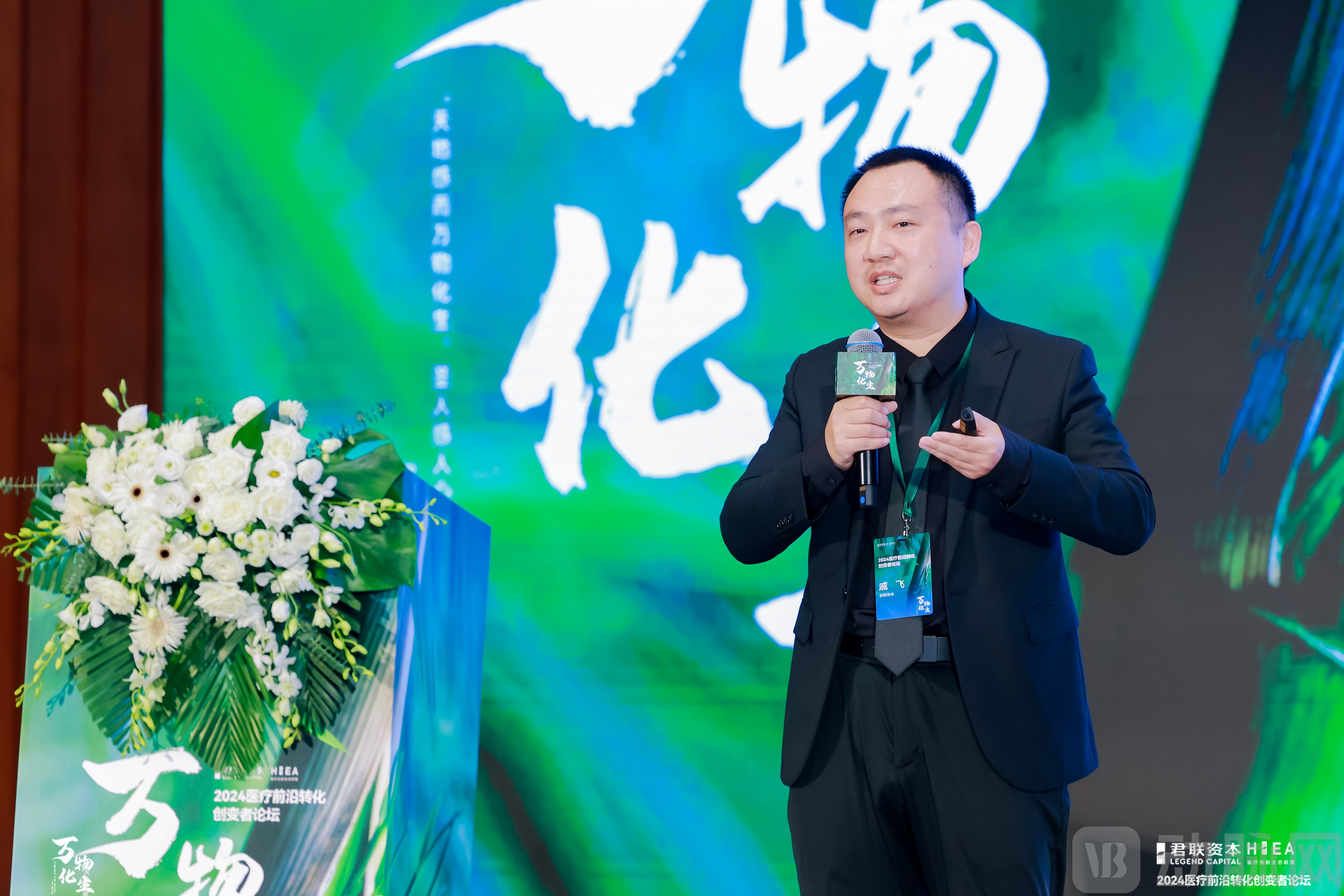
Qi Fei, Executive Director of Legend Capital
“Scientists’ Role Transition and Proactive Planning in Early-Stage R&D”
It is an industry-recognized reality that the process of translating scientific and technological achievements into practical applications is fraught with challenges, and an industrialization mindset is precisely the key to addressing these challenges.
An industrialization mindset requires scientists to look beyond laboratory data and theories; they must also possess market insight, understand market demands, and closely align scientific innovations with the practical needs of industry. This approach enables scientists to accurately anticipate potential challenges early in the research phase, thereby formulating more targeted solutions.
What is the true psychological journey of scientists turning entrepreneurs? What are the differences between conducting scientific research and running a business? How can current challenges be overcome? How can favorable factors within the ecosystem be leveraged? During the roundtable discussion, Huang Song, Deputy Director of the National Institute of Biological Sciences, Beijing, moderated the session titled “Seeking Synergistic Strategies for Front-End Scientific Translation (Scientists’ Identity Transition and Collaboration with Industry).” Liang Zicai, Founder of Ribo Life Science; Yu Junying, Chief Scientist at Zhongsheng Suyuan; and Wang Jin, CEO of Tolo Harbor Biologics, were invited to participate in the discussion and share their firsthand experiences on transitioning from a scientist’s identity and mindset.
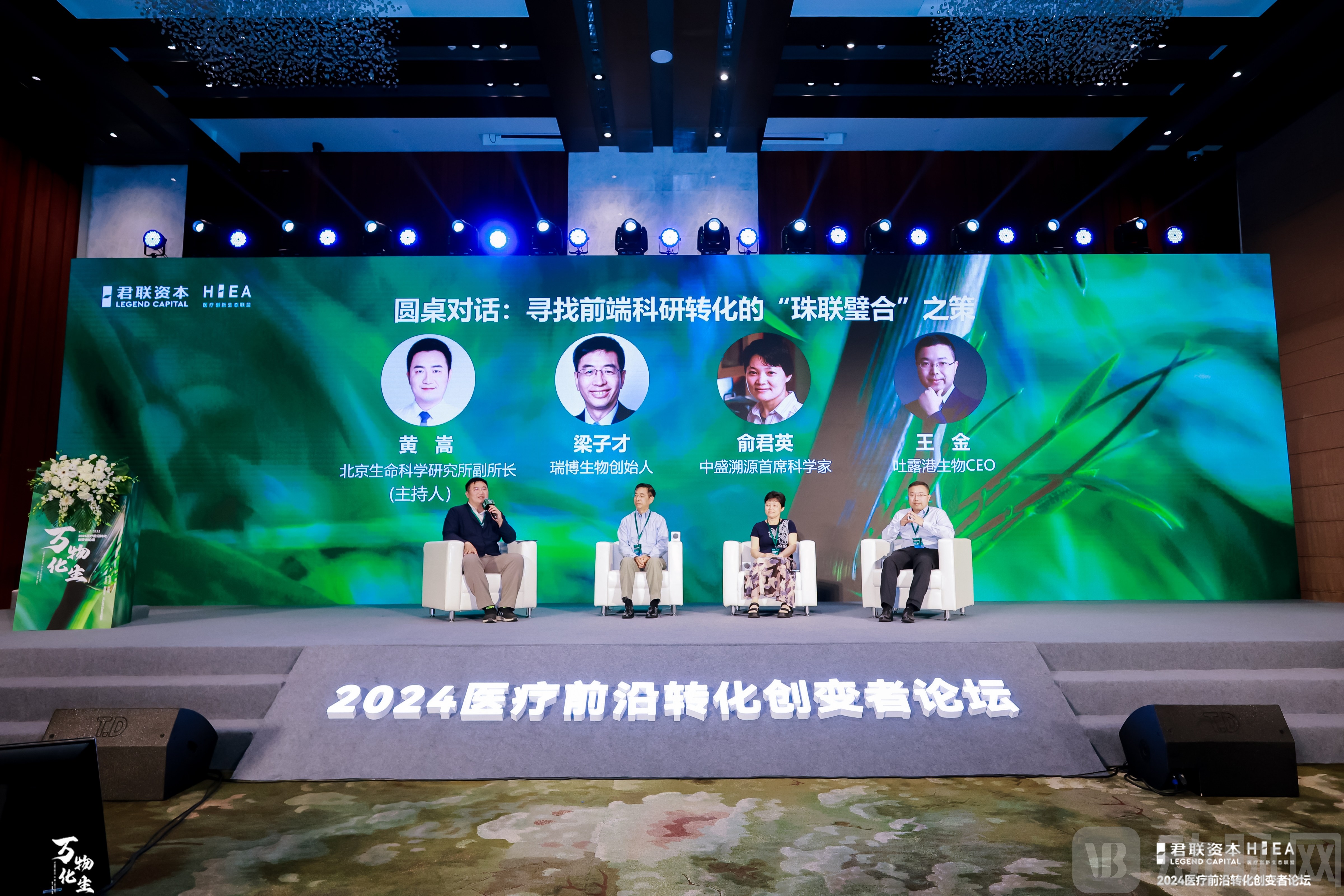
Roundtable Discussion
Wang Jin is the inventor of global CRISPR diagnostic technology and the holder of its foundational patents. In the early stages of CRISPR technology development, he carved out a unique path, accumulating extensive insights into the translation of scientific achievements into practical applications. He noted that there are significant differences between conducting scientific research and running a business, with the most obvious distinction being that,Conducting scientific research is a single-threaded endeavor, allowing scientists to focus intently on R&D. In contrast, running a business is a multi-threaded operation that requires not only R&D but also attention to technology transfer, commercialization, external collaborations, and other diverse tasks.Scientists must master every element of this multi-threaded landscape; meanwhile, the support of patient and empathetic capital is particularly crucial for the scientific community.
Over a decade ago, Yu Junying clearly defined her direction of transitioning from basic scientific research to applied translation. Excellent scientists and entrepreneurs both devote themselves to their careers to achieve their inner goals, but with the same goal orientation, are there differentiated approaches between the two? After entering the corporate sector, the most important lesson she learned wasCompared with schools, companies exhibit a more pronounced goal orientation. Within a corporate setting, the efforts of individuals and teams are primarily problem-solving driven.. When I founded Zhongsheng Suyuan, it was precisely because I recognized the opportunity and trend for clinical translation and practical problem-solving in the iPSC field, built upon its technological research and breakthroughs.
Liang Zicai, founder of Ribo Life Sciences, began focusing on the cyclical shifts in the economy and healthcare industry during his postdoctoral fellowship at Yale University.Irrationality exists at both highs and lows; resources are abundant at the peak, while opportunities continue to emerge during the trough.. During this period, maintaining a positive and calm mindset while consistently moving forward is essential to overcoming difficulties. Meanwhile, breaking through geographical constraints and adopting a global strategic layout to offset the temporary downturn in the domestic market also holds significant promise for development.
At the second roundtable discussion, Wang Jianfei, Managing Director of Legend Capital, moderated the session on “Early-Stage New Drug Development Strategies from the Perspective of Technology Transfer (Key Considerations for Preclinical Evaluation in Frontier Translational Projects).” Invited speakers included Wang Quanjun, Chief Scientist at Saifu Pharma; Liu Zhenyu, Chairman of GenScript ProBio; Hong Xiaoming, Founder and Chairman of Haihe Biopharma; and He Lian, Head of Regulatory Affairs at Kanglianda. The panelists engaged in discussions on product development, risk control in the early preclinical stages, and recommendations for the global expansion of innovative therapies.
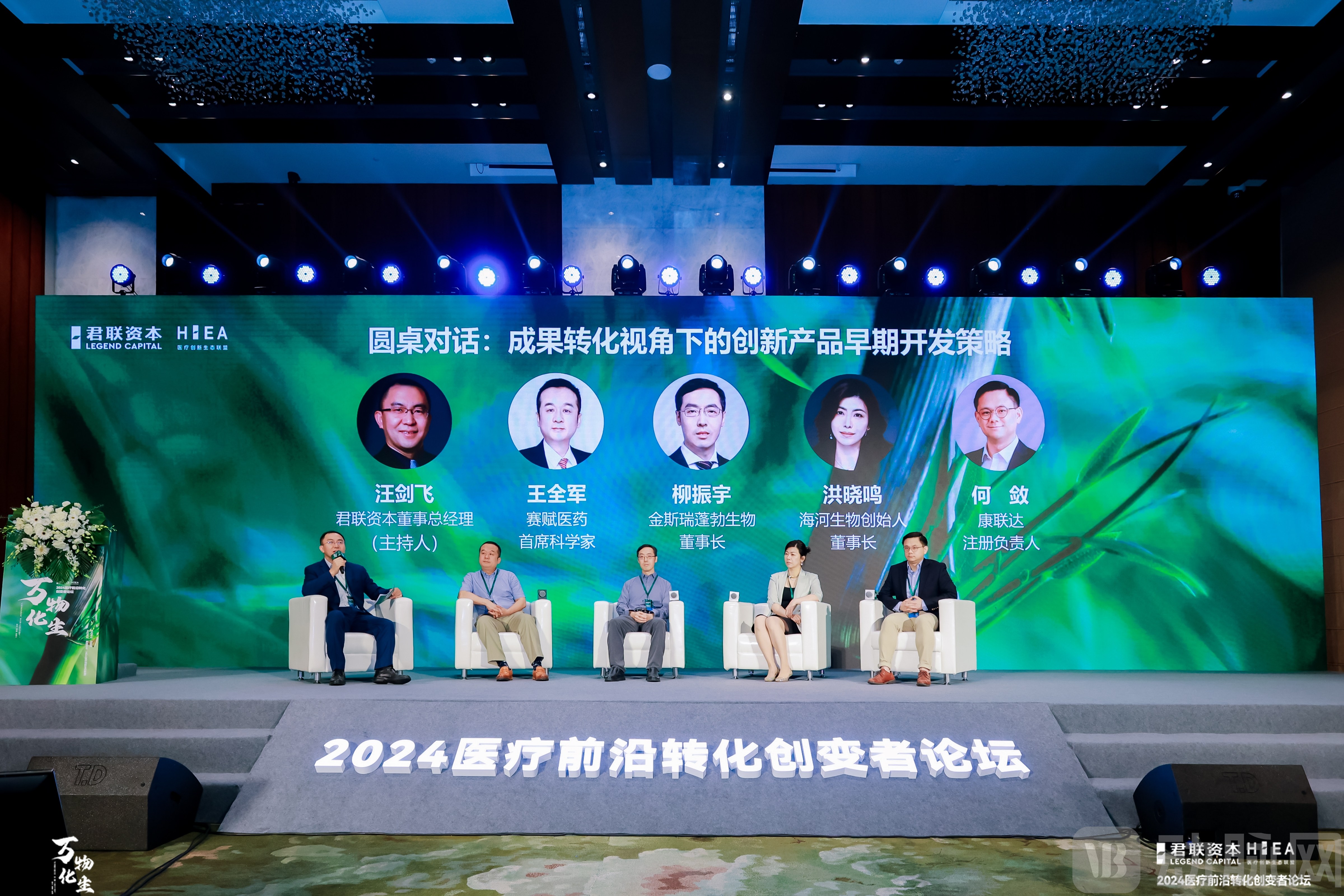
Roundtable Discussion
Wang Quanjun believes that if scientists want to make achievements in the translation of innovative drugs, there are two points to pay attention to in the early stage.1. One must always maintain a sense of reverence., because drug development and academic publishing have fundamentally different evaluation criteria, particularly in the rigor of data review. It is essential to establish a mindset that prioritizes this distinction from the outset.Second, it is essential to adhere to the development patterns of the industry at the earliest possible stage., after completing target discovery and preliminary druggability assessment, areas in which scientists excel, the baton is passed to industry and capital investors to achieve close integration with the industrial sector.
Liu Zhenyu stated,Unlike early-stage innovation, industrialization should be driven by actual market needs. This is primarily reflected in whether laboratory achievements meet clinical demands and whether the product itself can achieve differentiation.Scientists need to engage directly with frontline practitioners, including physicians and industry stakeholders, to uncover the sector’s genuine needs. They must also develop a clear understanding of their own strengths and weaknesses, assessing whether true differentiation is achievable by evaluating their psychological readiness, team capabilities, and funding availability. Only on this basis are they qualified to scrutinize each stage against more rigorous commercialization standards, thereby entering the next phase of development with reduced risk.
With nearly two decades of experience in the regulatory review of medical device exports, Hong Xiaoming offers industry-wide insights from a device-centric perspective. She believes thatIt is essential for startup teams to cultivate a holistic business mindset at an early stage and develop a strategic understanding of the global market.. Chinese products have reached near-international standards in quality, even surpassing them in certain sectors, while regulatory review processes in some overseas markets are faster than those in China. By strategically planning global regulatory submissions based on approval timelines, companies can accelerate market entry and generate cash flow earlier. The choice between the Chinese market and overseas markets is not an either-or proposition; rather, it is an open-ended strategic imperative where both markets complement and reinforce each other.
He Lian, Head of Registration at Kanglianda, boasts extensive experience in the regulatory review landscape of Southeast Asia. His insights provide a more precise timeline for companies expanding into the Southeast Asian market and even pursuing global opportunities.He believes that Southeast Asia is not an isolated market; its undercurrents of frenzied R&D activity are precisely the result of capacity spillover from the booming Chinese drug R&D sector over the past five to six years.Meanwhile, products that have successfully gained approval in any of the U.S., European, Chinese, or Japanese markets can secure a significant advantage in review speed in the Southeast Asian market, where regulatory mechanisms are gradually being refined. This current landscape, along with the time lag between these two regional markets, can provide certain guidance for teams advancing their globalization strategies.
Furthermore, at a time when most companies are focusing on globalization, many panelists emphasized the critical importance of addressing key issues from the earliest stages, including ensuring that experimental reports are of high quality and compliant with standards, organizing registration dossiers with a regulatory review mindset, maintaining R&D records in both Chinese and English, and conducting preliminary research on process requirements.
With the agenda halfway through, the landscape of cutting-edge medical translation has already unfolded. The second half of the sessions is equally anticipated (the full conference video can be viewed via the “Legend Capital” WeChat Channels account).