

Second Half of the 2024 Forum on Frontier Medical Translation and Innovation: Bridging Clinical Needs with Industrialization
On the afternoon of July 4, the “2024 Frontier Medical Translation Innovators Forum,” jointly organized by Legend Capital and the Healthcare Innovation Ecosystem Alliance (HIEA), continued. Following the morning sessions featuring guest speakers, lively discussions persisted, with a stronger focus on clinical implementation and industrialization prospects.
“Frontier translational innovations that can be successfully implemented must be grounded in genuine clinical needs.”
The successful translation of technology hinges on a deep understanding of genuine clinical needs and pain points. These needs and pain points are embedded in the specific challenges encountered by physicians and patients during actual diagnosis and treatment, highlighting the limitations of existing technologies and methods. Only by engaging directly with frontline practice to comprehend these authentic needs and pain points can technological innovation chart the right course, thereby developing medical technologies and products with greater practical value.
Compared with technology development based solely on theoretical research and laboratory data, innovation driven by actual clinical needs better meets the expectations of physicians and patients. This demand-driven R&D approach can significantly enhance the success rate of technology translation, making new technologies more effective and reliable in clinical applications.
As the primary hubs possessing firsthand practical insights, how clinical hospitals and clinicians can successfully promote the translation of scientific research achievements is a key focus of this forum.
Sun Xiaodong, Vice President of Shanghai General Hospital, shared his insights on the topic of “Exploration and Practice of Translating Clinical Hospital Scientific and Technological Achievements.” In the research and development of new drugs and medical devices, hospitals serve not only as the main battlefield for clinical and translational research but also as the source of technological innovation and achievement translation, acting as a hub connecting pharmaceutical R&D with the biopharmaceutical industry. Sun Xiaodong pointed out that the rapid development of the biopharmaceutical industry over the past two decades has led to the exploitation of many targets accumulated through over a century of scientific discoveries. Given the complexity and diversity of the human body and diseases, future target discovery—guided by clinical needs, employing systems biology approaches, leveraging multidimensional patient databases, and driven by AI-powered big data analysis—holds significant promise. Chinese hospitals possess substantial advantages in patient volume and disease diversity, representing invaluable clinical resources. For instance, Shanghai General Hospital handles over 4 million outpatient visits and surgical procedures annually. This scale highlights the critical role of fully utilizing clinical resources to promote industrial development within today’s innovation landscape.By fully integrating clinical patient resources with medical scientists’ profound understanding of key clinical scientific questions and clinical trials, we can establish a seamless “bedside-to-bench-to-bedside” cycle that connects clinical, patient, and scientific resources. This multi-party collaboration among scientists, industry stakeholders, and clinicians is more conducive to building a comprehensive ecosystem for the biopharmaceutical industry.
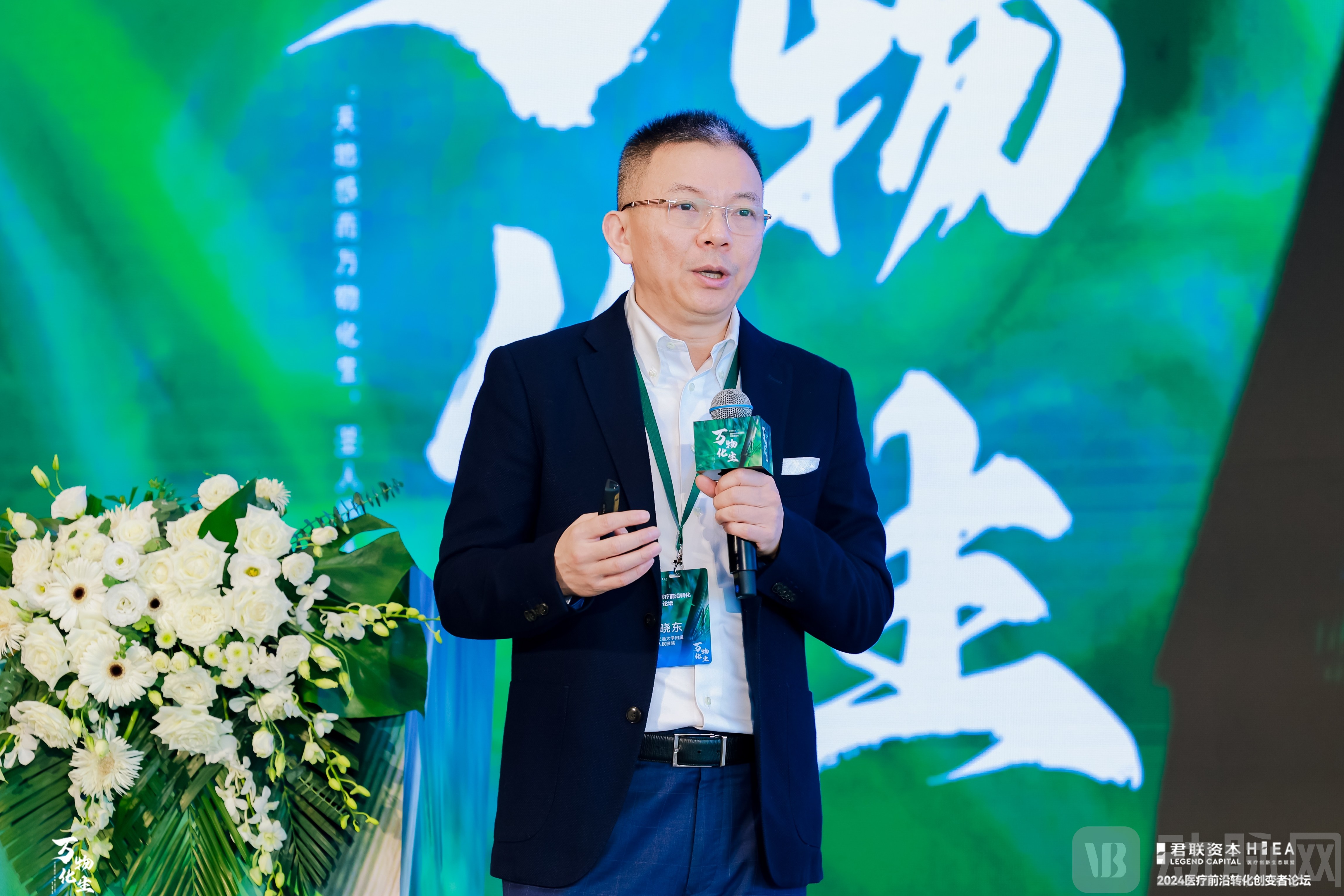
Sun Xiaodong, Vice President of Shanghai General Hospital
Subsequently, Zhu Yaoyi, Vice President of the Medical Laboratory Branch of the China National Health Industry Enterprise Management Association, delivered a keynote presentation on “New Explorations in the Integration of Medicine and Engineering and Innovative Translation for Diagnostic Technologies.” Zhu Yaoyi identified innovation opportunities in in vitro diagnostic technologies and products across areas such as novel biomarkers, new diagnostic techniques, point-of-care testing (POCT), early screening in health check-ups, and the application of artificial intelligence (AI).He stated that while various models for commercializing professors’ research outcomes have been gradually established in China’s healthcare industry, their effectiveness has not yet met expectations, leaving substantial room for improvement.In the industry, mechanisms such as regular communication channels, incubators, startup accelerators, angel and seed funds, and benefit distribution designs play a certain role in encouraging the integration of medicine and engineering and exploring innovation translation. A well-designed commercialization benefit mechanism for outcomes is conducive to mobilizing the initiative of all parties involved.
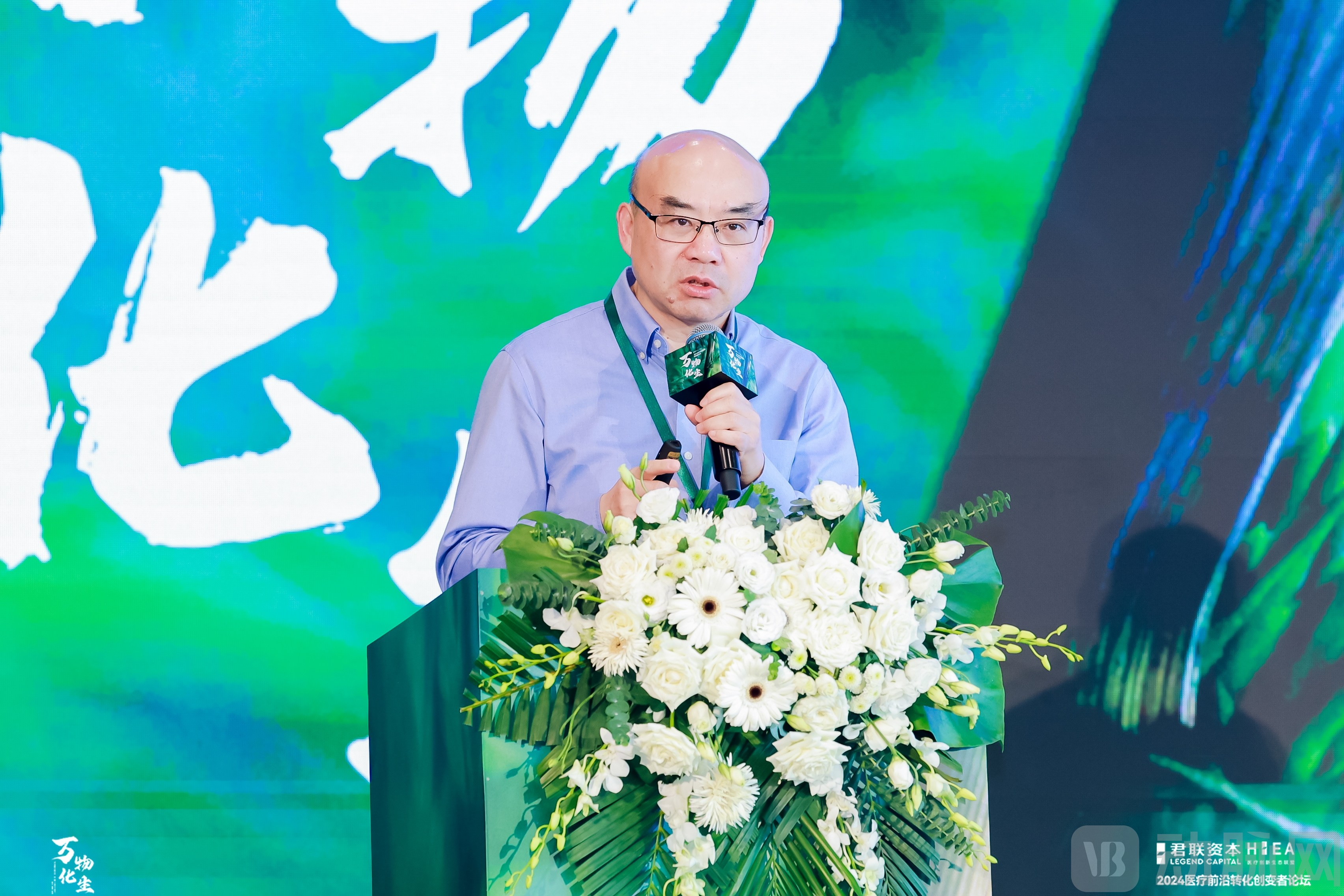
Zhu Yaoyi, Vice President of the Medical Laboratory Branch of the China National Health Industry Enterprise Management Association
During the roundtable discussion, Zhou Quan, Managing Director at Legend Capital, moderated the session titled “Exploring the Translation of Clinical Needs into Developmental Research (Case Studies on Translating Clinical Needs, Patient Needs, and Clinical Findings into R&D Initiatives).” The panelists included Wang Fenghua, CEO of Langxin Biologics; Tang Yu, Executive Director of the Office of the Drug Clinical Trial Research Center at the National Cancer Center; Shen Juan, Deputy Director of the Industry Office and Director of the Technology Transfer Office at Peking University Health Science Center; and Wang Jingjing, Executive Director of the Tsinghua Global Health Industry Innovation Center. The participants shared insights and engaged in discussions on topics such as identifying and recognizing clinical needs, evaluating clinical needs, fostering close collaboration among scientists, clinicians, and engineers, and defining the role of investors.
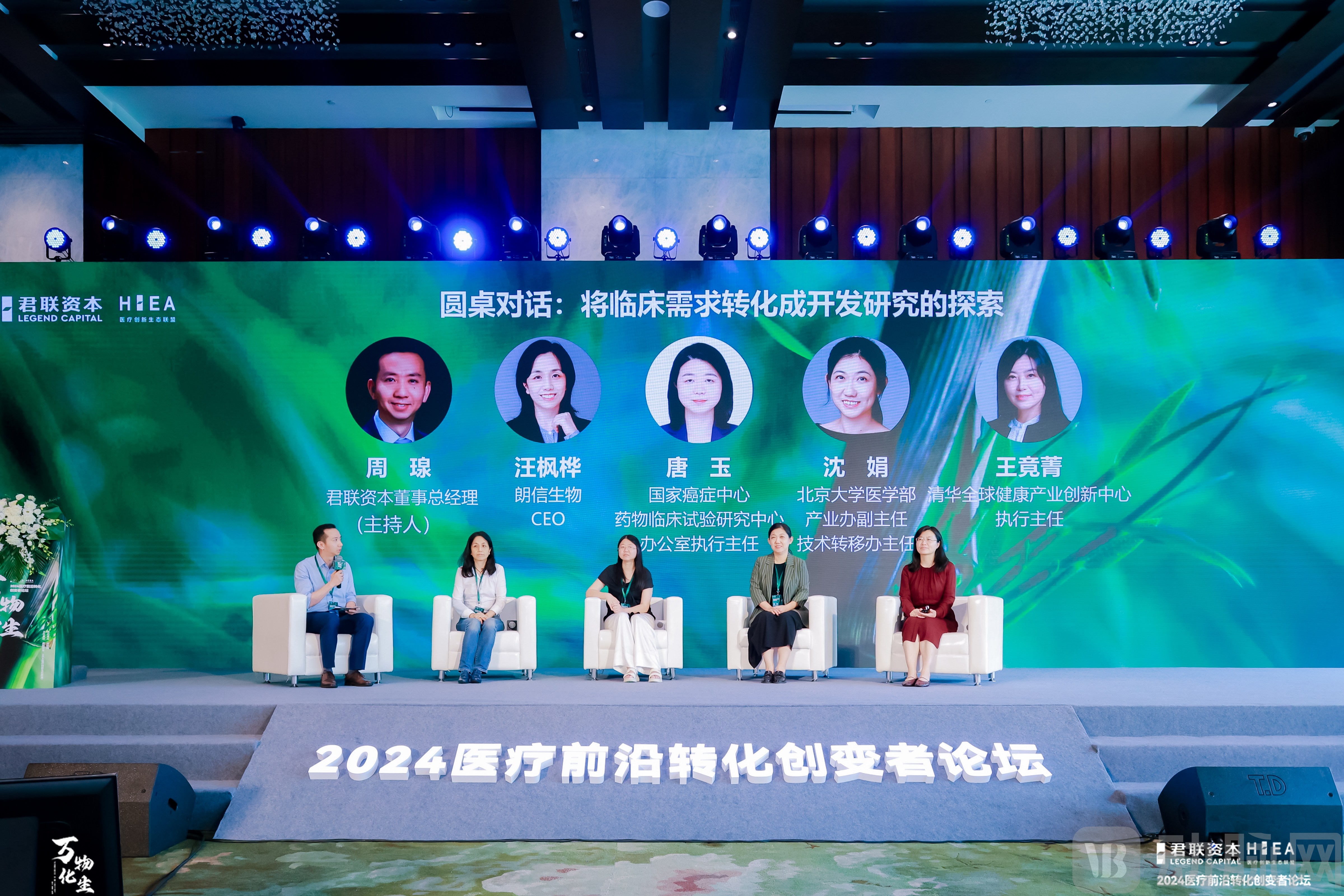
Roundtable Discussion
Tang Yu has long been responsible for work related to innovative translational clinical research at the Clinical Research Center of the Cancer Hospital, Chinese Academy of Medical Sciences, and possesses extensive experience in identifying and assessing clinical needs.She believes that the most direct definition of a clinical need is this: when a physician sees a patient but cannot provide effective treatment, the need naturally arises.When many clinicians express their needs, they are often unaware of the technological solutions available in the market to address these issues, due to their long-term specialization in clinical diagnosis and treatment. Similarly, technology developers often lack awareness of the most relevant clinical needs that their technologies could serve.Tang Yu hopes that technology developers, whether research institutions or enterprises, will engage with frontline physicians at an earlier stage to facilitate the implementation of solutions.
Before founding Langxin Bio, Wang Fenghua practiced as an ophthalmologist for 20 years, accumulating extensive experience in both clinical practice and clinical research. By adopting the perspective of an industry supplier early on in her role as a Principal Investigator (PI), she developed a comprehensive framework for evaluating projects and interpreting patient and physician needs.Regarding how to communicate with busy physicians, Wang Fenghua also stated that by gaining a deeper understanding of the challenges patients face from the physicians’ perspective and cultivating their interest in new technological pathways, it is possible to identify scientific questions and directions for clinical translation during discussions, thereby building mutual trust and collaboration through patience.
Shen Juan’s perspective is more aligned with the standpoint of university technology transfer offices. Projects stemming from university research outcomes are often at an earlier stage than what is considered “early-stage” in the market, frequently residing in the phase of industry-sponsored collaborative projects or joint R&D between universities and enterprises.Shen Juan encourages clinical researchers and clinicians to cherish and seize every opportunity to communicate with industry players and investors, so as to gain a deeper understanding of productization and industrialization. Investors should be viewed as aggregators of resources rather than mere holders of capital.Only through candid, patient, and trust-based communication can all parties truly delve into the industrial sector and each other’s areas of expertise, thereby promoting interdisciplinary integration and facilitating organized scientific research.
Wang Jingjing shared her experience in translating medical-engineering collaborative achievements into practical applications, leveraging Tsinghua University’s strengths in engineering. While physicians possess extensive clinical experience, university faculty have a deeper understanding of innovative technologies. The effective integration of these two groups enables the deconstruction of clinical needs and the tangible, concrete realization of solutions. The Innovation Center serves as a supportive platform that facilitates rapid proof-of-concept validation and expedited regulatory approval for clinical needs.The Global Health Industry Innovation Center aims to identify innovative clinical needs and provide practical support across all stages, thereby accelerating product development and swiftly bringing them to market for validation. Wang Jingjing stated that the platform’s ultimate goal is to tangibly develop products that deliver real clinical value.
“Synergistic Win-Win Collaboration between Technology Transfer and Large Enterprises, and Outlook for Global Expansion”
In the final session of the afternoon forum, panelists discussed the roles and contributions of large enterprises and multinational corporations (MNCs) in translating frontier innovations into practical applications.
The discussion began with a keynote presentation by Wei Chunyan, Vice President of External Affairs at Danaher China, titled “Endless Life, Unceasing Innovation: The Dual-Innovation Acceleration Engine Facilitating the Translation of Innovations.”Wei Chunyan focused on sharing the Innovation Acceleration 2.0 model, driven by the dual engines of clinical practice and industry, under the “Chuangsheng China” strategy.Clinical translation is becoming a key factor for healthcare institutions to enhance their comprehensive strength and build core advantages. As an important link in the biomedical industry chain, Danaher, together with diverse partners, reduces the time and cost required for research, development, and production of innovative therapies, continuously empowering the innovative transformation from scientific research to clinical applications.
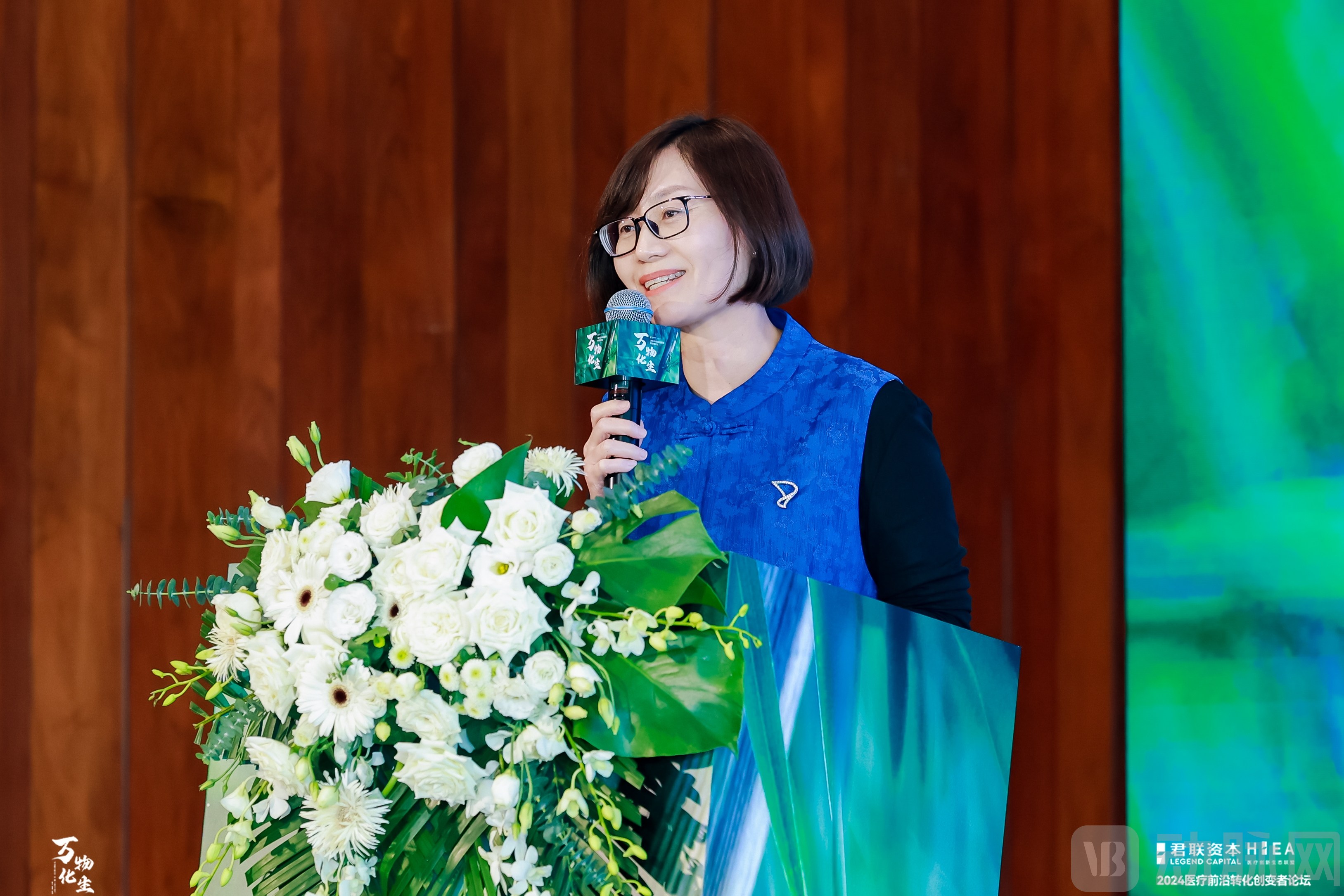
Wei Chunyan, Vice President of External Affairs, Danaher China
Subsequently, Jenny Yang, Head of External Innovation and Partnerships for Novo Nordisk Asia Pacific, delivered a presentation titled “Translating Innovative Drug Research Achievements from 0 to 1.” Ms. Yang introduced Novo Nordisk’s external collaboration and open innovation platform, sharing her insights on new drug development and external innovation.She believes that, in addition to the essential financial support required during the early stages of translation, actively “leveraging external strengths” and rationally utilizing external resources to integrate knowledge and platforms for new drug R&D play a crucial role.In the process of translational innovation, common challenges such as funding shortages, talent gaps, and lack of experience seem to be clichés, yet some more critical issues are often overlooked. On one hand, there is the question of whether research findings can achieve robust reproducibility after leaving the laboratory; on the other hand, there is the challenge of leveraging human genetics, multi-omics, AI, and automation to enhance the efficiency and success rate of translation.
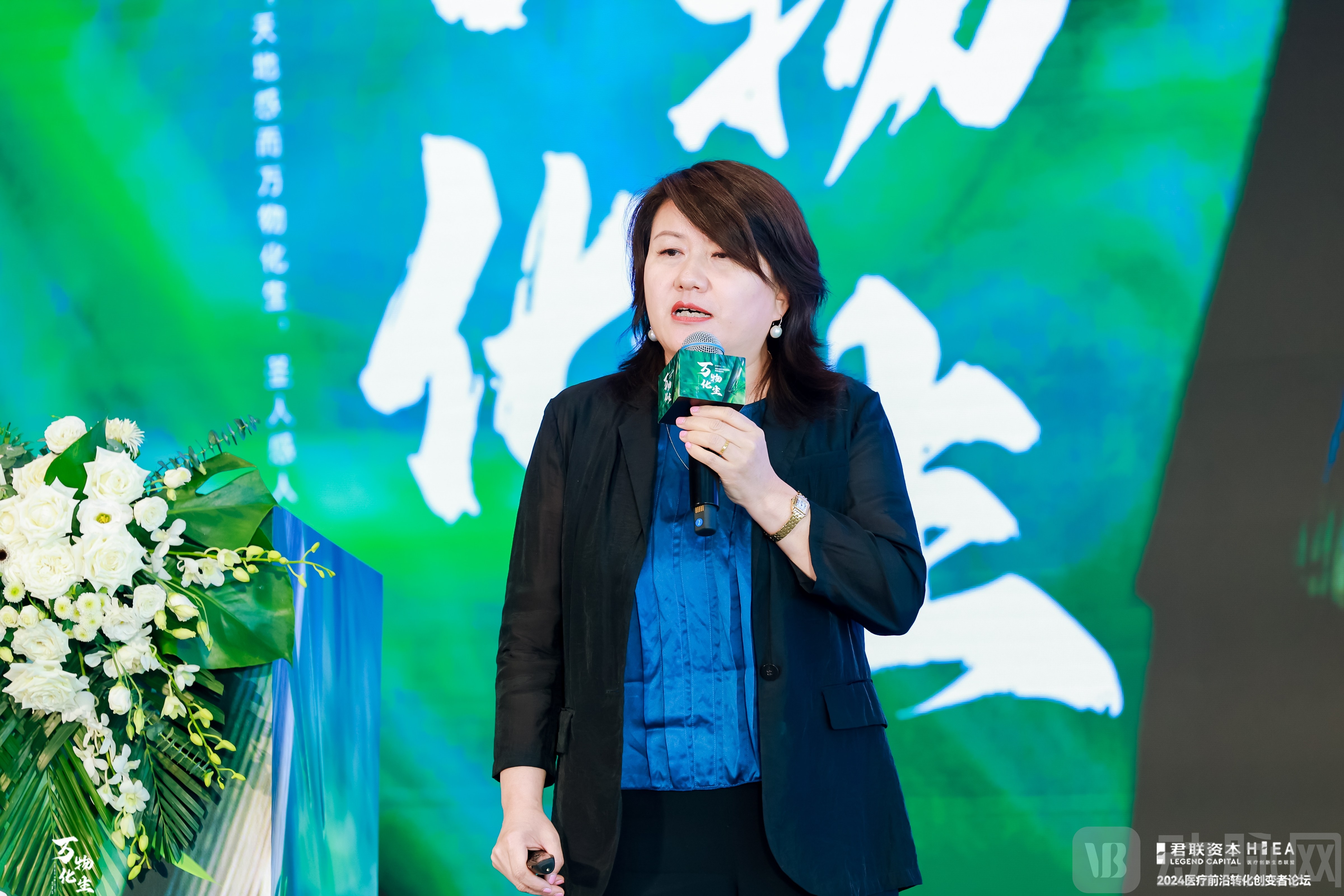
Jenny Yang, Head of External Innovation and Partnerships, Novo Nordisk Asia Pacific
During the roundtable discussion, Hong Tan, Managing Director at Legend Capital, moderated the session on “Industrial Practices in the Translation of Scientific Achievements (Achieving Synergy with Scientific Innovation within Industry and Overseas Translation Experience).” The panelists included Jiang Fei, Chief Investment Officer at CMS Pharmaceutical; Liu Yang, Director of the Lilly China Innovation Collaboration Center; Chen Kai, Executive Director of Digital and Business Innovation at AstraZeneca China and Head of the International Innovation Park and Innovation Center; and Xu Di, Head of Bayer Co.Lab China.
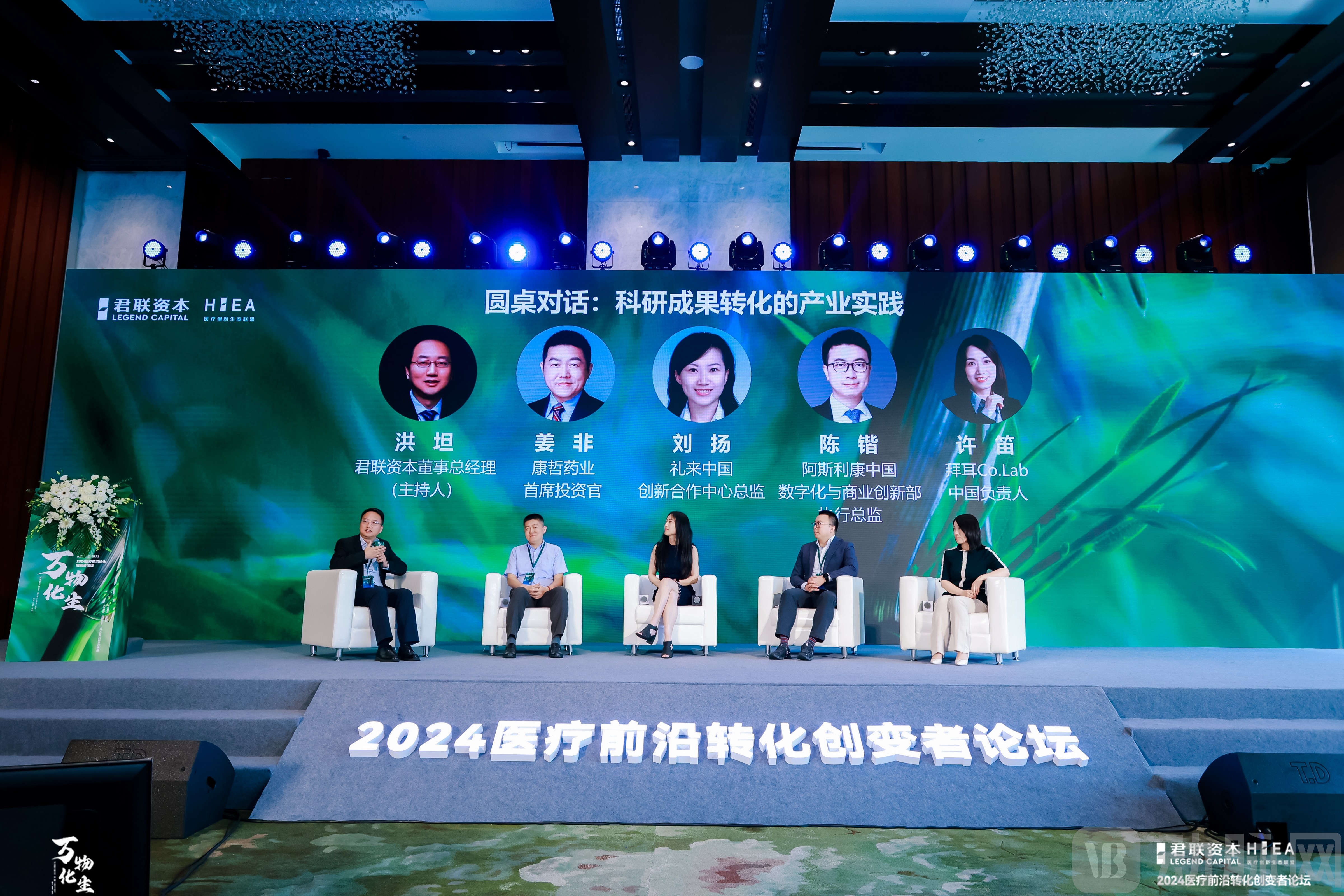
Roundtable Discussion
Jiang Fei from CMS Pharmaceuticals, a well-established pharmaceutical company, has deep insights into China’s cutting-edge translational research environment. Many large Chinese pharmaceutical companies adopt a relatively prudent and mature approach to commercialization. Due to risk aversion and resource constraints, they tend to prioritize products in the mid-to-late stages of clinical development when selecting candidates, while rarely introducing those in early-stage clinical trials or preclinical phases. As a result, they are unable to systematically explore more innovative targets or engage in in-depth collaborations with universities and research institutes on early-stage projects within a short timeframe, unlike overseas multinational corporations (MNCs).Jiang Fei stated that large domestic pharmaceutical companies require comprehensive internal support—from R&D, clinical development, and regulatory affairs to marketing and senior management—in terms of both systems and mindset, in order to achieve Best-in-Class or even First-in-Class breakthroughs, as risk tolerance is directly proportional to the returns on outcomes.
Liu Yang’s perspective is derived from global pharmaceutical companies, examining the translation of Chinese innovations through a global lens. Overseas markets hold a leading position due to their earlier development and more mature innovation ecosystems; however, the rapid catch-up in China’s basic scientific research has brought us to a level playing field with global competitors. China is now positioned to provide best-in-class products for patients worldwide, yet achieving first-in-class innovations at scale still requires rigorous refinement in areas such as targets, pathways, and cellular models.Liu Yang believes that what China currently needs are CEOs and business development professionals with industrial experience and expertise in technology transfer, who can pool resources for enterprises and conduct more robust commercial assessments.
When discussing the potential and challenges of translating Chinese scientific research innovations into practical applications during their early stages,Chen Kai stated that within the large national medical centers of greater focus to AstraZeneca, there is room for optimization and improvement in the translation mechanism for clinicians under the National Performance Evaluation of Public Hospitals.For a long time, the criteria for determining the loss of state-owned assets have been a focal point of industry discussion. Under this mechanism, issues such as clinicians’ initiative, financial risks associated with failed translational efforts, and whether commercialization of achievements should be conducted through buyout or licensing have become obstacles to the smooth translation of cutting-edge technologies. Chen Kai believes that it is worth considering how to support projects in achieving marketization within the existing translation framework.
By leveraging Bayer’s global layout of frontier innovations through its Co.Lab platform, Xu Di has identified three major potentials within China’s innovation ecosystem.First, leveraging the foundational innovation capabilities of leading universities; second, applying superior process engineering to advance achievements to the preclinical stage; and third, establishing a clinical translational medicine center.China’s large patient population, together with a vast number of outstanding clinical researchers and clinicians who are well integrated with global standards, collectively form the cornerstone of medical innovation.
Following the conclusion of the forum, Hong Tan delivered the closing remarks, reviewing the forum’s themes of “scientific research innovation, clinical studies, industry integration, and capital support.” The integration of cutting-edge scientific research with practical industrial applications holds immense potential. Furthermore, insights and perspectives from the three key stakeholders—research, clinical practice, and enterprises—have fostered a new consensus within the industry on the translation of medical and technological achievements. Frontline researchers committed to engaging with the industry are poised to grow into persistent change-makers within an increasingly open, supportive, inclusive, and well-developed entrepreneurial ecosystem.
Watch the full conference video on the “Legend Capital” WeChat Channel