

CellPlus Bio: A Rising Star in Cell Culture Media Breaking Through Market Saturation
In the rapidly growing cell culture media market, domestic players are on the rise.
According to Frost & Sullivan, the global cell culture media market has experienced rapid growth in recent years, with the Chinese market growing even faster—achieving a compound annual growth rate (CAGR) of 32.3% from 2016 to 2020. Looking ahead, driven by the booming development of China’s biopharmaceutical industry, particularly in antibody and protein therapeutics, the market size for cell culture media in China is projected to reach RMB 5.44 billion by 2025.
Over the past 50 years, the research, development, and production of culture media both internationally and domestically have been monopolized by a few leading global enterprises. However, further market expansion and sustained attention from international capital have attracted more domestic and foreign companies seeking to break this traditional monopoly.
Cellplus Biotechnology is one of them. Founded in 2021, Cellplus Biotechnology possesses proprietary intellectual property rights for HMDTM&RPDTMBuilding on a high-throughput, low-risk media development platform, we have successfully developed multiple series of serum-free cell culture media products tailored for biopharmaceutical applications, including antibody and recombinant protein therapeutics, human vaccines, animal vaccines, and cell and gene therapies. The majority of these products are state-of-the-art chemically defined (CD) media. With a production facility spanning over 8,000 square meters, multiple dry powder and liquid media production lines, and a dedicated media process R&D center, we are capable of large-scale GMP-compliant manufacturing to meet the commercialization needs of biopharmaceutical companies.
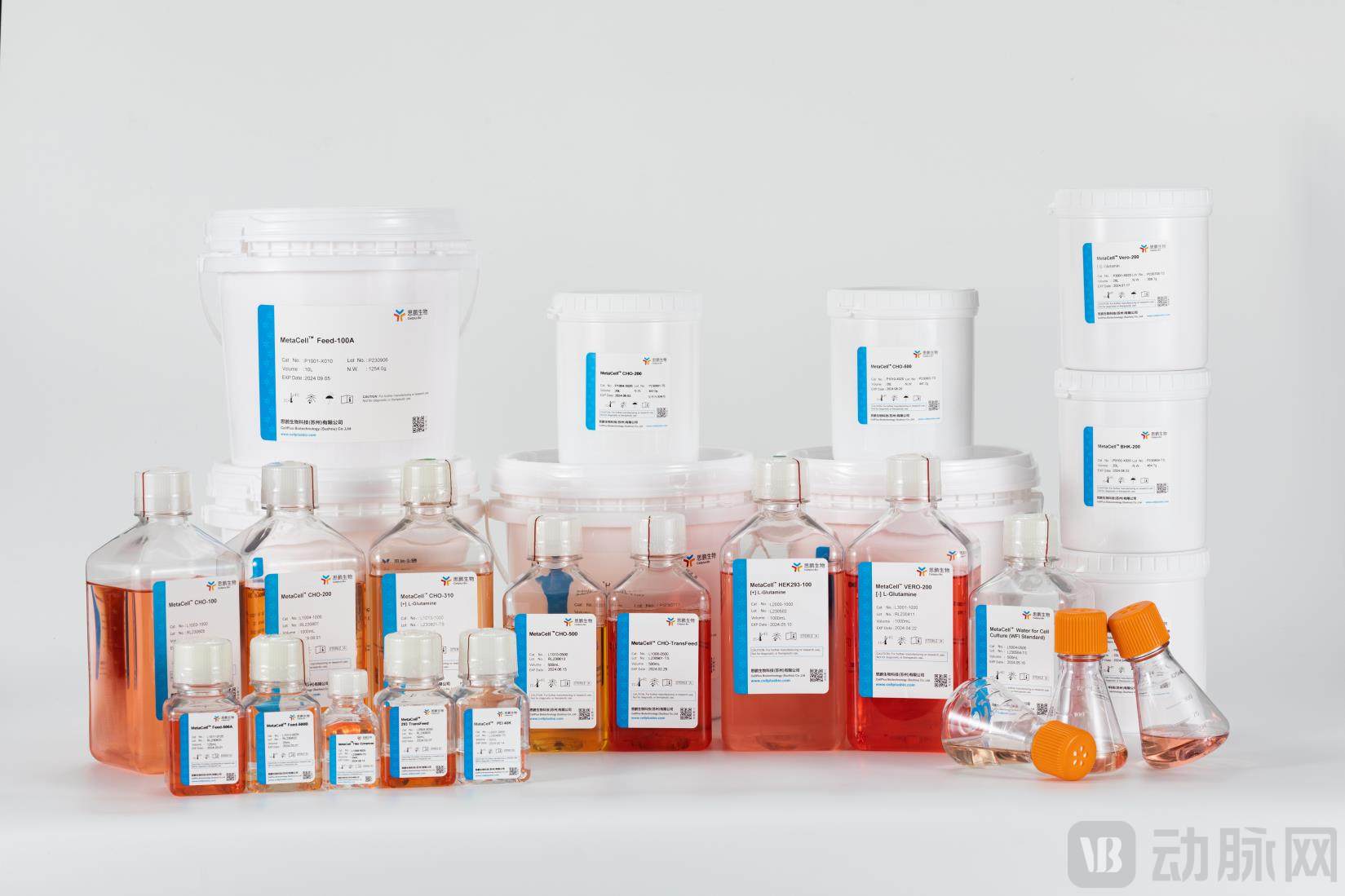
Based on a steadily and rapidly growing customer base, continuous formula development, and stable supply chain management capabilities, Li Mingxin, CEO of Cellplus Biotechnology, stated, “Break-even can be achieved within the next two to three years.”
This is a microcosm of Chinese companies catching up with imported brands in the cell culture media sector, sparking VCBeat’s curiosity to delve deeper.
The continuous development and iterative capability of formulations is one of the key criteria for measuring the strength of a cell culture media company.
Nutrient requirements and culture conditions vary significantly across different cell types. Even within the same cell category, substantial differences in media composition requirements can arise due to variations in expressed molecules. Typically, a single formulation comprises 50–200 distinct chemical components, and culture media manufacturers often need to customize formulations based on cellular metabolomics and drug molecular profiles.
Cell culture medium formulation development is a technology-intensive endeavor that requires not only in-depth specialized knowledge but also extensive practical experience.
The founding team of Cellplus Biotechnology has accumulated over 15 years of industry insights through extensive experience at world-leading life sciences companies and renowned biopharmaceutical enterprises, demonstrating profound understanding and practical expertise in all aspects of cell culture media, including research and development, application, manufacturing, and quality control.
"Through independent innovation, Cellplus Biotechnology achieves the coexistence of high throughput and low risk. It can rapidly identify the optimal combination from qualified key raw materials, creating superior culture media formulations with a focus on science and efficiency, while also considering scalability and large-scale production. This not only shortens the R&D cycle but also significantly reduces risks during research, development, and production, ensuring product performance and long-term quality stability."
However, mastering the formulation is only the first step; the true test for cell culture media companies lies in achieving large-scale supply with highly consistent quality across batches.
VCBeat has learned that Cellplus Biotechnology regards “providing customers with long-term safe and stable products” as its corporate mission. Since its inception, the company has established a quality management system compliant with British Standards Institution (BSI) certification and Good Manufacturing Practice (GMP) standards, and strictly selects raw material suppliers in accordance with pharmacopoeial standards.
Today, Cellplus Biotechnology has invested hundreds of millions of yuan to establish an integrated R&D and production base covering more than 8,000 square meters. The facility is equipped with two large-scale GMP-compliant production lines for powdered culture media, with a batch capacity of up to 2,000 kg, enabling it to provide various types of cell culture media that meet GMP standards to partners both in China and abroad.
However, it must be emphasized that Cellplus Biotechnology’s ambition for long-term quality stability goes even further.
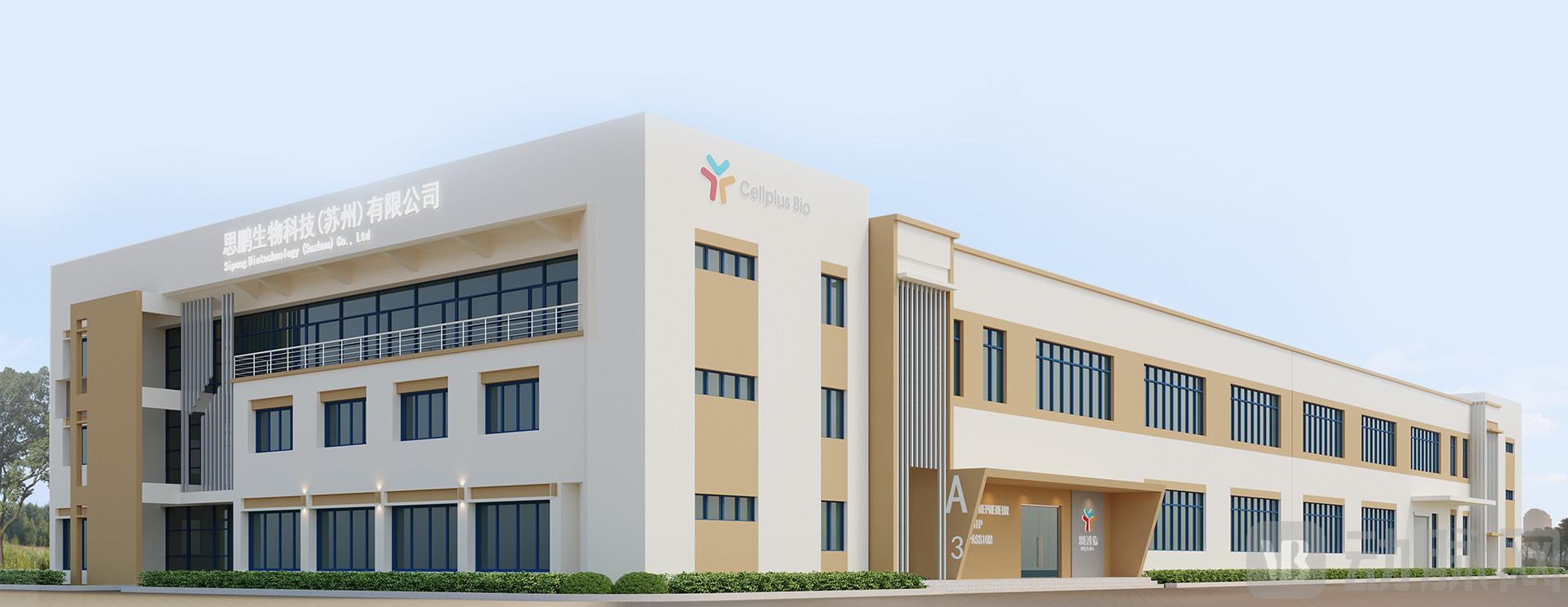
This year, Cellplus Biotechnology has decided to break with industry conventions by establishing the sector’s first “Transparent Factory” for cell culture media. This initiative aims to elevate the relationship between customers and core suppliers from a simple buyer-seller dynamic to a strategic partnership built on deep mutual trust. By maximizing transparency in key processes and stages that impact quality—ranging from raw material procurement and standard setting to product release and change control—Cellplus Biotechnology strives to ensure every step is clearly visible. In doing so, the company anchors customer confidence in a framework that is reliable, traceable, accessible, and predictable.
In addition to its formulation development capabilities and large-scale stable production capacity, Cellplus Biotechnology’s market expansion capabilities have also somewhat surprised VCBeat.
“Although our business team is currently relatively small, we added more than 50 industrial clients in 2023, averaging 3–4 new clients per month. This is a remarkable achievement for a domestic cell culture media company,” said Li Mingxin.
This is also closely related to the product strategy of Cellplus Biotechnology.
From a product portfolio perspective, Cellplus Biotechnology has successfully developed multiple series of serum-free cell culture media products for biopharmaceutical applications, including antibody and recombinant protein therapeutics, human vaccines, animal vaccines, and cell and gene therapies. The majority of these products are state-of-the-art chemically defined (CD) media. Serum-free cell culture media currently represent the primary demand in the industrial-grade cell culture media market, accounting for 52% of the market share. By supplying products with high market demand, Cellplus Biotechnology can rapidly enter and even capture significant market share.
In addition, Cellplus Biotechnology has adopted a dual-track supply strategy that combines catalog-based product offerings with personalized services. This approach is driven by the fact that catalog-based products can meet the needs of 80% of customers, which not only enhances production efficiency but also reduces costs, thereby providing a solid economic foundation for the company’s long-term and stable development.
For the 20% of customers with specialized needs, Cellplus Biotechnology can also provide customized services by leveraging its robust formulation development capabilities. Based on flexible supply strategies and efficient responsiveness to customer demands, Cellplus Biotechnology has been able to acquire a substantial client base in a short period, securing a place in China’s cell culture media market.
From formulation to stable production and business collaboration, Cellplus Biotechnology has consistently aligned its development with market demands and core priorities. Beyond the domestic market, Cellplus Biotechnology aims to expand into broader global horizons. In addition to focusing on its own growth, the company is committed to advancing the overall development of the cell culture media industry.
Interestingly, as previously mentioned, Cellplus Biotechnology established its quality control system in accordance with international quality system standards from the very beginning of its founding. This move not only demonstrates Cellplus Biotechnology’s commitment to production quality but also lays a solid foundation for collaboration with partners in the global biopharmaceutical industry.
Cellplus Biotechnology’s international DNA has been present since its inception. One of the company’s investors is a leading European player in the industry. Various signs indicate that Cellplus Biotechnology was never destined to be a company focused solely on the domestic cell culture media market. Today, this strategy is being implemented with greater specificity.
According to Li Mingxin, this year marks the inaugural year of Cellplus Biotechnology’s international expansion strategy. The company has already engaged in in-depth collaborations with relevant partners and looks forward to making a strong impression on the global stage.
Furthermore, in the new era where the nation vigorously advocates for the development of new quality productive forces, it is particularly important to promote the growth and development of the upstream and downstream industrial chains for cell culture media. Therefore, Cellplus Biotechnology participated in initiating the "China Biopharmaceutical New Infrastructure Alliance," aiming to unite visionary and mission-driven enterprises within China's biopharmaceutical innovation supply and service chains. Together, they seek to explore the scientific connotations of biopharmaceutical innovation, build industry consensus, and advance the construction of infrastructure systems and ecosystems in China's biopharmaceutical innovation sector.
“Within this context, the role played by cell culture media is no less significant than that of chips in the artificial intelligence industry. Moreover, regardless of whether it continues to receive high levels of external attention, it will remain a niche sector characterized by continuous innovation and development, and is destined to become an ‘invisible champion’ track,” summarized Li Mingxin. “This presents Chinese enterprises across the cell culture media supply chain with an opportunity to advance together, lead the industry’s high-quality development, and deeply engage in international competition.”