

Wisdom Healthcare Research Society | The Order of Learning: MATLAB's Role in Medical Innovation Files IPO Prospectus
The rapid advancements in technology and AI are driving the swift development and continuous innovation of the medical device industry. From hemodialysis machines to ventilators, from surgical robots to cardiac/cerebral pacemakers, and from angiography systems to electrophysiological ablation, R&D investment in innovative medical devices is booming. Even in vertically specialized niches such as digital PCR, significant financing rounds are being secured. The healthcare industry, once perceived as conservative and closed, is now gradually demonstrating robust vitality and innovative capacity.
Within the industry, this era of transformation is jokingly referred to as the “Decade of Frenzy.” The author prefers to characterize it as a decade in which colleagues have striven with a scientific research spirit grounded in the sequential learning process of “Learning, Questioning, Reflecting, Discriminating, and Practicing,” navigating the thorny path of knowledge-seeking and exploration. Leveraging MATLAB as the scientific computing platform and Simulink as the system simulation tool, and based on the seamless integration of Model-Based Design and AI technologies, let us together gain insights into the impact of MATLAB on medical innovation.
Extensive Learning and Rigorous Inquiry — The Path to Innovation: How to Rapidly Develop High-Reliability Medical Devices?
High-end medical devices involve complex technologies and multidisciplinary applications. Whether for ventilators, hemodialysis machines, or surgical robots, the traditional development process requires the full integration of mechanical, electrical, and control algorithm components before simulation and validation can be conducted. Relying on physical hardware prototypes results in prolonged debugging and iteration cycles, which are time-consuming and labor-intensive.So, is it possible to conduct closed-loop verification at an early stage of the project, achieving rapid prototyping while ensuring the high reliability of the device?
In the realm of high-end medical imaging innovation, FPGAs and ASICs are widely utilized, ranging from endoscopes, angiography systems, and CT scanners to intravascular ultrasound (IVUS) devices and even pacemakers. However, the lengthy and complex design process for FPGAs and ASICs makes the hardware implementation of many advanced algorithms extremely challenging. This is particularly true in the field of medical imaging, where real-time prototyping is often required to determine the feasibility of numerous algorithms.How to Address the Complexity and Real-Time Prototyping Challenges in FPGA/ASIC Design Flows to Accelerate Hardware Implementation of Medical Imaging Algorithms?
During the traditional R&D phase, active electrophysiological medical devices are typically limited to open-loop testing. However, many issues only emerge during closed-loop testing involving the interaction between the device and organs, such as pacemaker-mediated tachycardia (PMT) and pacemaker-mediated arrhythmia (PMA).What innovative R&D approaches are employed in the development of electrophysiological medical devices to address the limitations of traditional methods and enhance product performance and safety?
Prudent Deliberation and Discernment: Model Design Philosophy vs. Challenges in Medical Innovation R&D
The greatest advantage of the Model-Based Design (MBD) workflow is the ability to perform full-system closed-loop simulation, encompassing electrical, mechanical, and control domains, during the early stages. By leveraging automatic code generation, Simulink models are automatically converted into embedded code that runs on real-time simulation hardware, enabling rapid verification and iterative optimization through rapid prototyping and real-time simulation.This real-time simulation can also verify extreme operating conditions, fault testing/injection, and more, significantly improving test coverage at a low cost.
Model-Based Design for High-End Surgical/Therapeutic Devices
With MATLAB and Simulink, engineers, researchers, and scientists can use model-based design to design, simulate, and test therapeutic devices while complying with industry regulations and standards.
Development and Simulation of Algorithms for Sensor Data and Control Systems
Testing and Validating Medical Devices Through Computational Modeling and Simulation
Train and validate artificial intelligence (AI) models and integrate them into system design
Rapid Prototyping Using Real-Time Hardware Platforms
Develop IEC 62304-compliant embedded software with full requirements traceability
Model-Based Design for High-End Medical Imaging
By adopting a model-based design approach and leveraging MATLAB/Simulink to rapidly complete modeling, automatically generate HDL code, perform functional verification, and conduct hardware-in-the-loop simulation, the design process can be significantly streamlined, thereby accelerating innovation, enhancing R&D efficiency, and improving product performance.
Prototype Development and Implementation of High-Performance Imaging and Reconstruction Methods
Developing image processing algorithms for computer vision, radiomics, and computer-aided diagnosis
Training and Validating Explainable Artificial Intelligence (AI) and Deep Learning Models
Deploying and Sharing Medical Imaging Applications in the Cloud
Design and simulation of antennas, arrays, power systems, and control systems for medical imaging devices
Model-Based Design for Computational Medicine
By integrating model-based design with computational medicine, closed-loop simulations incorporating organ models, electrical systems, structural components, and algorithms can be conducted during the early stages of electrophysiological medical device development. This approach allows for flexible configuration of organ models to validate various complex pathological conditions, thereby shifting verification upstream, enabling early issue detection, and facilitating rapid optimization and iteration. Furthermore, it automatically generates embedded code for rapid hardware prototype validation.
Accelerate development and reduce costs by supporting virtual prototype construction and testing
Enhancing the Safety and Efficacy of Medical Devices Through Early Feasibility Studies Using Simulation
Supporting Regulatory Evidence for Medical Device Approval Through Computational Modeling and Simulation (CM&S) Studies
Diligent Practice — Practical Achievements of Leading Healthcare Enterprises in China and Abroad
MATLAB/Simulink model-based design helped Dräger develop high-end emergency transport ventilators, halving code development time; it also assisted Abbott Electrophysiology in developing high-end intracardiac pacemaker chips, enabling rapid and significant optimization of key PPA metrics; and it reduced the development workload by 80% for the core control system of Siemens Corindus surgical robots.
This development approach has now been introduced to China. Guangzhou Laboratory has developed high-end in vitro diagnostic (IVD) medical devices; Siemens (Shenzhen) has conducted rapid FPGA-based development for pre-processing systems in angiography imaging; and Chongqing Xishan Technology has utilized it for the FPGA implementation of monocular 3D reconstruction in endoscopy.
Innovative Cases in High-End Medical Devices:
Guangzhou Bioisland Laboratory: Model-Based Design Empowers Innovation in High-End IVD Medical Devices
Weinmann (Germany) Rapidly Develops Emergency Transport Ventilators Using Model-Based Design
Siemens Corindus Surgical Robot Rapidly Gains Market Approval Through Model-Based Design and Formal Code Verification
Boston Scientific Quickly Obtains IEC 62304 Certification for Neuromodulation Devices
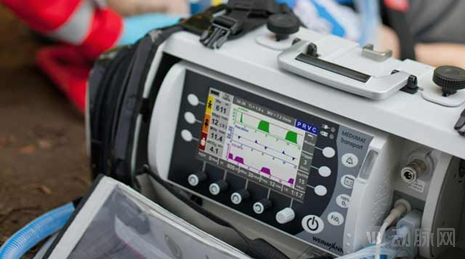
Dräger Oxylog 3000 Plus Emergency Transport Ventilator
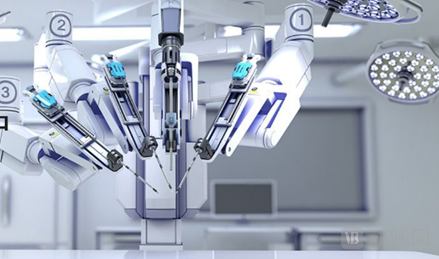
Surgical Robot
High-End Medical Imaging Innovation Cases:
Siemens Healthineers (Shenzhen): FPGA-Based Model-Driven Preprocessing for Angiography Imaging
Shenzhen-Based Domestic Manufacturer of Rigid Endoscopes: Model-Based Endoscopic ISP System Design and Rapid Prototyping Verification
US-based Infraredx: Develops the World’s First Coronary Endoscope Combining Infrared Imaging and Intravascular Ultrasound
Chongqing Xishan Technology: Rapid Development of Polarized Light Monocular 3D Reconstruction Endoscope Based on Model-Based Design
Philips Healthcare: Rapid Development of MRI FPGA Using Model-Based Design
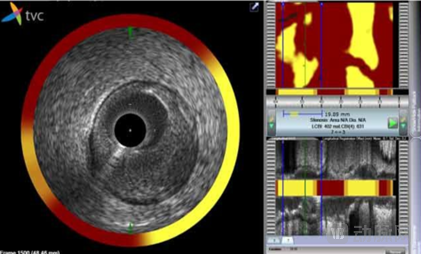
Infraredx Infrared + IVUS Coronary Endoscopy
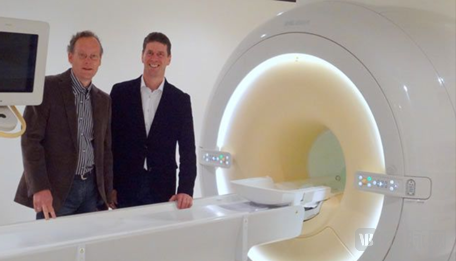
Philips MRI Equipment FPGA System
Innovative Cases in Electrophysiology Medical Devices:
Abbott Develops Leadless Intracardiac Pacemaker Using Model-Based Design Approach
University of Pennsylvania Develops First Electrophysiological Heart Model for Real-Time Closed-Loop Testing of Pacemakers
Miracor Enhances Reliability of Class III Cardiac Implants and Shortens Testing Time
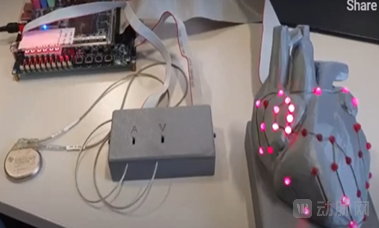
The University of Auckland: Cardiac Electrophysiology + Real-Time Closed-Loop Pacemaker Trial
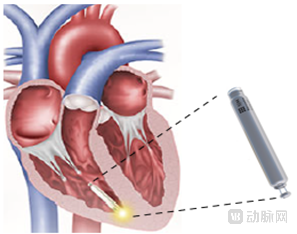
Abbott: Intracardiac Pacemaker
Sharing and Dialogue — MATLAB Healthcare Innovation Technology Summit Salon - July 24
Driven by the evolving industry structure, it is evident that both leading international medical enterprises and Chinese healthcare innovators have developed the capability to define critical challenges, positioning themselves at the threshold of a new era. China’s medical device industry is gradually shifting from reliance on imports to independent R&D and innovation. An increasing number of companies are prioritizing technological innovation and investing in the development of new products and technologies, aiming to secure a foothold in the high-end medical device market. Join us in Shenzhen on July 24 for in-depth discussions, research exchanges, and knowledge sharing on medical innovation and R&D.
▼
Join the MATLAB Innovation National Tour Seminar Now:
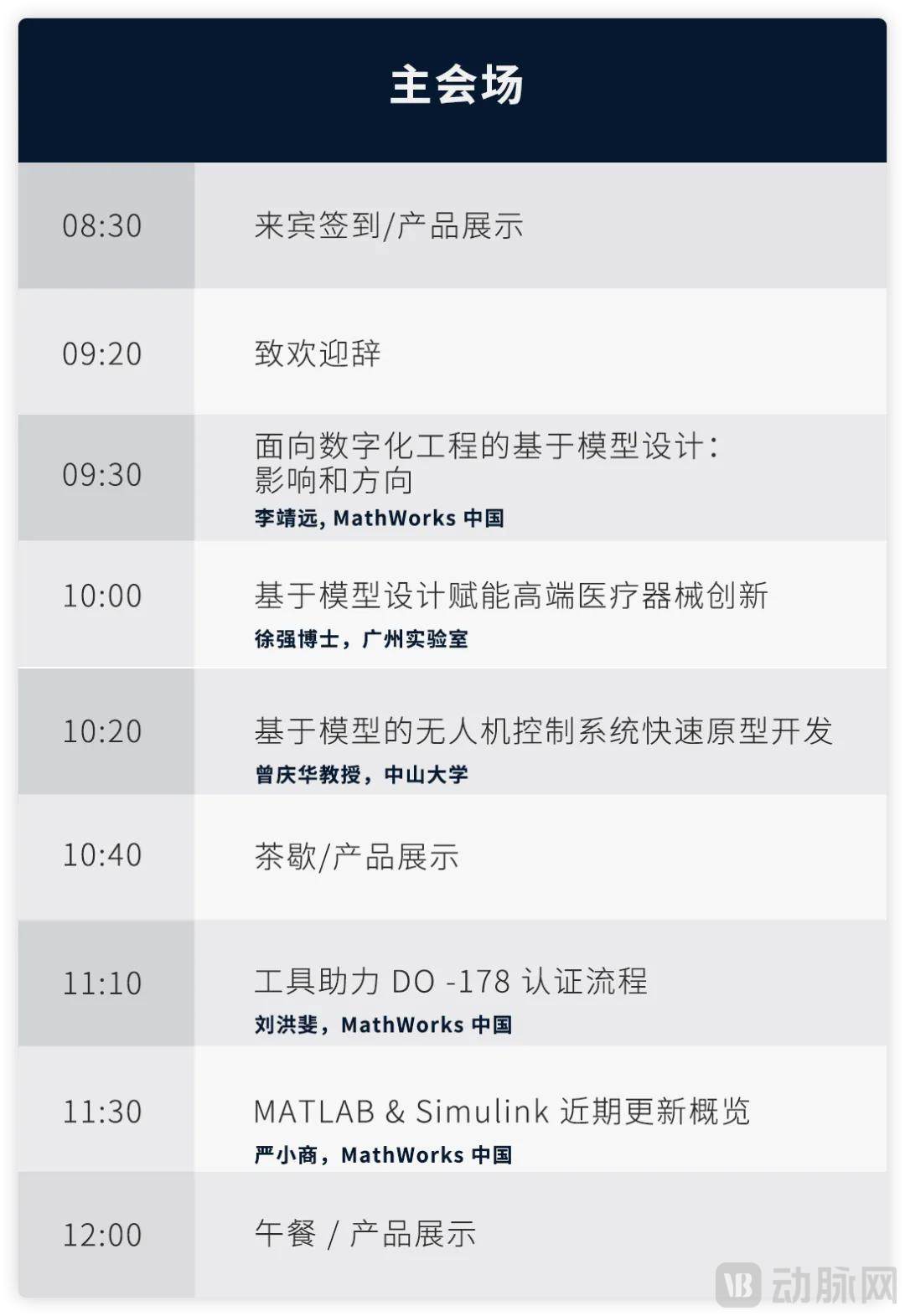
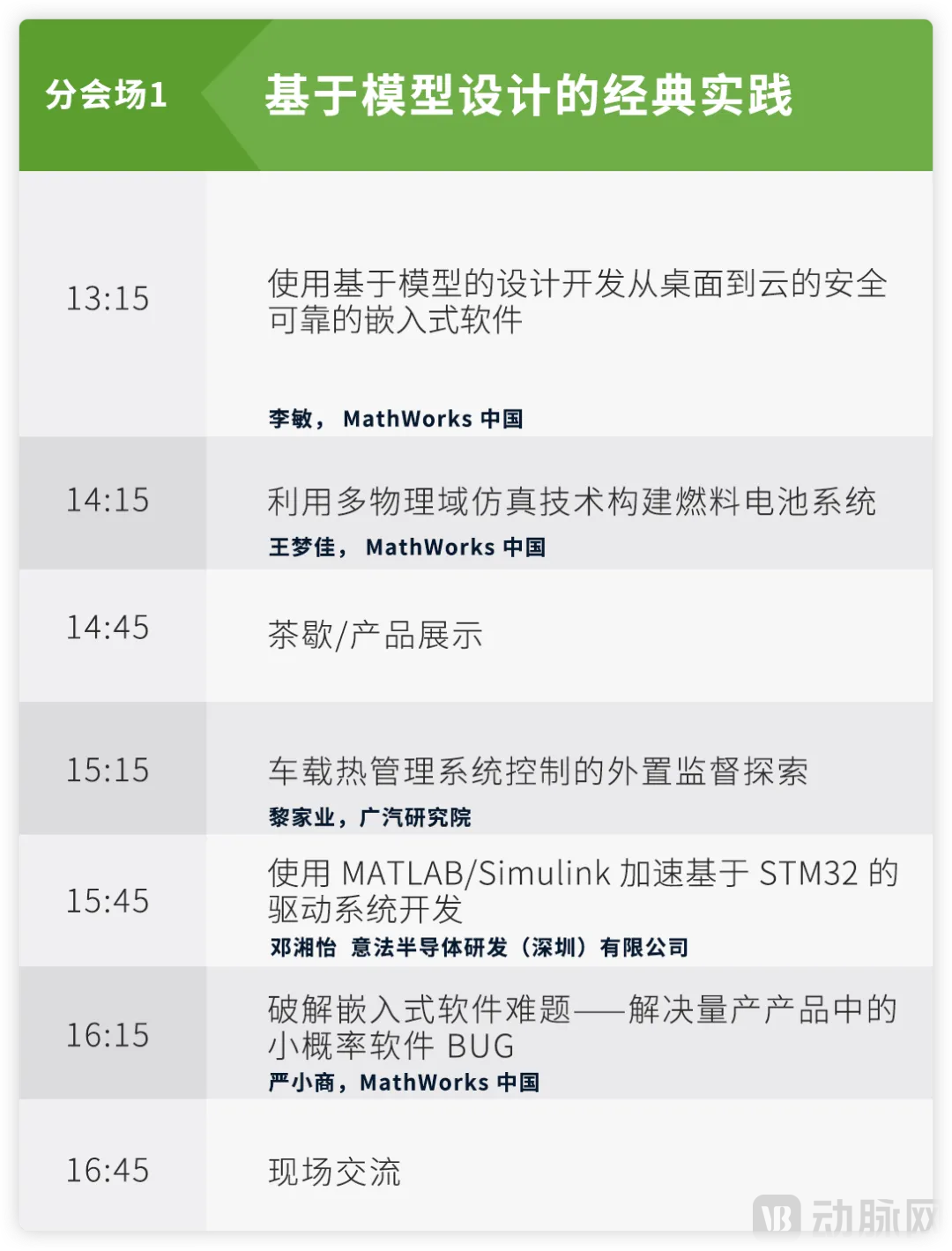
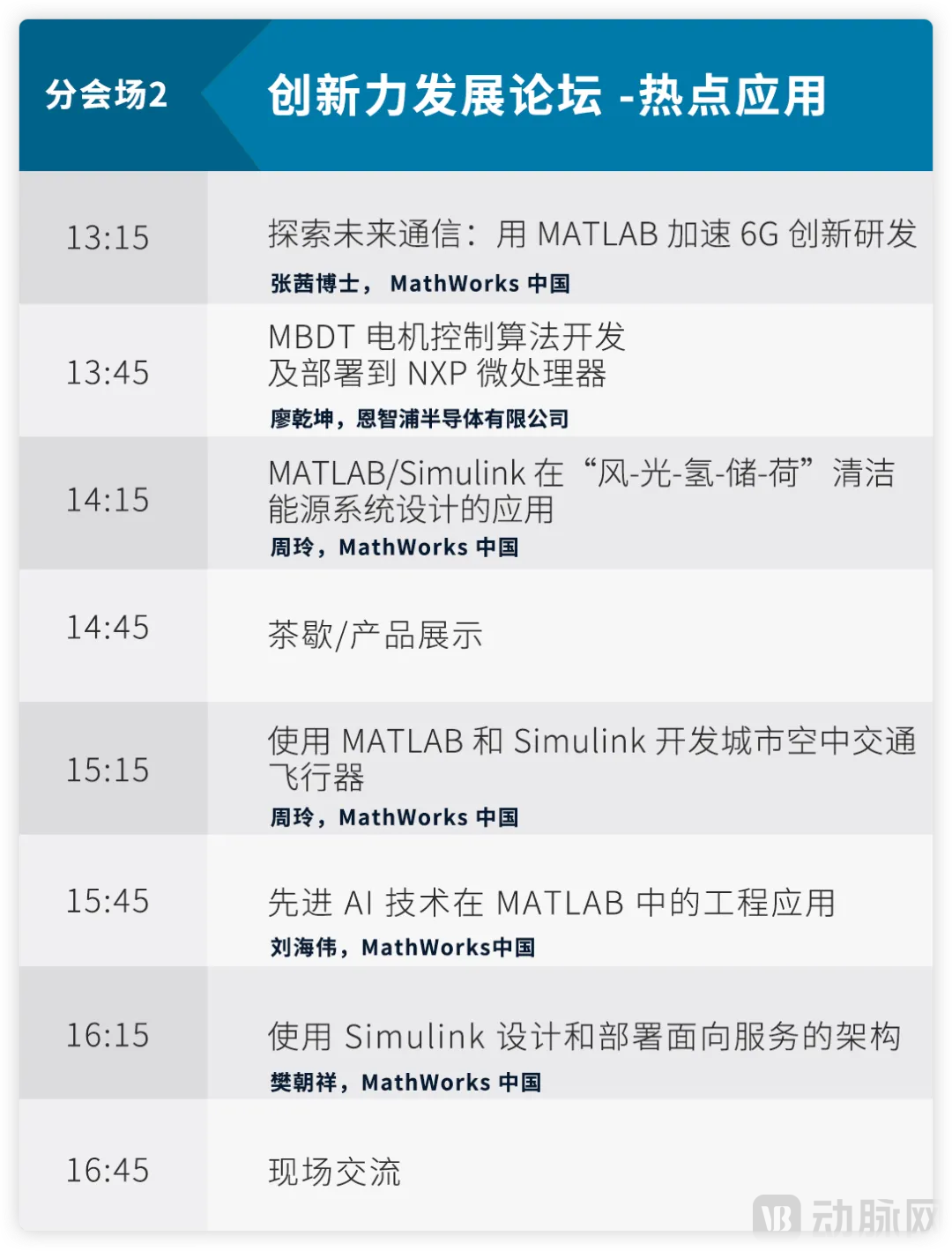
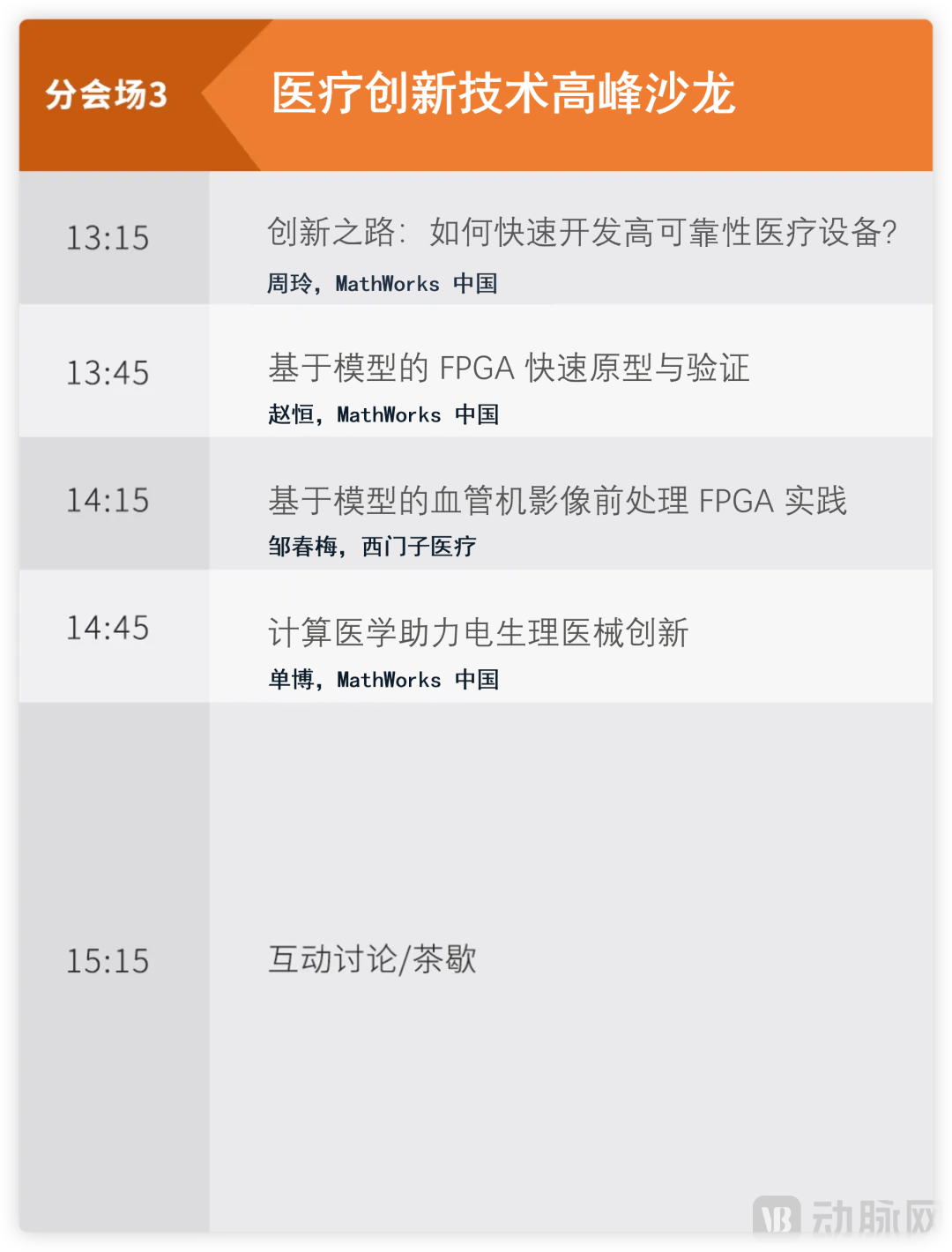
Shenzhen Station (July 24) Main Venue and Sub-venue Schedule
Main Venue Agenda
Sub-venue Schedule
Scan the QR code to register now 👇

Meeting Time and Venue
July 24, 2024 | 8:30 - 17:00
The Westin Shenzhen Yitian