Clinical Needs Drive Innovation, New Technologies Emerge: Blood Purification Equipment Innovation Development Report (2023) Officially Published!
The development of the blood purification industry is inseparable from technological progress; innovation is the true shortcut to industrial advancement.Against the backdrop of an increasingly aging population, progressively improving medical insurance policies, and highly standardized blood purification technologies, the number of patients in China requiring long-term blood purification therapy is rising, accompanied by growing demands for quality of life. To address the low coverage rate of blood purification therapy caused by economic and equipment-related constraints, it is essential to conduct a comprehensive survey of the current development status of blood purification equipment, systematically analyze existing innovations in such equipment, and scientifically explore innovation trends, thereby fostering the robust growth of the entire blood purification industry chain.Chinese Non-State Medical Institutions Association, Committee of Nephrology and DialysisCombinedVCBeatandShanghai High-End Medical Equipment Innovation Center, Blood Purification Innovation Sub-CenterOrganized and compiled"Report on the Innovative Development of Blood Purification Equipment" 2023 Edition。
Report Framework
This ReportTen Chapters in Total, with clinicians and patients as the main body, clinical needs as the guide, and innovative development as the main line,Covering an overview of the development of blood purification equipment, clinical demand analysis, current status of innovation, innovations in treatment modalities, digital and intelligent innovations, and recommendations for innovative development, by integrating innovative case studies in blood purification, conducts comprehensive and in-depth research and analysis, and proposes recommendations for future development. This aims to help readers gain a deeper understanding of the current state of innovation in blood purification equipment, clarify the innovative features of existing devices in delivering precise clinical services, and stimulate domestic equipment innovation to accelerate industry incubation.
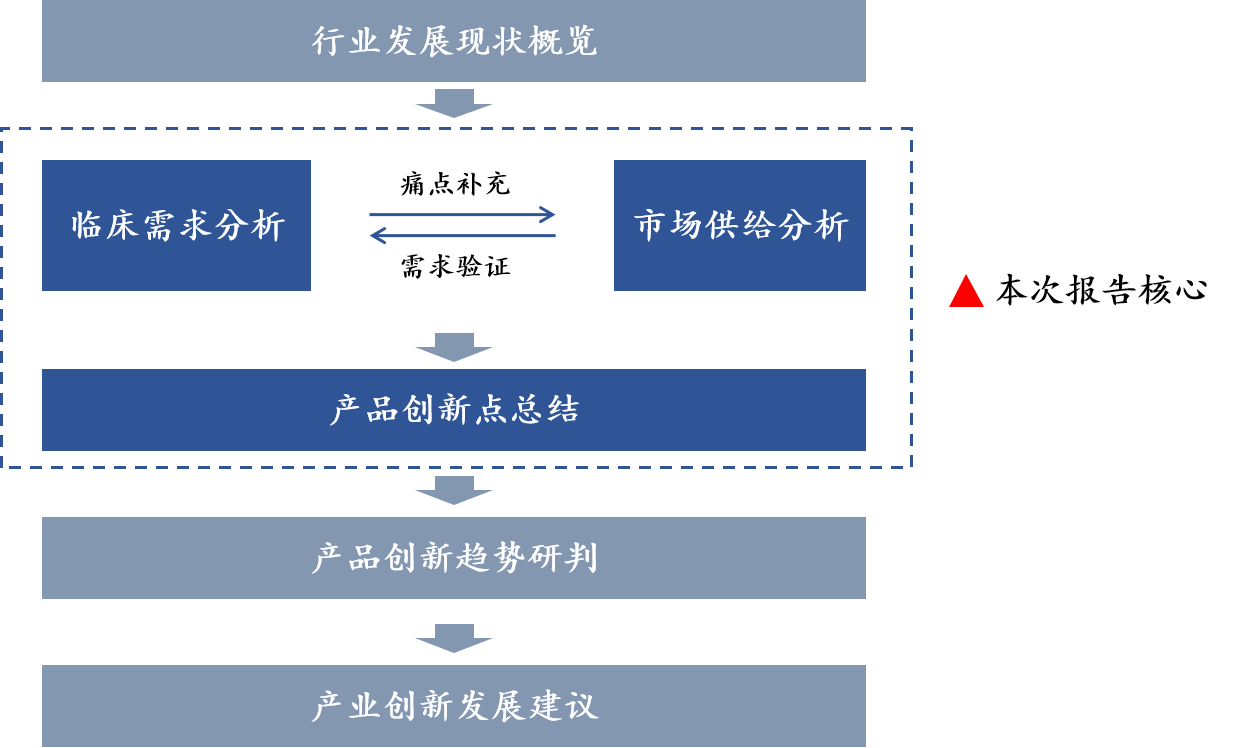
Core Framework of the Report
Research Methods
The report, through literature review, quantitative data analysis, and qualitative information research, has undergoneThe process, including outline argumentation, interim report, cross-review, expert review, and final editing by the editor-in-chief, was completed over the course of one year.. The editorial committee adheres to a biweekly regular meeting schedule, convening experts from various positions within the blood purification specialty. These meetings include not only clinical medicine, nursing, engineering technology, and informatics specialists but also key executives from leading domestic dialysis service enterprises. Through multi-dimensional intellectual exchanges, data analysis, and viewpoint synthesis, the committee ensures that the report’s content is authentic and reliable, logically rigorous, and at the forefront of industry trends.
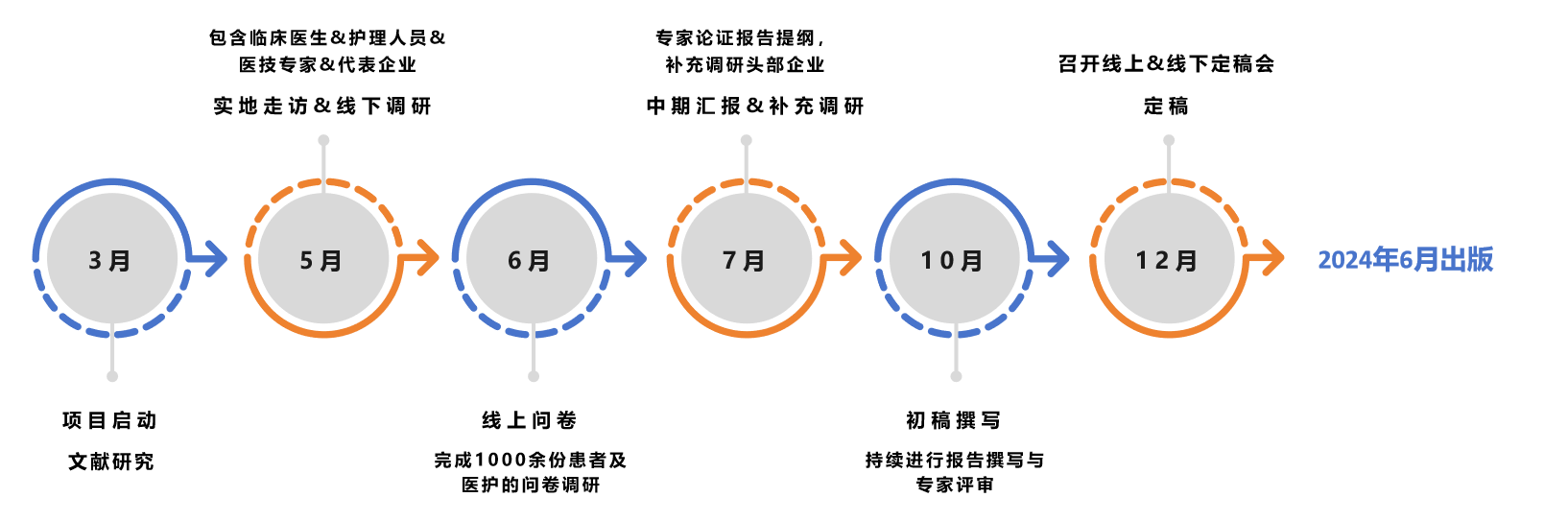
Research Methodology and Implementation Timeline
Target Audience
This report is suitable forMedical Personnel Engaged in Blood PurificationReading this can provide healthcare professionals with systematic and comprehensive literature to gain a short-term understanding of the development overview of blood purification equipment; suitable forR&D and other personnel at medical device manufacturersReading can provide R&D personnel with clinical needs and development recommendations; it is also suitable forGovernment Competent AuthoritiesReading can provide references for government departments to formulate relevant policies.
I. Overview of the Development of Blood Purification
Blood purification equipment refers to the devices required for implementing blood purification therapy, includingHemodialysis machines, hemodiafiltration machines, peritoneal dialysis machines, continuous renal replacement therapy (CRRT) machines, plasma exchange machines, and water/fluid supply equipmentetc., in order to comprehensively elaborate on the innovative development of blood purification equipment, this report will also address those closely related to itConsumables and Software Systems with Auxiliary Diagnostic and Therapeutic Functionshave been included in the scope of discussion. With the rapid advancement of technology, blood purification equipment, as a critical component of the medical field, is undergoing an unprecedented wave of innovation.
● Patient Population and Treatment Rate
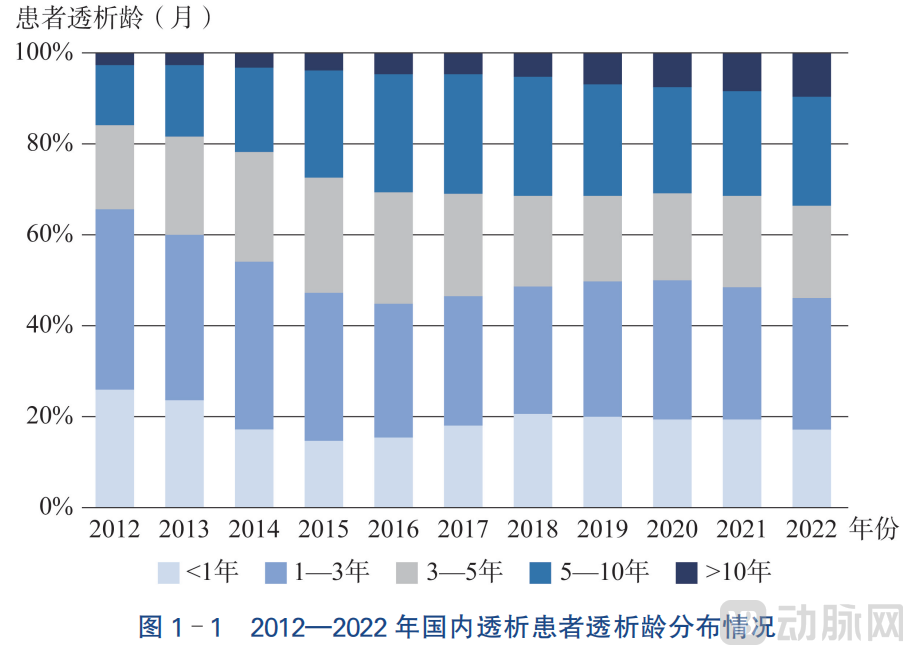
In China, the population of patients with chronic kidney disease, particularly those with end-stage renal disease, is substantial and shows a steady upward trend.According to data released by the Chinese National Renal Data System (CNRDS), the total number of patients undergoing blood purification therapy in mainland China reached nearly one million by the end of 2022, including 844,000 hemodialysis patients and 140,500 peritoneal dialysis patients.The average dialysis vintage among patients in China has been steadily increasing, yet a significant gap remains compared to foreign countries.With the continuous improvement in dialysis quality and disease management, the average dialysis vintage of hemodialysis and peritoneal dialysis patients in China has been gradually increasing.
● Classification of Blood Purification Equipment and Market Overview
Broadly defined, blood purification equipment refers to various devices used in blood purification therapy. To comprehensively elaborate on its innovative development, this report will alsoEquipment, consumables, and software systems with diagnostic and therapeutic assistance functions involved in hemodialysis and peritoneal dialysiswere also included in the discussion.
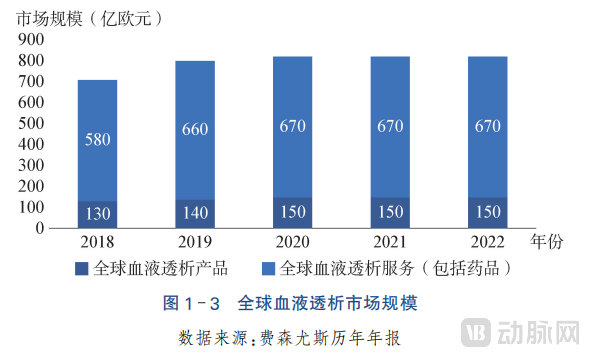
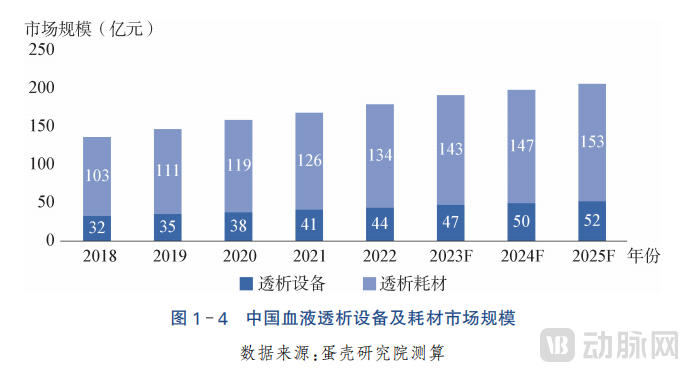
According to Fresenius's annual reports over the years,Global Dialysis Industry Market SizeIt also steadily rose to €82 billion in 2022, with the market size for hemodialysis products at approximately €15 billion and that for dialysis services (including dialysis drugs) at around €67 billion. Over the next three years, the global hemodialysis market is expected to expand at an accelerated compound annual growth rate of 6.8% (see Figure 1-3). According to estimates by VCBeat,Scale of Hemodialysis Equipment in Chinareached approximately RMB 17.8 billion in 2022, representing a 6-percentage-point increase compared with 2021 (see Figure 1-4). Specifically,On the device sideThe expansion of Intensive Care Units (ICUs) has brought new development opportunities for CRRT and dialysis machines.Consumables Segment, dialyzers and dialysis tubing account for the vast majority of the market share. As the pandemic recedes, the market is poised for further recovery, and the market size for consumables will continue to expand alongside growing end-user demand.
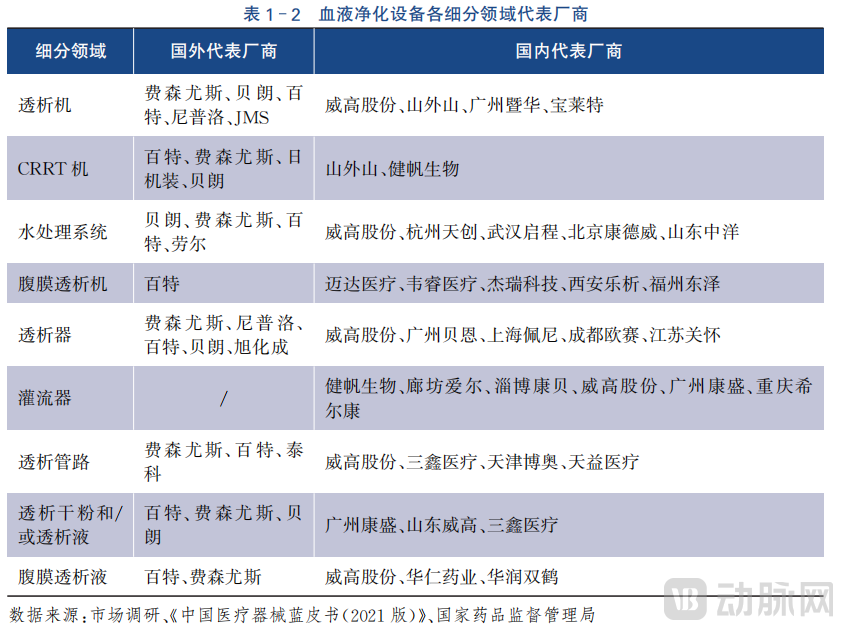
Based on actual field research and literature review,The current status of domestic substitution for mainstream products in China's blood purification market varies., the localization rate for equipment such as hemodialysis machines and CRRT systems remains relatively low, with domestic enterprises still facing certain technical bottlenecks in manufacturing processes and operational stability. In the consumables sector, Chinese manufacturers are gradually catching up with their foreign counterparts. They have captured nearly 50% of the market share in dialyzers, a segment characterized by high technical barriers, and have basically achieved import substitution in more mature segments such as dialysis tubing, dialysis powder, and dialysate. Furthermore, domestic companies command 100% of the market share in hemoperfusion cartridges.
● Blood Purification Equipment Industry Chain
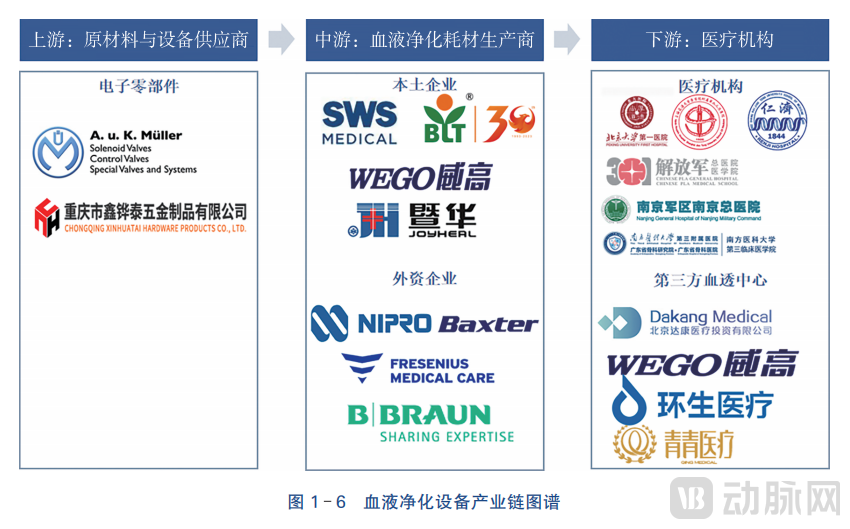
The blood purification equipment industry chain primarily consists of upstream raw material supply and component manufacturing, midstream production and R&D of blood purification devices, and downstream blood purification treatment services. These segments collaborate with one another to jointly drive the operation and development of the entire blood purification equipment industry.

● Investment, Financing, and M&A in the Blood Purification Sector
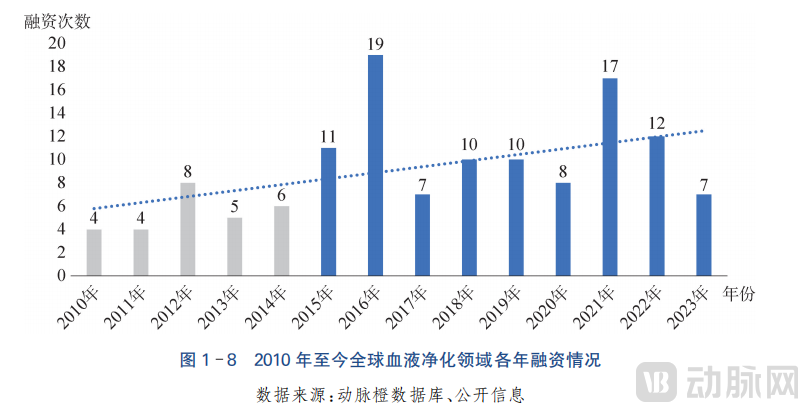
By leveraging the VCBeat database and public information searches, the research team collected and compiled data on investment and financing events in the blood purification sector (including related equipment, consumables, and services) from 2010 to the present, excluding post-IPO financing and mergers and acquisitions. A total of 128 investment and financing events were identified, involving 49 companies and amounting to nearly $1.9 billion.Over the past decade or more, global financing activity in the field of blood purification has shown an overall upward trend.Global financing activity can be broadly divided into two phases: Phase I (2010–2014), during which the number of financing deals in the global blood purification sector remained below 10 per year, with an average of 5.4 deals annually; and Phase II (2015 to present), in which most years saw more than 10 financing deals globally in the blood purification sector, averaging approximately 11.3 deals per year (see Figure 1-8).
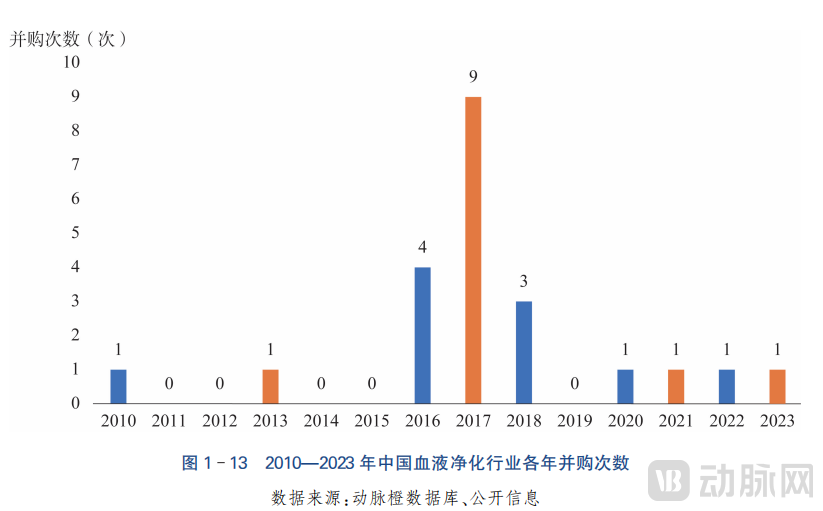
Major M&A Events in the Blood Purification Sector (2010–Present): A Collection and Statistical Analysis Based on the VCBeat Database and Public Information Searches, Identifying 71 Transactions with a Total Value Exceeding $30 BillionFrom the trend of M&A activity, domestic M&A enthusiasm peaked in 2017.Major M&A transactions in China’s blood purification industry began to accelerate in 2016, with the number of deals from 2016 to 2018 accounting for approximately 80% of the total over the past decade. Since 2019, overall M&A activity in the sector has declined (see Figure 1-13).
II. Clinical Pain Points and Needs for Blood Purification Equipment
Throughout the historical development of blood purification equipment, whether it was the advent of the “artificial kidney” or the technological evolution of dialysis membranes; whether it was blood purification equipment or dialysis services in terms of their appeal to capital, none could have been achieved withoutClinical Needstraction. In other words,Clinical demands in the field of blood purification are driving innovation and development across blood purification devices.. From April to June 2023, the project team conducted an initial survey through online questionnaires and offline interviews; supplementary surveys were carried out in July–August 2023 and again in November 2023, to perform qualitative and quantitative research on the actual clinical needs of healthcare professionals and patients in the field of blood purification.
● Pain Points and Needs of Medical Personnel
The results of this online and offline survey indicate that the clinical concerns of healthcare professionals in the field of hemodialysis are primarily concentrated onWorkload, Operational Difficulty and Safety Assurance, Patient Follow-up and Health Education, Patient Vascular Access Management, and Management of Chronic Complications in PatientsIn these and other aspects, the clinical questions of healthcare professionals in the field of peritoneal dialysis are mainly focused onEfficacy of Peritoneal Dialysis and Patient Management。
● Patient Pain Points and Needs
The results of the online and offline surveys indicate that the challenges faced by patients vary depending on the dialysis modality. The issues encountered by hemodialysis patients are primarily concentrated inHemodialysis Quality, Economic Pressure, Access to Professional Knowledge, Quality of Life...and other aspects. The challenges faced by patients undergoing peritoneal dialysis primarily center on ease of operation, dialysis efficacy, dialysis-related complications, cost of dialysis, access to professional guidance and interventions, and quality of life.
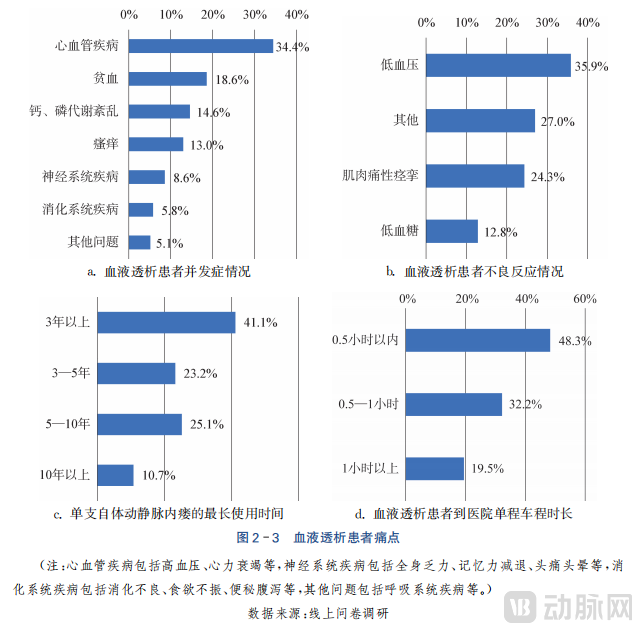
Based on the aforementioned research and analysis of clinical pain points and needs, the innovative development directions for blood purification equipment can be summarized into three major categories:I. Reduce clinical workload and improve work efficiency; II. Optimize treatment outcomes and mitigate complications; III. Enhance patient autonomy and facilitate reintegration into society.
III. Innovations in the Field of Hemodialysis
Hemodialysis is a form of renal replacement therapy used to remove waste products and excess fluid from the patient’s blood, thereby maintaining water and electrolyte balance in the body. This treatment is indicated for patients with chronic kidney disease or acute kidney injury when the kidneys are unable to effectively perform their filtration functions; in such cases, hemodialysis machines simulate the kidney’s filtration capability. Innovations in the field of hemodialysis continue to evolve, aiming to improve patient outcomes and enhance treatment convenience. Innovations in the field of hemodialysis include:Improvements in Hemodialysis Machines、High-Efficiency Hemodialysis Membrane、Optimization of Dialysate Composition、Centralized Fluid SupplyandPreparation of High-Quality Dialysis Water。
● Innovation in Hemodialysis Machines
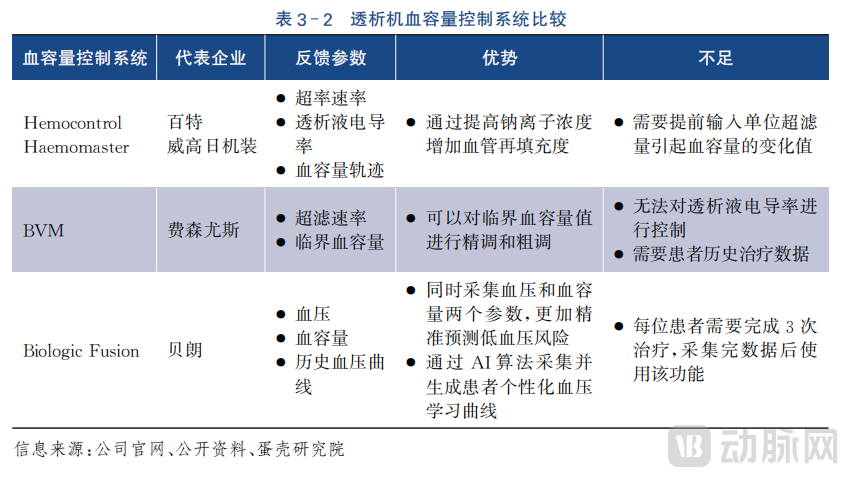
Blood Volume Monitoring and Biofeedback System.A decline in blood volume is generally considered the initiating event of intradialytic hypotension.Blood Volume Monitoring Biofeedback SystemIts basic components include sensors, actuators, and controllers. Currently, several companies have integrated this functionality into their dialysis machines, such as Baxter’s Hemocontrol and WEGO Nikkiso’s Haemomaster blood volume control systems. Fresenius’ Blood Volume Monitor (BVM) is based on the definition of critical relative blood volume and a reduction in the ultrafiltration rate; specifically, when the relative blood volume drops by more than half the distance between the initial relative blood volume and the critical relative blood volume, the ultrafiltration rate decreases linearly. B. Braun’s BiologicFusion blood volume control system is applied to certain models of the B. Braun Dialog series hemodialysis machines, primarily regulating blood volume through feedback on two parameters: blood volume and blood pressure (see Table 3-2).
● Innovation in Hemodialysis Consumables
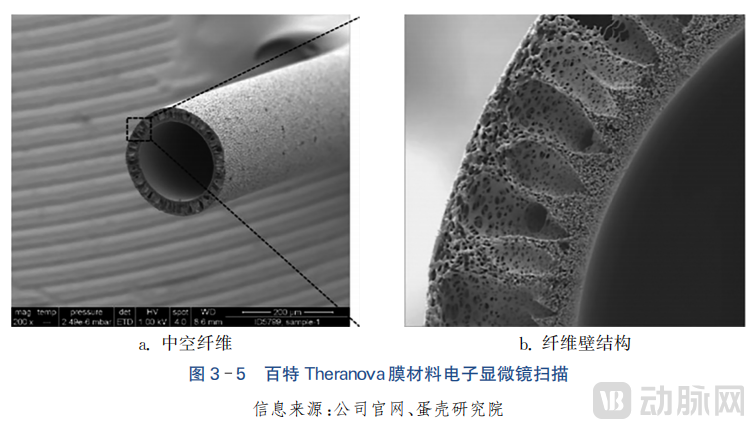
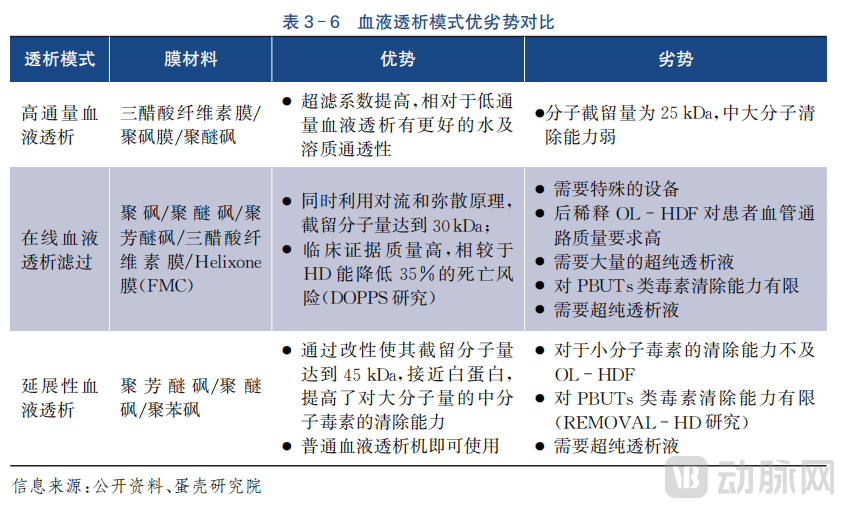
Medium Cut-Off Dialysis Membranes Based on Hemodiafiltration (HDx)。Since online hemodiafiltration (OL-HDF) requires dialysis machines with hemodiafiltration capabilities, imposes higher demands on the quality of patients’ vascular access, and necessitates large volumes of substitution fluid, this modality is not suitable for all patients. To enhance the clearance of middle- and large-molecule toxins under conventional dialysis modes, medium cut-off membranes have been developed and introduced into clinical practice.. In terms of membrane manufacturing technology, medium cut-off (MCO) membranes are still produced by premixing the membrane material with polyvinylpyrrolidone (PVP) and adding hyaluronic acid to the core fluid, thereby increasing the pore size (see Table 3-5). Scanning electron microscopy (SEM) results of the membrane material (see Figure 3-5) reveal that MCO membranes possess an asymmetric three-layer structure. The effective pore size after contact with blood is 3.0–3.5 nm, which lies between that of high-flux membranes and high cut-off membranes. The molecular weight cutoff for uremic toxins approaches that of albumin, reaching 45 kDa (see Table 3-6). Clinical studies have demonstrated that hemodiafiltration using MCO membranes (HDx) exhibits a dialysis sieving curve similar to that of native kidneys, effectively clearing toxins such as kappa free light chains. The Expanded Hemodialysis Registry Protocol in Colombia (COREXH) study included 992 hemodialysis patients. One-year follow-up results indicated that HDx therapy significantly increased spKt/V from a baseline of 1.62 to 1.70, improved adverse symptoms such as pruritus and restless legs syndrome, and achieved therapeutic efficacy comparable to online hemodiafiltration (OL-HDF).
IV. Innovations in the Field of Peritoneal Dialysis
Peritoneal dialysis is a therapeutic technique that utilizes the human peritoneum as a semipermeable membrane and the peritoneal cavity as an exchange space. Through diffusion and convection, it removes excess fluid, metabolic waste products, and toxins from the body, thereby achieving blood purification and partially substituting for renal function. The development of peritoneal dialysis has undergone three stages:Clinical Exploration Phase, Rapid Expansion Phase, and Mature Development Phase.
● Novel Peritoneal Dialysis Solution
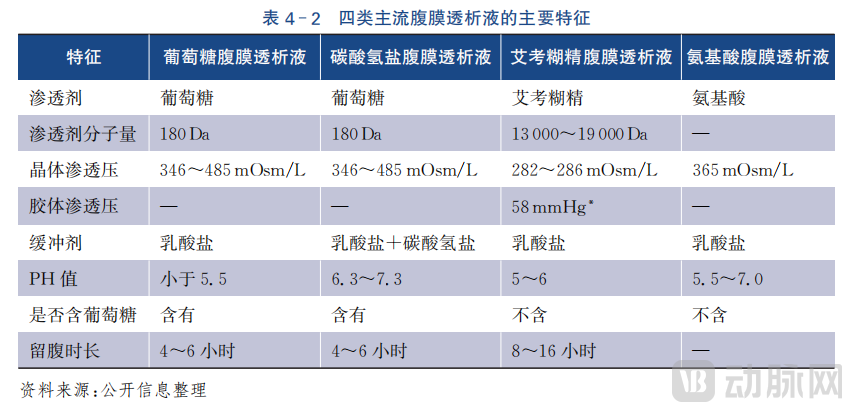
Currently, novel peritoneal dialysis solutions can be categorized into three major types based on differences in the composition of osmotic agents or buffers: icodextrin-based peritoneal dialysis solutions, amino acid-based peritoneal dialysis solutions, and bicarbonate-based peritoneal dialysis solutions (see Table 4-2).
● Remote Patient Management System for Peritoneal Dialysis
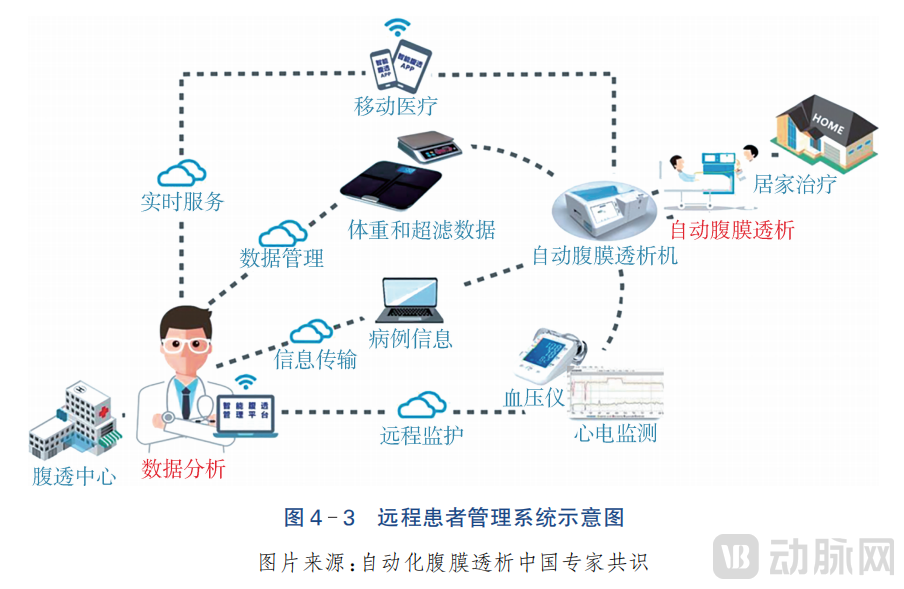
Remote Patient Monitoring (RPM) System for Peritoneal Dialysis is a system based on mobile internet technology, intelligent monitoring modules, and software tools that enables continuous tracking of patients’ home-based peritoneal dialysis and assists both physicians and patients in disease management.
● Early Monitoring System for Peritoneal Infection
The early monitoring system for peritoneal infection is dedicated to the timely detection of peritoneal infections, enabling prompt intervention to prevent the progression of peritonitis, thereby mitigating peritoneal damage, reducing hospitalizations, and lowering treatment costs. Patients with peritonitis typically present with cloudy effluent and abdominal pain.
V. Innovations in the Field of Hemoperfusion
Hemoperfusion is an important blood purification therapy, the core principle of which is to remove harmful toxins from the blood by utilizing the interactive forces between adsorbents and toxins. Compared with diffusion and convection, hemoperfusion has significant advantages in clearing certain specific medium/large molecular weight toxins and protein-bound toxins, thereby compensating for the limitations of traditional blood purification methods. This has led to the widespread application of hemoperfusion in the treatment of certain specific diseases, providing patients with more effective therapeutic options.With innovations and advancements in chemistry, biology, materials science, medicine, and other disciplines, novel and highly efficient blood adsorbents are continuously being developed, thereby further enhancing their adsorption performance and biocompatibility.。
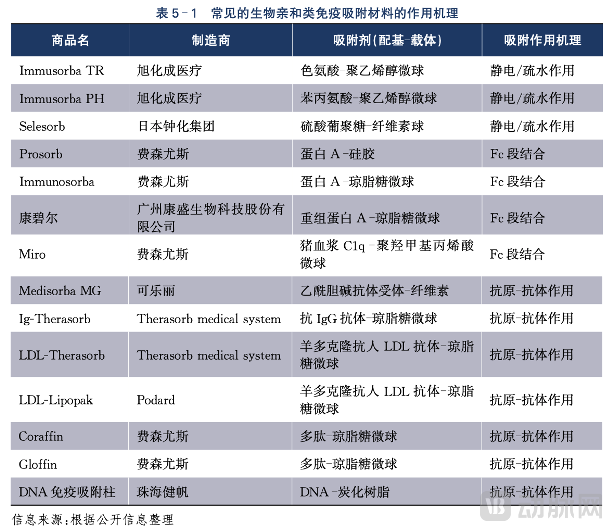
In addition to activated carbon and resin materials, blood adsorbents based on bioaffinity principles have also been applied in clinical practice in recent years.Blood adsorbents based on bioaffinity principles primarily utilize highly specific antigen-antibody interactions or substances with particular physicochemical affinities (ligands) to capture pathogenic factors in the blood, thereby achieving the goal of blood purification. Currently commonly used ligands include Protein A, IgG antibodies, tryptophan/phenylalanine, DNA, and dextran sulfate.(See Table 5-1).
VI. Innovations in the Vascular Access Field
As the number of patients undergoing dialysis continues to rise, along with an increasing prevalence of comorbidities such as diabetes and hypertension, the establishment, use, and maintenance of vascular access have become critical clinical issues. Currently, there is no ideal type of vascular access. Due to its low infection rate, long service life, and fewer complications, the arteriovenous fistula (AVF) is the preferred vascular access both domestically and internationally. However, more than 60% of patients still experience failure during AVF creation. Even after successful fistula formation, 9%–16% of patients develop complications and dysfunction after the vascular access matures, with vascular stenosis being the most common complication in both AVFs and arteriovenous grafts (AVGs). Stenosis often leads to inadequate dialysis and thrombosis, thereby compromising the quality of dialysis and the safety of patients with uremia. Percutaneous Transluminal Angioplasty (PTA) is currently the first-line treatment for stenosis; however, PTA itself can trigger inflammatory responses that stimulate excessive intimal hyperplasia, leading to restenosis in the short term. Statistics show that over 50% of patients experience restenosis within 12 months post-procedure. Therefore,In the field of vascular access, improving the success rate of arteriovenous fistula creation, extending the patency duration of vascular access, and optimizing recanalization techniques are key areas of focus for nephrologists and innovation within the vascular access industry.
● Innovation in Vascular Access Establishment Techniques
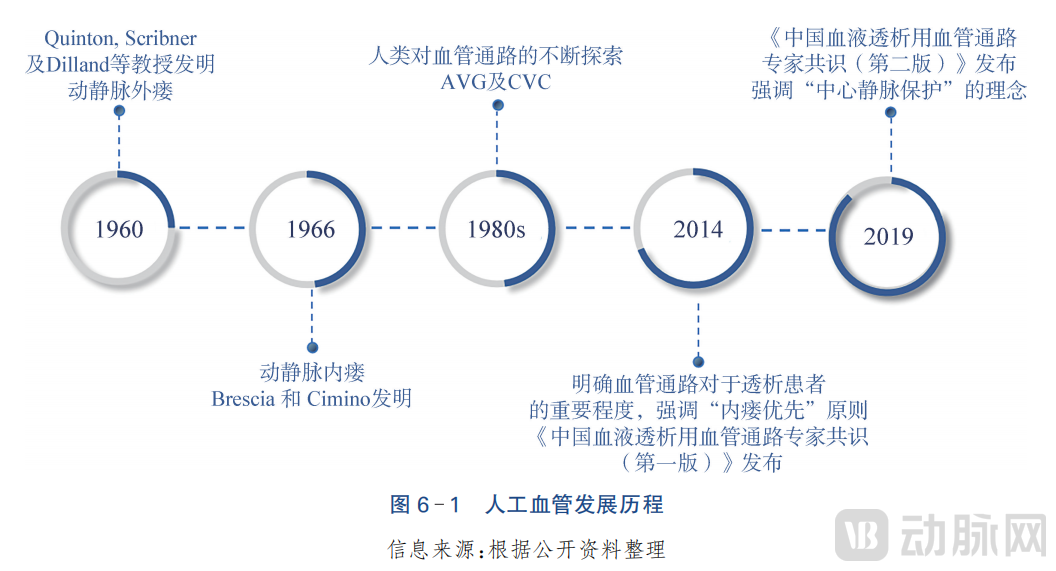
Current core innovation directions includeInnovations in synthetic vascular grafts, novel devices to promote autogenous arteriovenous fistula maturation, and innovations in central venous catheters.The development and research of artificial blood vessels have a history of over 60 years. While continuous improvements have been made in product design, materials, and performance, they still cannot fully meet clinical needs. Therefore, innovation in the field of artificial blood vessels has never ceased. Current research hotspots are divided into two aspects: new materials and new technologies (see Figure 6-2). In terms of materials, novel polymer materials and decellularized matrix materials exhibit the best biocompatibility and are considered the most ideal materials for artificial blood vessels. In terms of technology, electrospinning and 3D printing technologies can fabricate vascular tissues that more closely resemble human blood vessels, thereby further enhancing the biocompatibility of the products. Specifically,Polyurethane synthetic blood vessels, decellularized tissue-engineered blood vessels (Human Acellular Vessels, HAV), and 3D-printed synthetic blood vessels are currently the three most prominent areas of focus in the market.
● Innovation in Vascular Recanalization Technology
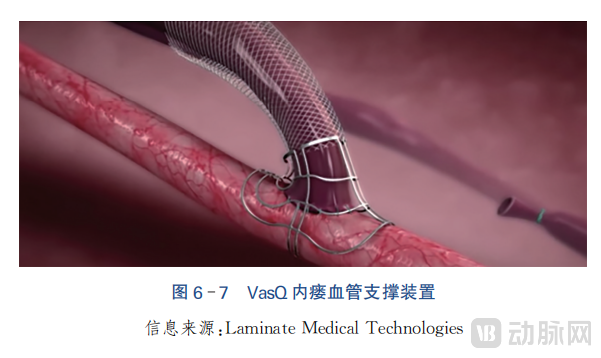
To date, vascular access techniques have become relatively mature; however, the average functional lifespan of an arteriovenous fistula (AVF) is only 2–5 years, with vascular stenosis being the primary cause of AVF failure. Both AVFs and arteriovenous grafts (AVGs) can develop vascular stenosis due to repeated punctures, infection, compression, and atherosclerosis. This stenosis leads to reduced blood flow in the arteriovenous fistula, resulting not only in inadequate dialysis but also in thrombosis, thereby compromising the quality of dialysis and the safety of patients with uremia. Therefore, vascular access recanalization techniques are crucial for the advancement of hemodialysis. Currently,Drug-coated balloon, scoring balloon, covered stentis a core direction for innovation.

● Innovation in Vascular Access Puncture Technology
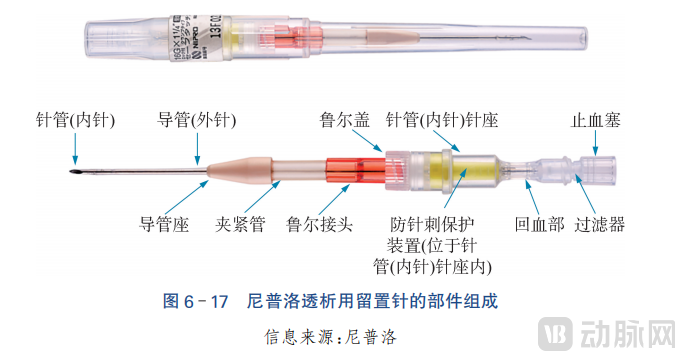
Adequate vascular access is fundamental to the successful completion of hemodialysis treatment. As the dialysis patient population ages, complications such as vascular sclerosis, stenosis, and thrombosis have become increasingly prevalent. Consequently, minimizing access injury caused by needle punctures and extending the service life of vascular access have emerged as key clinical concerns. Currently, innovations in puncture techniques primarily includeSoft Needle (Indwelling Needle)andSubcutaneous Implantable Venous Access PortTwo Major Innovation Pathways.
VII. Innovations in Multi-Organ Support
Extracorporeal multi-organ support technology has evolved from single-organ support to integrated multi-organ support. The widespread clinical application of renal support in the 1950s marked the advent of single-organ support technology. Building on this foundation, extracorporeal support technologies for other individual organs, including the heart, lungs, and liver, were subsequently developed over the following decades. With the advancement of critical care medicine, it has been increasingly recognized that the high incidence of multiple organ failure in intensive care units is a major contributor to persistent high mortality rates.Therefore, the current technological development trend is to attempt modular combinations of different single-organ support systems, or more ideally, to develop an integrated multi-organ support platform that enables simultaneous support for multiple organs, including the kidneys, liver, and lungs, within a single device.(See Figure 7-1).
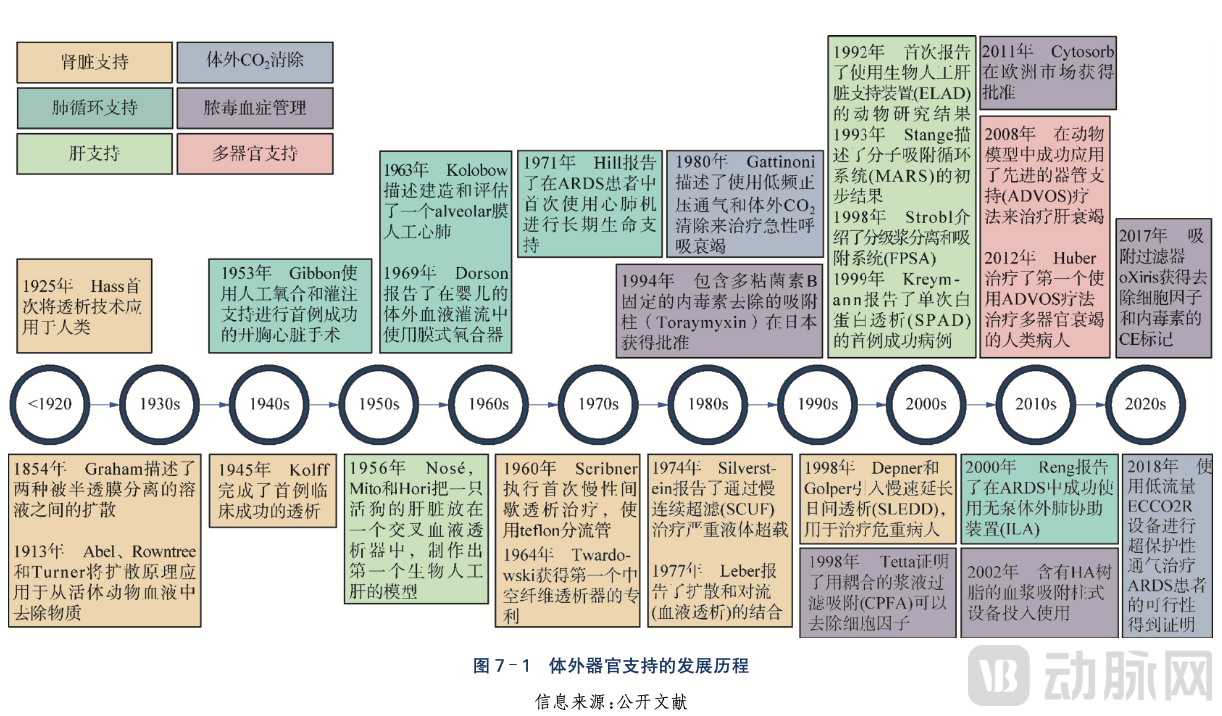
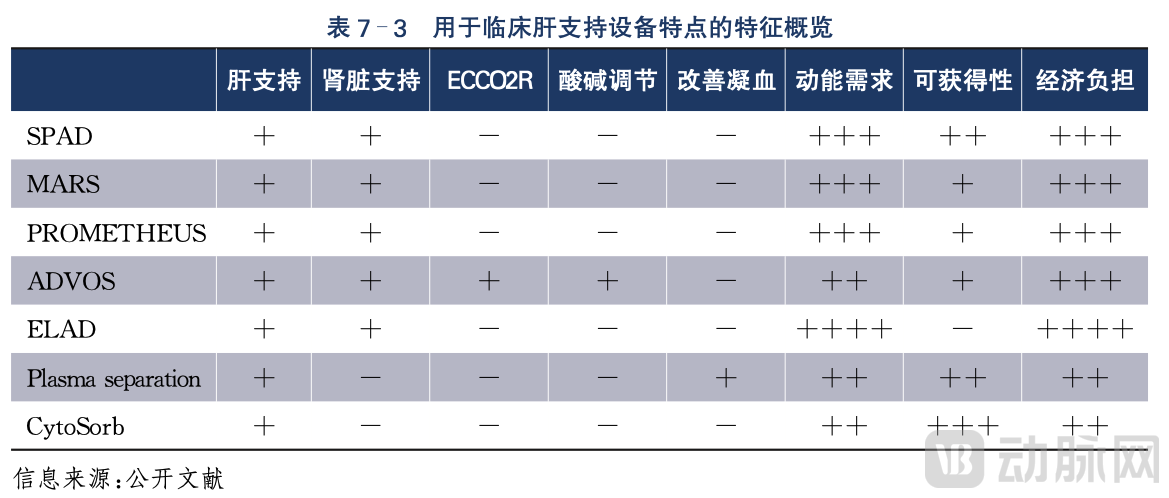
Development of Bioartificial Liver Technology。Bioartificial liver is a technology that utilizes liver cells for in vitro culture, which are then incorporated into an extracorporeal circuit to perform blood purification.The concept of bioartificial liver was proposed in the 1950s. Currently, the more mature technologies in clinical practice mainly include the Extracorporeal Liver Assist Device (ELAD) system developed by Vital Therapies in the United States, which utilizes hepatocytes derived from human embryonic stem cells for in vitro culture. However, recent Phase II clinical trial results indicate that the efficacy of the ELAD system in improving the prognosis of patients with acute liver failure remains unclear. To achieve clinical breakthroughs, bioartificial liver technology requires continuous technological innovation (see Table 7-3).
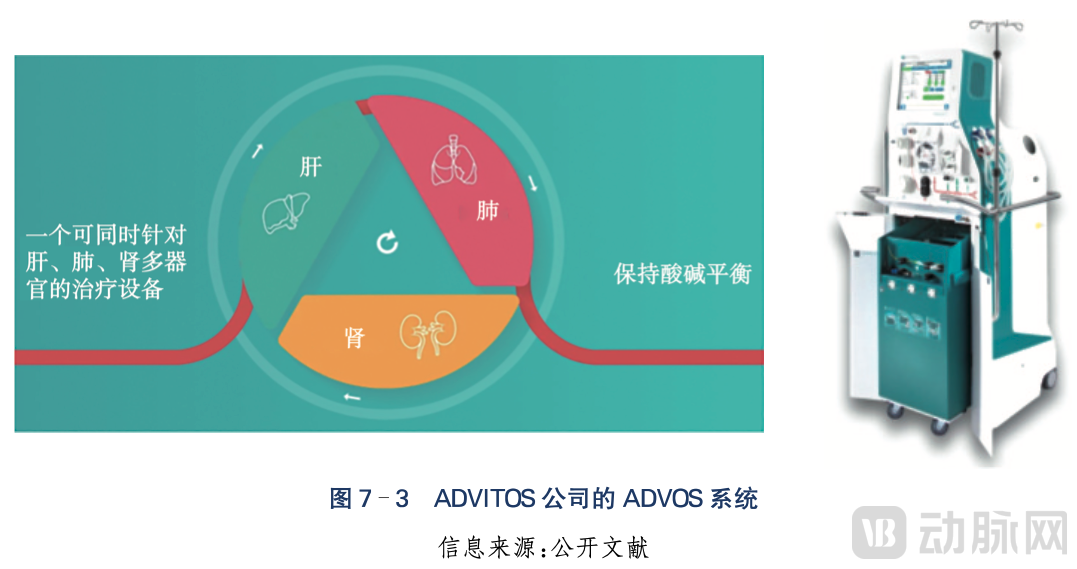
Innovative Cases in Multi-Organ Support。ADVITOS’s Advanced Organ Support System (ADVOS) provides simultaneous renal, hepatic, and pulmonary support, enabling a leap from renal replacement therapy to multi-organ support.. ADVOS is based on the principle of albumin dialysis. On one hand, albumin undergoes allosteric changes under different pH conditions, which facilitates toxin clearance and the recycling of albumin itself. On the other hand, the device controls the pH environment of albumin by adjusting the ratio of acidic to basic dialysate.Studies have shown that ADVOS can reduce levels of bilirubin, fatty acids, and creatinine.(See Figure 7-3).
VIII. Innovations in Blood Purification Therapies
In addition to improvements and innovations on traditional equipment, the blood purification device industry will also present more in the futureDisruptive Innovation, which is mainly reflected inMiniaturization of Blood Purification Devices, Artificial Kidneys, and XenotransplantationAbove. The miniaturization of blood purification devices primarily addresses the issue of convenience in blood purification, whereas artificial kidneys and xenotransplantation represent more futuristic technological pathways. These approaches aim to fundamentally resolve the challenges of blood purification by employing in vivo renal replacement therapies.
● Miniaturization of Blood Purification Equipment
Over the past 30 years, centralized hemodialysis has matured in terms of technology, cost, and clinical benefits. However, this model suffers from poor convenience and significantly impacts patients’ daily lives and work, representing a low-quality extension of life achieved at the expense of personal freedom. Innovations addressing the convenience of blood purification can be categorized into three generations, with each subsequent generation possessing the potential to disrupt its predecessor (see Table 8-1).
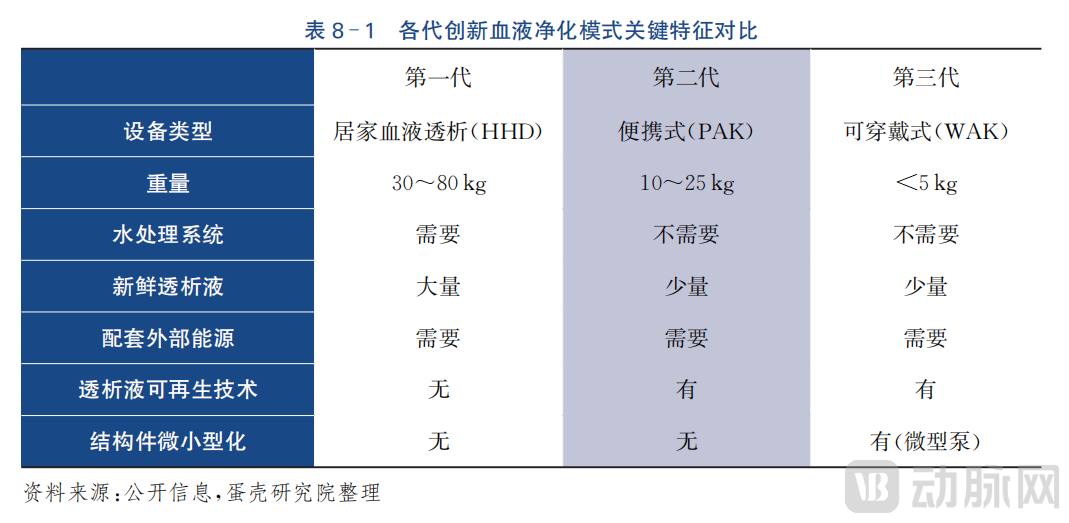
The first generation isHome Hemodialysis Equipment(Home Hemodialysis, HHD) This type of equipment represents a further miniaturization and functional optimization of medical-grade dialysis devices, making them better suited for home use. It saves patients the time and financial costs associated with regular weekly trips to the hospital; however, it still requires substantial consumption of dialysate or the installation of a water treatment system to supply purified water.
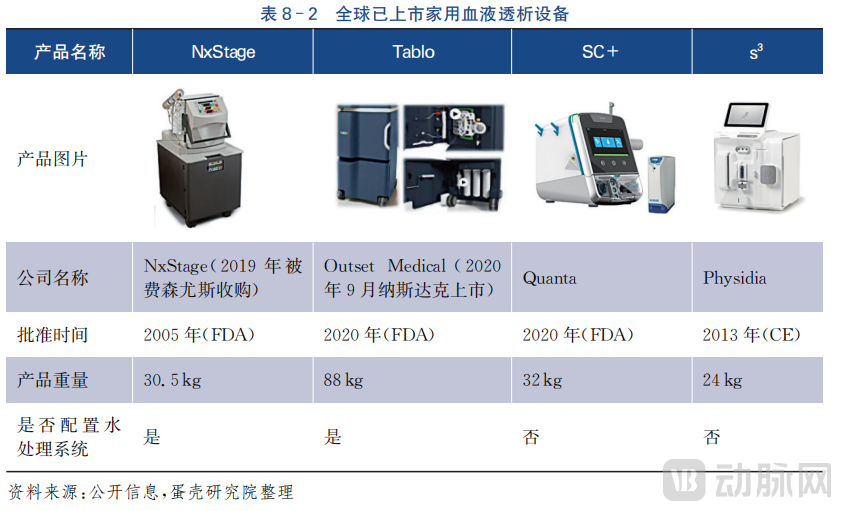
The second generation isPortable Dialysis Device(Portable Artificial Kidney, PAK), such devices feature dialysate regeneration capabilities, requiring only a small amount of initial dialysate and eliminating constraints imposed by water treatment systems, thereby greatly enhancing flexibility in both the duration and location of dialysis.
The third generation isWearable Dialysis Device(Wearable Artificial Kidney, WAK), this device not only features dialysate regeneration capabilities but also leverages micro-pump technology to achieve a compact and lightweight design. This enhances patient mobility and enables continuous 24-hour slow removal of water, electrolytes, and serum phosphorus, thereby avoiding the cardiovascular risks associated with pulsed, short-term, high-volume clearance.
● Innovations in Artificial Kidneys and Xenotransplantation
Artificial Kidney and Xenotransplantation Innovations Primarily Include3D-Printed Kidneys, Kidney-on-a-Chip, Bioartificial Kidneys, and Xenotransplantation of KidneysFour Major Technological Pathways. Since the 1990s, cell culture techniques have been employed to construct simple kidney models, bringing kidney-on-a-chip technology into prominence. In the 21st century, the concept of bioprinting was proposed, and 3D printing technology was applied to the field of tissue engineering, making 3D-printed kidneys a possibility. In 2002, Humes’ team developed the first bioartificial kidney (BAK). Since 2021, efforts have been made to implant genetically modified pig kidneys into patients, initiating Phase I clinical trials for xenotransplantation of kidneys. In August 2023, xenotransplantation of kidneys achieved a breakthrough. Jayme E. Locke’s team at the University of Alabama at Birmingham reported these findings in JAMA Surgery, demonstrating that genetically engineered pig kidneys could function normally within the human body for one week.
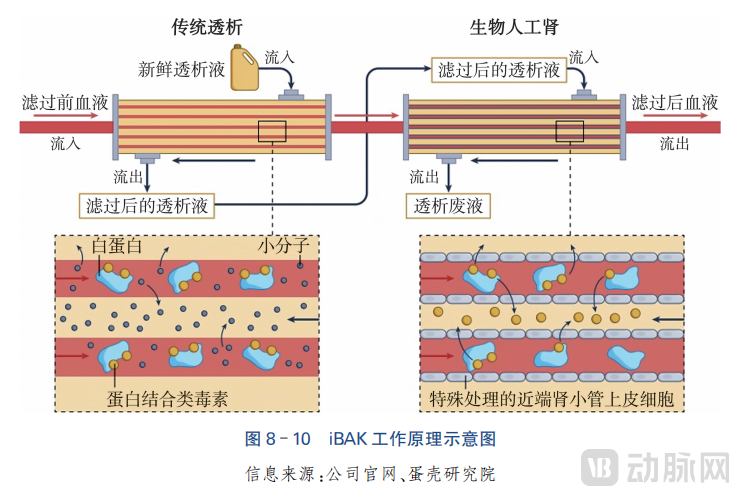
Bioartificial Kidney(Bioartificial Kidney, BAK) is an artificial kidney that organically integrates biological and physicochemical components. The BAK contains renal proximal tubule cells and exhibits transport, metabolic, and endocrine activities, thereby mimicking the function of human renal tubules. Unlike wearable dialysis devices, part of the BAK’s functionality is achieved through biological means (cells). Studies in patients with acute kidney injury (AKI) suggest that the BAK can improve patient survival rates. However, the primary challenge facing the BAK is the acquisition and storage of cells. If medical institutions or related companies fail to address issues regarding the production, transportation, storage, and effective distribution of these cells, the accessibility of the BAK will remain low. Furthermore, research into extending cell lifespan could help reduce the cost of using the BAK.
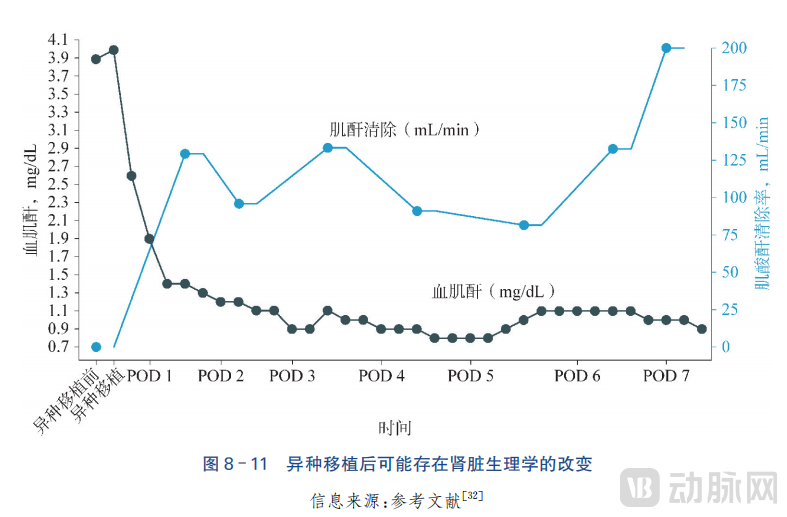
Xenotransplantation of Kidneys:Transplantation of cells, tissues, and organs between different species is termed xenotransplantation. Currently, the primary source of organs for xenotransplantation is pigs, with a small number of other species, such as Nile tilapia, also being utilized. Organs involved in transplantation mainly include the pancreas, skin, cornea, choroid plexus cells, kidneys, and heart. Countries that have already performed xenotransplantation surgeries include the United States, China, New Zealand, Argentina, and Brazil. In recent years, reports have indicated that,Genetically Edited Pigs as Organ Donors. Recently, the Locke team published in “The Journal of the American Medical Association》reported on a case of porcine kidney xenotransplantation, in which the transplanted kidney functioned normally for seven weeks in a brain-dead patient and demonstrated creatinine clearance capability (see Figure 8-11). This August, NYU Langone Health in New York, USA, transplanted a gene-edited pig kidney into a brain-dead male recipient. The kidney functioned for over a month without signs of rejection or infection, and the recipient’s serum creatinine levels remained within the normal range.Set a New Record for Gene-Edited Pig Kidneys Functioning in the Human Body, represents a significant advancement in xenotransplantation technology.
IX. Digital and Intelligent Innovations in Blood Purification
Digital intelligence innovation, driven by clinical needs and leveraging diverse digital technologies such as the Internet of Things (IoT), 5G, and artificial intelligence (AI), along with innovative integration of software and hardware, facilitates the implementation of five key healthcare scenarios: (1) intelligentization of medical staff workflows; (2) clinical decision support for healthcare providers; (3) intelligentization of patient diagnosis and treatment processes; (4) remote patient management; and (5) sharing of medical resources.
● Digital Management Innovation in Blood Purification
Digital Management Innovation refers to the creation of a new or more effective approach to resource integration, leveraging digital methods to support the end-to-end management of clinical workflows with the goal of enhancing operational efficiency. Currently, some hospital blood purification centers still rely on traditional manual processes. Faced with a large population of hemodialysis patients and the meticulous, labor-intensive nursing requirements of dialysis treatments—often involving repetitive data entry—these manual, paper-based management methods result in low work efficiency and a high susceptibility to errors. For dialysis centers, digital transformation is an inevitable trend; it facilitates continuous monitoring of dialysis quality for individual patients and strengthens comprehensive medical quality and safety management across the department.
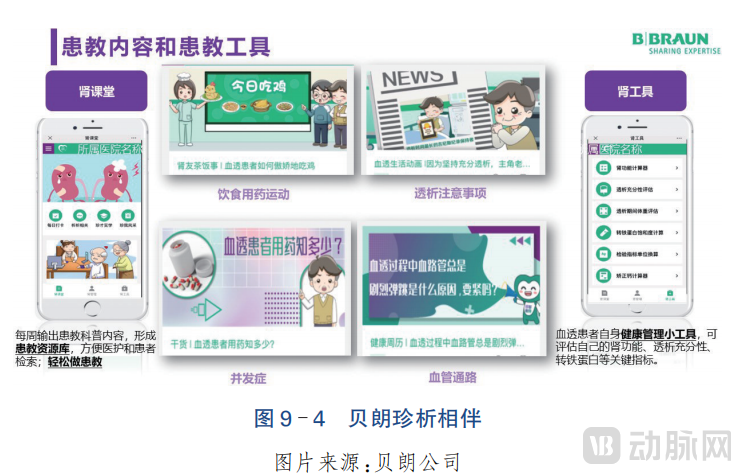
In addition to remote management, manufacturers can also leverage internet technologies to support the use ofText, Images, Videosand other methods to expandOffline Health Education Model, conductOnline Education Assessment, promptlyFormulate an Education PlanandAdjust the Health Education PlanB. Braun’s patient education platform for hemodialysis patients, “Zhenxi Xiangban” (see Figure 9-4), focuses on four key areas: educational content, educational tools, patient communities, and educational activities. It helps bridge the gap in out-of-hospital patient–provider communication and encourages active treatment adherence through diverse educational initiatives.
● Business Collaboration and Innovation in Blood Purification Processes
Collaborative Innovation in Blood Purification Processes refers to initiatives targeted at blood purification departments that leverage blood purification data resources. Guided by the operational needs of these departments, it employs technologies such as the Internet of Things (IoT), big data, and artificial intelligence to fill gaps in blood purification service functionalities or optimize existing ones. Process innovations are primarily focused on two areas: collaborative innovation in diagnostic prediction for blood purification and collaborative innovation in blood purification treatment services.
● Innovative Integration of AI Software and Hardware for Blood Purification
Compared with traditional standalone hardware or pure software, the integrated hardware-software innovation model can embed algorithms into electronic medical devices, empowering the hardware to become smarter and more intelligent, while also providing better protection for software intellectual property rights. Currently, the integrated hardware-software products developed on the market are mainly concentrated inHealth Education Robots, Data Acquisition Boxes, Arteriovenous Fistula Monitoring Devices, Intelligent Reception All-in-One Machinesand other series.
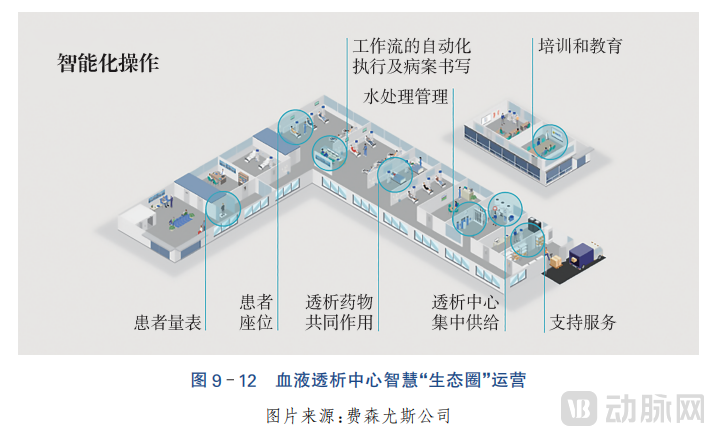
Hemodialysis equipment encompasses a wide variety of types, generates data across multiple dimensions, and serves patients with numerous comorbidities. Furthermore, it spans interdisciplinary fields including clinical diagnosis and treatment, nursing, and clinical engineering. Therefore,Build a comprehensive ecosystem that encompasses the entire clinical workflow, integrates patient management across in-hospital and out-of-hospital settings, covers all dialysis equipment and data, and is grounded in evidence-based management principles., leveraging digital technologies to facilitate lean reengineering and management of the dialysis process, thereby driving the reengineering and management of clinical workflows. Global practical experience from Fresenius demonstrates that, compared with traditional dialysis center management models, integrating modern dialysis equipment, water treatment systems, and digital technologies into the daily workflow of hemodialysis can yield65%Optimization of Clinical Workflow: Improved Efficiency Compared to Traditional Dialysis Processes58%(See Figure 9-12).
● Digital Therapeutics for Blood Purification
Potential future application directions for digital therapeutics products in blood purification include the following aspects:AI Prescription for Blood Purification Patients:Prior to treatment, the system can automatically generate the daily dialysis prescription. During treatment, it provides optimal prescription recommendations for patients through therapeutic data model algorithms. Some companies have already initiated research and development in this area, and it is predicted that more enterprises and research institutions will achieve R&D breakthroughs in this field over the next two to three years.Home Health Guidance App for Blood Purification Patients:Through the use of home-based mobile applications and the seamless integration of blood purification management models, timely interventions in patients’ treatment behaviors and regimens can be achieved, thereby improving their quality of life. Although there is a wide variety of home management apps or mini-programs currently available on the market, there remains a gap in applications capable of deep learning and providing intelligent intervention for dialysis patients. It is foreseeable that as dialysis patients become more proficient in using mobile software, digital therapeutic apps in this domain will play a significant role in future treatments.
X. Prospects for Innovative Development of Blood Purification Equipment
Blood purification technology has evolved for nearly a century. The preceding sections have provided a comprehensive and in-depth analysis of the industry’s development, covering advancements in blood purification equipment, clinical pain points and needs, upgrades in treatment modalities, technological innovations in devices and consumables, and digital-intelligent innovations. So, what are the future trends in blood purification? What opportunities and challenges lie ahead for the industry? And what recommendations can be offered to foster innovative development in the field of blood purification?
● Analysis of Development Trends in Blood Purification Equipment
Based on surveys of clinical healthcare professionals and patients, as well as an analysis of current development trends in the blood purification industry, the future evolution of blood purification equipment should primarily focus on innovations in therapeutic technologies, intelligent monitoring, AI-assisted decision-making, and facilitating patients’ reintegration into society.
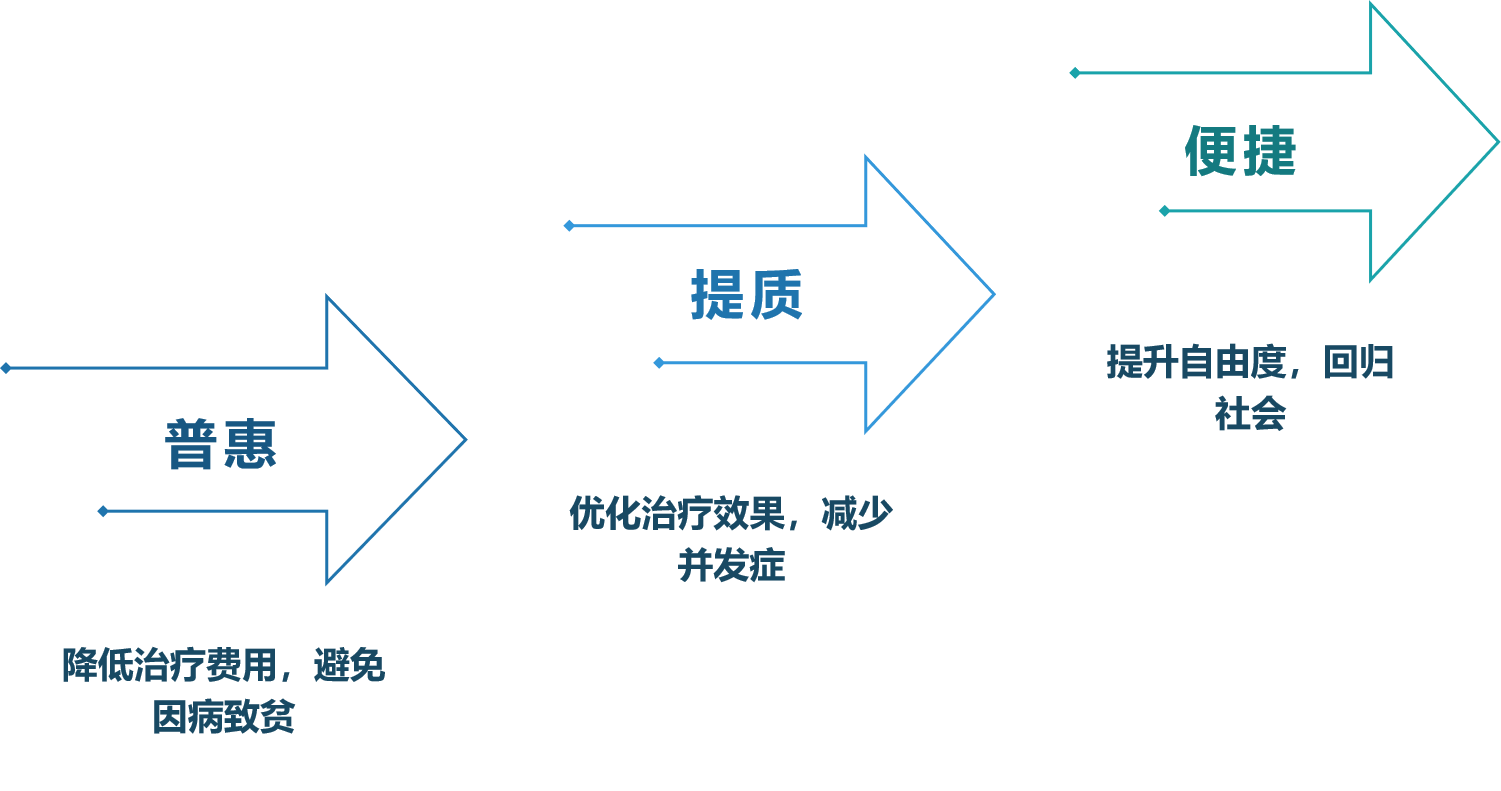
Unmet clinical needs have consistently driven the development of blood purification technologies, as evidenced in recent years byMaterials, Manufacturing Processes, and Interdisciplinary Technical Fieldsthe continuous development of blood purification-relatedTreatments and technologies are also continuously improving and innovating.. The full-process management of patients during treatment has always been a weak link.Intelligent Monitoring and Control SystemKey Drivers for the Future of Hemodialysis Equipment: Major Development Trends in Intelligent Monitoring and Control SystemsReal-time data monitoring, analysis, and automated adjustment; assisted monitoring of vascular access; and intelligent patient-side monitoring; artificial intelligence systemComplications risk can be predicted by synthesizing insights from large volumes of patient data. By monitoring patients’ physiological parameters and treatment progress, the system can identify potential issues in advance—such as hemoglobin concentration, serum parathyroid hormone levels, and coagulation status—and implement preventive measures. Future development trends for blood purification equipment also includeEnhancing Patient Autonomy, enabling them to better integrate into social life. This development trend focuses on patients' quality of life and social participation, aiming to reduce the limitations that dialysis treatment imposes on their daily lives.
● Opportunities and Challenges for Blood Purification Equipment
In this chapter, the editorsPolicy Environment, Economic Environment, Social Environment, and Technological EnvironmentA Preliminary Analysis of the Opportunities and Challenges Facing the Development of Blood Purification Equipment in ChinaStrong national policy support, grassroots demand driving continuous technological advancement, and sustained growth in capital interest have all propelled the rapid development of China’s blood purification equipment industry. However, the sector also faces a series of challenges stemming from centralized volume-based procurement, gaps in key technologies, and demographic shifts.
● Recommendations for the Development of Blood Purification Equipment
Throughout the innovative development of blood purification devices, many clinical needs remain unmet across the continuum of care for chronic kidney disease—from diagnosis and treatment to rehabilitation. In response to these unmet clinical needs, the editors propose the following recommendations for the innovative development of blood purification devices: 1)Strengthen Research in Relevant Disciplinary Fields, including basic discipline research, exploration of frontier and interdisciplinary studies, sustained policy and funding support, and encouragement of collaborative clinical research; 2)Promoting the Standardization of Clinical Data,This includes recommending that relevant departments in various cities actively promote the formulation of related data standards and establish unified, standardized data exchange protocols. Meanwhile, national- and regional-level big data centers for chronic kidney disease and blood purification should be established.; 3) Establish a collaborative innovation research platform, build an information-sharing platform, enhance the service capabilities of disciplinary research platforms, and establish mechanisms for collaborative R&D and joint industry talent cultivation;4) Support the commercialization and implementation of innovative technologies, to build an industrial development ecosystem, with a focus on the construction of specialized biomedical industrial parks, centering on the chronic kidney disease (CKD) industry chain, and leveraging the resource advantages and brand influence of core enterprises within the chain;5) Build a closed-loop industrialization system,It is recommended that enterprises intensify their promotional efforts, actively collaborate with industry associations and authoritative institutions to promote the development of relevant standards and technical specifications, conduct health economics research on related products to demonstrate their medical and economic value, accelerate the inclusion of these products in medical insurance coverage, and facilitate commercial promotion channels.