

BoRuiCe Bio and Alioth Co-host Antibody Drug Enterprise Tour – Yantai Station: Advancing Biopharmaceutical Quality and Safety
BRC BIOTECHNOLOGY
Biosafety Testing Service Provider

ALIOTH
Process Support Technology Product Developer

On the afternoon of May 31, byHosted by BRC BIOTECHNOLOGY and ALIOTH, with support from Shandong International Biotechnology Park, VCBeatNew MedicinePharmaceutical Undertaker【Safeguarding the Quality and Safety of Biological Products】 Yantai Stop, the Antibody Drug Enterprise Tour was successfully held at the Shandong International Biotechnology Park.
This marks the first time that BRC BIOTECHNOLOGY and ALIOTH have jointly hosted a “Campus Tour” event. Senior technical experts from both companies introduced novel processes, regulatory insights, and quality control experiences to the antibody drug quality control sector in the Shandong market, aiming to establish a high-quality platform for exchange and support the development of new quality productive forces in Shandong’s antibody industry.
“Impact of Depth Filtration on HCP in Antibody Purification,”
HCD Removal Study》
Yu Lingju | Senior Technical Manager, ALIOTH
Quote: Unveiling the Mysteries of HCP Impurities, Mastering Depth Filtration, Safeguarding Antibody Purity
Key Takeaways:Sources of HCP and HCD and their potential hazards to the quality of biological products, including immunogenic responses, exacerbated side effects, and product stability issues; regulations impose strict limits on such impurities. During depth filtration, how to effectively reduce HCP and HCD levels by adjusting operating parameters (such as appropriate loading capacity, flow rate, filtration pressure, and buffer conditions), optimizing cell viability, and employing filters with superior performance, such as the various models provided by ALIOTH.
Pre-removal of DNA can significantly reduce the difficulty of HCP clearance. Teacher Yu demonstrated the superiority of domestically produced filters in reducing turbidity, increasing binding capacity, and maintaining protein recovery rates through specific case studies, while also helping enterprises reduce costs and successfully achieve the localization of commercial products. The optimization direction for HCP and HCD removal strategies via depth filtration includes selecting appropriate filters and optimizing process parameters to achieve efficient impurity removal.

▲Yu Lingju | ALIOTH Senior Technical Manager
“Testing Requirements and Regulatory Guidelines for Antibodies at the BLA Stage”
Hu Xiao | Director of Operations, BRC BIOTECHNOLOGY
Golden Rule: Regulatory Compliance Comes First in the Commercialization Filing of Antibodies
Key Takeaways:During commercial filing, antibody products must undergo rigorous biosafety testing procedures to ensure compliance with domestic and international regulations as well as standards established by international organizations. In the upstream phase of cell culture, due to the high risk of microbial and viral contamination, particular attention must be paid to controlling material sources andSeed Cell BankThe establishment and maintenance, including the testing of master cell banks, working cell banks, and production cells, must all comply with specific regulatory requirements.
Key Elements of Comprehensive Biological Testing: Sterility Testing, Targeting Bacteria and Microorganisms; Specific Regions (e.g., China) Also Require Consideration ofMycobacterium tuberculosis; Mycoplasma testing, due to the difficulty in detection and removal; testing for extraneous viral agents, focusing on potential viral contamination introduced by materials, personnel, or cell banks during the production process; and retrovirus testing, as the hamster cells commonly used for antibody production inherently carry retroviral genes, necessitating assurance of their safety.
Furthermore, the importance and implementation steps of Product Specificity Qualification (PSQ), including complex assays using different indicator cell models, as well as the requirement that samples be derived from at least three batches.

▲Hu Xiao | BRC BIOTECHNOLOGY, Operations Director
《Regulatory Development and Interpretation of Sterilizing Filtration Technology and Its Applications》
Liu Qiulin | ALIOTH
Regulatory Advisor and Head of Filter Product Development
Key Quote:PUPSIT: Coexistence of Controversy and Practice, and Prudent Selection of Redundant Filtration Strategies
Key Takeaways:Latest Regulatory Developments in Sterile Filtration, the Significance of Updates to the EU GMP Annexes, and a Forward-Looking Perspective on China’s 2018 Guidelines. Regarding PUPSIT (Pre-Use Post-Sterilization Integrity Test), although requirements vary across countries, the European Union stands out for its stringency. Despite operational challenges in certain scenarios, regulations generally mandate PUPSIT, while permitting exceptions under specific circumstances. In practice, most companies, particularly Chinese firms, tend to comply with this requirement to avoid the complexities associated with regulatory scrutiny.
Regarding Redundant Filtration and Its Integrity Testing: While regulations do not mandate redundant filtration, most companies opt to implement it in practice as a precautionary measure to mitigate economic risks.
Regarding Sterilizing-Grade Filtration ValidationWhen process conditions remain unchanged, frequent re-validation of sterilizing-grade filtration is not required. However, any changes—such as those involving manufacturing facilities, batch sizes, suppliers, or sterilization conditions—necessitate a re-evaluation. For instance, when facility expansion leads to a change in filter size, validation must be considered even if the scale-up is proportional. Particular attention should be paid to the increased level of extractables resulting from the larger filter surface area, and an assessment must be conducted to determine whether these levels remain within patient safety thresholds.
Regarding the requirements for filters in Contamination Control Strategies (CCS), it is emphasized that the criticality of filters must be assessed from the initial design phase, taking into account scale-up selection, supplier management, sterilization validation, as well as Standard Operating Procedures (SOPs) and deviation records during use. Online integrity testing has emerged as a new trend, offering greater compliance compared to traditional offline testing.

▲Liu Qiulin | Regulatory Consultant and Head of Filter Product Development at ALIOTH
"Key Points for Biosafety Testing of Antibody Drugs"
and Differences in Regulations Among China, the United States, and Europe》
Wang Xin | BRC BIOTECHNOLOGY Chief Strategy Officer CSO
Golden Quote: Biosafety is not merely about preventing pathogens, but also the art of safeguarding life.
Key Takeaways:Different biomaterials and biological products are classified into various biosafety levels based on their hazard potential. Practical cases demonstrate that even in highly clean production environments, operators can be the primary source of contamination, underscoring the complexity and necessity of biosafety control.
In terms of regulatory compliance, the system systematically reviews domestic and international biopharmaceutical regulatory frameworks, with a particular focus on the guidelines from China, the United States, and Europe, such as the U.S. FDA’s Guidance documents and the European EMA’s guidance materials, while analyzing the subtle differences among these national or regional guidelines.
Three Steps of Risk Management: Risk Identification, Risk Control, and Risk Review. Taking the use of bovine serum as an example, this article discusses how to identify and control the risk of bovine-origin viruses through rational experimental design. It emphasizes the importance of phase-appropriate GMP and CMC throughout the entire lifecycle of drug development—from preclinical stages and clinical trials to commercialization—and details the specific implementation of these concepts at different stages. For instance, the non-clinical stage focuses on raw material safety verification; after IND approval, attention shifts to process stability and consistency of product quality; and near or post-launch, the focus is on ensuring process determinism and product quality reliability.
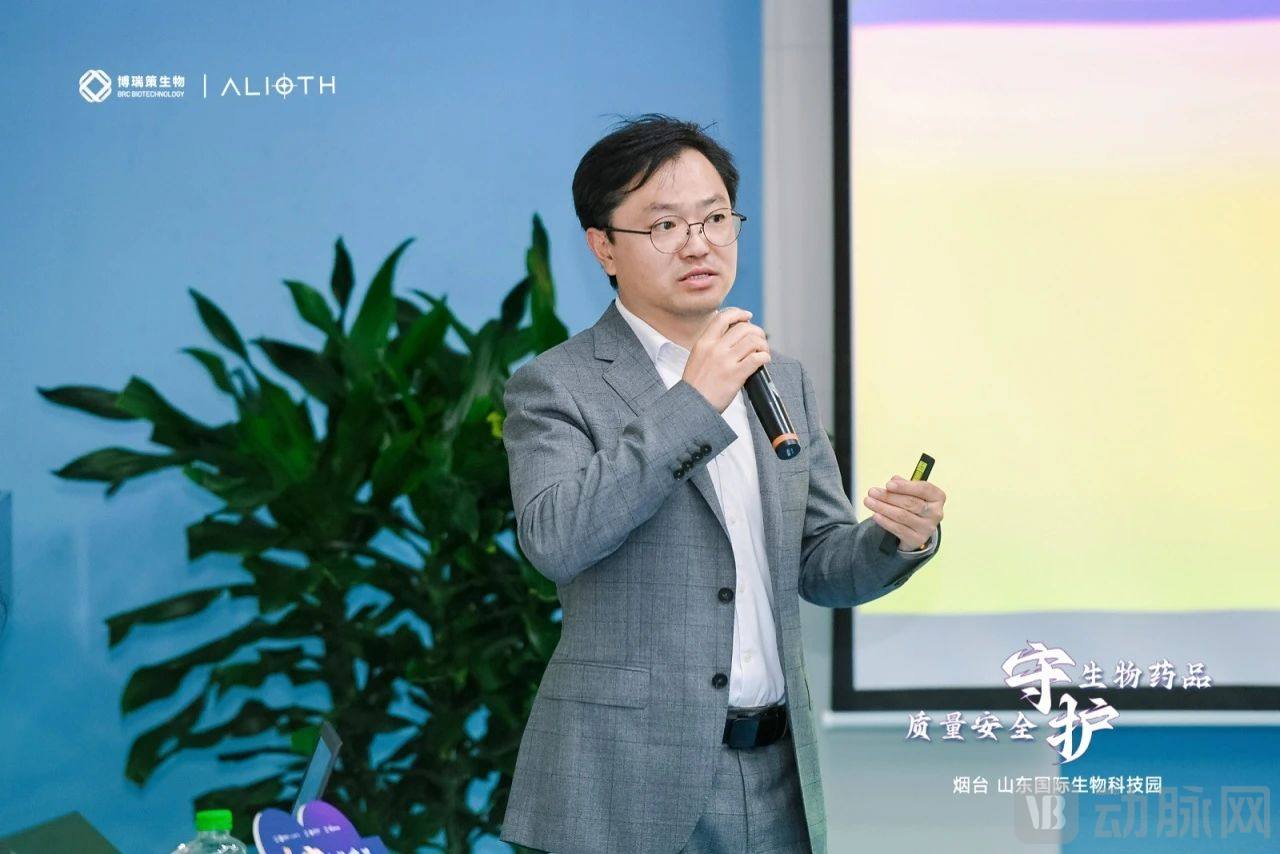
▲Wang Xin | BRC BIOTECHNOLOGY Chief Strategy Officer (CSO)
"Testing Protocol for Rodent Cell Lines"
Zhao Shikun | BRC BIOTECHNOLOGY Senior Technical Compliance Manager
Slogan: BRC BIOTECHNOLOGY, bridging R&D and production, simplifies complexity to ensure worry-free regulatory submissions.
Key Takeaways:Detailed Procedures for the Characterization of Rodent Cell Lines, Compliant with Global Regulatory Standards Including Specific Requirements from the WHO, ICH, China, the EU, and the US.
Sterility testing of cells, including screening for bacteria, fungi, mycoplasma, and mycobacteria. Bacterial and fungal detection employs both the direct inoculation method and the membrane filtration method; mycoplasma is detected using a combination of culture methods and indicator cell assays; and mycobacteria are identified through culture methods. To meet the demand for rapid testing, BRC BIOTECHNOLOGY has developed a rapid biological assay based on respiratory signal analysis. Taking into account regulatory differences across countries, such as the specific requirements of the Chinese Pharmacopoeia, the assay integrates various standards to ensure compliance.
In viral factor testing, the detection process for retroviruses is outlined, including transmission electron microscopy (TEM) observation of viral particles, reverse transcriptase activity assays, and indicator cell methods, as well as specific handling for endogenous retroviruses. For pathogen testing in specific species, animal antibody generation experiments are employed, or a shift is made toward faster next-generation sequencing (NGS) technologies to reduce animal testing, in alignment with EU initiatives.
Genetic Stability Study ReportBLAPrerequisites for Filing: Assess monoclonality and the presence of genomic structural variations by comparing the genomes of cell bank samples and post-production samples to ensure the stability of antibody expression.
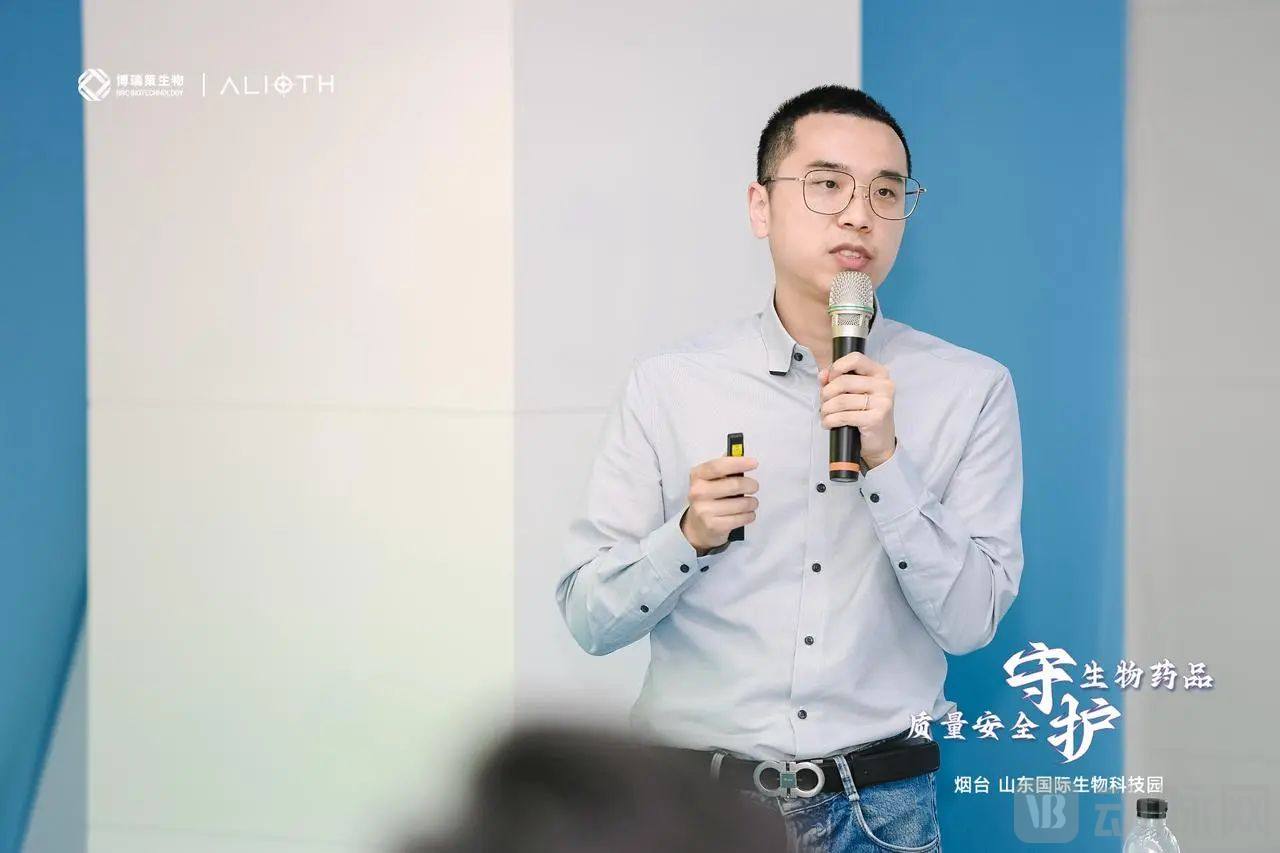
▲Zhao Shikun | BRC BIOTECHNOLOGY Senior Technical Compliance Manager
[Safeguarding the Quality and Safety of Biological Products]Antibody Drug Enterprise TourYantai Station, Successfully Concluded!Stay tuned for more.Activity!
Informal Meeting Notes
After the event, to gauge its effectiveness and capture attendee feedback, we conducted random on-site interviews with two participants to gain an in-depth understanding of the event from their perspectives:
■ Attendee 1[Over 4 Years of Experience, Large-Scale Production]
■ Participant 2[Worked in QA for 11 years, previously in small-molecule drugs, and have been in biologics for 2-3 years]
Q
Which speaker’s presentation are you most interested in?
A
Attendee 1: The two speakers who discussed sterilizing filtration and biosafety testing delivered excellent presentations. Their sharing was highly practical and packed with valuable insights. Compared to the earlier, more theoretical topics, the content in the second half of the session resonated with me more strongly, particularly as it is closely related to my responsibility for downstream virus removal work.
Attendee 2: I greatly enjoyed Teacher Hu Xiao’s presentation. If I were to vote for the Best Guest, I would cast my vote for her. Her thinking was clear, and both the content and style resonated with me. Next is Teacher Liu Qiulin. I believe she has extensive expertise in manufacturing processes, which are highly relevant to my own work. She demonstrated a profound and precise understanding of process validation.
Q
What were the specific takeaways from attending the conference?
A
Participant 2: The module on viral safety helped me understand the rationale behind selecting specific viruses as targets for detection. It also provided new insights into regulatory studies, particularly through a comprehensive comparison of ICH and PDA guidelines. I am also grateful to the instructors for their systematic approach to sharing knowledge.
Q
What other topics are you both interested in that were not covered in this event?
A
Participant 1: Regarding expectations for future events, I hope to hear more practical insights on viral clearance processes, such as experimental procedures, precautions, setting of critical process parameters, and key points in the filtration process. These are areas where I need to deepen my understanding in my current role. It might also be beneficial to design the agenda by distinguishing between laboratory-scale and manufacturing-scale practices to better meet the needs of attendees with different backgrounds.
Attendee 2: I hope to have the opportunity to communicate with regulators or experts well-versed in regulatory affairs, aiming to keep pace with updates in regulatory knowledge and address discrepancies in regulatory interpretation and challenges in determining the appropriate scope of operational compliance.

▲ Group Photo of Guests

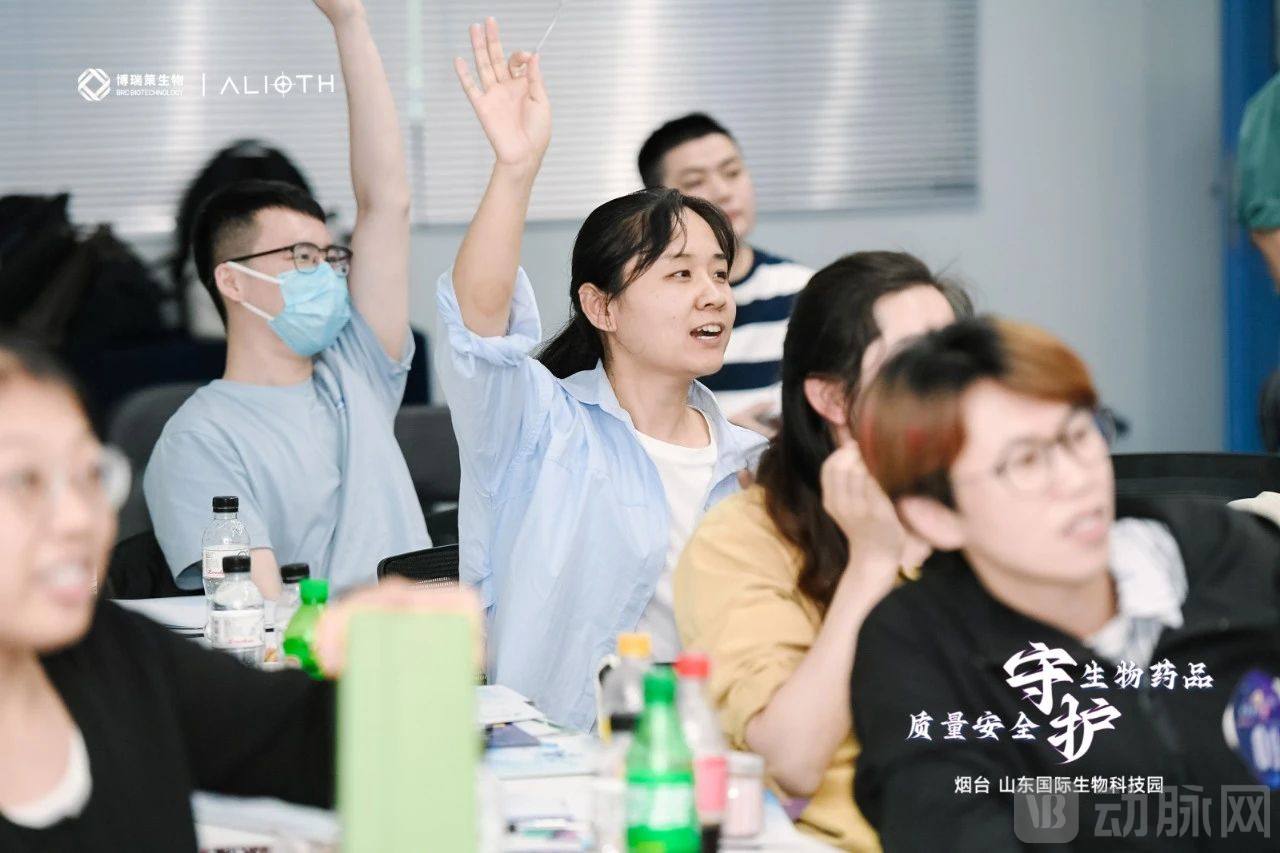

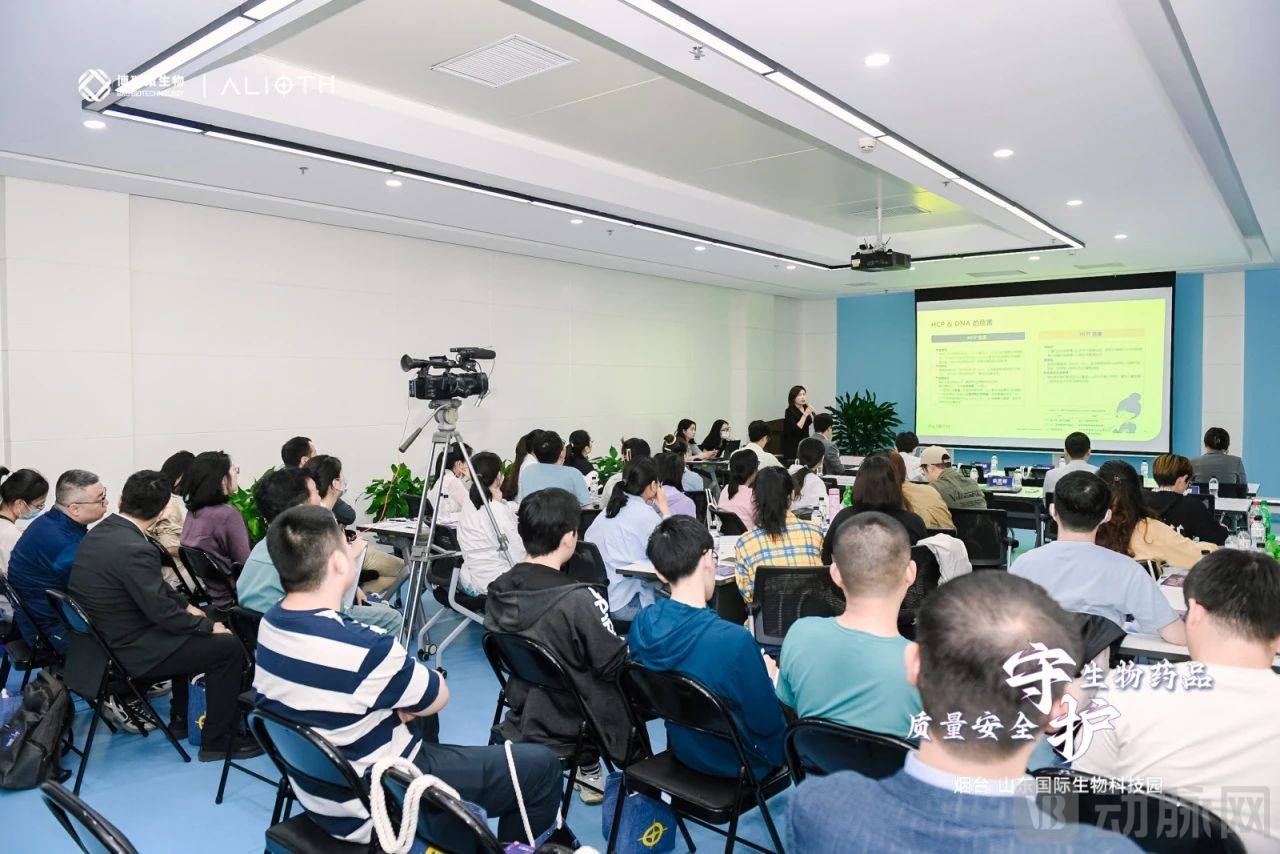
▲ Highlights
About BRC BIOTECHNOLOGY
BRC BIOTECHNOLOGY specializes in compliance, quality, and safety testing services for biopharmaceuticals. The company has established a testing service platform, commercial office spaces, and training centers totaling over 16,000 square meters across Shanghai and Suzhou, all compliant with cGMP and BSL-2 standards. Strictly adhering to pharmacopoeias and regulations from various countries, as well as domestic and international regulatory requirements, BRC BIOTECHNOLOGY has obtained certifications and qualifications including EU GMP Qualified Person (QP) certification, FDA FEI Number, ISO 9001:2015, BSL-2, and CMA. These credentials ensure the authenticity, validity, and data integrity of test results. Its biopharmaceutical evaluation system, aligned with international quality standards, supports quality assessments for biological products such as biologics, cell and gene therapies, nucleic acid drugs, and vaccines. Upholding the service philosophy of efficient delivery and scientific rigor, BRC BIOTECHNOLOGY has developed proprietary biosafety testing capabilities, successfully passed audits by nearly one hundred leading domestic and international biopharmaceutical companies, and supported the successful submission of multiple IND and BLA applications in both China and the United States. As your partner in biosafety testing dedicated to your success, we provide customers with high-quality, one-stop biosafety testing services to accelerate the regulatory approval and market launch of innovative biopharmaceutical products.
BRC BIOTECHNOLOGY Provides You with
GMP-Compliant Cell Bank Establishment and Testing
Drug Substance and Product Testing Services
Development of Customized Product Testing Technologies
Viral Clearance Validation Services for Manufacturing Processes
Technical Consultation on Product Quality Compliance
About ALIOTH
Alioth Biotech (Shanghai) Co., Ltd. specializes in the development and application of process-supporting technologies for pharmaceutical manufacturing, and is committed to providing high-quality separation and purification solutions that comply with domestic and international regulatory requirements for pharmaceutical companies.
ALIOTH has established its own production bases in Shanghai Lingang and Hangzhou in accordance with GMP requirements. The company is equipped with process development laboratories, validation laboratories, and a filtration product R&D center, and has built an R&D team led by membrane technology scientists. These initiatives aim to better safeguard the supply chain security of Chinese pharmaceutical companies, assist users in optimizing drug R&D and manufacturing processes, and enhance the safety of pharmaceutical production.
Guided by its corporate values of creating value for customers, pursuing endless improvement, fostering collaborative evolution through teamwork, demonstrating proactive responsibility, and embracing change through continuous learning, ALIOTH empowers the innovative development of China’s pharmaceutical enterprises.
About Shandong International Biotechnology Park
Shandong International Biotechnology Park was established in 2010 and jointly invested in and constructed by the Administrative Committee of Yantai High-Tech Industrial Development Zone and Luye Life Sciences Group, following a model of “government-enterprise cooperation, corporate-style management, and market-oriented operations.” It is dedicated to R&D innovation, public services, incubation of new technologies, enterprise cultivation, and achievement transformation in fields such as biopharmaceuticals, healthcare, regenerative medicine, and precision medicine.
The Yantai Pharmaceutical and Health Public Technology Service Platform, jointly established by the Yantai Municipal Government and the Shandong International Biotechnology Park, serves as a core component of the park’s public service system. It comprises “Ten Centers and One Base” covering the entire pharmaceutical and health industry chain, providing a vital platform for technological R&D and industrialization in the sector.
The park has currently attracted over 100 small, medium, and micro innovative startups, and is home to major enterprises, institutions, and hospitals such as the Yantai Branch of the Shanghai Institute of Materia Medica, Chinese Academy of Sciences; Luye Pharmaceutical Group R&D Center; Yantai Food and Drug Inspection and Testing Center; China-Russia Science and Technology Innovation Park; Yantai High-Level Talent Entrepreneurship Park; and Luye Medical Group. It has been honored with titles including “National Shandong Innovative Drug Yantai Incubation Base,” “Yantai Base of the National Comprehensive New Drug R&D Technology Platform,” and “National-Level Technology Business Incubator.”
About VCBeat New Medicine
VCBeat New Medicine isVCBeatAs a media and research platform under the VCBeat umbrella focusing on biomedicine, it delivers “in-depth” and “incremental” communication value to innovators and entrepreneurs through both content and operations. In terms of content, offerings include exclusive financing announcements, corporate interviews, the “Drug Developers” column, in-depth industry analyses, and sector reports. On the operational front, its branded series “VB Think Tank” focuses on practical challenges and discusses industrial trends, fostering tangible collaborations through the exchange of ideas.
Special Topic Achievements: [CGT】【IPO Financial Report Analysis】【iPSC】【Radiopharmaceuticals】【Protein Degraders】【Upstream Tools】【Synthetic Biology】【Organoids】【VB Think Tank] etc.