

Shenzhen's Guangming District Achieves 80% Landing Rate in Synthetic Biology Within Five Years
Recently, the National Biomanufacturing Industry Innovation Center officially commenced construction in Guangming District, Shenzhen.This is China’s first national-level industrial innovation platform in the field of biomanufacturing., upon completion, it will drive the biomanufacturing industry in Guangming District to achieve greater scale and strength.
In fact, this is not the first time Guangming District has claimed a “first” in the field of biomanufacturing. The Shenzhen Institute of Synthetic Biology at the Shenzhen Advanced Institutes of Technology (the first synthetic biology institute in China), the policy document “Several Measures to Support the High-Quality Development of the Synthetic Biology Industry” (China’s first special support policy for synthetic biology), the Weiguang Life Science Park (China’s first specialized park for the commercialization of synthetic biology achievements), and the Xingbo Shenghui Fund (China’s first synthetic biology industry fund) have all been established in Guangming District.
It is precisely for this reason that Guangming District has achieved multiple data milestones in the field of synthetic biology, such as the project landing rate, since 2020.40% of newly established synthetic biology enterprises in China have settled in Shenzhen, with 80% of them located in Guangming District.. In addition, in terms of industrial scale, as of October 2023, the total number of synthetic biology enterprises in Guangming District had exceeded 80, with a total valuation surpassing RMB 27 billion. Leveraging this momentum, Guangming District’s economy has also achieved rapid development, rising from RMB 91.7 billion in 2018 to RMB 142.7 billion in 2022,9.1% Average Annual Growth Rate Leads Shenzhen City。
This has not been easy, partly because Guangming District is relatively “young,” having been officially established only in 2018 as Shenzhen’s newest administrative district; and partly due to the remarkably rapid realization of its synthetic biology industry. If we take the founding of the Shenzhen Institute of Synthetic Biology as the starting point, Guangming District took less than five years to leap from a “blank slate” to a major national hub for the synthetic biology industry, joining Shanghai and Tianjin in the first tier.
So the question arises: What exactly has the “young” Guangming District done right in driving the development of the synthetic biology industry?
Getting Started: “Chicken or Egg”?
Although Guangming District was officially established in 2018, the origins of its development in synthetic biology can be traced back to 2017. In that year, Shenzhen formally issued the “Implementation Plan for the Construction of Ten Major Scientific and Technological Infrastructure Projects,” which included the Synthetic Biology Research Facility, with a planned total investment exceeding RMB 700 million. Later that same year, the Institute of Synthetic Biology at the Shenzhen Institutes of Advanced Technology, Chinese Academy of Sciences, was officially inaugurated, focusing on synthetic reconstruction research in areas such as artificial life components, genetic circuits, biological devices, and multicellular systems.
In other words, Shenzhen has established concrete platforms for synthetic biology spanning from R&D to incubation; the next step is practical implementation. At that time, Guangming District, which had virtually no existing foundation in this field, was perfectly positioned to seize this unprecedented opportunity.
There are certainly reasons for this. First, it lies in its positioning: as an administrative district with scientific and technological innovation at its core, Guangming has the inherent mission of promoting the development of emerging industries. Moreover, being a newly established district, it demonstrates strong demand and considerable inclusiveness toward industrial implementation. Second, it is attributable to the Guangming District’s substantial support for industries, primarily referring to financial investment, including initiatives for talent acquisition and the development of related industrial infrastructure. It is reported that,Guangming District Built Three Photosynthetic Bio-Industrial Parks in One Go。
Last but not least, the Shenzhen Institute of Synthetic Biology has played a decisive role in the development of synthetic biology in Guangming. In this regard, an informed source revealed to VCBeat, “The Shenzhen Institutes of Advanced Technology (SIAT) actually laid out its research direction in synthetic biology at an early stage. The choice of Guangming was driven by two main factors: on one hand, SIAT spearheaded the construction of the Shenzhen Major Science and Technology Infrastructure for Fundamental Research in Synthetic Biology in Guangming District, laying the foundation for basic research and establishing public platforms for the district’s synthetic biology sector; on the other hand, Guangming is one of the few industrial hubs in Shenzhen capable of supporting synthetic biology, whereas other districts primarily focus on medical devices.”
However, industrial development is not a simple case of “1+1=2.” This is particularly true for emerging fields such as synthetic biology, which require a certain industrial foundation; starting from scratch is by no means easy. Indeed, Guangming’s synthetic biology industry encountered numerous challenges in its early stages.
Take a specific event as an example. The “Engineering Biology Innovation Conference” has witnessed the development of the synthetic biology industry in Guangming. Having been held four times to date, the most recent edition attracted nearly 2,000 industry professionals, making it a representative conference in the field of synthetic biology both in China and globally.However, during the inaugural conference, total attendance was fewer than 200, with the majority being hastily recruited participants.。
In this regard, Luo Wei, General Manager of the National Center for Innovation in Biomanufacturing Industry, stated, “In 2019, we were preparing for the first ‘Engineering Biology Innovation Conference.’ At that time, China’s synthetic biology industry had not yet taken off, with few related enterprises and little attention from capital. When we discussed synthetic biology with many investors, they had no idea what we were talking about. Moreover, Guangming District was still under development and construction, with construction sites everywhere, creating a poor first impression of the environment. As a result, few people were willing to attend; nearly all those who came were personally invited by us through individual phone calls.”
This was not even the most disheartening part. As Guangming District lacked a mature convention center at the time, the venue chosen was a banquet hall in a restaurant typically used for wedding receptions. Moreover, the host was not a professional; the role was largely filled by ad hoc staff from the Innovation Center.
In response, attendees of the conference remarked to VCBeat, “If someone had told me back then that this event would eventually draw thousands of participants and quickly become a landmark conference for the industry, I certainly would not have believed it. At that time, it was difficult to find any positive signals; few people seemed to be paying attention to this sector, and Guangming District was rather deserted, with many supporting facilities still existing only in planning documents or engineering blueprints.”
Yet, as seen through the lens of the “Engineering Biology Innovation Conference,” the early development of Guangming’s synthetic biology industry was by no means easy. Despite the support of major infrastructure facilities and institutes such as the Institute of Synthetic Biology, achieving genuine momentum and rapid growth still requires substantial, concerted efforts.
Fission: Talent Is the Primary Factor
It is reported that over the past three years, one out of every two newly established synthetic biology companies in China has settled in Guangdong Province, with an 80% probability of locating in Guangming District. Furthermore, from the perspective of the primary market, according to incomplete statistics from the Artery Orange database,Since 2020, nearly 200 financing rounds have been completed in China’s synthetic biology sector, with over 60% of them taking place in Guangming District., and many have completed multiple rounds of financing, such as Boyin Bio and Baikuirui.
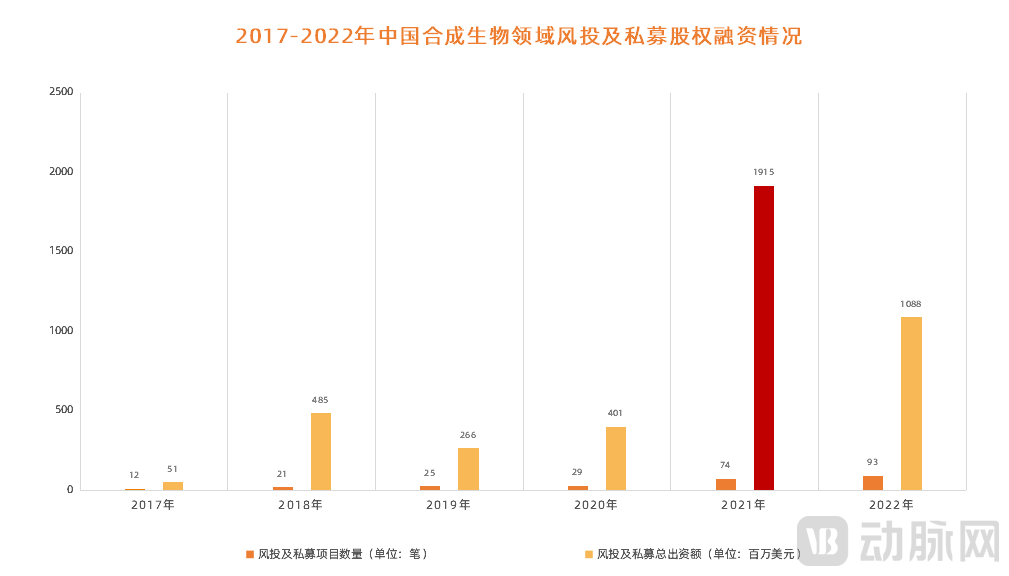 Figure 1. Venture Capital and Private Equity Financing in China’s Synthetic Biology Sector (Source: BCG)
Beyond specific data metrics, supporting infrastructure for synthetic biology has begun to cluster in Guangming District, including innovation centers, industrial parks, specialized funds, research institutes, and laboratories. Notably, these facilities have achieved exceptionally high utilization rates. Taking the Innovation Center as an example, by 2023 it had attracted more than 200 projects and successfully incubated 45 companies, with a combined valuation exceeding RMB 20 billion. This has significantly elevated Guangming District’s profile, rapidly establishing it as a synonym for China’s synthetic biology industry.
In fact, Guangming District has taken only five short years on this path to “fame,” and its astonishing pace of development has surprised many. So, what are the key factors enabling Guangming District’s rapid growth in the synthetic biology industry?
In light of this issue, VCBeat interviewed multiple professionals, corporate founders, and investors with close ties to Guangming District.Their initial response was almost invariably “talent.”. In response, an investor remarked, “The rapid aggregation of talent is undoubtedly the key to industrial development, as they bring not only technology and enterprises but also mature experience and systems.”
The challenge, however, is that attracting and retaining talent is no easy feat, which suggests that Guangming District must have done some things right. First and foremost, it has demonstrated genuine commitment. As early as the initial development stage, Guangming District introduced China’s first special policy to support talent in synthetic biology. In April this year, the district further rolled out the “18-Point Talent Policy,” offering subsidies of up to RMB 100 million to sci-tech innovation entities establishing themselves in Guangming. Additionally, in addressing issues such as housing and children’s education, the district had disbursed over RMB 40 million in subsidies by August 2023. Yet, this is not even the most appealing aspect.For the lead initiating entity or participating entities of a project, Guangming District provides support on a “case-by-case” basis, which simply means there is no upper limit.。
In addition, as an innovation platform, the Shenzhen Institute of Advanced Technology (SIAT) has naturally played a significant role in talent acquisition. In this regard, an industry expert stated, “The Shenzhen Institute of Advanced Technology has demonstrated strong efforts in recruiting overseas talent,Overseas recruitment also involved hospital leadership personally leading teams to Europe and North America to attract talent.“, therefore, the research team at the Shenzhen Institute of Advanced Technology inherently possesses an internationalized DNA and has currently formed a research group primarily composed of outstanding overseas talents.”
Of course, in addition to talent,“Openness” is also regarded as a major highlight of the rapid development of the synthetic biology industry in Guangming District.Based on this, the project leader stated, “The concept of synthetic biology has only emerged in the past decade. In its early stages, it was largely regarded as biochemical engineering or traditional fermentation; it was through gradual integration that synthetic biology took shape. As a new technology employing cutting-edge tools, it has attracted a large number of young scientists. Its further development inevitably requires a more open environment.”
Guangming District clearly exhibits this typical characteristic. On the one hand, as synthetic biology was the first niche industry to be developed in Guangming District, there is sufficient policy flexibility, with fewer constraints on scientists and practitioners. On the other hand, due to Guangming’s unique locational advantages—as a pilot launch area for the Comprehensive National Science Center in the Greater Bay Area—Guangming inherently possesses an open DNA, thereby offering more actionable industrial space.
The final aspect is reflected in the business environment, supporting infrastructure, and system development. Here, the focus is on system development, which inevitably brings to light Guangming District’s proud “Upstairs-Downstairs Innovation and Entrepreneurship Complex” model. Notably, this model has been included in the official documents issued by the National Development and Reform Commission (NDRC) to promote Shenzhen’s best practices, underscoring its significant value.
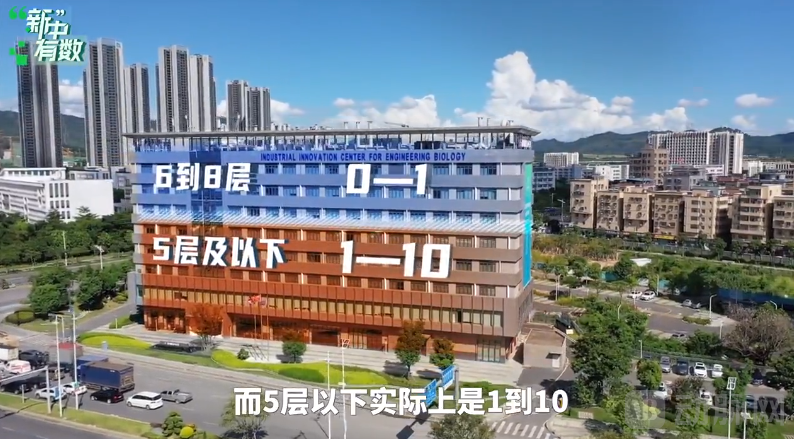 Figure 2. The “Upstairs-Downstairs Innovation and Entrepreneurship Complex” Model (Image source: Shenzhen Guangming, CCTV News Broadcast)
It is reported that,“Upstairs and Downstairs” refers to “upstairs” innovation and “downstairs” entrepreneurshipSpecifically, the Innovation Center comprises eight floors. The lower floors (2nd to 5th) are configured as industrial incubation spaces, primarily providing turnkey shared laboratory platforms and think tank support for startups in the field of synthetic biology. The upper floors (6th to 8th) are dedicated to researchers conducting original innovation activities, focusing on addressing fundamental scientific questions and supporting industries in tackling core technological challenges.
Guided by this model, the Innovation Center has fostered numerous collaborative stories where innovation and entrepreneurship converge. Yi Xiao and Yang Zongying were fellow doctoral students at Sun Yat-sen University. After earning their PhDs, Yi Xiao devoted himself to scientific research, becoming a researcher at the Institute of Synthetic Biology, Shenzhen Institutes of Advanced Technology, while Yang Zongying ventured into business, founding a biotechnology company. After both moved into the Innovation Center building, they would often cross paths in the hallways yet remained strangers. It was not until a casual conversation that they transitioned from mere “neighbors” to partners.
It is reported that the company founded by Yang Zongying primarily focuses on the development and production of DNA raw materials, but has long faced a technical bottleneck: the prohibitively high cost of ultra-long DNA sequences has hindered their widespread application. Coincidentally, the TADR system for synthetic evolution, researched by Yi Xiao, can be used for the synthesis of large DNA fragments. This enabled Yi Xiao to identify an unexpected application direction, resulting in a win-win outcome for both parties.
Another typical case is Boyin Biology.That morning, the research findings of Professor Zhong Chao’s team were published in *Science Advances*, a subsidiary journal of *Science*; that afternoon, Boyin Biology secured tens of millions of yuan in Angel+ round financing.Although the timing was coincidental, the convenience and efficiency of communication afforded by the “upstairs-downstairs” model also contributed to the company’s rapid growth. In fact, there are many similar cases within the Innovation Center building.
Looking back, Guangming’s rapid advancement in the field of synthetic biology is first and foremost attributable to the aggregation of outstanding talent. To attract and retain this cohort of top-tier professionals, Guangming District has demonstrated substantial commitment through direct financial investment, development of supporting infrastructure, systemic innovation, and cultivation of an overall conducive ecosystem. These measures have enabled scientists and entrepreneurs to devote themselves fully to scientific research, innovation, and industrial incubation without distraction.
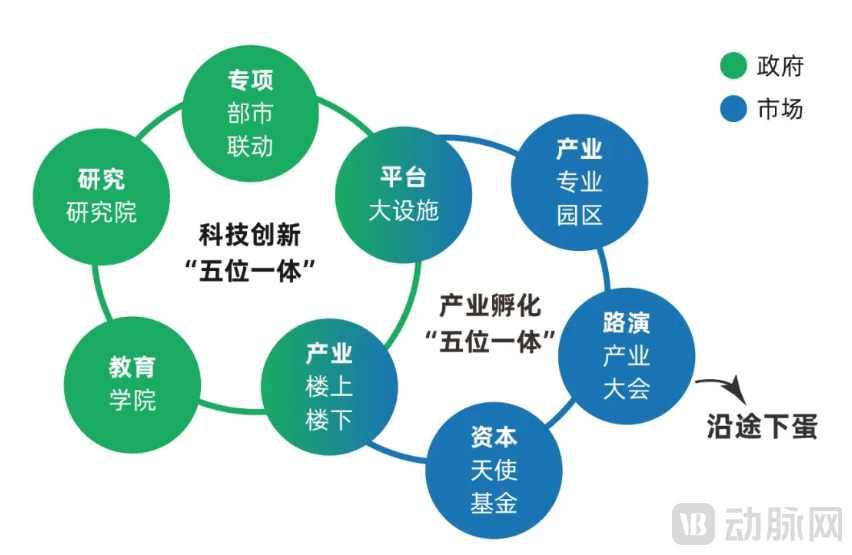 Figure 3. The “Dual Loop” of Synthetic Biology Development in Guangming District (Source: Readily Bio)
Specifically,Guangming District offers more than just spatial services; it focuses on the fundamental elements and development chain throughout the entire industrial process.For instance, in the “0 to 1” stage of original innovation, the College of Synthetic Biology at Shenzhen University of Advanced Technology (in preparation) and the Shenzhen Institute of Synthetic Biology systematically cultivate interdisciplinary talent and tackle core technology R&D. The Innovation Center is responsible for enterprise incubation in the “1 to 10” stage, which represents the initial step in transforming scientific and technological achievements into practical applications. After securing angel-round financing, companies requiring expanded space can relocate to the Synthetic Biology Industrial Park located across the street from the Innovation Center, thereby continuing their development along the “10 to ∞” trajectory.
Ups and Downs: What Does the Future Geometry of Synthetic Biology Look Like?
As with most areas of healthcare, synthetic biology has gradually entered a development bottleneck over the past one to two years, as evidenced by a significant decline in the number of financing deals and increasing difficulties for companies in securing funding. This trend is not limited to China; it is also prevalent abroad. Amyris has filed for bankruptcy, Ginkgo Bioworks has received a delisting warning, and Zymergen was ultimately acquired due to its prolonged failure to commercialize products. The three global giants in synthetic biology each face their own distinct challenges.
While the overall cooling of the market environment is certainly a contributing factor, the more critical issue lies within the industry itself—namely, the challenge of commercialization, which has become increasingly important in the current landscape. In this regard, Liao Jieying, Managing Director at China Renaissance and head of its synthetic biology team, remarked: “Synthetic biology has now evolved into a second wave driven by commercialization. In the current landscape, synthetic biology companies without revenue, impressive orders, or strong strategic partners will find it extremely difficult to secure financing.”
This is also why, in the eyes of many people, synthetic biology has shown a clear downward trend in popularity over the past two years,Since the second half of 2022, the valuation center of gravity for China’s synthetic biology industry has been on a downward trend.。
However, since the beginning of 2024, synthetic biology appears to have made a strong comeback, once again becoming the focus of the industry. This is partly driven by policy support, as the national government has listed “biomanufacturing” as a key direction for industrial development and plans to establish it as a new growth engine.
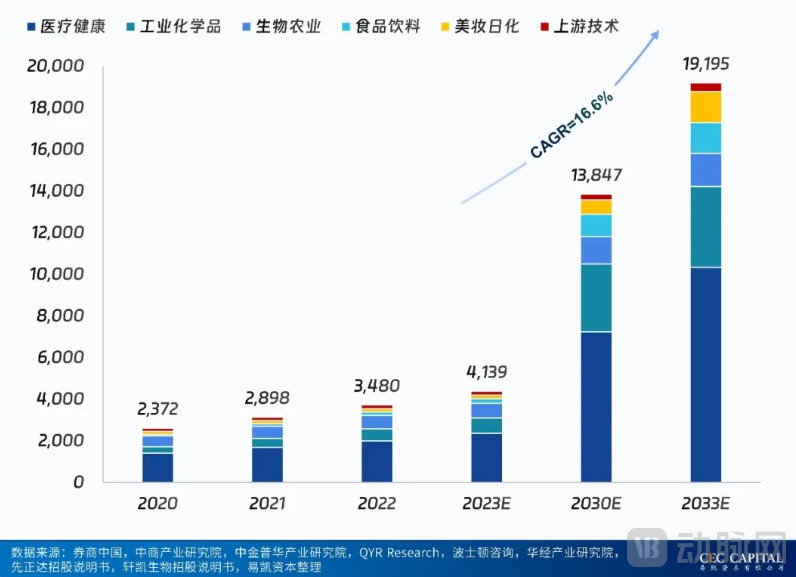 Figure 4. Scale of China’s Biomanufacturing Industry (Source: China Renaissance)
On the other hand, it stems from the vast market potential of synthetic biology. According to McKinsey statistics,By the end of this century, synthetic biology will be widely applied in manufacturing sectors accounting for more than one-third of global output, creating $30 trillion in value., at a time when the global economy lacks new growth curves, the strategic significance of synthetic biology goes without saying. Moreover, as the development of synthetic biology worldwide is still in its early stages, the competitive landscape remains highly open, holding even greater possibilities for the future.
In response to this high-potential market, local governments across the country are actively making strategic arrangements; as of now,At least 18 provinces and municipalities across China have incorporated “synthetic biology” into their industrial development plans., with cities such as Changzhou, Hangzhou, Jinan, Wuhan, and Chengdu recently witnessing a surge of major initiatives in synthetic biology. Taking Changzhou as a prime example, the city established three synthetic biology industrial parks in October last year alone, while simultaneously launching a RMB 2 billion special fund dedicated to the synthetic biology industry. Other regions are equally aggressive in their efforts.
So, who will ultimately emerge as the winner in the future? Who will once again replicate Guangming’s industrial miracle in the field of synthetic biology? The answer remains unknown for now.However, one reference standard is certain: the ability to maximize commercialization.. This is not only a common challenge for new entrants, but also an important task for Guangming, which already stands in the first tier, in the next phase.
After all, amid tight funding conditions and the synthetic biology industry’s gradual entry into more complex developmental stages, the sector’s growth logic has shifted from a unilateral fervor for cutting-edge technologies to a persistent quest for commercial certainty.
1. “Super Industrial Chain | Shenzhen’s Guangming District: How to ‘Synthesize’ a RMB 10 Billion Bioindustry Chain in Five Years” — The Paper;
2. “When Synthetic Biology Is Written into Shenzhen’s DNA for Innovation and Entrepreneurship” — Readline;
3. “Synthetic Biology 2024: Growth Amidst Fragmentation” — VCBeat.