

Ten Organizations Collaborate to Advance CGT Industry Upgrade Initiative – Chengdu Tianfu International BioCity Hosts Ninth Stop of Park Tour Series
“One person can run fast, but a group can go further.”
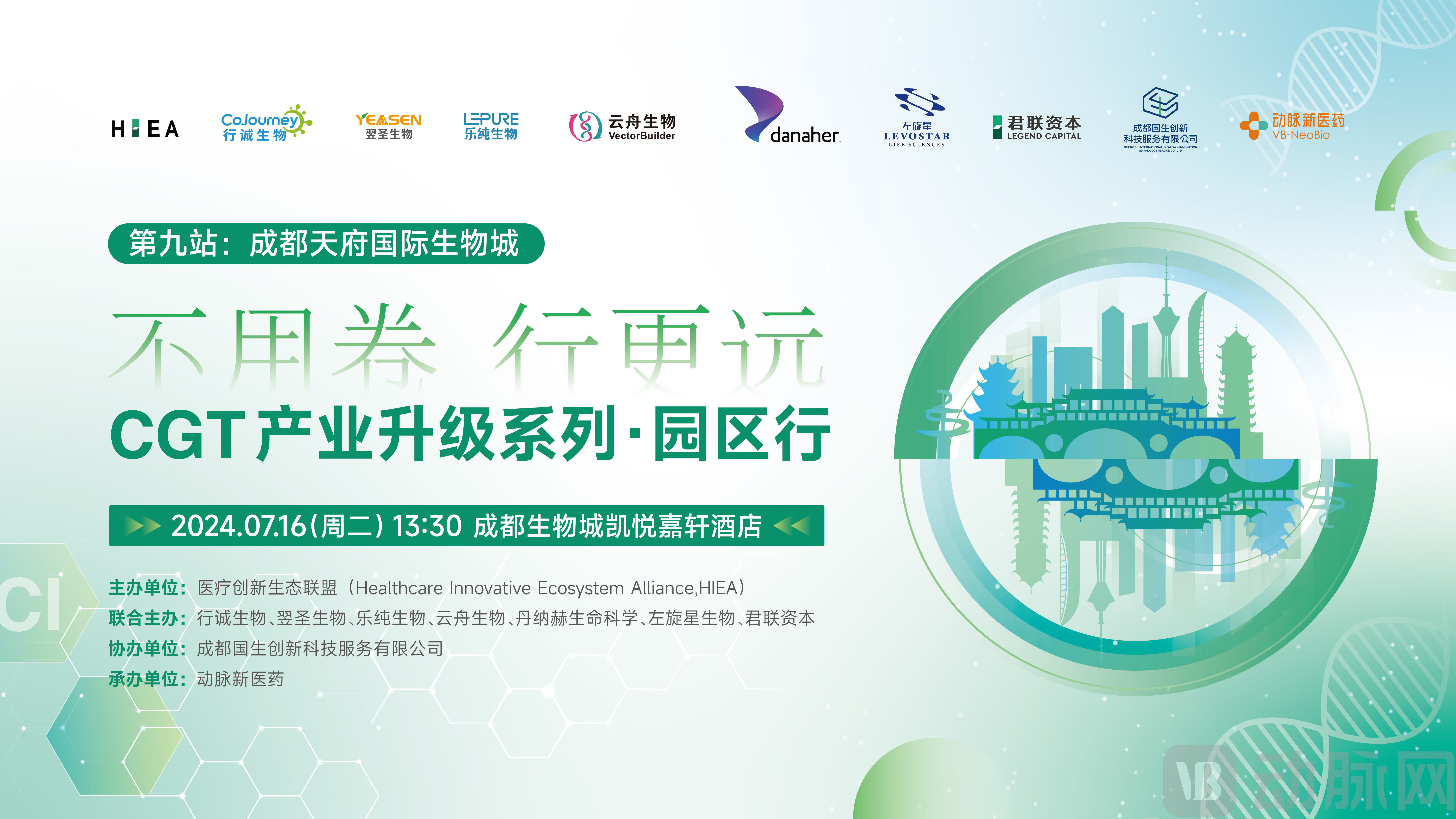
On the afternoon of July 16, hosted by the Healthcare Innovative Ecosystem Alliance (HIEA), co-hosted by Xingcheng Biotechnology, Yeasen Biotechnology, Lepu Biotechnology, VectorBuilder, Danaher Life Sciences, Zuoxuanxing Biotechnology, and Legend Capital, with support from Chengdu Tianfu International Bio-town, and organized by VBNewMed【No Need to Compete, Go Further】CGT Industry Upgrade Series · Park Tour Stop 9, Held at the Hampton by Hilton in Chengdu Bio-Town。
This initiative is jointly launched by a cohort of leading enterprises specializing in the cell and gene therapy (CGT) industry chain. By pooling their unique core competencies and high-quality resources, these companies cover many key areas, including R&D of high-end equipment technologies, establishment of curated raw material supply chains, integrated supply of efficient consumables, refinement and upgrading of precision manufacturing processes, and advanced, rigorous testing technologies. The aim is to collaborate in providing robust momentum and a solid foundation for CGT innovative pharmaceutical companies throughout their product development lifecycles and industrial upgrade journeys.
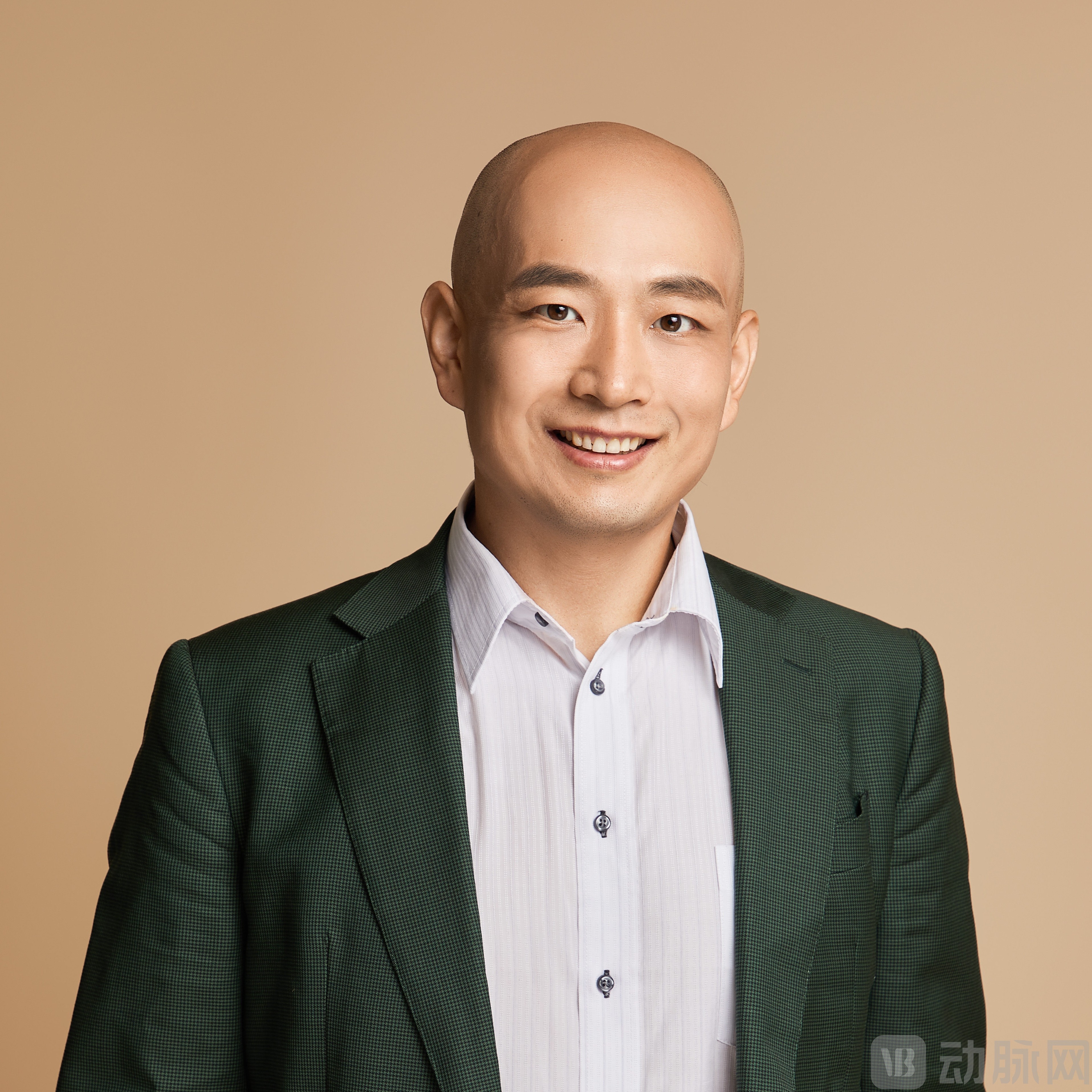
Dr. Liu Xiao, Vice President of Business and Marketing at Xingcheng Biotechnology & Deputy Director of the MAH Special Committee of the Chinese Pharmaceutical Enterprise Management AssociationServing as the moderator of this event, and under the guidance of Dr. Liu Xiao, the conference featured in-depth exchanges and discussions on multiple dimensions, ranging from the surge in industry financing, investment, and business development (BD) to CMC process optimization and industrialization. The event was not limited to one-way information dissemination; instead, it was characterized by frequent interactions and lively discussions. All guests participated actively, sharing their insights and perspectives, creating a vibrant and enthusiastic atmosphere.
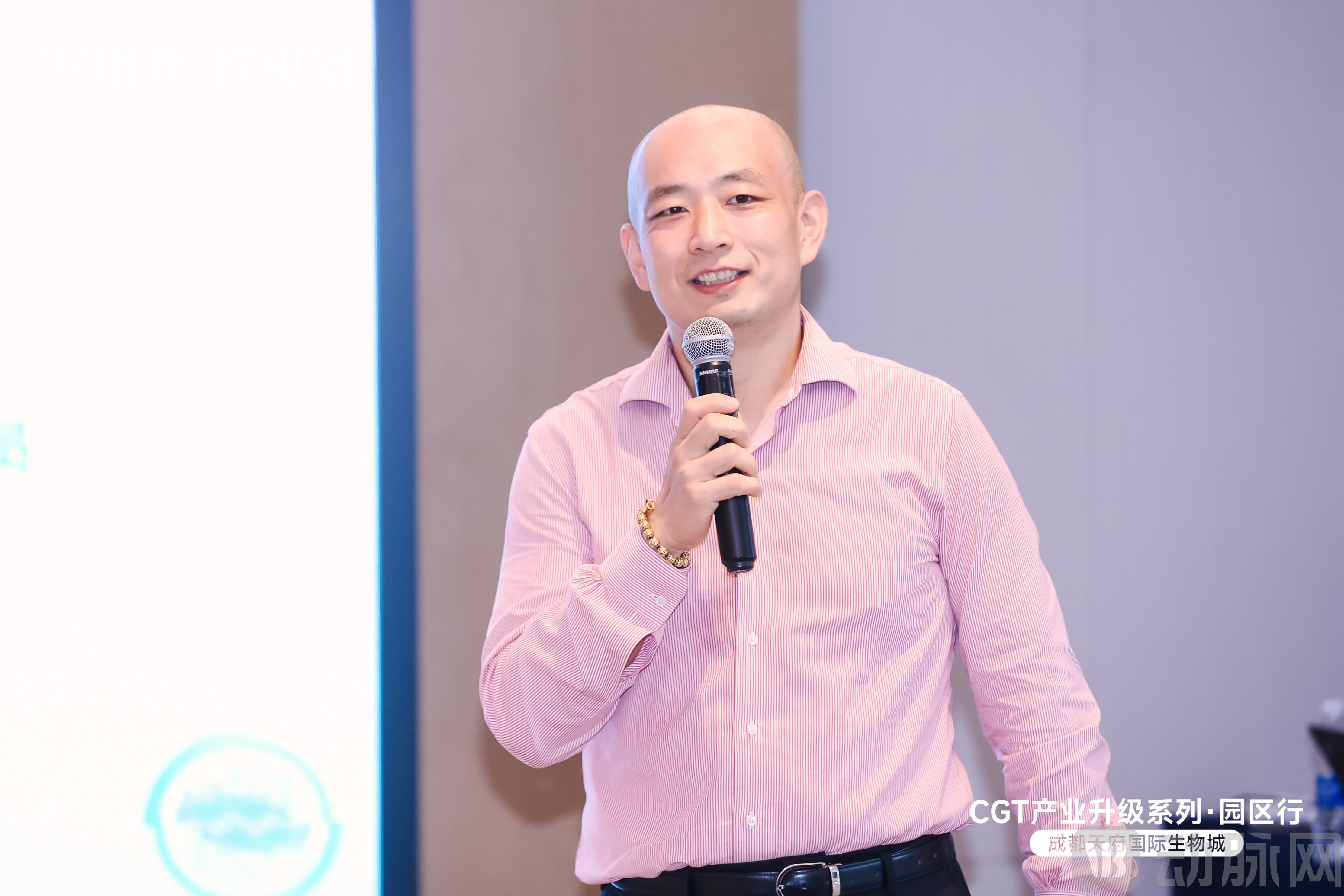
▲ Liu Xiao | Vice President of Business and Marketing, Xingcheng Biotechnology
Vice Chairman of the MAH Special Committee, China Pharmaceutical Enterprise Management Association
Liu Dong, Editor-in-Chief of VCBeatAddress by the Organizer’s RepresentativeVCBeat, as a media and research institution, has been consistently driving industry development. Currently, the industry has not yet completed a full cycle and is facing the most significant turning point within this cycle—namely, how companies should respond to challenges as the bubble dissipates. As a companion and observer of the industry, VCBeat has identified opportunities for growth from multiple perspectives. The biomanufacturing sector has become a strategic emerging direction in China’s national bioeconomy, and the cell and gene therapy (CGT) industry, as a crucial component of biomanufacturing, will see its future development accompanied by substantial national strategic planning and investment. Companies that successfully survive and endure through this cyclical洗礼 will be poised for stronger growth.
In this process, VCBeat aims to build an industry exchange platform, enabling enterprises to fully articulate their needs and express their intentions, ultimately identifying development strategies suited to their specific circumstances and achieving the breakthrough from 0 to 1. VCBeat seeks to collaborate with enterprises to jointly drive industrial development.
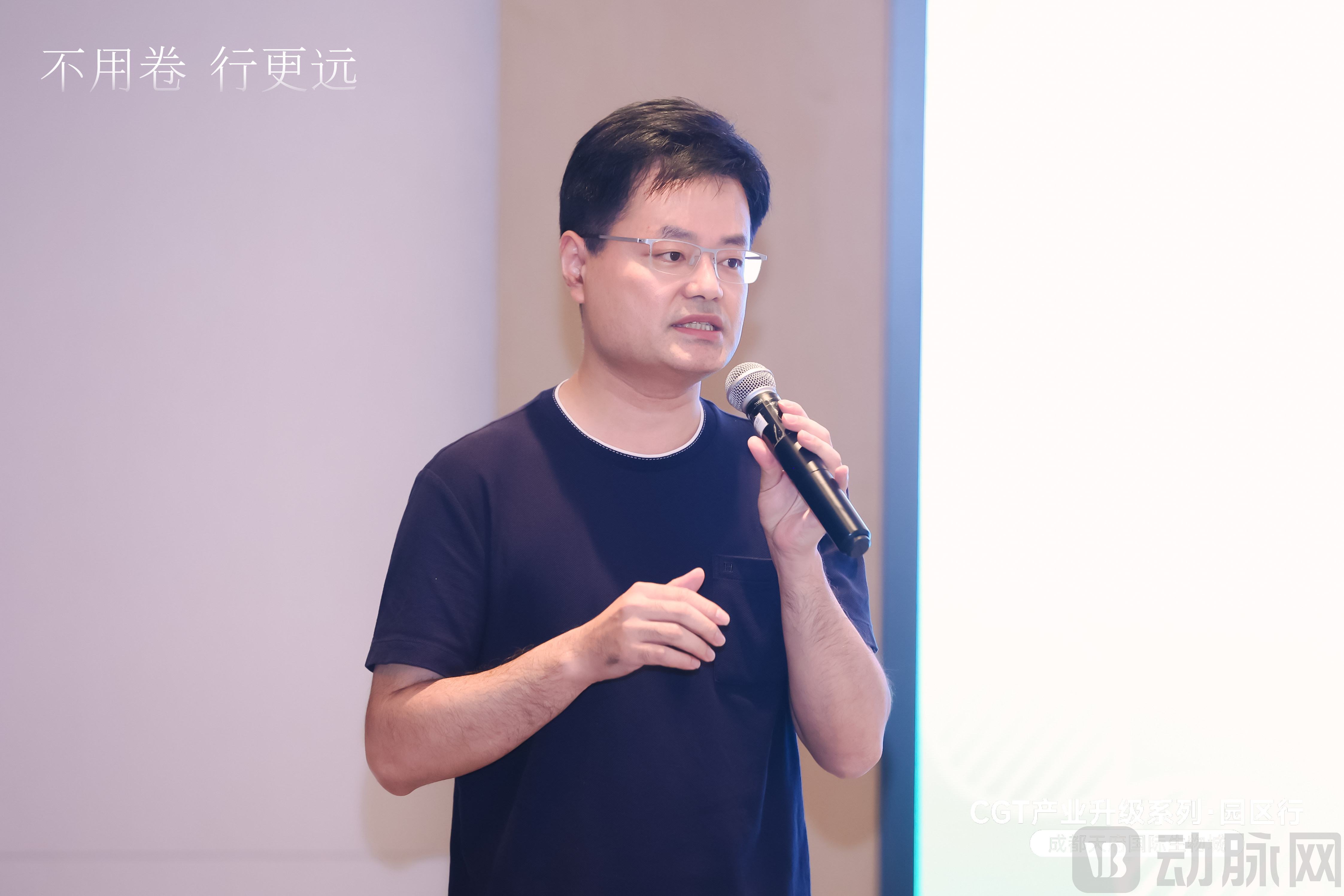
▲ Liu Dong | Editor-in-Chief, VCBeat
《Guide to Avoiding Pitfalls in CMC for Gene and Cell Therapies》
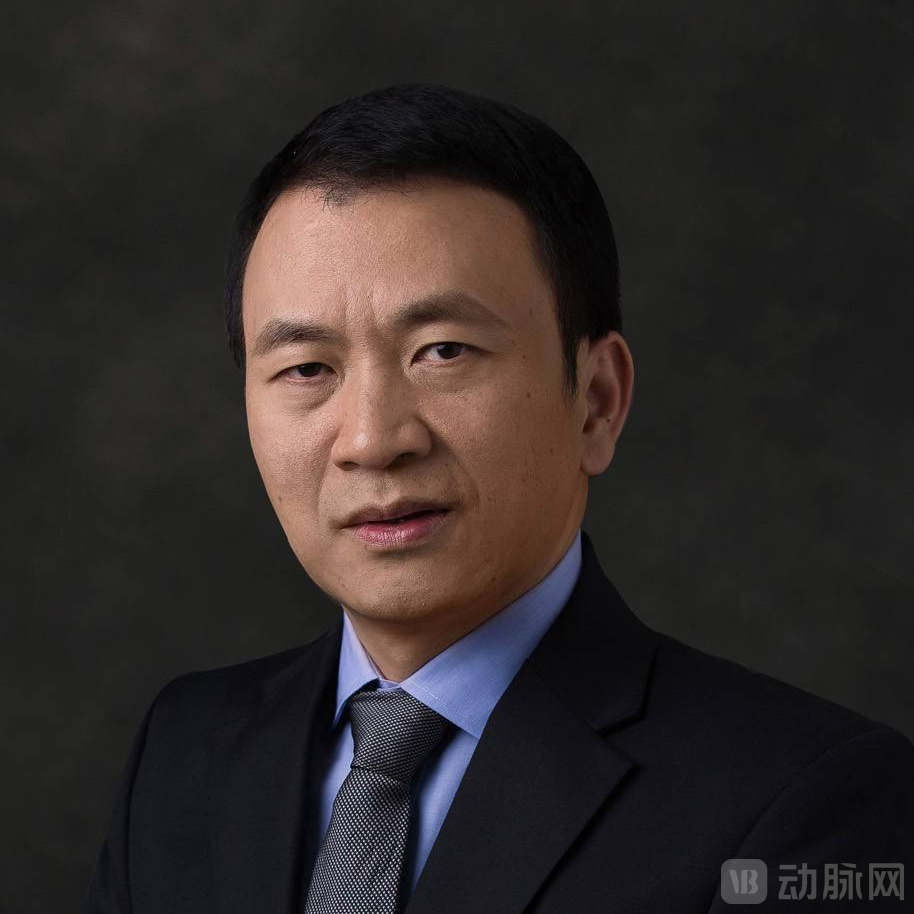
Wang Lijun | CEO, Xingcheng Biotechnology
Golden Quote: Establishing the QTPP: A journey of a thousand miles begins with a single step
Key Takeaways:An examination of the FDA’s historical approval processes for gene therapy products reveals that product authorization is rarely straightforward. For gene therapy products, if dose uncertainty arises during clinical trials, the FDA’s primary concern is safety, followed by efficacy. In this context, the importance of pharmaceutical development (CMC) is self-evident. Therefore, companies developing new drugs must first clearly define the Target Product Profile (QTPP) in advance. The QTPP provides a prospective summary of the drug product’s quality attributes from a theoretical standpoint, ensuring anticipated quality through the pre-emptive characterization of these attributes, while simultaneously addressing the product’s safety and efficacy. It offers an understanding of how to assure the quality, safety, and efficacy of a specific product for patient use.
Among these, the Quality Target Product Profile (QTPP) of rAAV-based gene drugs mainly includes two aspects: the first is drug attributes, i.e., attributes related to the physical description of the drug; the second is drug quality attributes, i.e., attributes particularly relevant to the drug’s safety, identification, content, purity, potency, or quality. Establishing the QTPP earlier and collecting early data related to drug attributes and drug quality attributes is crucial for the lifecycle management of gene therapy products.
Furthermore, CMC process optimization is an ongoing endeavor. Currently, the majority of gene therapy drug development pipelines utilize AAV vectors for delivery. Therefore, during viral vector production, companies should abandon outdated processes and continuously optimize and innovate both upstream and downstream processes. Meanwhile, by linking critical process parameters with critical quality attributes (CQAs), strengthening the technical foundation, and conducting robust quality studies, companies can improve the yield and quality of viral vectors, ultimately enabling the development of affordable gene therapies for the general public.
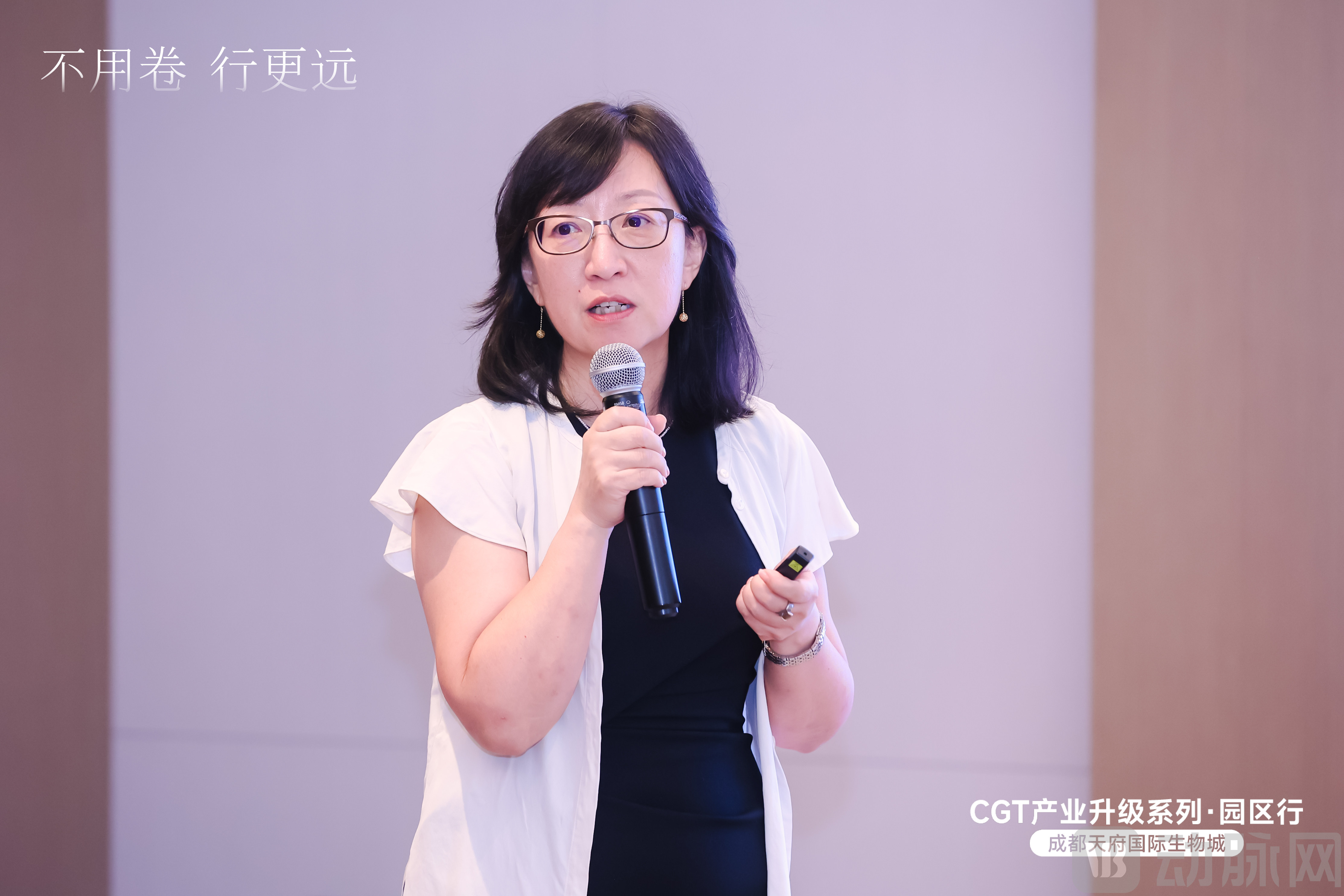
▲ Wang Lijun | CEO of Xingcheng Biotechnology
"Application of Yisheng Biotech's Novel PEI Transfection Reagent in Large-Scale AAV Production"
Yang Juan | Product Director, Pharmaceutical Line, Yeasen Biotechnology
Key Insight: Cost reduction and efficiency enhancement are a major trend in the future development of CGT drugs
Key Takeaways: Currently, polyethylenimine (PEI) is the most widely used transfection reagent in the large-scale production of adeno-associated virus (AAV). PEI is a commonly employed gene vector and transfection reagent, primarily used for transient transfection to express recombinant proteins or viral vectors. When cationic polymers are utilized for non-viral gene delivery, PEI is generally regarded as the “gold standard” due to its superior ability to induce transgene expression; however, low-molecular-weight (LMW) PEI still exhibits limitations in terms of cytotoxicity and biocompatibility. From the perspective of the overall AAV manufacturing process, AAV production continues to face challenges such as low transfection efficiency and high transfection costs.
To this end, Yeasen Biotechnology has independently developed a novel Ultra PEI-AAV transfection reagent, specifically designed for the scalable production of recombinant AAV in suspension 293 cell lines. Ultra PEI-AAV features three key advantages: First, higher AAV yields. It significantly boosts AAV production in suspension 293F cells for AAV2, AAV5, AAV8, and AAV9, while maintaining high transfection efficiency across different serotypes. Second, ease of process scale-up. The transfection complex volume is as low as 1%, with a stability window of up to 6 hours, facilitating large-scale manufacturing. Third, lower usage costs. Reducing the amounts of plasmid and transfection reagent by half has minimal impact on viral yield, effectively controlling and reducing the costs associated with large-scale production.
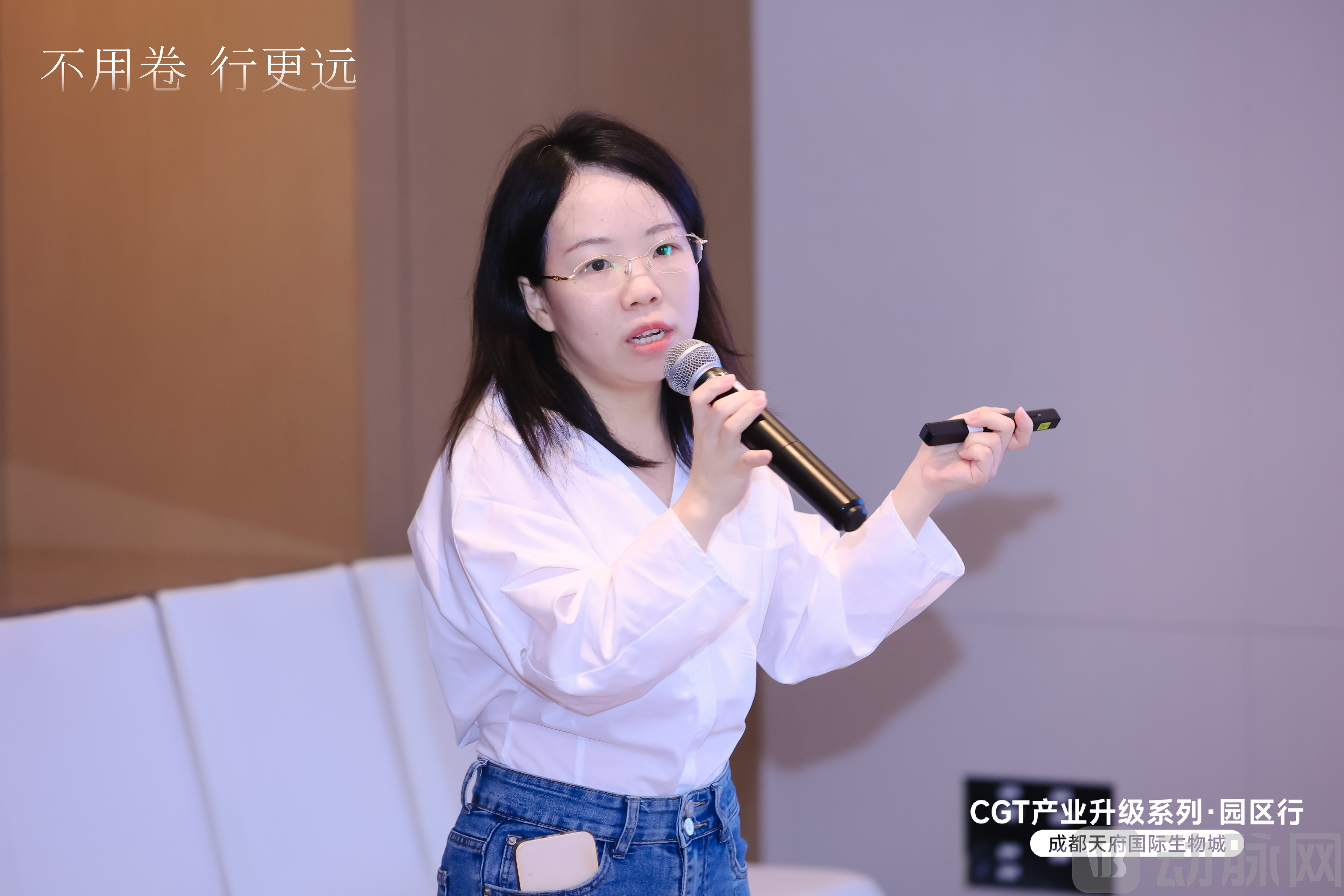
▲ Yang Juan | Product Director, Pharmaceutical Line, Yeasen Biotechnology
"Applications and Solutions of RNA in Cell Therapy"
Wu Xin | Founder & CEO, Levostar Bio
Key Insight: RNA Stability Is Key to the Efficacy of Cell Therapy
Key Takeaways: Since 2020, mRNA technology has been widely applied in areas such as infectious disease vaccines, tumor vaccines, veterinary vaccines, protein replacement therapy, gene therapy, and cell therapy. Among these, mRNA technology holds broad prospects for application in cell therapy. However, beyond the hype surrounding mRNA technology, it still faces numerous challenges in actual research and development and production, particularly in mRNA sequence design and delivery systems.
Currently, in mRNA plasmid production, the stability of the poly(A) tail and the proportion of plasmid monomers are significant factors contributing to mRNA plasmid heterogeneity, representing a key challenge in Chemistry, Manufacturing, and Controls (CMC). Furthermore, addressing the trade-off between process parameters such as temperature and copy number, and the stability and yield of mRNA drugs requires the development of more efficient and controllable large-scale manufacturing processes to establish optimal production conditions.
To address the issue of mRNA plasmid heterogeneity, there are currently two major strategic approaches. The first is an "acquired" solution, which involves developing personalized strategies for different Genes of Interest (GOIs). This approach primarily entails identifying suitable commercial bacterial strains through extensive screening, followed by the development and optimization of fermentation and purification processes to enhance plasmid quality. The second is an "innate" solution, which provides a unified strategy for different GOIs. By leveraging synthetic biology techniques to engineer plasmid and host strain components, this approach aims to prevent the generation of plasmid heterogeneity at its source.
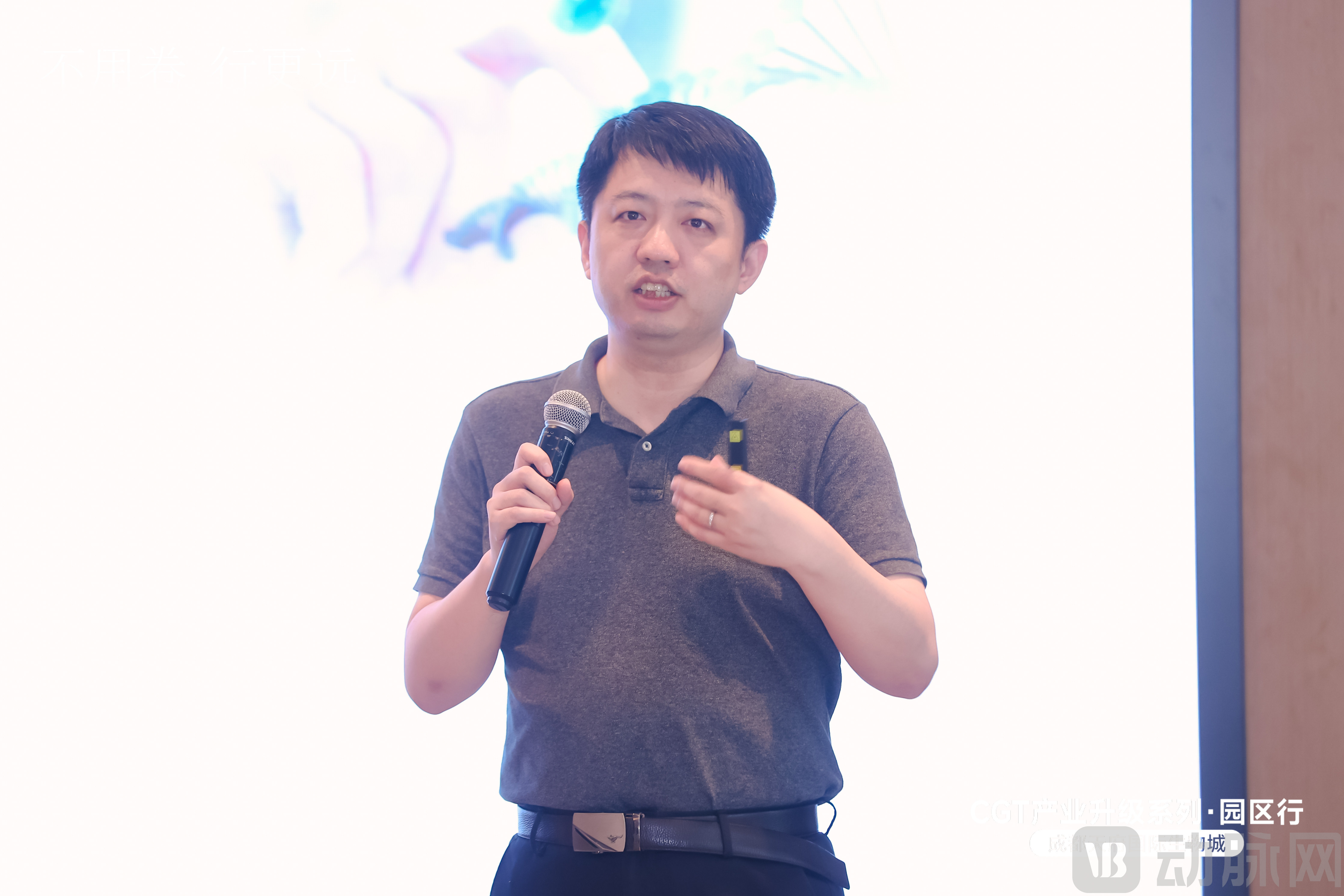
▲ Wu Xin | Founder & CEO of Levostar Bio
"Application of New Technologies in the Research and Development of Gene and Cell Therapy"
Xu Lingli | Danaher Life Sciences, Senior Marketing Technology Scientist
Quote: Innovating Product Technology to Empower Scientific and Industrial Progress
Key Highlights: The Danaher Life Sciences platform is dedicated to providing end-to-end solutions for gene and cell therapy products, spanning from research and development to characterization and quality control, thereby helping customers optimize research workflows and accelerate the development of analytical methods. Meanwhile, the Danaher Life Sciences platform continues to develop and launch new products and technologies, such as IDT’s CRISPR Type V nuclease Eureca-V, Beckman Coulter Life Sciences’ CytoFLEX nano flow cytometer, Phenomenenex’s Biozen dSEC-7 chromatography column, and Leica Microsystems’ Viventis LS Live light-sheet microscope, continuously empowering scientific and industrial progress.
Eureca-V nuclease, developed based on wild-type MAD7, features a PAM domain YTTN (preferring YTTV and compatible with TTTN) that targets T-rich regions. It enables cleavage of target DNA sequences using a single crRNA, generating staggered double-strand breaks with 5' overhangs, making it more suitable for knock-in applications. Eureca-V will further streamline customers' clinical translation processes, providing a more cost-effective alternative. The CytoFLEX nano is a flow cytometer specifically designed for the detection of nanoscale particles such as extracellular vesicles, liposomes, and viruses. Equipped with six fluorescence channels and five side scatter light channels, it achieves precise subpopulation analysis of small particles. The Biozen dSEC-7 chromatography column can be used for detecting aggregates in AAV and mRNA, offering new approaches to address characterization challenges in gene and cell therapy. The Viventis LS Live light-sheet microscope employs dual-objective detection and multi-group light-sheet imaging, leveraging deep volumetric imaging technology to trace spatiotemporal changes as life systems develop from single cells into tissues or organisms.
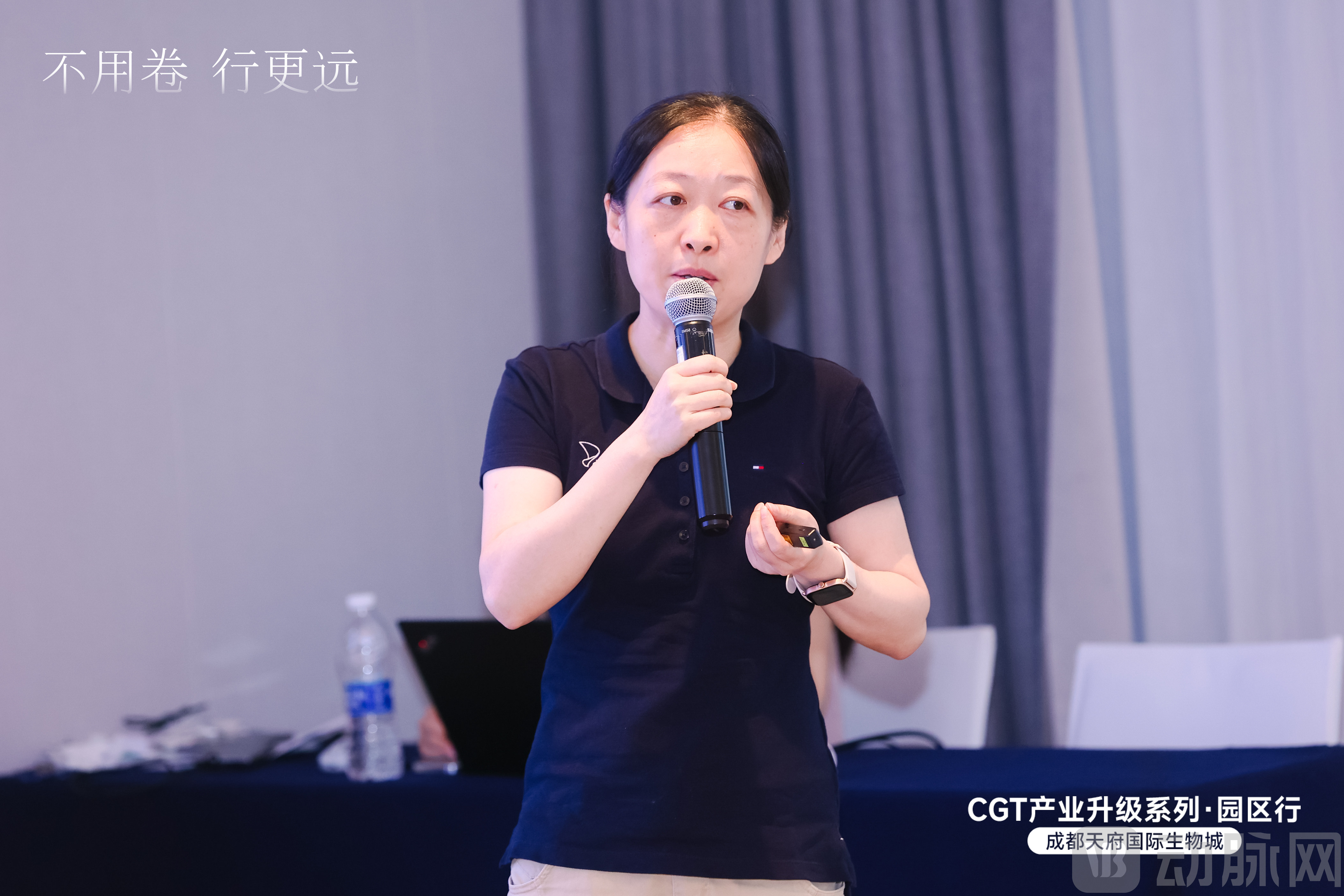
▲ Xu Lingli | Senior Marketing Technology Scientist, Danaher Life Sciences
【Panel 1】How to Support CGT Projects
From Preclinical to Key Milestones: Stable, Fast, and Cost-Effective?
In the Panel 1 session of this event, hosted byDr. Xiao LiuHost,Wang Lijun, CEO of Xingcheng Biotechnology; Yuan Jun, Vice President and CTO of Kangsheng Biotechnology; Huang Rui, Executive President of VectorBuilder; Wu Xin, Founder & CEO of Levostar Bio; Yin Shigang, Chairman of Sichuan Zhisaiyuanji“How to Help CGT Projects Move from Preclinical Stages to Key Milestones in a Stable, Fast, and Cost-Effective Manner?”
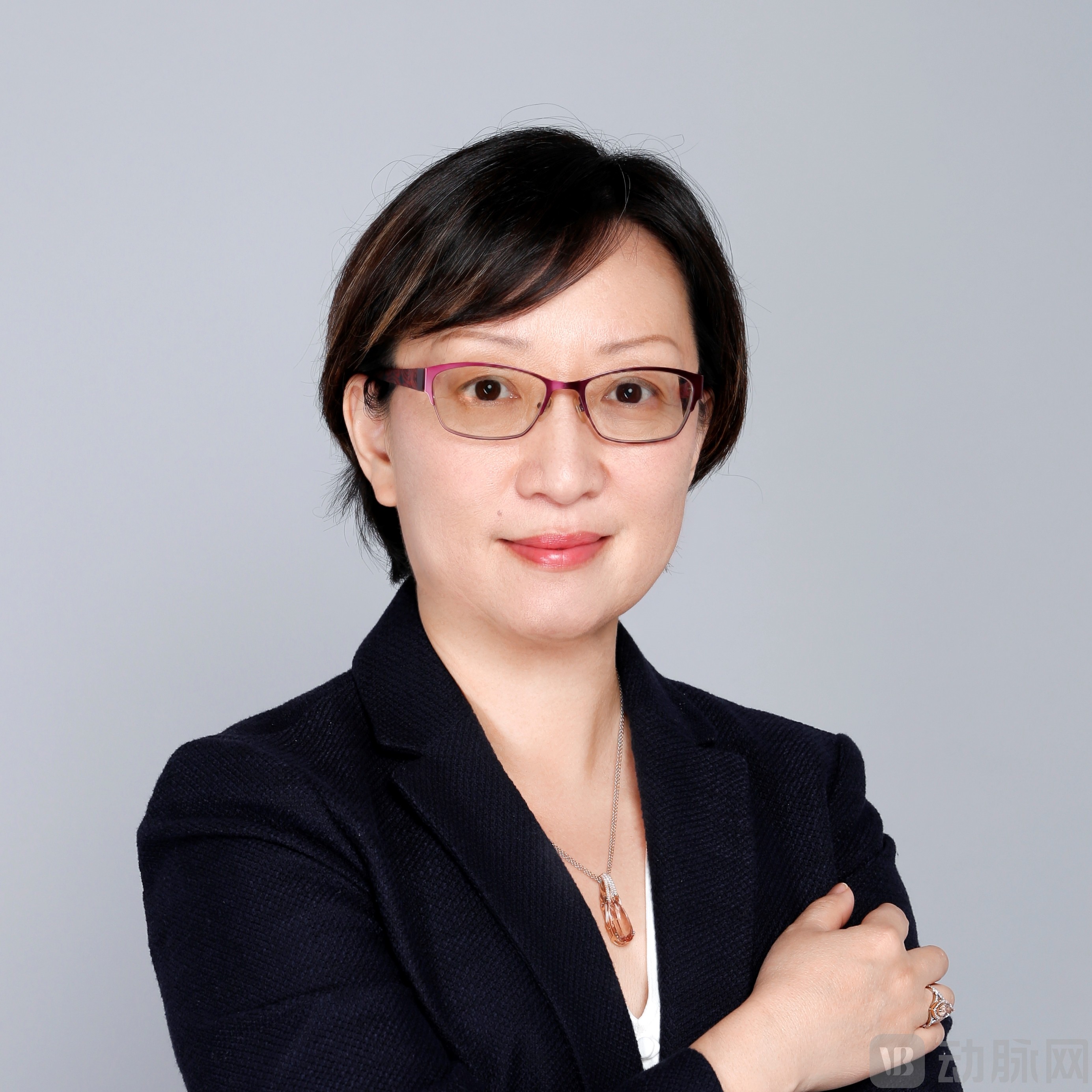
CDMO services are not merely a simple manufacturing process; the development of a new drug requires numerous critical early-stage decisions. As the service provider, one must adopt a “drug developer” mindset, delivering “stable” and reliable services to clients. This involves helping clients make sound early-stage decisions, establishing a solid foundation for Chemistry, Manufacturing, and Controls (CMC), and ensuring consistent, high-quality outcomes that will ultimately yield successful results. Most importantly, it is about “Promise and deliver.” Service providers must stand in their clients’ shoes and spare no effort to help them avoid potential pitfalls.
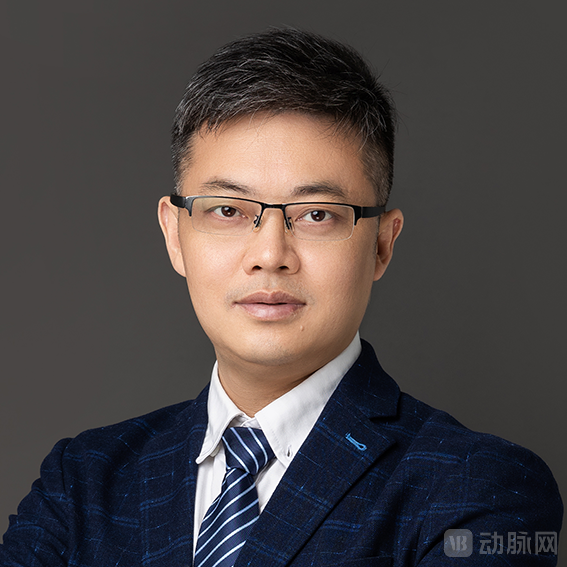
Currently, the licensing costs for cell lines constitute a significant portion of expenses during the early development stage of biopharmaceutical companies. Furthermore, amidst declining drug prices, an increase in sales volume does not necessarily translate into higher profits. In this context, cost efficiency has become crucial for client companies. Kangsheng Biotechnology specializes in the research and manufacturing of cell lines and cell culture media, providing clients with critical raw materials and technical services. The cell lines offered by Kangsheng Biotechnology feature two key advantages: clear traceability and well-defined commercial licensing terms, which help enterprises reduce unnecessary costs. We aim to establish long-term partnerships with our clients to jointly promote the development of the industry.
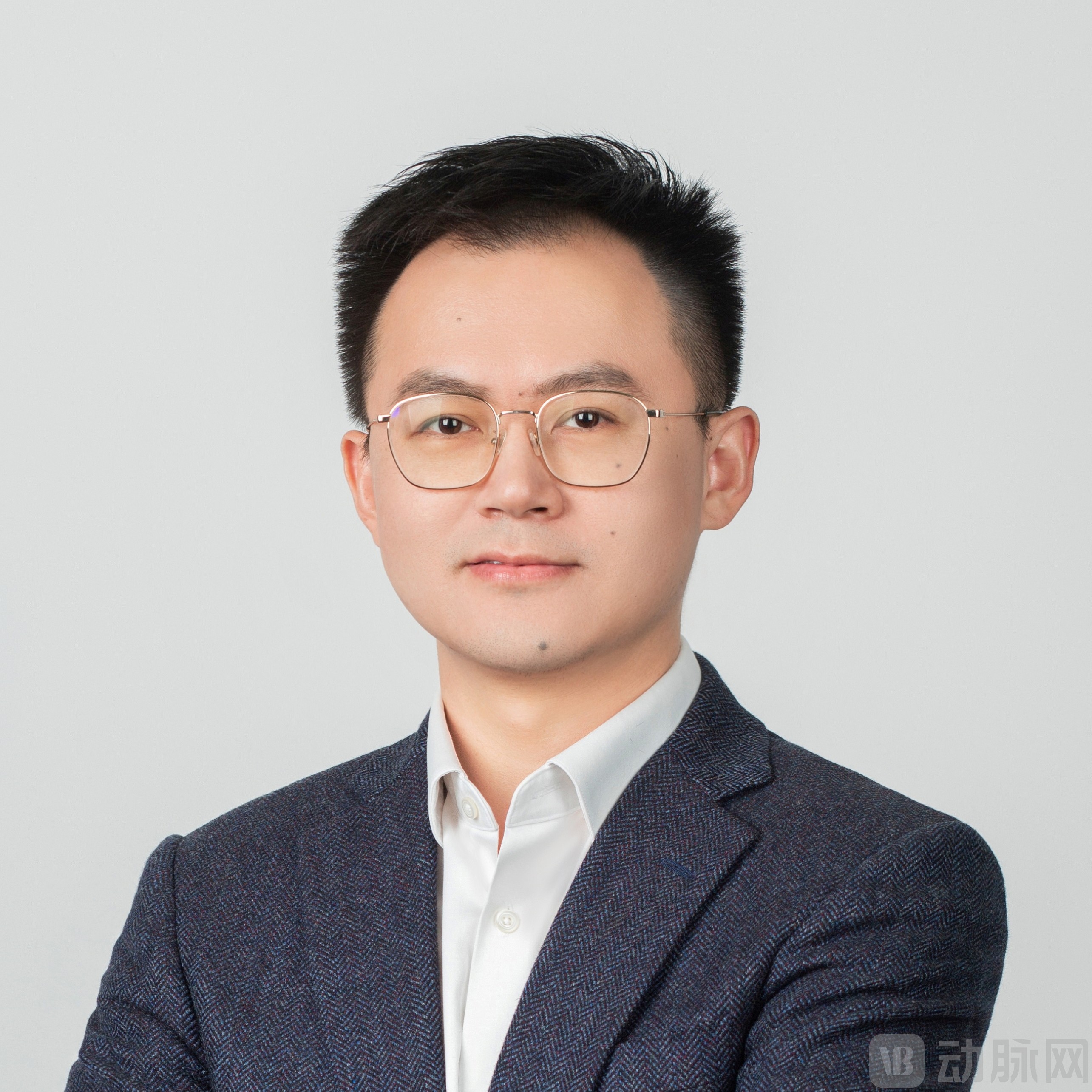
GeneVector Biologics aims to provide Party A clients with comprehensive technical solutions spanning from CRO to CDMO, thereby meeting their more holistic needs. In response to the current surge in global expansion and business development (BD), GeneVector is also exploring new business avenues to offer clients services that are more reliable, cost-effective, and robust, including facilitating connections with overseas partners. Meanwhile, we seek to collaborate closely with Party A enterprises, fostering positive interactions to jointly accumulate greater expertise in late-stage new drug development services. Under this framework, GeneVector strives to deliver optimal solutions and premier services to each Party A client, truly empowering the transition of novel drugs from early-stage development through late-stage clinical trials and onto the global stage.
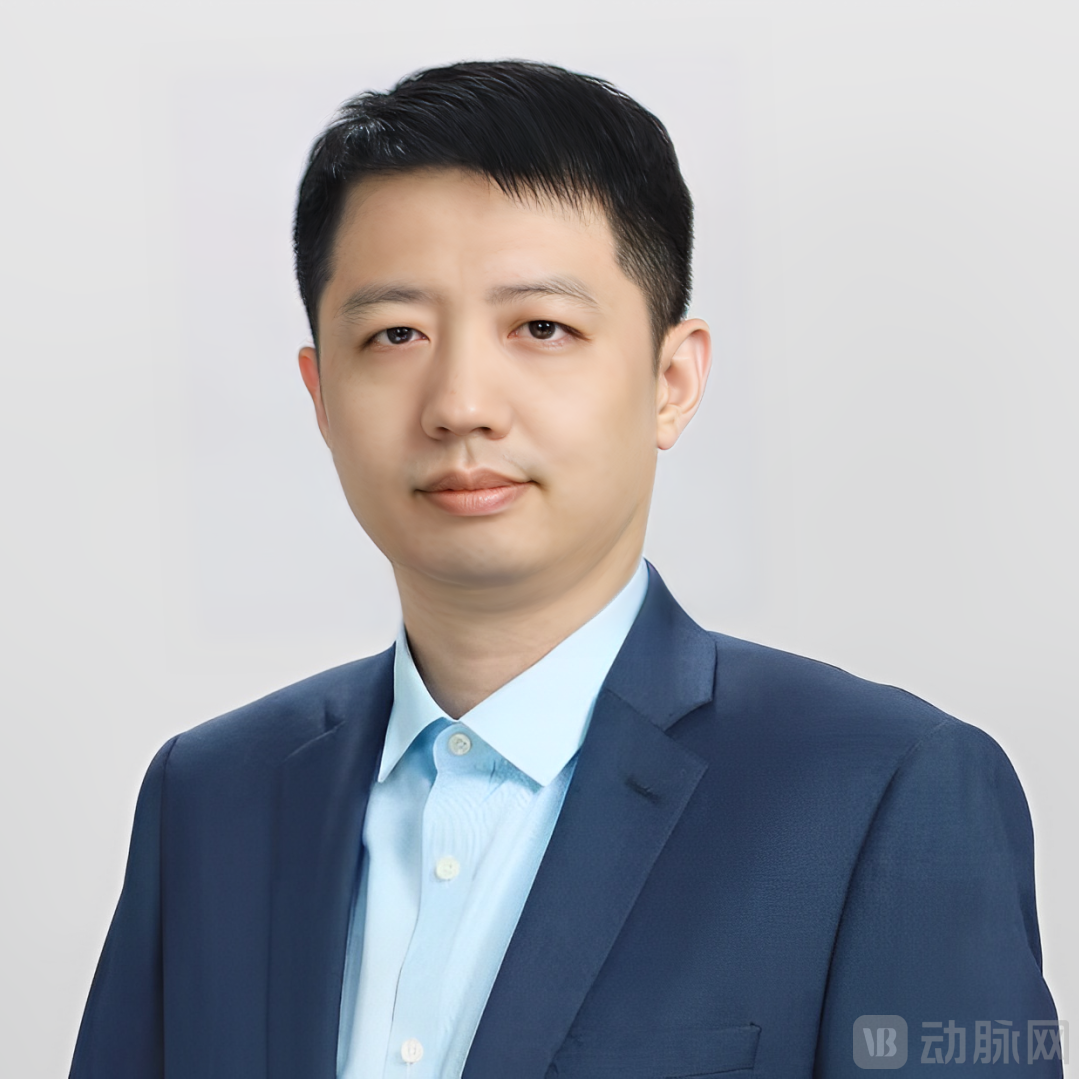
In recent years, many companies have pursued speed at the expense of early-stage product quality. Zuoxuanxing Biology aims to provide distinctive services to client enterprises and the industry as a whole, while identifying future customer needs to develop and deliver tailored solutions that truly address those needs—this is also our corporate development goal. Meanwhile, we seek to collaborate with more partners to establish domestic and international channels and jointly launch additional products and services, thereby helping client enterprises steadily advance their product development.
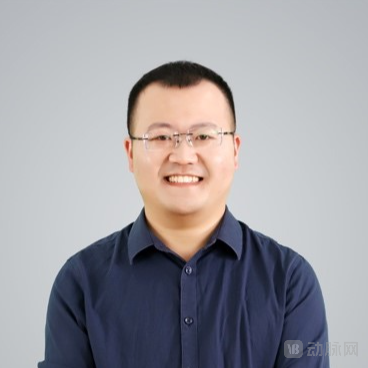
I believe that focusing on our core competencies can help cell and gene therapy (CGT) companies, as well as the entire industry, advance new drug development. Cutthroat competition has no bottom line; only when upstream enterprises stabilize and optimize their products and technologies can they drive progress in downstream processes and product development. Furthermore, clients and service providers should align their objectives and clarify quantifiable metrics for both parties. By meeting client needs and leveraging their feedback, service providers can continuously expand the boundaries of upstream product offerings, ultimately achieving a win-win outcome. As a supply chain enterprise, Zhisai Yuanji remains committed to controlling the development and supply of upstream raw materials and providing high-quality services to downstream clients, thereby better facilitating downstream R&D and ultimately achieving genuine domestic substitution of raw materials.
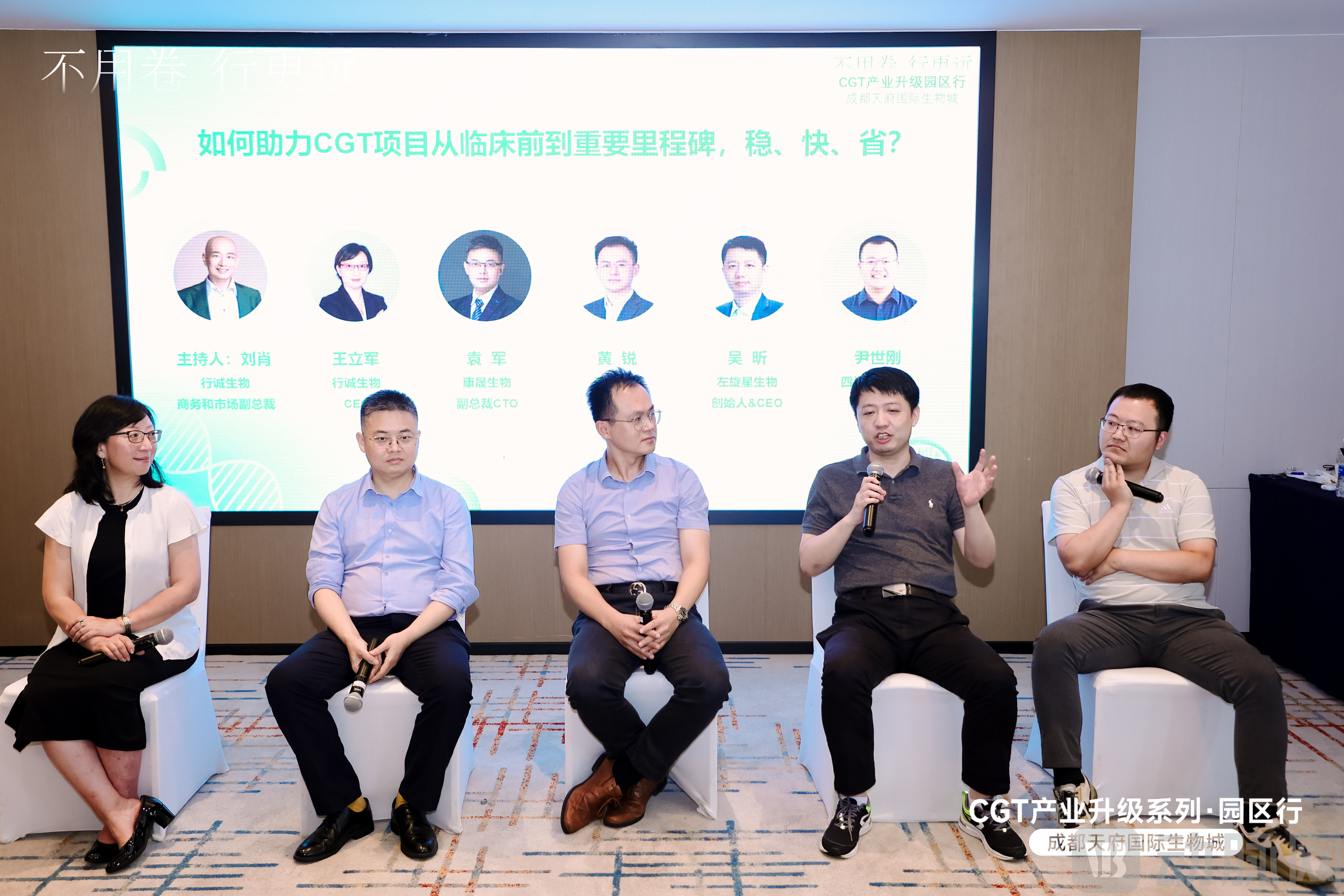
▲Panel 1 — How to Support CGT Projects
From Preclinical to Key Milestones: Stable, Fast, and Cost-Effective?
【Panel 2 】Under the New Situation,
How Can CGT Companies Effectively Pursue “Financing and Business Development”?
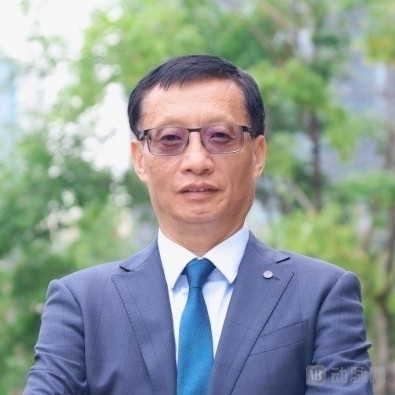
During the Panel 2 session, led byZou Xi, Investment Director at Legend Capital, and Wu Chao, General Manager of VCBeat New MedicineCo-chaired the session with attending guests on the topic of “How Can CGT Companies Effectively Pursue ‘Financing and Business Development’ in the New Landscape?”Song Xu, Founder of Lingtaike Biotechnology; Zhang Zhixin, Chairman of Yi'anbo Biotechnology; Chen Lijing, Deputy General Manager of Jinweike Biotechnology; Jiang Zhenggang, Partner/VP/Head of Strategic Center at Yimufeng Biotechnology; Yao Zhe, Director of Public Affairs at Usenobio; Han Yuechen, Head of AstraZeneca Chengdu iCampus; Li Kechun, Partner at Yuansheng Venture Capital; Ling Yan, Managing Partner for West China at Deloitte’s IPO Services; Liu Xiao, Vice President of Business and Marketing at Xingcheng BiotechnologyShared diverse perspectives and in-depth insights.
As the market returns to its fundamentals and the entrepreneurial landscape shifts, confidence is more valuable than gold, and hope will always remain. Today, companies that can secure financing and survive all possess distinct strengths; enterprises should maintain confidence in their development. However, early-stage companies cannot rely solely on fundraising to survive; they must devise strategies for sustainability, such as leveraging their core competencies to offer additional services or products, thereby generating internal revenue to navigate through difficult cycles. Cell and Gene Therapy (CGT) represents a key direction for future development. It is hoped that companies will remain committed to delivering high quality and superior service, providing novel solutions to the industry. I am confident that the CGT sector will ultimately achieve success.

AstraZeneca has been committed to advancing business development (BD) and global expansion initiatives. This November, AstraZeneca will participate in the 2024 Global MedBiotech Summit in Riyadh, Saudi Arabia, and has invited external partners to join, with gene therapy and cell therapy as key focus areas. As part of the side events associated with the summit, AstraZeneca will further organize local market exploration activities in Saudi Arabia, inviting Chinese enterprises to participate jointly in promoting regional innovation cooperation and coordinated innovative development.

In the first half of this year, the industry remained somewhat disappointed with the overall IPO environment, perceiving that both the A-share and Hong Kong stock markets were on a downward trend. However, data indicates that A-shares and Hong Kong stocks each demonstrated distinct advantages during this period. On one hand, companies listing on the A-share market achieved 100% oversubscription, with all these heavily oversubscribed deals exceeding 100 times subscription. On the other hand, regarding the number of new listings in the Hong Kong market, there were 13 IPOs in the first half of the year, raising a total of HK$5.9 billion, a 13% increase year-on-year. Among these, two were biotechnology companies without profits or revenue. Therefore, from the perspective of the overall environment and ecosystem for listings in Hong Kong, such enterprises are highly welcomed to go public.
I believe that now is a favorable time for certain companies to pursue financing in the Hong Kong stock market, driven by U.S. interest rate cuts, the return of international capital, and supportive policies both domestically and externally affecting Hong Kong-listed stocks. Meanwhile, we should not overlook the A-share market. For cell and gene therapy (CGT) companies, listing on the A-share market presents a significant challenge—namely, pre-IPO valuation. If these companies can secure investor favor before initiating their IPO process, their prospects for listing on the STAR Market look promising. As for Deloitte, we remain optimistic about the recovery of secondary market financing in the second half of the year for both the STAR Market and Chapter 18A of the Hong Kong Stock Exchange.
Judging from financing and investment data and market performance, the CGT industry is gradually recovering. Although there is still a certain “chill,” the development of CGT remains positive. Looking back at China’s economic development, it has become the world’s second-largest economy, with manufacturing undergoing earth-shaking changes. Therefore, we have every reason to believe that the future of China’s cell and gene therapy industry is bright.
With the continuous development of various novel drugs, multinational corporations (MNCs) and biotech companies are seeking more effective delivery tools. Lingtaike Bio is dedicated to the research and development of innovative lncRNA-based nucleic acid therapeutics. The company has established a nucleic acid drug stability platform and an extrahepatic targeted delivery platform, both with full independent intellectual property rights. We aim to empower enterprise growth through our globally leading lncRNA technology, helping companies overcome delivery challenges and accelerate the development of innovative therapies.
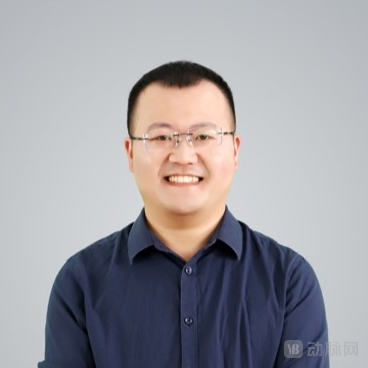
Currently, the prohibitively high costs of cell and gene therapies limit their widespread application and accessibility. Many patients cannot afford these expensive treatments, thereby losing access to effective therapeutic options. In the future, stakeholders across the entire industry chain, including R&D enterprises and hospitals, can collaborate to reduce the cost of cell and gene therapies. For instance, R&D companies could produce lentiviral or adeno-associated virus (AAV) vectors according to unified standards, which would then be handed over to hospitals and other institutions for cell culture. This approach would significantly cut costs and enable the development of truly patient-benefiting products.
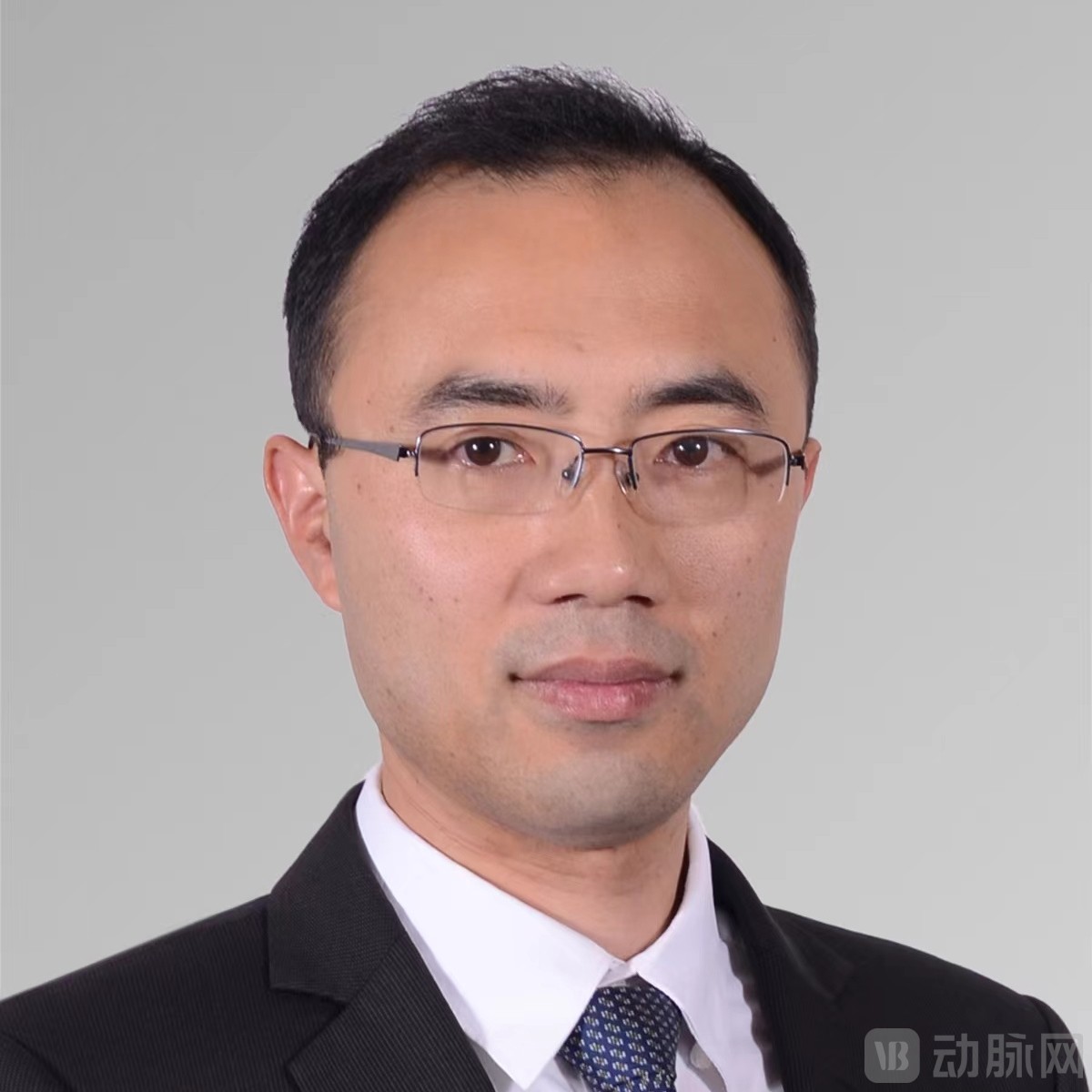
YiMuFeng Bio is an innovative enterprise that leverages its immune cell therapy technology platform, combined with clinical innovation strategies, to develop novel therapeutics for solid tumors. Its independently developed autologous CAR-T cell injection product targeting CLDN18.2 is currently in Phase I clinical trials. The company is also engaged in business development (BD) negotiations with partners, including multinational corporations (MNCs). It is expected that by the end of this year, the completion of Phase I clinical trials will yield additional clinical data, thereby facilitating further advancement of collaborative partnerships.
In addition, we are exploring a wider range of collaborative models. For instance, we recently completed a license-out deal to advance regional partnerships. Through these regional collaborations, the company will also gain access to overseas human subject data. Meanwhile, the inclusion of such international data in business development (BD) transactions may further facilitate partnerships with multinational corporations (MNCs).

In business development (BD) transactions, multinational corporations (MNCs) tend to place greater emphasis on clinical data for candidate products targeting "fast-follow" indications. Given that most cell and gene therapy (CGT) companies are currently conducting investigator-initiated trials (IITs), IIT data alone has become insufficient to validate a company’s technological capabilities. MNCs now expect companies to provide Phase I, or even Phase II, clinical trial data to enhance credibility. Furthermore, when a company’s pipeline focuses on fast-follow indications, MNCs look for additional advantages and highlights to demonstrate how the product differentiates itself from competitors. In this context, the importance of “building a solid foundation and strengthening core competencies” is further underscored. Early-stage drug design and chemistry, manufacturing, and controls (CMC) process development are decisive factors influencing whether a company’s candidate product can successfully advance through development and achieve market approval.
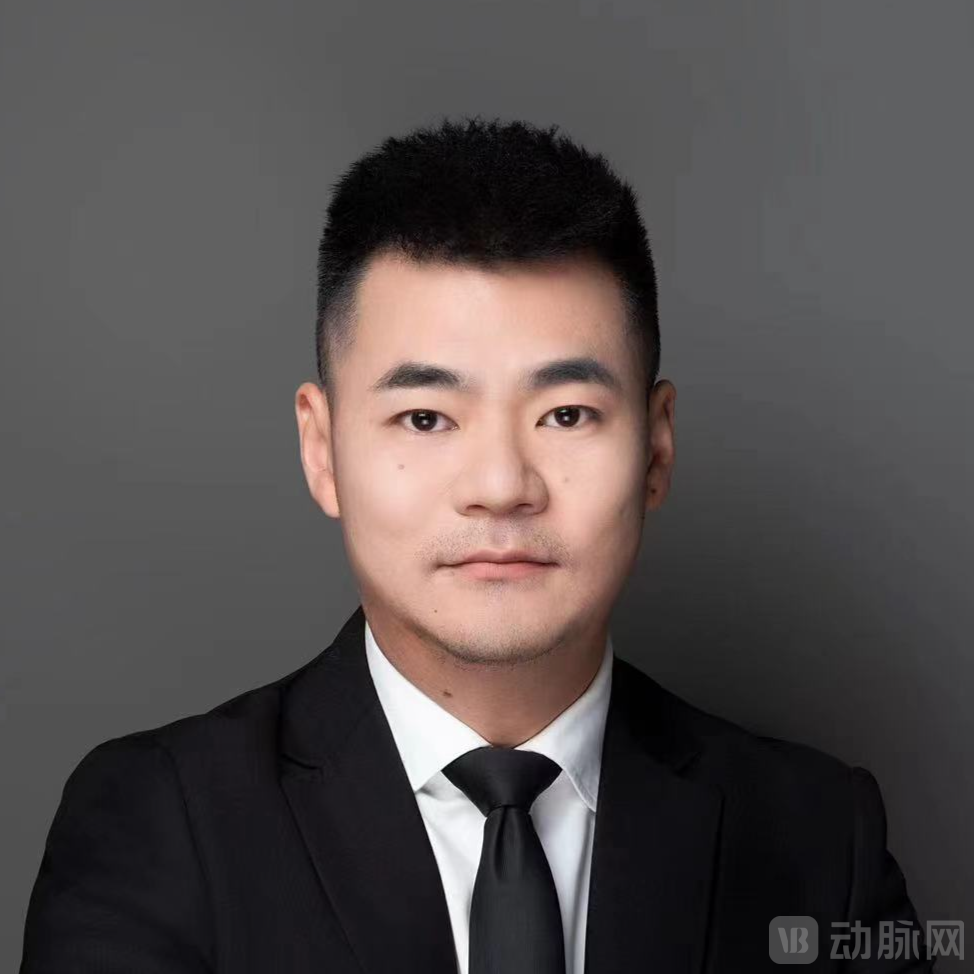
For CGT companies, enhancing product accessibility is of paramount importance. Useano focuses on the research, development, and manufacturing of allogeneic universal CAR-T cell therapy drugs.
In terms of business development (BD), overseas clinical data serves as another critical asset for companies in BD transactions. In this regard, Ucella’s strategy involves importing umbilical cord blood hematopoietic stem cells for the research and development of cell therapy drugs. This approach eliminates the need to establish manufacturing facilities abroad for subsequent R&D activities, thereby reducing R&D and operational costs while achieving the goal of “domestic production with overseas clinical trials.”
Furthermore, although the CGT industry is currently recovering, companies must still make adequate preparations to weather the most challenging period. First, companies cannot rely solely on financing for survival; they need to explore diverse funding channels, such as government financial support and bond financing. In addition, companies should leverage their other “monetization capabilities,” such as utilizing their competitive advantages to develop new products or technologies, thereby cultivating a second growth curve.
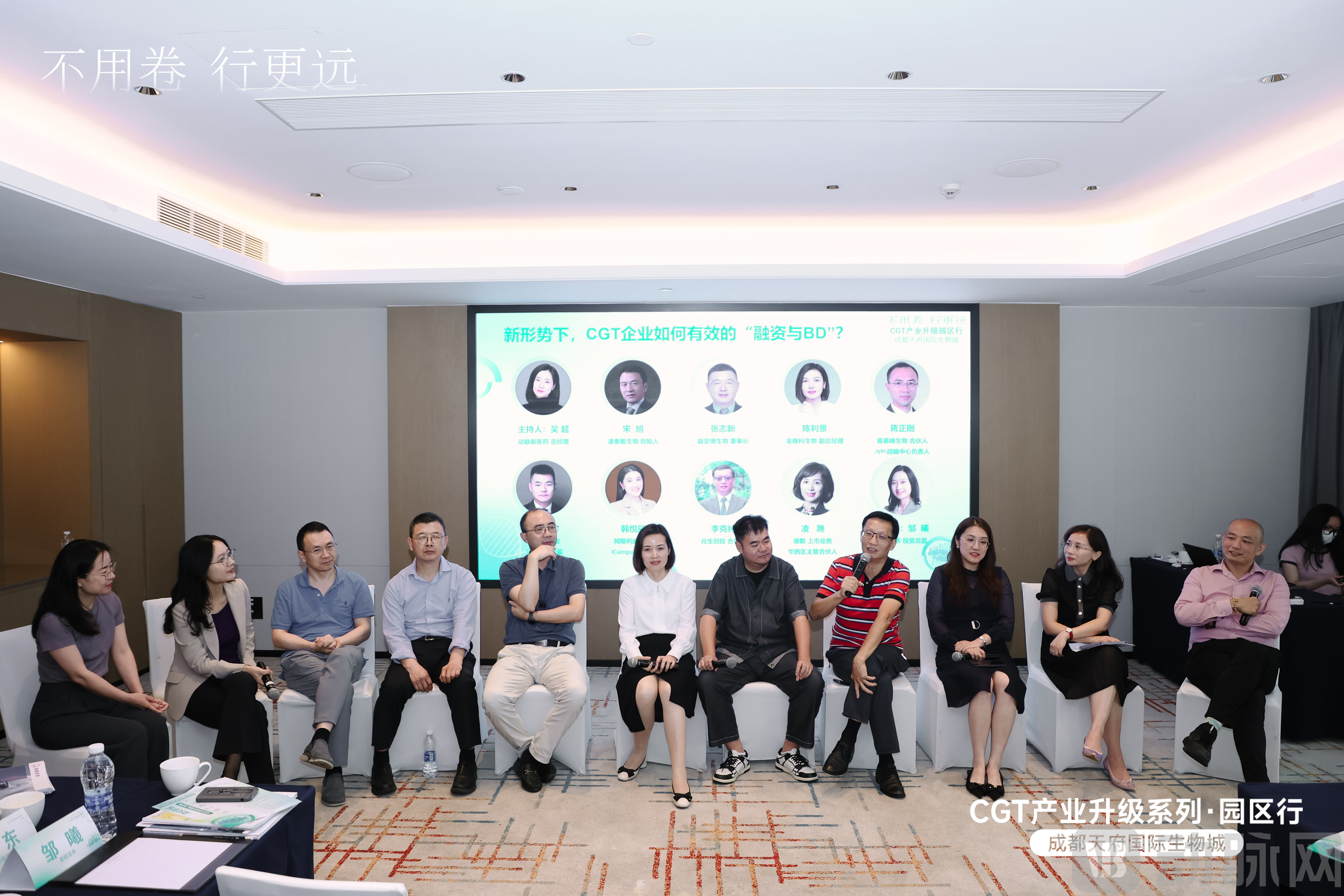
▲Panel 2 — How Can CGT Companies Effectively Pursue Financing and Business Development in the New Landscape?
Thus, “[No Need for the Rat Race, Go Further] CGT Industry Upgrade Series · Park Tour Stop 9Successfully Concluded! The event facilitated greater interconnectivity, resource sharing, and in-depth collaboration among enterprises. VCBeat New Medicine will continue to collaborate with industry chain partners to host a series of events. Please stay tuned. We look forward to seeing you again at future events as we work together to go further!
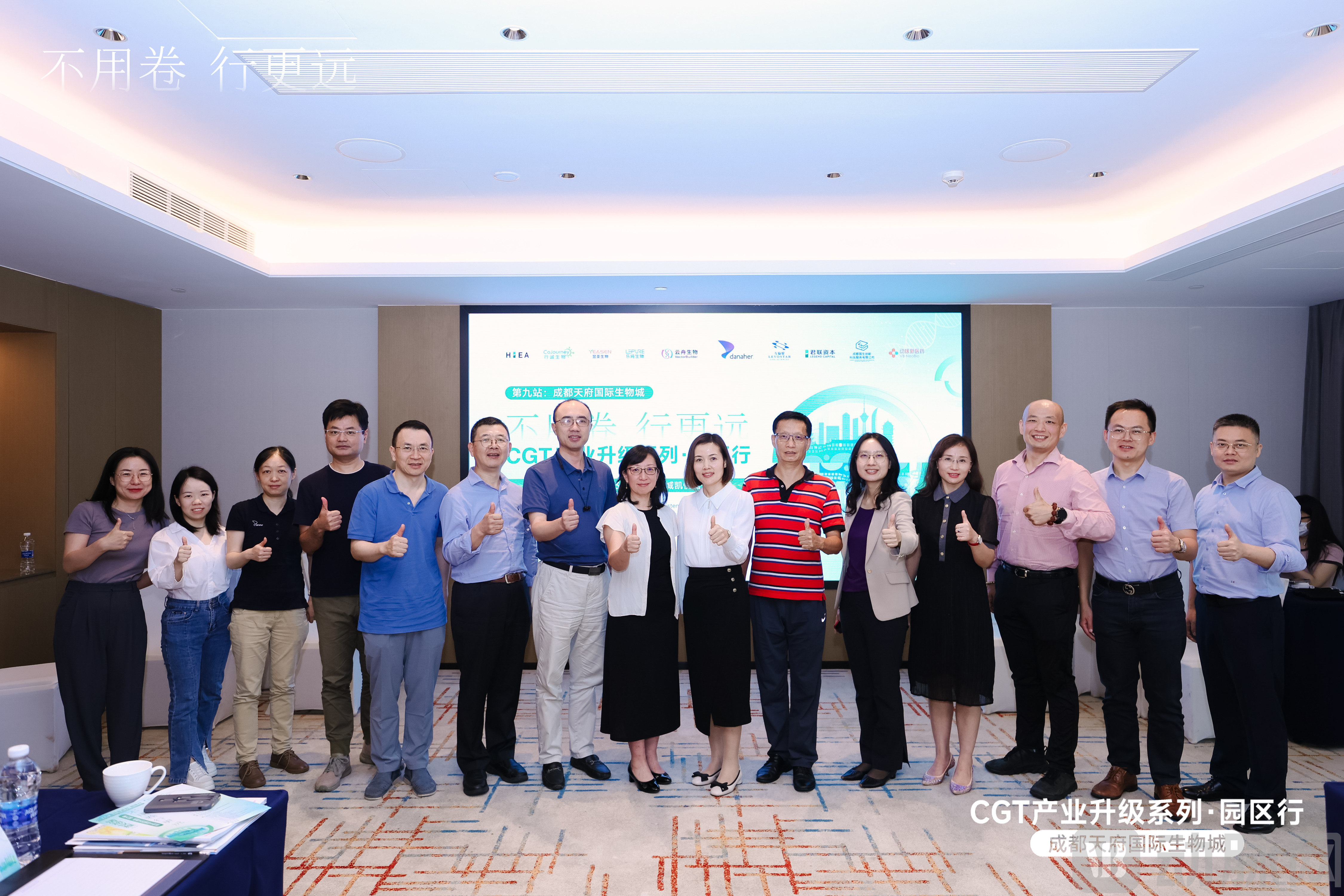
▲ Group Photo of Guests
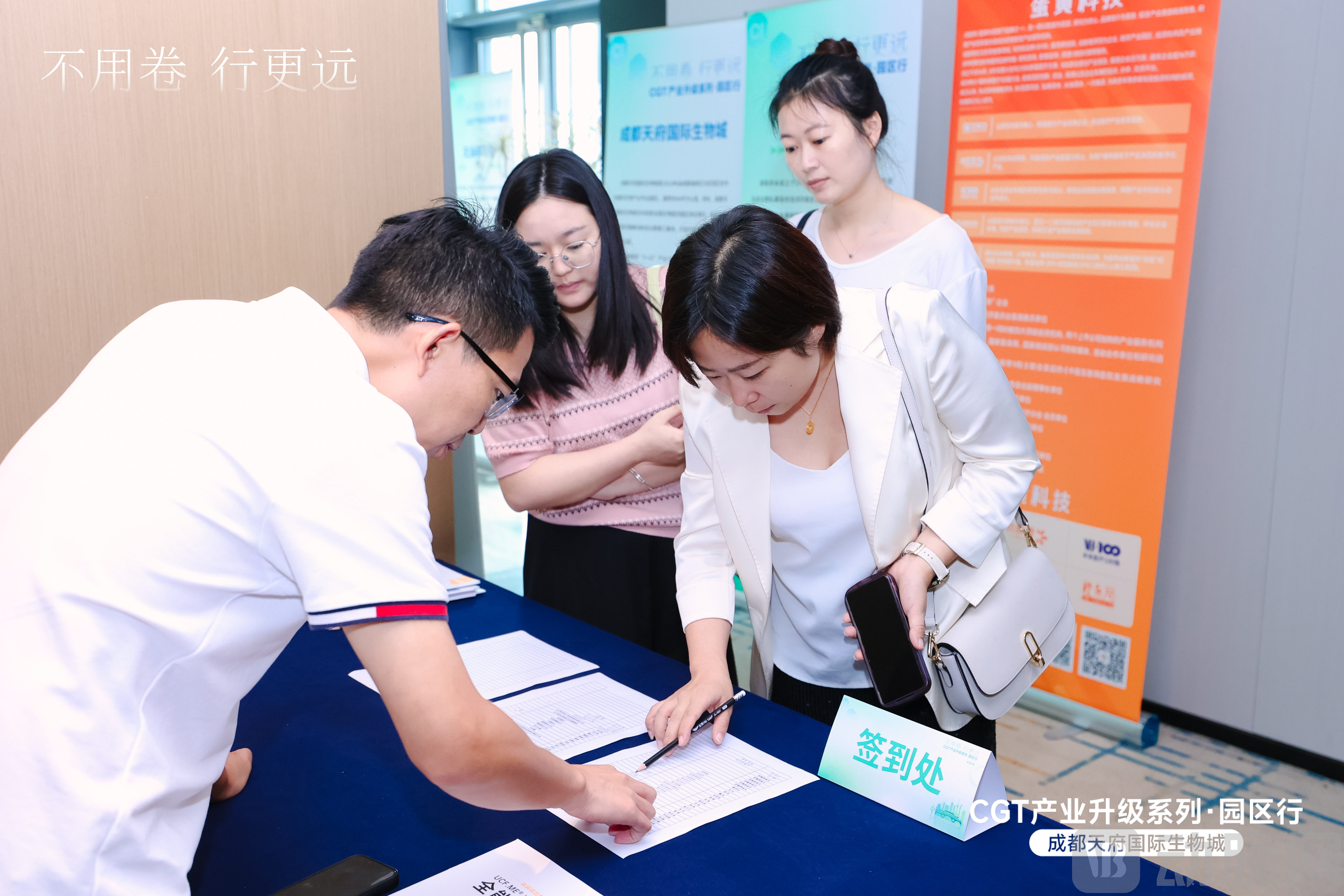
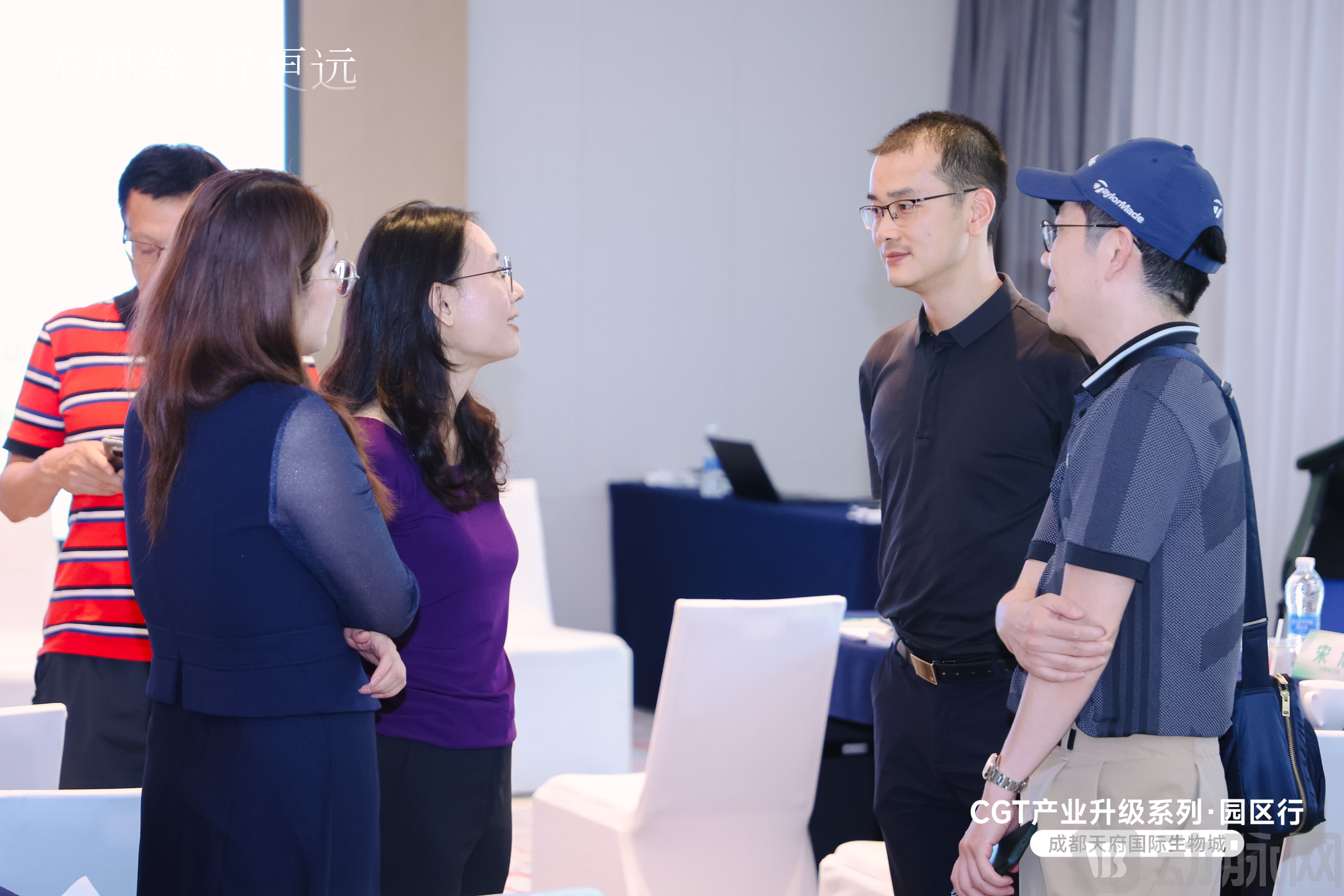
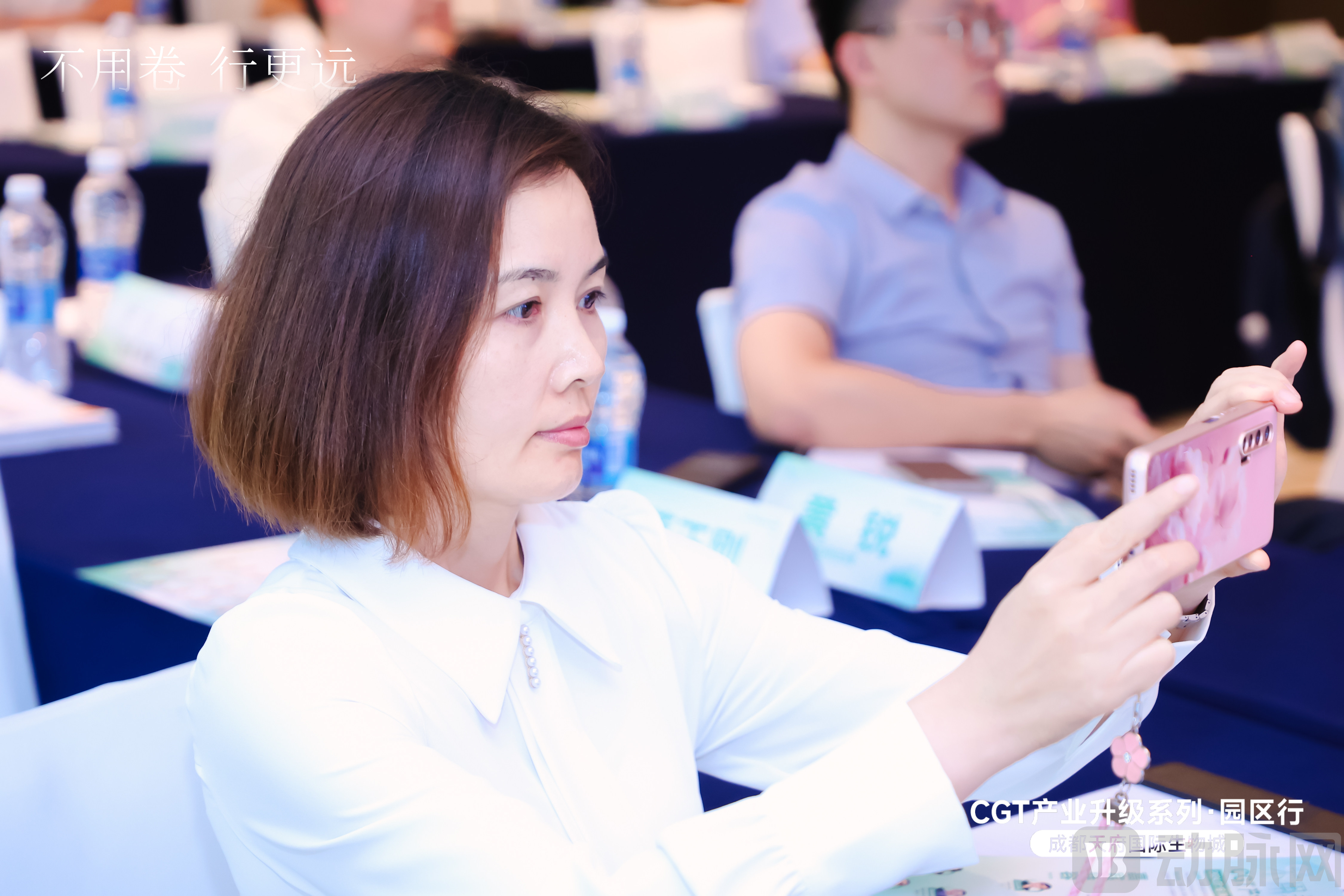

▲ Highlights
Previous Reviews
About VCBeat Medicine
Artery New Medicine is a media and research platform under VCBeat that focuses on the biopharmaceutical sector. It provides “in-depth” and “incremental” communication value to innovators and entrepreneurs through two dimensions: content and operations. In terms of content, it primarily features exclusive financing announcements, corporate interviews, the “Drug Developers” column, in-depth industry analyses, and sector reports. On the operations front, its branded program “VB Think Tank” focuses on practical issues and discusses industrial trends, fostering actual collaborations through the exchange of ideas.
Special Topic Achievements: [CGT】【IPO-Financial Report Analysis】【iPSC】【Radiopharmaceuticals】【Protein Degraders】【Upstream Tools】【Synthetic Biology】【Organoids】【VB Think Tank] etc.