

Exclusive Interview with Dr. Yong Wang of CAS Institute of Plant Physiology and Ecology: How China's Bio-manufacturing Industry Can Break Through Tradition and Upgrade to New Quality Productive Forces
With the birth of the first artificially synthesized cell, “Synthia,” in 2010, synthetic biology came to be regarded as the key to unlocking the “future world,” bringing scenes from science fiction films closer to reality. Subsequently, the disruptive technological potential of synthetic biology emerged from obscurity into the public spotlight. In the decades since 2010, synthetic biology has gradually converged with global industries at a historical juncture, serving as a critical technological pillar that has propelled the biomanufacturing industry to the forefront of global scientific and industrial competition.
Biomanufacturing is considered to have the potential to lead the “Fourth Industrial Revolution,” with a market size reaching the trillion-dollar level, making it a focal point of competition among countries worldwide. China has also listed biomanufacturing as a strategic emerging industry for priority development, serving as one of the important means to enhance new-quality productive forces. The Guiding Opinions on Accelerating the Green Development of Manufacturing, issued by the Ministry of Industry and Information Technology and six other departments, specifically mentions the need to focus on fields such as light-industry fermentation, pharmaceuticals, chemicals, agriculture, and food, and to establish a technological system for the creation of core microbial strains and key enzymes in biomanufacturing.
The Three Pillars of Biomanufacturing
However, in Wang Yong’s view, “biomanufacturing is essentially driven by three key pillars. First, high-quality microbial strains are essential, but they alone are insufficient. Much like crop cultivation requires not only good seeds but also fertile soil, a favorable growing environment, and advanced techniques, biomanufacturing equally depends on the indispensable triad of high-quality strains, premium raw materials, and high-performance bioreactors. These three elements form the foundation of robust bioprocesses, and any deficiency in one area will compromise the final implementation outcomes.”
Wang Yong believes that the currently booming field of synthetic biology provides the latest tools for strain engineering, but this is merely one approach among many, not the sole solution. In the realm of industrial biotechnology, strain breeding is a complex engineering endeavor. While some strains can be rationally engineered, many others present significant challenges even for basic genetic manipulation. Whether new or traditional, these methods are simply tools within a toolbox. The development of high-yielding strains is a long-term undertaking that requires the combined application of diverse strategies and methods, along with sustained investment over time. However, obtaining a superior strain is only the foundation; resolving intracellular issues leaves numerous extracellular challenges yet to be addressed. These problems may become increasingly complex as production scales up. Much like crop cultivation, securing high-quality seeds marks only the beginning of the farming process. Many tasks remain, and every step is indispensable. Possessing good seeds does not guarantee high yields, nor do high yields necessarily ensure a bountiful harvest. Numerous issues must still be resolved; only when these are fully addressed can it be considered successful biomanufacturing.
Industrial Implementation Requires Emphasis on Training Engineering Talents and Enhancing Practitioners’ Engineering Capabilities
Wang Yong is currently a Principal Investigator and Doctoral Supervisor at the CAS Center for Excellence in Molecular Plant Sciences, Deputy Director of the CAS Key Laboratory of Synthetic Biology, and Secretary-General of the Shanghai Society of Bioengineering.
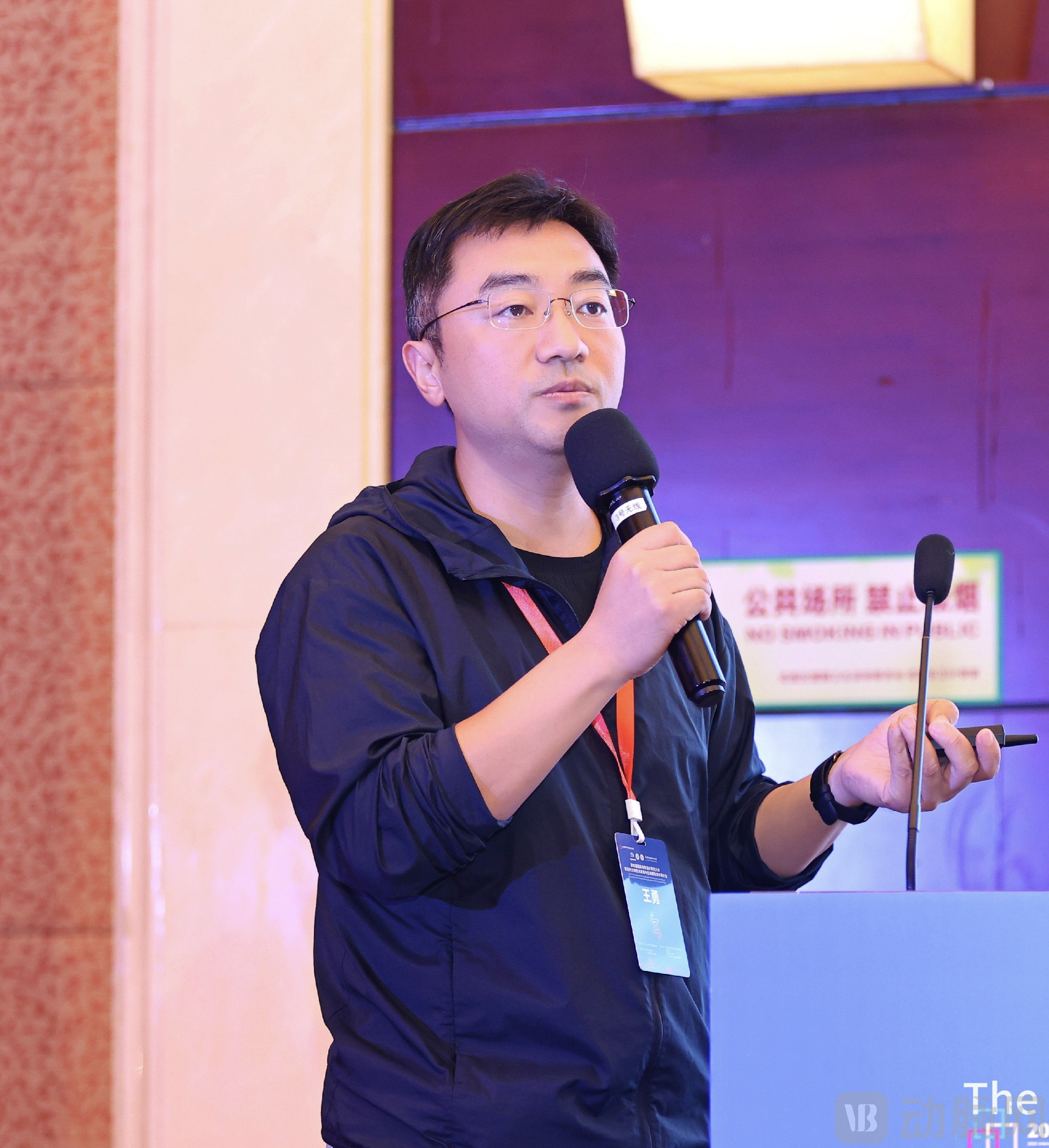
It is worth noting that, as one of the earliest researchers in synthetic biology in China, Wang Yong has witnessed the technological advancements in the field, as well as the ups and downs of the industrialization of synthetic biology both domestically and internationally. In overseas capital markets, there is an inversion between primary and secondary markets, with the market capitalizations of Amyris, Zymergen, and Ginkgo Bioworks continuing to decline. Amyris, a pioneer in the industry, declared bankruptcy in 2023 due to its inability to balance the operations of its cosmetics brands with its raw material R&D and production businesses. In China, the primary market has gradually become more active; however, mirroring investment trends in the biopharmaceutical sector, it exhibits a preference for early-stage and small-scale investments, indicating that it will take time for companies to achieve significant scale and strength.
In response to the current situation, Wang Yong reviewed China’s education system and highlighted a prevailing trend: an excessive “scientification” of engineering education in undergraduate and graduate training. “The excessive scientification of engineering and technical education is a serious and widespread problem today. Currently, students in engineering disciplines undergo professional training primarily in laboratories, similar to their counterparts in science, and obtain their degrees mainly by publishing SCI-indexed papers. There is insufficient cultivation of engineering thinking and inadequate training in practical engineering skills. In recent years, graduates have generally been reluctant to engage in frontline production practices or related work; moreover, many professors and researchers also lack hands-on experience in industrial production. Such circumstances negatively impact the biomanufacturing industry. The difficulties we now observe in implementing many biomanufacturing projects are not necessarily due to impossibility, but rather to a lack of know-how. Although many practitioners hold prestigious titles and accolades, their foundational engineering competence is insufficient, rendering them unable to execute effectively. As a major manufacturing nation, we must prioritize the cultivation of engineering talent while simultaneously enhancing the engineering capabilities and technical proficiency of industry practitioners.”
“Many people fail to recognize that life sciences and bioengineering are two distinct disciplines, with different curricular structures and foundational courses. The academic training received by professionals in these two fields differs, as do the challenges they face. Life sciences seek to answer the ‘what’ and ‘why,’ whereas bioengineering addresses the ‘how.’ However, not only has the academic evaluation system blurred the boundaries between these two fields, but in the industrial and investment sectors, projects and individuals are still often judged in a crude and simplistic manner based on the prestige associated with SCI-indexed publications. This approach is problematic: it tends to select individuals who can only answer ‘what’ and ‘why,’ but cannot solve ‘how,’ which lies at the heart of the issue.”
“Similar issues exist in the United States. On December 24, 2021, Greg Stephanopoulos, a professor in the Department of Chemical Engineering and Biotechnology at the Massachusetts Institute of Technology (MIT) and a member of the U.S. National Academy of Engineering, co-authored an article in Science with industry professionals from Manus Bio, discussing how to promote the commercial success of industrial biotechnology. The article noted a trend among major U.S. universities: academic curricula are shifting toward molecular-level research and pure science, at the expense of some core engineering courses. The paper pointed out that this shift will harm the entire industrial biotechnology sector, as graduates entering the job market lack essential educational experiences and key skills, such as those required for technicians involved in fermentation or downstream separation and purification.”
“Scientific and technological advancements in the global life sciences sector are progressing at a rapid pace, far outstripping the speed of technology translation. We all feel the daily influx of research progress and breakthroughs, but we cannot simply revel in the acclaim of high-impact-factor papers. For discoveries from basic life sciences research to be translated into tangible biotechnology products, bridging this gap requires greater contributions from professionals in bioengineering. Against the backdrop of the current boom in biomanufacturing, there is an unprecedented need for talent in biochemical engineering. To change this situation, we must address the prevailing emphasis on science over engineering and correct the model that judges merit solely by SCI impact factors. We need to prioritize the training and utilization of engineering talent, as this is the vital source for sustainably enhancing China’s competitiveness in biomanufacturing.”
The industrial foundations of China and the United States differ, with fundamentally distinct development paths.
In recent years, young entrepreneurs with overseas experience—particularly those who have studied in the United States and are familiar with the Silicon Valley startup model—have often been more favored by investors. This has led to the emergence of numerous synthetic biology startups, especially companies founded by returnees and young entrepreneurs.
“This is certainly a positive development, indicating that we have attracted a large cohort of talented young entrepreneurs. This is precisely what our industry urgently needs. However, there are also underlying concerns.” The concern highlighted by Wang Yong is that some industry participants, particularly young entrepreneurs, do not fully comprehend the differences between China and the United States in terms of industrial foundations and development pathways.
“The United States has always been an innovation-driven country, but the hollowing out of its manufacturing sector is a current challenge. As a result, many highly creative ideas remain confined to PowerPoint presentations and struggle to be commercialized. This is one of the underlying reasons behind the successive failures of companies like Amyris. China presents a different scenario: we possess a robust industrial foundation. However, it is essential to understand how this foundation was established. It was built by absorbing significant industrial transfers from developed nations, which transformed China into the ‘world’s factory.’ Yet, these industries often involve mature products with little intellectual property (IP) and low value-added. Although produced through biomanufacturing, they are frequently high-pollution and high-energy-consumption products. These constitute the fundamentals of our biomanufacturing sector, including antibiotics, vitamins, amino acids, enzyme preparations, and organic acids. There is an urgent need to achieve industrial upgrading and enhance product value-added through new biomanufacturing models, break through IP barriers, and address the status quo of high pollution and high energy consumption. In other words, we must leverage industrial upgrading to transition from traditional biomanufacturing to new quality productive forces.”
The Key to Industrial Upgrading: Only Competitive Original Products Can Demonstrate the Value of Technology
Wang Yong believes that during industrial upgrading, technological level and cost are only part of the issue. To upgrade from traditional biomanufacturing to new quality productive forces, we also need a batch of original products that lead the market; only in this way can the value of technology be truly reflected. In the booming synthetic biology capital market, product selection has always been a popular topic of discussion. Everyone can offer their own insights on this subject, and behind the investment logic lies not only the competence of entrepreneurs but also the discernment and taste of investors.
“I have observed many investors pouring capital into platform-based companies, and numerous startups using the funds they raised to build lavish R&D platforms filled with sophisticated, high-end facilities: artificial intelligence equipment, and systems embodying high-throughput, automation, and intelligence, among others. However, I have also seen that many of these companies have failed to generate tangible benefits as a result, and some have not even managed to deliver respectable products or implement viable technologies.”
“I often use this analogy: We used to produce vast quantities of shirts and socks annually, boasting the most advanced production lines, technologies, and highly skilled industrial workers for shirt manufacturing. Shirts ‘Made in China’ were available worldwide, serving as a hallmark of our status as a manufacturing powerhouse. However, these shirts might sell for only tens of yuan each in ordinary foreign trade stores, whereas the same shirt, bearing a luxury brand label, could command prices of over a thousand yuan. Indeed, we have served as contract manufacturers for Apple’s iPhones, yet from an iPhone priced at over ten thousand yuan, our profit margin is negligible. Our ability to produce goods that are both inexpensive and high-quality demonstrates our advanced technological capabilities, but clearly, this is not enough. Whether it is shirts or iPhones, without original innovation, we remain confined to the lower end of the industry chain, earning only contract manufacturing fees. The same scenario is now unfolding in the field of biomanufacturing.”
“There is a fundamental logic at play: advanced equipment, technologies, and platforms serve to empower product R&D. However, this does not mean that products will naturally emerge simply by assembling a platform with luxurious facilities and a high degree of intelligence and automation. Without compelling products in need of development, such platforms are merely ornamental. What we must do today goes beyond simply making products cheaper and better; we must capture market share by developing competitive original products, continuously iterating technological advancements, and consistently introducing innovations. This is the essence of the industrial upgrading we face today. Without a portfolio of pioneering original products, we cannot speak of genuine industrial upgrading.”
“We often see companies flocking to develop the same products, leading to oversupply even at the planning stage and resulting in significant waste of human, financial, and material resources. While this phenomenon reflects strong demand for these products, its underlying essence—this ‘involution’—is our inability to create more original products and a tendency to follow the crowd. This follows a ‘pig-farming’ logic: when pork prices rise, everyone rushes into pig farming; the subsequent oversupply drives prices down, causing participants to scatter just as hastily. This pattern has repeatedly emerged in the biomanufacturing industry. In the past, our antibiotic, vitamin, and amino acid sectors were consistently caught in such cyclical fluctuations. Only by encouraging originality and raising the bar for intellectual property protection can we fundamentally change this herd-like behavior.”
Breaking the Cycle of Involution: Supply Chain Expansion + Balanced Layout
In addition to his long-term scientific research, Wang Yong has visited factories and workshops to engage directly with frontline practices, driven by his emphasis on industrial implementation. As a result, he offers unique insights into the challenges currently facing the biomanufacturing industry.
When addressing why the domestic synthetic biology industry appears to be characterized by intense competition, Wang Yong believes it is necessary to clarify a common misconception. This phenomenon of "involution" largely stems from ambiguous perceptions of the industry’s essence and product positioning. In this context, quality and cost are meaningful only when discussed under the premise of clear product positioning. For instance, ginsenosides used as animal feed, health supplements, or high-end injectable drugs have vastly different requirements for cost and quality: animal feed may tolerate lower purity, whereas injectable drugs require extremely high purity.
Currently, many investors and media outlets often overlook the differentiation in product characteristics when discussing synthetic biology, leading the industry into a misconception of merely competing on cost. The problem with this orientation is that it neglects the value of innovation and the final application scenarios of products. Similar situations have also emerged in the cosmetics and pharmaceutical sectors. The high price of premium cosmetics such as La Mer is not solely due to production costs but rather a comprehensive reflection of multiple factors, including brand premium, technological patents, and unique formulations. Likewise, the pricing of high-end drugs is not determined purely by cost but is based on their efficacy, R&D expenses, and market demand.
“The industrial chain radiated by biomanufacturing is extensive, yet we currently focus excessively on competition at the raw material stage, with investments heavily concentrated in raw material production. This approach lacks comprehensive control and deep expansion across the entire value chain. Just as the new energy vehicle industry has driven innovations in high-tech elements ranging from batteries to complete vehicle manufacturing, synthetic biology should also advance comprehensively from single-source raw material production toward end products, high-tech applications, and brand building. We need to cultivate world-class giants in consumer end-products, comparable to Pepsi, Coca-Cola, Nestlé, and Estée Lauder.”
This transformation demands higher capabilities from all stakeholders in China’s synthetic biology sector: they must not only drive continuous innovation in technology R&D but also make strategic strides in market positioning and brand building. As bellwethers of the industry, media outlets and investors should also guide resources toward the high-end and weak links of the industrial chain, avoiding excessive concentration on low-level competition in the raw material segment.
“Imagine that when raw material prices decline, it presents an ideal opportunity for us to develop deep processing and enhance the added value of our products. However, due to our lack of world-class end-user brands and original products, downstream market absorption capacity remains limited, making overcapacity a prominent issue. In this scenario, we are forced to rely on orders from a few key clients, but this dependence is fragile, as these major customers can switch suppliers at any time. Therefore, we need to fundamentally change our strategy, which requires everyone to reach a consensus on the current situation: instead of all crowding into the raw material segment and engaging in cutthroat competition, we should extend our layout across the industrial chain and climb from the lowest end to higher levels. This requires us not only to lead in technology but also to comprehensively improve our capabilities in market insights, brand building, and supply chain management.”
Final Thoughts: Sober Reflections Amidst the Hype
As overseas synthetic biology companies rushed to emerge, go public, and then file for bankruptcy, and as China’s primary market for biomanufacturing rose to prominence, both “synthetic biology” as a technology and “biomanufacturing” as an industry became buzzwords of 2024. Given China’s long-standing position at the lower end of the manufacturing value chain, biomanufacturing has emerged as the most promising lever for a turnaround against the odds. Amidst the ensuing hype, optimism has spread across all segments of the industrial chain.
Nevertheless, amidst the fervor surrounding biomanufacturing, Wang Yong offered a sober perspective—words spoken straight from the heart.
“The professionals we train must not only be capable of publishing academic papers but also possess a solid understanding of intellectual property. They need to master the skills and knowledge spanning the entire process, from strain breeding and fermentation to product separation, purification, and scale-up. Market demands, industry needs, national priorities, and the broader requirements of human development are critical considerations for synthetic biologists, from project selection to industrialization. Bioengineering and biotechnology deliver true value only when translated into tangible products that serve individuals, the nation, and the industry.”
In other words, to truly reverse the situation at the lower end of the manufacturing sector, it is imperative to address the deeper, more fundamental, and macro-level challenges facing the biomanufacturing industry, as outlined above. It is also essential to confront and evaluate the formidable obstacles that must be overcome to resolve these issues. Only in this way can we achieve unity of purpose and seize this rare opportunity.