

Generation Lab Files IPO Prospectus: Pioneering 'Biological Noise Monitoring' for Personalized Anti-Aging Solutions

Generation Lab
Provider of Solutions to Extend Human Healthspan
Longevity, the ultimate dream humanity has always pursued, has driven millennia of exploration.
In 2005, Professor Irina Conboy’s team at the University of California, Berkeley, through"Parabiosis"Experiments have found that blood from young mice can regenerate muscle tissue and hepatocytes in aged mice, thereby achieving a reversal of aging.This also marks the first time humans have discovered that aging can be reversed.
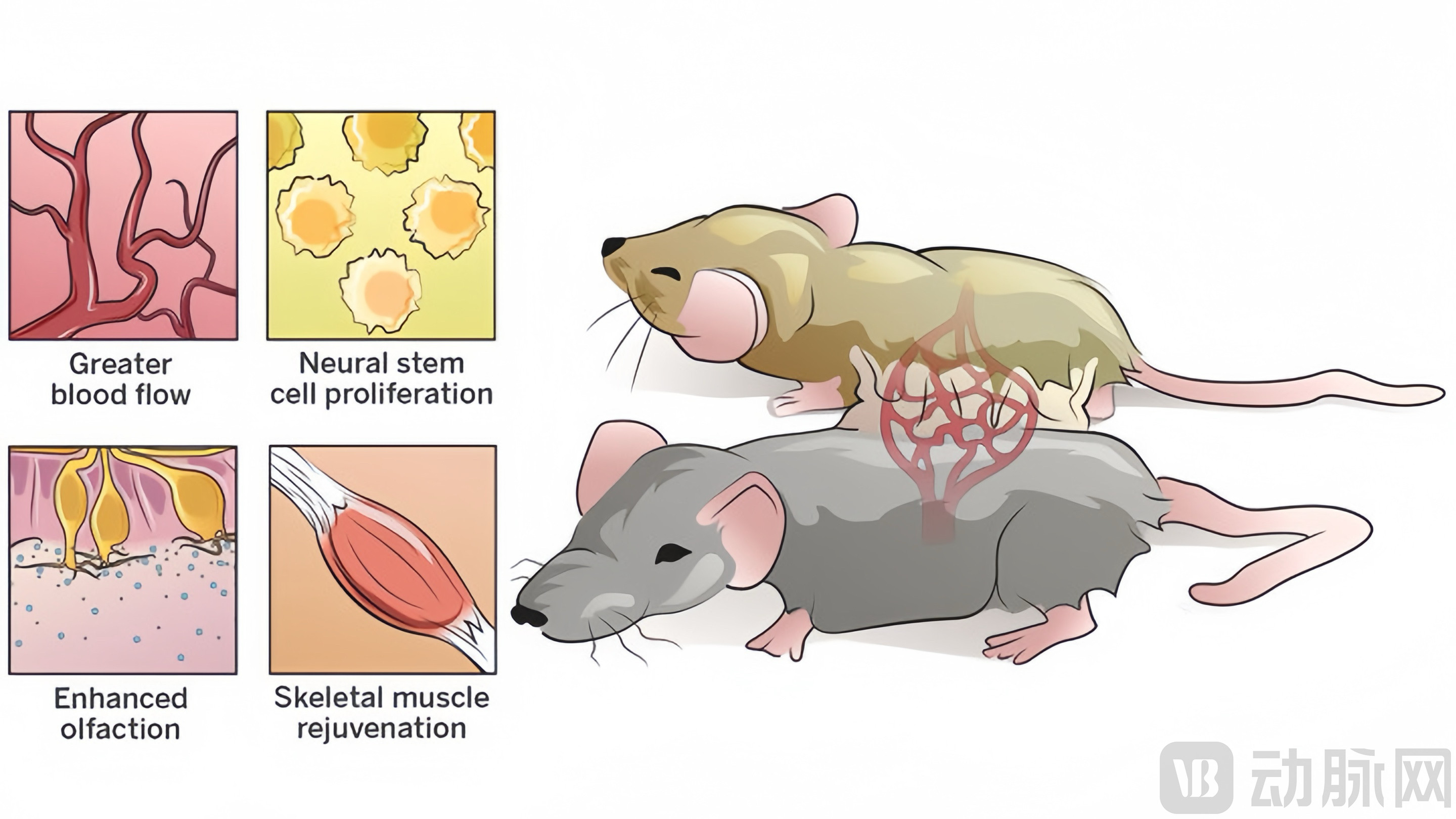 Parabiosis Experiment (Image Provided by the Interviewee)
Following the publication of the study, a surge of research interest ensued. Multiple research teams from Stanford University, Harvard University, and the University of Pittsburgh Medical Center have published their findings in top-tier academic journals such as Nature and Science.Proof that young blood can truly slow down aging has opened up new avenues for research into the aging process.
In 2023, Professor Irina Conboy and her team achieved a breakthrough discovery in the field of aging:DNA methylation and the level of “biological noise” in organ and bodily functions are biomarkers of aging rate and disease risk. This discovery enables the monitoring and prediction of aging, providing criteria for research on delaying aging.
In 2024, she co-founded Generation Lab with Alina Rui Su, a Ph.D. candidate at Harvard Medical School, and former Y Combinator founder Michael Suswal, aiming to extend human lifespan through scientific approaches.
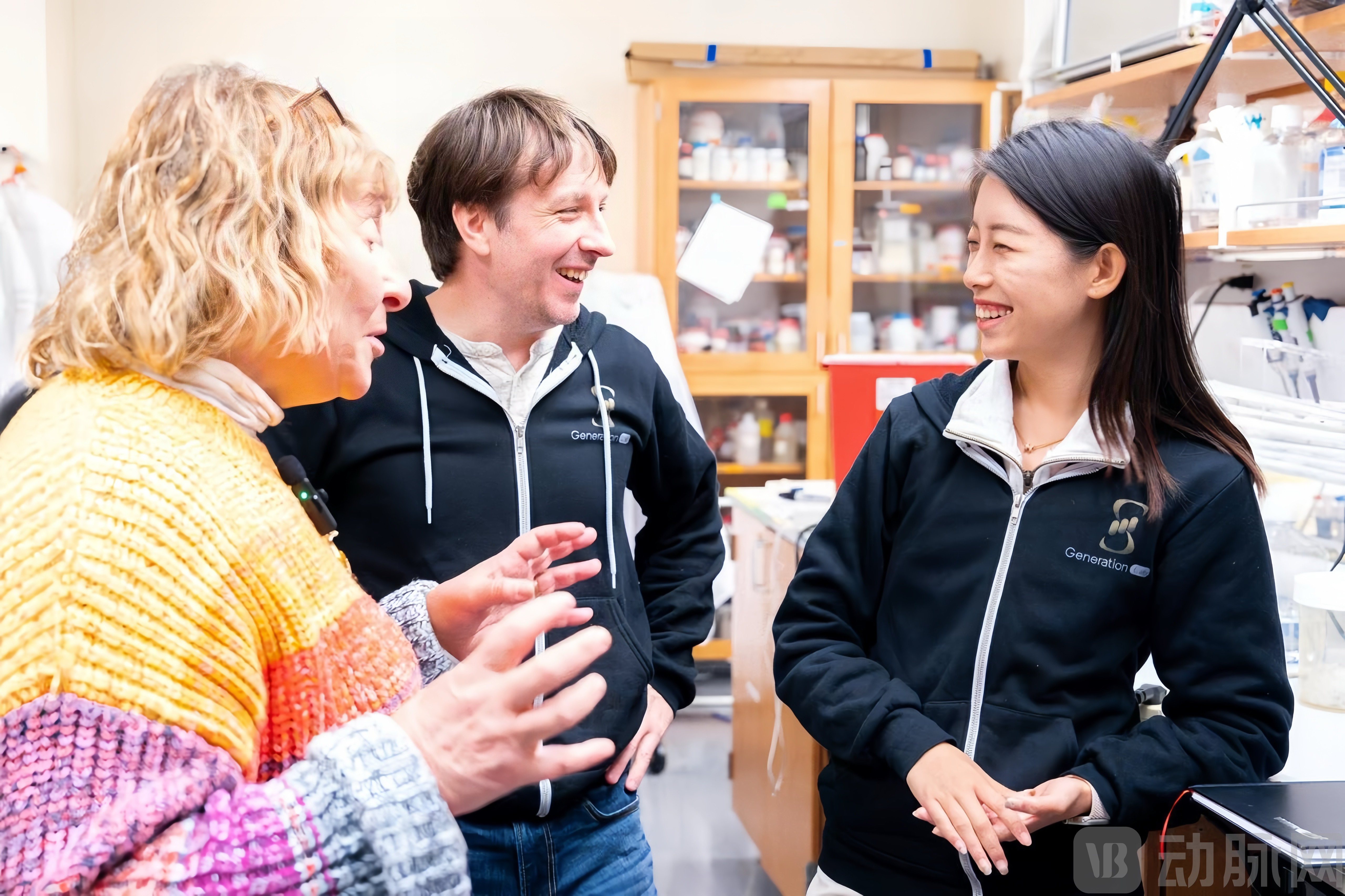
The founding team of Generation Lab, from left to right: Irina Conboy, Michael Suswal, and Alina Rui Su (Photo provided by the interviewee)
I. Alleviating the Societal Burden of Aging by Focusing on Precision Detection of Aging
According to WHO data, the number and proportion of elderly people in countries around the world are on the rise, and by 2030, one in six people worldwide will be aged 60 or older.
The impact of aging extends beyond superficial wrinkles, encompassing a greater burden of disease. Conditions such as cancer, diabetes, and Alzheimer’s disease are closely associated with advancing age. These chronic diseases not only impose financial burdens and lifestyle pressures on patients and their families but also place significant strain on society and the healthcare insurance system.
Studies have found thatIf aging can be delayed, the proportion of patients with chronic diseases will gradually decline, thereby alleviating the societal burden of population aging.Therefore, anti-aging is necessary for everyone.
Currently, companies in the aging sector are primarily divided into two categories:One approach involves delaying aging through anti-aging interventions such as pharmacological agents or stem cell therapies; the other focuses on establishing standards for aging.
In aging research, scientists have never focused on chronological age as defined by social standards, but rather on the physiological age of bodily organs. Aging is not a disease, but a prolonged dynamic process; it cannot be defined by black-and-white criteria like certain diseases. However, accurately measuring the stage and extent of aging serves as a crucial basis and prerequisite for developing health monitoring systems, personalized medicine, and evaluating the efficacy of anti-aging interventions. Therefore, in aging research,The standardization of aging is particularly important.
As the Pioneer of Blood Exchange Anti-Aging Technology, Generation Lab is the first anti-aging intervention platform, offering a closed-loop therapy that integrates organ aging detection with customized anti-aging treatments such as plasma exchange.Based on gender, the company identifies 19 organs in the human body as key organs for aging monitoring. By assessing the degree of aging in different organs, as well as monitoring the rate and causes of aging, it determines the physiological age of the individual being assessed.
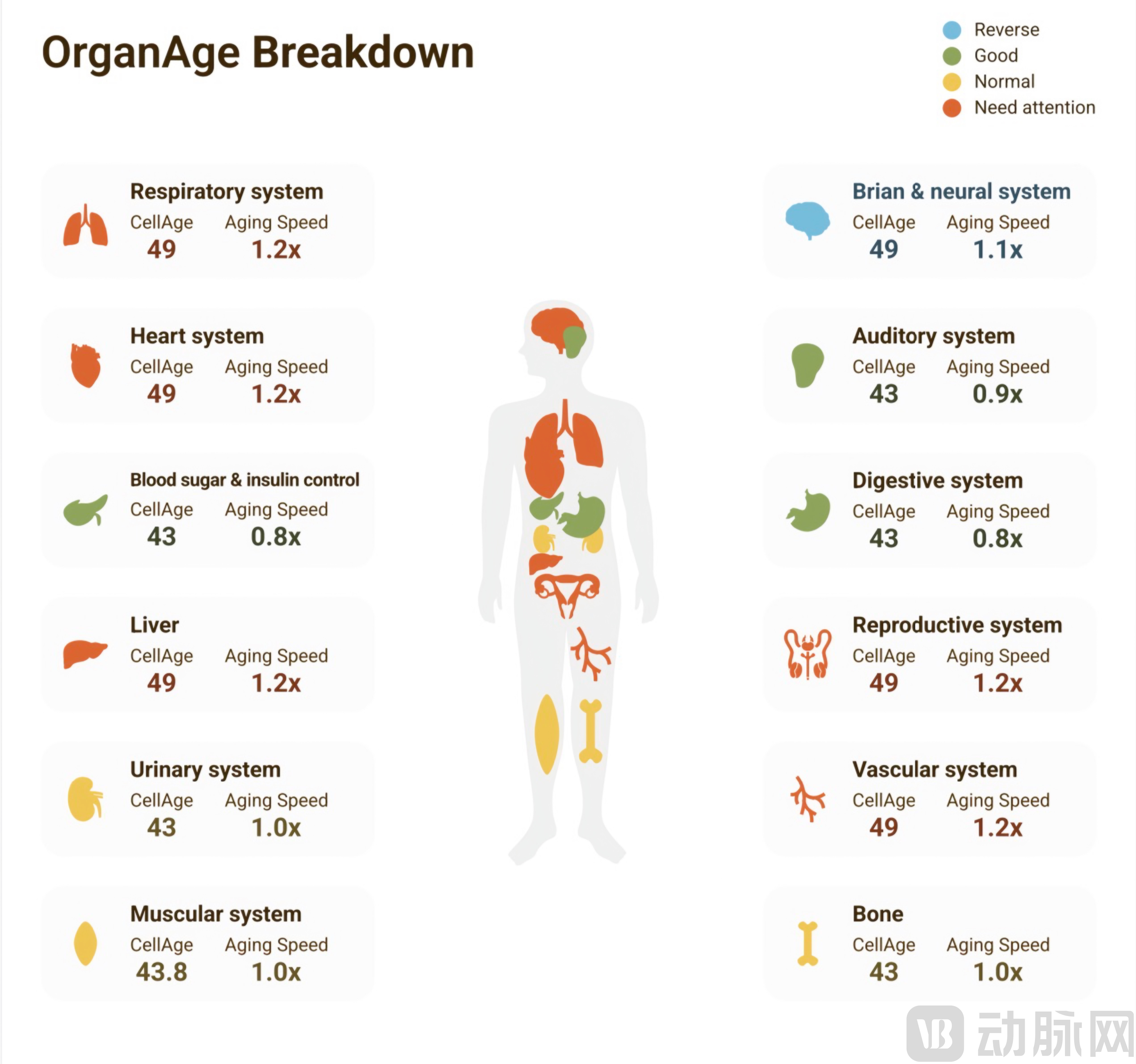 Schematic Diagram of Organ Aging Detection Report (Photo provided by the interviewee)
Alina Rui Su, co-founder of Generation Lab, stated, “Only by identifying the key drivers of aging can we truly slow down the aging process.”
II. Quantification, Intervention, and Monitoring: A Three-Step Platform for Anti-Aging
To delay aging, Generation Lab has designed a three-step platform: SystemAge testing to quantify aging, personalized anti-aging solutions, and regular monitoring.
In previous studies, researchers have found that human DNA methylation gradually becomes impaired over time, leading to the occurrence of age-related diseases. This also indicates a close link between DNA methylation and aging, providing important evidence for the epigenetic mechanisms of aging.
To monitor aging more precisely, Professor Irina Conboy has introduced the concept of “biological noise” levels at the epigenetic level. Unlike genes, epigenetic markers are influenced not only by parental inheritance but also by external environmental factors, leading to dynamic changes over time. These adverse external influences, namely“Biological Noise” Level. Damage to epigenetic genes can affect changes in immune and inflammatory factors, thereby leading to the onset of disease.
Alina Rui Su used a vivid analogy involving a CD: “Biological noise is like scratches on the surface of a CD, while genes are akin to the data stored on it. Although excessive scratches do not alter the stored content, they impair playback clarity and smoothness. In the human body, this manifests as aging.”
Based on this principle, Generation Lab generated through genomicsSystemAge TestThis test not only detects DNA methylation across various organs in the human body to determine physiological age, but also monitors the sources of “biological noise” within the body to identify the causes of aging, thereby providing precise anti-aging solutions.
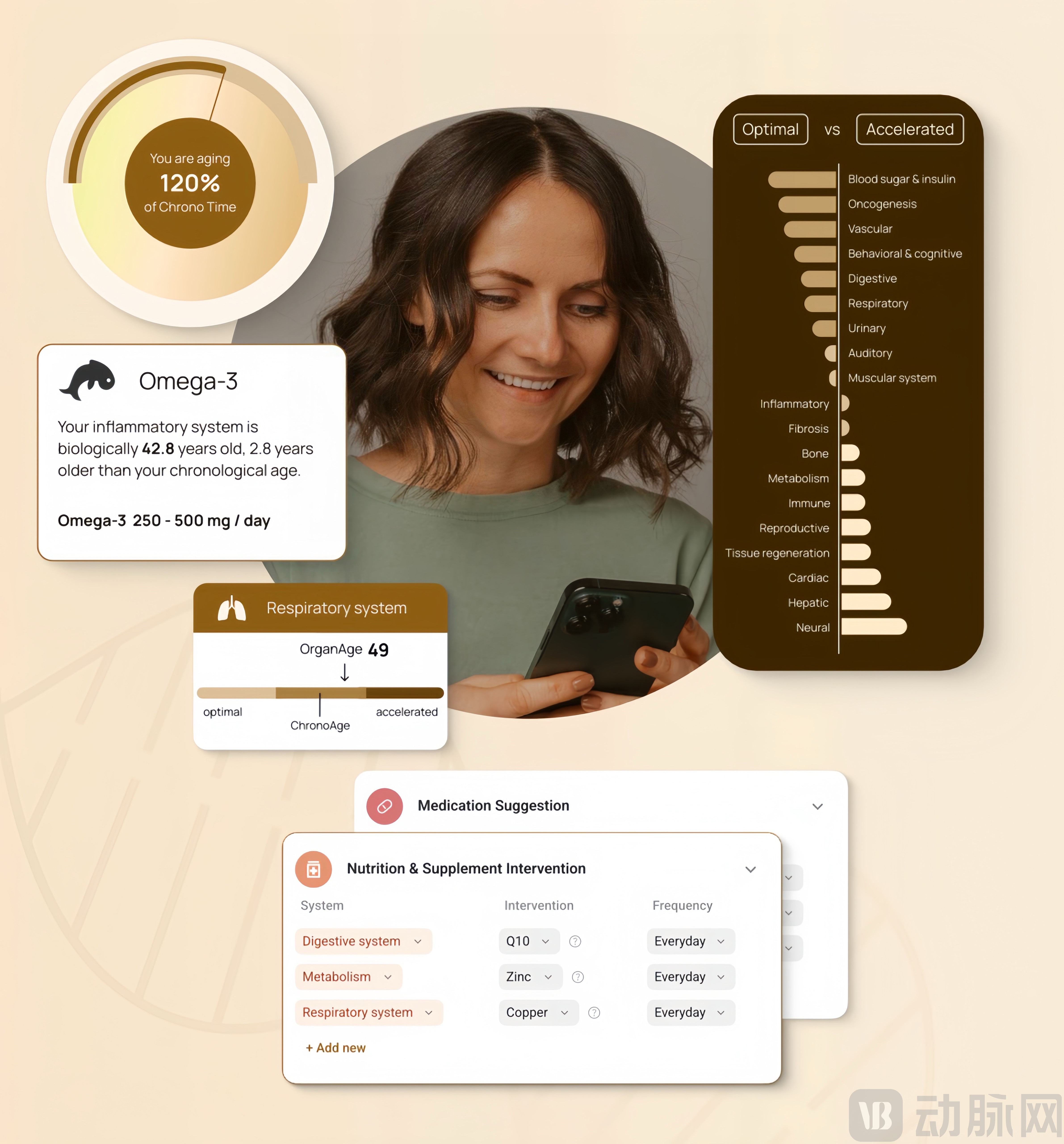 Schematic Diagram of Anti-Aging Testing and the Anti-Aging Platform (Image provided by the interviewee)
Generation Lab’s customized anti-aging solutions fall into five major categories: anti-aging treatments, customized nutritional supplements, pharmaceuticals, lifestyle modifications, and therapeutic plasma exchange (TPE). Based on individual physiological needs, Generation Lab provides the most suitable regimen. Notably, Generation Lab employs therapeutic plasma exchange (TPE),For the self-developed cocktail synthetic plasma substitution solutionThis plasma exchange method not only avoids immune reactions and the risk of infectious diseases, offering greater stability in efficacy, but also circumvents the ethical issues associated with traditional plasma exchange.
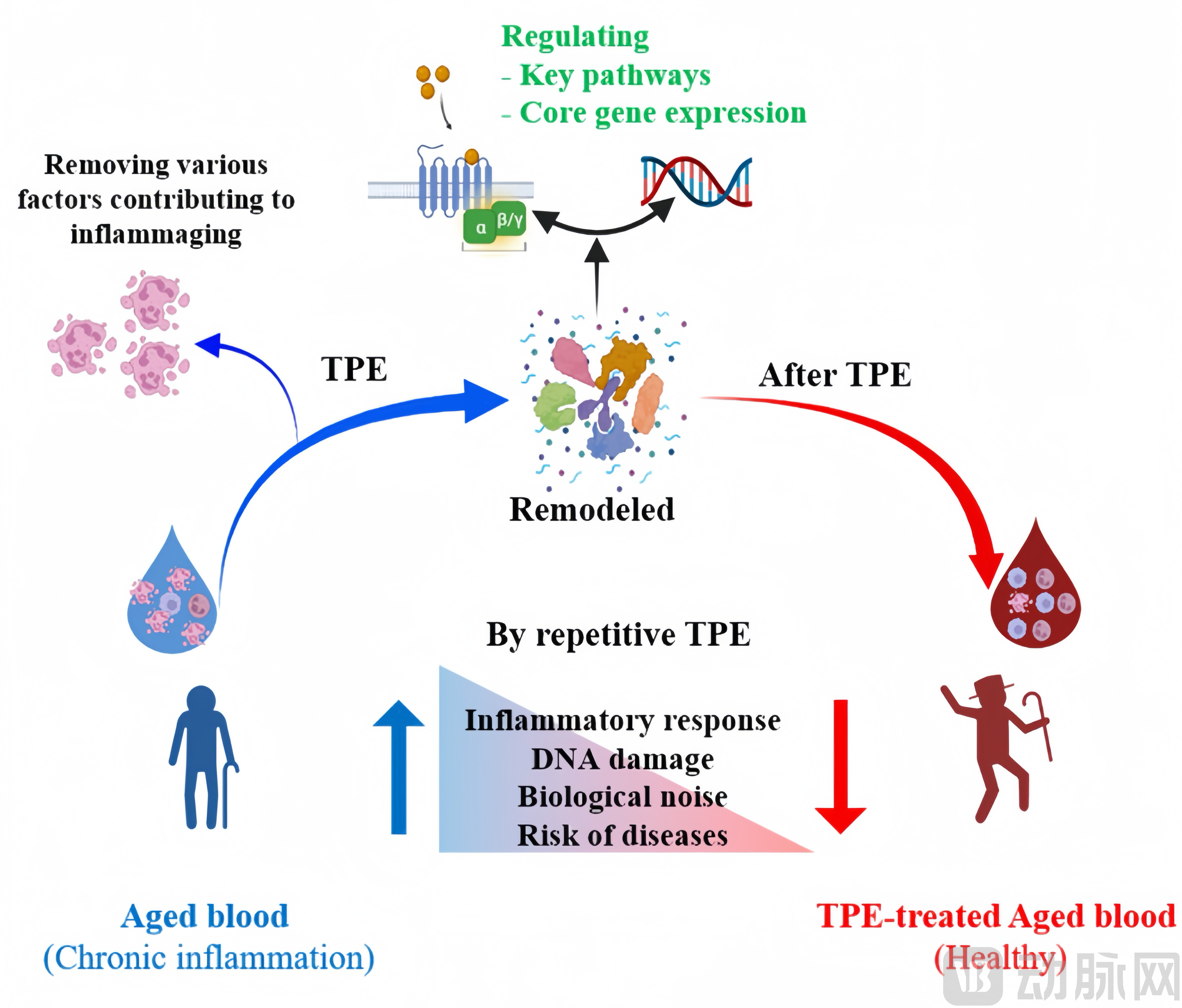 Schematic Diagram of the Anti-Aging Mechanism of TPE (Image Provided by the Interviewee)
However, protocols are not permanent. As Alina Rui Su notes, epigenetic markers in the human body are dynamic, and corresponding anti-aging regimens should be adjusted in response to fluctuations in “biological noise.” Generation Lab will continue to conduct regular monitoring of users, such as quarterly SystemAge tests, to ensure the efficacy of anti-aging interventions and to refine personalized plans in a timely manner.
Alina Rui Su stated, “Generation Lab’s anti-aging regimen is derived from its proprietary ‘Aging Noise Monitoring,’ which pioneers the monitoring of aging through physiological metrics rather than linear prediction. The anti-aging solutions developed on this basis are more precisely targeted.”
Generation Lab’s public data shows that,Users will experience significant improvement in their aging levels within six months.This therapy is currently in use at 26 anti-aging medical centers across the United States.
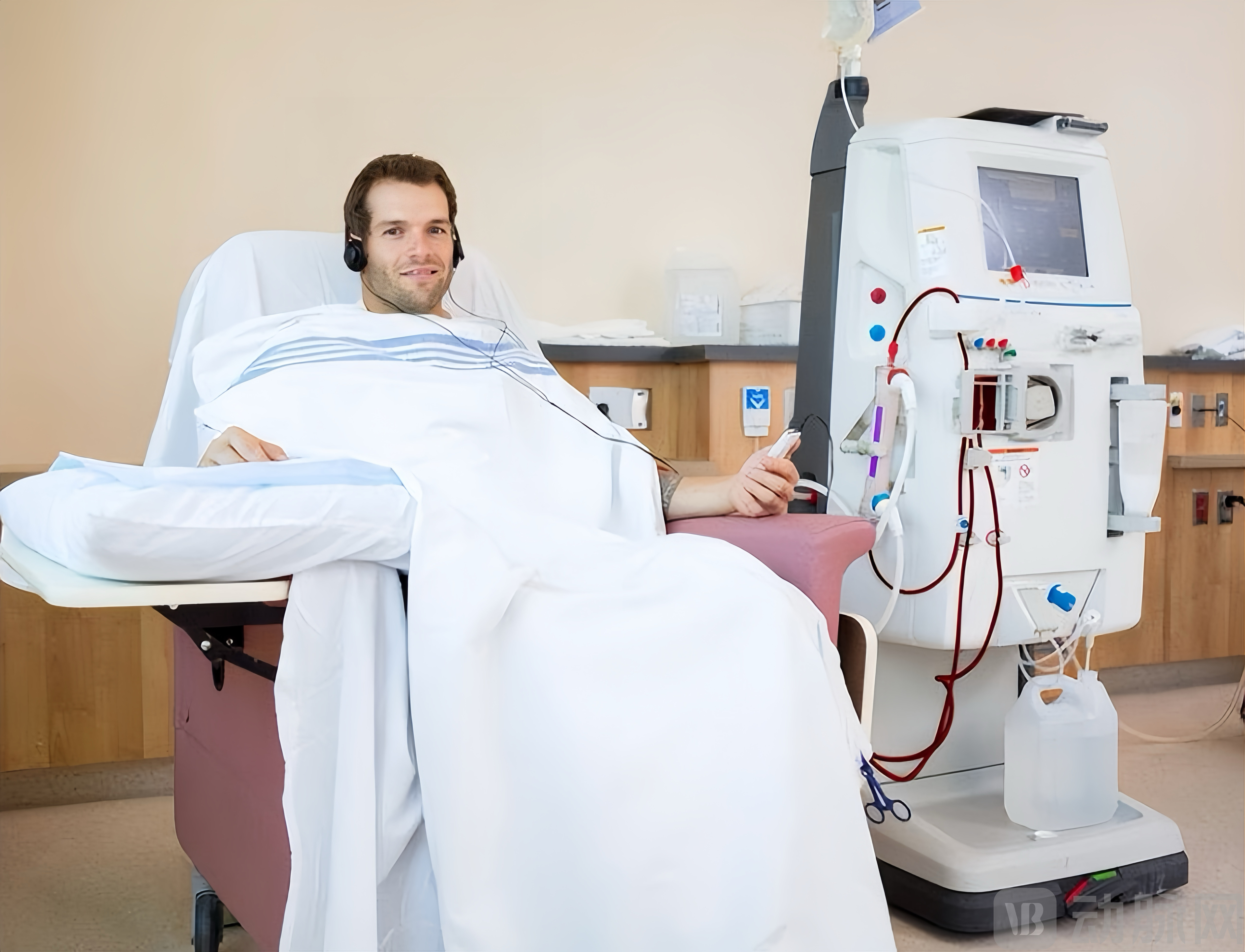
Schematic Diagram of Generation Lab’s Anti-Aging Treatment (Photo provided by the interviewee)
III. Validated Commercial Model, Poised to Enter the Asian Market
In less than a year since its establishment, Generation Lab, as a leading brand in the anti-aging industry, has set industry trends on the covers of major U.S. media outlets such as Fortune 500, The Wall Street Journal, and the Los Angeles Times.
In addition to collaborating with longevity and anti-aging clinics, Generation Lab also partners with insurance companies, reproductive medical centers, and private health examination centers.
Collaborate with insurance companies,It not only enables insurers to more accurately assess the health status and disease risks of insured individuals, thereby providing more precise premium pricing and risk management solutions; meanwhile, “aging monitoring” also helps build a new corporate image for insurers, attracting more customers who are focused on health management and disease prevention.
And the collaboration with the reproductive medical center is primarily focused on women.The ovaries are vital reproductive organs and among the first in women to show signs of aging. Poor lifestyle habits and social pressure have led to an annual increase of at least one million cases of premature ovarian insufficiency (POI) worldwide, with a trend toward affecting younger individuals, thereby contributing to a rise in infertility. Generation Lab offers anti-aging interventions to improve the physical condition of patients with early-stage POI and address fertility challenges.
Today, Generation Lab has validated its business model in the United States.Next, Generation Lab plans to enter the Asian market with China and Japan as its entry points.Currently, Generation Lab has reached preliminary cooperation intentions with multiple listed health and insurance companies in China and is seeking more partners.
With advancements in AI and other technologies, researchers’ understanding of aging is deepening. Professor Irina Conboy asserts, “Within the next five years, new anti-aging drugs will undoubtedly emerge.” Generation Lab is promoting a new perspective on aging:Do not fear aging; instead, embrace it proactively.In the future, Generation Lab will continue to focus on the aging sector, helping people shift from treating diseases to preventive care, thereby extending healthspan.