

Breaking Through the 'Bottleneck': Biosensors from Biomanufacturing to Diagnostics File for IPO
As bioreaction engineering is extensively applied to the production of industrial goods, pharmaceuticals, and food products, automatic process control plays a significant role in enhancing productivity and promoting energy conservation and environmental protection. Although the detection and control of physical parameters are relatively mature, online monitoring of biological parameters—such as biomass, metabolites, substrates, and products—remains a challenge.
In the past, offline analysis via sampling from bioreactors was commonly employed. However, with advancements in various synthetic biology technologies, online monitoring of biological parameters using biosensors has enabled fine-tuning of the expression of enzymes involved in endogenous and heterologous pathways, thereby balancing their metabolic fluxes to direct flux toward the target product without compromising cell growth.
In simple terms, a biosensor is a type of sensor that leverages the high selectivity of certain biologically active substances to identify target biochemical analytes and convert their concentrations into electrical signals for detection. It features strong specificity, rapid analysis, high accuracy, simple operation, and cost-effectiveness.
Not only in the manufacturing sector, but biosensors also have broad application potential in multiple scenarios—including point-of-care testing (POCT), wearable devices, environmental monitoring, port quarantine, and detection of prohibited compounds—due to their portability and rapid assay capabilities.
Biosensors are critically important for large-scale production.
Taking 4-hydroxyphenylacetic acid (4HPAA) as an example, it is a crucial raw material for pharmaceutical synthesis. It can be used to synthesize antihypertensive drugs (atenolol), cardiovascular medications (metoprolol and betaxolol), as well as antidepressants, anti-inflammatory and analgesic agents, and antibiotics. It exhibits anti-inflammatory, antitumor, anxiolytic, antiplatelet, and hepatoprotective activities.
Previously, 4HPAA could be obtained through chemical synthesis from various substrates, such as anisole, p-cresol, phenol, benzyl phenyl ether, or mandelic acid; however, such chemical synthesis methods cause severe pollution. In the search for biosynthetic pathways for 4HPAA, biosensors have played a crucial role.
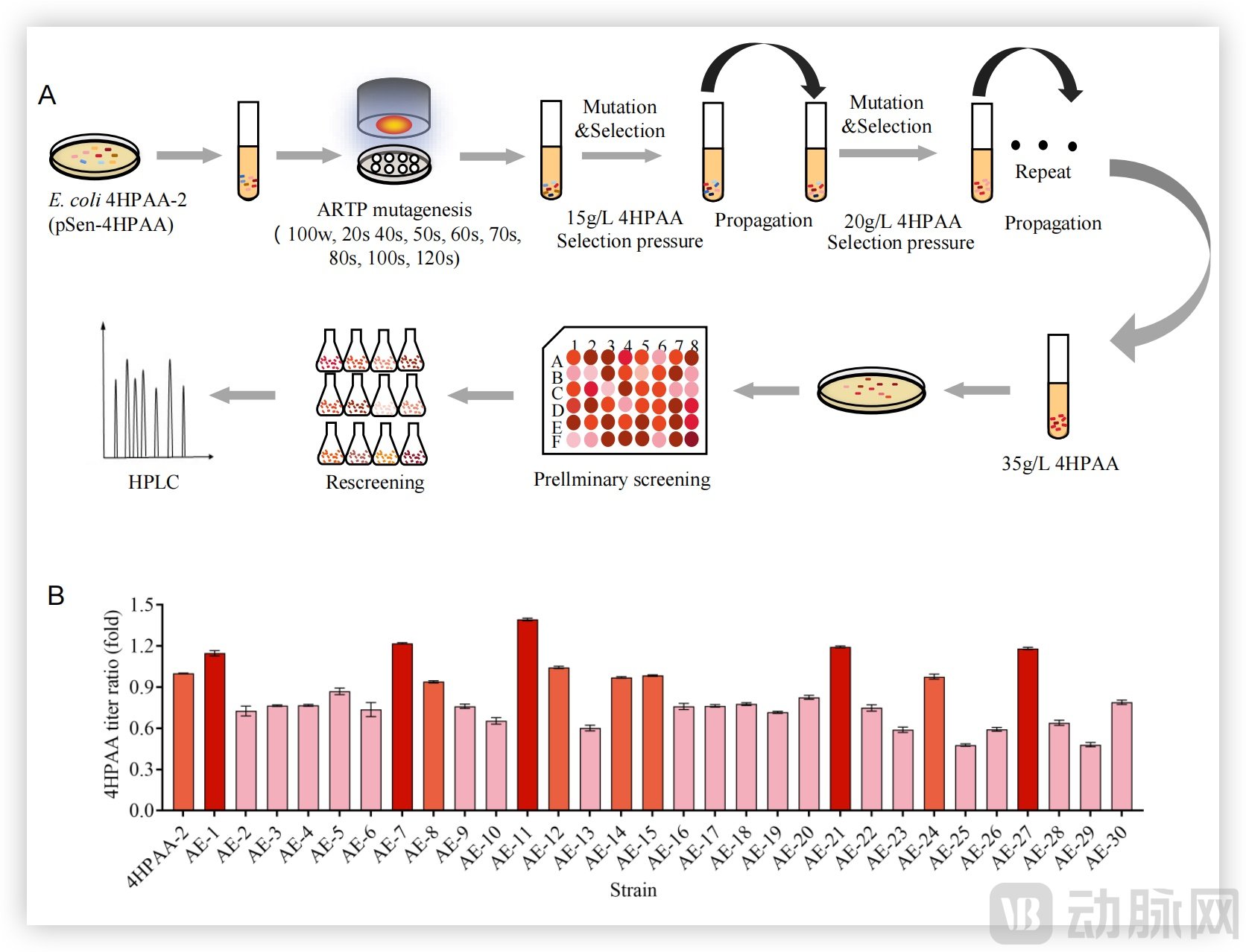
Biosensor-assisted screening of mutant strains with high 4-HPAA production. Image source: 10.1016/j.ymben.2021.12.008
First, biosensors enable researchers to rapidly identify and screen mutant strains with high 4-HPAA production and tolerance during strain engineering, followed by the characterization of the selected mutants for their 4-HPAA-producing capacity and 4-HPAA tolerance. Subsequently, genome shuffling is applied to these strains to further improve them by combining desirable traits. As a result, the titer of 4-HPAA was increased by approximately 120%.
Biosensor-Based Biological Strategies Play a Revolutionary Role in Synthetic Biology and Metabolic Engineering.
Nowadays, biosensors are designed to monitor cellular metabolism and integrated with high-throughput screening strategies to improve the efficiency of selecting target strains from diverse libraries by coupling with reporter genes. Therefore, biosensors are regarded as a key approach to addressing the bottlenecks in using engineered microbial cell factories for efficient biosynthesis.
Biosensors typically consist of two components: biological molecules or cells that detect the analyte, and a transducer that converts the detection event into an electrical signal output. Therefore, based on the mechanism of signal generation, biosensors can be classified into affinity-based, metabolic, and catalytic biosensors. Furthermore, depending on the type of molecular recognition element employed, they can be categorized into enzyme sensors, microbial sensors, tissue sensors, cell and organelle sensors, genetic sensors, and immunosensors.
Furthermore, biosensors can be classified into electrochemical, semiconductor, thermal, optical, and acoustic types based on their signal transduction mechanisms. They can also be categorized as single-function or multifunctional biosensors according to the number of analytes detected.
Nowadays, the large-scale production of bioproducts accounts for an increasingly significant share in sectors such as pharmaceuticals, nutraceuticals, and food. As production scales expand, monitoring and controlling bioprocesses have become increasingly critical, creating an urgent demand for more efficient biosensors.
As biopharmaceutical manufacturing processes become increasingly complex, there is an urgent need for more effective process control methods. The rapid development of biosensors is regarded as a high-quality tool for breaking through the challenges of achieving highly efficient biosynthesis.
Taking genetically encoded biosensors as an example, they can sense changes in intracellular and extracellular metabolite concentrations and fluctuations in the external environment, generating measurable signal outputs or modulating gene expression levels within regulatory pathways. They are widely used in environmental monitoring, medical diagnostics, and the monitoring and regulation of cell factories.
Generally, genetically encoded biosensors mainly consist of a signal recognition and transduction module and a signal output module.
The former requires sensing elements with high specificity to prevent interference from other input signals. Transcription factor-based biosensing is the most common approach; transcription factors that respond to substances such as amino acids, organic acids, malonyl-CoA, macrolide antibiotics, and vitamins have been successfully employed in the construction of genetically encoded biosensors.
Nucleic acid-based biosensors generally consist of an aptamer and an expression platform. The aptamer undergoes a conformational change in response to a specific ligand, thereby regulating the interacting mRNA or downstream genes at the transcriptional or translational level. Among these, the theophylline RNA aptamer and riboswitches have become widely used regulatory elements in synthetic biology.
Two-Component Systems (TCS) are a typical class of multi-step signal transduction systems and also serve as important sensors in synthetic biology. A typical TCS biosensor consists of a membrane-bound sensor histidine kinase (SHK), a cytoplasmic response regulator (RR), and an output promoter.
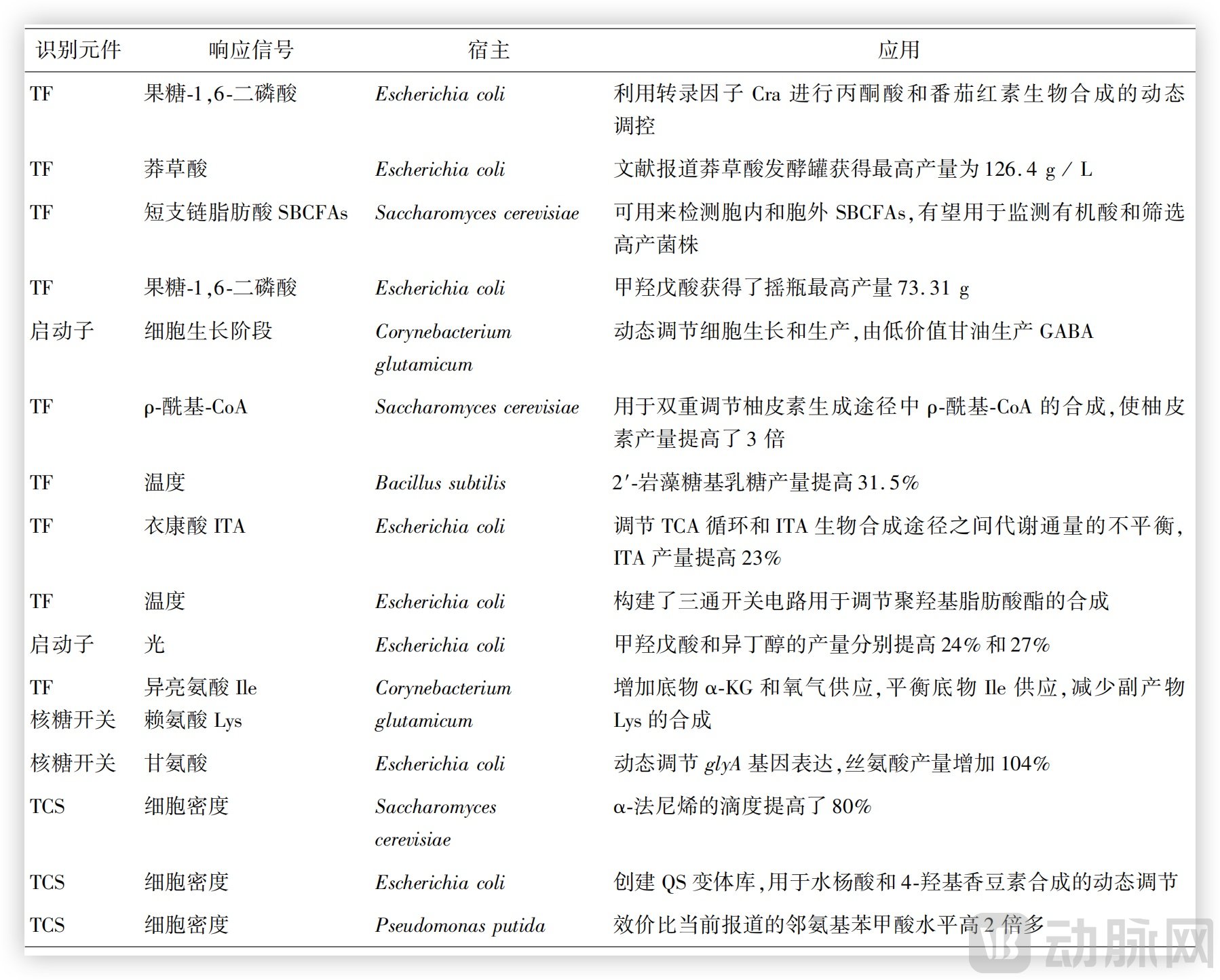
Applications of Genetically Encoded Biosensors in Dynamic Regulation of Microbial Metabolism. Image source: 10.13523/j.cb.2303019
For signal output modules, measurable reporter genes, cell viability, and the activation or inhibition of specific metabolic pathways are required. Fluorescent proteins are currently the most commonly used class of reporter elements, including GFP, eGFP, mCherry, and improved fluorescent proteins such as stayGold, mRFP, and YTP, which are employed in the construction of biosensors.
With advances in theory and molecular biology, genetically encoded biosensors have been applied to various metabolic pathways and metabolic nodes, particularly through the combined use of multiple biosensors for multifunctional dynamic control.
For example, the combined use of biosensors based on transcription factors and riboswitches achieved trifunctional dynamic control of 4-hydroxyisoleucine (4-HIL) in *Corynebacterium glutamicum*. 4-HIL is derived from α-ketoglutarate (α-KG), O2Synthesized from Ile under the catalysis of isoleucine hydroxylase (encoded by ido). The expression of ido, odhI, and vgb is regulated by an Ile-responsive transcription factor (TF) biosensor, achieving coordinated control of α-KG and O2the purpose of supply. Ultimately, a superior strain with high 4-HIL yield and extremely low by-product content was obtained.
Advances in genome sequencing and synthetic biology have facilitated the design, construction, and application of biosensors. Over the past period, the application of genetically encoded biosensors has shifted from simple metabolite sensing and reporting to more complex genetic systems, such as dynamic and multilayered genetic circuits, becoming advanced tools for precise control.
Currently, transcription factor-based biosensors are widely used. However, compared to the vast number of small molecules in nature, the number of identified transcription factors is limited. Although there are already some methods and databases for predicting transcription factors, when designing and constructing gene-encoded biosensors, it is often necessary to optimize sensor performance according to actual needs, including specificity, sensitivity, working range, and dynamic range.
Although the regulatory mechanisms of promoter engineering and protein engineering are relatively well-defined, achieving ideal performance parameters often requires iterative cycles of trial and error. Furthermore, the universality of biosensors across different host organisms remains a significant challenge, particularly when adapting prokaryotic biosensors for use in eukaryotic systems. Therefore, it is crucial to develop universal sensing elements that are stable and functional across diverse hosts. The integration of deep learning and artificial intelligence holds promise for further optimizing biosensor design.
From a commercialization perspective, biosensor products that are currently performing well include blood glucose meters, immobilized enzyme-based biosensor analyzers, biochemical oxygen demand (BOD) microbial analyzers, surface plasmon resonance (SPR) analysis systems, and smart insulin pumps. Taking continuous glucose monitoring (CGM), which has seen rapid development in recent years, as an example, the domestic market has evolved from Abbott’s dominance to the approval and market entry of Chinese-made CGM devices represented by companies such as MicroTech Medical, Sibionics, and Sinocare, all driven by advances in enzymatic and glucose sensing technologies. With further advancements in sensor technology, non-invasive blood glucose monitoring will be the next key target for development.
Biosensors continue to evolve, encompassing genetically encoded biosensors with high specificity and sensitivity to metabolites (including amino acids, natural products, organic acids, etc.) and environmental changes (including temperature, pH, light, etc.). Various cell types, such as bacteria, fungi, algae, viruses, and other higher eukaryotes, are also employed in the fabrication of biosensors.
After more than 50 years of development, biosensors have entered a period of flourishing diversity, driven by the interdisciplinary integration of life sciences, physics, chemistry, materials science, and information technology. Today, with biomanufacturing—exemplified by synthetic biology—established as a key future direction, biosensing research is poised to deliver value across an even broader range of fields, bolstered by emerging disciplines such as artificial intelligence, new materials, and big data.
Biosensors not only play a role in biosynthesis, but their ability to utilize biomolecules for the recognition and detection of specific compounds also makes them highly applicable in various fields, including healthcare monitoring, disease diagnosis, and even environmental monitoring.
In disease detection, biosensors have been successfully applied to the early diagnosis of various conditions, including cancer, cardiovascular diseases, and diabetes. For instance, in the early diagnosis of cancer, biosensors detect signals such as luminescence or color changes by identifying and responding to extremely low concentrations of cancer biomarkers in the blood, such as associated nucleic acids, receptors, or secreted proteins. This facilitates the identification of the disease during the asymptomatic early stages, thereby enabling timely therapeutic intervention.
This progress is made possible by reprogramming cellular DNA through methods such as promoter engineering and ribosome binding site modification, thereby constructing complex synthetic gene networks. These networks enable the customization of microbes or cells to respond to specific chemical or biological signals and convert them into detectable outputs, allowing sensors to sensitively reflect pathological states.
Furthermore, for cardiovascular diseases, biosensors can detect cardiac injury biomarkers in the blood, such as cardiac troponin, enabling early disease warning. Meanwhile, these sensors can be integrated into portable devices, such as wearable devices and in vitro diagnostics (IVD) systems, allowing rapid testing outside healthcare facilities. This enhances routine health monitoring and provides support for timely medical intervention.
Researchers at the California Institute of Technology previously developed a target-induced strand displacement-based skin-interfaced wearable aptamer nanobiosensor for automated, non-invasive monitoring of estradiol via in situ sweat analysis. Abnormal estradiol levels are commonly observed in pathological conditions such as female precocious puberty, ovarian tumors, pituitary adenomas, and liver cirrhosis.
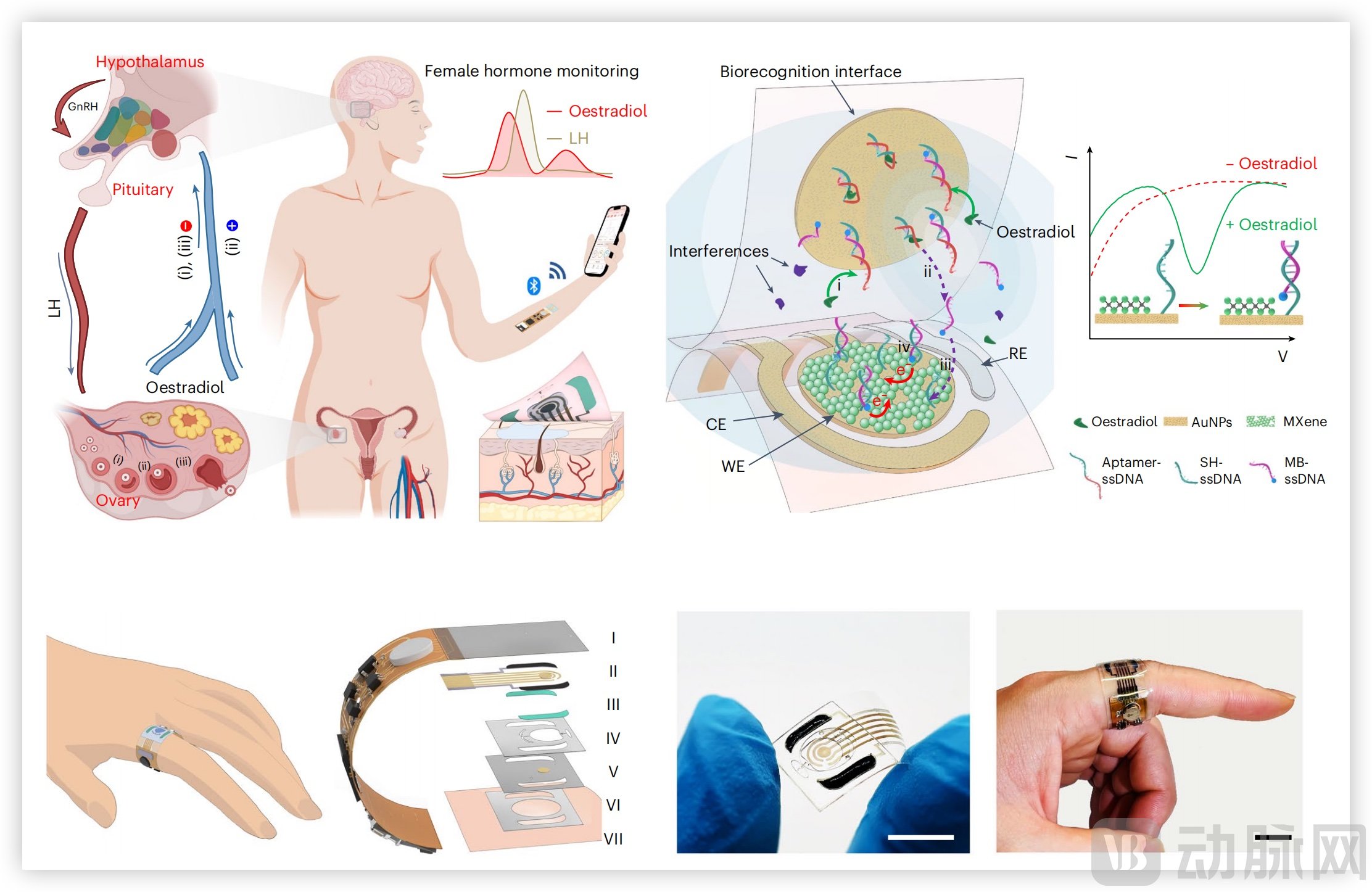
Wearable biosensors enable non-invasive monitoring of estradiol through sweat analysis. Image source: 10.1038/s41565-023-01513-0
To enable automated monitoring, researchers designed a fully integrated wireless wearable system that combines iontophoretic hydrogels for localized sweat stimulation, microfluidics for sweat collection, and functionalized sensors for estradiol sensing and calibration. By establishing the correlation between sweat and serum estradiol levels, this system facilitates convenient at-home monitoring of reproductive hormones. Furthermore, it can be integrated with other monitoring devices to support various personalized medical applications.
In terms of treatment monitoring, biosensors can also play a significant role. For instance, during chemotherapy, biosensors enable real-time tracking of drug concentrations and their metabolites within the body, allowing physicians to precisely adjust dosages and achieve personalized therapy.
Overall, the downstream application scenarios for biosensors are extremely broad. They play a vital role in quality control and monitoring during biopharmaceutical manufacturing, as well as in medical settings such as hospital-based point-of-care testing (POCT), home testing, and 24-hour patient monitoring. Furthermore, they are instrumental in quarantine and inspection operations conducted by border defense, customs, public security, and health authorities.
According to data from Grand View Research and QYResearch, the global market sizes for point-of-care testing (POCT) and medical wearable devices are projected to reach $68.6 billion and $61.4 billion, respectively, by 2030. Data from Zhiyan Qianzhan indicates that China’s biosensor market size grew from RMB 4.95 billion in 2015 to RMB 13.728 billion in 2023. With the continuous expansion of downstream application scenarios, the scale of China’s biosensor market is expected to continue expanding.
Although there are numerous sensor suppliers in China, most focus on industrial applications and do not fully meet the requirements of the medical field. Consequently, many medical companies have opted for independent research and development. With the growth of the biomanufacturing industry, universities, in addition to enterprises, have also begun to take action. This year, six universities added specialized majors in intelligent sensors, bringing the total number of institutions offering this major in China to 38.
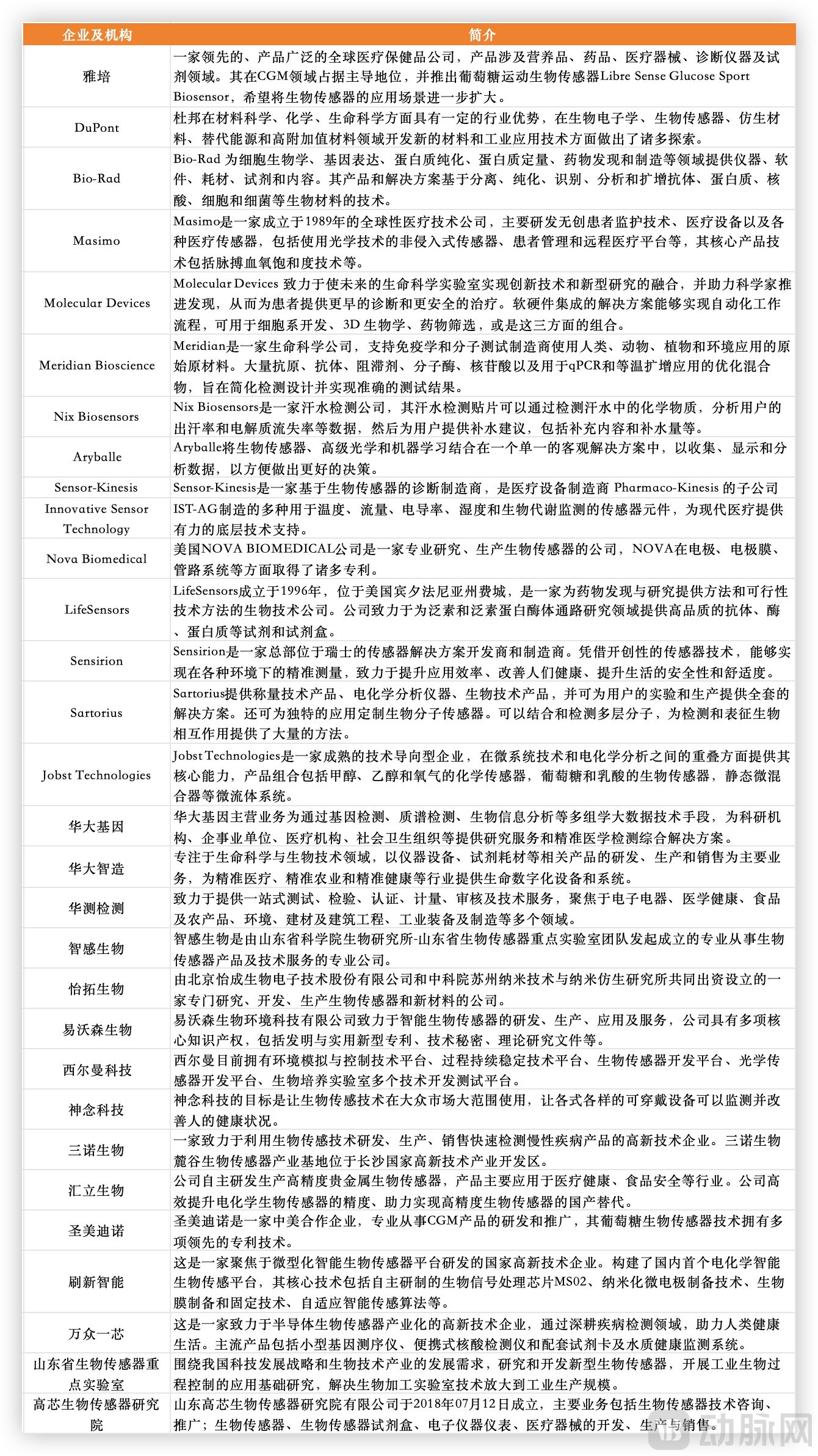
Selected Biosensor Companies, Compiled from Public Information
The development of China’s biosensor industry has been driven by the national emphasis on biotechnology, information technology, and materials science, leading to rapid advancements in biosensors across multiple sectors, including life sciences, healthcare, food safety, and environmental protection. Although China’s sensor technology still lags behind the world’s most advanced levels, the Chinese biosensor industry is enhancing its competitiveness in the international market through continuous technological innovation and research and development.
References:
J.Kling,《Bioreactor sensors inside the dynamics of cell culture》
Biosensor-assisted evolution for high-level production of 4-hydroxyphenylacetic acid inEscherichia coli 10.1016/j.ymben.2021.12.008
Application Progress of Genetically Encoded Biosensors in Microbial Cell Factory 10.13523/j.cb.2303019
A wearable aptamer nanobiosensor fornon-invasive female hormone monitoring
10.1038/s41565-023-01513-0