

Generation Bio Advances Non-Viral, Redosable Gene Therapy Platform with Support from Atlas Venture and Moderna Investment

Generation Bio
A Gene Therapy Company
Gene therapy has undergone a transformation from initial exploration to rapid growth since its first clinical trials in the early 1990s.
Today, this technology and synthetic biology exhibit a closely intertwined, mutually reinforcing relationship. Through synthetic biology, scientists are able to precisely design biological parts and systems, thereby enabling more accurate diagnosis and treatment of diseases in gene therapy.
Amid this trend, Generation Bio has positioned itself at the forefront of the biopharmaceutical industry with its groundbreaking non-viral gene therapy technology. By employing non-viral vectors, such as lipid nanoparticles, to deliver therapeutic genetic material directly into patient cells, this approach avoids the immune responses and risks of insertional mutagenesis associated with traditional viral vectors. This technology offers high gene-loading capacity, enables durable and repeatable treatments, and enhances both safety and efficacy through precise cell-targeted delivery systems.
With the advancement of Generation Bio’s innovative technologies, such as immune-silent DNA and cell-free rapid enzymatic synthesis, the company has further expanded its R&D pipeline, accelerating the development of non-viral gene therapies.
Founded in 2016, Generation Bio is located in Cambridge, Massachusetts, the heart of U.S. biotechnology development,The company is dedicated to developing immune-silent DNA (iqDNA) and cell-targeting lipid nanoparticle (ctLNP) technologies, providing novel therapeutic approaches for rare diseases and epidemics.Its R&D team brings together top talent from multiple fields, including biology, engineering, and computer science.
Geoff McDonough serves as the President and CEO of Generation Bio. A seasoned leader in the biopharmaceutical industry, he brings extensive management experience to the role. From 2011 to 2017, he served as President and Chief Executive Officer of the pharmaceutical company Swedish Orphan Biovitrum. Prior to that, he held several senior positions at Genzyme, including President of Genzyme Europe and Senior Vice President and General Manager of the Global Lysosomal Storage Diseases business. With outstanding academic achievements and rich industry experience, Geoff McDonough has attained remarkable success in the biopharmaceutical sector and is well-positioned to provide substantial support and guidance to Generation Bio at the management level.
Dr. Matthew Stanton is the Chief Scientific Officer at Generation Bio, bringing extensive experience in medicinal chemistry and biotechnology to the company. Prior to joining Generation Bio, Dr. Stanton served for three years as Vice President and Head of Chemistry and Platform Immunology at Moderna, where he made significant contributions to the company’s mRNA technology platform. Before joining Moderna, he spent 16 years at Merck, holding several key positions, including Director and Head of RNA Medicinal Chemistry. His work has spanned multiple therapeutic areas, including oncology, cardiovascular disease, neuroscience, and infectious diseases, and has involved various modalities such as small molecules, siRNA, and peptide conjugates.
Phillip Samayoa currently serves as Chief Strategy Officer at Generation Bio. Since joining the company in 2017, he has played a pivotal operational and strategic leadership role in exploratory research, portfolio strategy, and business development. Prior to joining Generation Bio, Mr. Samayoa was a Principal at the prominent venture capital firm Atlas Venture, where he focused on building innovative platform therapeutic companies. He is a co-founder of both Generation Bio and Dyne Therapeutics, a standout enterprise in the development of novel therapies for muscular diseases, and has made significant contributions to the early development and strategic planning of these companies. Additionally, Mr. Samayoa previously served as a Director at Merck’s MRL Ventures Fund, where he was responsible for establishing the strategic fund and leading investments in early-stage therapeutic technologies. During his tenure as a Partner at Flagship Pioneering, he participated in the creation of multiple biotechnology startups, including Codiak BioSciences and Indigo Ag.
The stable “iron triangle” team, all boasting strong professional backgrounds and extensive experience in the biotechnology industry, provides a solid foundation and valuable insights for Generation Bio’s strategic development and innovative collaborations.
Since its inception, Generation Bio has secured multiple rounds of funding. In 2018, the renowned venture capital firm Atlas Venture led Generation Bio’s $25 million Series A financing, supporting the company’s establishment. Later that same year, the company completed a $100 million Series B round to advance the development of its technology platform. In 2020, Generation Bio raised an additional $110 million in its Series C financing.
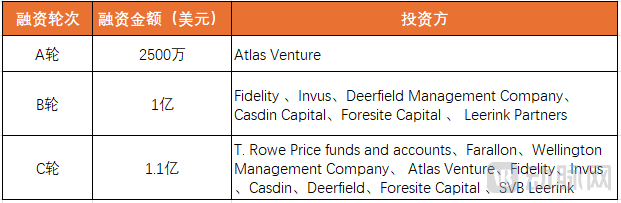
As a result, Generation Bio had raised approximately $227.3 million prior to its IPO, with investors including Atlas Venture, Fidelity, T. Rowe Price, Invus, Farallon, Wellington, Deerfield, Casdin Capital, and Foresight Capital.
At its IPO, Generation Bio issued 10,526,316 shares at an offering price of $19 per share, raising $200 million and achieving a market capitalization that once exceeded $1 billion.
Generation Bio was founded with the goal of advancing the innovation and development of repeat-dose gene therapies.
Generation Bio’s core technology was discovered by the company’s scientific founder, Dr. Robert Kotin. As a senior investigator at the National Institutes of Health (NIH), Dr. Kotin identified a novel non-viral gene transfer method known as closed-ended DNA (ceDNA), which was later optimized into iqDNA. This eukaryotic DNA possesses the unique ability to translocate from the cytoplasm to the nucleus without requiring a viral capsid. Once inside the nucleus, iqDNA forms stable, non-integrating episomes, resulting in high-level, long-term gene expression. The technology can also accommodate larger genes and regulatory elements, thereby holding promise for treating a broader range of diseases.
Dr. McDonough, President and CEO of the Company, stated: “Generation Bio has pioneered a transformative approach with the potential to free future generations from inherited genetic diseases. Our unique non-viral technology enables the development of gene medicines whose dosing can be titrated and whose therapeutic effects can be sustained, aiming to deliver optimal disease modification for each patient throughout their lifetime. Furthermore, it avoids the immunogenicity associated with viral vector gene therapies, thereby expanding the number of patients who can be treated.”
Thus,Generation Bio has built two major technology platforms on this foundation—the ctLNP platform and the iqDNA platform.This enables the company to utilize state-of-the-art lipid nanoparticles for intravenous delivery of iqDNA to the liver, either for treating liver diseases or for converting the liver into a living “biofactory” that expresses systemic proteins to treat various genetic disorders.
ctLNPTechnical Platform
Generation Bio’s ctLNP platform is an innovative technology platform for gene therapy. This platform utilizes cell-targeting lipid nanoparticles (ctLNPs) as gene delivery vectors, aiming to enhance the safety and efficacy of gene therapy.According to reports, the platform can selectively target and deliver payloads to 75% of T cells circulating in the spleen, maintaining high-level delivery at doses as low as 0.005 mg/kg in humanized mice.
Currently, lipid nanoparticles (LNPs) are one of the hottest areas in drug delivery. Compared with traditional LNPs, Generation Bio’s ctLNP demonstrates several more significant advantages:
First isSelective Targeting, as the ctLNP system is modular, ligands can be exchanged as needed to target different regions, thereby accessing previously unreachable tissues and cell types, which will help enhance the safety and efficacy of potential drugs.
Secondly,Exhibits lower immunogenicity and higher in vivo stability, which helps reduce unnecessary stimulation of the immune system and enhance the durability of treatment. Since LNPs do not trigger an immune response, Generation Bio can enable repeated dosing, thereby allowing therapy to start at a low dose, be titrated upward as needed, and be extended as required.
In addition,The ctLNP platform also features flexible cargo capacity, enabling the delivery of various types of nucleic acid molecules., including DNA, RNA, and siRNA, which grants it broad applicability across various gene therapy and gene editing applications. Through this platform, researchers can deliver therapeutic genes to target cells with greater precision, minimizing effects on non-target cells, thereby enhancing therapeutic efficacy and reducing side effects.
Moreover,Highly selective and potent ctLNP delivery represents an ideal therapeutic approach for in vivo modification of target cells, meaning that ctLNPs bypass the lengthy, complex, and costly ex vivo manufacturing processes. This enables Generation Bio to develop in vivo cell therapies without the need for toxic preconditioning, while offering faster administration and significantly lower costs.
Building on this foundation, Generation Bio has partnered with Moderna to conduct more in-depth research in the T cell field, while also fully developing in vivo therapeutic programs targeting hematopoietic stem cells (HSCs) for the treatment of sickle cell disease and beta-thalassemia. In 2024, the company intends to demonstrate proof-of-concept for the highly selective in vivo delivery of therapeutic transgenes to T cells, as well as specific and effective in vivo HSC targeting in humanized mouse models.
iqDNATechnical Platform
Generation Bio’s iqDNA platform is an innovative genetic medicine technology that involves the use of a specially designed, partially single-stranded DNA vector known as immune-quiet DNA (iqDNA).
In fact, the innovative platform that Generation Bio developed at its inception was called ceDNA, an engineered linear covalently closed-ended double-stranded DNA. Subsequently, Generation Bio developed an optimized variant of ceDNA, known as immune-quiet DNA (iqDNA), which avoids activating key innate immune pathways upon systemic administration, thereby improving treatment tolerability. This represents a significant breakthrough in the company’s non-viral DNA therapy field and is expected to further advance its applications in liver diseases and immune cell therapies.
Following systemic administration using Generation Bio’s ctLNP delivery, cytokine levels and tolerability comparable to those of chemically modified mRNA have been demonstrated in mice and non-human primates (NHPs).
iqDNA is designed to avoid activating the innate immune system while maintaining intracellular transcriptional activity.This DNA vector is produced using Generation Bio’s proprietary cell-free rapid enzymatic synthesis (RES) method, a cell-free process that enables precise chemical and structural modifications to DNA, thereby enhancing its functionality.
A key feature of the iqDNA platform is its ability to produce molecular designs and components with a high degree of control, enabling DNA vectors to evade recognition by key innate immune pathways, such as cGAS-STING, while maintaining expression activity, thereby reducing immune responses. This characteristic may facilitate the development of novel therapies with wider therapeutic windows, addressing one of the major challenges in the development of in vivo DNA gene therapy drugs. Leveraging RES technology, iqDNA can be manufactured at scale to meet clinical and global commercial demands, while avoiding the challenges associated with cell culture-based production methods.
Generation Bio is advancing its iqDNA platform using RES technology, enhancing performance through optimized structure and chemical composition. For instance, new data presented at the ASGCT meeting demonstrated that second-generation iqDNA achieved higher luciferase expression levels than the first generation. Currently, the company is testing formulations of second-generation iqDNA encoding Factor VIII, delivered via ctLNP. Through these technologies, Generation Bio aims to develop next-generation non-viral gene therapies to support its mission of expanding the application of gene therapy to a broader global population affected by both rare and common diseases.
Currently, Generation Bio’s non-viral gene therapy platform aims to advance durable, redosable, and titratable gene therapy treatments.Leveraging its two core technology platforms, Generation Bio has established a pipeline of three product candidates.
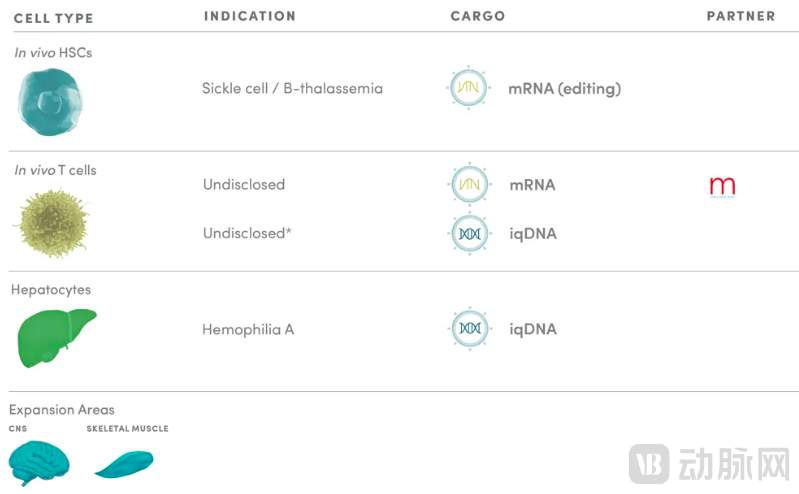
The first project targets sickle cell disease/β-thalassemia, with a core focus on the in vivo production of hematopoietic stem cells. According to Generation Bio, hematopoietic stem cells (HSCs) are early-stage cells that differentiate into most immune and blood cells, making them potential targets for engineered cell therapies. Current approaches involve ex vivo modification of HSCs to increase fetal hemoglobin levels, thereby treating sickle cell disease and β-thalassemia. However, this process is slow, costly, and requires more toxic chemotherapy regimens.
Generation Bio is developing ctLNPs specifically targeting HSCs to directly deliver engineered RNA editors in vivo, thereby increasing fetal hemoglobin production. This approach could enable faster, lower-cost treatments for sickle cell disease and beta-thalassemia without the need for chemotherapy. In addition to sickle cell disease and beta-thalassemia, the company plans to expand its HSC portfolio to treat a range of hematologic and immune disorders.
Next is the project for treating hemophilia A. Hemophilia A is a rare genetic disorder characterized by impaired blood coagulation due to a deficiency in a protein called coagulation factor VIII. Currently, there are no gene therapies capable of consistently inducing therapeutic levels of coagulation factor VIII in all patients or allowing for repeated dosing over time.
Generation Bio’s gene therapy aims to achieve therapeutic factor VIII levels in patients of all ages, reducing the risk of bleeding and preventing irreversible damage. Its goal is to develop a redosable, drug-like treatment regimen that allows therapy to begin in childhood, with dosing adjusted to reach target levels. Each administration provides bleeding protection for several years, supported by routine monitoring of factor VIII levels.
Hepatocytes, the predominant cell type in the liver, perform numerous critical functions, including the production of many common human proteins. This makes them an ideal target for the introduction of iqDNA, a process that can transform these hepatocytes into “biological factories” for producing therapeutic proteins. The project aimed at treating hemophilia A is based on this approach.
Furthermore, Generation Bio has entered into a collaboration with Moderna to advance its T-cell therapy pipeline; specific details have not yet been disclosed.
Generation Bio’s advanced technology platform and manufacturing processes have secured major collaborations for its development.In March 2023, Moderna accelerated the expansion of its gene therapy initiatives by announcing a $76 million collaboration with Generation Bio to develop non-viral gene medicines.
Moderna has the option to license two immune cell projects, which will be co-developed based on Generation Bio’s ctLNP technology for the delivery of iqDNA. In addition, Moderna may select two liver-focused projects that will utilize Generation Bio’s liver-targeted lipid nanoparticles. Meanwhile, Moderna retains the option to license a third immune cell or liver project.
In return, Moderna will pay Generation Bio $40 million in upfront cash and make a $36 million equity investment. Moderna will fund all research and development activities, including paying research advance payments to Generation Bio, while Generation Bio will be eligible to receive milestones and royalties for all subsequent therapies.Moderna will also obtain the right to purchase additional shares of Generation Bio through future equity financings.
2023 also marked a turning point for Generation Bio. Following its collaboration with Moderna, Generation Bio began implementing business restructuring and a strategic shift in its R&D focus. As part of this transition, the company decided to reduce its workforce by 40%, aiming to extend its cash runway into the second half of 2027.
As of the end of 2022, Generation Bio had 150 employees and is expected to lay off 60 staff members by the first half of 2024. The company anticipates that these layoffs and other cost-cutting measures will save approximately $120 million over three years. The layoffs also affected the company’s executive leadership, with Chief Medical Officer Dr. Douglas Kerr and Chief Development Officer Dr. Tracy Zimmermann departing in late January.
Executive departures and changes also signal the company’s expansion of its business focus beyond the liver therapeutics space. In October 2023, Generation Bio announced a significant update regarding its iqDNA platform, indicating that the company is undergoing a strategic shift. The announcement revealed that the company is pivoting its focus from closed-ended DNA to iqDNA, as evidence suggests that iqDNA technology can evade the host’s innate immune response. This transition is expected to extend the company’s cash runway into 2026.
Meanwhile, despite setbacks in hemophilia A research in 2021, Generation Bio is currently shifting its focus to developing new programs targeting extrahepatic sites. This restructuring has also enabled Generation Bio to concentrate more effectively on advancing pipeline projects that apply its ctLNP platform to extrahepatic cell types. Additionally, the company will continue its collaboration with Moderna on immune cell projects and apply its iqDNA platform to the treatment of hemophilia A and other diseases.
According to Generation Bio’s first-quarter 2024 financial report, as of March 31, 2024, the company’s cash, cash equivalents, and marketable securities totaled $233.9 million, which will fund its operational plans for the second half of 2027.
Meanwhile, Generation Bio continues to advance its technology platform and pipeline. As Dr. McDonough, CEO, stated, “We believe our medicines can enable in vivo production and repeat dosing, which means they have the potential to surpass current viral, biological, and ex vivo manufacturing methods, benefiting a broader patient population globally.”