

2024 Beijing Sub-Center Innovation Medical Translation Competition Concludes Successfully, Advancing Industry-Medicine Collaboration and Technology Commercialization
The Beijing Municipal Committee of the Chinese Peasants and Workers Democratic Party actively implemented the requirement issued by the United Front Work Department of the CPC Beijing Municipal Committee to “pool capital united front resources to support high-quality industrial development in the City Sub-center.” Under the careful guidance of the Municipal United Front Work Department, it jointly hosted the “2024 Beijing City Sub-center Innovative Medical Translation Competition” with the Tongzhou District People’s Government and Capital Medical University. This marks the first innovation competition held in the City Sub-center with the theme of “medical translation,” aiming to build key links in the translation ecosystem—connecting technology with demand, clinical practice with solutions, and enterprises with capital—thereby providing professional support for both supply and demand sides of achievement translation and fully leveraging the demonstrative role of medical-industrial synergy.
On the morning of August 4, following rigorous evaluation by a panel of judges comprising more than ten representatives from clinical institutions, universities, funding organizations, and renowned enterprises, the winners of the 2024 Beijing Municipal Administrative Center Innovative Medical Translation Competition were officially announced. To further promote the agglomeration of the pharmaceutical and health industries in the Beijing Municipal Administrative Center and foster collaborative development between the medical and industrial sectors, the 2024 Forum on Medical Innovation and Research Translation, along with the award ceremony for the Beijing Municipal Administrative Center Innovative Medical Translation Competition, was held that afternoon.
This Innovation Competition and Forum are hosted byGuided by the United Front Work Department of the Beijing Municipal Committee of the Communist Party of China; the Beijing Municipal Committee of the Chinese Peasants and Workers Democratic Party; the People’s Government of Tongzhou District, Beijing Municipality; and Capital Medical UniversityCo-hosted by [Organizer Name], organized by One Health Valley and VCBeat, with the People's Daily Health Client as the strategic media partner.
Representatives from the organizing parties delivered opening remarks at the forum.
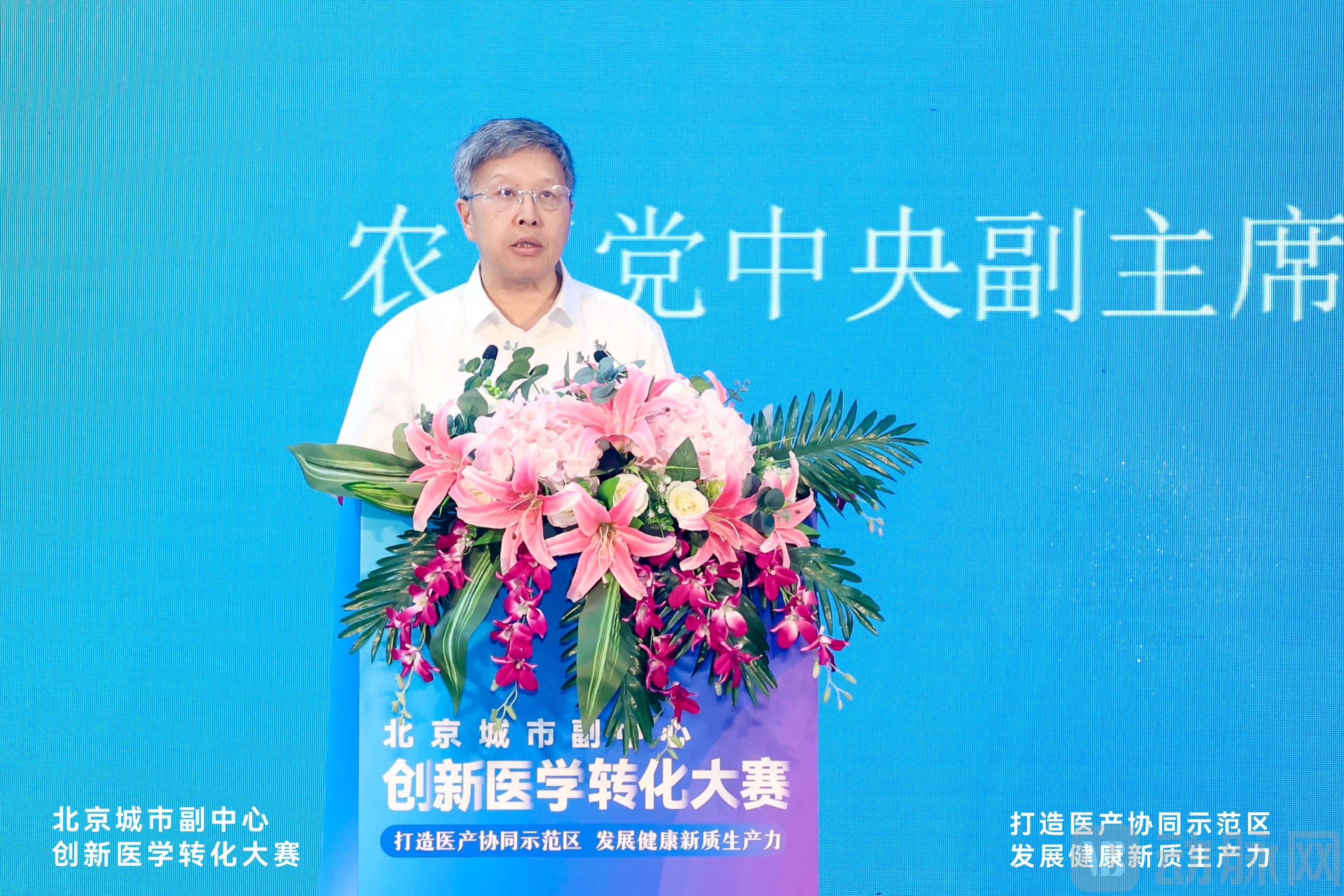
Vice Chairperson of the Central Committee of the Chinese Peasants and Workers Democratic Party, Vice Chairperson of the Beijing Municipal Committee of the Chinese People's Political Consultative Conference, Chairperson of the Beijing Municipal Committee of the Chinese Peasants and Workers Democratic Party, Academician of the Chinese Academy of EngineeringWang JinnanIt was pointed out that the Beijing Municipal Committee of the Chinese Peasants and Workers Democratic Party will fully leverage the advantages of its primary sectors, thoroughly implement the strategy of prioritizing health as outlined in the Third Plenary Session of the 20th Central Committee of the Communist Party of China, focus on frontier areas for cultivating and developing new quality productive forces in health, actively build platforms for exchanging ideas, building consensus, and planning development together, provide scientific advice and practical suggestions, better serve the diverse and multi-level health needs of the people in the capital, and effectively enhance the public’s sense of gain in health.
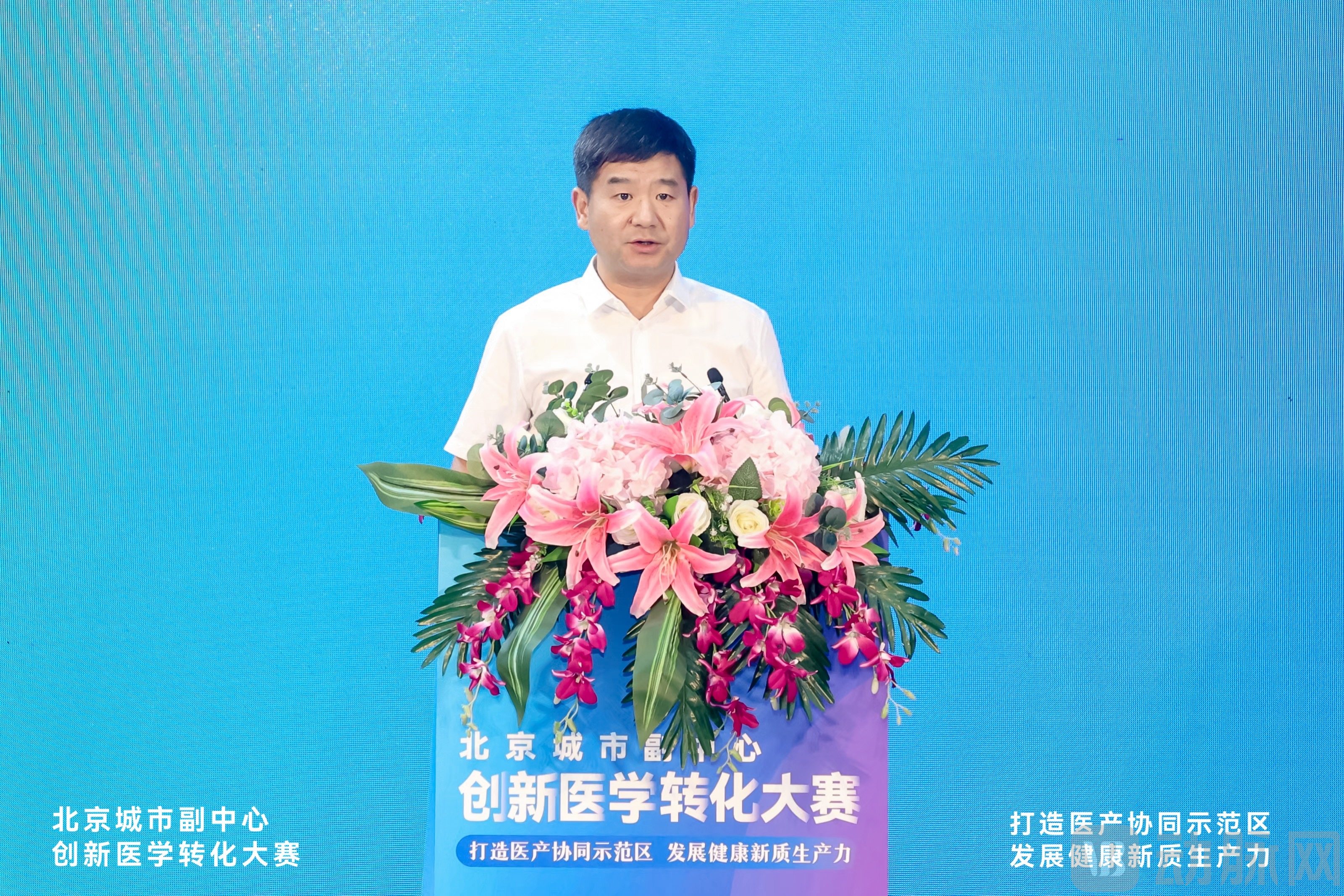
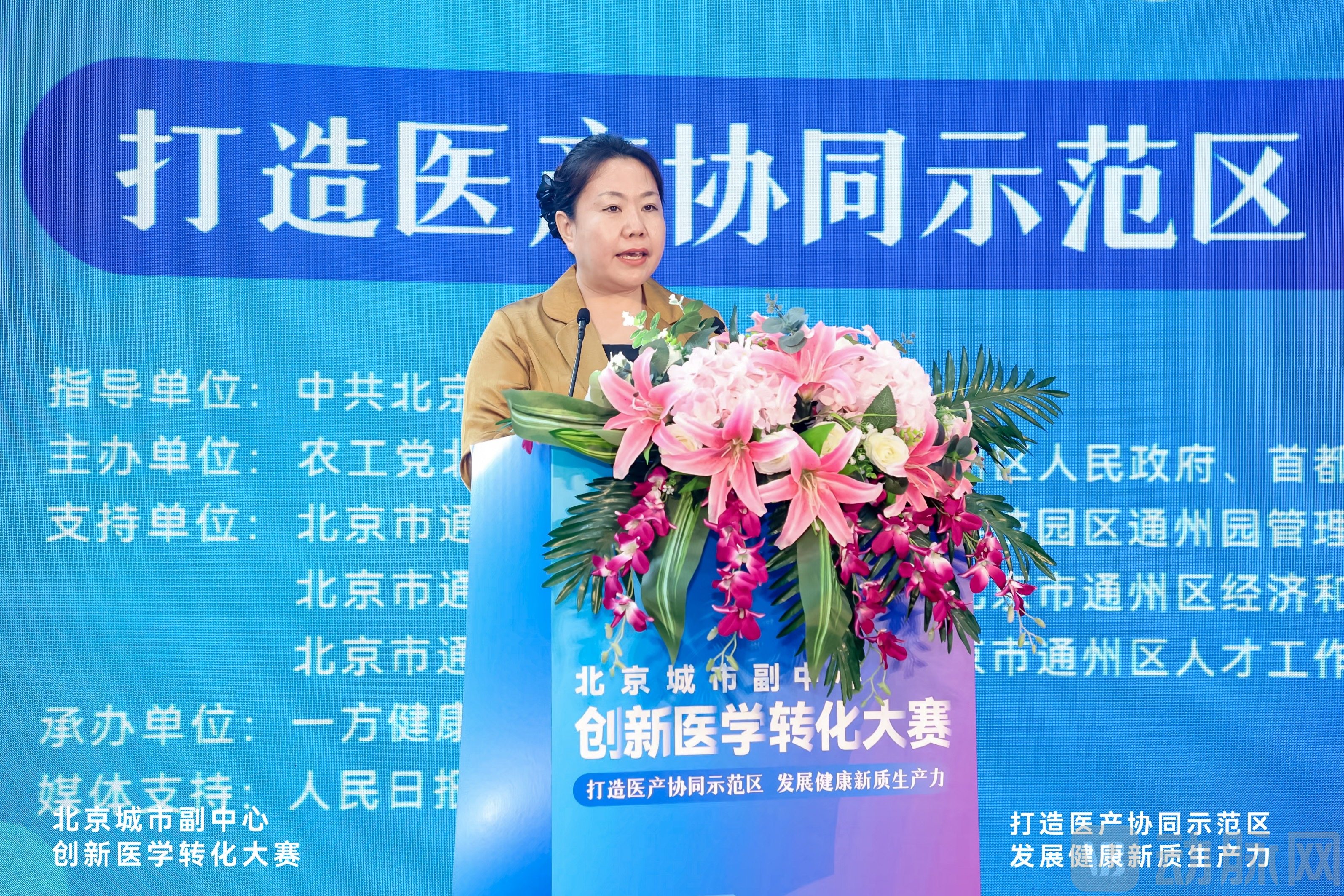
Member of the Standing Committee of the Tongzhou District Committee of the Communist Party of China, Deputy District MayorWu Kong'anDelivering a speech. The Sub-Center is currently making all-out efforts to advance three major initiatives: the doubling of scientific and technological innovation resources, the construction of a “City of Region-Wide Scenario Innovation,” and the cultivation of the “Ten-Hundred-Thousand” industrial clusters, with biopharmaceuticals being a key focus area. Tongzhou District boasts unique locational advantages, robust industrial policies, and abundant application scenarios. We sincerely invite high-quality enterprises and outstanding talents from the pharmaceutical and health industries to come to, and put down roots in, the Sub-Center. Let us join hands to build the “Tongzhou Pole” of the pharmaceutical and health industry and jointly create a bright future for this sector in the Sub-Center!
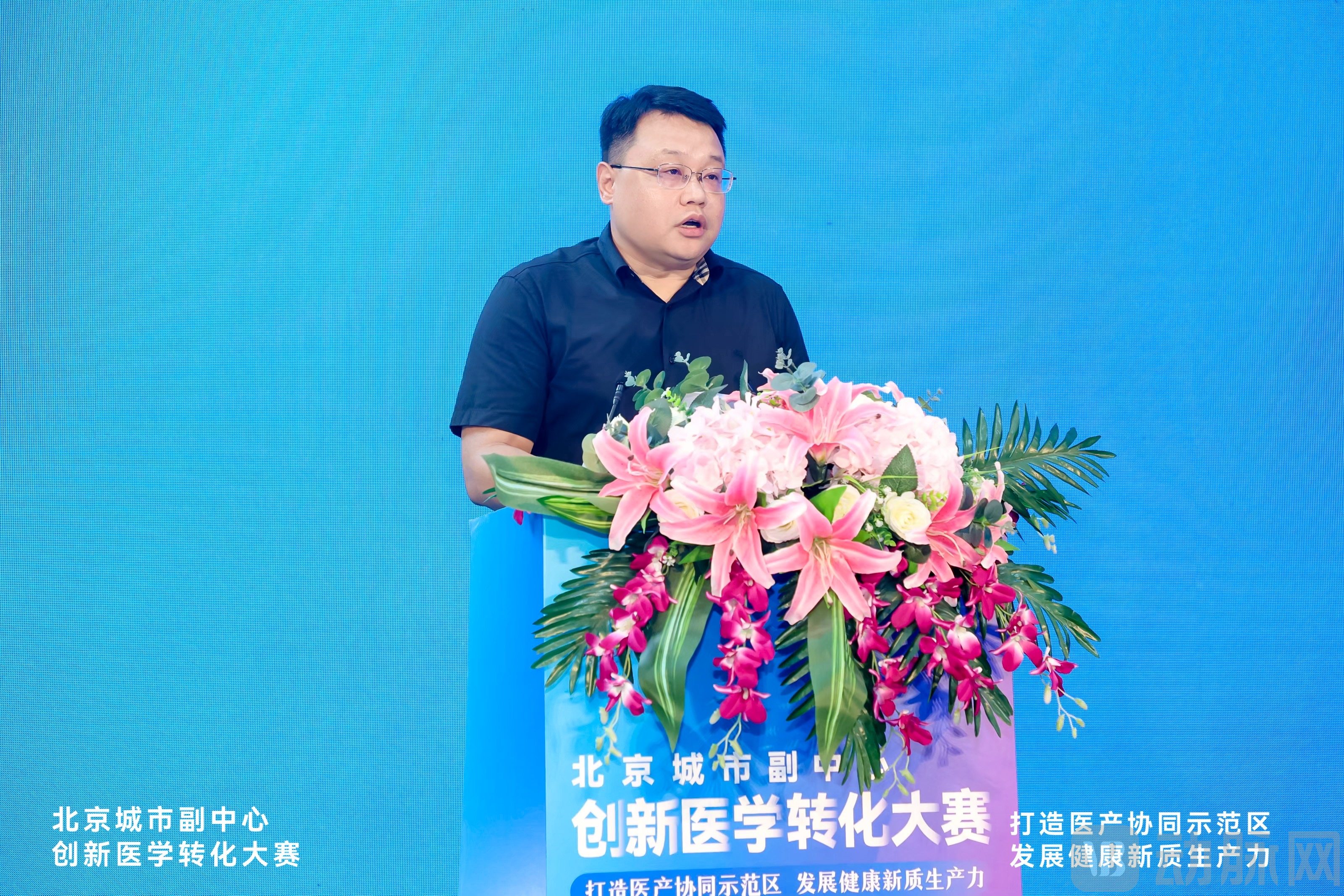
Member of the Standing Committee of the Party Committee and Vice President, Capital Medical UniversityChen RuiIt was stated that co-hosting the “Beijing Municipal Administrative Center Innovative Medical Translation Competition” is a concrete measure taken by Capital Medical University, Tongzhou District, and the Chinese Peasants and Workers Democratic Party to jointly promote the translation of medical achievements and improve the industrial innovation ecosystem. Beijing Friendship Hospital, Beijing Chest Hospital, and Beijing Luhe Hospital, all affiliated with Capital Medical University, have already established a firm presence in the Municipal Administrative Center. In the future, Capital Medical University will continue to leverage its professional advantages as a medical institution, stimulate scientific research enthusiasm and innovation vitality, and help enrich and improve the innovation ecosystem for the pharmaceutical and health industries in the Municipal Administrative Center.
Subsequently, the Deputy Chairperson of the Beijing Municipal Committee of the Chinese Peasants and Workers Democratic Party, and Director of the Beijing Municipal Health CommissionLiu JuncaiShared the achievements of scientific and technological innovation in medicine and health in Beijing.
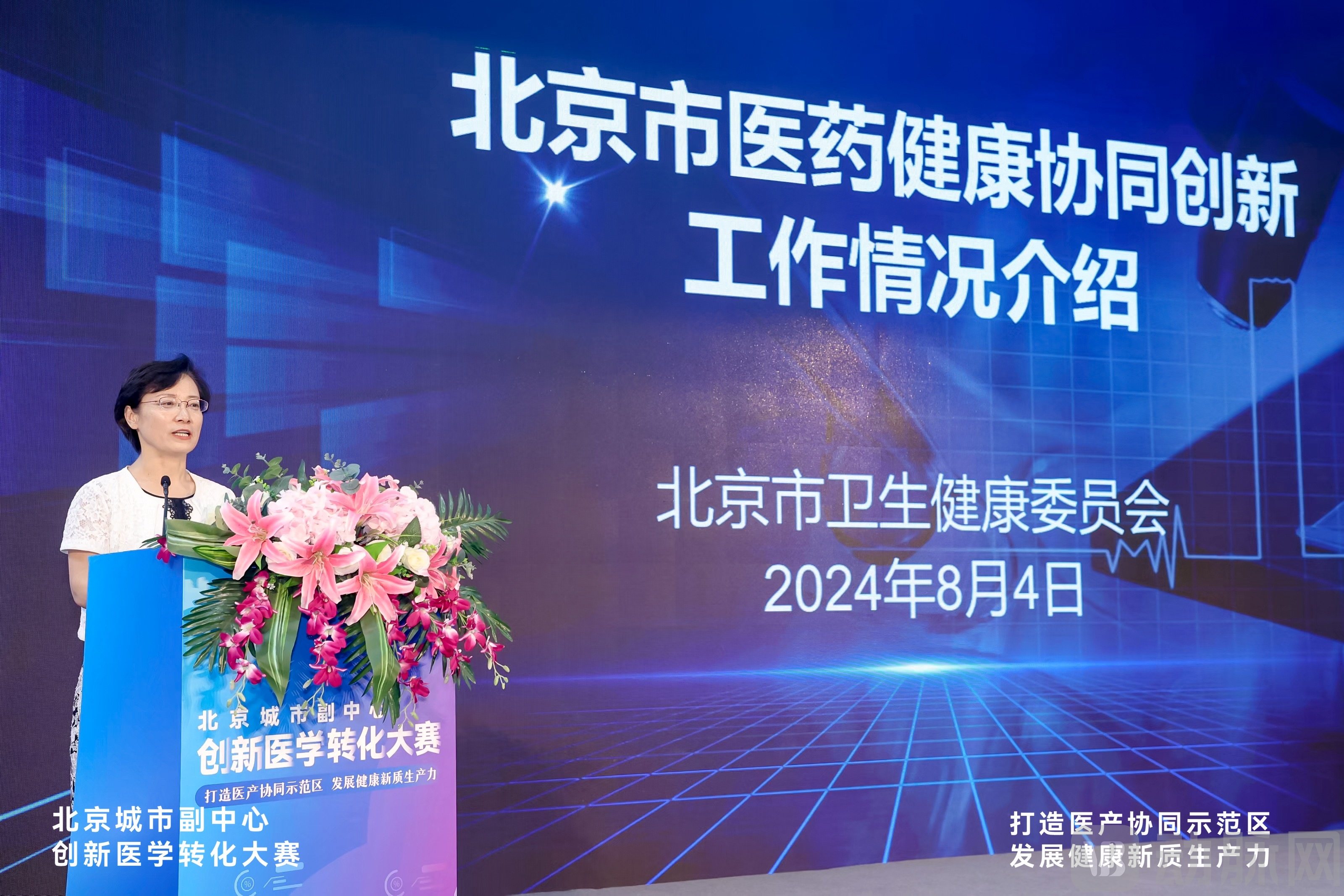
The Beijing Municipal Committee of the Communist Party of China and the Beijing Municipal People’s Government have attached great importance to the development of the pharmaceutical and health industry, positioning it as one of the “dual engines” driving Beijing’s innovative development. Since 2018, Beijing has successively implemented multiple action plans, establishing the development goal of reaching a total industry scale of RMB 1.25 trillion for the city’s pharmaceutical and health sector by 2026.
Driven by the concerted efforts of various departments, Beijing’s biomedical industry has demonstrated a trend toward large-scale development, industrial clustering, and innovation. In 2023, the revenue of Beijing’s pharmaceutical and health industry reached RMB 976.1 billion, with 85 listed pharmaceutical companies. The number of innovative medical devices approved for market launch has ranked first in China for many consecutive years.
In this process, the health authorities have fully leveraged their dual-leading role by encouraging source innovation, facilitating the translation of research findings into practical applications, providing clinical trial services, serving as effective industry stewards, and promoting the adoption of innovative products in hospitals. These efforts have collectively transformed Beijing’s resource advantages into strengths in medical technological innovation, healthcare quality, and the development of the biopharmaceutical industry, thereby supporting the construction of an international center for scientific and technological innovation and advancing China’s high-level self-reliance and strength in science and technology.
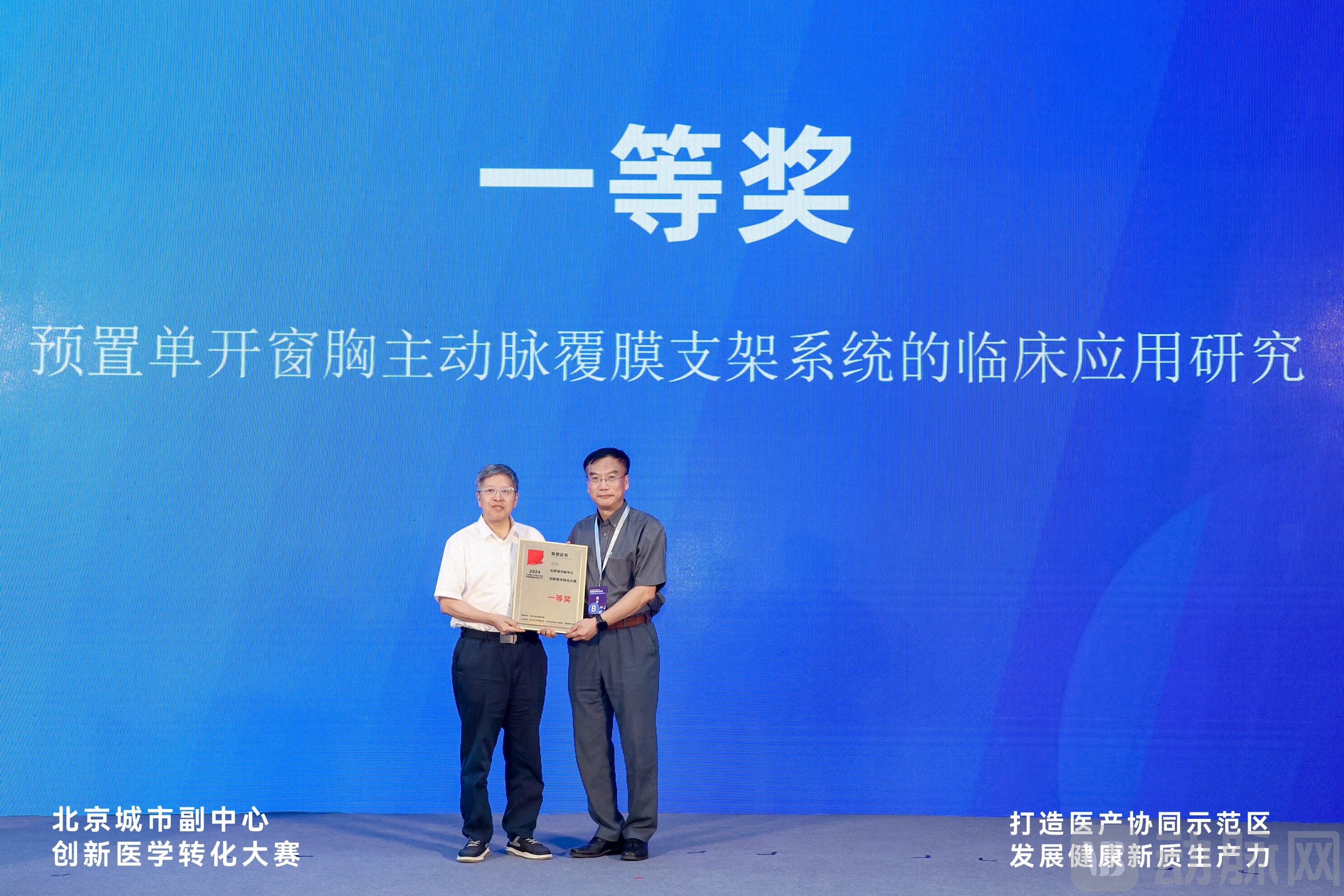
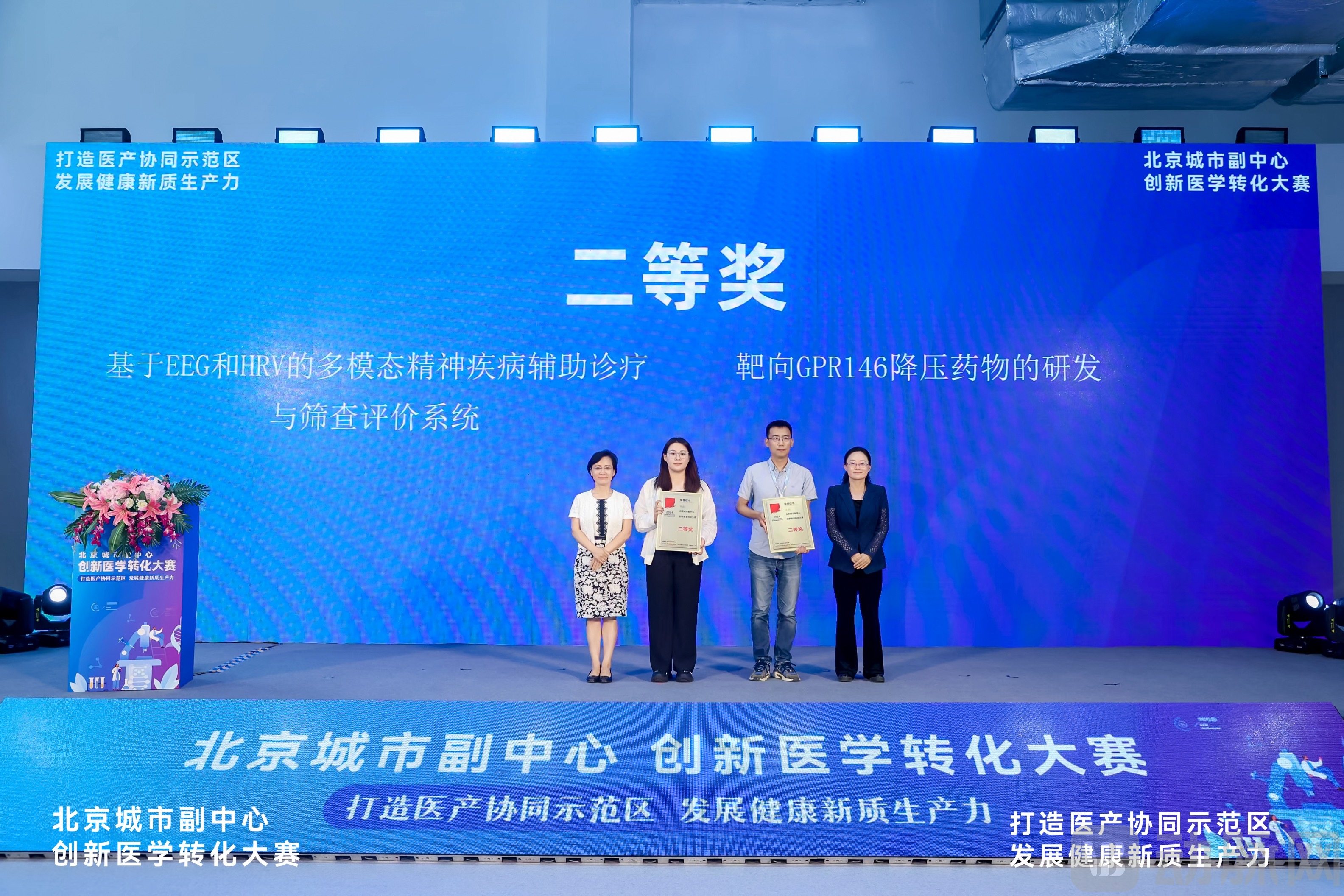
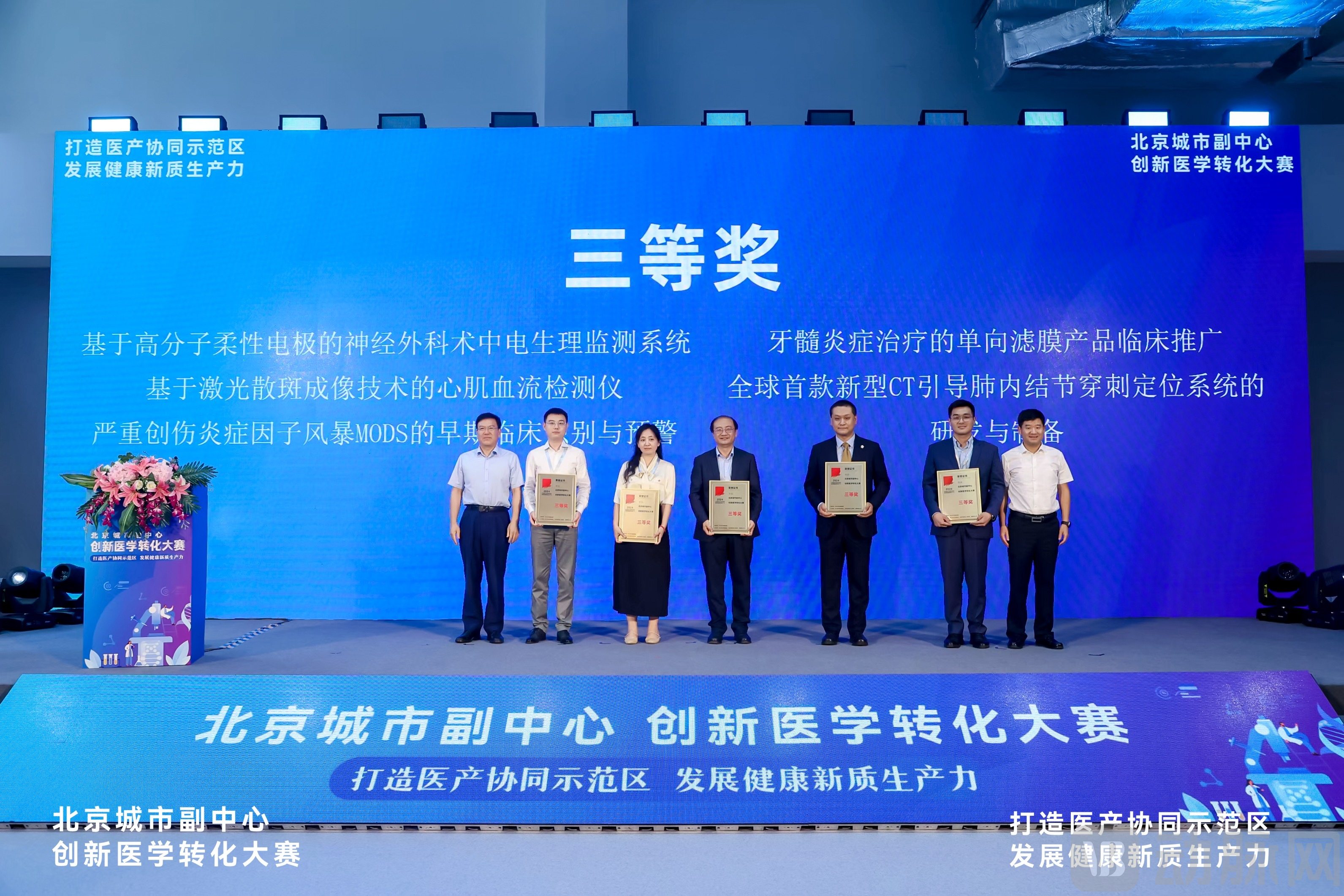
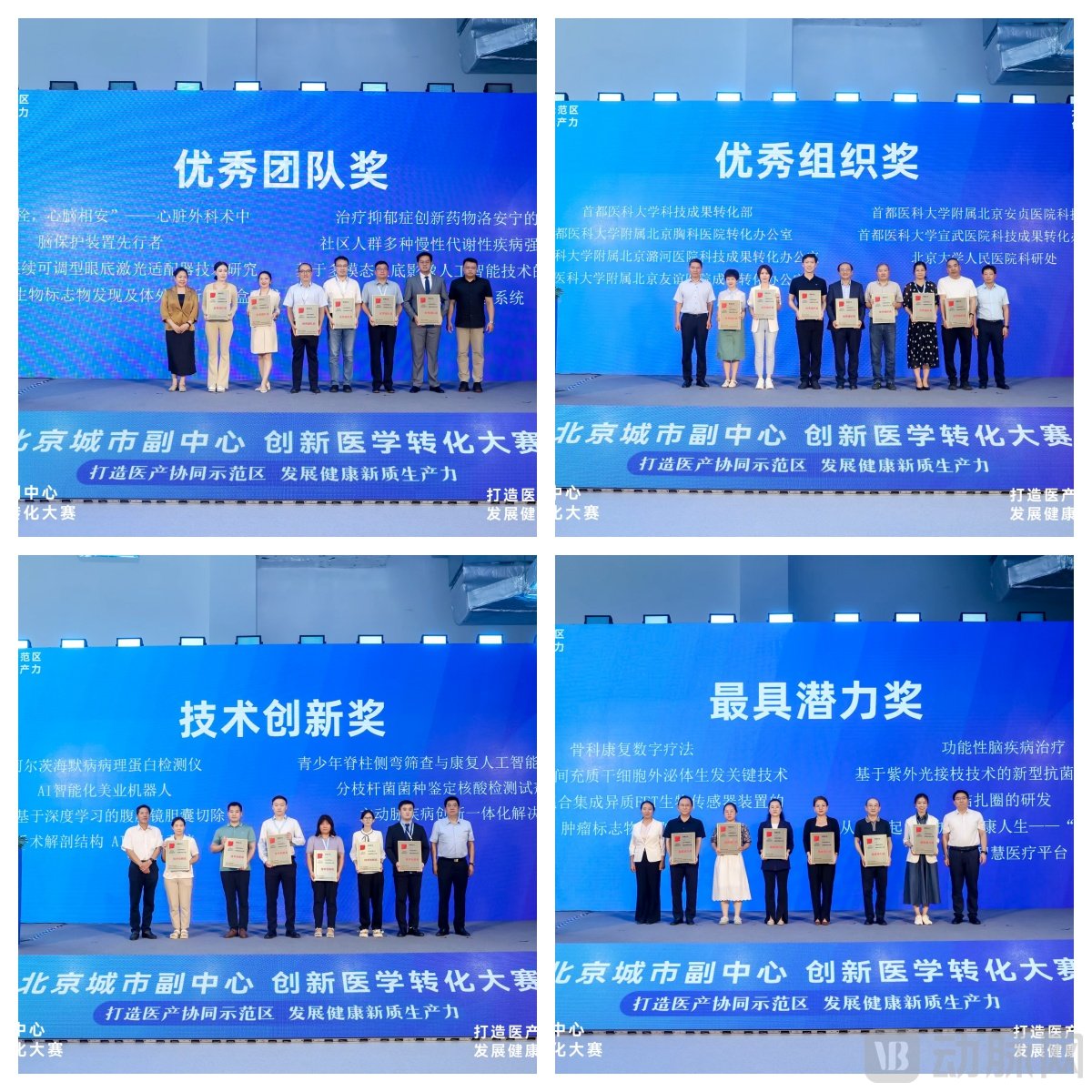
The forum was led by the Deputy Secretary-General of the Beijing Municipal Committee of the Chinese People's Political Consultative Conference and the full-time Deputy Chairperson of the Beijing Municipal Committee of the Chinese Peasants and Workers Democratic PartyJiang XinHost. The forum also held the award ceremony for the Beijing Sub-Center Innovative Medical Translation Competition, where representatives from the Beijing Municipal Committee of the Chinese Peasants and Workers Democratic Party, the People's Government of Tongzhou District, Beijing, and Capital Medical University presented honors to the winning projects.
The pharmaceutical and health industry is one of the six key industrial clusters being prioritized in Beijing’s Sub-Center, classified as a strategically guided sector. As the host location for this competition and forum, Tongzhou District is also making every effort to contribute to the industry’s development. Party Secretary and Director of the Tongzhou District Science and Technology CommissionGuo LantaoPromoted and introduced the series of measures and policies encouraging innovation in the pharmaceutical and health industries and accelerating high-quality industrial development in Beijing’s Municipal Administrative Center.
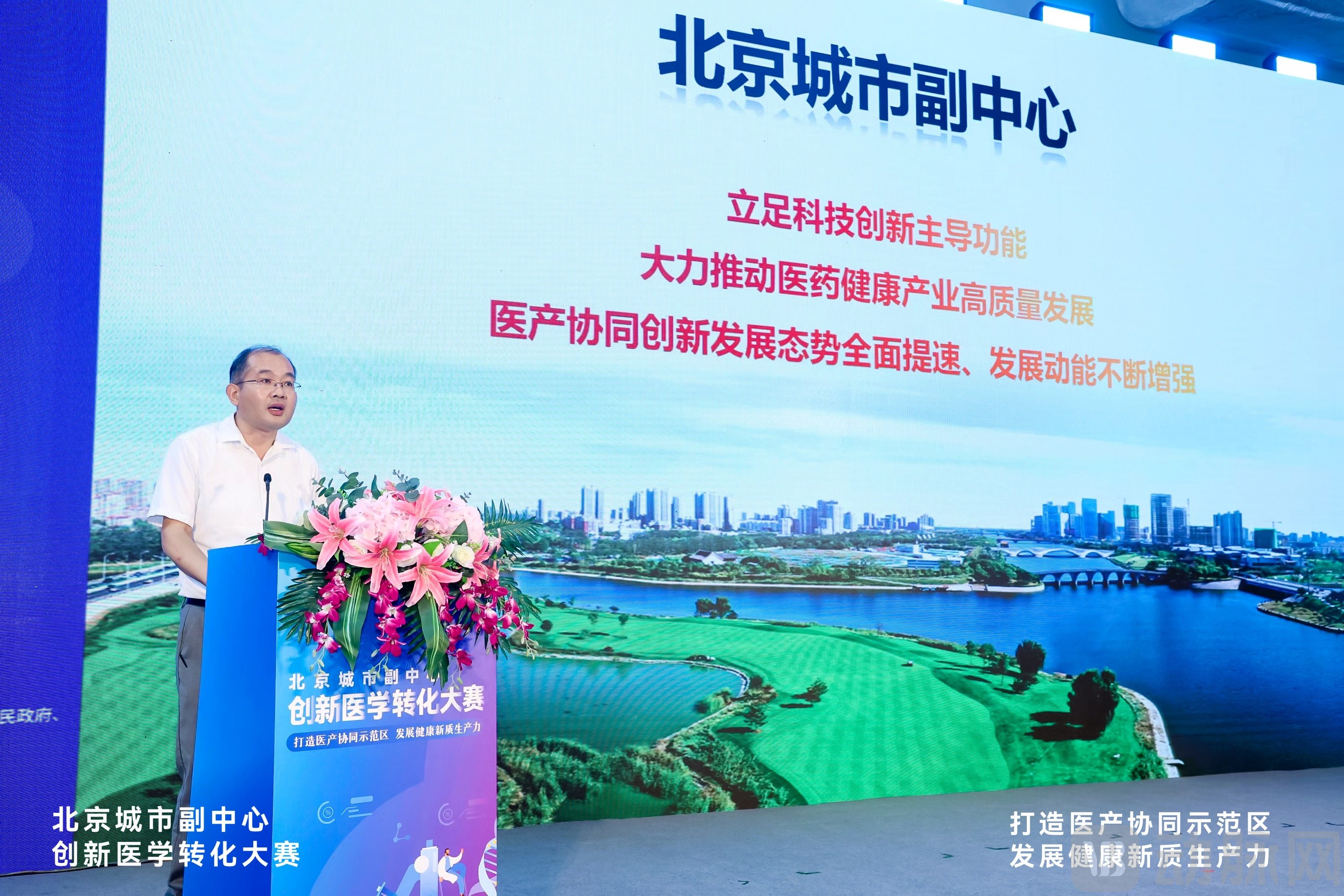
Currently, the Beijing Municipal Administrative Center has registered a total of 493 industrial entities and is home to 621 medical institutions. It has become one of the key hubs for Beijing’s pharmaceutical and health industry, serving both supply and demand sides. Furthermore, the Beijing Municipal Administrative Center has introduced significant policies such as the “Ten Measures for Pharmaceuticals,” which provide extensive support for pharmaceutical enterprises, talent development, industrial funds, and various industrial factor entities, thereby further promoting the high-quality development of the pharmaceutical and health industry.
In the future, the Beijing Municipal Administrative Center will focus on two primary sectors—high-end medical devices and innovative pharmaceuticals—and four supporting areas: cutting-edge diagnostic and therapeutic technologies, AI-enabled healthcare, related producer services, and high-end specialized consumer services. It will accelerate the research and development of new drugs and medical devices, foster the growth of the future health industry, establish the sub-center as a hub for coordinated development of medicine and industry, and make the pharmaceutical and health industry a hallmark of the sub-center’s high-quality development.
As a key outcome of the forum, a signing ceremony was held for the Yifang Innovative Medical Incubator in the Beijing Municipal Administrative Center. Nine innovative companies signed agreements to settle in the incubator, including Jiezhen Medical, Maiyu Medical, Shudong Cloud Medicine, Xinghui Zhongyue, Limei Medical, Wuqian Naoyu, Heming Zhengqiu, Xuanzhitong Technology, and Antisi Brain Science.
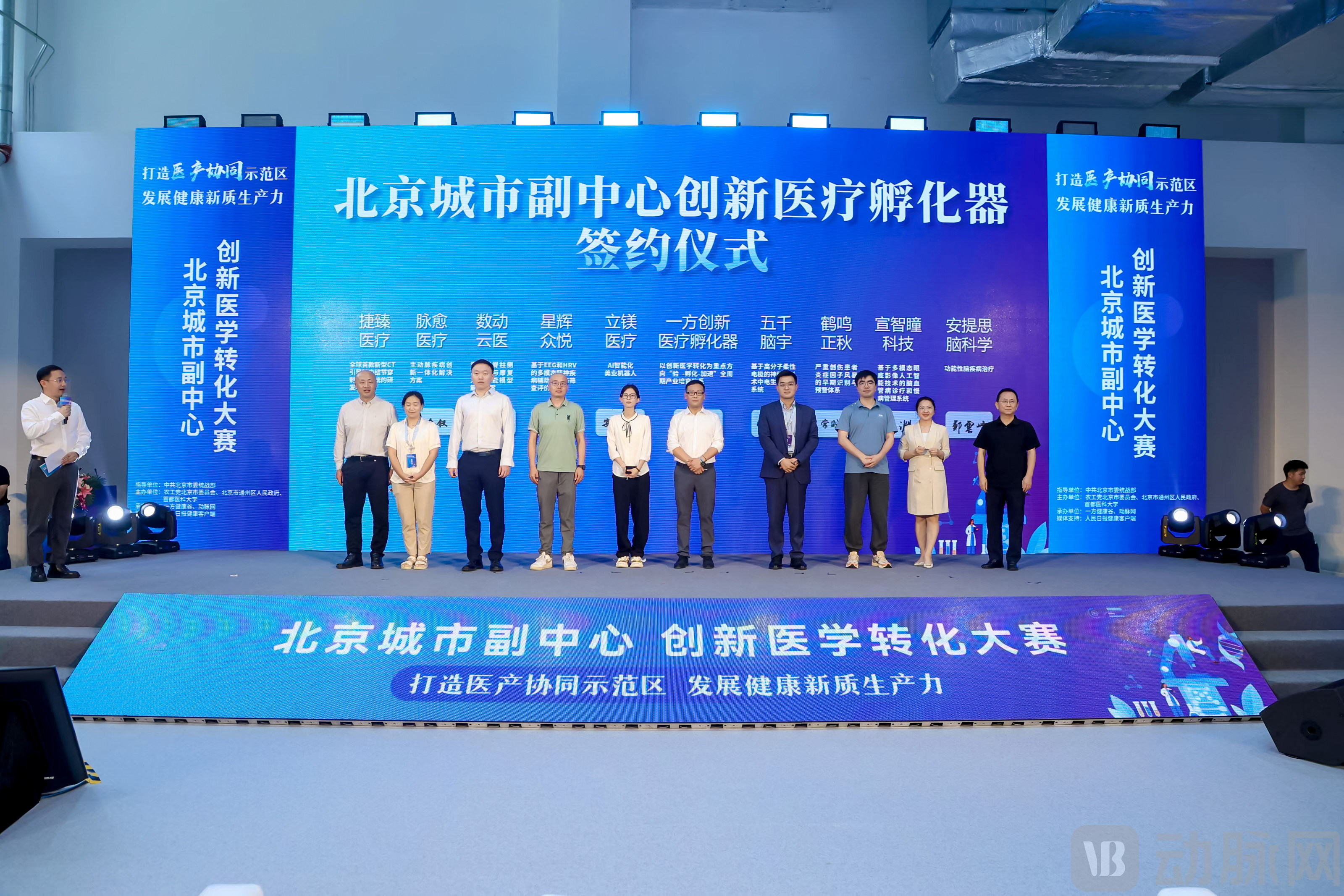
To enhance the efficiency of translating scientific research into practical applications and accelerate the development of innovative drugs and medical devices, Yifang Health Valley, under the guidance of the Tongzhou District Science and Technology Commission, is actively building the Beijing Sub-Center Innovation Medical Incubator. Focusing on the translation of innovative medical achievements, it has established a full-cycle industrial cultivation system of “verification-incubation-acceleration,” aiming to foster a fertile ground for scientific research and stimulate innovation vitality through an open environment, favorable policies, and high-quality services.
At the same time, the forum specially organized two themed discussions, “Dean’s Roundtable” and “Medical-Industrial Collaboration,” aiming to conduct an in-depth dialogue on the pharmaceutical and healthcare industry.
Dean’s Roundtable: Developing New Quality Productive Forces in Health, and Innovating the Development of Scientific Research Achievements in Medical Institutions
Deputy Secretary of the Party Committee and President, Beijing Anzhen Hospital, Capital Medical UniversityCai Jun, Deputy Secretary of the Party Committee and Director of Beijing Chest Hospital, Capital Medical UniversityLi Xiaobei, Deputy Secretary of the Party Committee and President of Beijing Luhe Hospital, Capital Medical UniversityWu Yingfeng, Vice President of Peking University People's Hospital and Executive Director of the Tongzhou CampusWang TianbingA lively discussion was held on the theme of “Developing New Quality Productive Forces in Health and Innovating the Development of Scientific Research Achievements in Medical Institutions.” The roundtable was moderated by the founder of VCBeat.Li DataoModerator.
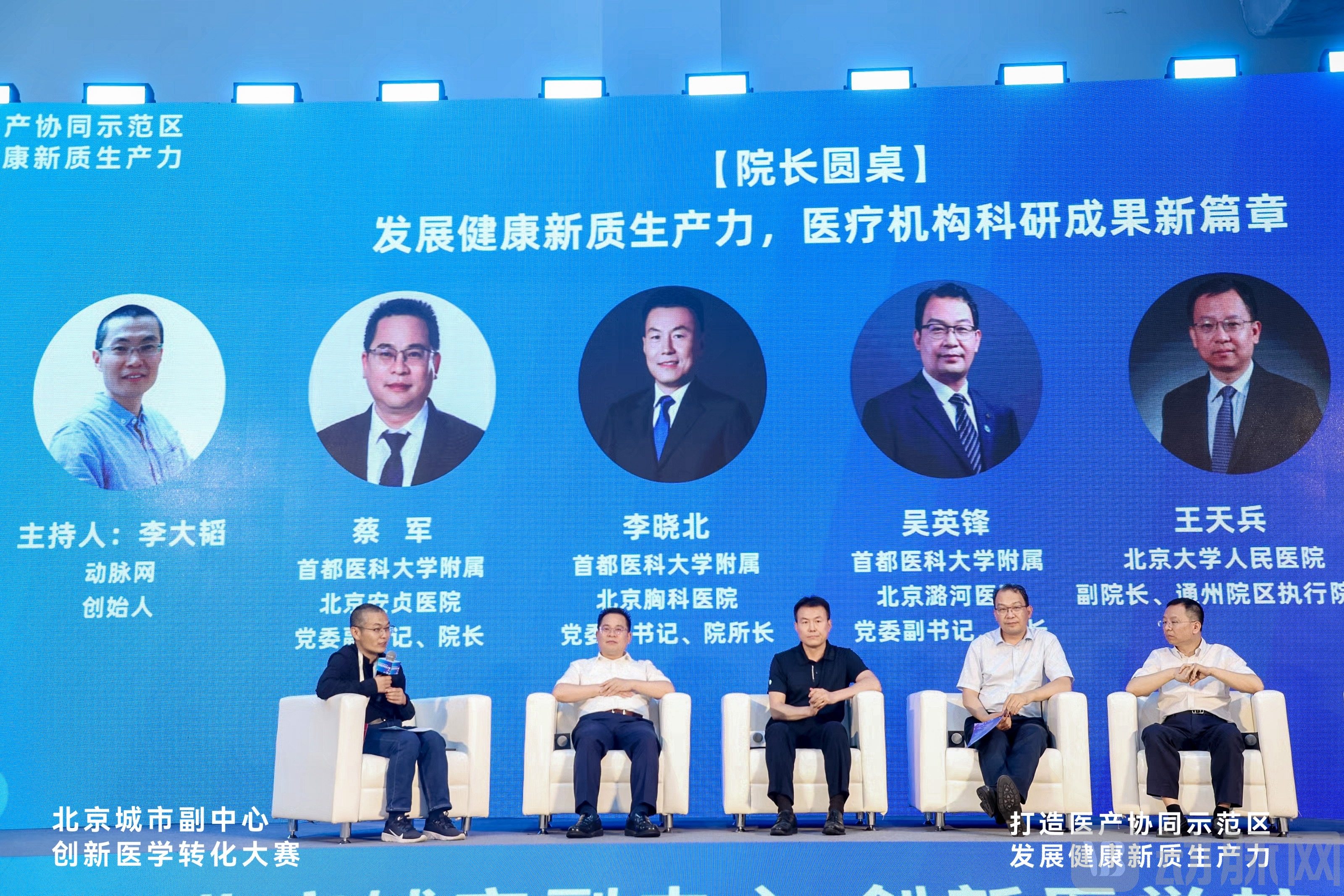
The four panelists noted that, against the backdrop of the continuous introduction of macro-level policies and supporting documents aimed at encouraging the translation of technological innovation achievements, medical institutions—as key sources of innovation—have begun to steadily improve their internal mechanisms and systems for translating research outcomes. This trend not only aligns with the contemporary imperative to promote high-quality development in public hospitals and foster new quality productive forces in healthcare, but also meets the needs of sustainable hospital operations and enables the realization of professional value for clinical researchers.
However, the commercialization of innovative achievements is a systematic endeavor that faces numerous challenges, such as a high volume of patents coupled with low conversion rates, insufficient market linkages, difficulties in the precise evaluation of outcomes and connecting them with market resources, a shortage of professional talents such as technology transfer specialists, an innovation ecosystem that awaits further improvement, and the yet-to-be-bridged gaps in the “industry-academia-research” chain.
Meanwhile, the translation of medical innovations is a relatively flexible and diversified process that, to some extent, requires innovators to independently explore, experiment, and learn from failures in market competition, thereby uncovering market potential and achieving market development. The panelists believed that “appropriate deregulation” on the policy front could further unleash the potential of technological innovation, enhance the autonomy of medical institutions and researchers in their innovative endeavors, and facilitate more effective transformation of scientific achievements.
Medical-Industrial Synergy: The Full Chain of Translational Medical Research and the Future Landscape of Industrial Innovation
Deputy Director, Department of Pharmaceutical Analysis, Institute of Materia Medica, Chinese Academy of Medical Sciences and Peking Union Medical CollegeZhang Jinlan, Vice Chairman of Meinian Onehealth GroupGuo MeilingDirector of the Heart Center, Beijing Luhe Hospital, Capital Medical UniversityZhai Guangyao, Chairman of Dishuo BeikenZheng Zhongzheng, Chairman of Lingfu BiotechZhang LeiParticipants exchanged their views on the topic of “How stakeholders across industrial innovation chains can achieve collaborative innovation.” The roundtable was moderated by a member of the investment committee and Chief Medical Officer of CICC Nuosige Investment Fund.Li JigangModerator.
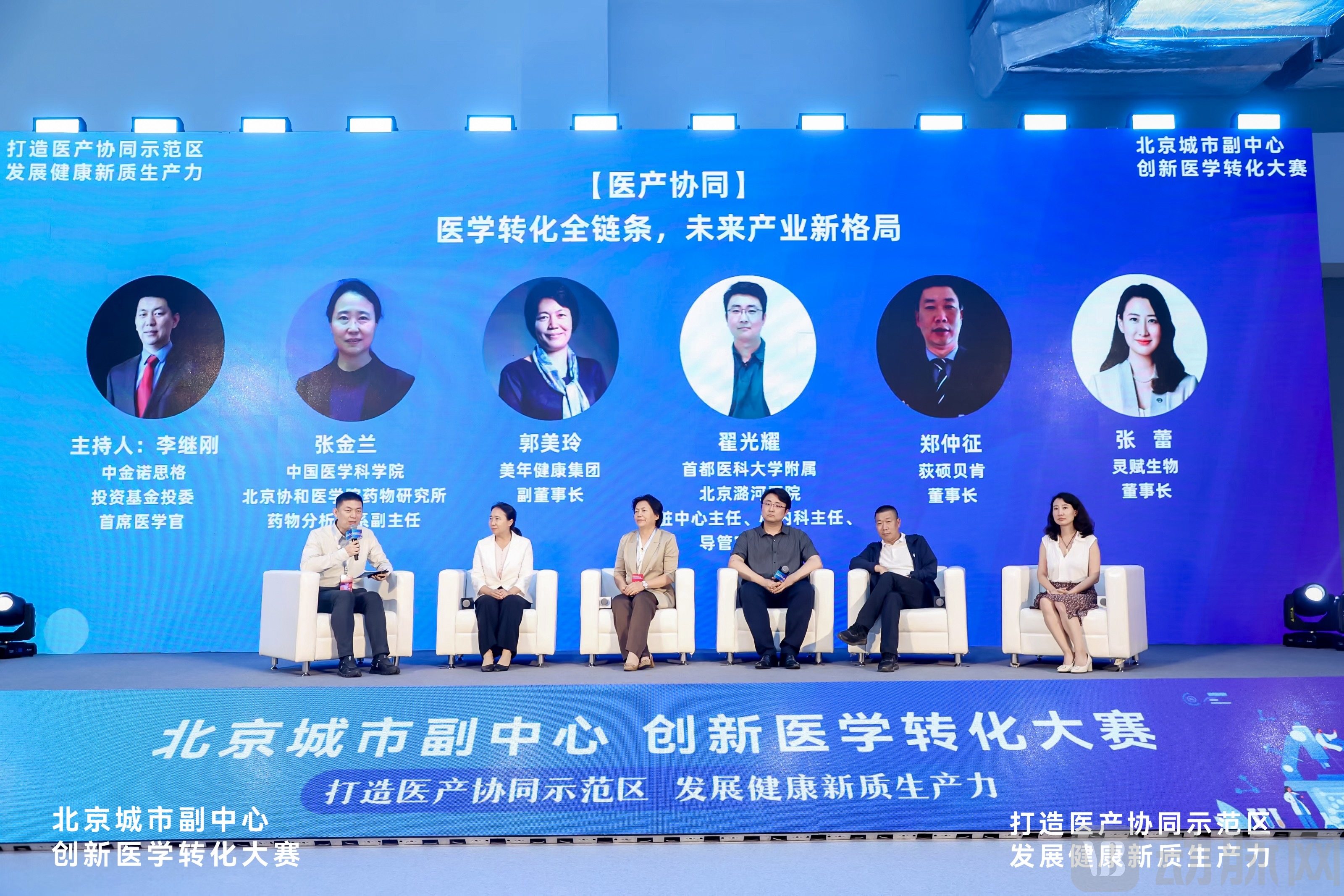
The panelists believe that the translation of scientific and technological achievements requires the organic integration and coordinated allocation of innovation factors such as technology, capital, talent, and market. Therefore, building an industrial platform or ecosystem to serve as a communication bridge between the medical and industrial sectors, and establishing richer and more regularized mechanisms for medical-industrial exchange, can effectively address challenges such as information asymmetry in supply and demand, prolonged translation cycles, and lack of resource sharing.
Amid the new wave of technological transformation, the pharmaceutical and healthcare sector, as one of the most technology-intensive, innovation-driven, and investment-active fields, represents a key direction for cultivating new quality productive forces. As the cluster area for Beijing’s future health industry development, the Beijing Municipal Administrative Center is leveraging its core function in technological innovation and capitalizing on its inherent advantages to establish, to high standards, a “Demonstration Zone for Collaborative Development of Medicine and Industry.”
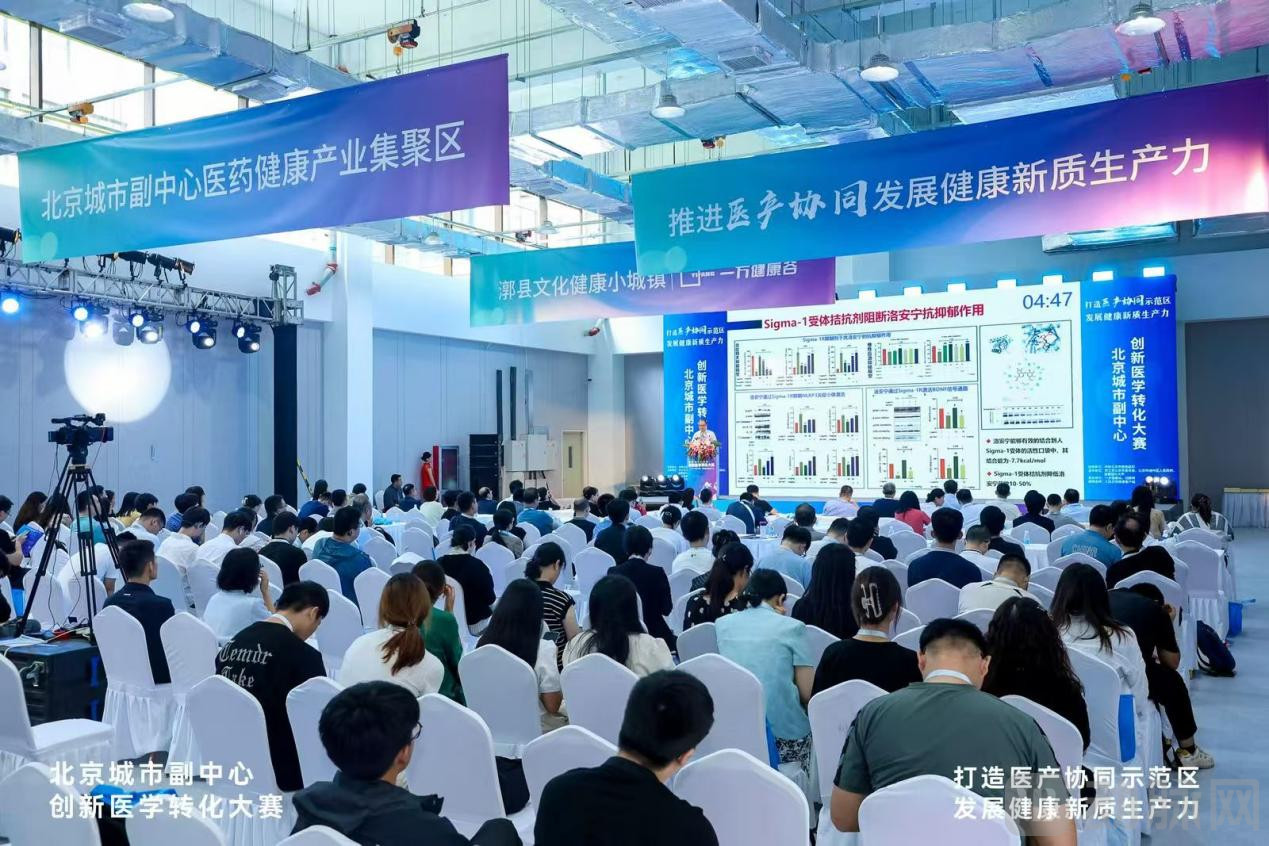
The theme of this competition is “Building a Demonstration Zone for Medical-Industrial Synergy and Developing New Quality Productive Forces in Health.” It is believed that, under the prevailing trend of “medical-industrial synergy,” the pharmaceutical and health industry will continue to foster more medical innovation projects characterized by “high quality, high efficiency, and advanced technology.”
With this, the 2024 Medical Innovation and Research Translation Forum has come to a close, yet its impact endures. The Beijing Municipal Administrative Center and participants from various industries will continue to advance the development of medical-industrial collaboration.