

Shanghai Xinguang Biomedical Completes Several-Million RMB Pre-A+ Financing to Accelerate Commercialization of Portable Hemodialysis Device
XBP
Hemodialysis Consumables Developer
VCBeat has learned at the earliest opportunity that, following6Tens of millions of yuan obtained in a monthPre-Afollowing the round of financing, focused on advancing the convenience of hemodialysisShanghai XBP Biopharmaceutical Co., Ltd. (hereinafter referred to as“XBP”Announces the completion ofLinghui Venture CapitalExclusively InvestedMillions of yuanPre-A+WheelFinancing.
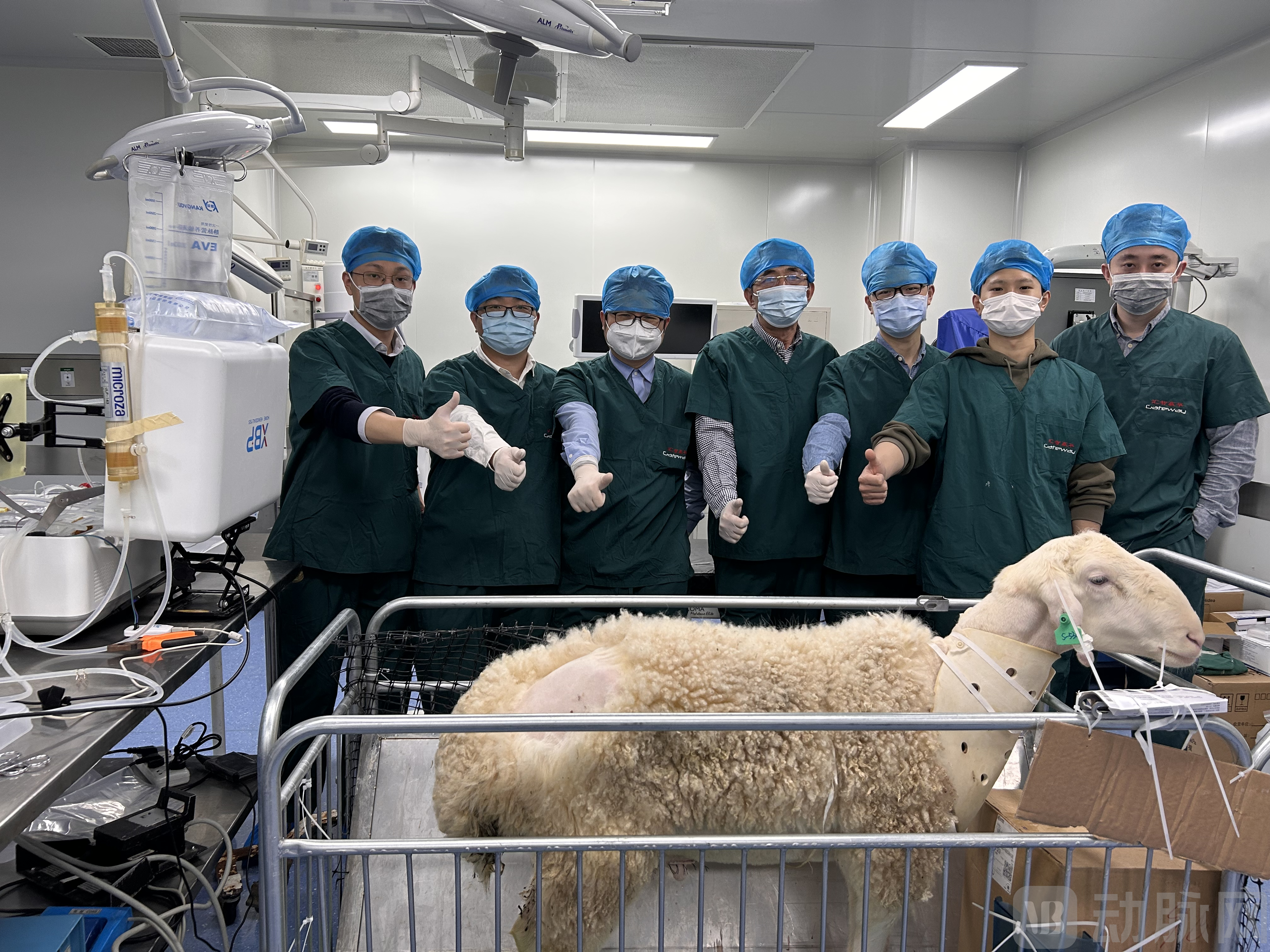
XBP's second-generation engineering prototype has completed large-animal testing in sheep.
End-Stage Renal Disease (ESRD) is the terminal stage of Chronic Kidney Disease (CKD), characterized by near-total loss of renal function. Patients require long-term renal replacement therapy to sustain life. The condition is marked by high disease severity, a high incidence of multiple complications, and a substantial financial burden from treatment costs. According to data from the IQVIA “White Paper on End-Stage Renal Disease in China,” the global number of ESRD patients exceeded 12 million in 2020 and is projected to reach 14.5 million by 2030. China has the largest ESRD patient population worldwide, accounting for nearly 30% of the global total. With 100,000 to 200,000 new cases diagnosed annually, the number of ESRD patients in China is expected to rise to 4.8 million by 2032.
Hemodialysis is the primary treatment modality for patients with end-stage renal disease (ESRD). According to data from the Nephrologist Branch of the Chinese Medical Doctor Association, the number of patients undergoing dialysis in China increased rapidly between 2012 and 2022. In 2012, the number of hemodialysis patients in China was 248,000. By 2022, this figure had risen to 844,000. According to the Chinese National Renal Data System (CNRDS) data released by Academician Chen Xiangmei at the 2024 Annual Academic Conference of the Nephrologist Branch of the Chinese Medical Doctor Association on August 2, the number of hemodialysis patients in China reached 916,000 in 2023, with 185,000 new patients added in that year alone. In 2023, the number of peritoneal dialysis patients in China grew to 152,000, bringing the total number of dialysis patients to over 1.06 million.
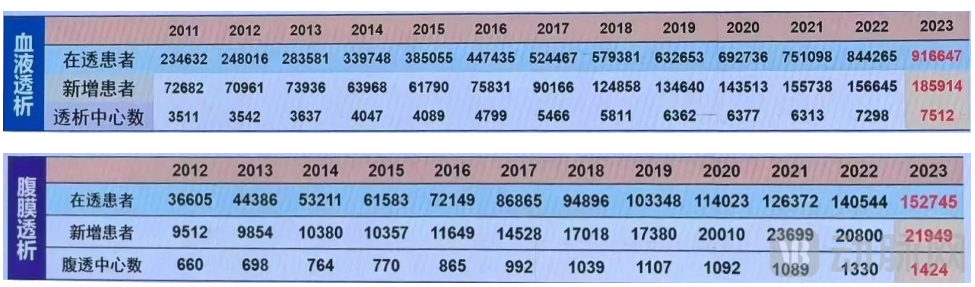
In 2023, only 635 people per million in mainland China received dialysis treatment, far below the average of 2,500 per million in countries such as those in Europe and the United States, Japan, and South Korea during the same year. Big data, AI, home dialysis, primary care physician training, telemedicine, and remote monitoring became the buzzwords at the conference.
Currently, traditional hemodialysis equipment is associated with high purchase and maintenance costs, as well as the need for patients to frequently visit hospitals for dialysis treatment, which significantly impacts the quality of life for individuals with chronic kidney disease. Consequently, home hemodialysis (HHD) has garnered considerable attention.
Home HemodialysisHome hemodialysis (HHD) is a form of hemodialysis therapy performed at home by the patient, either independently or with assistance from family members, after the establishment of dialysis access and the installation of a hemodialysis machine and related equipment in the home. Compared with traditional in-center dialysis, the greatest advantage of HHD is that it affords patients greater freedom in terms of time and space, eliminating the need for frequent trips to the hospital.
Currently, many countries overseas have initiated efforts to promote home dialysis. For instance, the United States has embarked on a “decentralization” reform of hemodialysis, leading to a rapid increase in patients using home dialysis equipment, driven by government subsidies and the impact of the pandemic. Australia and New Zealand boast the highest prevalence of home dialysis, the most mature technology, and the most comprehensive services. According to publicly available data, approximately 12% of dialysis patients in Australia were receiving home dialysis as early as 2017.
Due to the high technical barriers, long R&D cycles, and stringent operational requirements for patients associated with home hemodialysis machines, home hemodialysis in China is still in its early stages of development, with no approved products currently available.
After years of dedicated research, XBP has successfully mastered the high-barrier core technology of applying enzymes in the field of blood purification. Centered on home dialysis, the company has gradually developed a comprehensive solution encompassing dialysis consumables, vascular interventions, and portable dialysis machines.
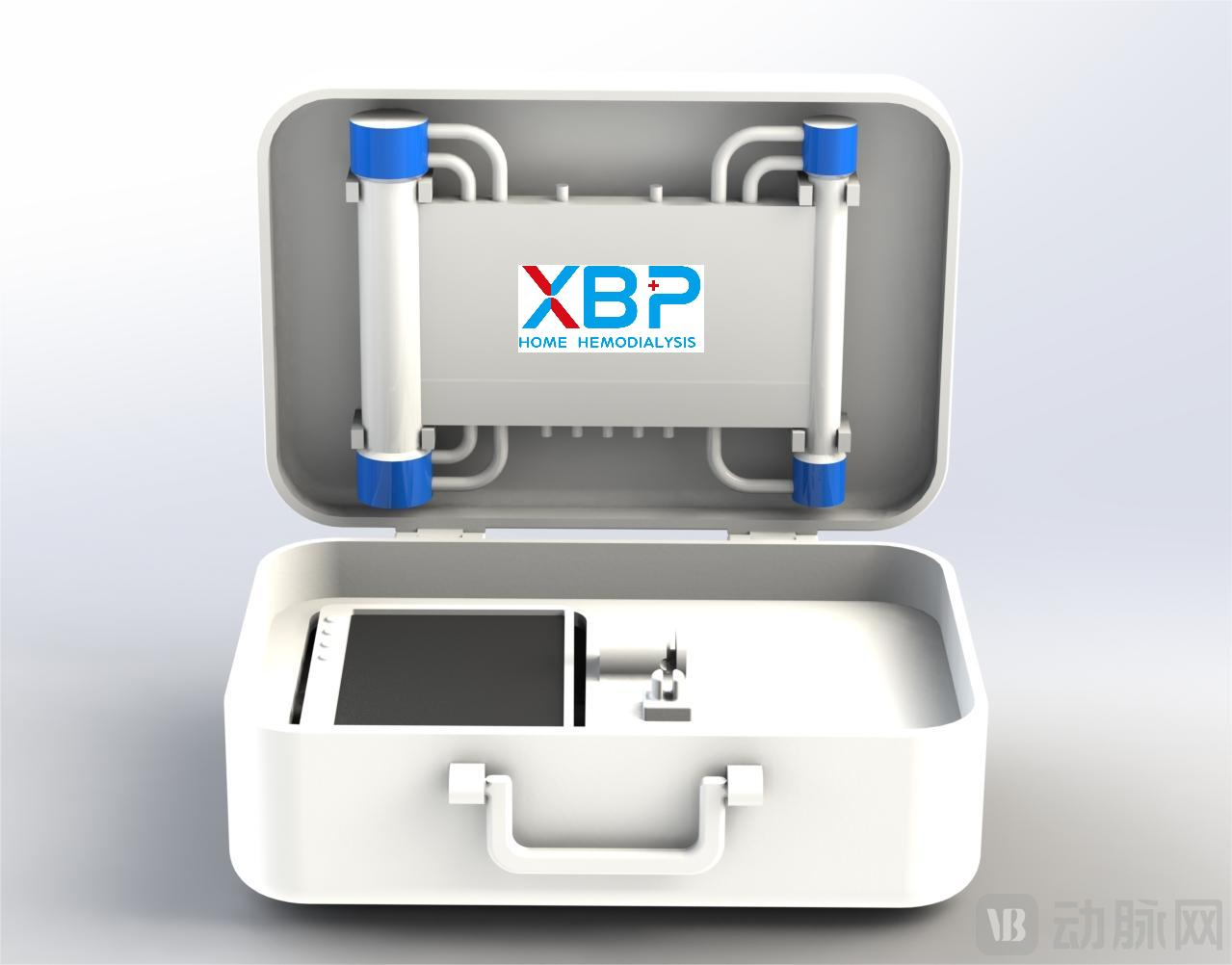
The company’s independently developed flagship product, the portable dialysis platform, is a first-of-its-kind innovation in China. It employs a unique dialysate regeneration technology, eliminating the need for complex water treatment systems. Weighing only 8 kilograms, the entire system reduces fixed costs by 70% and offers portability with rapid deployment, providing significant advantages in primary care hospitals, home settings, and during pandemics or wartime conditions.
Of particular note, XBP’s portable dialysis machine abandons the traditional tubing- and peristaltic pump–based drive mechanism in favor of pneumatic diaphragm pump technology. This innovation not only significantly improves flow accuracy and reduces equipment costs but also greatly simplifies operational procedures. The integration of consumables into a cartridge-based design enables fully automated operation. By utilizing different cartridge modules, the platform can provide multiple therapeutic functions, including hemodialysis, peritoneal dialysis, and continuous renal replacement therapy (CRRT). Operators simply insert the cartridge into the device for one-touch operation, substantially lowering the professional requirements and learning curve for nursing staff.
Regarding the acquisition of this round of financing,Li Xianghai, Founder of XBPstated: “We extend our sincere gratitude to both new and existing shareholders for their strong support. Amidst turbulent domestic and international economic conditions, challenges facing traditional business models, and the ongoing transition toward new growth paradigms, the healthcare sector serves as a market safe haven with particular significance. Medical devices offer certainty in clinical outcomes, and among all medical devices, dialysis stands out as the single product category with the most rigid demand, highest frequency of use, and largest market size. Home-based dialysis, along with portability and intelligence, represents a clearly shared need among physicians, patients, and health insurance payers, constituting one of the few certainties in today’s volatile market. In response to this demand, XBP continuously refines its product strategy and optimizes its commercialization plans, committed to helping the more than 4 million dialysis patients worldwide access treatment closer to home, receive care in their own homes, and return to normal life and work.”
Dr. Wang Zhonghui, Linghui Venture Capital“It has been stated that hemodialysis is a high-frequency, rigid demand and serves as the primary treatment modality for patients with end-stage renal disease (ESRD). Portable dialysis devices have garnered significant attention due to their low investment costs and substantial improvement in patients’ quality of life. However, constrained by various challenges, particularly the cost of consumables, there are currently no certified commercial products available globally. XBP has significantly reduced consumable costs through innovative urease purification processes and reactor designs, thereby making portable dialysis devices feasible. It is hoped that the XBP team will continue its efforts to secure mass production certifications and systematically promote the deployment of these products in grassroots hospitals and home settings, thereby better benefiting millions of patients domestically and internationally and helping them reintegrate into daily life.”
About The Linhui Fund
The Linhui Fund is a venture capital firm primarily focused on high-end equipment, intelligent sensing, new materials, and biotechnology. Leveraging its own resources, the firm helps early- to mid-stage technology startups achieve rapid growth. Established in 2007, The Linhui Fund has grown into a well-known professional private equity fund management institution after 17 years of continuous development. Since its inception, the company has launched 16 funds, with more than 20 of its portfolio companies achieving initial public offerings (IPOs) or being acquired by listed companies. While facilitating the rapid development of its investee companies, the firm has also generated strong financial returns for its fund investors.