

Liangping Bio Completes Tens of Millions RMB Angel Financing to Accelerate Alternative Feed Protein Innovation and National Production Base Expansion

CCMC
Private Equity Investment Firm
VCBeat has learned at the earliest opportunity that, recently,Hunan Liangping Biotechnology Co., Ltd. (hereinafter referred to as “Liangping Biotech”) announced the completion of a tens-of-millions-yuan angel financing round, with China Capital Management Co., Ltd. (CCMC) as the investor. The raised funds will be used for product iteration, the construction of new production bases, and marketing and brand building.
In the animal feed industry, nutritional supply primarily consists of two components: plant-based feed ingredients and feed additives. The former forms the foundation of nutrient provision, supplying carbohydrates, proteins, and fats, with major examples including corn, wheat, and soybean meal. However, it has limitations such as low digestibility of nutrients and deficiencies in certain essential amino acids. Feed additives are mainly categorized into two types: enzyme preparations that improve digestive efficiency, and products such as amino acids, vitamins, and trace elements that address nutritional deficiencies.
However, the current costs associated with the production, separation, and purification of feed additives remain relatively high, and their efficacy may be significantly compromised during high-temperature processing in the feed industry as well as under the acidic conditions of the animal gastrointestinal tract. Addressing this critical challenge, Hunan Liangping Biotechnology Co., Ltd. has proposed a more efficient and cost-effective solution aimed at upgrading the model of nutritional supply for animal feed.
Hunan Liangping Biotechnology Co., Ltd, established in 2019, leverages cutting-edge biotechnologies such as synthetic biology and microbiomics to construct an in vitro “digestion factory” that far surpasses the animal’s own digestive system. By fermenting plant-based and non-grain raw materials, the company aims to efficiently convert substances that are originally inedible or indigestible into absorbable nutrients, thereby enhancing the nutritional absorption efficiency of traditional feed ingredients to better meet the nutritional and health needs of animals and humans. Since its establishment,From 2020 to 2022, Liangping Biotechnology achieved a compound annual growth rate (CAGR) of 100% in revenue, attained annual profitability in 2022, and reached nearly RMB 100 million in revenue in 2023.

Currently, the company’s business operations span markets in Shandong, Hunan, Hubei, Jiangxi, Anhui, Guangdong, and other regions. It has established an R&D center in Shenzhen and production bases in Jingzhou, Hengyang, and other locations. Its primary customer base includes many leading domestic listed companies in the feed and aquaculture/livestock farming industries.
From “Small Workshop” Fermentation to Industrialization: Completing the Technology-to-Mass-Production Loop to Achieve Market Expansion
According to the introduction,Liangping Biotechnology’s R&D team originated from Tsinghua University and the Institute of Synthetic Biology, Shenzhen Institutes of Advanced Technology, Chinese Academy of Sciences. The team has been engaged in synthetic biology research for over 10 years. Its industrialization team boasts more than 30 years of experience in fermentation processes. The company holds dozens of relevant patents and expects to file more than 10 invention patent applications this year.
Liang Weijun, the founder of Liangping Biotechnology, is among China’s first generation of feed industry professionals. As a serial entrepreneur deeply rooted in the animal nutrition sector, he established a feed company in the 1990s and has cultivated the feed market for many years, gaining profound insights into livestock feeding needs and accumulating extensive industry resources. In 1996, inspired by the traditional rice wine fermentation process in Hunan Province, Liang Weijun began experimenting with using distiller’s yeast to ferment straw, aiming to address challenges associated with conventional feed, such as unpleasant odor, poor palatability, and low utilization rates. This effort gradually led to a technological optimization path transitioning from “small-workshop” fermentation to industrial-scale fermentation. “Through initial straw fermentation experiments, Liang Weijun discovered that microbial fermentation of raw materials could significantly improve feed utilization efficiency. Over nearly three decades of experimentation and optimization, he has amassed substantial microbial resources and developed mature industrial-scale solutions for fermenting whole grains,” said Liang Enquan, Co-founder and CEO of Liangping Biotechnology.
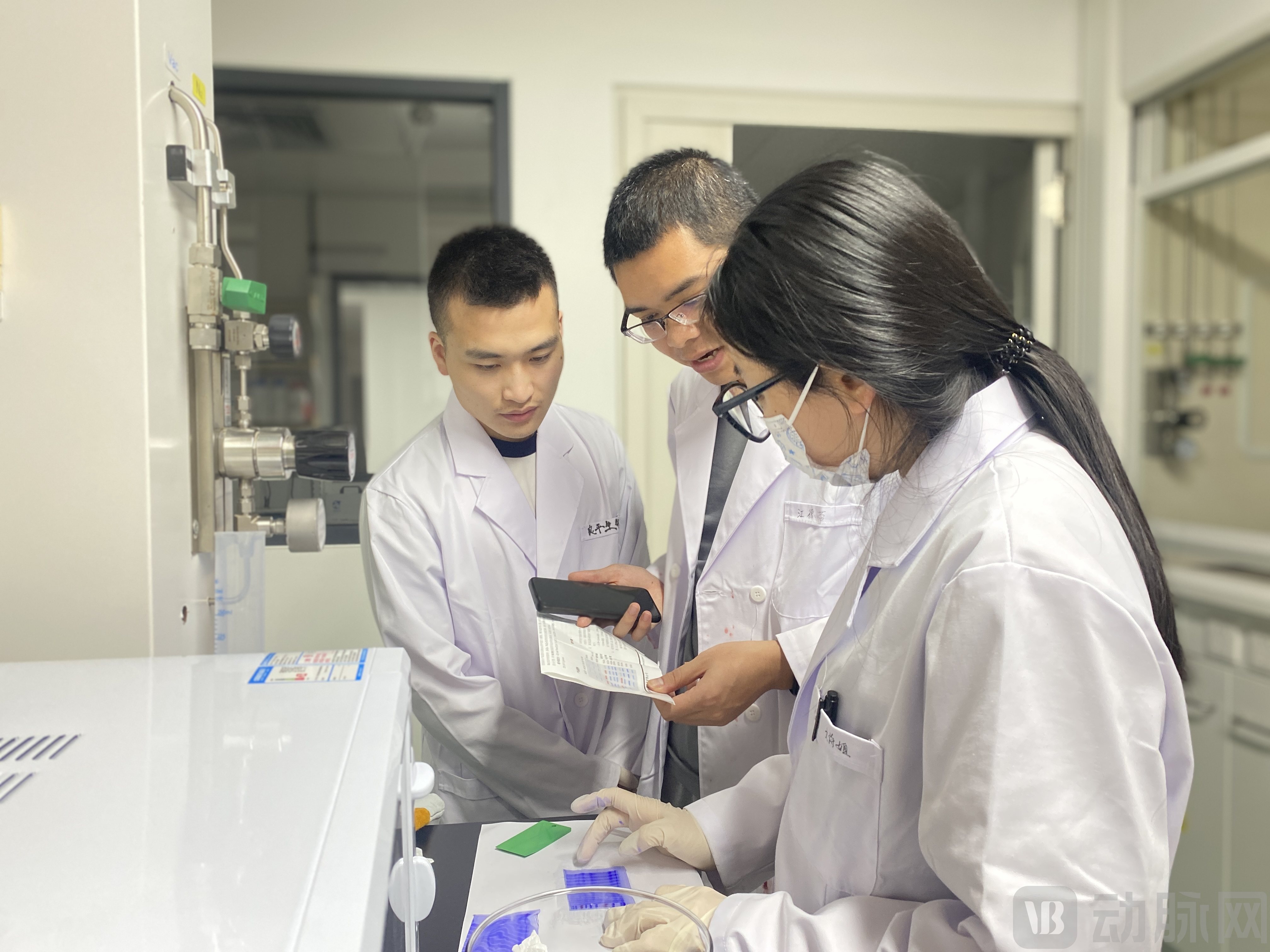
At the product R&D level, Liangping Biotechnology’s research team is led by Dr. Li Tianyi. Dr. Li completed his undergraduate and doctoral studies at Tsinghua University under the supervision of Professor Dai Junbiao, an Academician of Academia Europaea and a recipient of the National Science Fund for Distinguished Young Scholars. He subsequently conducted postdoctoral research in synthetic biology at the Shenzhen Institute of Advanced Technology, Chinese Academy of Sciences, focusing on genetic element engineering, metabolic engineering regulation, large-scale genomic rearrangements, and artificial chromosome construction. Since joining Liangping Biotechnology as a Partner and Chief Technology Officer (CTO), Dr. Li has led the team to achieve breakthroughs in the industrial application of cutting-edge biotechnologies within the animal nutrition sector, specifically in the areas of synthetic biology technologies, microbiome systems, and integrated liquid-solid state fermentation processes.
From the perspective of CCMC, in the field of synthetic biology, a team that is built on technological foundations and centers on “industrialization” is more favored. “The team at Hunan Liangping Biotechnology Co., Ltd. possesses a strong industrial background, is well-versed in industry rules, and can extensively promote products to achieve the transformation from technology to commercialization,” said An Ran, Vice President of CCMC.
“In the field of synthetic biology, for companies to go further, two key points are indispensable. ‘First, they must possess strong comparative advantages, whether in production costs or product performance; second, the downstream market should be more open, facilitating the smooth entry of emerging products into the market and completing commercial validation,’ added An Ran. Hunan Liangping Biotechnology Co., Ltd. is a synthetic biology innovation enterprise that meets these requirements.”
Powered by Three Core Technologies, Annual Production Capacity in Central China Reaches 150,000 Tons
“If we broadly categorize feed additives into two types, one type enhances the utilization efficiency of plant-based raw materials and improves digestive efficiency, while the other serves as a nutritional supplement,” said Liang Enquan. By leveraging an integrated approach combining synthetic biology, microbiomics, and fermentation techniques to construct an in vitro “digestion factory,” it is possible not only to boost digestive efficiency and utilization rates but also to reduce costs within a single product while replicating multiple nutritionally supplementary metabolites.
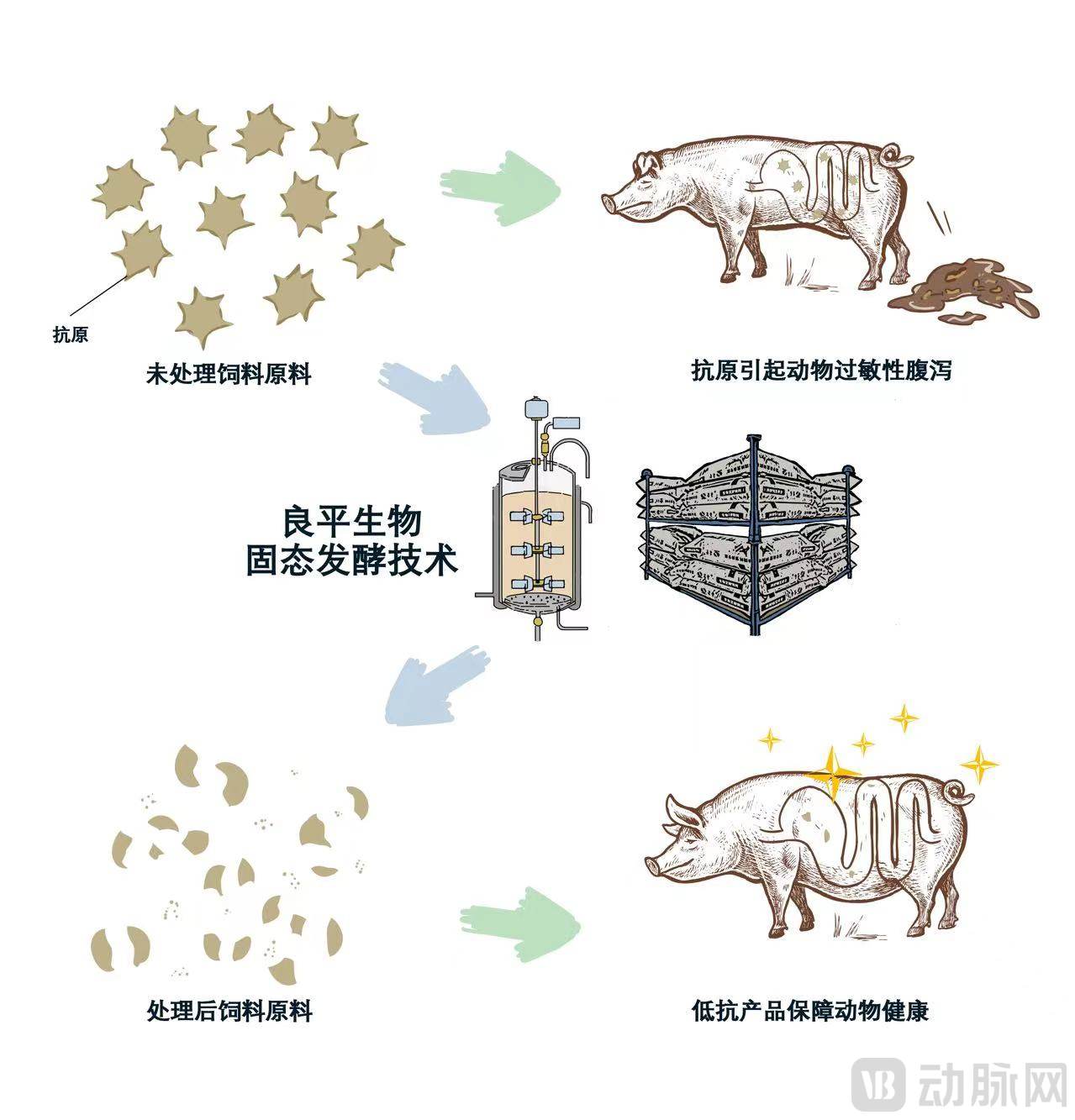
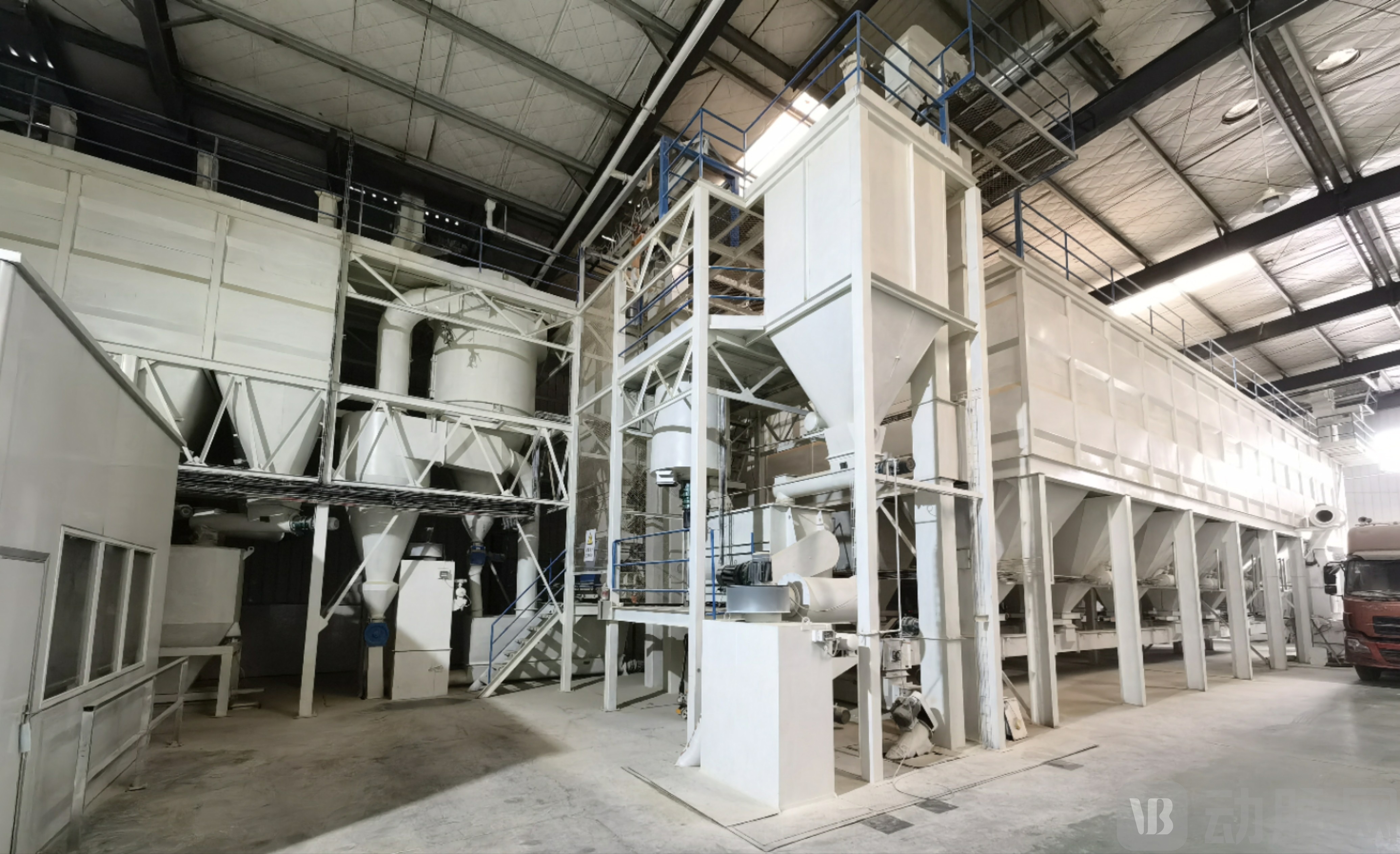
Currently,Hunan Liangping Biotechnology Co., Ltd. has launched a alternative protein product—plant-based fermented protein—into the market, and has established an annual production capacity of 150,000 tons in Central China, with over 100,000 tons of alternative protein products already produced., added and applied in millions of tons of feed.Relying on this single product, it has achieved nearly 100 million yuan in revenue in 2023.According to the introduction, plant-based fermented protein uses soybean meal as the primary fermentation substrate. Through synergistic fermentation by multiple microbial strains and efficient expression of various digestive enzyme genes, it achieves 100% elimination of various anti-nutritional factors in the raw materials, an 80% degradation rate of antigenic proteins, a protein digestibility exceeding 95%, and a 30% increase in metabolizable energy compared to pre-fermentation levels. Meanwhile, multiple metabolic pathways are constructed and enhanced to further boost the high-yield production of high-value organic acids, while adjusting the amino acid composition to meet the growth requirements of animals.Comprehensive implementation increased the digestible value of raw materials by 40%, reduced costs by 20% compared to traditional feed protein sources, and can replace 30%-50% of traditional feed protein sources as an alternative protein.
According to Hunan Liangping Biotechnology Co., Ltd, in 2021, there were 957 feed production plants in China with an annual output of over 100,000 tons each, totaling 177.077 million tons, with an average annual output of 185,000 tons per plant. The potential product usage is estimated at 7,400 tons per plant, generating potential revenue exceeding RMB 20 million per plant, indicating a vast market opportunity.
The development of this single product relies on three core technologies of Liangping Biotechnology. First, in the upperIn the upstream sector of synthetic biology enabling technologies, the R&D team at Hunan Liangping Biotechnology Co., Ltd. has developed a stable genetic inheritance system for gene vectors. This system eliminates the need for antibiotics or any other pharmaceutical agents during production, perfectly aligning with the company’s multi-strain fermentation and combined liquid-solid fermentation processes, while meeting the food safety requirements for feed-grade products.Furthermore, the team at Hunan Liangping Biotechnology Co., Ltd. has developed and implemented a standardized system for metabolic pathway assembly, which shortens the construction cycle for high-quality chassis cells in metabolic engineering to 7–10 days. To date, they have successfully constructed and industrially applied hundreds of production strains across various species.
The second isA technical route combining liquid and solid-state fermentation utilizes precision fermentation to obtain a fermentation broth rich in beneficial live probiotics and enzymes, followed by the application of a proprietary dispersed wet anaerobic solid-state fermentation technology to ferment plant-based raw materials.This technical approach eliminates the need for separation and purification of enzyme preparations and beneficial metabolites, thereby effectively improving efficiency and reducing costs. Furthermore, the anaerobic fermentation process significantly ensures product quality and fermentation flavor.
Third, through years of research and accumulation,Liangping Biotechnology has now established an extensive library of natural strains and biological parts, while accumulating a vast amount of long-chain fermentation data.The natural strain library comprises nearly 10,000 strains with specific functions, sourced from the digestive systems of wild animals, the root systems and growth environments of specialized plants worldwide, and the habitats of insects, thereby facilitating operations tailored to specific fermentation requirements. The biological parts library contains various types of standardized elements, including transcriptional regulatory elements, gene coding elements, and protein expression and secretion elements, playing a significant role in product research and development as well as production debugging. Currently, the company has accumulated over 20,000 standardized fermentation data records, providing substantial reference basis for product stability and optimization of production processes.
Based on its three core technologies, Hunan Liangping Biotechnology Co., Ltd. focuses its product development on three directions:Feed Nutrition Development, including the fermentation of non-grain raw materials such as soybean meal, palm, shrimp shells, feathers, straw, and certain extremely low-cost industrial by-products, to develop new alternative nutritional sources and achieve a multi-fold increase in value;Meet the health needs of animals,Refers to the targeted production of compounds such as vitamins, active ingredients from traditional Chinese medicine, and other high-value small molecules through fermentation, which modulate the gut microecology in animals and further influence the host organism;Meeting the Demand for Precision Nutrition in Food, which refers to bringing the concept of precision nutrition into food and dining consumption by developing the human food and health supplement industries, thereby creating high-value metabolite-based health supplement products.
It was revealed that,Hunan Liangping Biotechnology Co., Ltd. Currently Has Three Product Candidate Pipelines, including the substitution of corn and wheat with palm products, the replacement of wheat bran and rice bran with straw, and the use of antimicrobial peptides as alternatives to antibiotics. Currently, the most advanced pipeline involves the fermentation of palm kernel meal, which directionally degrades non-starch polysaccharides such as mannans and cellulose in the raw materials while converting them into functional oligosaccharides. This process further promotes nutrient absorption and supports health, with pilot-scale trials expected to be completed this year. “In the future, more than 50% of feed ingredients are worth being re-engineered through biomanufacturing approaches, representing a market size exceeding RMB 500 billion,” said Liang Enquan.
According to data released by the Animal Husbandry and Veterinary Bureau of the Ministry of Agriculture and Rural Affairs and the China Feed Industry Association, the total output value of China's industrial feed reached RMB 1.31685 trillion in 2022, a year-on-year increase of 7.6%.
The "2024 Government Work Report" proposes actively cultivating new growth engines such as biomanufacturing. The "14th Five-Year Plan for Bioeconomy Development" also explicitly calls for accelerating the empowerment of the bioenergy and bio-environmental protection industries by biomanufacturing technologies, developing high-performance bio-based environmental materials and formulations, and promoting the transition from fossil fuels to green, low-carbon renewable energy. "Biomanufacturing+" has become a key focus in fostering new quality productive forces. In the future, the state is expected to introduce more detailed policies, bringing broader development prospects to biomanufacturing-related industries and unlocking a market space worth trillions.
Liang Enquan, Founder & CEO of Liangping BiotechnologyStatement: We express our gratitude to the investors for their trust and support in Liangping Biotechnology. Since its establishment in 2019, although we are a relatively young team in the industry, leveraging the founding team’s deep expertise in the sector and a highly motivated young workforce, we have rapidly advanced commercialization. From 2020 to 2022, we achieved 100% year-over-year revenue growth for three consecutive years, with revenue reaching nearly RMB 100 million in 2023. Looking ahead, Liangping Biotechnology will continue to leverage its technological advantages in synthetic biology, microbiomics, and fermentation processes, steadily advancing the development of new pipelines and expanding market coverage across China. Remaining true to our original aspiration and forging ahead, we are committed to promoting more efficient and cost-effective feed nutrition solutions throughout China.
An Ran, Vice President of CCMC CapitalHunan Liangping Biotechnology Co., Ltd. has leveraged its unique synthetic biology technology platform and production processes to develop high-quality, cost-effective fermented feed products. Compared with traditionally fermented soybean meal, Liangping Biotechnology’s product significantly reduces the selling price while maintaining quality comparable to or better than competitors’ offerings. Capitalizing on these advantages in both price and quality, the company has successfully expanded the application of its fermented soybean meal from young animal nutrition to general livestock feeding, achieving a certain degree of substitution for conventional soybean meal in the raising of common livestock such as pigs, chickens, and shrimp. Hunan Liangping Biotechnology has initially validated its product technology and business model, generating nearly RMB 100 million in sales revenue.