

Tianjin Medical University General Hospital's Dr. Xiong Jianhua Develops Multi-Functional Neuroendoscopic Sheath Approved for Market
With the continuous transformation and innovation of neurosurgical techniques, the application of endoscopes in neurosurgery has become increasingly widespread. In the treatment of conditions such as intracerebral hemorrhage, resection of deep-seated brain tumors, and hydrocephalus, endoscopic surgery has gradually emerged as a mainstream approach.
Hundreds of millions of nerve fibers are distributed near the brain, forming several critical fiber tracts. Even minor inadvertent damage can result in irreversible brain injury, adversely affecting patients’ postoperative quality of life. Using an endoscope, surgeons can access the affected brain region through narrow corridors, enabling direct visualization of the lesion and surrounding tissues without extensive tissue dissection. This approach not only reduces the risk of postoperative complications and sequelae but also alleviates patient suffering.
In neuroendoscopy, the small cannula may appear unassuming, but it plays a crucial role during surgery.The cannula is positioned at the distal end of the endoscope, serving as the first line of defense for maintaining a clear surgical field while also protecting the patient’s brain tissue and minimizing intraoperative compression.
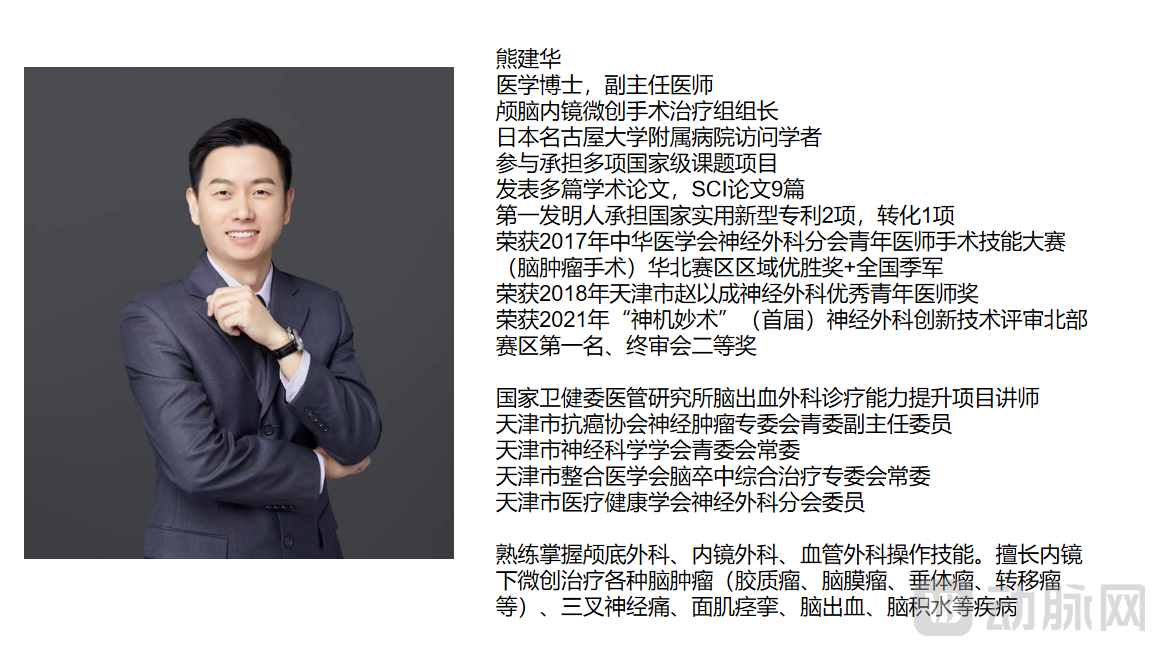
Xiong Jianhua, Associate Chief Physician at Tianjin Medical University General Hospital, studied under Professor Zhang Jianning, a renowned expert in neurosurgery in China. He has dedicated decades to endoscopic and microscopic neurosurgical procedures. In 2015, when endoscopic neurosurgery was still relatively scarce in China and the domestic industry for neuroendoscopic cannulas was virtually nonexistent, he led his team in developingUse of the innovative cannula product “Disposable Tissue Retractor and Fixator” in next-generation neuroendoscopy.Incubated by Beijing Ernst Institute of Translational Medicine Co., Ltd. and guided by industry translation expert Mr. Dong Miao, this product has received market approval and is now being sold across China.
Currently, this product has been recommended by the Innovation and Translational Medicine Branch of Neurosurgery (ITMNS) of the China Association for Geriatric Health Care, and has gained recognition from numerous clinical experts in the industry.
I. The Indispensable “Small” Cannula
In 2021, the National Health Commission issued the "Guidelines for the Diagnosis and Treatment of Cerebral Hemorrhage in China" as part of the "Guidelines for the Prevention and Treatment of Stroke in China," which clearly stated that precise minimally invasive surgical techniques have become a new direction in the surgical treatment of intracerebral hematomas.
For intracerebral hemorrhage, a condition that demands “racing against time,” earlier intervention leads to higher survival rates and better prognostic outcomes for patients.Precise minimally invasive approaches not only enhance treatment efficiency but also alleviate patient suffering during surgery and throughout postoperative recovery.
First, excessive intracranial hemorrhage not only leads to ischemic death of brain cells but may also result in secondary cerebral hematoma, which compresses cranial nerves and causes significant impairment of brain function. Even after surgical evacuation of the hematoma, patients remain at risk for neurological deficits, which can profoundly impact their quality of life.
Secondly, traditional surgery requires a large craniotomy, which causes excessive trauma to the patient. Surgeons must minimize the incision size and avoid contact with non-pathological areas, performing procedures such as vascular dissection, nerve protection, hematoma evacuation, and resection of pathological tissue under limited visual fields.
The National Health Commission’s Institute of Hospital Administration has been promoting the Intracerebral Hemorrhage Diagnosis and Treatment Improvement Project in recent years, which focuses on minimally invasive endoscopic surgery for intracerebral hemorrhage. As a training mentor for this project, Dr. Xiong Jianhua has conducted numerous training sessions on endoscopic surgery for intracerebral hemorrhage across China.
Endoscopic surgery is currently the optimal treatment for intracerebral hemorrhage.However, the intraparenchymal cavity is filled with brain tissue, which obstructs the endoscope’s light source and impedes its movement. Furthermore, neurosurgical endoscopes are predominantly rigid; improper manipulation may cause traction and injury to normal brain tissue.
The cannula at the tip of the endoscopic probe can effectively dilate the surgical channel, enabling surgeons to clearly visualize the operative field for more precise manipulation while avoiding unnecessary damage to surrounding brain tissue.
II. Multifunctional Neurosurgical Cannula: Safe, Convenient, and Fixable
Although several cannula products are currently available on the market, Dr. Xiong Jianhua’s team believes that there is still room for optimization in terms of safety, ease of operation, and material selection. Drawing on years of clinical experience and through repeated trials and iterations, they have developed a multifunctional neurosurgical cannula.
First, this cannula offers enhanced safety.Unlike traditional cannulas, the team deliberately positioned the ventilation ports on the side of the cannula. These ports are primarily designed to balance the air pressure inside and outside the cannula, ensuring an unobstructed surgical field during puncture and facilitating the insertion of the guide wire when used with navigation systems. This design maintains precise and straightforward positioning, thereby enhancing surgical safety, accuracy, and efficiency.
Traditional cannulas have air vents located at the distal end, which increases the risk of intraoperative damage to brain tissue and surgical contamination. However, placingThe ventilation holes are located on the side, which not only helps regulate the pressure balance between the inside and outside of the cannula but also prevents brain tissue from being extruded into the cannula during puncture.
The cylindrical cannula exerts uniform 360° force on the surrounding tissue, avoiding brain tissue laceration and contusion caused by retraction with traditional brain retractors.
In the design of the cannula, material selection is also crucial. The team evaluated dozens of materials and ultimately selected ABS plastic as the primary material. This plastic not only offers superior hardness and strength to prevent deformation caused by compression, but its high transparency also ensures an unobstructed surgical field of view.
Xiong Jianhua stated, “Clinical trials have demonstrated that the endoscope can clearly visualize various small lesions through a multi-functional cannula without interfering with the physician’s operations.”
Moreover, ABS plastic exhibits favorable biocompatibility and does not trigger rejection reactions in patients, thereby reducing the risk of intraoperative and postoperative complications.
At the rear wing of the cannula,The team specifically designed a cylindrical fixation device that can be connected to the serpentine cranial plate fixation using either pin-type or clip-type methods.During prolonged surgeries, such as those for brain tumors, surgeons need to secure cannulas in specific positions to allow for unrestricted manipulation. Manual fixation is prone to displacement, which can compromise the surgical field of view and, in severe cases, lead to errors such as tissue injury. In contrast, buckle-based fixation ensures cannula stability, frees the surgeon’s hands, and provides a more comfortable operative environment.
Additionally, a scale marked in 2-mm increments is provided on the outer surface of the cannula to facilitate physician monitoring of insertion depth and assessment of lesion size.
Its safety and convenience make this cannula suitable forNeurosurgical Procedures Including Intracerebral Hemorrhage, Brain Tumors, and Resection of Parenchymal Lesions, and it can be used under both endoscopic and microscopic guidance. The team is currently attempting to apply this cannula to brain tumor resection and biopsy procedures.
In 2019, this multifunctional neurosurgical cannulaObtained the license for the utility model patent and the registration certificate for Class II medical devices, it has already achieved mass production and is undergoing internal control testing at several renowned hospitals. The team is seeking partners to expand the sales channels for its multi-functional neurosurgical cannulas, enabling more patients to benefit from advances in medical technology.
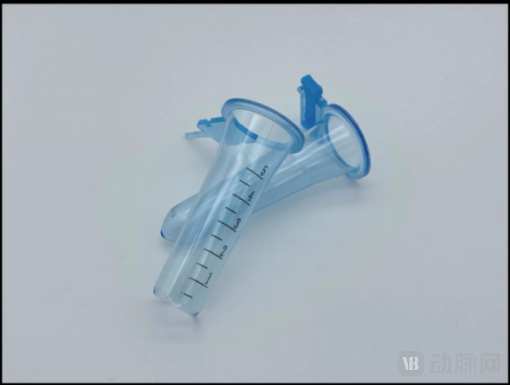
Disposable Tissue Retractor and Fixator (Image provided by the interviewee)
3. Entrust translational work to professional teams
From the project’s inception in 2015 to the successful approval and market launch of the multifunctional neurosurgical cannula in 2019, Xiong Jianhua and his team underwent a protracted translational process. As clinicians, carving out time for scientific research amidst demanding clinical duties was already a significant challenge; confronting the intricate and cumbersome translation pipeline further stretched their capacities to the limit.
In this regard, Xiong Jianhua’s experience is as follows:“Researchers should focus on their research, leaving commercialization to the professionals.”
Throughout this translational process, Beijing Ernst Institute of Translational Medicine (hereinafter referred to as “Ernst Translational”) provided the team with end-to-end services. Specializing in the incubation of innovative neurosurgical technologies, Ernst Translational offered market-oriented guidance from the project initiation stage. This included assisting the team in assessing market size and feasibility, as well as mapping the industry landscape, thereby laying a solid foundation for subsequent translation efforts. Furthermore, during clinical trials and regulatory submission processes, Ernst Translational assigned dedicated professional managers to facilitate successful approval. Currently, Ernst Translational is also helping the team identify potential distributors to expand sales channels.
In the future, the team will continue to collaborate with Beijing Ernst Institute of Translational Medicine Co., Ltd. to iterate on the models of multifunctional neurosurgical cannulas, expand their indications, and promote greater precision and minimally invasive techniques in neurosurgical procedures, thereby providing patients with safer and more effective treatment options.