

Ningkang Zhongke Files IPO Prospectus: Pioneering Autonomic Nervous System Assessment and Intervention for Two Decades
Within the human body, there exists a set of neural pathways that operate independently of voluntary control, known as the autonomic nervous system. Comprising the sympathetic and parasympathetic nervous systems, these two branches exhibit both antagonistic and interdependent relationships. Together, they regulate physiological parameters such as blood pressure, heart rate, and body temperature, as well as critical physiological processes including metabolism and immunity, thereby maintaining homeostasis and ensuring the healthy functioning of the human body.
When the sympathetic and parasympathetic nervous systems become imbalanced and homeostatic regulation is disrupted, a range of symptoms may arise, such as hypertension, hyperglycemia, arrhythmia, shortness of breath, and anxiety. Over time, this can lead to neural and organ damage, resulting in major and chronic diseases including cardiovascular and respiratory disorders, diabetes, and psychological conditions.
Therefore, the U.S. National Institutes of Health (NIH) has stated:“The autonomic nervous system is central to health and disease; recent advances in research have brought it to center stage.”
These conditions require targeted treatment, beginning with a precise assessment of autonomic nervous system function.Unfortunately, autonomic nervous system modulation is intangible, rendering existing medical measurement methods ineffective.Although the biomedical community has proposed several methods for measuring autonomic nervous activity, the European Society of Cardiology (ESC) has reached the following conclusions regarding these methods:"Autonomic nervous system assessment technology is invaluable; however, there are currently no clinically available methods for assessing autonomic function."
Director of the Joint Research Center for Sensor Networks and Applications, University of Chinese Academy of Sciences and Institute of Automation, Chinese Academy of SciencesProfessor Wu Jiankang, leading the team to delve deeply into this field for over 20 years, ultimately breaking the ice in autonomic nervous system assessment and intervention,Established a mathematical model of human autonomic nervous system regulatory physiology, and developed technologies for autonomic nervous system assessment and intervention.Leveraging this platform technology, the team was established in 2018Nanjing Ningkang Zhongke Medical Technology Co., Ltd.(hereinafter referred to as Ningkang Zhongke), and has developed the “iWell” product series, which has now obtained four registration certificates from the National Medical Products Administration.
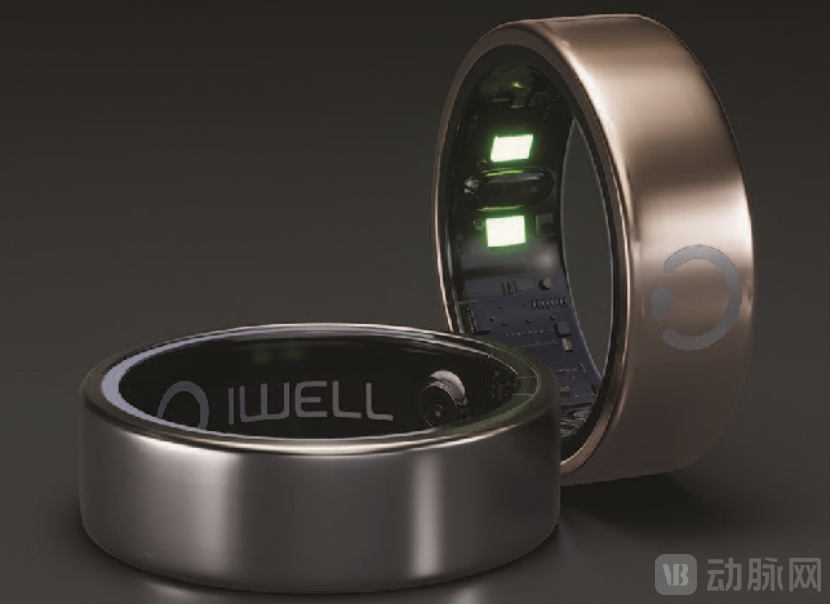
“iWell” Series Products (Photo provided by the interviewee)
Bridging the Gap in Autonomic Nervous System Assessment and Regulation
In 2002, Professor Wu Jiankang, then Chief Scientist at the Institute for Infocomm Research (I2R) of the National University of Singapore, was internationally renowned for his pioneering work in facial recognition, image, and video analysis. He successfully founded Trustcopy Technologies, which secured investment from 3i, a prominent European venture capital firm.
The following year, with the support of Singapore’s Agency for Science, Technology and Research (A*STAR), he collaborated with Binkley, President of the American College of Cardiology, and other biomedical experts, embarking on a journey to research the autonomic nervous system modulation. Internationally, researchers have long struggled to identify precise methods for assessing autonomic nervous function. Some have proposed invasive measurement of neurotransmitter concentrations; others have suggested using heart rate variability statistical analysis to reflect autonomic nervous function. The American Academy of Neurology has designed neurocardiovascular reflex tests to evaluate autonomic neuropathy.
However, due to measurement risks or the fact that they do not directly assess autonomic nervous function, these methods exhibit limitations in stability and accuracy, and thus have not gained clinical recognition or widespread adoption.
In 2006, Professor Wu Jiankang, a leading figure in autonomic nervous system research, was invited to return to China, where he spearheaded the establishment of the Joint Research Center for Sensor Networks and Applications (SNARC) at the University of Chinese Academy of Sciences and the Institute of Automation, Chinese Academy of Sciences. At SNARC, Professor Wu and his team repeatedly broke new ground in uncharted territories,Established the World’s First Large Language Model for Autonomic Neuromodulation Systems, including physiological and pathological models, signal and system models, and mathematical models of dynamic systems. Through this suite of models, researchers can gain a clear understanding of autonomic nervous system function, the pathogenesis of autonomic disorders, and regulatory directions. As Professor Wu Jiankang stated, “The large model for the autonomic nervous system regulation is a specialized AI technology framework that generates quantitative metrics of a patient’s autonomic nervous system by inputting basic individual patient data.”
Leveraging a solid theoretical foundation, the team has developed the world’s first theory and technology for autonomic nervous system assessment and intervention, filling the gap in autonomic nervous system research and clinical application.
To apply the theoretical and technical aspects of the autonomic nervous system to clinical practice,In 2018, Wu Jiankang’s team developed products and a full-chain service based on autonomic nervous system assessment and intervention technologies, establishing Ningkang Zhongke.
Quantify “Dual-Heart” Data to Provide Personalized Intervention Plans
Through clinical collaborative applied research with top biomedical experts both domestically and internationally, Professor Wu Jiankang has accumulated extensive experience in the field of autonomic nerves and cardiovascular diseases. After establishing Nanjing Ningkang Zhongke Medical Technology Co., Ltd., he proposed and implemented a “Dual-Heart Rehabilitation System” featuring unique characteristics of Ningkang.
Here, “dual-heart” refers toCardiopulmonary SystemandMental HealthAcademician Zhong Nanshan once stated, “Half of health is mental health, and half of disease is psychosomatic illness.” Professor Wu Jiankang’s research on the autonomic nervous system has also validated this perspective.
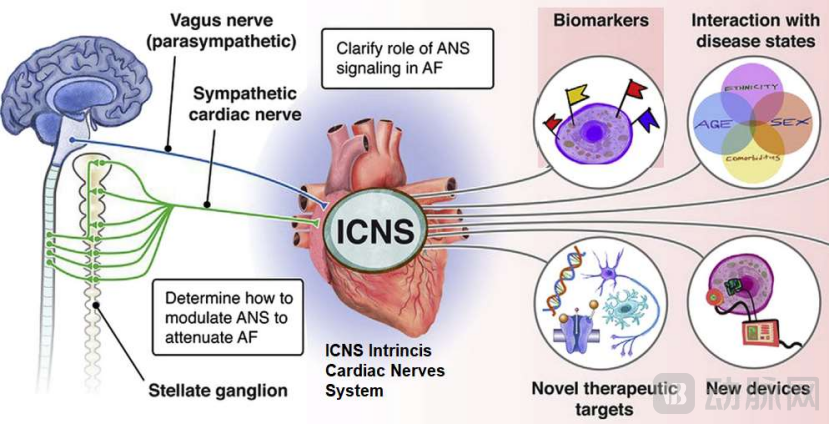
Cardiopulmonary System (Image provided by the interviewee)
Professor Wu Jiankang’s research has found that human emotions are jointly influenced by the “central-autonomic nervous system” and the “hypothalamic-pituitary-adrenal (HPA) axis.”Dysfunction of the autonomic nervous system pathways can also contribute to the development of mental health disorders.Therefore, when intervening in cardiovascular diseases using autonomic neuromodulation techniques, the team also addresses patients’ psychological issues, employing a dual-pronged approach to achieve optimal therapeutic outcomes.
As there are no internationally recognized digital metrics for assessing mental health, the team conducted in-depth research into the international "General Resonance Theory" and "Polyvagal Theory," established a mathematical model of cardiopulmonary resonance physiology, and defined a series of digital metrics and assessment methods for cardiopulmonary resonance.Pioneered the world’s first digital metric system for assessing vagus nerve function and mental health.
Meanwhile, based on each patient’s series of cardiopulmonary resonance indicators, personalized rhythmic breathing prescriptions are automatically generated to effectively modulate vagal tone during inhalation and exhalation, thereby improving physical and mental health with zero side effects and achieving the goal of “dual-heart” regulation.
Professor Wu Jiankang used the clinical collaboration on hypertension with China-Japan Friendship Hospital as an example to explain the connection between the autonomic nervous system and “dual-heart” health. According to the 2020 expert consensus, 62% of young and middle-aged hypertensive patients in China suffer from sympathetic overactivity-induced hypertension. To achieve precise diagnosis and treatment for this patient group, it is essential to first conduct quantitative assessments of the sympathetic and parasympathetic nerves. Based on the measurement results, personalized training prescriptions should be formulated. It is reported that personalized rhythmic deep-breathing interventions targeting sympathetic overactivity-induced hypertension can lower blood pressure by an average of 10–18 mmHg. Relevant papers have been published in the renowned comprehensive clinical medical journalBMJ OPEN》On.
Not only for sympathetic overactivity-induced hypertension, but Ningkang’s “Dual-Heart Rehabilitation System” also addressesStroke, heart failure, and chronic obstructive pulmonary disease (COPD)demonstrates unique advantages in rehabilitation.
In a home-based stroke rehabilitation trial conducted in collaboration with Jiangsu Province People’s Hospital, the experimental group demonstrated significantly greater improvements than the control group in International Classification of Functioning, Disability and Health (ICF) scores and motor function after three months of rehabilitation training (p=0.019). In a clinical collaboration on cardiac rehabilitation for heart failure patients with Shanghai Tongji Hospital, four weeks of personalized rhythmic deep breathing training led to significant improvements in the experimental group compared with the control group across three domains: vagal nerve indicators, motor function, and quality-of-life scores (p<0.01).
To enable patients to assess their autonomic nervous system status at any time and make appropriate adjustments, the team has also developediWell Smart RingThe iWell smart ring not only monitors heart rate, physical activity, body temperature, and blood oxygen levels, while issuing alerts for abnormalities, but also calculates a comprehensive digital metric of the user’s physical and mental well-being, providing personalized adjustment plans to improve their overall health. Currently, this product has obtained CE certification and approvals in multiple countries across Europe and the United States, and is being sold in both domestic and international markets.
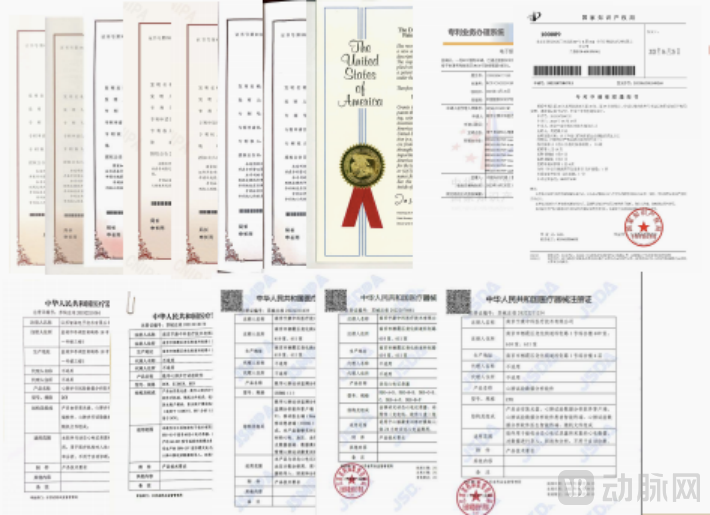
To Receive Multiple Accreditations (Photo Provided by Interviewee)
From a longitudinal perspective, Nanjing Ningkang Zhongke Medical Technology Co., Ltd. has already establishedFrom Theory, Technology, and Products to Servicesacross the entire value chain. Horizontally, the team has also deployed a range of home-use and medical-grade products across multiple sectors, including sports rehabilitation, chronic disease management, mental health, and epilepsy monitoring. The team’s products are currently being utilized in national projects under China’s 14th Five-Year Plan, which are undertaken by numerous renowned hospitals such as China-Japan Friendship Hospital, Fuwai Hospital, Peking University Third Hospital, Guang’anmen Hospital, and Xuanwu Hospital.
Wide range of applications, suitable for obstetrics and gynecology, military units, etc.
With the continuous advancement of team research and clinical application collaborations, the Ningkang Autonomic Nervous System Assessment and Modulation System is not only applicable to the intervention of autonomic nervous system disorders but also holds broader application prospects.
First, emotional regulation for perinatal and menopausal women.During these two stages, women are highly susceptible to adverse emotional changes due to hormonal fluctuations, which can negatively impact their quality of life and physical health. Furthermore, maternal distress may affect fetal epigenetic regulation, thereby influencing the neurodevelopment and psychological well-being of the next generation. The iWell smart ring not only enables real-time monitoring of various physiological metrics and emotional states but also helps alleviate negative conditions through guided breathing exercises.
It is reported that in a clinical study on perinatal women conducted in collaboration with the Department of Obstetrics and Gynecology of the Affiliated Hospital of the University of Chinese Academy of Sciences, pregnant women in the trial group using the iWell smart ring demonstrated significantly better outcomes than those in the control group (P<0.01). These improvements included greater stability in blood pressure and blood glucose levels, enhanced vagal tone, and superior fetal heart sound indicators. Additionally, mental health status and sleep quality, as assessed by the Edinburgh Postnatal Depression Scale, the Pittsburgh Sleep Quality Index, and the Pregnancy Pressure Scale, were significantly improved. In multi-center clinical trials targeting menopausal syndrome conducted by Peking Union Medical College Hospital and Changsha Maternal and Child Health Care Hospital, the iWell smart ring system also demonstrated favorable efficacy.
Currently, the intelligent sleep staging and scoring, personalized rhythmic deep breathing training, and spinal nerve exercises provided by the iWell smart ring constitute an ideal solution for the clinical monitoring and intervention of patients with sleep disorders in the project undertaken by Jiangsu Province Hospital of Traditional Chinese Medicine under the Provincial Health Commission.
In addition to civilian use,This device can also be used for the assessment and intervention of stress injuries in military personnel.Compared with traditional stress injury assessment methods, autonomic nervous system evaluation and intervention are more intuitive, rapid, and accurate, thereby achieving effective intervention outcomes and enhancing the combat readiness of military forces.
Furthermore, in scenarios such as mid-to-high-end insurance, health and elderly care centers, and labor union benefits, the iWell Smart Ring has demonstrated significant advantages with its physical and mental health monitoring and self-regulation features.The team has reached an intention to cooperate with groups such as the UK rail unions.
Epilogue
Wu Jiankang’s team has filled the gap in autonomic nervous system assessment and intervention through more than 20 years of persistent efforts. Nevertheless, Professor Wu Jiankang remarked, “The path toward autonomic nervous system regulation and intervention is still long; our research and industrialization have only just opened the door.”
Currently, the team is attempting to provide quantitative guidance for relevant surgeries through real-time monitoring of the autonomic nervous system.For instance, sympathetic renal artery ablation and mesenteric artery ablation have demonstrated significant efficacy in the treatment of resistant hypertension and type 2 diabetes. The team is developing micro-sensor arrays for monitoring periarterial sympathetic ganglion activity, along with real-time signal processing systems, to provide key technologies for digital intelligence in surgical procedures. Furthermore, the team will continue to refine its products, iteratively upgrading the iWell system to expand its functionality.
As a component of new quality productive forces, autonomic nervous system assessment and intervention have been identified as key areas for major support by the National Natural Science Foundation of China and the Ministry of Science and Technology over the next 5–10 years, and will also constitute a significant sector within the healthcare industry. Dr. Wu Jiankang’s team has dedicated their careers to the research and development of technologies and products for autonomic nervous system assessment and intervention. They look forward to collaborating with more like-minded partners to integrate resources and jointly pioneer a new quality healthcare industry, thereby benefiting a broader population of both healthy individuals and patients.