

Jianjia Rehab's Growth Blueprint: Decoding Its Chain-Group Development Model and Product Strategy
As the domestic rehabilitation sector develops rapidly, an increasing amount of social capital is actively participating in the investment and construction of private rehabilitation hospitals, injecting new vitality into the rehabilitation medical industry.
Rehabilitation medicine is also regarded as a sector where non-public medical institutions can achieve significant success. According to Zhiyan Consulting, the number of rehabilitation hospitals in China increased to 810 in 2021, including 182 public hospitals and 628 private hospitals. However, the development of private rehabilitation hospitals faces multiple challenges, such as homogeneous competition, talent shortages, and issues with profitability models.
In this context, Jianjia Rehabilitation has rapidly promoted the standardized replication and expansion of its chain rehabilitation hospitals across different regions through a chained group development model. This approach has not only expanded service coverage but also achieved resource integration and complementary advantages through centralized group management, effectively enhancing service efficiency and quality, thereby providing new insights for the innovation and sustainable development of rehabilitative medical care.
Jianjia Rehabilitation is a chain rehabilitation hospital brand launched by Jianjia Medical (formerly Guokong Medical) on November 11, 2023. As the rehabilitation sector brand under Jianjia Medical, Jianjia Rehabilitation integrates various rehabilitation medical institutions and service projects to establish a nationwide rehabilitation medical service network, thereby achieving scaled operations and resource sharing.
As a “pioneer” in the rehabilitation healthcare industry and a participant in privately run medical services, what strategic layout does Jianjia Medical have? How will its chain-based group development model drive the growth of the rehabilitation healthcare sector? In light of these questions, VCBeat conducted an in-depth exclusive interview with Wei Yulin, Executive Director and CEO of Jianjia Medical, aiming to bring new insights to the industry.

Wei Yulin, Executive Director and CEO of Jianjia Medical
The Trillion-Yuan Blue Ocean of Rehabilitation Medicine Urgently Needs the Emergence of Industry Leaders
Behind the strategic decision to focus on rehabilitation is Jianjia Medical’s determination, made after a comprehensive assessment of multiple factors, including the development stage of the rehabilitation industry, market potential, and domestic and international development models.
According to Wei Yulin, the overseas rehabilitation medical industry started earlier, especially after the implementation of the DRG policy, the industry entered a golden period of rapid growth. The U.S. commercial insurance system is relatively developed. After the implementation of the DRG policy in the 1980s, leading enterprises such as Select Medical and Kindred Healthcare rapidly expanded their scale through capital operations and mergers and acquisitions, stabilizing their leading market position when they reached a scale of 100 hospitals.
Compared with developed countries, there is a certain gap in the development of China’s rehabilitation sector, primarily due to insufficient historical emphasis on rehabilitative medicine, the marginalization of rehabilitation departments within clinical hospitals, and inadequate technology and investment. Moreover, the healthy development of the rehabilitation industry requires leadership from leading enterprises, andChina lacks leading enterprises in this field, and there is no unified technical evaluation standard.In Professional Technologyalso relatively lagging behind。
Despite a remaining gap, China boasts the world’s largest market demand for rehabilitation services, indicating immense industry potential. According to the Global Burden of Disease report published by The Lancet, China has the largest global demand for rehabilitation, with the total number of individuals requiring such services exceeding 460 million person-times. The elderly and people with disabilities constitute the primary beneficiaries of rehabilitation services, together accounting for more than 70% of the total. Consulting firms estimate that the market size will reach RMB 268.6 billion by 2025, a level considered sufficient to basically meet China’s rehabilitation needs.
Moreover, various favorable policies issued in recent years by relevant authorities, including the National Health Commission and the State Council, have continued to stimulate industry development. Driven by the dual forces of policy support and robust demand, an increasing number of listed companies are expanding into the rehabilitation medical sector. The influx of social capital has brought funding and vitality to the rehabilitation healthcare industry, yet it still faces a series of challenges in its development.
According to Wei Yulin, the current level of technological development in rehabilitation hospitals across China is generally low, leading to pronounced involution characterized by low-level redundancy and homogenized competition. Meanwhile, due to the relatively limited range of billable services offered by rehabilitation hospitals, competition among these institutions relies more heavily on channel acquisition, lacking differentiated services and specialized treatments.
In addition to challenges related to technical expertise and differentiated services, domestic rehabilitation hospitals also face difficulties in facility infrastructure and cost control. According to national standards, the requirement of 85 square meters per bed is difficult for many rehabilitation hospitals to meet, resulting in actual operational space per bed falling significantly below the standard. This shortfall directly impacts the hospitals’ viability and development.
Wei Yulin believes that,The rehabilitation medical industry urgently needs the emergence of leading enterprises to spearhead the development of rehabilitation assessment standards and drive technological innovation.This has also become a key factor in Jianjia Medical’s focus on rehabilitation.
“With the support of capital markets, leading enterprises can increase R&D investment, collaborate with commercial insurers and upstream manufacturers, and provide clinical benchmarks and practical platforms to drive industry innovation and development. Furthermore, leading enterprises will spearhead industry standardization, contributing value to the sector through continuous technological innovation and product development,” said Wei Yulin.
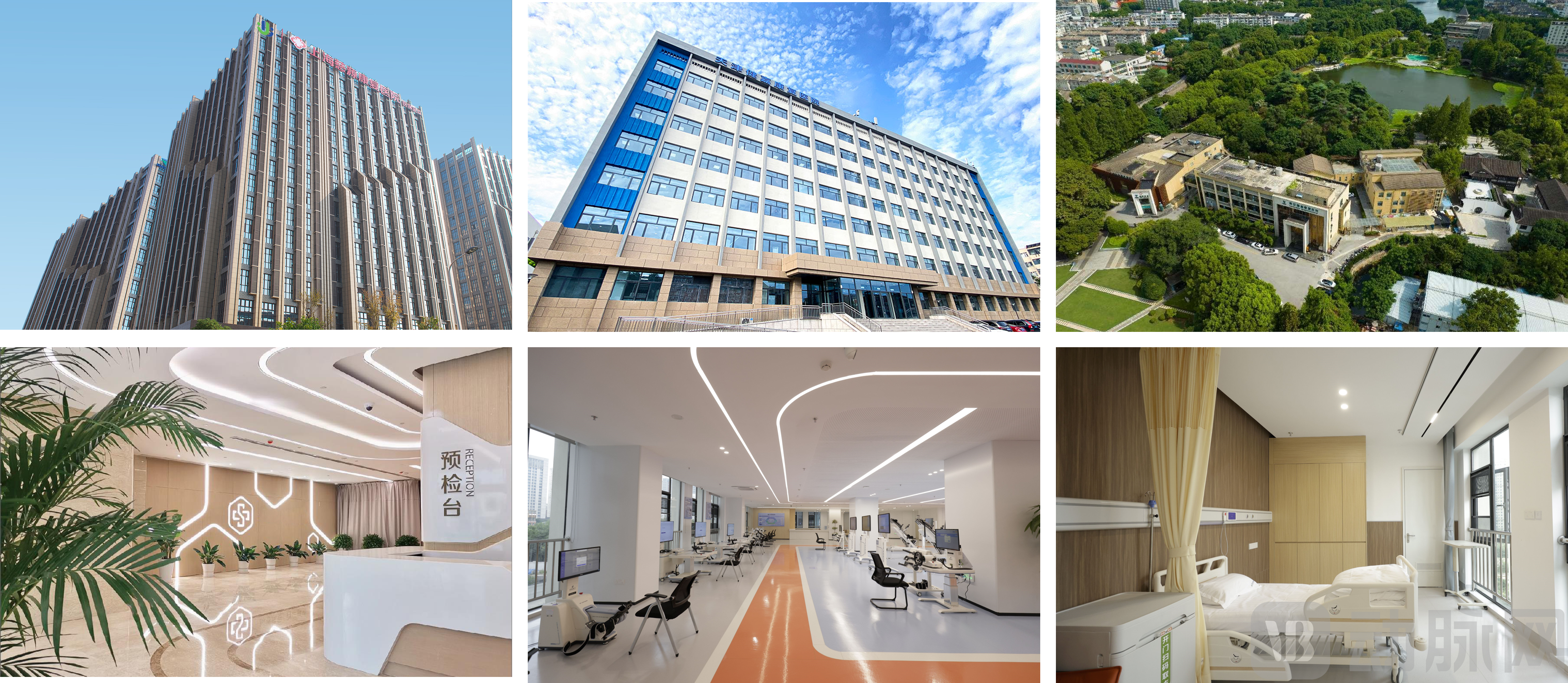
After conducting in-depth research into the rehabilitation sector, Jianjia Rehabilitation decided to focus on this field and initiated the development of a standardized operational model for rehabilitation hospitals at the corporate headquarters level. This model encompasses standardized templates covering the entire value chain—from project planning and establishment, discipline construction, and staffing to daily operations, process management, and talent development—thereby ensuring consistency and replicability across projects.
“The core of this chain-group development model lies in the standardization and replicability of its profit model, enabling profitability across different regions with controllable risks.”“said Wei Yulin.”
Although the current private rehabilitation healthcare industry is characterized by low concentration and a fragmented market, industry consolidation is expected to gradually increase as market competition intensifies, capital operations become more frequent, and brand effects become more pronounced. In the future, capable enterprises will further expand their market share and establish themselves as industry leaders through standardized operations and scalable replication and expansion.
Provide productized solutions to build a "Specialized, Refined, Differential, and Innovative" chain rehabilitation brand
Private healthcare providers establishing specialized rehabilitation hospitals can more easily achieve economies of scale. However, building a strong brand, cultivating distinctive specialties, and earning a solid reputation remain challenging endeavors. This requires sustained investment and continuous innovation. Jianjia Rehabilitation has consistently adhered to the strategy of specializing in niche markets, pursuing refinement, developing unique features, and fostering innovation.
First is “Specialization.” Jianjia Rehabilitation centers on professionalism and dedication, focusing on specialized chain rehabilitation services and striving to build an outstanding professional team. Jianjia Rehabilitation has assembled a multidisciplinary team comprising senior rehabilitation therapists, rehabilitation physicians, professional nursing staff, psychological counselors, dietitians, and medical experts. With profound expertise in rehabilitation medicine and extensive clinical experience, the team covers critical care, neurology, emergency medicine, respiratory care, wound management, pain management, anesthesiology, interventional therapy, oncology, traditional Chinese medicine (TCM), rehabilitation, sports medicine, and nursing, aiming to provide the most professional rehabilitation services to patients and their families.
Next is “Precision.” In terms of refined operations and services, Jianjia Rehabilitation has established a standardized operational model for rehabilitation hospitals at the headquarters level, comprehensively promoting standardized replication across project preparation, discipline development, staffing, daily operations, process management, and talent cultivation. At the level of refined services, the organization actively promotes high-quality nursing care and recognition programs, addressing patients’ individualized needs and providing comprehensive rehabilitation services—from comprehensive assessments upon admission, through real-time monitoring and adjustments during the rehabilitation process, to post-discharge follow-up and guidance.
According to reports, the headquarters established the Group Quality Development and Promotion Committee in 2023, actively implementing internal quality control and unannounced inspection systems for quality and safety, while enforcing a “one-vote veto” policy in medical quality and safety management. The group has driven its affiliated institutions to strengthen benchmarking and standards compliance initiatives, consistently prioritizing the improvement of medical quality as its core focus.
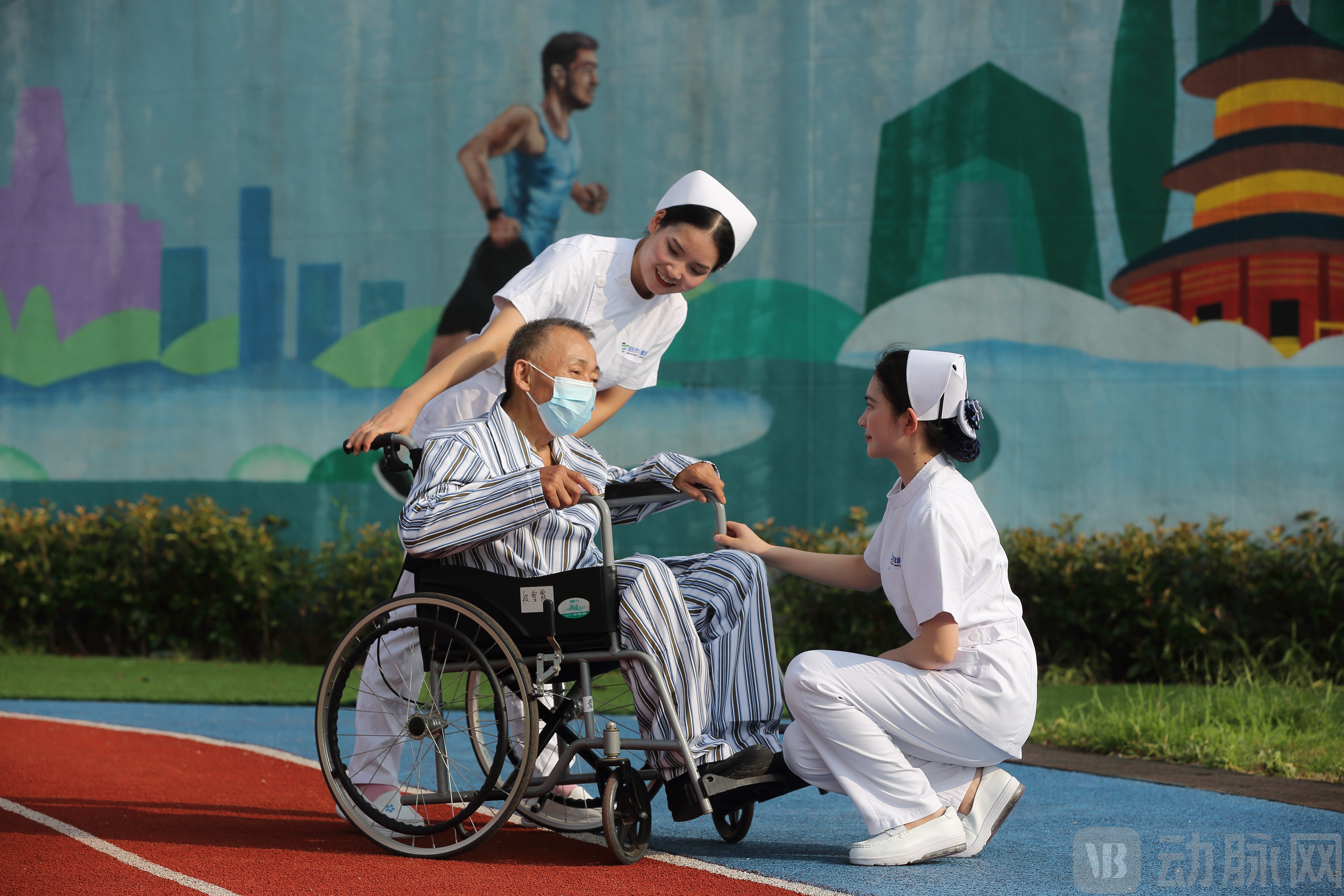
In terms of “specialization,” Jianjia Rehabilitation focuses on patients’ individualized needs by introducing a “Rehabilitation Steward” service model. Each hospital has dedicated rehabilitation stewards who provide humane, end-to-end companionship throughout the patient’s care journey, assisting with appointment scheduling, information retrieval, and answering questions. This approach fosters positive interactions between patients and the hospital, thereby enhancing patients’ healthcare experience and the quality of medical services.
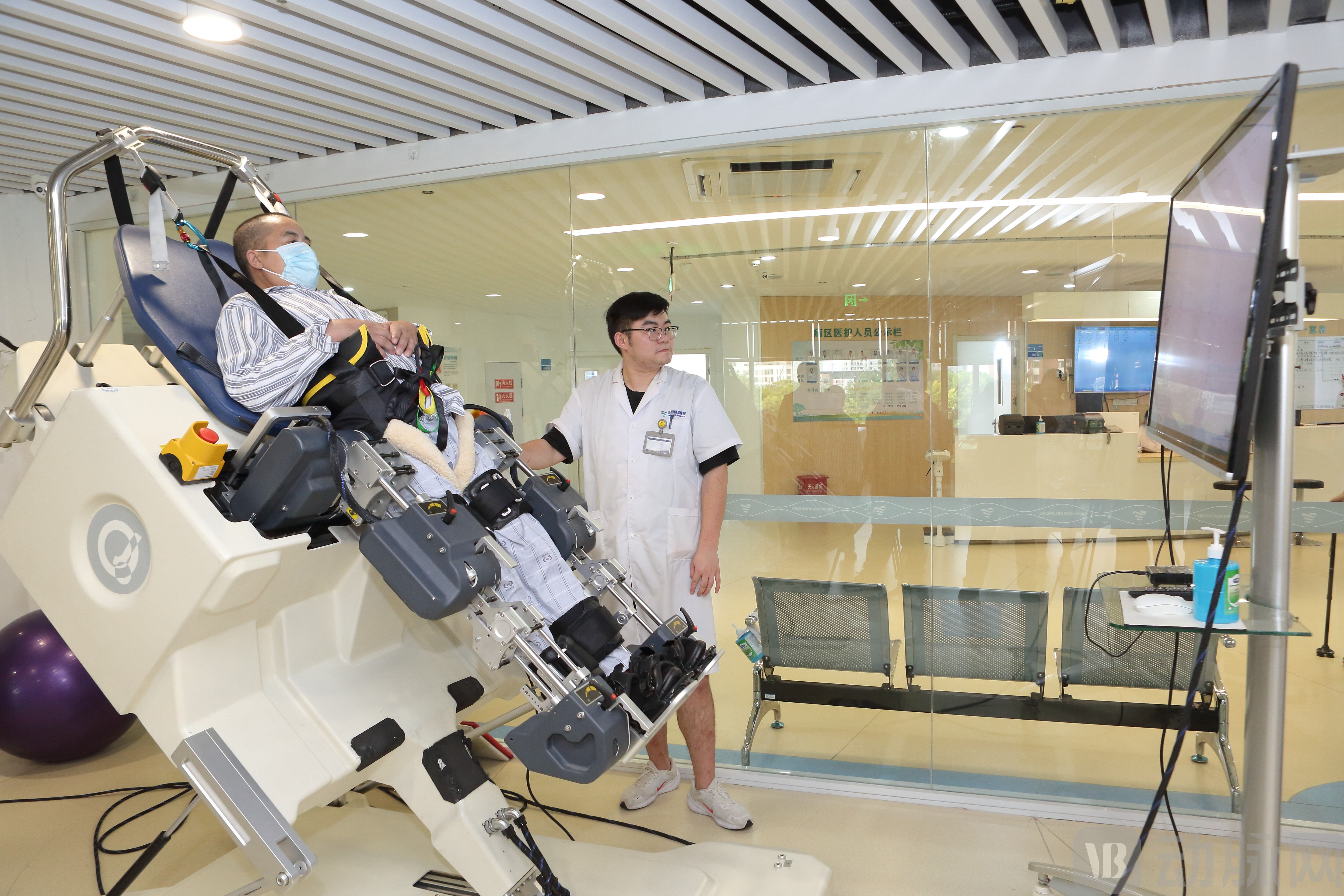
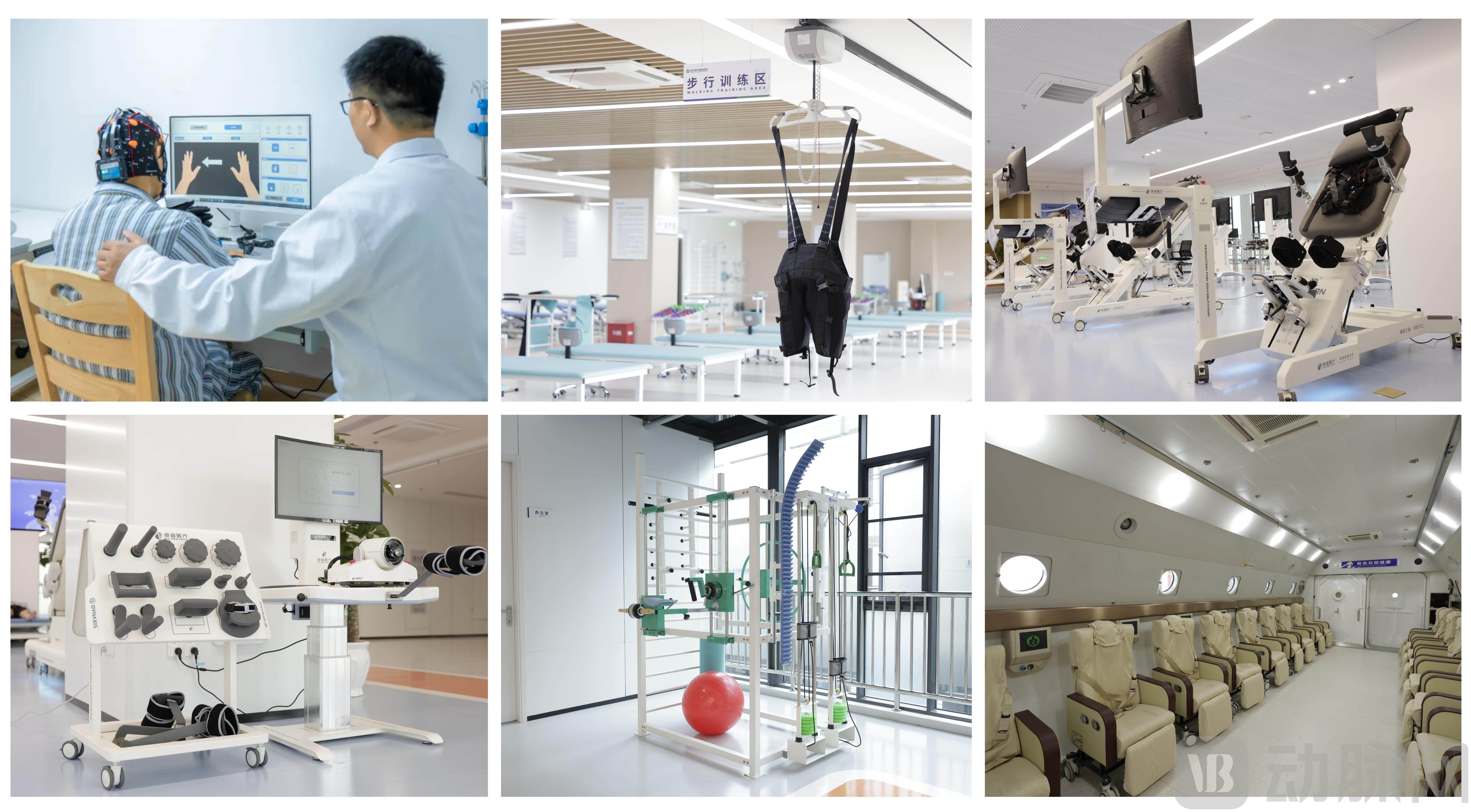
More importantly, the emphasis is on “innovation.” Jianjia Rehabilitation consistently explores new technologies and methodologies, actively introducing advanced rehabilitation techniques and equipment from both domestic and international sources. The company continuously trials novel therapeutic approaches and modalities, including hyperbaric oxygen therapy, upper-limb rehabilitation robots, lower-limb rehabilitation robots, brain-computer interfaces, ceiling-mounted track systems, and transcranial magnetic stimulation. Meanwhile, the company prioritizes exchanges and collaborations with renowned rehabilitation institutions and experts both in China and abroad, jointly promoting innovation and development within the rehabilitation industry. At Jianjia Rehabilitation, patients not only receive traditional rehabilitation treatments but also experience cutting-edge, state-of-the-art rehabilitation technologies.
In addition to strengthening its capabilities in the “specialized, refined, distinctive, and innovative” domain, Jianjia Rehabilitation also places significant emphasis on recruiting and cultivating its talent team.The company adopts an open-organization strategy,On the one hand, integrate external resources; on the other hand, strengthen team building. Externally,Since 2024, Xi Jianing, Bi Sheng, and nearly 30 industry experts have joined Jianjia Rehabilitation, continuously strengthening its talent pool.; Internally, the company has also established a comprehensive professional training system to promote personnel training and assessment.
Wei Yulin believes that,Privately Operated Rehabilitation Hospitals Should Provide Patients with Diversified, Differentiated, and Personalized Rehabilitation Medical Service Plans: The Strategy of Jianjia RehabilitationIt does not compete with public hospitals for patients reliant on medical insurance, but instead focuses on providing market-oriented services, transforming technical solutions into replicable products to improve patients' quality of life.
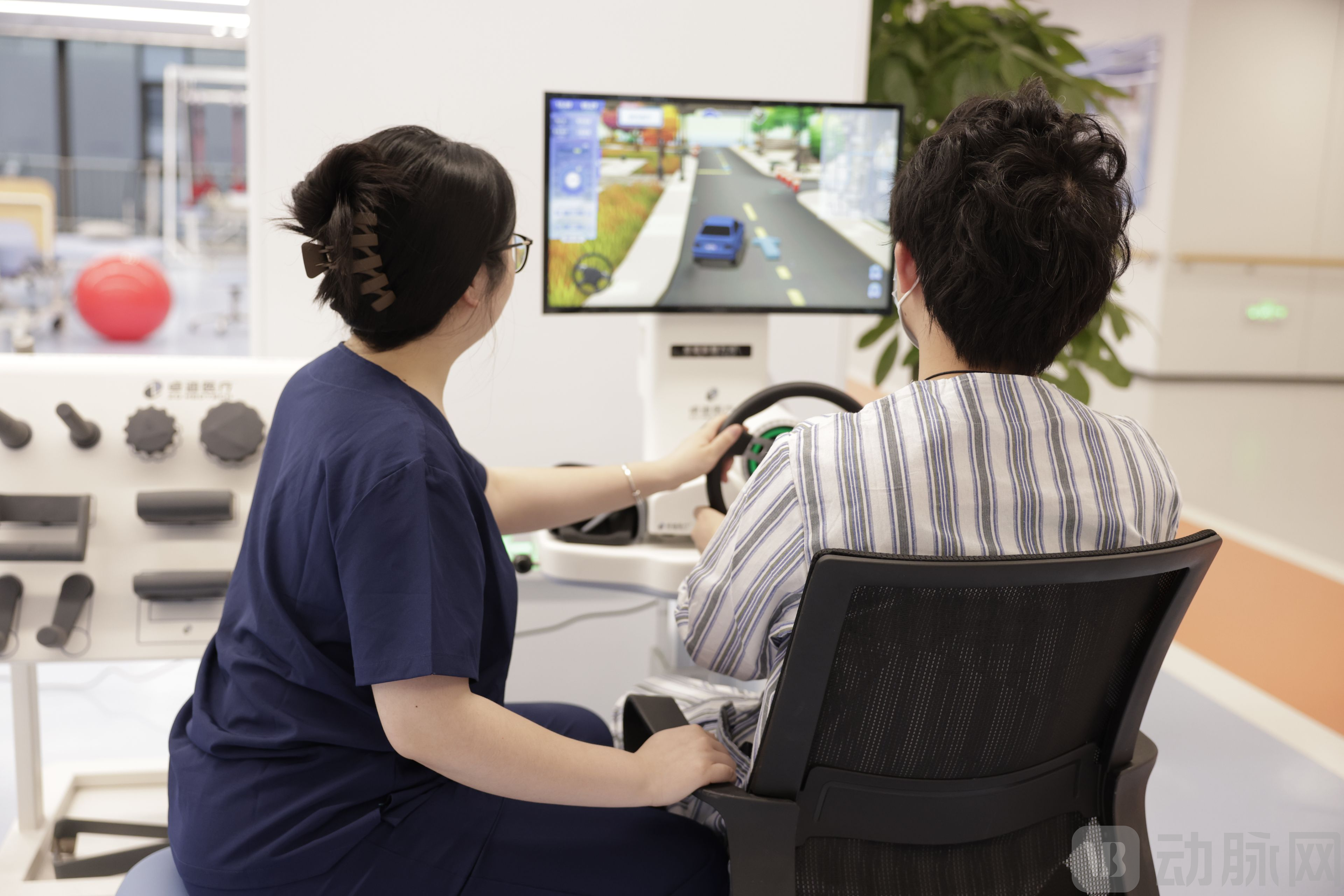
This is also why Jianjia Rehabilitation adheres to the “specialized, refined, distinctive, and innovative” development strategy. “The development of rehabilitation medicine requires specialized and product-oriented solutions. Through meticulous management and innovative technologies, we provide high-quality services to meet the needs of diverse patients and achieve sustainable growth,” said Wei Yulin.
Continuously iterate standardized models to accelerate the “one city, multiple sites” expansion
In Wei Yulin’s view, the success of a chain-based group development model requires a certain pace of growth. The next five years will constitute a critical window for the development of the rehabilitation medical industry, during which leading enterprises will emerge. As Jianjia Rehabilitation entered this field relatively late, it needs to accelerate the validation and optimization of its business model to achieve cross-regional competitiveness.
It is worth noting that, due to disparities among China’s provinces and regions in terms of economic development, health insurance systems, and awareness of rehabilitation medicine, the implementation of standardization is, in fact, an extremely complex endeavor.
To address this issue, Jianjia Rehabilitation first established a framework of standardized templates. By conducting comparative data analysis, it carried out in-depth research into various operational aspects of its subsidiary hospitals, including labor cost control and optimization of operational metrics, thereby determining the optimal ratios for hundreds of data indicators. Based on these analytical insights, new projects can be implemented directly in accordance with these standards, eliminating the need for trial-and-error exploration and avoiding detours. This approach ensures that each hospital can rapidly replicate proven success models, achieving swift growth and stable operations.
Building on this foundation, Jianjia Rehabilitation continuously adjusts and optimizes its standardized templates to accommodate the specific rehabilitation needs of different regions, thereby achieving continuous iteration and improvement of its model. “This strategy requires us to undertake substantial efforts to ensure the effective implementation and ongoing enhancement of the standardized model in each region,” said Wei Yulin.
Through scaled expansion and continuous iteration of standardized models, Jianjia Rehabilitation aims to establish a unified standard configuration, expand its differentiated competitive advantages and barriers, and leverage the Group’s resource strengths—including its network of rehabilitation hospitals across various regions, diverse clinical scenarios, and patient diversity—to focus on intelligent rehabilitation solutions for key specialized conditions, thereby building an ecosystem of technological innovation in rehabilitation therapy. This strategy is also a key factor enabling Jianjia Medical to maintain its leading position in market development.
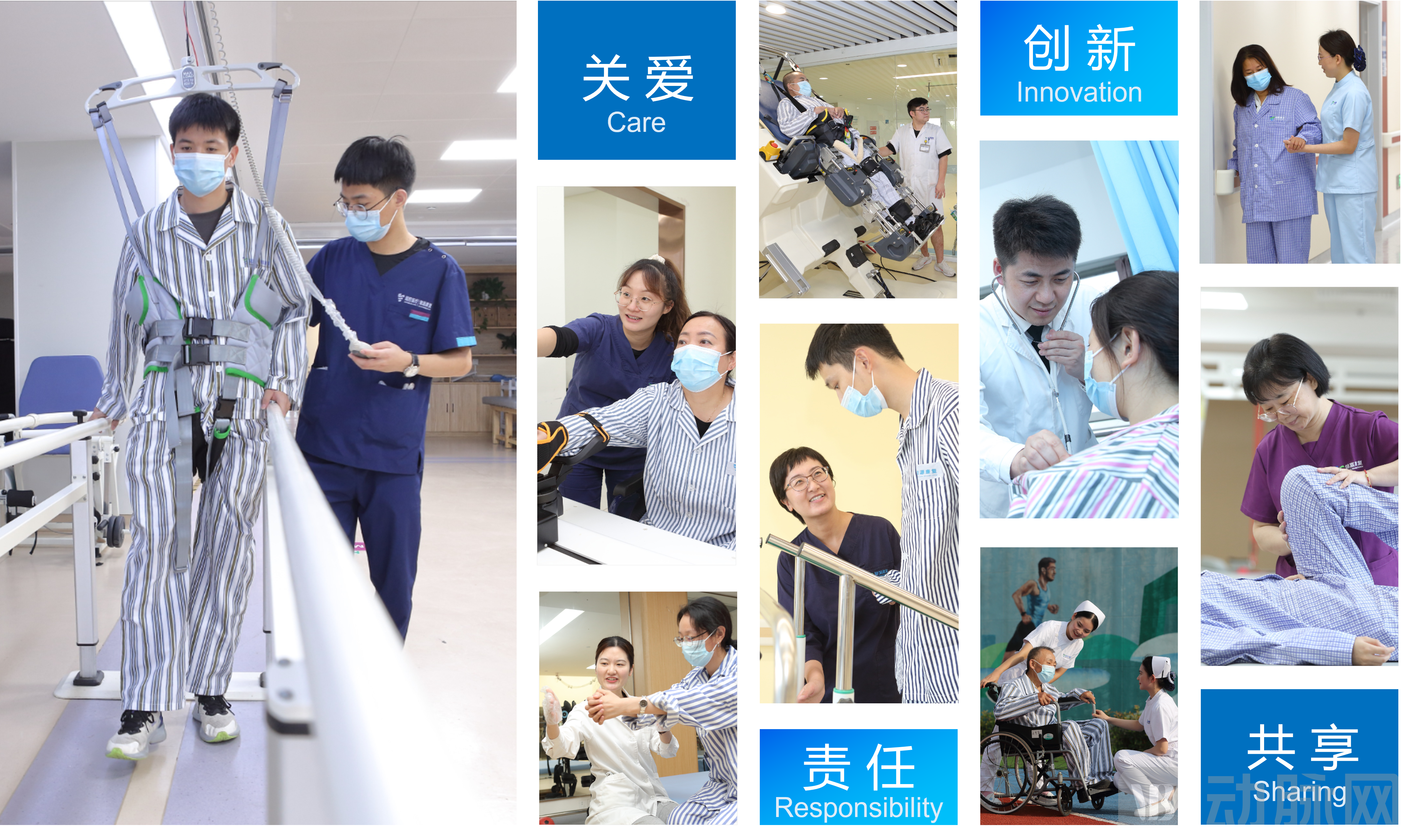
Amid the dual tailwinds of rigid demand and policy support, the blue-ocean market for rehabilitation medical services is witnessing intense competition. Nevertheless, Jianjia Medical has achieved its own “Jianjia Speed” by leveraging two key strategic advantages: a chain-based group development model and a focus on becoming “specialized, refined, distinctive, and innovative.”
This point may be better illustrated by data.
As of the third quarter of 2024, Jianjia Medical’s network of rehabilitation hospitals under development and operation has expanded to 22 facilities, covering core cities including Shanghai, Beijing, Tianjin, Nanjing, Yangzhou, Kunshan, Nantong, Hangzhou, Nanchang, Wuhan, Fuzhou, Xi’an, Bengbu, Changsha, Chengdu, Jinan, and Shantou, with a total planned and designed bed capacity exceeding 8,000.
Looking toward the future, Jianjia Rehabilitation’s short-term goal is to rapidly advance its “one city, multiple locations” strategy by establishing branches and rehabilitation centers in more first-tier cities and key provincial capitals, thereby meeting the diverse rehabilitation needs of different populations across various regions. In the long term, the company aims to expand its scale to 100 rehabilitation hospitals, becoming a leading rehabilitation medical group within the industry.
“We aspire to become a leader in the rehabilitation medicine industry. Through continuous technological innovation and product development, we aim to drive technological advancement and broader adoption in rehabilitation medicine. By actively benchmarking against world-class standards, we are committed to continuously enhancing the safety, efficacy, and accessibility of rehabilitation medical services. Together, we will promote the development and progress of rehabilitation medicine in China, contribute our industry strength to improving the health and well-being of the public, and work collectively to ensure the ‘Healthy China’ strategy is implemented effectively, thoroughly, and substantively,” said Wei Yulin.