

TYK Medicines Soars 23% as Hong Kong’s First Deuterated Drug Company Lists on HKEX

TYK medicines
Innovative Drug Developer for Tumors and Immuno-Oncology
On August 20, TYK Medicines (02410.HK), the “first deuterated drug company listed on the Hong Kong Stock Exchange,” rang the bell to mark its listing.
According to the announcement, the company offered 47.88 million shares in its global offering, with 90% allocated to the international offering and 10% to the public offering. The offer price was set at HK$12.10 per share, with a board lot size of 500 shares, raising approximately HK$579 million. The net proceeds from the IPO amounted to approximately HK$506.3 million, of which about 70% will be used for the research, development, and commercialization of core products; about 20% for the research and development of other product candidates; about 3% for potential strategic acquisitions, investments, licensing, or partnership opportunities; and about 7% for working capital and other general corporate purposes.
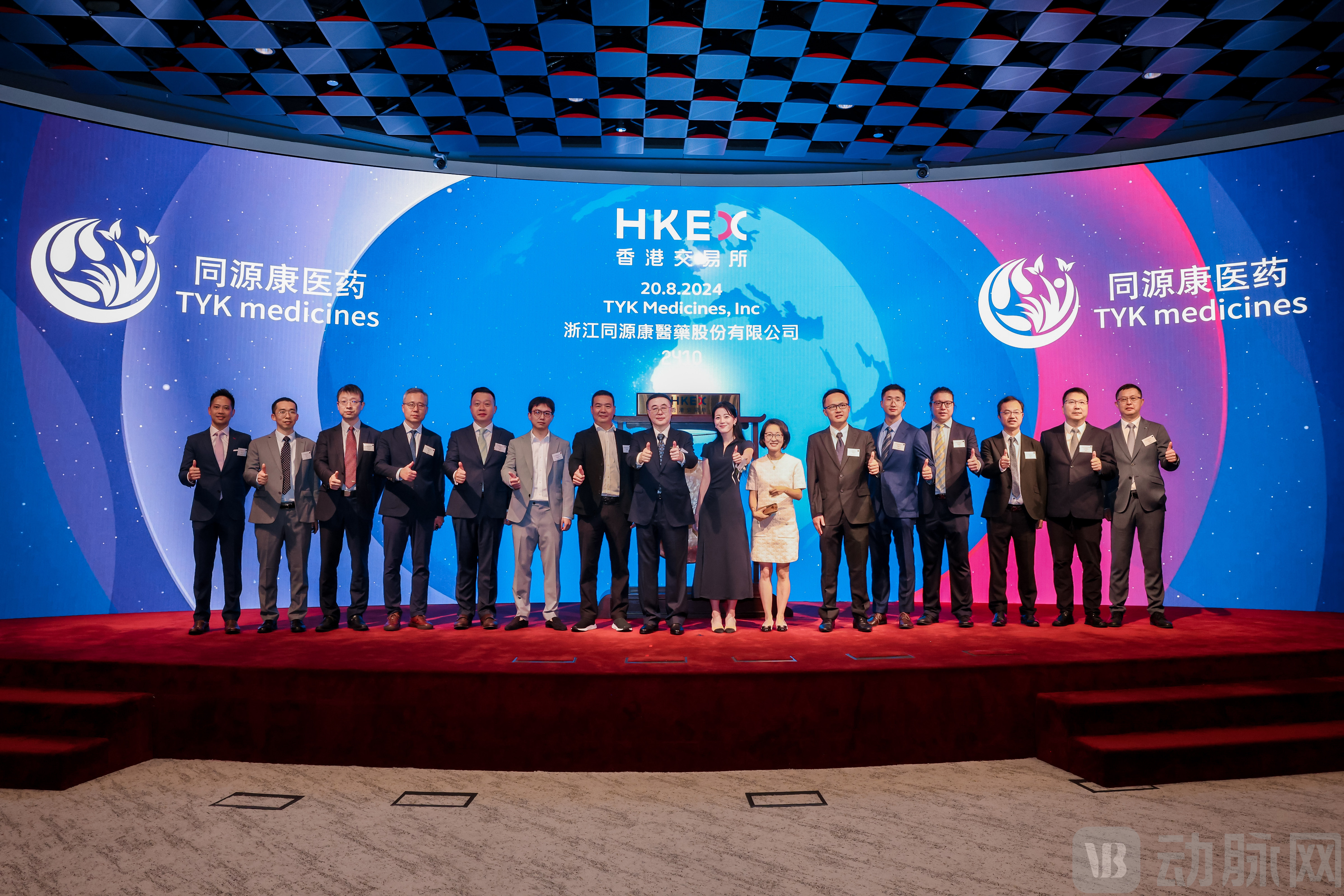
As of press time, TYK Medicines-B (2410.HK) was trading at HK$14.98, up 23.8%, with a latest market capitalization exceeding RMB 5 billion.
TYK Medicines, established in 2017, is a clinical-stage biopharmaceutical company focused on small-molecule drugs and other innovative therapeutic modalities. It is dedicated to the discovery, development, and commercialization of differentiated targeted therapies, primarily addressing unmet medical needs in oncology, particularly in lung cancer.
The listing of TYK Medicines represents a victory for the "Me-better" strategy. By leveraging deuterium substitution technology, TYK Medicines has improved upon existing drugs to develop new agents with superior pharmacokinetic profiles and efficacy. Its core product, TY-9591, a third-generation EGFR-TKI and a deuterated analog of osimertinib, is currently undergoing two pivotal clinical trials in China for the treatment of advanced non-small cell lung cancer (NSCLC).
Over Half of Pipeline Enters Clinical Trials; Valuation Grows 23-Fold in 5 Years
Since its establishment, TYK Medicines has completed six rounds of financing, raising a total of RMB 955 million. Following the completion of its Series D financing in the second half of 2023, the company’s post-money valuation reached RMB 3.084 billion, representing a 23.7-fold increase over its valuation in the initial financing round in 2017.
Currently, TYK medicines has a total of 11 candidate drug pipelines, including TY-9591 (core product), six products in clinical stages (including the key product TY-302 and the internally developed key product TY-2136b), as well as four products in preclinical stages.
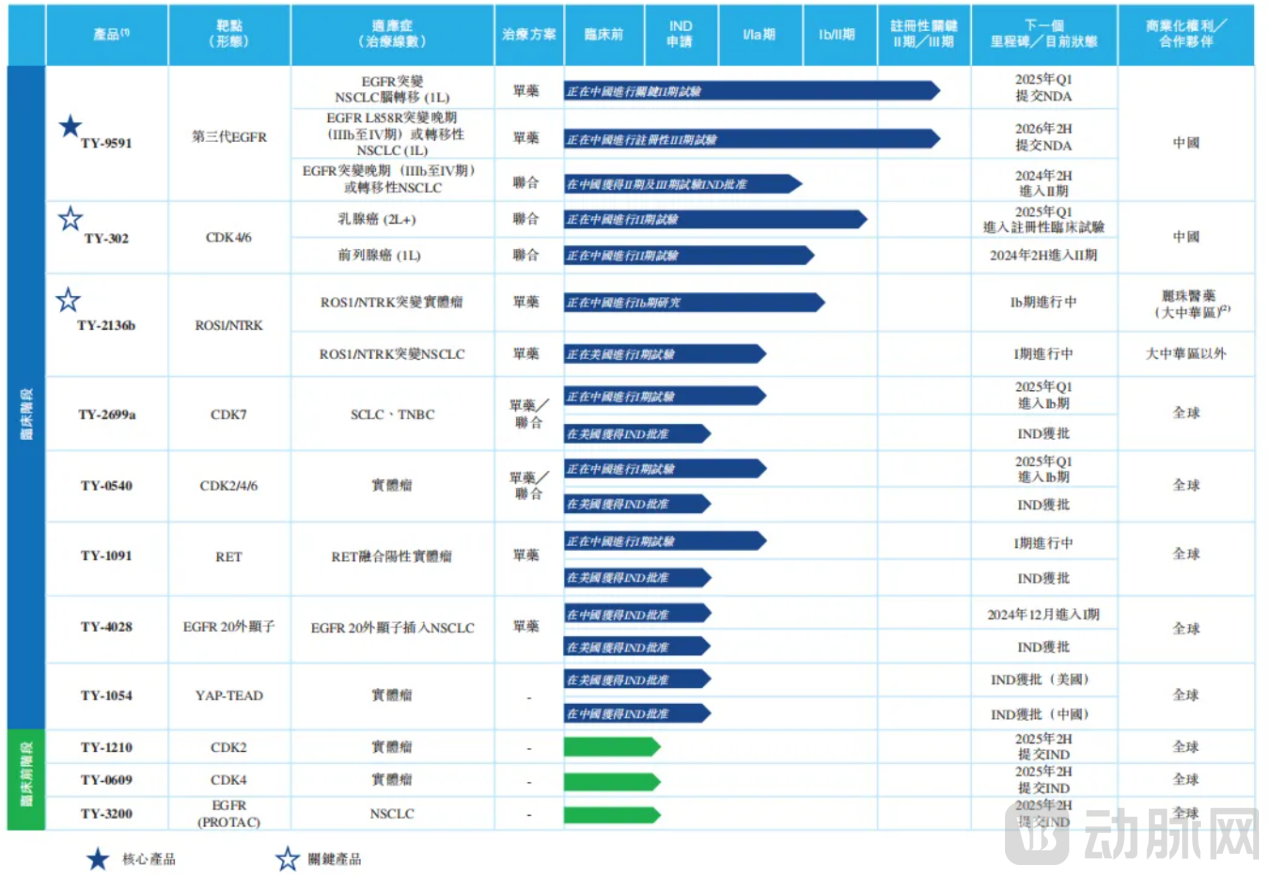 Pipeline in Development Source: TYK Medicines Prospectus
According to the prospectus, TY-9591, a third-generation EGFR-TKI, is a deuterated version of osimertinib. It not only retains the advantages of osimertinib but also blocks its metabolic sites, significantly reducing the formation of the metabolite TY-9591-D1 (AZ5104), thereby holding promise for widening the therapeutic window.
Based on clinical data from 29 treatment-naïve, evaluable patients with non-small cell lung cancer (NSCLC) and brain metastases enrolled in Phase Ib and Phase II clinical studies, intracranial partial response (PR) was observed in 25 patients and complete response (CR) in 4 patients, yielding an intracranial objective response rate (ORR) of 100%. Clinical data from the Phase Ib study demonstrated that TY-9591 exhibited favorable efficacy and safety profiles in NSCLC patients with EGFR mutations (L858R/exon 19 deletion), with a median progression-free survival (PFS) of 21.5 months, an ORR of 85.9%, and a disease control rate (DCR) of 94.9%. Notably, the median PFS reached 19.3 months in patients harboring the exon 21 L858R mutation.
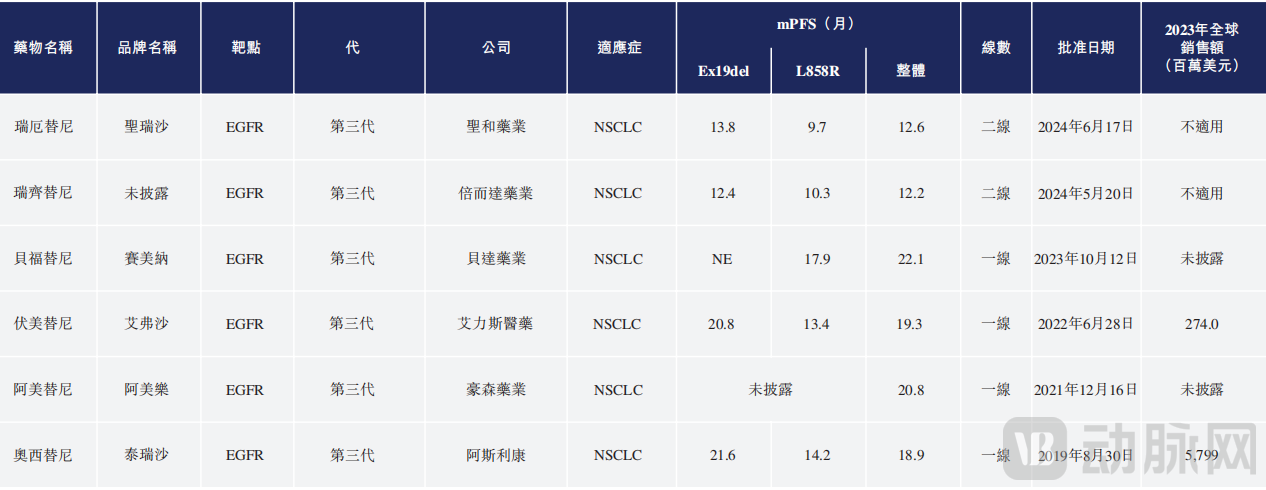 CDE-Approved EGFR-TKI Therapies Source: TYK Medicines Prospectus
Currently, six third-generation EGFR-TKI drugs have been approved in China for the treatment of non-small cell lung cancer (NSCLC) with EGFR mutations (including exon 19 deletions, exon 21 L858R, and exon 20 T790M), four of which are approved for first-line therapy. Overall, the third-generation EGFR-TKIs currently approved and marketed in China have followed a similar pathway: gaining regulatory approval initially as second-line therapies and gradually expanding into first-line indications. Meanwhile, no drug has yet been approved for the indication of lung cancer brain metastases.
TYK medicines represents a more challenging pathway. Currently, multiple first-line treatment trials for TY-9591 are underway, including a pivotal Phase II clinical trial of TY-9591 monotherapy for the first-line treatment of brain metastases in EGFR-mutated NSCLC; a registrational Phase III clinical trial of TY-9591 monotherapy for the first-line treatment of locally advanced or metastatic NSCLC with EGFR L858R mutations, with submission of a New Drug Application (NDA) expected in the second half of 2026; and Phase II and Phase III clinical trials of TY-9591 in combination with pemetrexed and cisplatin or carboplatin for the first-line treatment of advanced or metastatic EGFR-mutated NSCLC, all of which have received Investigational New Drug (IND) approval.
The key product, TY-302, is a potent, selective oral cyclin-dependent kinase 4/6 (CDK4/6) inhibitor and the deuterated analog of palbociclib, the world’s best-selling CDK4/6 inhibitor.
Based on the preliminary safety data collected from current Phase I/II clinical trials and non-head-to-head studies, TY-302 has demonstrated a favorable safety profile. TY-302 has achieved encouraging efficacy in breast cancer; among the 14 enrolled patients with breast cancer who had failed prior second-line or multi-line therapies, the disease control rate (DCR) reached 71.4%. TYK medicines will further investigate the combination of TY-302 and toremifene for the treatment of third-line or later-line hormone receptor-positive (ER+)/human epidermal growth factor receptor 2-negative (HER2−) breast cancer that has progressed after second-line endocrine therapy. Additionally, TY-302 will initiate a Phase II clinical trial for prostate cancer, exploring its combination with abiraterone for the treatment of metastatic castration-resistant prostate cancer (mCRPC).
The third key product, TY-2136b, is an orally available ROS proto-oncogene 1 (ROS1)/neurotrophic tyrosine receptor kinase (NTRK) inhibitor independently developed by TYK Medicines for the treatment of solid tumors. Currently, Phase Ib clinical trials of TY-2136b are underway in China, and Phase I clinical trials are being conducted in the United States, where it has been granted Orphan Drug Designation by the FDA. In 2020, the rights to TY-2136b in the Greater China region were licensed to Livzon Pharmaceutical Group for RMB 40 million.
TYK medicines’ clinical-stage product portfolio also includes the CDK7 inhibitor TY-2699a, the selective CDK2/4/6 inhibitor TY-0540, TY-4028 (an EGFR-TKI), and the RET inhibitor TY-1091.
Over 400 Million Yuan Invested in R&D Over 21 Months
Although half of its product candidates have entered clinical stages, TYK Medicines remains in a loss-making position due to the lack of any approved products for commercial launch and sustained R&D investment. According to its prospectus, the company’s R&D expenses amounted to RMB 230 million, RMB 249 million, and RMB 65 million in 2022, 2023, and the first three months of 2024, respectively, with corresponding net losses of RMB 312 million, RMB 383 million, and RMB 108 million. Notably, this includes over RMB 400 million in R&D funding deployed within a 21-month period starting in 2022, which has enabled the company to significantly accelerate its clinical trial progress since then.
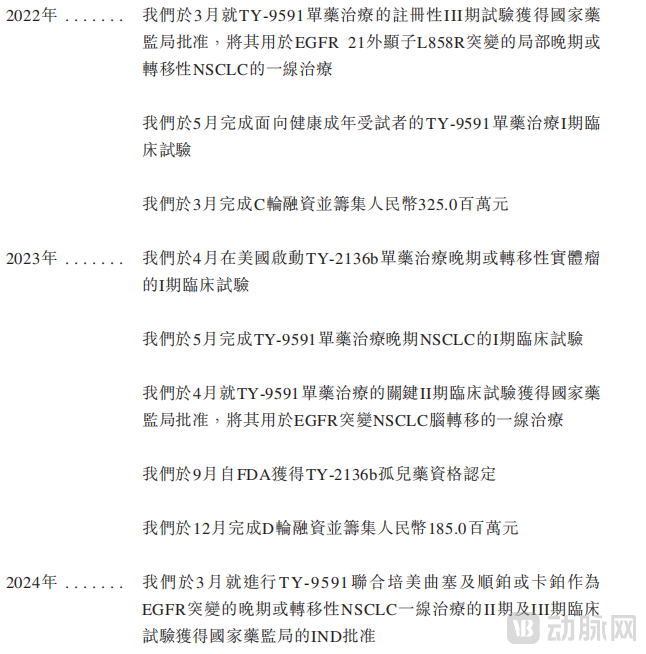 Milestone Progress Source: TYK Medicines Prospectus
Meanwhile, TYK medicines has established four technology platforms centered on the development of novel small-molecule drugs. Among them, the Drug Design and Screening Platform is a comprehensive small-molecule drug discovery platform that encompasses two key capabilities: kinase biology and small-molecule drug discovery. Except for TY-9591 and TY-302, all of TYK medicines’ candidate drugs were conceived and synthesized on the Drug Design and Screening Platform.
Nevertheless, hematopoietic capacity remains one of the major pressures facing biotech companies. TYK Medicines also stated in its prospectus that the company requires substantial additional financing to fund its operations and expansion; otherwise, it may be unable to complete the development and commercialization of its drug candidates.
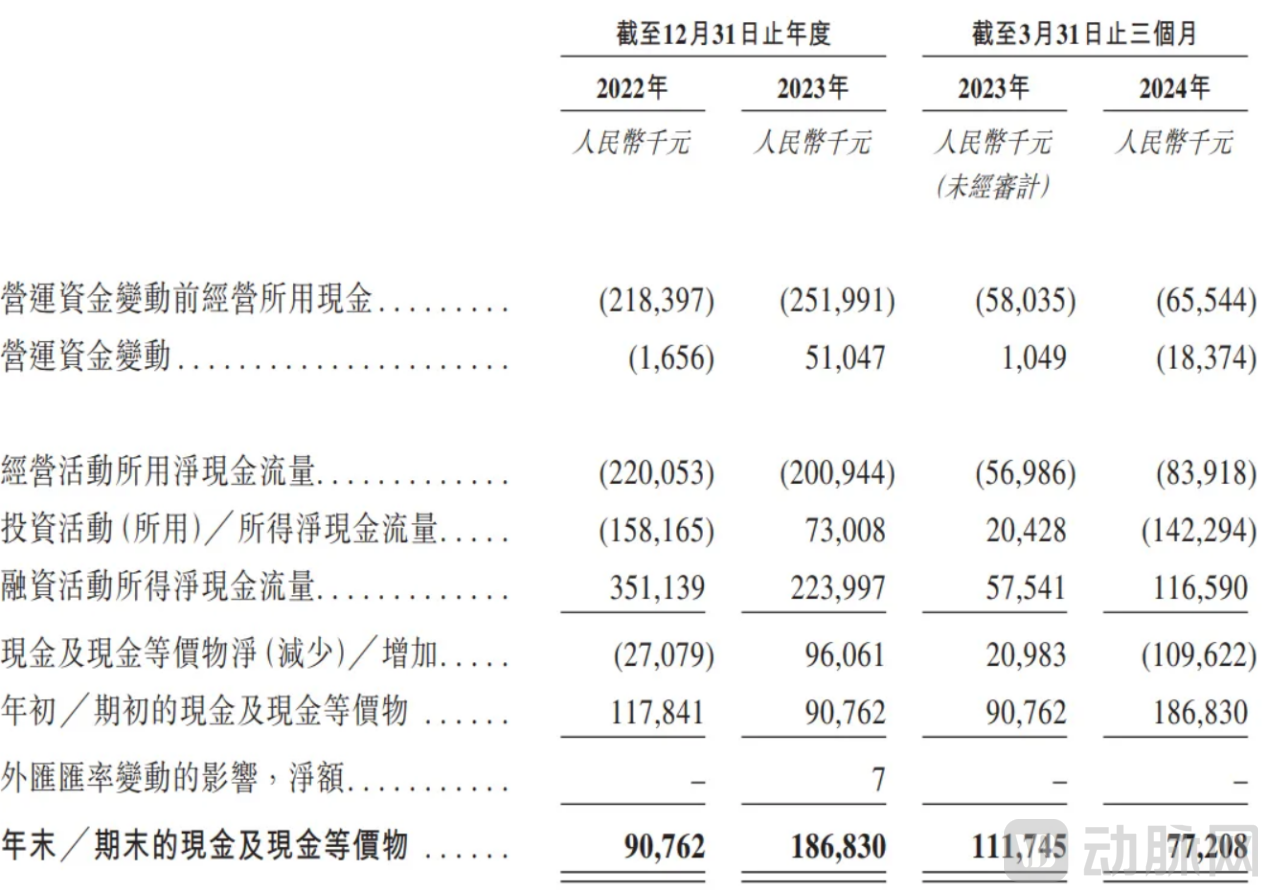
According to the cash flow statement in the prospectus, TYK Medicines had RMB 187 million in cash on hand at the beginning of 2024, which decreased to RMB 77 million by the end of March; additionally, there was RMB 4.5 million in undrawn bank financing. In the balance sheet, the company’s cash and cash equivalents amounted to RMB 137 million as of the end of March.
Meanwhile, TYK medicines reported operating revenues of RMB 44.242 million and RMB 0 in 2022 and 2023, respectively. According to the prospectus, the company’s revenue of over RMB 40 million in 2022 was primarily attributable to the out-licensing of its key product, TY-2136b.
In addition, TYK medicines has also raised funds by selling subsidiaries. In January 2024, TYK medicines transferred all shares of its wholly-owned subsidiary, Shanghai Yabao, to an independent third party, receiving RMB 34.9 million in share transfer proceeds.
Professor Born in the 1960s Marks First IPO as Local State-Owned Capital Increases Stake
Under the leadership of its founder, Wu Yusheng, a member of the post-1960s generation, TYK Medicines took six years to go from its origins in Huzhou, Zhejiang Province, to a listing on the Hong Kong Stock Exchange. The founder, who earned his Ph.D. from Iowa State University in the United States and serves as a visiting professor and doctoral supervisor at Zhengzhou University, has also achieved his first IPO.
Wu Yusheng has nearly 30 years of experience in the pharmaceutical industry. After completing his bachelor’s degree at Zhengzhou University, his Ph.D. at Iowa State University in the United States, and his postdoctoral research at the California Institute of Technology in the United States, he joined Schering-Plough, where he focused on the research and development of novel therapeutics for thrombosis, obesity, and Alzheimer’s disease.
During his tenure at Schering-Plough, Wu Yusheng began preparing to launch his own venture. In November 2007, he joined Zhengzhou Taiji Hongnuo Pharmaceutical Co., Ltd. (hereinafter referred to as “Taiji Hongnuo Pharmaceutical”), a company primarily focused on new drug research and development, and ultimately became its Chairman and President.
TYK Medicines was established in November 2017, coinciding with the 10th anniversary of Taiji Hongnuo Pharmaceuticals. After targeting deuterated drugs for two major oncology indications—non-small cell lung cancer and breast cancer—Taiji Hongnuo Pharmaceuticals and Bewot Pharmaceutical Technology (Shanghai) Co., Ltd. (hereinafter referred to as “Bewot Pharma”) jointly founded TYK Medicines, holding 90.91% and 9.09% of the shares, respectively.
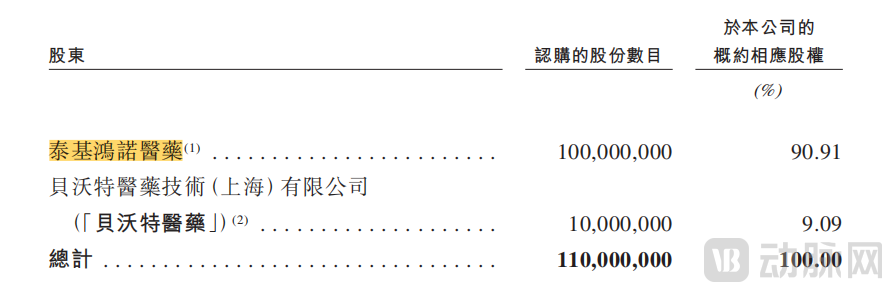 TYK Medicines: Registered Equity Structure Source: TYK Medicines
In Wu Yusheng’s vision, the company will ultimately expand beyond China’s borders to become a global pharmaceutical enterprise. “As a Chinese company with a global vision, our mission is to address the issue of drug accessibility for patients, ensuring that ordinary patients can access and afford the best medications.”
Since its establishment, TYK Medicines has completed six rounds of financing, with multiple institutional and individual shareholders joining. Kaicheng Capital, as the financial advisor, has continuously served TYK Medicines through multiple financing rounds. The most recent financings include: in January 2022, the company completed a C-round financing of RMB 330 million, led by Houji Capital, with participation from well-known institutions such as Yangtze River Fund, Zhejiang Minying/ Zhejiang Silk Road Fund. In December 2023, it completed a D-round financing of RMB 200 million, led by Huiyu Pharmaceutical, with participation from funds under CICC Capital, Changxing Financial Holdings, and Huzhou Talent Fund, among other renowned institutions.
In addition, TYK Medicines has entered into a cornerstone investment agreement with Changxing Xingchang Industrial Investment Partnership (Limited Partnership), pursuant to which Changxing Xingchang has agreed to subscribe for, or procure its designated entities (including Qualified Domestic Institutional Investors) to subscribe for, the purchasable number of offer shares at the offering price, subject to certain conditions, for a total amount of US$26.3242 million (approximately HK$206 million). Based on an offering price of HK$12.10 per share, the number of offer shares to be subscribed for by Changxing Xingchang will be 17 million offer shares.
In addition to holding positions at TYK Medicines Group, Dr. Wu Yusheng also serves as Executive Director of Zhejiang Yaoling Pharmaceutical Technology Co., Ltd., Executive Director of Zhengzhou Yaoling Pharmaceutical Technology Co., Ltd., and Chairman of Zhejiang Yachen Pharmaceutical Technology Co., Ltd.
Major Cancer Types, Large Markets: From Me-Better to Best-in-Class
What has further enabled TYK Medicines to gain entry into the Hong Kong stock market is its strategic focus on major cancer indications and large-scale markets. Beyond the substantial market size of non-small cell lung cancer (NSCLC), data from Frost & Sullivan indicates that the EGFR-TKI market in China grew from RMB 3.1 billion in 2017 to RMB 14.5 billion in 2023, representing a compound annual growth rate (CAGR) of 29.3%. Driven by the rising demand for targeted therapies and the emergence of novel approaches to overcome drug resistance, the market size of EGFR-TKIs in China is projected to reach RMB 20.1 billion by 2027 and RMB 28.4 billion by 2033.
From a technical perspective, deuterated drugs are nearly identical to the parent drug in terms of physical properties, chemical properties, in vitro biological activity, and toxicity. However, because the C-D bond is stronger than the C-H bond and is located at key metabolic sites, deuterated drugs may reduce the metabolic rate and enhance the stability of the active molecule.
The technical advantages of deuterated drugs mainly include the following aspects: prolonging the drug’s half-life and/or plasma concentration; reducing the dosage or frequency of administration to achieve equivalent drug exposure, thereby improving patient compliance; potentially blocking specific metabolic sites to reduce the formation of toxic metabolites, thus lowering drug toxicity; and preventing certain drugs from undergoing isomerization in vivo, which could lead to loss of pharmacological activity or even generate toxicity.
Confident in its proprietary deuterium technology and other R&D capabilities, TYK Medicines’ TY-9591 is currently the only third-generation EGFR-TKI drug that has dared to conduct a head-to-head trial against AstraZeneca’s third-generation EGFR-TKI, osimertinib.
Deuterium technology holds unique value in new drug development. From a technical perspective, it offers the potential to advance from developing “Me-Better” drugs to “Best-in-class” therapeutics. Currently, the design strategy for most deuterated drugs worldwide involves deuteration of already marketed prototype drugs to improve their performance. However, a small number of deuterated drugs are designed entirely de novo, without direct prototype drugs; examples include Bristol Myers Squibb’s BMS-986165 (deucravacitinib) and Vertex’s VX-984.
Currently, multinational pharmaceutical companies such as Merck, AstraZeneca, Roche, Eli Lilly, Bristol Myers Squibb, Pfizer, and Novartis have all entered the deuterated compound market.
According to the “Global Deuterated Compounds Market Report 2023-2029” by QYResearch, the global market size for deuterated compounds is projected to reach US$290 million by 2029, with a compound annual growth rate (CAGR) of 5.4% in the coming years.
Reference Article:
TYK Medicines: “Deuterated” Drugs in Major Cancer Markets—Me-Better Can Also Make a Big Impact. YaoDu Data
Professor Born in the 1960s Launches Startup, Zhejiang Huzhou Sees a Star IPO Emerge. VCBeat
TYK Medicines Submits Second Listing Application to HKEX: R&D Reliant on Financing for Capital Infusion; Discrepancies in Cash Balance Data at End of Q1. China.org.cn Finance