

How Domestic Medical Device Manufacturers Can Seize Overseas Opportunities Amid Strengthening Global Regulations: Insights from the 2nd Suzhou Medical Device Industry Going Global Conference
In recent years, “Intelligent Manufacturing in China” has been developing at a rapid pace, with a continuous emergence of innovative medical products and technologies driving the robust growth of the healthcare industry. Meanwhile, the sustained growth in international market demand has provided Chinese medical enterprises with excellent opportunities for “global expansion.” As the global demand for new drugs and innovative medical devices rises, going overseas is transitioning from an “optional choice” to a “mandatory imperative” for Chinese companies.
Amid New Opportunities for Global Expansion, the Suzhou Medical Device Industry Association, in partnership with Messe Düsseldorf (Shanghai) Co., Ltd., successfully held the “2nd Suzhou Medical Device Industry Global Expansion Conference” on August 21. The conference invited numerous renowned domestic and international experts, scholars, and entrepreneurs, as well as representatives from relevant government agencies, including the U.S. FDA China Office and the Belgian Consulate General in Guangzhou. Participants engaged in in-depth discussions on core topics such as technological innovation in medical devices, international market development, compliance system construction, and industrial ecosystem building, jointly helping enterprises enhance their global operational capabilities and seize first-mover advantages in the market.
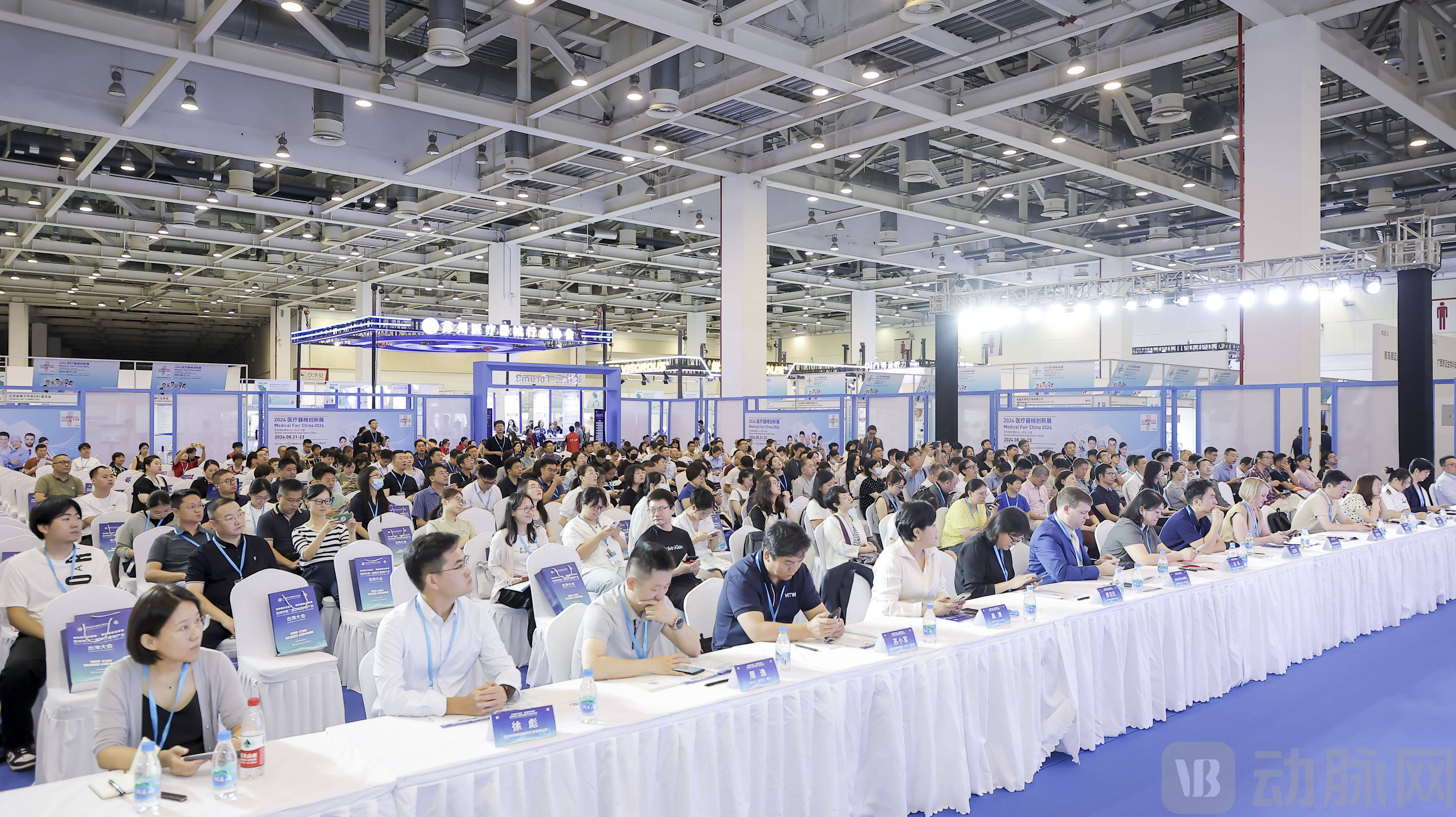
Driven by both internal and external factors, it has become an inevitable choice for medical device companies to expand overseas in search of new markets and development opportunities.
However, both the initial step of expanding overseas and the subsequent development thereafter face numerous difficulties and challenges, such as varying laws and regulations across different regions, significant differences in spiritual and cultural contexts, difficulties in acquiring diverse talent, increasingly fierce market competition, and a constant stream of issues related to consumer habits and after-sales services. If not handled properly, these challenges will not only affect the operational efficiency of companies going global but may also cause economic losses and even undermine their stable development.
Against this backdrop, the Suzhou Medical Device Industry Association (hereinafter referred to as the “Association”), serving as a bridge and link between the government and enterprises, has been continuously promoting the global expansion of local medical device companies.
As a citywide, industry-specific, non-profit social organization with legal person status, the Association has cultivated deep expertise in the medical device sector. It brings together numerous industry elites and provides five core services: professional training, industry exchange, exhibition services, regulatory guidance, and supply-demand matchmaking. Today, the Association plays a pivotal role in helping enterprises enhance their competitiveness and achieve global expansion.
Specifically, the association has taken measures to assist enterprises in their global expansion.Four Core Initiatives:
First, help enterprises gain a comprehensive understanding of and integrate into the policies, regulations, and rules governing all segments of the international market, provide solutions to common issues, and enhance their capabilities for global expansion. Second, actively assist enterprises in improving product innovation and brand influence through various initiatives, including organized participation in trade shows, personalized services, high-end forums, and talent acquisition. Third, promptly provide enterprises with up-to-date information on the global medical device market, and leverage the association’s resources, platforms, and professional expertise to address challenges and difficulties encountered by enterprises in their overseas expansion efforts. Fourth, emphasize the role of exemplary cases by fully leveraging the demonstrative impact of local medical device companies that have successfully expanded overseas, thereby promoting mutual learning and the sharing of successful experiences among enterprises.
Today, Suzhou is not only leveraging its unique geographic location, robust industrial foundation, and open policy environment to emerge as a key global hub for the medical device industry, but industry organizations such as the Suzhou Medical Device Industry Association are also laying a solid foundation for local medical device companies expanding into overseas markets.
At the opening of the conference, Pan Chun, Vice President of the Suzhou Committee of the China Council for the Promotion of International Trade (CCPIT), pointed out in his address that in recent years, Suzhou’s medical device industry has demonstrated vibrant innovation. Eleven of the top 20 global medical device companies have established operations in Suzhou. As a major city characterized by openness and international cooperation, Suzhou has seen a large number of local enterprises leverage their advantages to actively expand into overseas markets through business collaborations and outbound investment, demonstrating strong momentum in internationalization under the trend of economic globalization. It is hoped that this conference will further build a bridge for exchanges between domestic and international medical device industries and attract more outstanding medical device manufacturers to settle in Suzhou.
In her address at the conference, Liao Zhihong, Secretary-General of the Suzhou Medical Device Industry Association, affirmed the achievements of the inaugural Overseas Expansion Conference and the Association’s active role in promoting the recovery of overseas trade for enterprises. She expressed her expectation that this conference would establish a high-level, standardized, high-standard, and commercialized international exchange platform to facilitate the implementation of more pragmatic cooperative outcomes. In her speech, Ms. Liao pointed out that whether in technological development, market expansion, capital matchmaking, or talent cultivation, the Association will adhere to the principles of open cooperation and mutual benefit, helping industry practitioners seize opportunities, expand globally, and achieve robust growth.
It is worth noting that, compared with the inaugural Global Expansion Conference, this year’s conference has undergone numerous upgrades and innovations in both content and format to align with the evolving needs of the industry.
First,The conference achieved comprehensive coverage in its content.. The conference provides an in-depth examination of every stage in the product globalization process, aiming to offer enterprises comprehensive and profound information and guidance. From initial market research to mid-stage product promotion and brand building, as well as later-stage customer service and after-sales support, the event will deliver detailed analyses and practical recommendations;
Secondly,The conference is more targeted.. In response to the challenges and uncertainties enterprises may encounter during their global expansion, the conference has established more precise and specific forum themes. These themes directly address the critical pain points of “going global,” providing enterprises with practical solutions and strategic recommendations;
Finally,The conference’s visibility outcomes are even more pronounced.. It has not only invited senior experts, scholars, and corporate representatives from China but also specially invited international experts and scholars to share their valuable experiences and unique insights on global expansion. This cross-border exchange and sharing will provide enterprises with more diverse and comprehensive perspectives and inspiration.
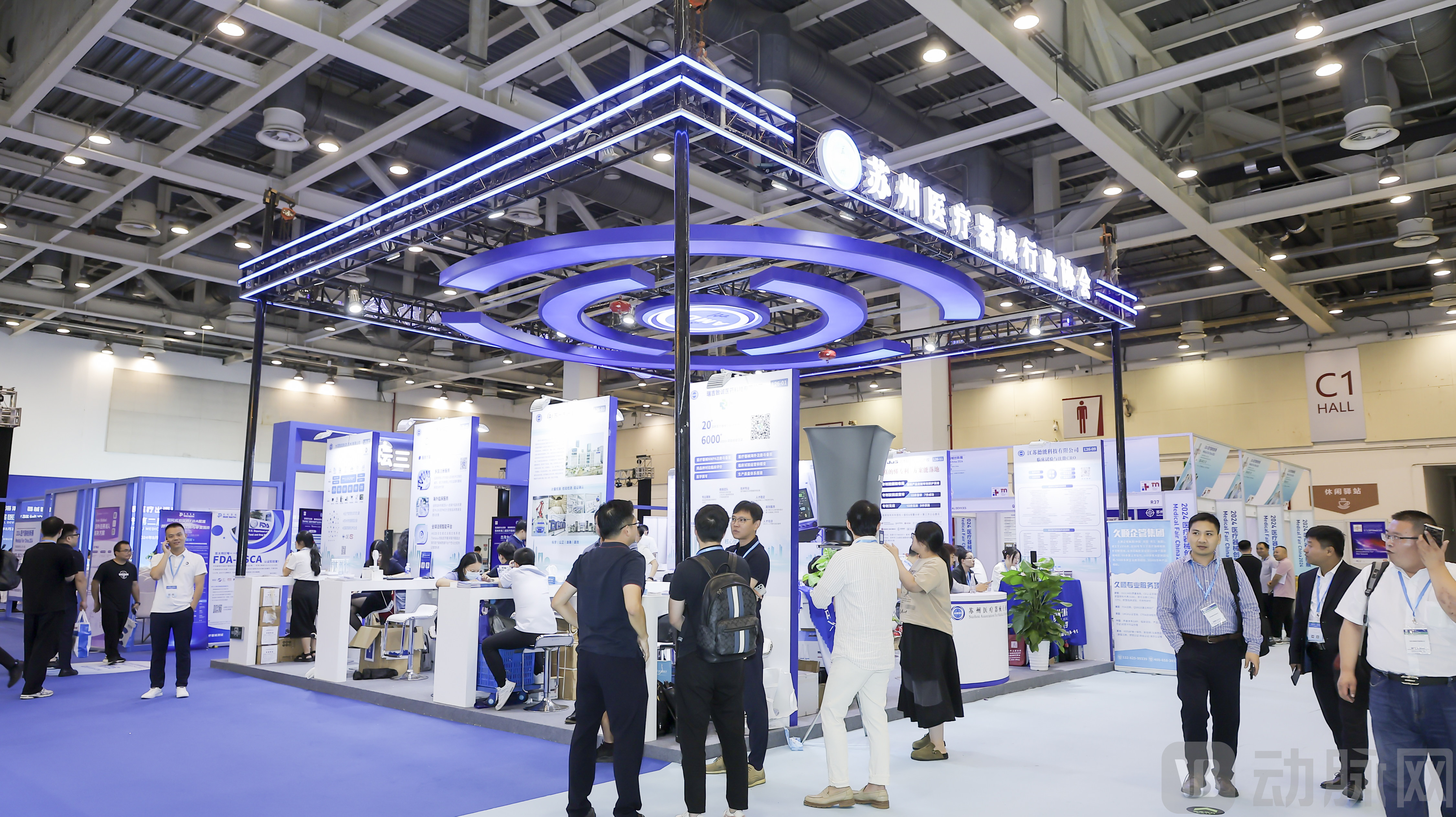
For the Global Expansion Conference, the Suzhou Medical Device Industry Association has specially arrangedThird-Party Services Exhibition AreaHere, companies can find professional service providers to customize personalized global expansion strategies. These solutions will be tailored to the specific circumstances and needs of each enterprise, helping them better enter the global market and achieve international development.
As the meeting agenda progressed, Chang Linfeng, Deputy Director of the Medical Device Production Supervision Division of the Jiangsu Provincial Medical Products Administration, addressed “Overview of Medical Device Exports” was introduced in detail. She pointed out that in 2023, China’s medical device exports to 64 countries reached US$13.248 billion, accounting for 29.10% of the global market share, an increase of 4.8 percentage points compared with 2022. However, the current landscape for medical device exports is complex. The industry is not only affected by changes in international trade policies and the environment, but also faces challenges related to technical standards and certification. The trend toward tighter regulations poses additional challenges for domestic manufacturers. In an environment characterized by both opportunities and challenges, it is crucial to strengthen international cooperation and enhance product quality and compliance.
Subsequently, LCDR Scott C. Gonzalez, International Relations Specialist for Medical Devices at the U.S. Food and Drug Administration (FDA) China Office, addressed “U.S. FDA: Achieving Consensus Through Consensus Standards” was discussed in depth. He emphasized the importance of understanding and adhering to FDA standards for entering the U.S. market, and shared practical experience on achieving compliance through consensus standards. LCDR Scott C. Gonzalez pointed out that establishing consensus standards can not only accelerate the product approval process but also enhance market confidence and facilitate smooth international trade.
Zhang Biying, Deputy Chief of the Comprehensive Business Section of the Xiangcheng Office of Suzhou Customs, addressed “Key Points of Customs Supervision Policies for Medical Product Exportsprovides a detailed interpretation to help enterprises better understand the customs regulatory requirements for exporting medical devices, thereby avoiding export disruptions or legal risks resulting from non-compliance.
Zhang Lele, Head of Compliance Research at the Institute of Drug Regulatory Science, China Pharmaceutical University, presented “Three Major Models, Nine Key Risks, and Strategic Recommendations for the Global Expansion of China’s Medical Device Industry” speech. He systematically analyzed the background, primary models, and risks faced by Chinese medical device companies expanding overseas, and accordingly proposed ten specific strategic recommendations: strengthening regulatory compliance management, enhancing intellectual property protection, optimizing market access strategies, carefully selecting distribution partners, improving supply chain management capabilities, elevating brand and reputation management, implementing effective financial risk management, and adapting to external environmental and geopolitical changes.
In the field of biocompatibility testing for medical devices, Xu Biao, Technical Director of the Biocompatibility Laboratory at WuXi AppTec’s Medical Device Testing Center, shared “Global Regulatory Submission Strategies and Key Testing Considerations for Biocompatibility”. He elaborated on the importance of biocompatibility testing in global regulatory submissions and provided practical focal points and strategies for testing.
In the latter part of the conference, Ni Weijian from the China Council for the Promotion of International Trade Suzhou Sub-Council addressed “Suzhou Subsidy Policy for Overseas Exhibitions of Medical Device Companies” were introduced, providing detailed policy support and financial incentive information for enterprises participating in overseas exhibitions, and encouraging enterprises to intensify their efforts in exploring international markets, thereby further enhancing the international influence and competitiveness of Suzhou’s medical device industry.
In response to the new electromagnetic compatibility (EMC) requirements issued by the U.S. FDA, Luo Xiaolong, EMC Laboratory Manager at CCIC HWTW International Inspection (Suzhou) Co., Ltd., provided a detailed analysis of “Changes and Challenges in Electromagnetic Compatibility (EMC) Testing Under New Regulations,” and provided specific strategies to help companies better understand and address this new challenge. Manager Luo Xiaolong pointed out that with the continuous advancement of medical technology, particularly the widespread application of wireless communication and remote monitoring capabilities, electromagnetic compatibility (EMC) of medical devices has become a critical consideration in the FDA approval process. He emphasized the importance of proactive planning, rigorous testing, and continuous optimization of product design to avoid market access delays or recall risks caused by EMC issues.
Xu Ying of Tianjin Haihe Biomedical Technology Group Co., Ltd. discussed “Preparation and Response Strategies for the Review of CE Technical Documentation and Clinical Evaluation under the MDR Regulation”provided an in-depth explanation. She offered enterprises specific guidance on preparing CE technical documentation and clinical evaluations under the MDR regulations.
Didier Denayer, Consul for Commerce and Technology of the Walloon Region at the Consulate General of the Kingdom of Belgium in Guangzhou, brought “Belgium: The Gateway to Europe” speech. He highlighted Belgium’s strategic geographical advantage as the gateway to Europe and its favorable business environment, offering valuable advice for companies seeking to enter the European market.
Gao Bo, Asia Partner at OZ Consulting in Belgium, shared “Strategic Deployment for Expanding into Southeast Asian and European Markets”. She provided a detailed analysis of the characteristics and opportunities in the Southeast Asian and European markets, offering companies specific strategic guidance on market entry.
Hong Shun serves as the Manager of the Medical Products Division at CSA Group.Market Access and Compliance Requirements for Electronic Medical Devices in North America” provided an in-depth interpretation. It offered a comprehensive exposition on the competitive landscape of the North American electronic medical device market, guidance on market access requirements, and the regulatory framework for medical devices in the region, thereby providing robust support for enterprises’ internationalization strategies.
Zhou Yize, founder of WExAct (Weiaike) Consulting, shared “The Path to Successful Internationalization for Chinese Medical Device Companies”. Drawing on his extensive experience at Mindray International, he has provided a comprehensive and practical strategic framework for the internationalization of Chinese medical device enterprises.
At the conclusion of the conference, Zhang Xiaodong, Director of Medical Certification for China at Eurofins Scientific Group, and Huang Qingchun, Senior Director of Healthcare and Life Sciences Industry Solutions for Greater China at Amazon Web Services (AWS), respectively addressed “Interpretation of MDR Clinical Evaluation Requirements – MDCG 2020-13" and "Global Strategy's New Engine – Amazon Web Services Global Expansion Toolkit” delivered insightful presentations. Their talks provided enterprises with specific guidance on conducting clinical evaluations under the MDR regulations, as well as strategies for leveraging Amazon Web Services to achieve global expansion.
The conference featured a rich agenda and a wide range of topics, undoubtedly providing valuable guidance and strategic recommendations for medical device companies in Suzhou and across China on their global expansion.
Following the conference, VCBeat conducted exclusive interviews with Liao Zhihong, Secretary-General of the Suzhou Medical Device Industry Association; Didier Denayer, Consul for Commerce and Science of the Walloon Region at the Consulate General of the Kingdom of Belgium in Guangzhou; Zhou Yi, Founder of WExAct Consulting; and Xu Biao, Technical Lead of the Biocompatibility Laboratory at WuXi AppTec’s Medical Device Testing Center. These discussions delved deeply into various aspects of global expansion, including trends, strategies, and practical applications.
Q: What is your perspective on the current landscape of Chinese medical device companies expanding into overseas markets?
A: Economic globalization is the mainstream trend in global economic development and presents a significant opportunity for any country or industry. Only by integrating into the global economy can one achieve greater prospects for development, and the medical device industry is no exception. Therefore, expanding overseas (“going global”) is an inevitable choice for the medical device sector in the context of globalization. Furthermore, market dynamics and national policies are driving the establishment of comprehensive service platforms with international vision and capabilities, facilitating enterprises’ transition from merely exporting products to building overseas ecosystems. With the continuous development of the medical device industry in Suzhou and across China, there is a growing number of innovative high-end medical device products and an increasingly strong desire among enterprises to expand globally.
Q: From your perspective, what are the keys to success for medical device manufacturers in “going global”?
A: Numerous factors influence the success of global expansion, but I believe three are critical. First, possessing either a “core technological advantage” or a “cost-performance advantage.” If your core technologies are globally competitive or your products offer superior value for money, you are already halfway to success. Second, knowing both yourself and your competitors ensures you will never be defeated (i.e., clearly defining corporate positioning and identifying suitable markets). This requires a clear understanding of your own enterprise, as well as familiarity with overseas policies, regulations, rules, market demands, and consumer characteristics. Third, optimizing global expansion strategies by recruiting diverse talent to mitigate adverse factors and enhance problem-solving capabilities.
Q: What unique advantages or opportunities does Belgium offer to Chinese medical device companies entering the European market?
A: Belgium is located at the heart of the European Union, boasting convenient transportation access and a well-developed network of ports, railways, and highways. This infrastructure provides businesses with superior logistics and trade conditions, enabling Chinese medical device companies to distribute their products across Europe more efficiently. Furthermore, Belgium has a robust regulatory framework; its medical device regulations are primarily based on the EU’s Medical Devices Directive (MDD) and Medical Devices Regulation (MDR), along with relevant national laws. In terms of human resources, Belgium is home to world-class higher education and research institutions. Chinese enterprises can not only collaborate with Belgian research organizations but also recruit specialized talent to drive new product and technology development, thereby enhancing their core competitiveness.
It is worth noting that Belgium offers relatively low tax rates for foreign investment, along with numerous tax incentives, which will help reduce operational costs and enhance profitability for Chinese enterprises operating in the country. The Belgian government warmly welcomes Chinese companies and seeks a balanced approach in cooperation to ultimately achieve a win-win outcome.
Q: What advice or key considerations would you offer to Chinese medical device companies planning to enter the Belgian and European markets?
A: This can be discussed in two phases.
First, enterprises should clearly define their vision and development prospects. During this period, it is recommended that enterprises strengthen cooperation and communication with local government departments to obtain valuable advice and planning guidance, thereby assisting in the formulation of business plans and other strategic initiatives. Clearly articulate the corporate vision and development outlook, and maintain close collaboration with local government authorities.
Secondly, after a company has completed its registration and entered the growth and expansion phase, it is advisable to establish a team comprising both Chinese and foreign personnel. Such a team can integrate the perspectives and experiences of both sides, laying a solid foundation for subsequent commercial success through mutual complementarity and in-depth understanding. Therefore, building a diverse team and fully leveraging the complementary strengths of its members is crucial for the company’s long-term development in the Belgian and broader European markets.
Q: How does WuXi AppTec view the increasingly stringent regulatory environment?
A: In both the European and U.S. markets, regulatory deficiency letters are becoming increasingly detailed, covering aspects such as sample preparation requirements and the comprehensiveness of data. In particular, the guidance issued by the U.S. authorities in February this year has imposed higher requirements on testing service providers. This may lead to a short-term increase in workload. However, in the long run, customers’ growing emphasis on testing quality is a positive sign for the industry, indicating healthy sector development, manufacturers’ active entry into global markets, and ultimately benefiting patients worldwide.
Q: As a test service provider in the medical device industry, what services should be provided to help Chinese medical devices enter the international market?
A: In the past two years, there has been a continuous increase in Chinese medical device products entering the global market. With increasingly stringent regulatory requirements, customer demand for high-quality testing services is also rising. As a provider of testing services in the medical device industry, it is essential to continuously strengthen the capabilities and scale of our platform, supporting customers’ products from initial R&D concepts through to final commercialization and market launch.
Specifically, global regulatory submission is a critical issue for medical devices entering the global market. Regarding medical device testing, first, regulatory policies and priorities vary across different jurisdictions worldwide. To achieve global regulatory approval, test reports issued by testing service providers must comprehensively meet the requirements of global regulatory policies. Second, medical devices undergo comprehensive testing throughout the process from research and development to market launch, including chemical characterization, risk assessment, biocompatibility, microbiological testing, and performance evaluation. Therefore, one-stop, comprehensive testing capabilities are particularly important. Finally, the quality of testing plays a pivotal role, especially in ensuring scientifically sound experimental design, detailed data, and robustness against scrutiny.
Since its establishment, WuXi AppTec’s Medical Device Testing Center has served clients worldwide, accumulating extensive experience in global regulatory submissions and helping customers meet the filing requirements of regulatory authorities in various countries. Our medical device testing centers in China and the United States have formed a globally integrated medical device service platform, featuring comprehensive capabilities and a professional team. This not only enables us to respond rapidly but also equips us with the ability to provide customized services for diverse clients.
We always prioritize data integrity and the scientific rigor of our trials. Moving forward, we remain unwavering in our commitment to quality. As the only ASCA biocompatibility laboratory in China and even the Asia-Pacific region (as of press time), we strive to set an example and uphold the trust our clients place in us.
Q: What do you consider to be the most challenging pain point for medical device companies in their global expansion?
A: If a company’s products and technologies have been rigorously tested in the domestic market, and it harbors strong ambitions to expand into overseas markets, yet struggles with insufficient understanding of those markets—particularly lacking a systematic global expansion strategy—the challenges it faces become particularly pronounced.
Global expansion is a systematic endeavor that involves selecting target markets, addressing market access requirements in different regions, determining market entry strategies, and building teams and sales channels. However, due to the complexity of international markets and the limited overseas experience and global perspective of many enterprises, most companies adopt relatively homogeneous approaches when expanding abroad, akin to “crossing the river by feeling the stones,” lacking strategic planning and long-term consideration.
Meanwhile, there is a scarcity of professionals in China’s healthcare industry with proven experience in global expansion. Furthermore, the operational models of large multinational corporations are often not directly applicable to private enterprises. This mismatch has led many companies to expend substantial resources exploring and experimenting in overseas markets, in the hope of achieving rapid catch-up growth. Unfortunately, such homogenized strategies often yield poor results. This represents the most significant pain point we have observed among many companies currently operating under the consensus that “go global or go extinct.”
Q: In the face of international market diversity, how can we effectively support enterprises in achieving success across different countries and regions?
A: When conducting business across different countries, enterprises often face several major challenges: information asymmetry, inefficient cross-cultural communication, and difficulty in building trust. Furthermore, many companies exhibit randomness and blindness when selecting destination markets, resulting in highly volatile and unsustainable business operations. Due to insufficient in-depth understanding of various countries and regions, coupled with a lack of mutual trust with partners, business activities often remain at the basic level of simple buying and selling for extended periods, making it difficult to achieve deeper progress.
Global expansion is not merely about globalized marketing; it is a comprehensive strategy. We believe that the internationalization of medical devices should be viewed as the global deployment of a company’s core competencies. These core competencies encompass not only marketing but also global procurement, manufacturing, R&D, and other areas. When focusing on marketing-led global expansion, it can be broken down into several key components, such as regulatory registration, quality system compliance, legal services, and talent acquisition. There are many professional service providers in this field, each offering services essential to medical device manufacturers pursuing international markets.
WExAct is positioned to help enterprises achieve global commercialization. To better assist companies in addressing these challenges, WExAct has assembled a team of partners distributed across major regions worldwide. These partners are seasoned industry experts in their respective regions, with in-depth knowledge of local markets and industry landscapes, as well as extensive networking resources. Meanwhile, our domestic partner team is also highly internationalized, possessing profound insights into the global market and years of practical experience.
This combination of capabilities enables us to provide client enterprises with services that offer both the breadth of a global perspective and the depth of comprehensive localization across different countries. Our deep understanding of the characteristics of Chinese enterprises and industries, combined with years of practical experience in successfully expanding medical device businesses overseas and a highly internationalized network of partners and experts, allows us to better serve domestic companies. We help them successfully enter overseas markets and achieve significant success in diverse regions.