

How Innovative Pharma Companies Achieve Efficient and Unified Global Clinical Operations: Insights from Taimei Medical Technologies
On August 16, the “Summit on Excellence in Clinical Strategy and Operations: New Directions for Global Expansion, Efficiency Enhancement, and Clinical Operations” was held in Shanghai. The event was guided by the Shanghai Biomedical Industry Promotion Center, hosted by R&D Ke, and co-organized by Taimei Medical Technology. Senior industry experts, including Li Wang, Senior Vice President of Eli Lilly and Head of the Drug Development and Medical Affairs Center; Meng Cai, Director of Strategy and Project Management in the Research and Development and Medical Department of Boehringer Ingelheim Greater China; Xuke Qin, Chief Medical Officer of Yilian Biology; and Bin Yang, Vice President of Clinical Operations and Head of Clinical Operations at Hutchison Medipharma, shared insights and engaged in discussions on efficient clinical operations in the era of globalization of clinical research. Nearly 100 professionals in clinical operations participated in the forum.
In recent years, Chinese innovative drug developers have increasingly expanded into global markets. In 2023, the total disclosed value of license-out deals exceeded $35 billion, setting a new record. However, alongside this ambitious global expansion, challenges such as fragmented global operational systems, insufficient collaboration among cross-regional teams, and inefficiencies in overseas clinical operations have become increasingly prominent. How can companies build robust global operational frameworks? How can they achieve efficient and compliant daily management? What value can digital technologies bring to these efforts?
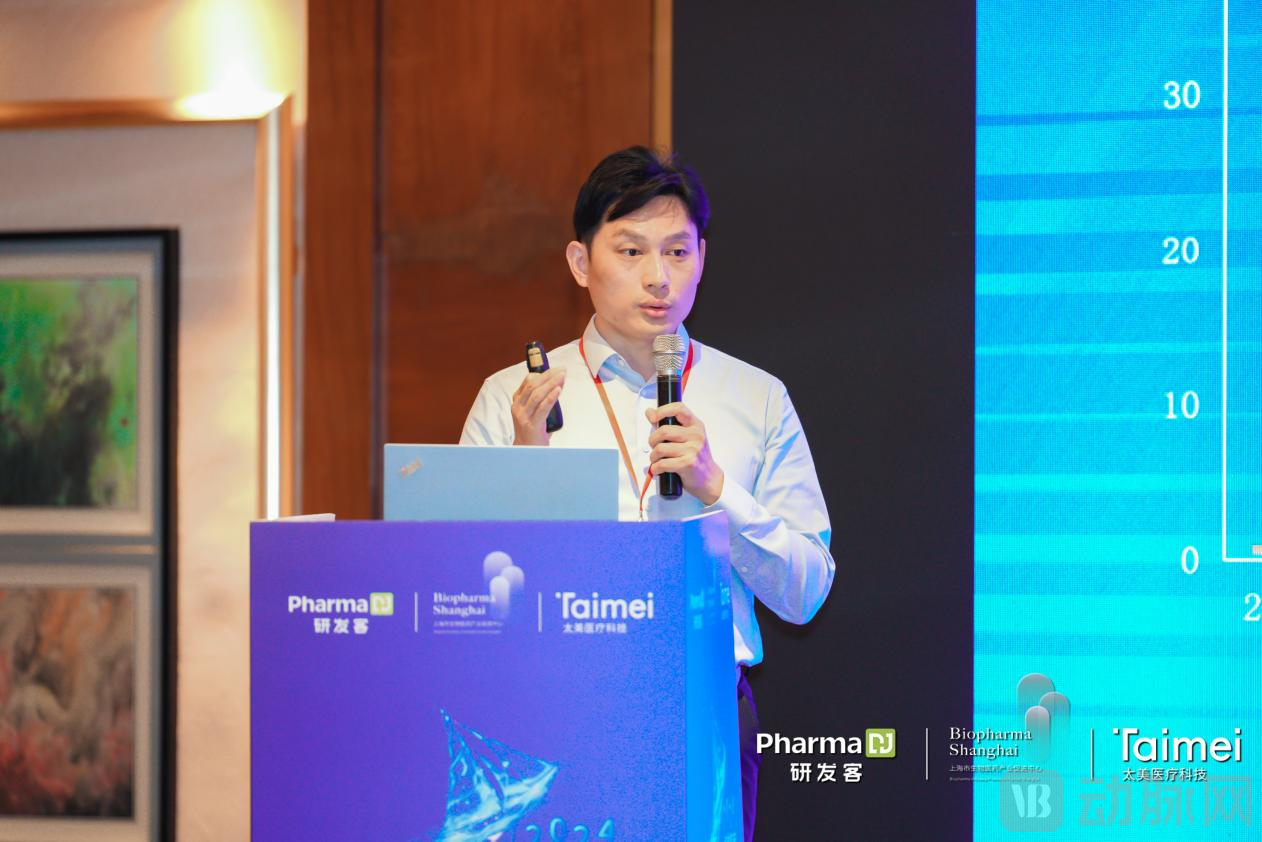
In response to the aforementioned issues, Ma Dong, Senior Vice President of Taimei Medical Technology, engaged in discussions with attending guests on the theme of “Digital Transformation and Practice in Global Clinical Operations,” drawing upon real-world case studies.
Classic Case: A Three-Step Approach to Digitalizing the Global Operations System
Taking a well-known domestic pharmaceutical company as an example, the enterprise has experienced rapid growth in recent years, with over 30 new projects added annually. These projects involve extensive overseas multi-center clinical trials, and the traditional clinical operations model clearly fails to meet the demands of global expansion, such as compliance quality standards set by the FDA and EMA, project timeline requirements, and human resource cost control. More critically, the company lacks a unified global operational framework, resulting in discrepancies in operational processes, data standards, management methodologies, and metric systems. There is a disconnect between domestic and international operations teams, while clinical operations, medical affairs, pharmacovigilance, and data management function in silos, lacking effective collaboration.
After engaging with the client, Taimei Medical Technology’s Digital Operations Team conducted in-depth research and jointly formulated a “three-step” strategy for global digital transformation.
Step 1: Systematic review and implementation, building a digital platform based on globalized system processes;
Step 2: Digitalize operations, regularly review the usage of digital platforms, and optimize and adjust accordingly;
Step 3: Data-Assisted Decision Optimization. Establish an operational metrics system based on data analysis, define key business indicators, and drive continuous improvement;
1. A unified and standardized global operational system; following a thorough review by a professional implementation team, the enterprise’s processes are now clear, transparent, consistently standardized, and clearly delineated in terms of permissions. All aspects—from basic standard field dictionaries and approval workflows to external system integrations and task notifications—have achieved unification, standardization, and digitalization.
2. Data-driven strategies enhance operational efficiency; taking the eTMF as an example, the current average monthly usage time per person exceeds 300 hours, with annual file storage volume surpassing 150,000 documents. File quality, timeliness, and completeness have all significantly improved; the use of electronic signatures has reduced the average document collection cycle by more than 30 days, saving substantial waiting time;
3. Leveraging digitalization to support the implementation of strategic goals; in 2023, the company successfully passed 12 inspections by the FDA, EMA, and CDE. The achievements of its digital transformation were widely recognized across the organization, with rapid growth in the clinical operations team and a significant improvement in operational efficiency.
Ma Dong stated that Chinese pharmaceutical companies currently face multiple challenges in global digitalization. To support their overseas expansion, they require a clear long-term strategy and effective implementation, sustained investment in digital initiatives, and suitable digital partners. These partners should offer robust R&D capabilities, affordable costs, sustainable investment, excellent responsiveness, and strong execution capabilities.
Currently, Taimei Medical Technology has established three global delivery centers, providing global digital solutions for over 200 overseas projects. It offers users localized, multi-time-zone, and multilingual service support, thereby delivering comprehensive and reliable assurance for the global expansion of innovative drugs.
Unleash the Power of Digitalization to Make Healthcare Accessible—Taimei Medical Technology Looks Forward to Partnering with You as We Set Sail!