

Anext Life Sciences Launches Clinical Trials of ExoAL-03 Exosome Therapy Targeting Long COVID Respiratory Conditions, Filling Global Therapeutic Gap
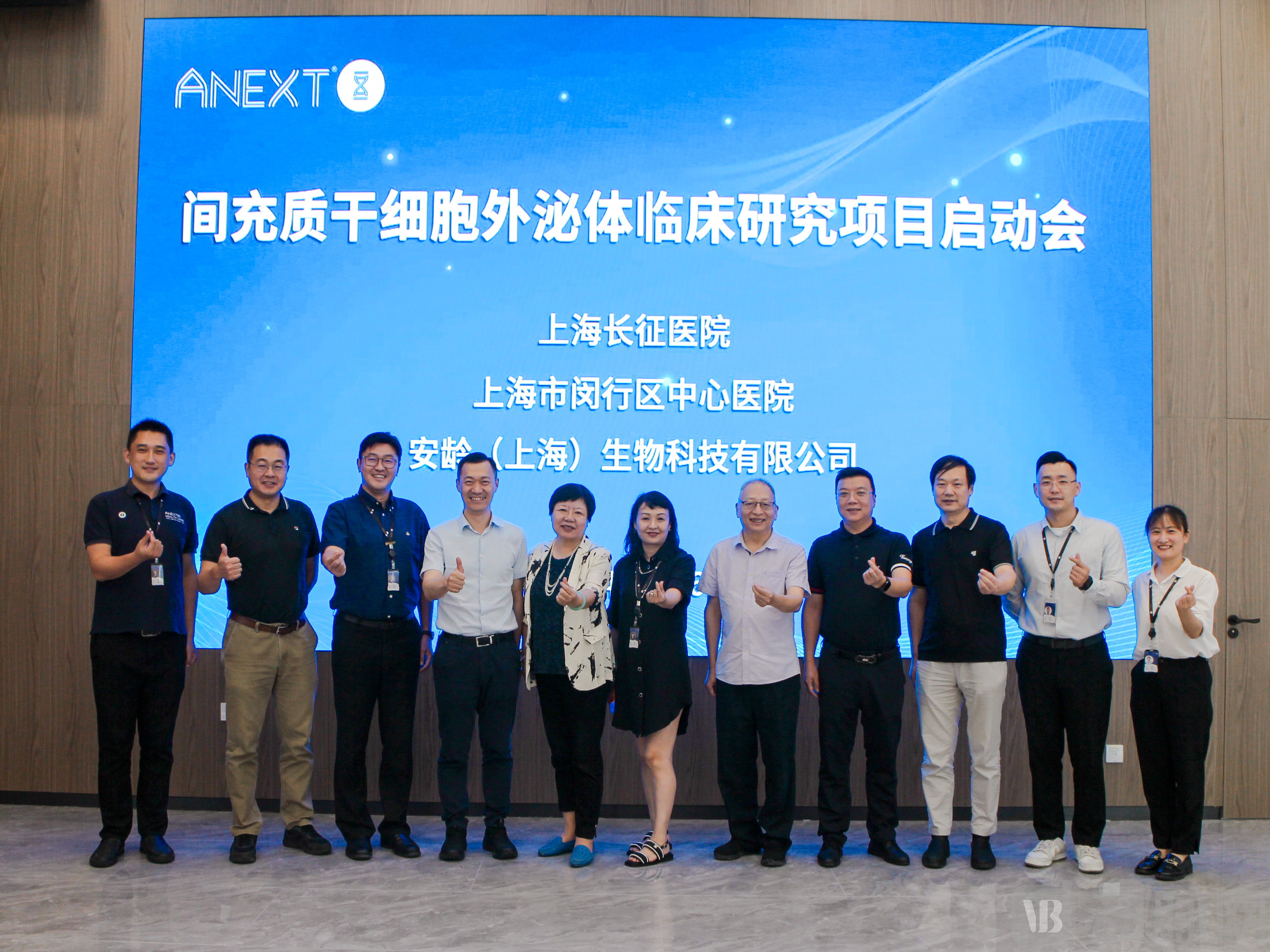
August 16, 2024,ANEXT Biologics’ Exosome Drug exoAL-03: Two Clinical Trials for Long COVID-Related Conditions Simultaneously Launched at Shanghai Changzheng Hospital and Fudan University Minhang HospitalThis trial is conducted byANEXT Biotechnology, along with domestic respiratory authorities: Director Tang Hao, Department of Respiratory and Critical Care Medicine, Changzheng Hospital; and Director Gao Xiwen, Department of Respiratory and Critical Care Medicine, Minhang Hospital Affiliated to Fudan University, ShanghaiCo-sponsored clinical study, with the primary objective ofEvaluate the safety, tolerability, and efficacy of the exosome-based drug exoAL-03 for post-infectious cough and acute exacerbation of chronic obstructive pulmonary disease (AECOPD).
(Figure: ANEXT's Shanghai R&D Center)
Recently, the Chinese Center for Disease Control and Prevention released its July 2024"National Situation of the Novel Coronavirus Infection Epidemic", the only piece of information in this report that holds practical reference value is that the COVID-19 test positivity rate reached 18.7% during the week of July 22–28, whereas it was only 7.2% during the same period a month earlier. All of this grimly heralds the imminent arrival of the “COVID-19 peak” in mid-2024.
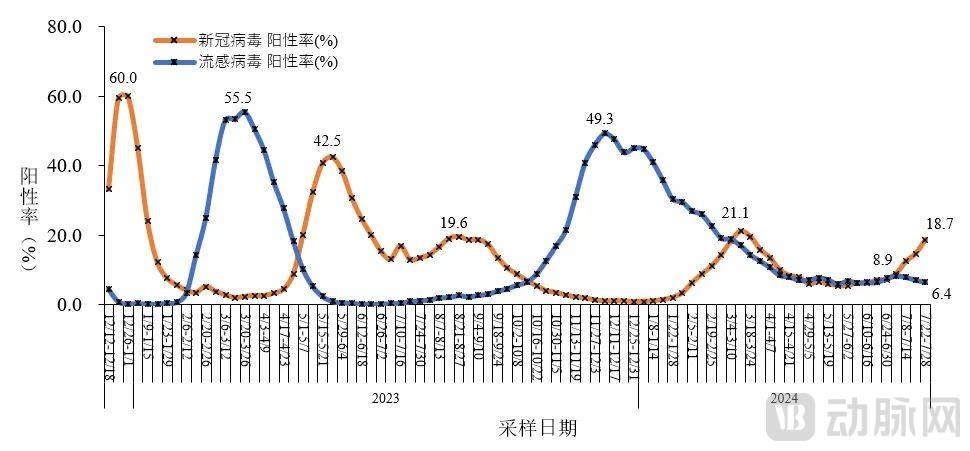 Data Source: Official Website of the Chinese Center for Disease Control and Prevention
The COVID-19 pandemic may seem to have passed, but in reality, it has merely transformed into another form and continues to coexist with humanity. However, as a novel virus that emerged in 2019 and has been studied for less than five years, its long-term impacts remain unknown.The troubles brought by COVID-19 are not limited to the headaches and fever experienced during the acute phase, but also include long COVID side effects that can persist for years or even a lifetime. Post-COVID respiratory diseases have become a global focus of attention. As the pandemic continues, there are higher demands for the prevention, diagnosis, and treatment of respiratory diseases.
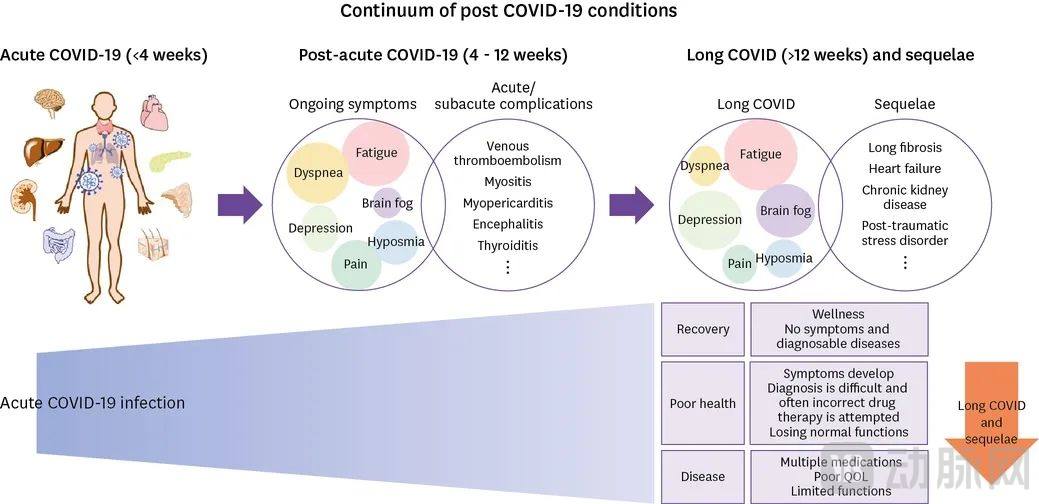 Concept Map of Persistent Symptoms/Signs After COVID-19
Long COVIDIt is an infection-related chronic condition that occurs following SARS-CoV-2 infection, characterized by persistent, relapsing and remitting, or progressive disease states lasting for at least three months and affecting one or more organ systems. Symptoms may include, but are not limited to, fatigue, dyspnea, arthralgia, palpitations, cognitive dysfunction (such as “brain fog”), depression, and anxiety.
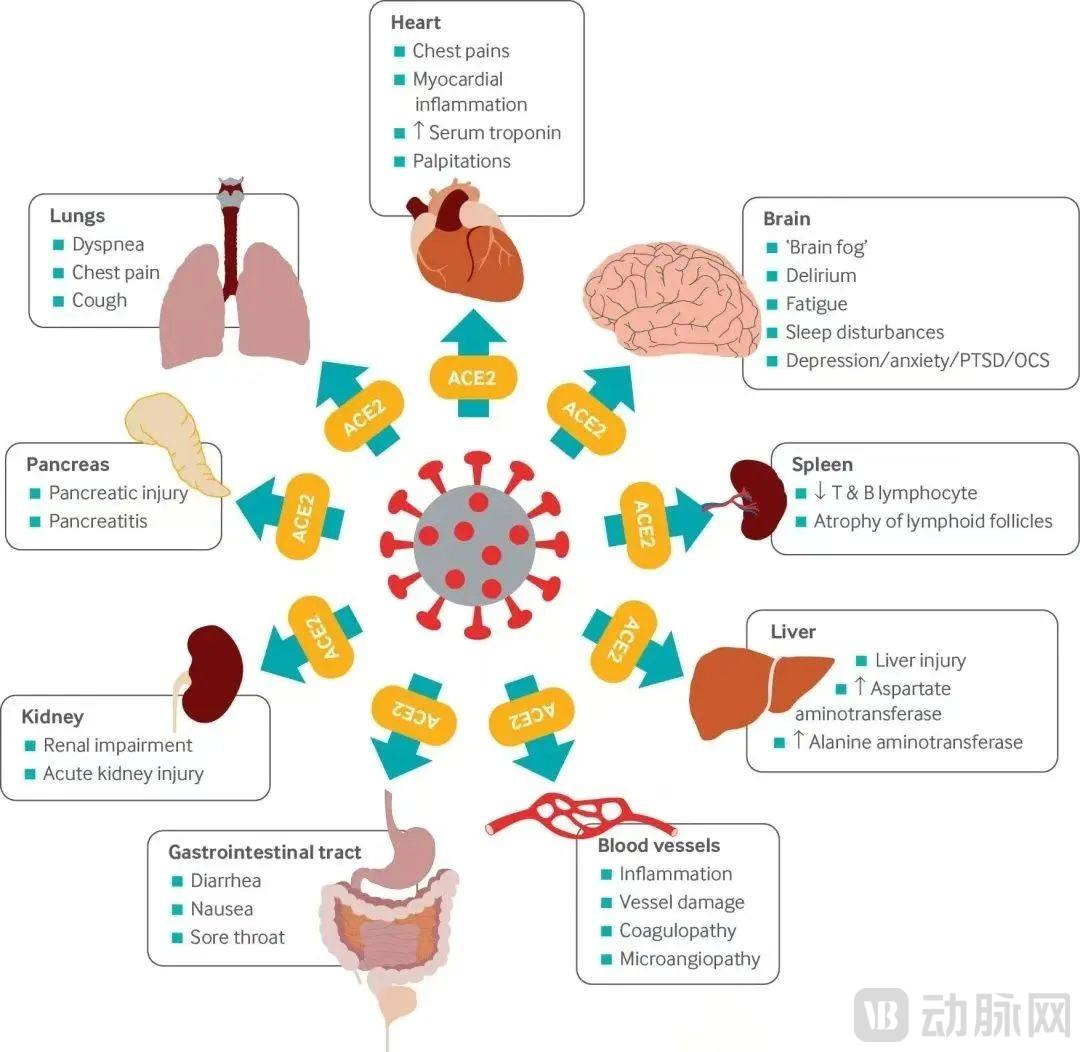 (Figure: Effects and Symptoms of COVID-19 on Various Organs)
In response to the call for vigorous development of the biopharmaceutical industry outlined in the "Several Opinions of the General Office of the Shanghai Municipal People's Government on Supporting the Full-Chain Innovative Development of the Biopharmaceutical Industry" (Hu Fu Ban Gui [2024] No. 9), issued by the General Office of the Shanghai Municipal People's Government on July 15, 2024, and driven by explorations into treatments for conditions associated with COVID-19 and Long COVID, ANEXT Biotechnology has successfully launched two clinical trials. Conducted in collaboration with Shanghai Changzheng Hospital and Minhang Hospital Affiliated to Fudan University, these trials utilize ANEXT’s mesenchymal stem cell exosomes as the core therapeutic agent to address post-infectious cough and organ damage repair following diseases such as acute exacerbation of chronic obstructive pulmonary disease (AECOPD). As the world’s first clinical trials specifically targeting potential sequelae of SARS-CoV-2 infection, they provide innovative insights and accelerate scientific practice in the long-term fight against COVID-19 variants and Long COVID-related disorders.
Clinical Study I
"Efficacy Evaluation of Inhaled Mesenchymal Stem Cell-Derived Exosomes in the Treatment of Post-Infectious Cough" -- Shanghai Changzheng Hospital (2024SL088)
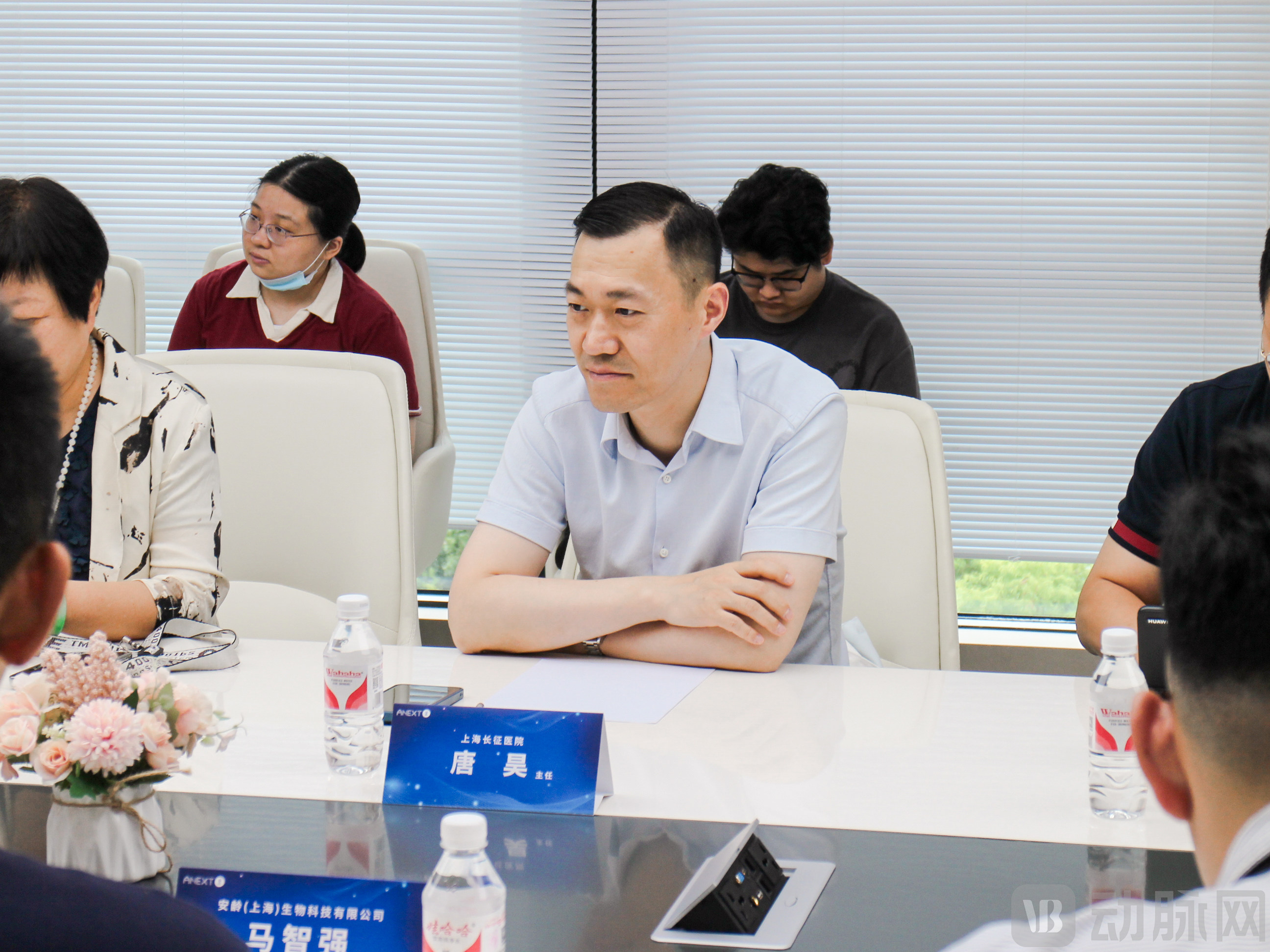
Tang Hao
M.D., Associate Professor, Associate Chief Physician, Master’s Supervisor. He obtained his M.D. from the Second Military Medical University and completed a one-year visiting scholarship at the University of Utah in the United States. He is an Outstanding Academic Leader in Shanghai, a Shuguang Scholar of Shanghai, and serves as a Committee Member of the Respiratory Disease Branch of the Shanghai Medical Association and Deputy Head of its Asthma Group. He has presided over four projects funded by the National Natural Science Foundation of China, published 15 SCI-indexed papers, and been granted three invention patents. He has received numerous honors at the military, provincial, and ministerial levels.
Post-COVID-19 Cough: A Subacute Cough Following Upper Respiratory Tract Infection, Lasting 3–8 Weeks, Typically Presenting as Dry or Productive. It May Emerge During the Initial Phase of Infection or Persist After the Resolution of Other Symptoms Such as Fever and Fatigue. Currently, There Is No Curative Treatment Available, Causing Significant Distress and Severely Impacting Quality of Life.
Clinical Study II
“A Single-Center, Randomized, Parallel-Controlled Study on the Safety and Preliminary Clinical Efficacy of Umbilical Cord Mesenchymal Stem Cell-Derived Exosomes for Acute Exacerbations of COPD” — Minhang Hospital Affiliated to Fudan University (2024-Approval-049-01K)
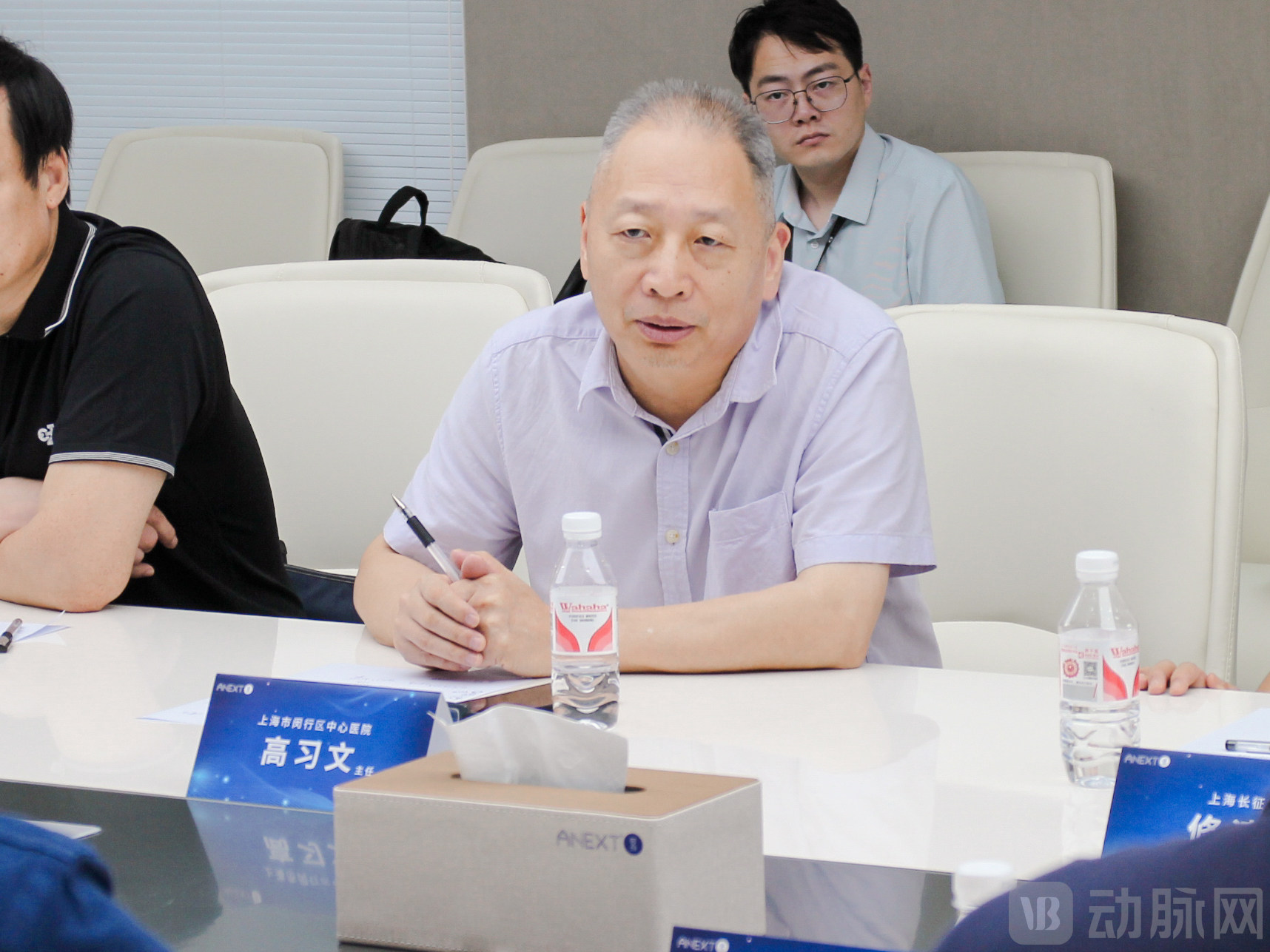
Gao Xiwen
Chief Physician, M.D. in Clinical Medicine, Postdoctoral Fellow, Master’s Supervisor. Director of the Department of Respiratory and Critical Care Medicine, Director of the Department of Internal Medicine, and Director of the Internal Medicine Teaching and Research Section at Minhang Hospital, Fudan University (Shanghai Minhang District Central Hospital). Director of the Office of the Good Clinical Practice (GCP) Institution for Drug Clinical Trials at the hospital. Member of the Respiratory Professional Committee of the Shanghai Medical Association, Standing Committee Member of the First Respiratory Professional Committee of the China Health Care Association for the Elderly, Member of the Respiratory Disease Professional Committee of the Chinese Research Hospital Association, among others.
Acute Exacerbation of Chronic Obstructive Pulmonary Disease (AECOPD) is a common, preventable acute event associated with Chronic Obstructive Pulmonary Disease (COPD), characterized by worsening symptoms such as dyspnea, cough, and increased sputum production. Each exacerbation leads to a sharp decline in lung function. During the COVID-19 pandemic, studies have indicated that the incidence of AECOPD is influenced by multiple factors, including a history of SARS-CoV-2 infection.A Study onA survey of factors influencing the onset of AECOPD has shown that SARS-CoV-2 infection is one of the risk factors for AECOPD. The initiation of this study marks the entry of the exosome-based drug exoAL-03 into the “clinical trial” phase.
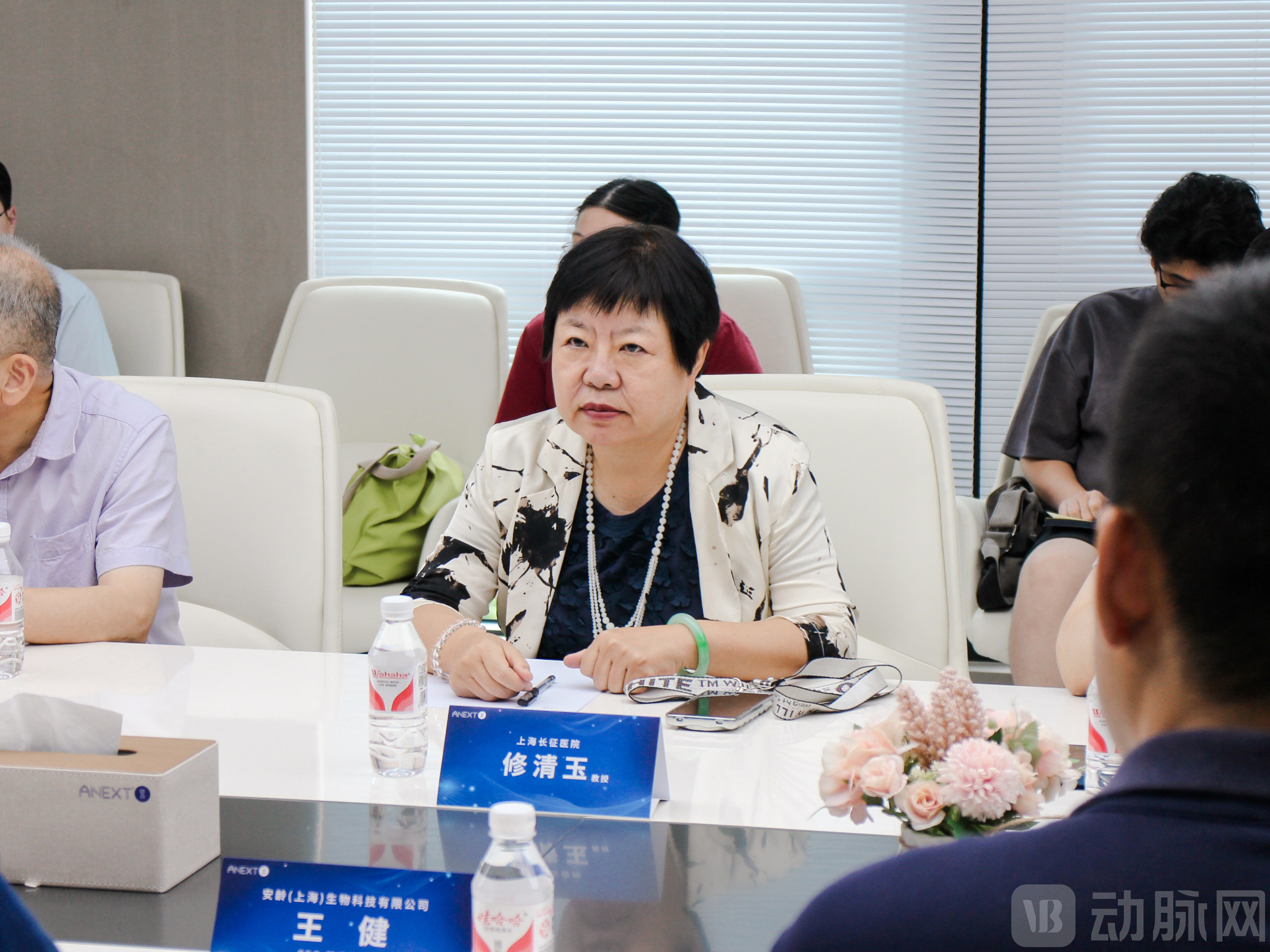
Professor Xiu Qingyu, Chief Physician and Doctoral Supervisor at Shanghai Changzheng Hospital, stated at the launch ceremony:Mesenchymal stem cell-derived exosomes are highly safe. As a biological agent with significant research and application value, they have previously demonstrated unique efficacy and promise in the treatment of COVID-19-related diseases., we are now designing and executing scientifically rigorous clinical trials to conduct systematic validation. This will thoroughly verify the clinical therapeutic efficacy of exosomes, accelerate the development and promotion of innovative exosome-centric therapies, and expedite the R&D process of innovative exosome-based drugs.
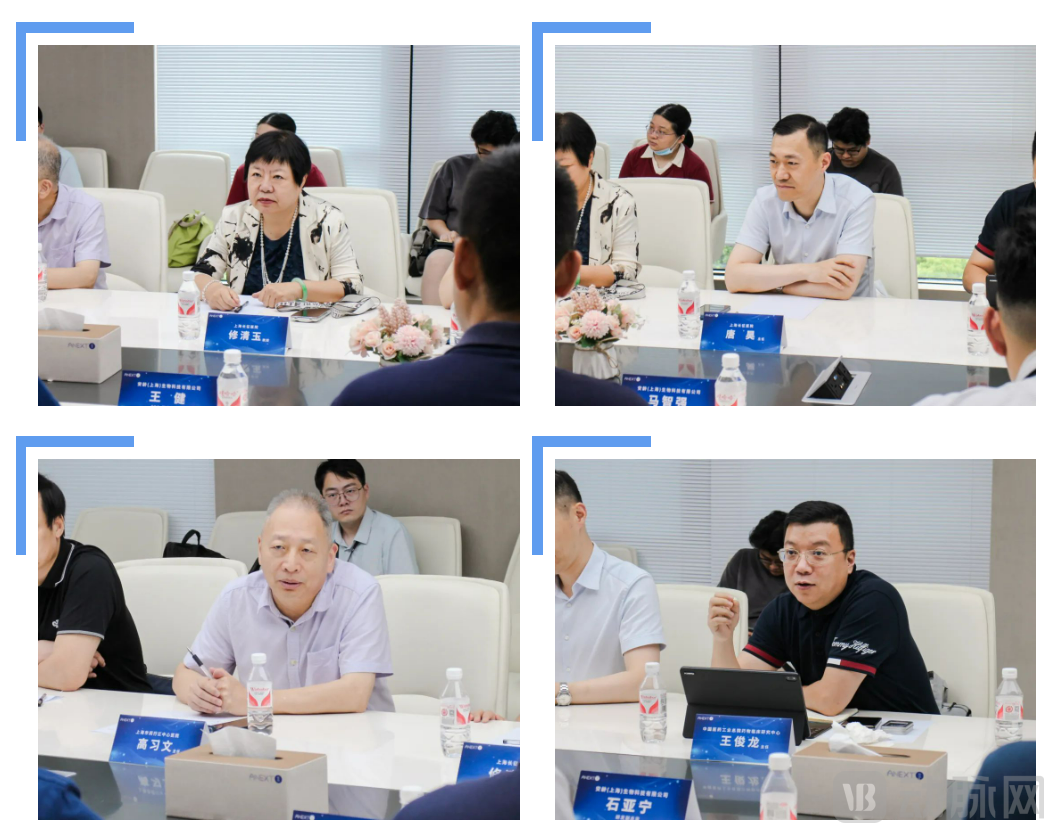
Director Tang Hao: The conduct of the first-in-human study of exosome-based therapeutics at Changzheng Hospital would not have been possible without the support of the hospital leadership and the research department.This study was successfully launched thanks to national policies that actively encourage scientific research into new clinical technologies and therapies, as well as robust systems for research project initiation, academic review, and ethical review.Exosome therapy represents a novel approach for clinicians. Current evidence suggests it can yield remarkable efficacy in treating various organ injury-related diseases. Given the high prevalence of viral respiratory infections, we collectively anticipate superior clinical outcomes.
Director Gao Xiwen:Confidence in exosome therapy for respiratory diseases is growing stronger, and we must strictly adhere toGCP requirements: Strictly regulate clinical trials and establish a complete chain of evidence.
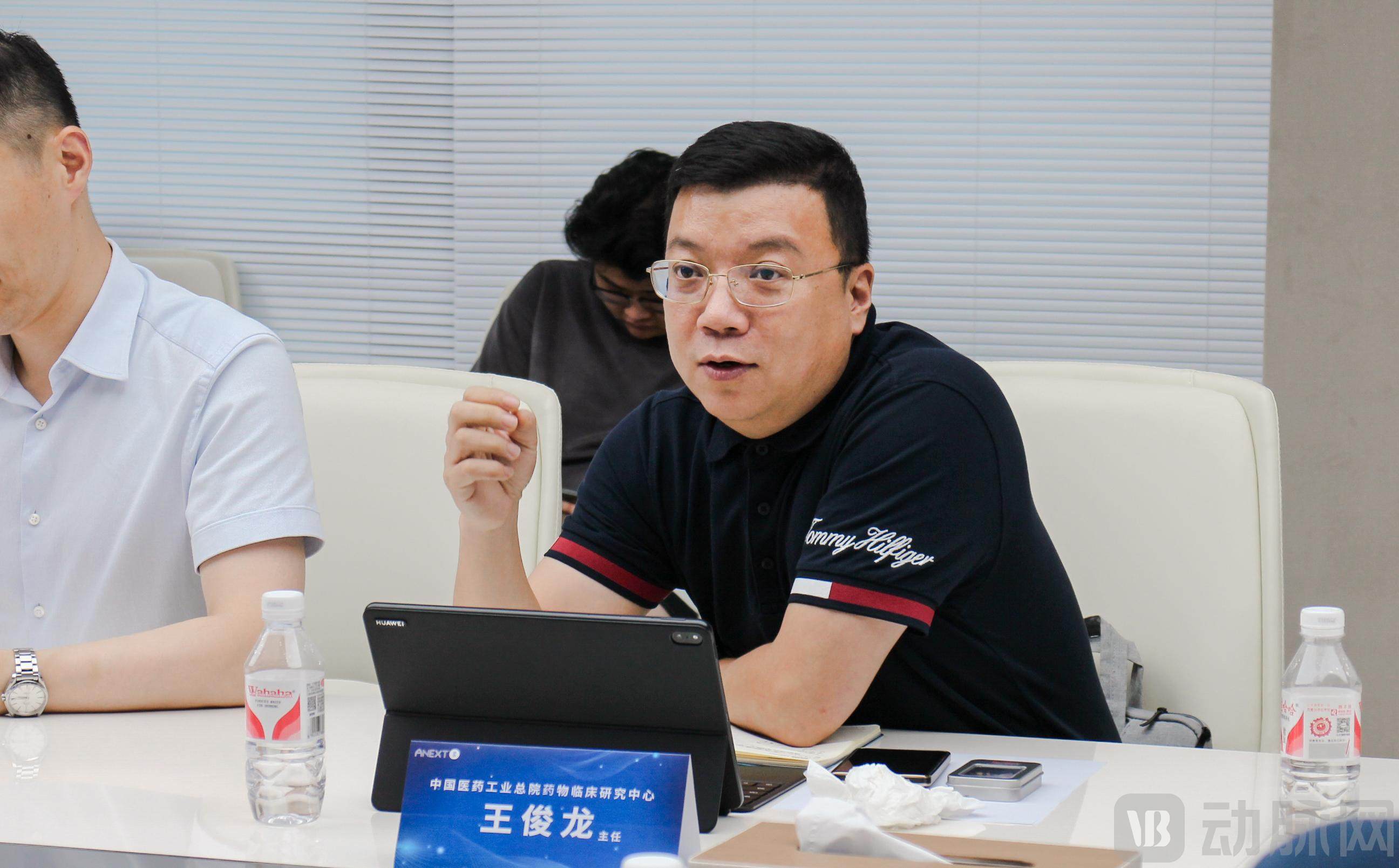
Dr. Wang Junlong, Director of the Clinical Drug Research Center at the China National Institute of Pharmaceutical Industry, delivered a speech at the conference:ANEXT Exosome Therapeutics-exoAL-03 adopts a groundbreaking approach of administering mesenchymal stem cell-derived exosomes via nebulization, offering a novel paradigm for the delivery of innovative biopharmaceuticals.Upon further validation of the safety and efficacy of various exosome administration routes through animal studies and human clinical trials, it may be possible to achieve a breakthrough in novel brain-targeted intranasal delivery methods, thereby expanding into new specialized indications and drug delivery strategies.
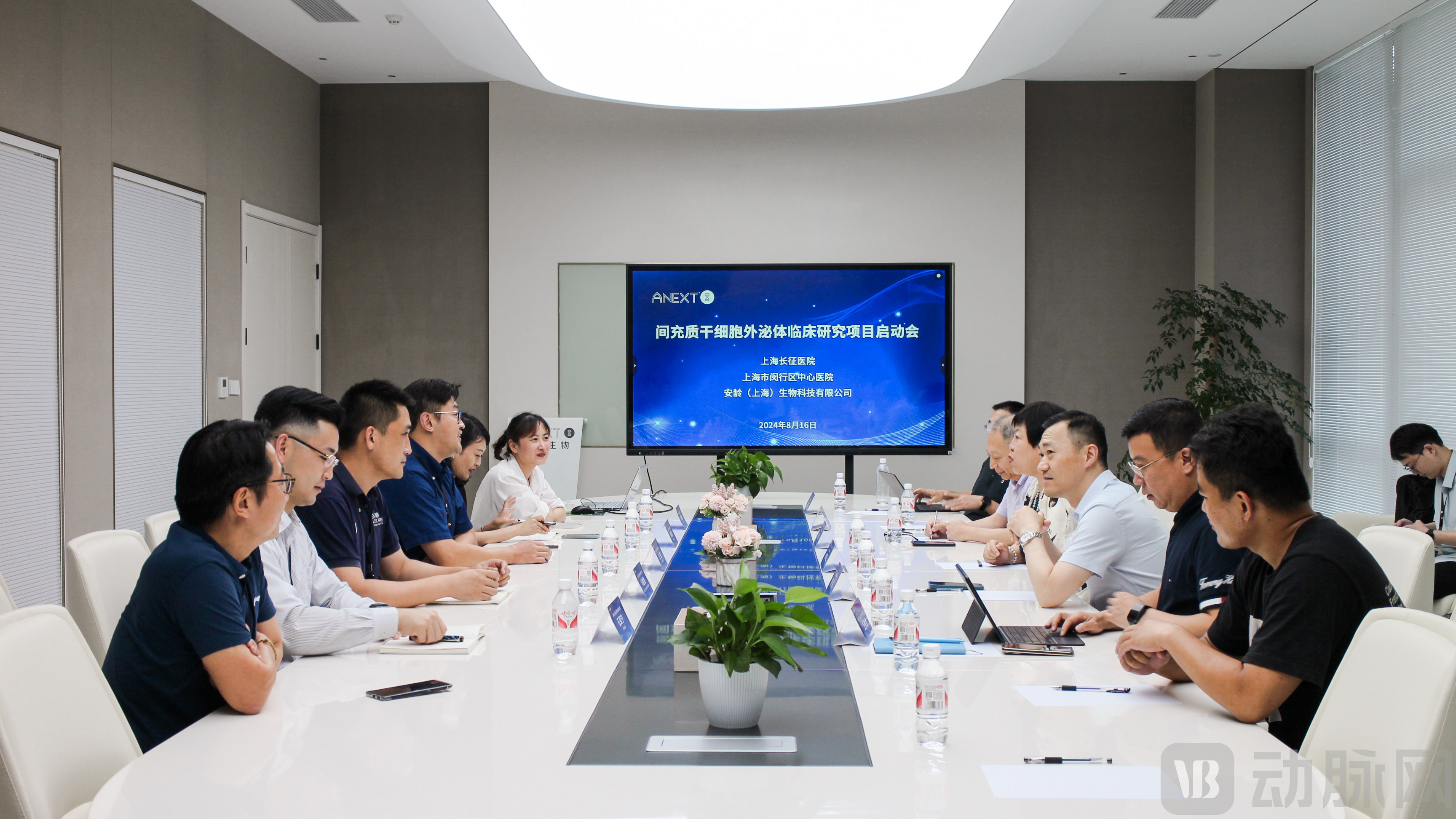
Dr. Wang Jian, CEO of ANEXT Biotechnology, stated, “The exosome drug exoAL-03 represents a novel class of therapeutics. exoAL-03 has demonstrated significant efficacy and an excellent safety profile in preclinical animal studies. We extend our gratitude to Director Tang Hao of Changzheng Hospital and the team led by Director Gao Xiwen of Minhang Hospital Affiliated to Fudan University for their trust and support in our company and its products.”We believe that, with the proactive efforts of both teams,exoAL-03 will become the world’s first exosome-based therapeutic drug to deliver clinical benefits to patients.
The launch of this clinical trial marks a significant step forward in exploring the repair of tissue damage following COVID-19 infection. This innovative exosome therapy is particularly crucial given the current lack of specific drugs or treatments directly targeting post-COVID conditions.By leveraging mesenchymal stem cell-derived exosomes as the core therapeutic agent, this clinical trial not only fills a global gap in targeted repair of post-COVID-19 injuries but also pioneers the use of exosome technology to promote pulmonary tissue regeneration and functional recovery. The proposal and implementation of this approach offer unprecedented therapeutic hope for patients suffering from the long-term effects of COVID-19, signaling that we may be on the verge of mastering a revolutionary treatment modality in the protracted fight against the pandemic.
COVID-19 will continue to persist, and there is a growing societal demand for effective prevention, treatment, and post-infection recovery solutions. According to the latest data from the Guangdong Provincial Bureau of Disease Control and Prevention, the number of confirmed COVID-19 cases in Guangdong Province alone reached 18,384 in July this year, an increase of 10,138 cases compared to June, showing a significant upward trend. The current infection situation reflects the challenges we face in normalized epidemic prevention and control. Data shows that the positivity rate for SARS-CoV-2 among influenza-like illness (ILI) cases gradually rose from 8.9% at the beginning of July to 18.7% by the end of July. This suggests that the transmission of the virus may be accelerating, particularly with the prevalence of the Omicron variant drawing heightened public concern.
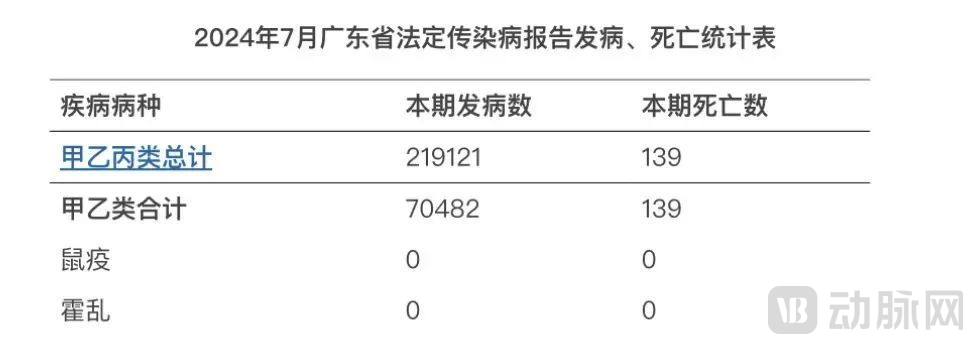
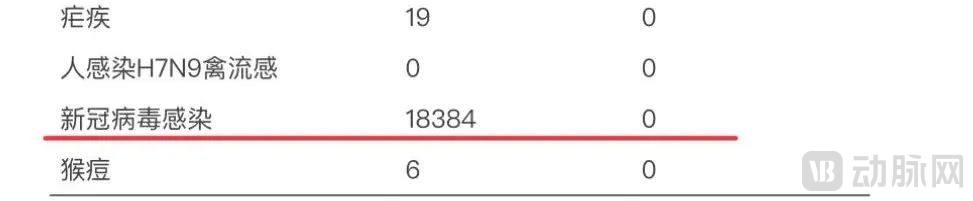
Data Source: Guangdong Provincial Bureau of Disease Control and Prevention
With the rise in COVID-19 cases across multiple regions, coupled with potential public health challenges such as virus-induced pulmonary inflammation, and the current lack of specific drugs or treatments for COVID-19 on the market, clinical research and application of mesenchymal stem cell-derived exosomes are becoming increasingly urgent and important. These exosomes have not only demonstrated unique advantages in the treatment of COVID-19 but are also expected to play a significant role in the management of a broader range of pulmonary and inflammatory diseases in the future.
ANEXT's Self-Developed Exosome Drug-exoAL-03 and its related products have been repeatedly reported and praised by Jiefang Daily as innovative “black tech” of the new era. Representing a major innovation in the field of modern biomedicine, they are gradually demonstrating their unique appeal and broad application prospects.Novel exosome-based therapeutics can not only traverse cell membranes but also evade robust immune responses, thereby safely and effectively delivering therapeutic agents to damaged lung tissue. Previous studies have applied them to the treatment of COVID-19-related conditions, with mesenchymal stem cell-derived exosomes demonstrating significant efficacy in repairing post-COVID-19 lung injury and confirming their safety. The current series of clinical trials will further elucidate the unique therapeutic and prognostic benefits of stem cell-derived exosomes in COVID-19 management, leveraging these insights to accelerate the translational development of the exosome drug exoAL-03 and facilitate its global rollout at the earliest possible date.