

Fudison Life Sciences Files IPO Prospectus: Pioneering Multi-Omics Liquid Biopsy for Early Lung Nodule Diagnosis and Precision Oncology
In July 1999, Ding Bo, Sun Jianlong, and Chen Guanghui obtained their Bachelor of Science degrees in Genetics from the School of Life Sciences at Fudan University. After graduation, Ding Bo and Chen Guanghui each pursued an MBA and, after gaining some work experience, founded their own ventures. Ding Bo previously worked at Huadong Medicine’s Jiuyuan Gene and Tiannian Bio, a company listed on the Hong Kong Stock Exchange, before embarking on his entrepreneurial journey in 2009. Chen Guanghui initially worked at the Southern Gene Center and later co-founded Wuxi Zhongde Meilian. Sun Jianlong dedicated himself to genetic research, pursuing further studies at Fudan University, the University of Texas at Austin, and Harvard University, where he focused on cutting-edge research in oncology and cancer stem cells.
In 2007 and 2017, family members of Chen Guanghui and Ding Bo were successively diagnosed with cancer, with markedly different prognoses. This experience sparked their interest in early screening and diagnosis of tumors. In China, lung cancer currently has the highest incidence and mortality rates among all cancers, with 1.06 million new cases and 730,000 deaths annually. Leveraging his background in genetics and extensive frontline entrepreneurial experience, Ding Bo and his two co-founders have accumulated substantial technical expertise in pulmonary nodules, lung cancer, and particularly in single-cell multi-omics testing.Sun Jianlong serves as a doctoral supervisor at the School of Life Science and Technology, ShanghaiTech University, with one of his primary research focuses being the mechanisms underlying tumor initiation and progression at the cellular level.
Meanwhile, entrepreneurial ventures in the cancer-related sector began to take root. In November 2021, the Molecular Diagnostics Group of the Laboratory Medicine Branch of the Chinese Medical Association released the “Expert Consensus on Clinical Application and Laboratory Testing of Circulating Tumor Cells.” The three founders recognized that the time had come for circulating tumor cells (CTCs) to be utilized in early cancer diagnosis and screening. They quickly reached an agreement, targeting the high-barrier, high-demand field of early cancer detection and diagnosis.
In 2022, Shanghai Fudison Life Sciences Co., Ltd. (hereinafter referred to as “Fudison”) established its presence in Zhangjiang Pharma Valley.As a company specializing in AI-driven precision oncology diagnosis and treatment, Fudison focuses on multi-omics testing and precision diagnostic and therapeutic services. By leveraging its CTC single-cell multi-omics whole-genome platform, the company develops world-leading cancer detection technologies and provides non-invasive treatment options. This approach brings early cancer screening and diagnosis to primary healthcare settings, enabling early detection of cancer as well as monitoring of disease progression or recurrence.
According to the "Expert Consensus on Clinical Application and Laboratory Detection of Circulating Tumor Cells" (hereinafter referred to as the "Consensus"),Circulating Tumor Cells (CTCs) refer to tumor cells that detach from the primary tumor site and enter the peripheral bloodstream, playing a crucial role in the process of tumor metastasis.The consensus states that CTC technology can be used for evaluating treatment efficacy and assessing prognosis in solid tumors such as lung cancer, breast cancer, prostate cancer, colorectal cancer, and liver cancer, and can indicate the risk of tumor metastasis and assist in tumor staging.
The mainstream methods for CTC capture and analysis areLiquid BiopsyTechnology. Liquid biopsy is a non-invasive tumor detection technique that performs quantitative analysis or analyzes cellular and genetic information from samples such as blood, saliva, and urine. Compared with the currently mainstream tissue biopsy, liquid biopsy enables non-invasive, repeatable sampling and long-term, real-time dynamic monitoring for cancer analysis. It can be used for early cancer screening, auxiliary and companion diagnostics, assessment of treatment efficacy and drug resistance, among other applications.In clinical practice, CTC liquid biopsy can detect tumors smaller than 0.5 cm (down to a limit of 1 mm). In other words, for early-stage cancers or nodules that are difficult to detect via imaging and do not meet the criteria for tissue biopsy, CTC liquid biopsy can determine malignancy 2–5 years earlier.
Fudison’s core technology encompasses the entire workflow of CTC isolation and identification, single-cell picking, amplification and library construction, and sequencing analysis.Experimental results demonstrate that the CTC100 detection platform achieves a cell sorting and capture rate of over 90%, enabling the direct isolation of intact, viable single circulating tumor cells (CTCs) compatible with downstream analyses.Fudison’s overall CTC detection rate reached 95.8% (based on clinical data from 2,153 cancer patients). Using a threshold of 4 CTCs/4 mL, the sensitivity for distinguishing healthy individuals from cancer patients was 86.2%, with a specificity of up to 91.0%.
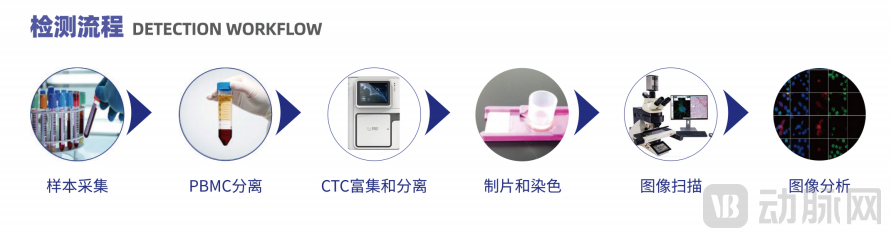
In terms of practical application, Fudison initially targeted lung cancer, the malignancy with the highest incidence and mortality rates in China. According to the Chinese Expert Consensus on Early Diagnosis of Lung Cancer (2023 Edition), circulating tumor cells (CTCs) can be detected in high-risk populations for lung cancer even when no pulmonary nodules are identified on low-dose computed tomography (LDCT) scans, and this detection is closely associated with the subsequent development of lung adenocarcinoma several years later.
Ding Bo, Founder and CEO of Fudison, stated, “According to the ‘Blue Book on 2022 Annual Health Checkup Big Data by Meinian Onehealth,’ the detection rate of abnormal findings for pulmonary nodules in 2022 was 55.9%, and pulmonary nodules are one of the manifestations of early-stage lung cancer. As a solid tumor characterized by late detection, high rates of metastasis and recurrence, and a lack of precise diagnosis and treatment options, there is substantial clinical demand and a large target population for the early diagnosis of lung cancer.”
Specifically,In traditional diagnostic workflows, individuals with pulmonary nodules are typically identified through initial imaging that reveals lung opacities or small nodules, indicating an elevated clinical risk of lung cancer. However, due to imprecise localization of lesions or insufficient nodule size, tissue biopsy and bronchoscopy often yield suboptimal results for early diagnosis. Consequently, clinical management primarily focuses on lifestyle modifications and regular follow-up visits. As imaging findings alone are insufficient to determine the benign or malignant nature of early-stage nodules, CTC liquid biopsy effectively fills this diagnostic gap.
“The potential of CTCs extends beyond early diagnosis. For instance, as CTCs serve as seeds indicative of tumor metastasis and recurrence, they can be used to detect post-resection recurrence, identify metastatic lesions, and perform tissue origin tracing. These are all multi-omics testing applications centered on CTCs that Shanghai Fudison Life Sciences Co., Ltd. has strategically deployed,” mentioned Ding Bo.Fudison integrates CTC liquid biopsy with abnormal glycosylated protein (TAP) detection to form a comprehensive clinical auxiliary diagnosis and treatment solution.
During cellular metabolism, proteins undergo glycosylation to form Tumor Abnormal Protein (TAP), with different types of TAP produced by various tumor cells. Consequently, TAP encompasses a variety of common tumor markers and can serve as a broad-spectrum tumor marker. The TAP detection kit co-developed by Shanghai Fudison Life Sciences Co., Ltd. is a pan-cancer early screening kit that has obtained a Class III medical device license. It is suitable for glycosylation testing for the early detection of more than 40 types of cancer, including lung cancer, breast cancer, and thyroid cancer.
To date, this TAP assay kit has undergone clinical validation at more than ten medical institutions. The results demonstrated that the positive agreement rate for detecting aberrantly glycosylated proteins in newly diagnosed cancer patients was 95.4%, while the negative agreement rate in healthy individuals was 96.5%. In an early screening program involving 6,604 individuals at Shanghai Zhongshan Hospital, none of the 6,025 subjects who tested negative were diagnosed with cancer during a two-year follow-up period.
Shanghai Fudison Life Sciences Co., Ltd. has established a combined early diagnostic approach for pulmonary nodules using “Abnormally Glycosylated Proteins (TAP) + Circulating Tumor Cells (CTC).” A single peripheral blood test serves as both an early diagnosis for pulmonary nodules and a pan-cancer early screening for over 40 types of cancer, creating a standardized opportunity for opportunistic tumor screening during health checkups.
Overall, leveraging a single-cell multi-omics whole-genome platform, Fudison has developed a “TAP+CTC+DNA+RNA” tumor detection solution, which has been granted two invention patents. Meanwhile, Fudison is exploring the development of AI algorithms for oncology by utilizing CTC multi-omics-based dynamic monitoring technology for minimal residual disease (MRD), aiming to pioneer a comprehensive diagnosis and treatment system covering the entire lifecycle of cancer.
In expanding its target population, Fudison innovatively launched the “Green Ribbon” public welfare lung cancer screening initiative.Ding Bo stated, “When contemplating business model innovation, I drew inspiration from the ‘Pink Ribbon’ public welfare campaign for women’s health focused on breast cancer. The ‘Pink Ribbon’ initiative has prompted the government to launch large-scale screening programs for two major cancers: breast cancer and cervical cancer. To date, these government-funded free screenings have reached 200 million person-times, identifying a significant number of early-stage cancer patients and substantially reducing national healthcare insurance expenditures. Given that lung cancer has higher incidence and mortality rates than breast cancer, I realized that public welfare initiatives aimed at the early diagnosis of pulmonary nodules could help more people achieve early detection and treatment, thereby alleviating some of the financial pressure on the national healthcare insurance system.”
Shanghai Fudison Life Sciences Co., Ltd., in collaboration with Beijing Chest Hospital, has successively launched public welfare screening initiatives in Beijing, Shandong, Shanghai, Hainan, and other regions. Following ethical approval, a portion of the data will also be utilized for clinical research reports and health economic evaluation reports.
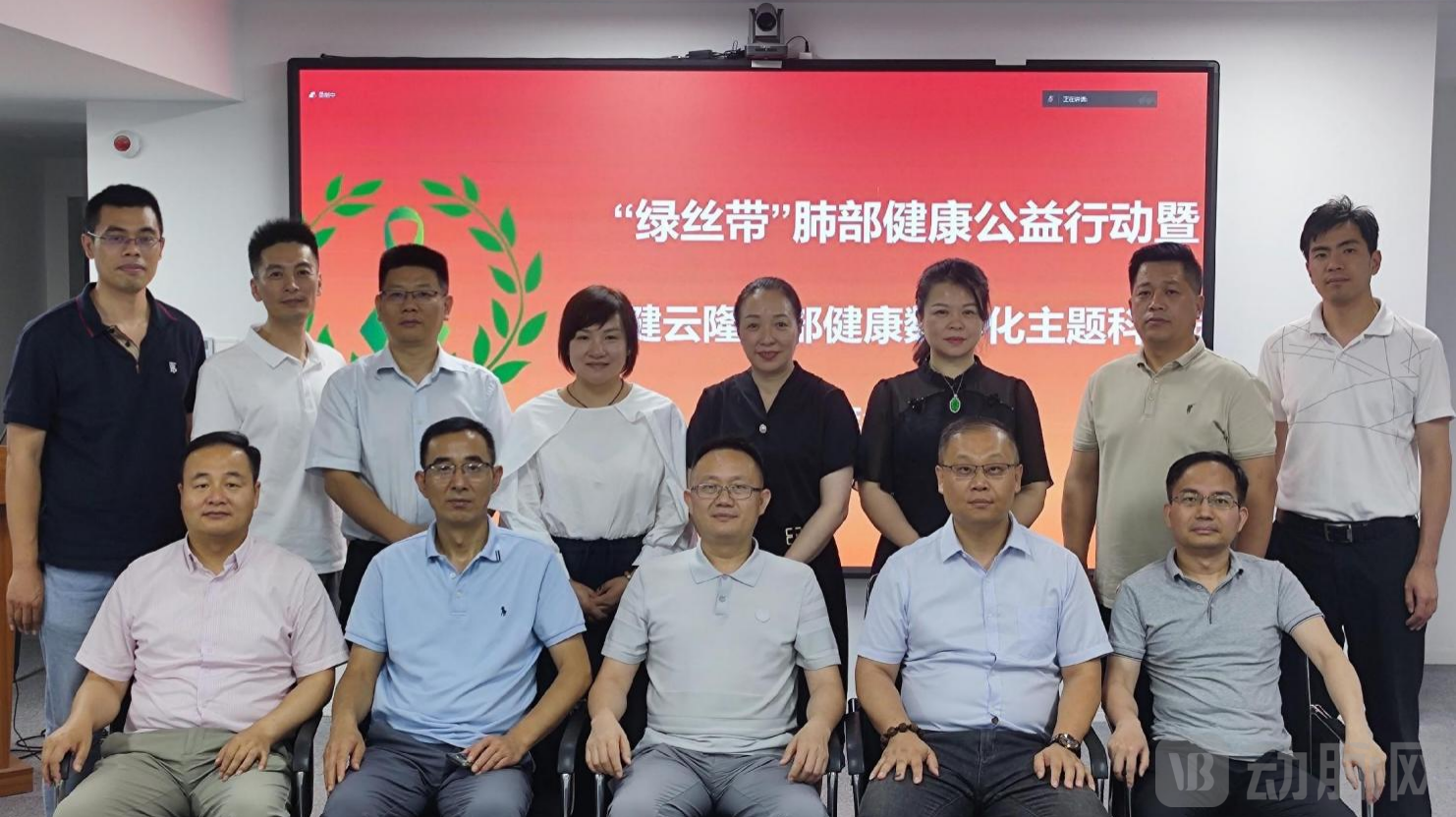
At hospitals and third-party medical testing laboratories, Fudison has established pilot and clinical collaborations with multiple Grade 3A hospitals and specialized institutions, including Shanghai Zhongshan Hospital, Beijing Chest Hospital, and Shanghai Sixth People’s Hospital.Collaborates with multiple clinical laboratories across China to provide early diagnosis services for pulmonary nodules and CTC detection.Currently, Fudison has established a joint key laboratory with the Department of Respiratory Medicine at Zhongshan Hospital to conduct clinical development and prospective research on respiratory diseases such as pulmonary nodules and lung cancer.
In the physical examination sector, Fudison is also actively exploring strategic collaborations, engaging in deep partnerships with multiple health checkup providers, including Ping An Healthcare under China Ping An and Zhongkang International, and plans to make a large-scale entry into the health checkup market in the future.
On the insurance front, Shanghai Fudison Life Sciences Co., Ltd. is currently collaborating with multiple insurance institutions to enhance benefit packages for pre-existing condition insurance covering pulmonary nodules, thereby organically integrating “insurance + testing + health management.”On one hand, it provides screening and insurance services to patients with pulmonary nodules, facilitating early screening; on the other hand, it helps insurance institutions identify lung cancer patients at an early stage, achieving early detection, early treatment, and reduced claims payouts.
Meanwhile, Fudison is also actively exploring testing applications for the internet channel, the third terminal, and the consumer (C-end) market.“On one hand, TAP testing can be performed using just 3–5 drops of capillary blood from a finger prick, paving the way for future expansion in consumer-facing channels such as internet hospitals. On the other hand, we place great emphasis on collaborating with primary healthcare institutions, particularly those staffed by village clinic physicians—commonly referred to as the ‘third terminal.’ By leveraging internet hospitals for large-scale promotion and skills training in primary care, TAP testing—with its advantages of low cost, convenient sampling, and rapid results—has established a highly favorable implementation ecosystem in grassroots medical settings,” emphasized Ding Bo.“Early screening targets a broader population. Primary care settings, including outpatient clinics and village doctors, enable more accessible clinical engagement, more detailed epidemiological observation, and more specialized application possibilities, thereby facilitating convenient and rapid access to early screening for high-risk groups.”
Previously, Shanghai Fudison Life Sciences Co., Ltd. (Fudison) presented its “Precision Diagnosis and Treatment Platform for Pulmonary Nodules” on Dragon TV’s program *Foreseeing Unicorns*. The episode aired on August 6 received positive feedback, with high praise from all on-site mentors and hosts, who unanimously gave their endorsement. Ding Bo stated that following the broadcast, Fudison has attracted significant attention from distributors, investment institutions, and local government investment promotion departments, while numerous consumers have inquired about how to access testing services.

In addition to lung cancer, Fudison is also advancing its R&D pipeline in colorectal cancer, liver cancer, breast cancer, and sarcoma.
Ding Bo stated, “First, we will focus on the early diagnosis of pulmonary nodules, expanding applications across various scenarios including clinical settings, health check-ups, village doctor clinics, internet hospitals, and home-based testing, thereby serving millions of patients with pulmonary nodules. Second, Fudison will establish an integrated precision screening workflow encompassing TAP-CTC analysis, tissue tracing, and single-cell sequencing, and further extend this into companion diagnostics and precision diagnosis and treatment for drug resistance testing, efficacy monitoring, and combination therapies. Third, we aim to build a ‘data archive’ using clinically matched multi-omics testing data, establish an Oncology AI Center, and gradually promote multi-omics testing solutions to other solid tumors, ultimately achieving Fudison’s goal: making cancer preventable, treatable, and controllable, so that no cancer remains difficult to treat.”