

Abo Creation's Globally Innovative PANVIS-A™ Cerebrovascular Interventional Robotic System Receives NMPA Approval and Files for IPO

abrobo
Developer of Vascular Interventional Surgical Robots
Vascular Interventional Surgical Robots Achieve a Major Breakthrough.
On August 26, the official website of the National Medical Products Administration announced that PANVIS-A, independently developed by Shenzhen Aibo Medical Robot Co., Ltd. (hereinafter referred to as “Aibo Hechuang®”),TMThe Cerebrovascular Interventional Surgery Assistance Operating System (NMPA Registration No. 20243011574) has officially received the NMPA Class III Medical Device Registration Certificate.
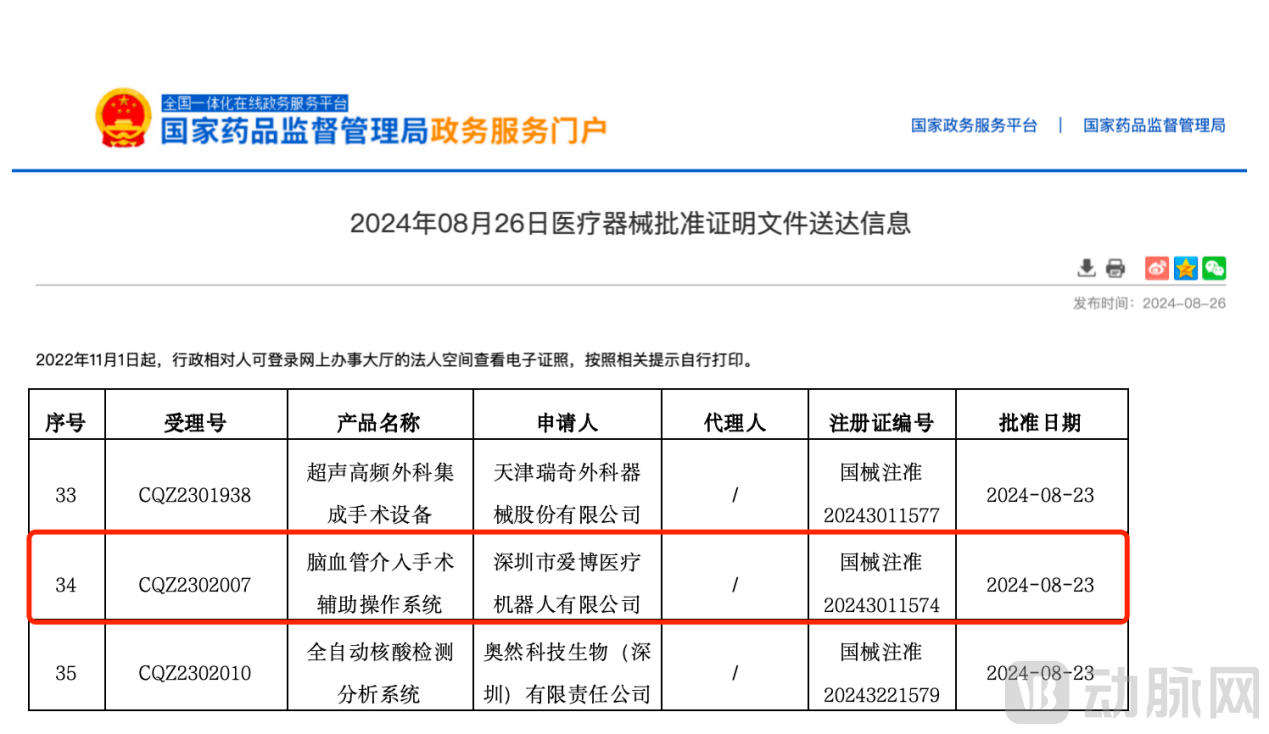
Image source: NMPA official website
This PANVIS-ATMThe successful regulatory approval and market launch of the vascular interventional surgical robot represent not only another milestone in this field but also signify that Chinese manufacturers have achieved a leapfrog development from following and imitating to pioneering globally unique innovations. This advancement will greatly promote the evolution of vascular interventional procedures toward greater precision, convenience, and remote capabilities.
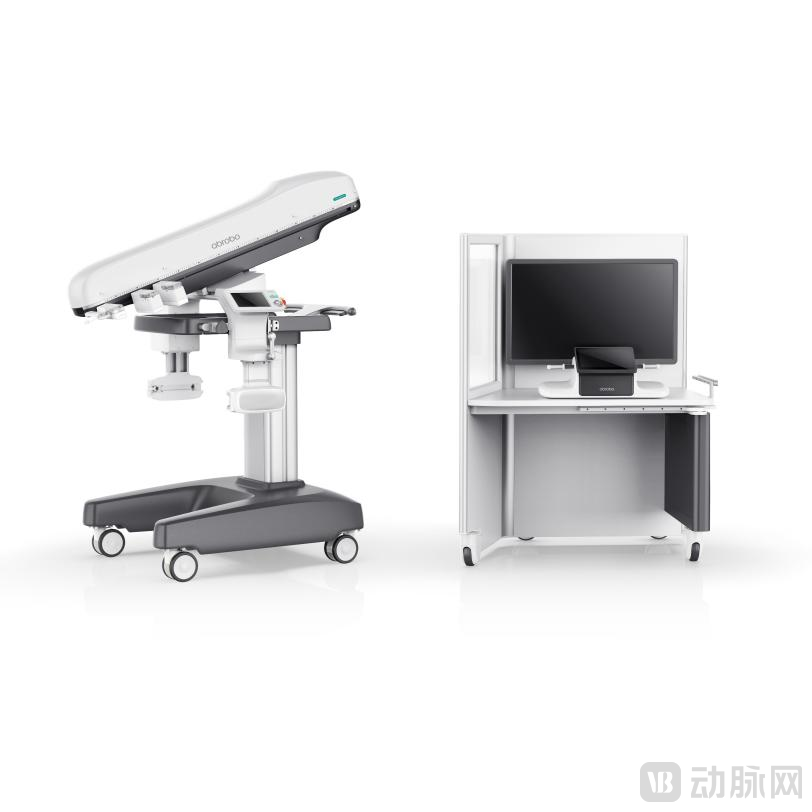
PANVIS-ATMAssisted Operating System for Cerebrovascular Interventional Surgery
Vascular Interventional Surgical Robot,
Advancing Vascular Intervention Toward Precision, Convenience, and Telemedicine
Vascular interventional surgical robots target the entire vascular intervention market, which has a substantial patient base. According to the "Report on Cardiovascular Health and Diseases in China 2023," the prevalence of cardiovascular and cerebrovascular diseases in China is continuing to rise, with approximately 330 million patients, far exceeding those affected by cancer and other diseases.
Innovation and refinement of minimally invasive techniques have made vascular intervention an increasingly powerful tool for treating cardiovascular and cerebrovascular diseases. However, with the continuous growth in patient numbers, the limitations of this traditional minimally invasive interventional procedure are becoming increasingly apparent.
On one hand, vascular interventional procedures require physicians and bedside support staff to perform surgeries in close proximity to the X-ray tube. Due to long-term exposure to high-dose radiation, physicians’ career longevity is continuously decreasing, and the existing physician workforce is increasingly unable to meet the growing demand from patients.
On the other hand, vascular interventional surgery is a procedure that demands extremely high precision and relies heavily on the operator’s technical skills. In traditional interventional procedures, such as coronary stent angioplasty, inaccurate stent placement is a prevalent clinical issue. This not only compromises the precision and safety of the procedure but also makes it difficult to effectively control patients’ medical expenditures. These drawbacks have further limited the widespread application of vascular interventional surgery.
Vascular interventional surgical robots were developed precisely to address the aforementioned pain points.
It not only significantly reduces the risk of radiation exposure for physicians but also enables quantitative and precise management of physicians’ experience and procedural data, thereby minimizing inter-operator variability in surgical outcomes. Furthermore, it shortens the learning curve for interventional physicians, facilitating their rapid professional development. The widespread adoption of this technology will undoubtedly further promote the普及 of interventional procedures across hospitals at all levels, thereby reducing societal healthcare costs. Leveraging 5G technology, physicians can perform remote surgical interventions, enabling interventional specialists in different geographic regions to conduct high-precision interventional procedures.
Compartmentalized Intervention, Intuitive Fingertip Catheter Manipulation, and Submillimeter Multi-Instrument Collaborative Drive,
A Vascular Interventional Surgical Robot That Truly Addresses Clinical Pain Points
Aibo Medical Robot is the world’s earliest team to develop neurointerventional surgical robots. As early as 2008, Professor Guo Shuxiang, a core founder of Aibo Medical Robot and a Foreign Member of the Engineering Academy of Japan, led his team to successfully develop the world’s first neurointerventional surgical robot in Japan. Meanwhile, in advancing the clinical application of its neurointerventional surgical robot, the team also accelerated the development of a pan-vascular interventional surgical robot capable of performing full-process procedures across multiple modalities, including neurovascular, coronary, and peripheral interventions, thereby pioneering the world’s first pan-vascular interventional robot with fully independent intellectual property rights.
PANVIS-A, approved for Shenzhen Aibo Medical Robot Co., Ltd.TMThe auxiliary operating system for cerebrovascular interventional surgery is the culmination of this team’s long-term R&D and technological accumulation.
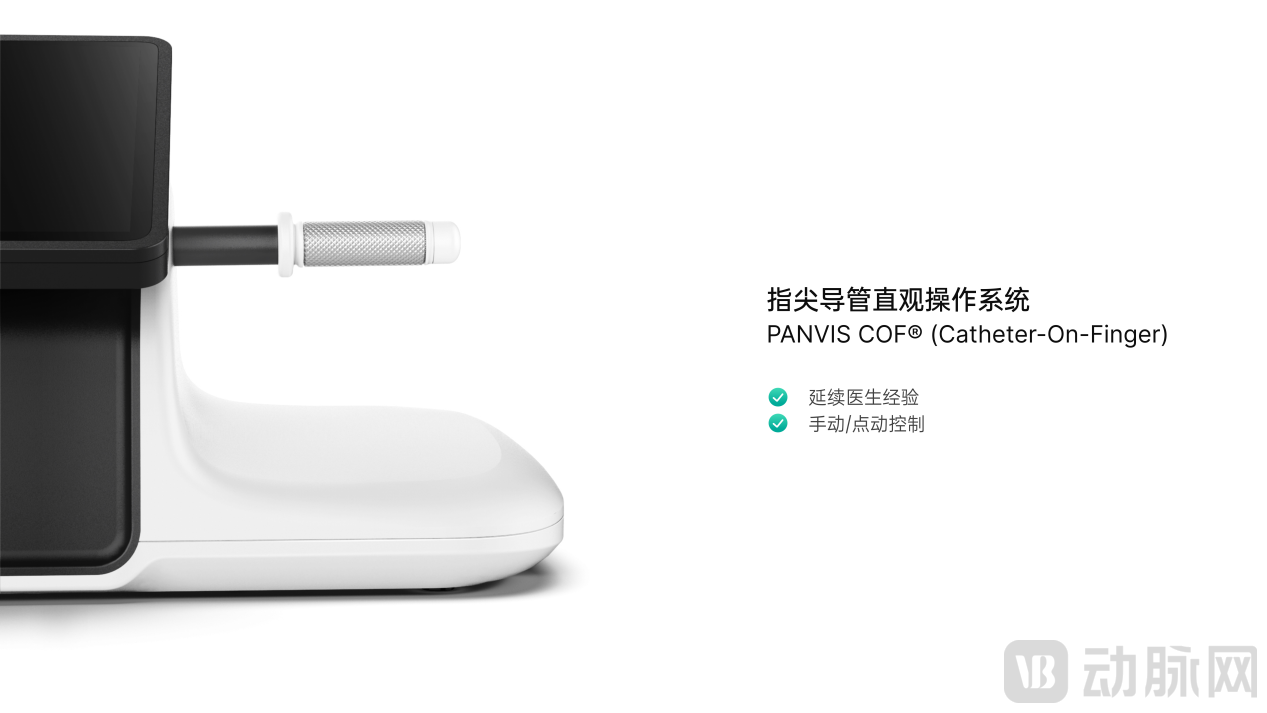
First, PANVIS-ATMAchieved a major breakthrough in “compartmentalized intervention.” Leveraging the proprietary PANVIS COF®Featuring an intuitive fingertip catheter control system and a multi-instrument collaborative drive system, this robot successfully isolates physicians from radiation environments, eliminating the burden of wearing lead aprons during surgery and preventing potential radiation exposure, thereby achieving true zero intraoperative radiation.
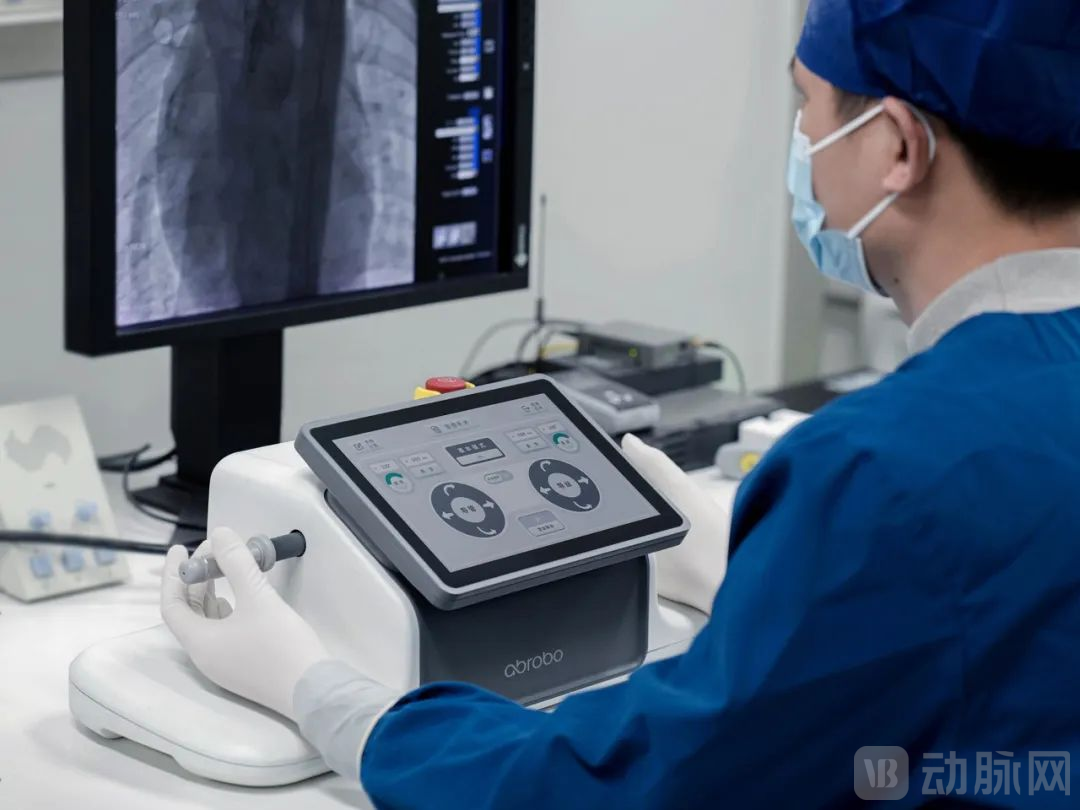
Secondly, PANVIS COF®The introduction of the fingertip catheter intuitive operation system can replicate every subtle movement of the surgeon in real time, making the surgical process more efficient and smooth. Meanwhile, this natural interaction-based control system will significantly shorten the learning curve for doctors. Unlike traditional knob + joystick designs, PANVIS COF®The unique operational logic fully respects and continues the habitual practices of interventional physicians in handling instruments. During surgery, physicians can achieve complex movements such as rotational delivery and retraction of guidewires and catheters with one hand, allowing their long-accumulated clinical experience to be seamlessly continued. In addition, through jog control on the interface, physicians can precisely advance or retract instruments like guidewires and catheters at a sub-millimeter level. This feature effectively compensates for the limitations of manual precision, making the surgical process more accurate and controllable.
Finally, PANVIS-ATMThe submillimeter multi-instrument cooperative drive system further elevates surgical precision to a new height. This system enables surgeons to precisely control surgical instruments with submillimeter accuracy, achieving both independent and coordinated motion control of the instruments. Notably, the drive system’s broad compatibility with consumables allows it to meet diverse clinical application scenarios. Furthermore, the split-type driver structure not only facilitates individual control of guidewires and catheters but also supports coordinated control of multiple instruments, thereby significantly reducing surgical time.
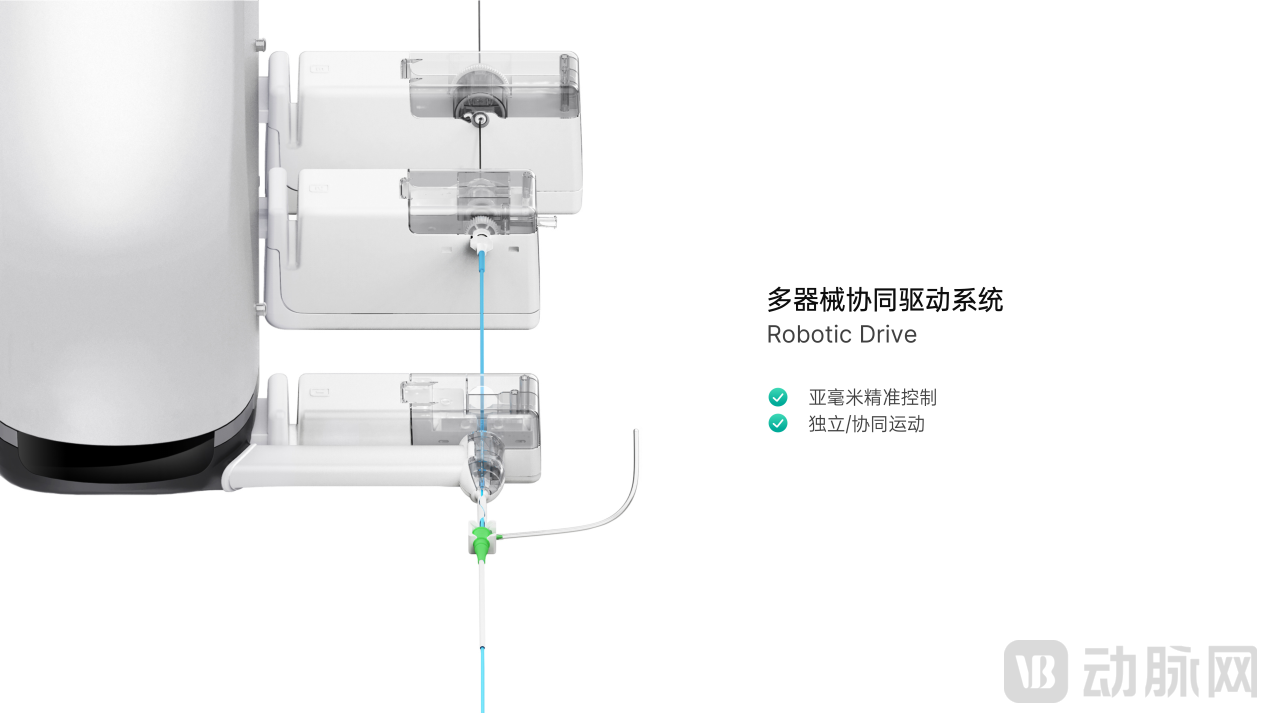
Leveraging core technological advantages such as compartmental intervention, intuitive fingertip catheter manipulation, and submillimeter multi-device coordinated drive, PANVIS-ATMVascular interventional surgical robots not only provide physicians with a safer, more efficient, and more precise surgical experience, but also address critical challenges in current vascular interventions, including the high technical difficulty of procedural operations, insufficient safety and precision, heavy reliance on physicians’ individual experience, uneven distribution of medical resources between providers and patients, and physician radiation exposure.
The market is expected to reach RMB 5.824 billion in 2030,
Shenzhen Aibo Medical Robot Co., Ltd. Reshapes the Landscape of Vascular Interventional Surgical Robotics
Compared with devices such as orthopedic surgical robots, the development of technologies related to robot-assisted pan-vascular surgery has a relatively short history. Prior to 2023, only Siemens Healthineers’ CorPath 200 and CorPath GRX had obtained FDA clearance and CE marking worldwide. However, due to limitations in the design of the CorPath GRX vascular interventional surgical robot—including its inability to provide full-process assistance for PCI procedures, constraints on functional expansion, and stringent requirements for consumables—Siemens Healthineers discontinued its Corindus CorPath GRX robotic intervention business in the coronary artery sector in 2023, citing that “the application of robots in cardiac intervention has lagged behind initial expectations.”
Around 2021, Chinese manufacturers accelerated their deployment in this field, nearly in sync with global trends. Instead of merely following and imitating, they continuously optimized their products through innovative approaches such as medical-engineering integration, creating pan-vascular interventional surgical robots truly suited for clinical applications. Today, these efforts have entered a phase of tangible outcome implementation. Aibo Medical Robot PANVIS-ATMThe approval and market launch of the vascular interventional surgical robot serve as a testament to this.
From a clinical perspective, pan-vascular interventional surgical robots must meet three core requirements: First, they must be broadly applicable to the vast majority of diagnostic and therapeutic procedures, including coronary, neuro, and peripheral interventions. Second, they must provide full-process coverage of the surgical workflow, ensuring that physicians can perform continuous robot-assisted procedures in an environment free from radiation exposure and physical strain. Third, they must be compatible with mainstream consumables available on the market and possess precise multi-instrument operation control capabilities to safely execute complex surgical maneuvers.
Shenzhen Aibo Medical Robot Co., Ltd. closely aligned its product definition with clinical needs from the outset of R&D. Throughout the process, three top-tier clinical experts in the field of vascular intervention—Academician Ge Junbo, Director Liu Jianmin, and Director Fu Weiguo—provided comprehensive support for the company’s product development, clinical trials, and market promotion.
Built on a solid foundation of technical expertise and industrialization experience, and guided by clinical needs, the team at Shenzhen Aibo Medical Robot Co., Ltd. has successfully overcome key technological challenges, including multi-device coordination, haptic perception and feedback, precise master-slave manipulation, and remote low-latency control. This breakthrough addresses the limitations of most currently available vascular interventional surgical robots, which tend to offer limited functionality—such as basic guidewire advancement—and enables the product to meet the requirements of diverse procedural techniques, cover the entire surgical workflow, and ensure compatibility with all mainstream consumables on the market.
Building on the fulfillment of three core clinical needs, the team further achieved a breakthrough by integrating visual, auditory, and haptic feedback to authentically replicate the tactile sensations experienced during manual procedures, thereby significantly shortening the learning curve for surgeons. Additionally, leveraging force-feedback technology, the robot provides high-precision haptic safety alerts, ensuring that every surgical procedure is safe, precise, and efficient.
Currently, China is leading the world in the growth rate of the market size for vascular interventional surgical robots. According to data from VCBeat, the global market size for vascular interventional surgical robots is projected to reach USD 4.48 billion by 2030, with a compound annual growth rate (CAGR) of 49.2% from 2022 to 2030. Benefiting from factors such as the large population of cardiovascular disease patients in China, policy support, and capital investment, the market size for vascular interventional surgical robots in China is expected to reach RMB 5.824 billion by 2030, with a CAGR of 90.3% from 2022 to 2030.
Aibo Hechuang PANVIS-ATMThe approval and market launch of vascular interventional surgical robots have undoubtedly sent a positive signal to the domestic market for such devices in China. In the future, as commercialization efforts deepen, companies are poised to establish a new landscape for vascular interventional surgical robots.