

Zhongxi Bio Brings Micropipetting Workstations to the '10,000-Yuan Tier,' Serving Nearly 3,000 Clients as a Pioneer in Life Science Automation

PRC Xi
Provider of Comprehensive Automation Solutions in the Life Sciences Field
July 2023Month,Located in a humid subtropical monsoon climate zoneofShanghai,ExactlyThe Hottest Time of the Yearwhen。
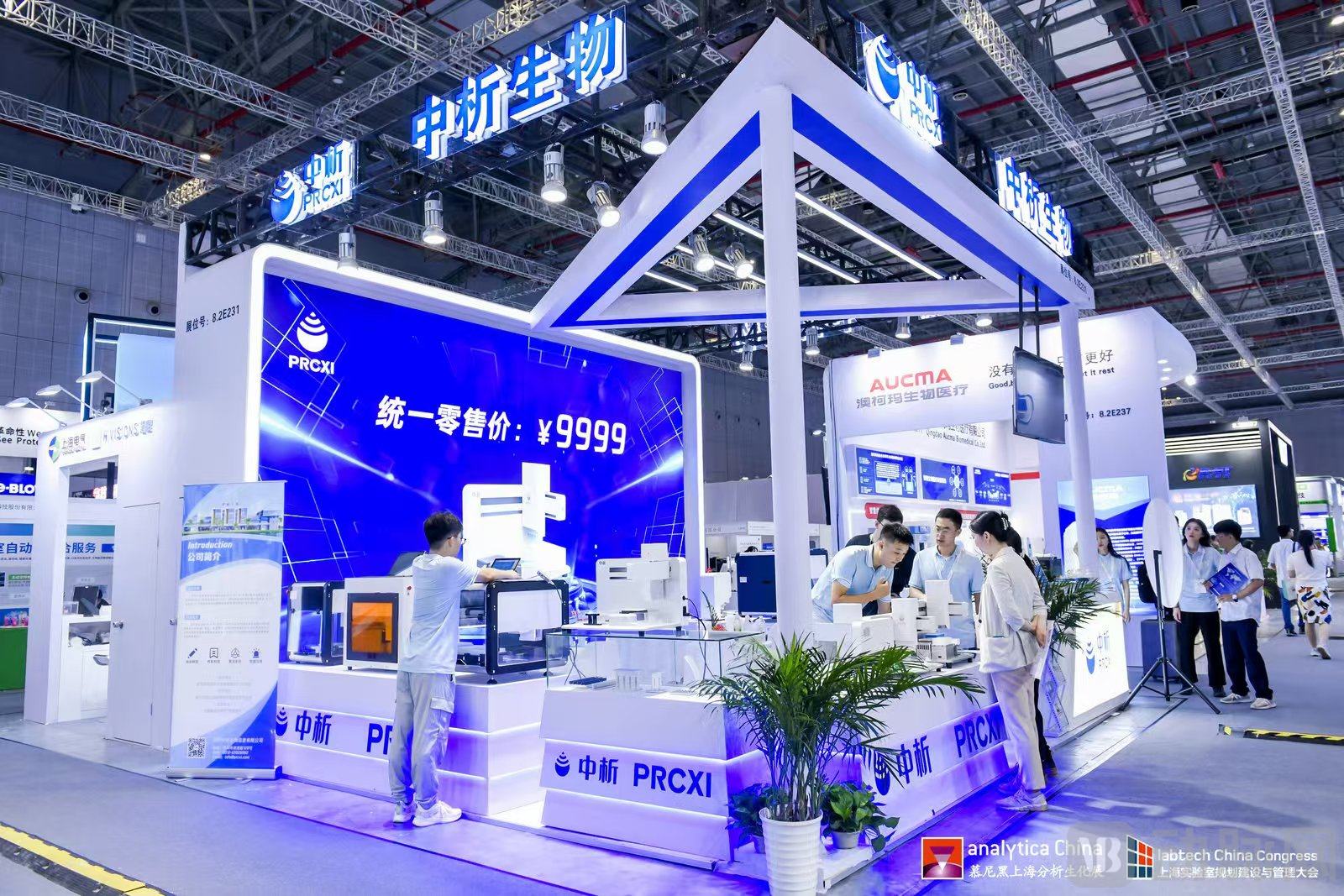
Inside the National Exhibition and Convention Center (Shanghai), the 11th analytica China buzzed with energy, matching the soaring temperatures. Global manufacturers, both established and emerging, converged under the theme of laboratory scenarios, flexing their “muscles” with either the latest or the most powerful instruments and equipment.
Among the myriad of liquid handling workstations, a low-profile Suzhou-based company has completely broken through—thanks to its “ten-thousand-yuan-level” price tag.
Not hundreds of thousands! Not even tens of thousands! Only 9,999 yuan!Yes, you are seeing clearly and reading correctly—for just 9,999 yuan, you can own a liquid handling workstation that is the dream of millions of researchers. Who among us could possibly resist such excitement?
Three months after the exhibition, this Suzhou-based enterprise obtainedWuzhong Financial Holdings GroupandWuzhong Rongyueof its Pre-A round; three months later, it securedQiming Venture PartnersPre-A+ round; three months later, securedSAIF PartnersPre-A++ Round. Three consecutive funding rounds within one year.
In the same year, this Suzhou-based enterprise signed strategic cooperation agreements with Heilongjiang Daodao Yintu Biotechnology Co., Ltd., Shanghai Xinxiu Medical Technology Co., Ltd., Guangdong University of Technology, Nanjing Agricultural University, and Sanya Haiguji Biotechnology Co., Ltd. Additionally, it established the “R&D Center for Intelligent Precision Instruments” in partnership with Guangdong University of Technology and set up the “University-Enterprise Innovation Joint Laboratory” together with Nanjing Agricultural University.
In the first half of this year, this Suzhou-based enterprise, aspiring to be a “popularizer of automation in life science instruments,” also delivered an impressive performance report—
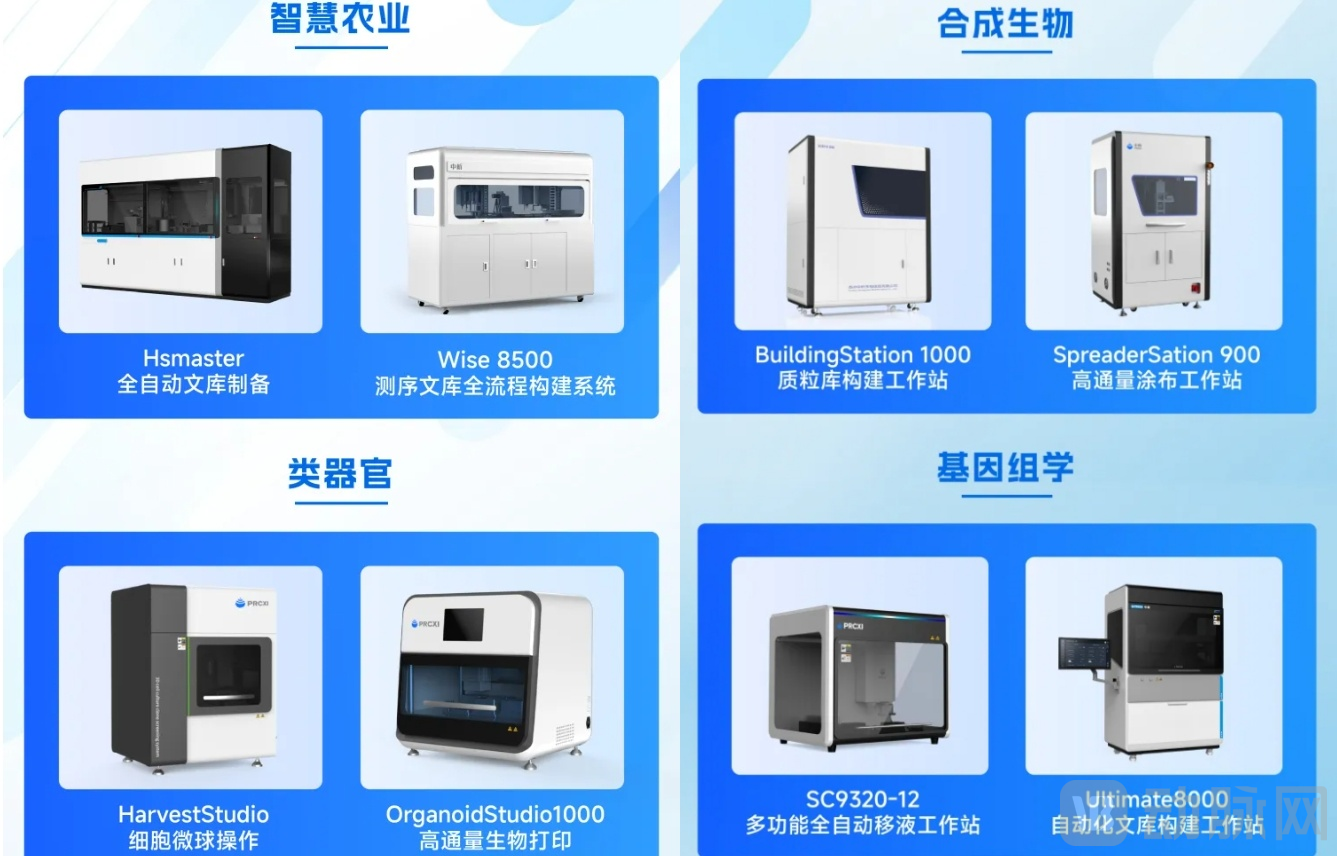
On the product side, it targets the coveredSmart Agriculture, Organoids, Synthetic Biology, and GenomicsComprehensively advancing its efforts, the company launched several new systems and products, including the third-generation SC9300 Fully Automated Liquid Handling Workstation, the PheyeStoma V2 In Situ Dynamic Phenotypic Monitoring Cluster System for Plant Stomata, the PheyeGerm In Situ Dynamic Phenotypic Monitoring System for Seed Germination, and the HSmaster Fully Automated Library Preparation System. In the medical field, it introduced an Automated Endotoxin Detection Device and an Automated Methylation Workstation.
In the market,In the first half of this year alone, it installed more than 1,000 semi-automatic and fully automated liquid handling stations, and delivered 30 customized instrument products.Installation rate leads the industry. Meanwhile, the company is accelerating its overseas expansion, entering in April this yearSoutheast Asia, Japan, and South Koreaand other regions, with collaborations successively established.
This enterprise isSuzhou PRCXI Bioinformatics Co., Ltd. (hereinafter referred to as “PRC XI”).
Established in 2014, PRC Xi is the “Popularizer of Automation in Life Science Instruments” and a “Practitioner Promoting the Adoption of Automated Life Science Instrumentation.” Starting from basic liquid handling processes, the company has developed a diverse portfolio of standalone liquid handling products through more than a decade of foundational R&D.
The company’s core pipetting product line encompasses pipetting modules ranging from 1 to 384 channels, as well as independent 8-channel modules. This portfolio flexibly addresses pipetting needs for plates with 1 to 1,536 wells, covering a broad volume range from 25 nL to 10 mL, thereby providing comprehensive pipetting solutions for various laboratories. Additionally, the company offers customized automation solutions (such as gel spotting and gel excision equipment, nucleic acid extraction systems) and cell/bacterial shakers tailored to customer requirements.
Life Science Automation “Blue Ocean” Pipetting Workstation:
Small and medium-sized laboratories cannot afford it, while large laboratories opt for imports.
“If you visit 100 laboratories, you may find that only three or four have liquid handling workstations, while the rest do not.”Zhu Bin, founder of PRC Xi, told VCBeat.
It is hard to imagine that, amid the fierce “involution” in life sciences automation equipment, such a “blue ocean” still exists.
As an indispensable “essential” tool in every laboratory, pipettes are critical; the precision of micropipetting plays a vital role in the discovery of scientific research findings, the accuracy of test results, and the stability of product performance.
Currently, domestic laboratories rely on manual or semi-automated pipetting operations using pipettes, which depend on repetitive manual labor. This process is not only cumbersome but also prone to errors such as missed or incorrect liquid additions when sample volumes increase significantly, leading to experimental inaccuracies and low efficiency. With the rapid advancement of modern biochemical technologies and the growing demand for clinical diagnostics, high-throughput analysis has become a major trend in scientific research.
Liquid handling workstations are automated liquid processing platform systems that replace traditional pipetting tools. They automatically perform high-precision liquid handling tasks such as serial dilution, pipetting, and liquid pooling, and can be integrated with detection instruments to achieve efficient and precise analysis of target analytes. These systems are widely used in clinical diagnostics, public health and epidemic prevention, biopharmaceuticals, agricultural molecular breeding, food safety, and other fields.
Although domestic manufacturers launched liquid handling workstations a decade ago, these systems have not achieved the widespread adoption in laboratories that many had anticipated.The underlying reasons are as follows:One reason is the high cost.Imported pipetting workstations generally cost several hundred thousand yuan, while domestically produced models are typically priced around 150,000 yuan. For many small and medium-sized laboratories with tight budgets and limited space, this creates a situation where the desire to acquire such equipment is strong but financial resources are insufficient. On the other hand, foreign instrument and equipment manufacturers, benefiting from years of accumulation and market dominance, possess deep technological expertise, a comprehensive and user-friendly product portfolio, and well-established reputations.Generally, large-scale research laboratories with sufficient budgets tend to prefer purchasing imported pipetting workstations.
At that time, Zhu Bin, who was working at AECC Commercial Aircraft Engine Co., Ltd. (which now provides turbofan engines for the C919 passenger aircraft), frequently heard feedback from industry professors that laboratory researchers had to spend a significant amount of time on tedious manual experimental procedures. These casual remarks deeply resonated with the perceptive Zhu Bin. After careful consideration, Zhu Bin embarked on market research.
“The first step was to investigate whether anyone in China was working on this. In 2013, no one in China was engaged in life science automation. The next step was to assess whether any foreign products were being sold on a large scale in the Chinese market. At that time, life science automation products in China were dominated by Agilent, Tecan, and Beckman Coulter, with prices all in the million-yuan range. Based on these two observations, I believed that life science automation presented an excellent opportunity for entrepreneurship. Moreover, automated equipment investment is essential for the efficient development of China’s biotechnology industry.”
Zhu Bin made up his mind on the spot. Driven by the aspiration to “equip every scientific researcher in China with automated liquid handling workstations,” he decided to “venture forth.”
In November 2014, Zhu Bin embarked on his first entrepreneurial venture by renting a cubicle of less than 17 square meters at the Suzhou Luzhi Technology Entrepreneurship Park with only 7,000 yuan in hand.
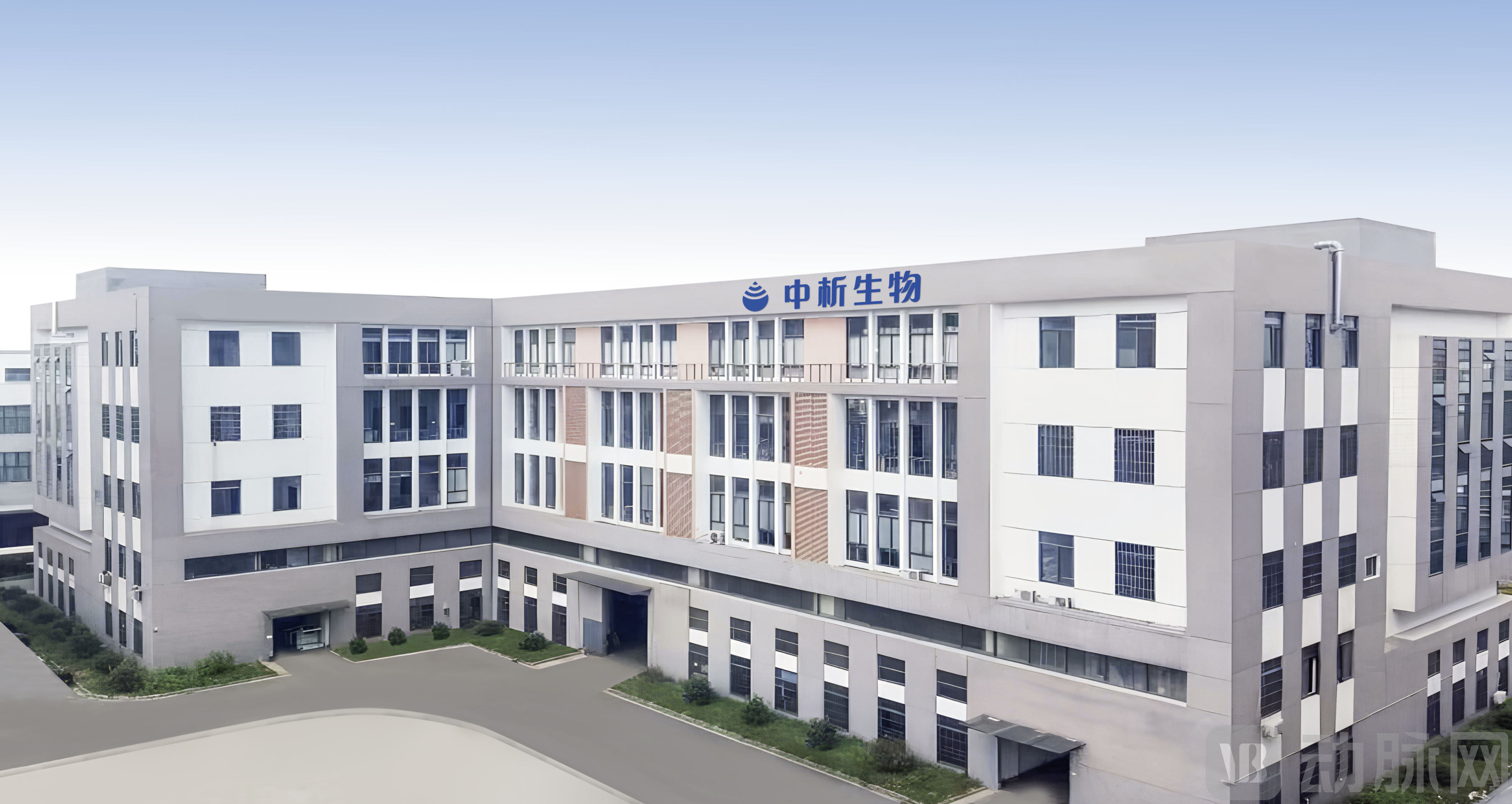
Ten years,PRC XiFrom a cubicle of less than 17 square meters to a spacious, modern factory today
Securing startup capital is the primary challenge every individual entrepreneur must address, and Zhu Bin is no exception.
“At that time, through an introduction from my former teacher, I reverse-engineered a foreign 96-channel manual pipetting workstation.” For Zhu Bin, who has a background in aerospace technology and is proficient in both hardware and software, this was not difficult. Soon, Zhu Bin built the device at a cost of just RMB 10,000 and enlisted friends to help with production.
“Just this one prototype unit sold for over 50,000 yuan at the time, whereas the cheapest imported models were priced at more than 300,000 yuan.” Thus, capital began to circulate.
When asked about potential patent infringement, Zhu Bin told VCBeat that they had designed around the patents during the manufacturing process, so there was no infringement involved. More interestingly, when PRC Xi participated in the Munich exhibition in 2016, executives from the original U.S. manufacturer even visited PRC Xi’s booth for discussions. “He thought our equipment design was even more sophisticated than theirs.”
Following this model, PRC Xi rapidly grew its business and achieved profitability in its inaugural year. Through years of such iterative cycles, the company not only secured R&D funding but also accumulated extensive expertise in technology development and manufacturing through extensive reverse engineering and imitation.
In 2019, as an increasing number of clients raised personalized demands, PRC Xi transitioned to the research and development of independently innovated products.
In-house R&D, in-house manufacturing, and self-controlled quality,
Fully Automated Liquid Handling Workstations Step into the “10,000-Yuan Club”
Products evolve, but our commitment to popularizing automation in the life sciences remains unwavering. If manual pipetting represents the “agrarian age,” then PRC Xi aims to usher every researcher in China into the “industrial age” by enabling the use of fully automated liquid handling workstations.
Therefore, to address the laboratory needs at different stages in China, PRC Xi has developed a variety of systems and solutions, including small-scale systems, medium-scale systems, large-scale systems, general-purpose instruments, and IoT AI.
Among these, the small-scale systems serve as PRC Xi’s pioneering strategy, taking the lead in providing laboratories with standardized automated liquid handling tools. The product portfolio includes manual pipetting workstations, semi-automatic pipetting workstations, and fully automatic pipetting workstations. Notably, over 1,000 units of this series were installed in the first half of 2024 alone.
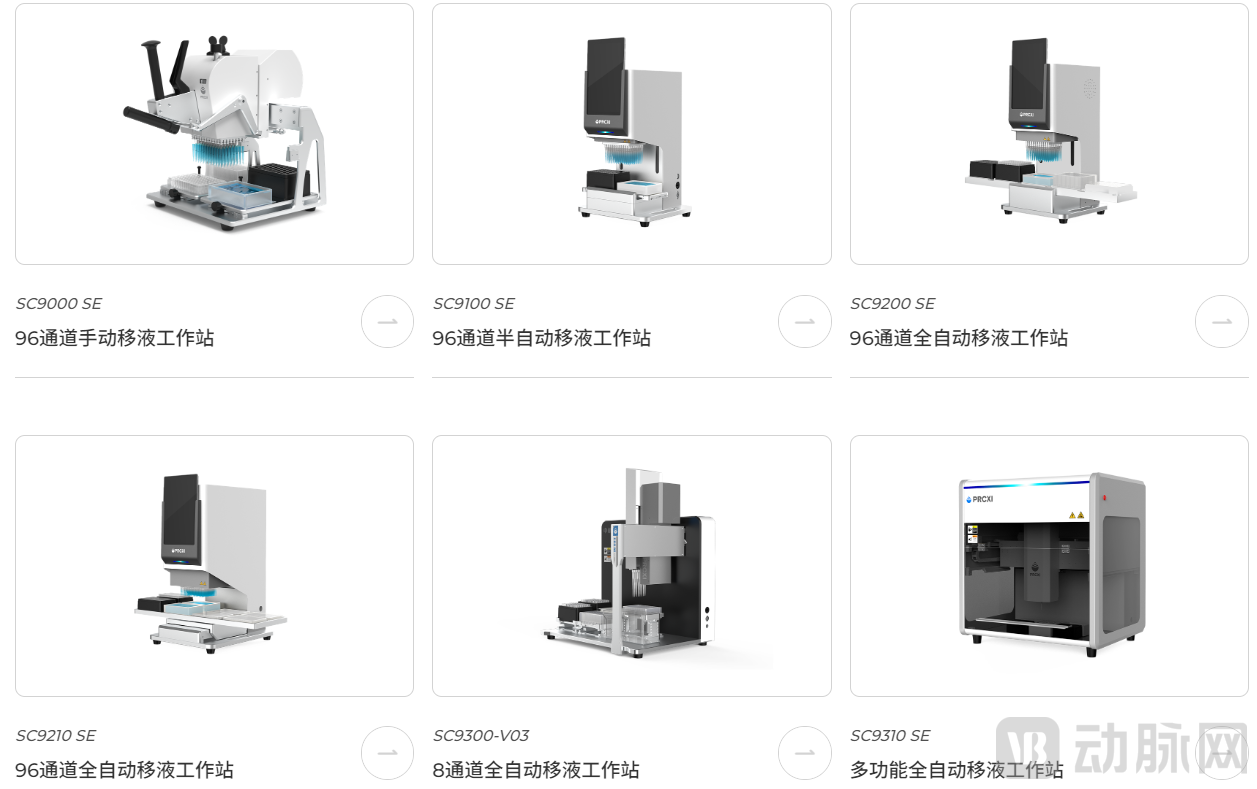
PRC Xi Pipetting Workstation Products (Partial), Images from the Company's Official Website
According to Zhu Bin, there are currently approximately 1 million life science laboratories in China, 90% of which are small-scale. These small laboratories primarily undertake basic research tasks, requiring mostly fundamental equipment, with nearly all procedural steps performed manually by laboratory technicians.
Currently, pipetting workstations for small laboratories in the market are dominated by equipment from Switzerland, the United Kingdom, and the United States, with an average price of around RMB 150,000. These products are relatively homogeneous, offering limited choices. Even the most common electric multi-channel pipettes on the market cost over RMB 10,000 per unit. In contrast, PRC Xi offers manual, semi-automatic, and fully automatic pipetting workstations, providing comprehensive pipetting solutions tailored to the diverse operational preferences of various laboratories.
Among them, PRC Xi's flagship product—The third-generation fully automated liquid handling workstation, SC9300, has once again propelled PRC Xi into the mainstream with its versatile “all-in-one” design—enabling multiple pipetting volume ranges without module changes—and a retail price of RMB 9,999.
It adopts the self-developed PRC Xi wide-range V3 technology, enabling pipetting from a微量 0.5 μL to a large volume of 1000 μL with a single module without the need for module replacement. It supports switching between 1 to 8 pipetting channels and is equipped with constant-temperature shaking, shaking, magnetic, and metal bath modules, allowing multiple experimental steps to be completed with a single click.
Furthermore, the device incorporates an intelligent design. Regardless of sample volume, operators need only power on the instrument and follow the inputted protocol, significantly enhancing experimental efficiency and precision. It is suitable for antibody assays, molecular biology experiments, cell-based assays, enzyme-linked immunosorbent assay (ELISA), in vitro drug metabolism analysis, high-throughput drug screening, compound library management, toxicity analysis, pesticide residue detection, and applications in centers for disease control and prevention as well as food and drug inspection.
To address issues such as external residue, dripping, and volatilization caused by the density characteristics of special liquids in daily experiments, PRC Xi has developed mature and comprehensive solutions through years of accumulation. For instance, to mitigate internal and external residue, PRC Xi has incorporated a manual simulation process into its protocols, involving contact with the side walls of tubes or plates; for liquids prone to dripping, it skillfully employs air cushion technology to securely lock the liquid after aspiration.
PRC Xi’s ability to deliver “ten-thousand-yuan-level” liquid handling workstations is achieved through in-house R&D, self-manufactured components, supply chain integration, economies of scale, and technological upgrades. First, PRC Xi has integrated the entire industrial chain; beyond R&D, it independently controls core manufacturing processes and key technologies, including machining, sheet metal fabrication, mold making, and injection molding, which significantly reduces costs while ensuring quality controllability. Second, large-scale mass production, with each batch exceeding 1,000 units, further spreads out and lowers per-unit costs.
Uncompromising product performance and competitive pricing are the cornerstones of PRC Xi, with an even stronger emphasis on the reliable implementation of its services. PRC Xi has established a 100-member service team in China, covering 34 cities across the country. “We provide same-day on-site visits and resolutions. Even if an issue recurs multiple times in a single day, we will respond with on-site support each time and ensure it is fully resolved for the user,” introduced Zhu Bin.
“Rock-bottom” pricing and a “highly responsive” service team can help PRC Xi rapidly penetrate the market, but will “thin margins” coupled with substantial labor costs become a drag on the company’s long-term development? Citing Xiaomi as an example, Zhu Bin noted, “Xiaomi earns only one yuan per smart speaker, yet this has not hindered its accumulation of significant market value and cash reserves. PRC Xi adheres to a similar philosophy, not limiting itself to a single profit center, but rather building long-term value through in-depth services. Many customers, having recognized the quality of our products and services, have subsequently raised customized requirements. The mid-sized system was developed specifically to meet such user customization demands; in the first half of this year alone, we delivered 30 customized units. From a strategic perspective, the workstation serves more as a ‘relationship-builder.’”
To date, PRC Xi has served nearly 3,000 clients, with its expertise spanning pharmaceutical R&D, medical diagnostics, modern agriculture, life sciences, research institutions, and gene technology. Its partners include more than 100 publicly listed companies and national key laboratories.
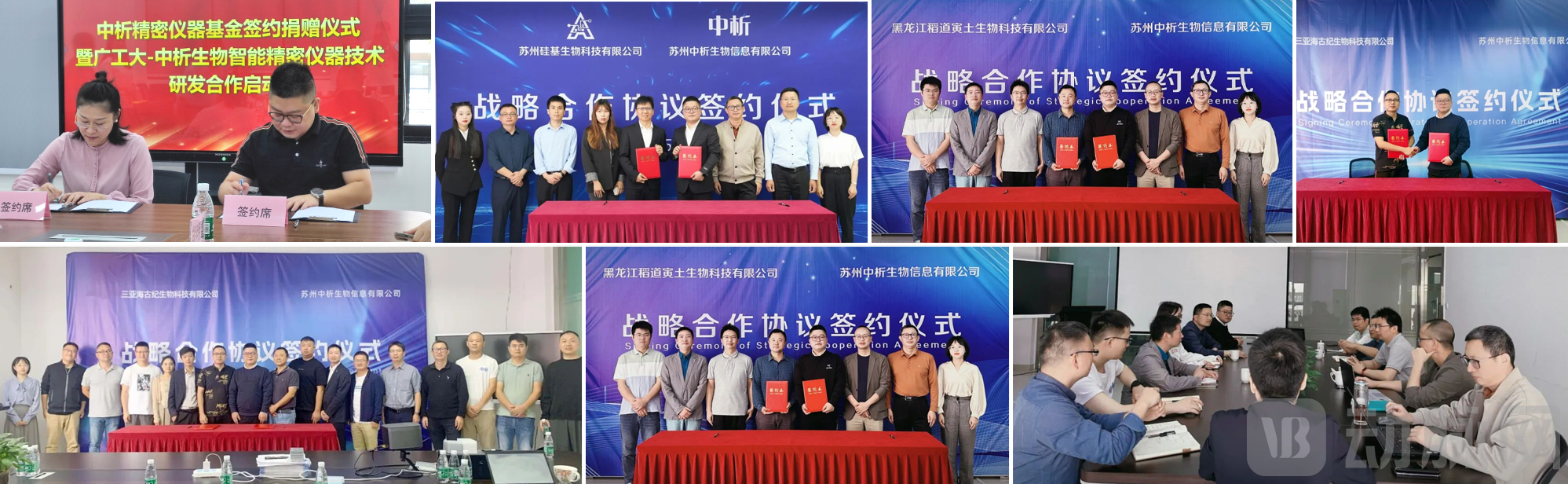
PRC Xi: Partial Collaboration Overview
After a decade of accumulation, PRC Xi has initially built its capability for global expansion. In April this year, the company set sail overseas with Southeast Asia as its bridgehead. Leveraging high-quality products at competitive prices and meticulous services, it rapidlyThailand, Vietnam, Jakarta, Dubai, Japan, South Koreawait for the market to take root.
Where Will PRC Xi Head in the Next Decade?
Zhu Bin shared his insights with VCBeat: “Compared to industrial automation, which has already achieved ‘lights-out factories,’ current life sciences automation remains significantly ‘underdeveloped.’ It is not uncommon for twenty to thirty people to crowd into a single laboratory to conduct experiments, leaving little room to even walk around. However, this status quo is bound to undergo transformation; the shift toward unmanned laboratories is an inevitable trend. Who will be the first to cast the ‘stone’ that stirs up the industry, or become the ‘catfish’ that invigorates the market? Pioneering widespread adoption is undoubtedly challenging, as it requires price reductions and market education. Nevertheless, someone must take on this responsibility, so let us take the lead in becoming these ‘revolutionaries’ and ‘pioneers.’”
“Popularization” was the word Zhu Bin mentioned most frequently, appearing a total of 23 times during the hour-and-a-half-long conversation.
The promises made a decade ago are now being gradually fulfilled, materializing as countless liquid handling workstations, gel electrophoresis loading systems, library preparation workstations, and shaking incubators—of varying sizes—on laboratory benches around the world, operated by individuals of diverse ethnic backgrounds. They are also embodied in the automated management systems running efficiently behind these workstations.
Perhaps in the distant future, or perhaps as soon as tomorrow, when the storm of life sciences automation sweeps across the globe and “lights-out laboratories” become the new normal, people will remember that it all began with a butterfly gently flapping its wings in Suzhou...