

Venus-Vitae SMART-ALIGN Pivotal Trial Enrolls First Two Patients in Global Multicenter Study

Venus Medtech
Artificial Heart Valve System Device Developer
On August 30, 2024, Venus Medtech (Hangzhou) Inc. (“Venus Medtech,” 02500.HK), China’s leading integrated platform for innovative devices in structural heart disease, announced that the first two patients in the international multicenter pivotal clinical trial of its independently developed next-generation balloon-expandable dry valve system for transcatheter aortic valve replacement (TAVR), Venus-Vitae SMART-ALIGN, were successfully implanted at the Prince of Wales Hospital in Hong Kong. The successful implantation of these initial clinical enrollees marksThe company’s solid stride into the frontier of next-generation dry valve technology marks a further strengthening and upgrade of its transcatheter heart valve disease solutions, propelling its internationalization onto a new course.
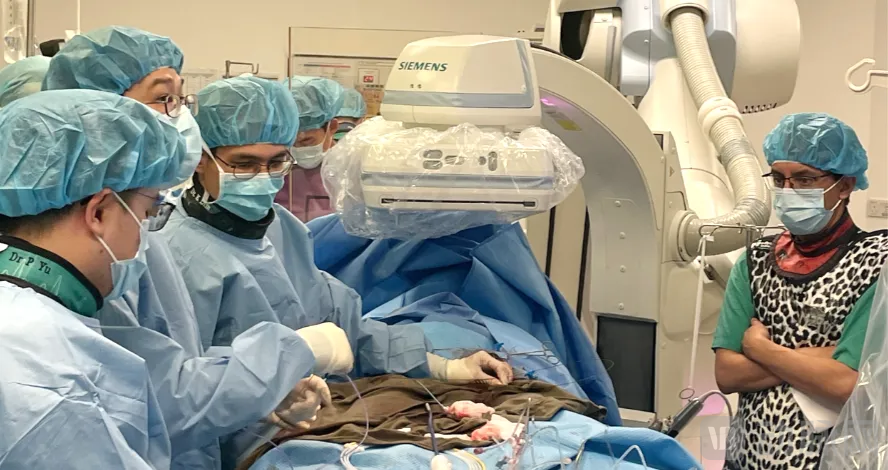
Following the successful implantation in the first two patients, the pivotal clinical trial of Venus-Vitae SMART-ALIGN will be sequentially initiated at approximately 20 medical centers worldwide, including those in Europe, North America, and China, enrolling 150 subjects. The study data will simultaneously supportEurope, Canada, Chinaregistration applications in multiple countries.
This clinical trial was jointly conducted by Professor So Chak Yu Kent’s team at the center, in collaboration with Professor Scott Lim from the University of Virginia Medical Center in the United States, along with a multidisciplinary team comprising specialists from the Departments of Ultrasound, Anesthesiology, and Radiology.
Venus-Vitae SMART-ALIGN International Multicenter Clinical Study, full name Multicenter Pivotal Study to Evaluate the TreatMent of Severe AoRTic VALve StenosIs UsinG the VeNus-Vitae Transcatheter Heart Valve System (SMART-ALIGN), is a prospective, multicenter, non-randomized, interventional study conducted in patients with severe aortic stenosis. It is primarily designed to evaluate the safety and efficacy of the Venus-Vitae transcatheter heart valve system for the treatment of severe aortic stenosis.