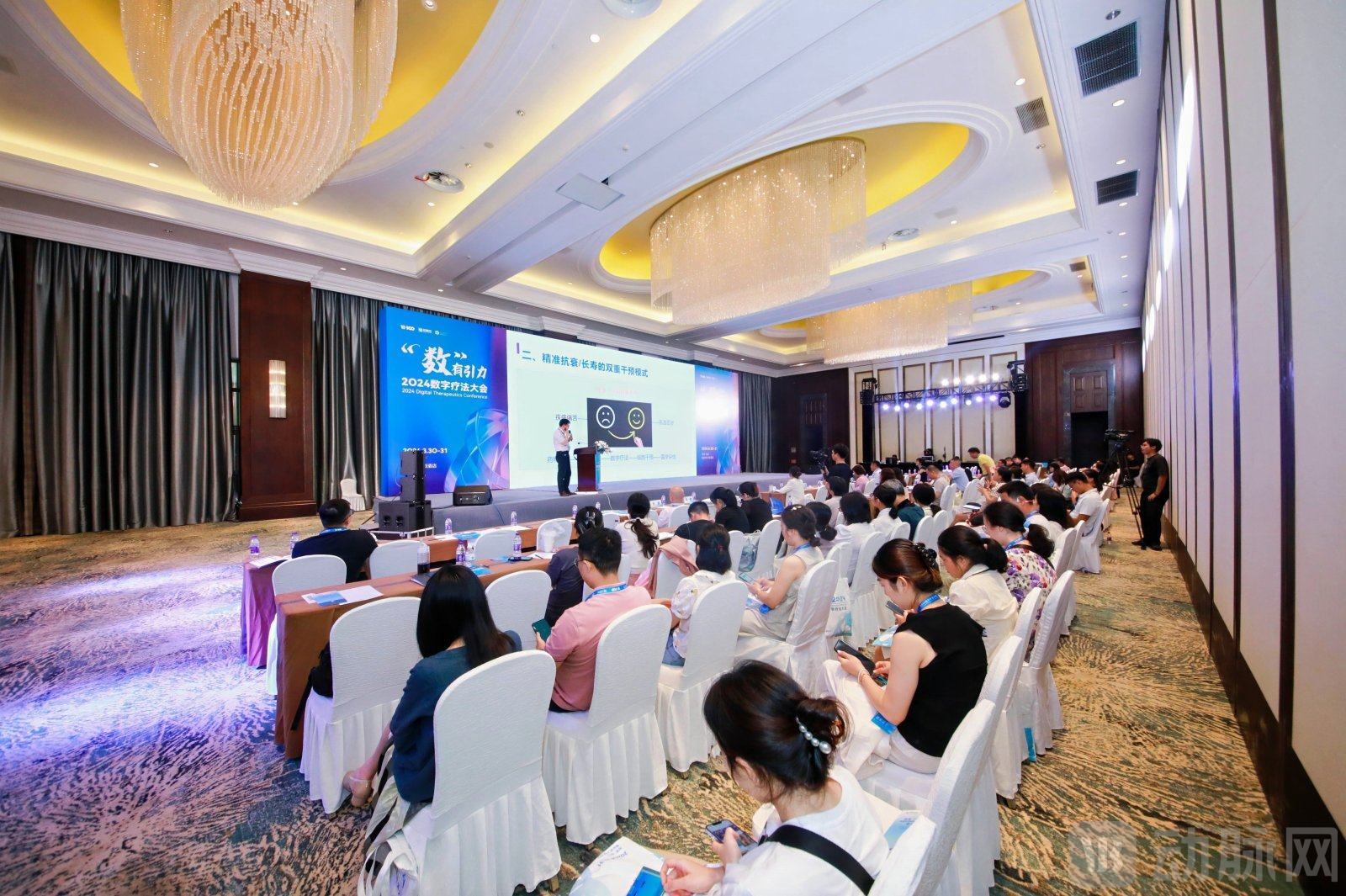
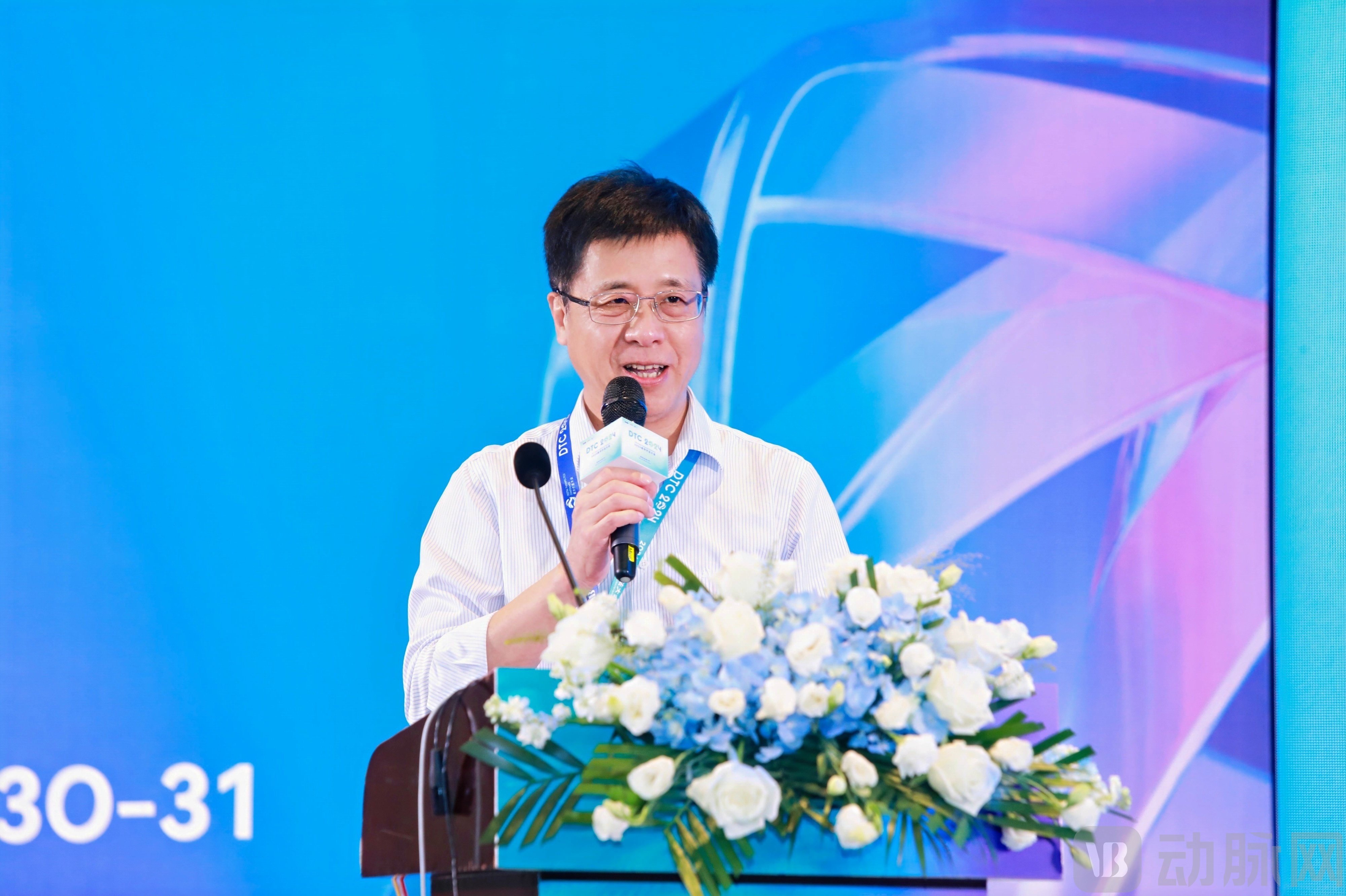
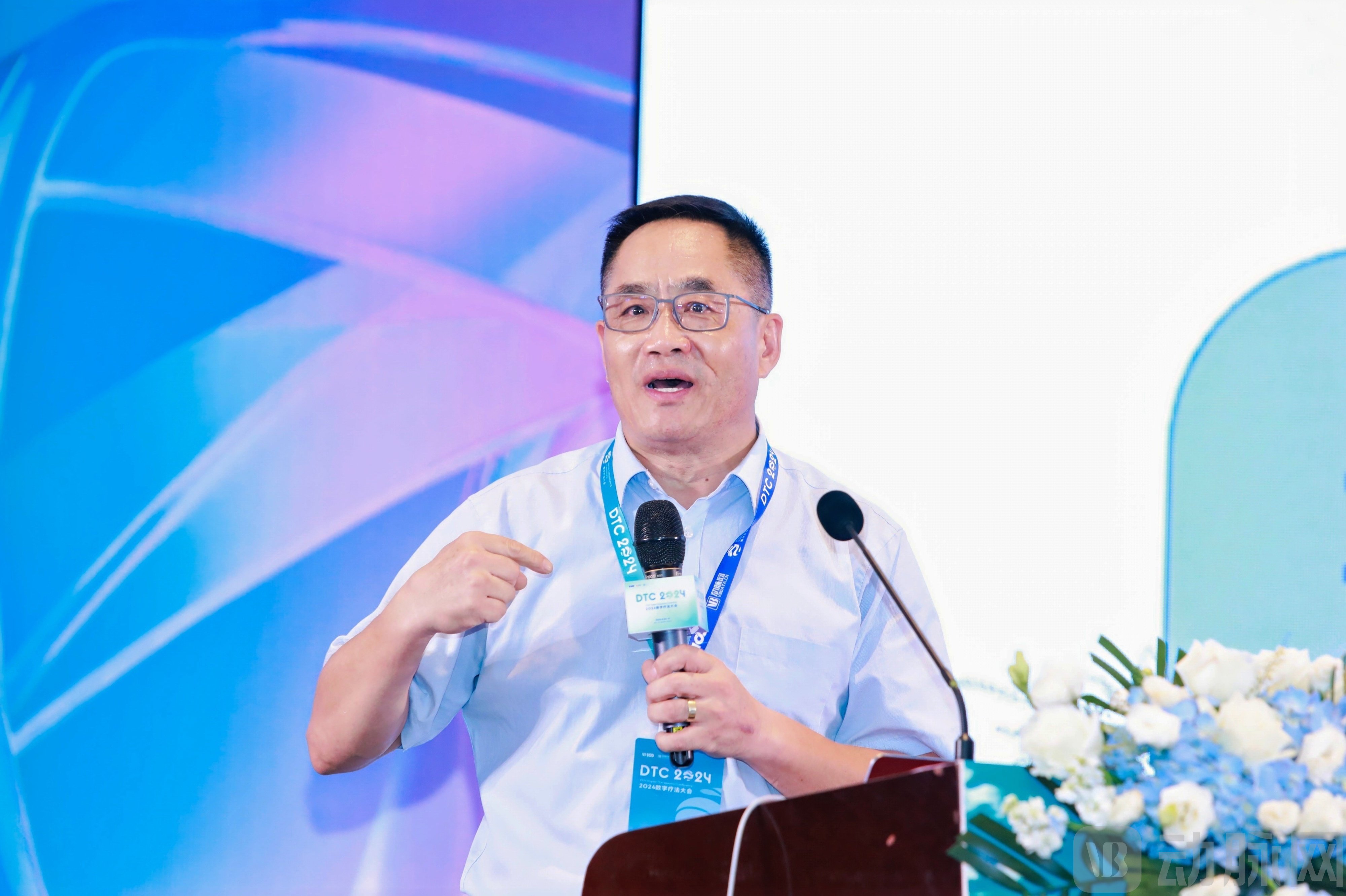
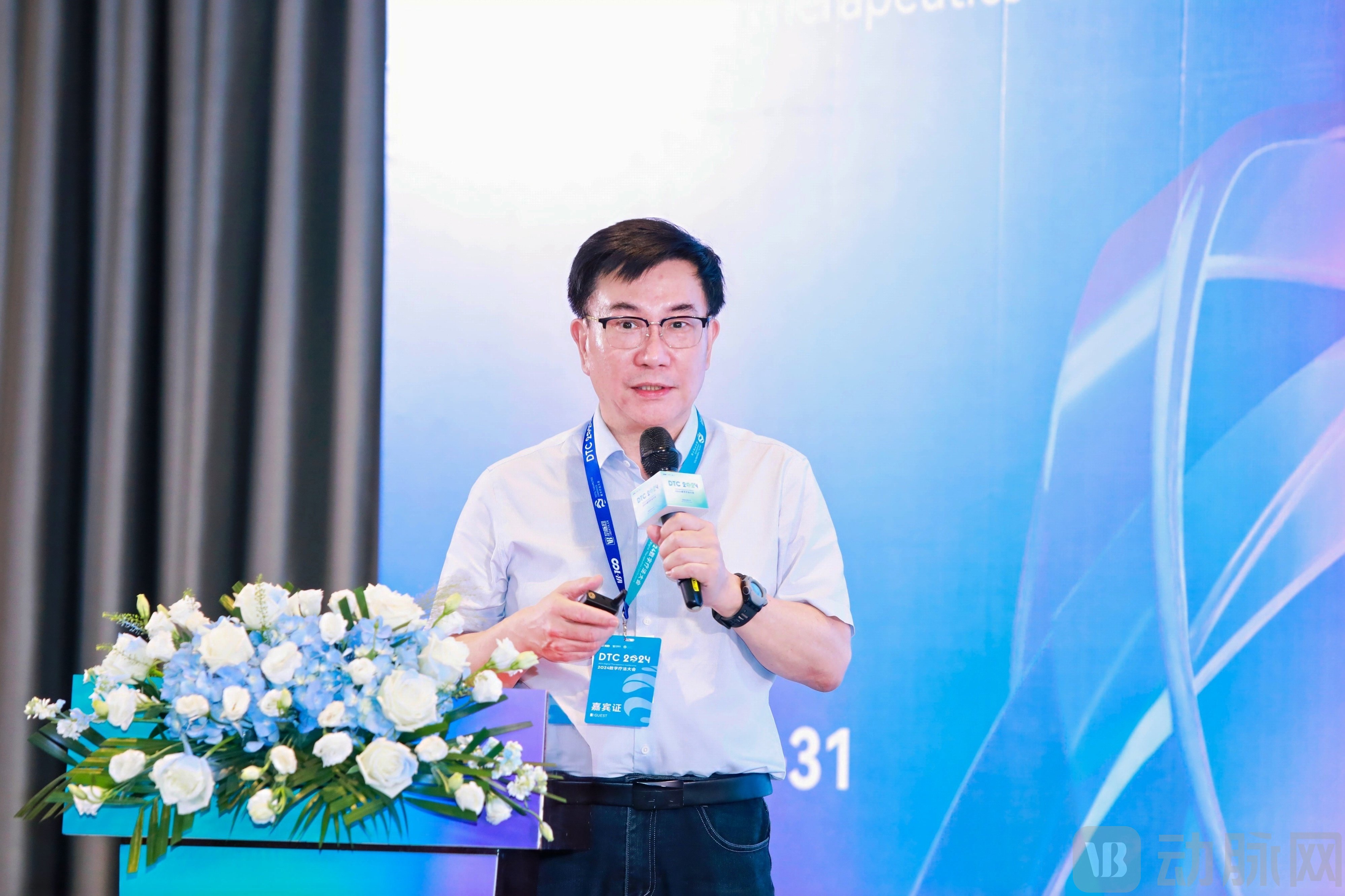
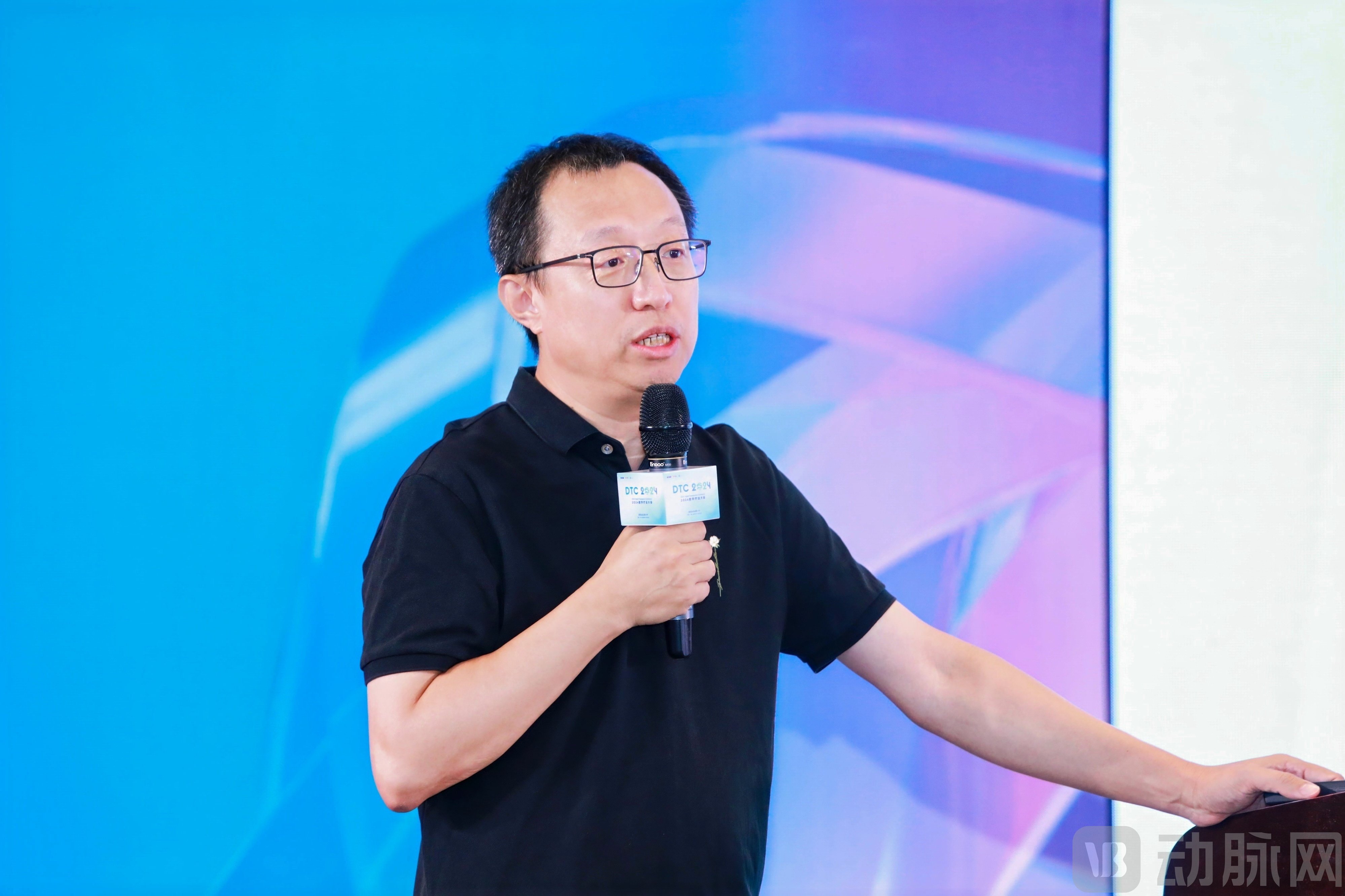
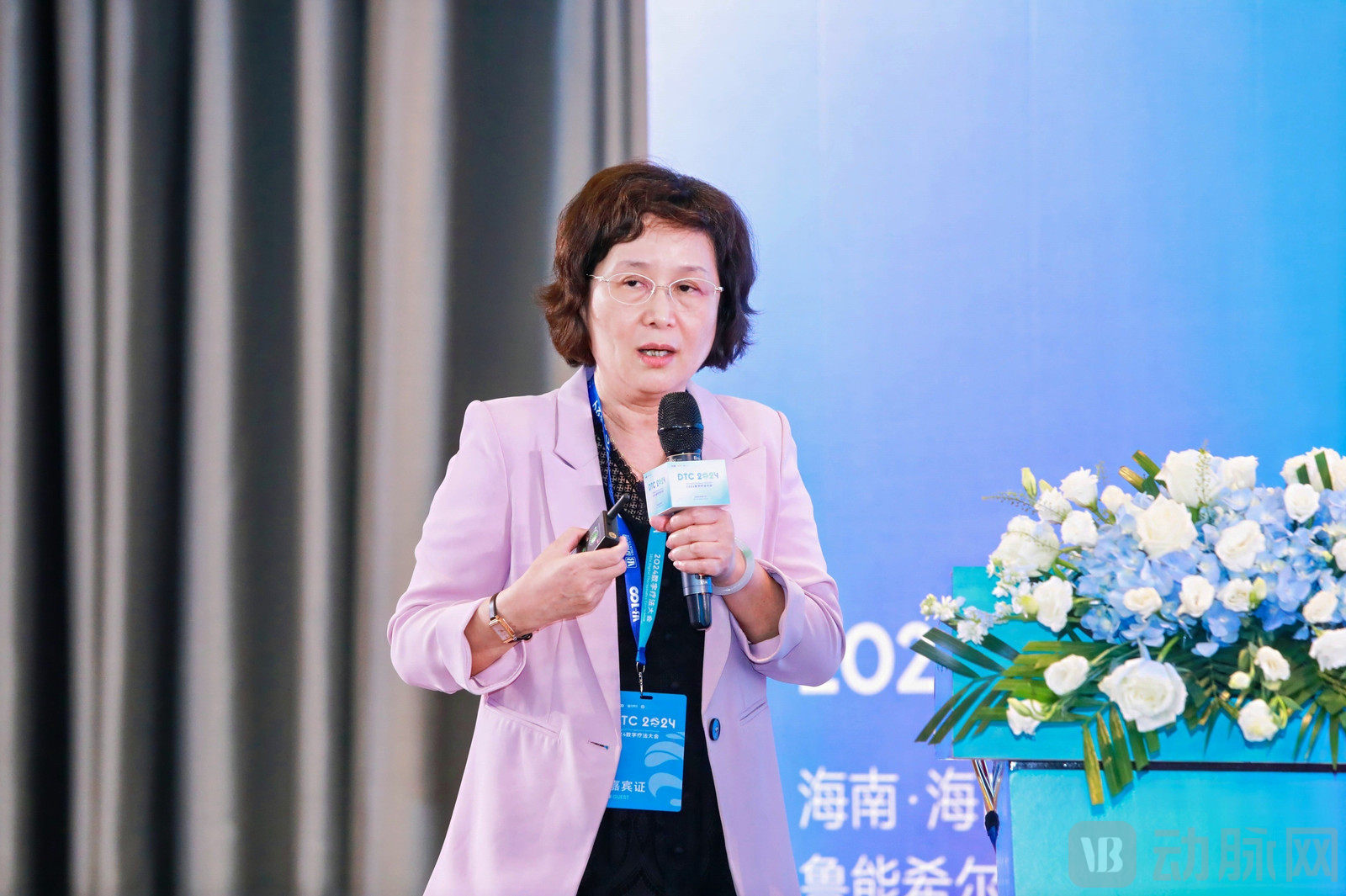
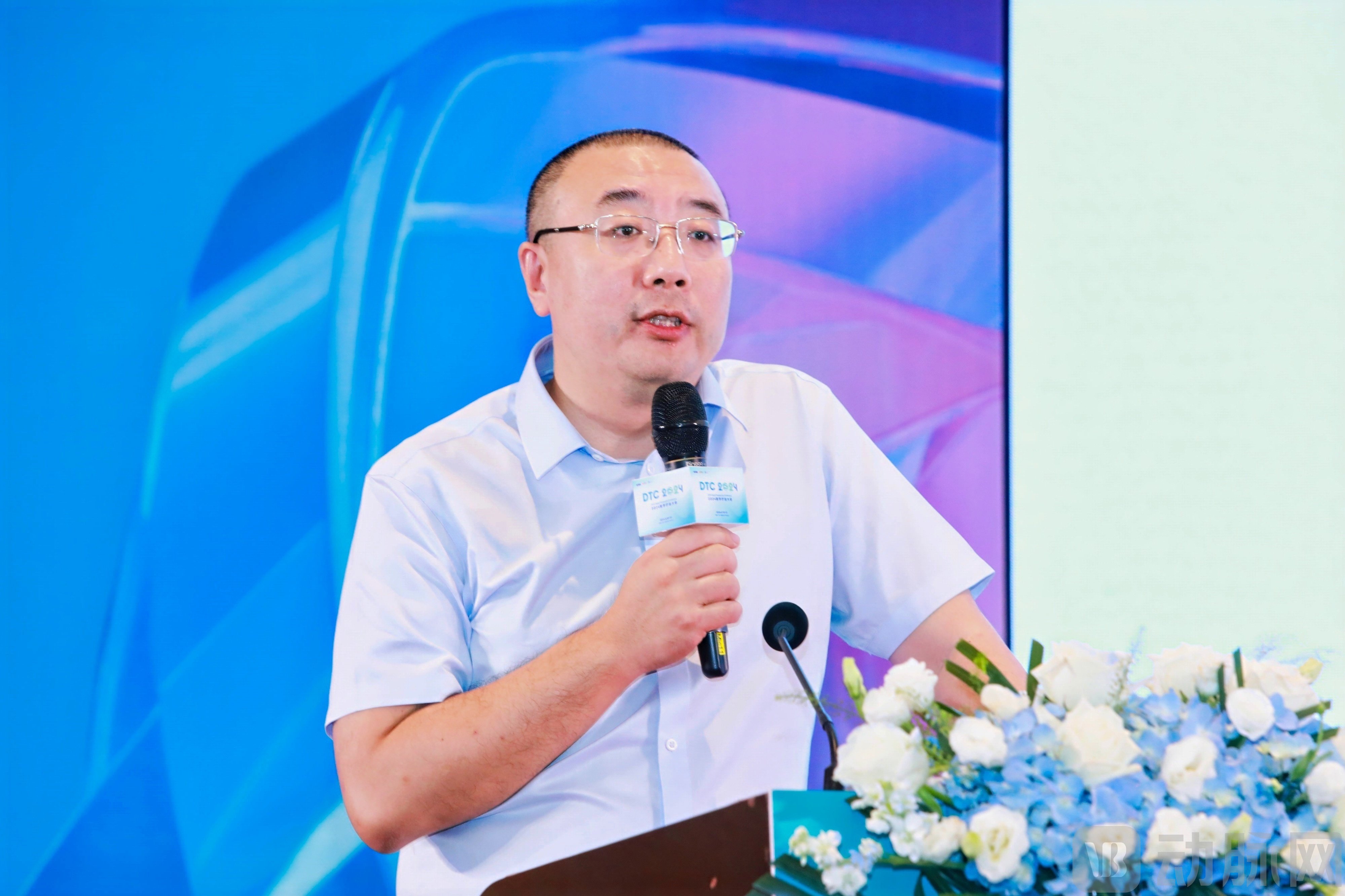
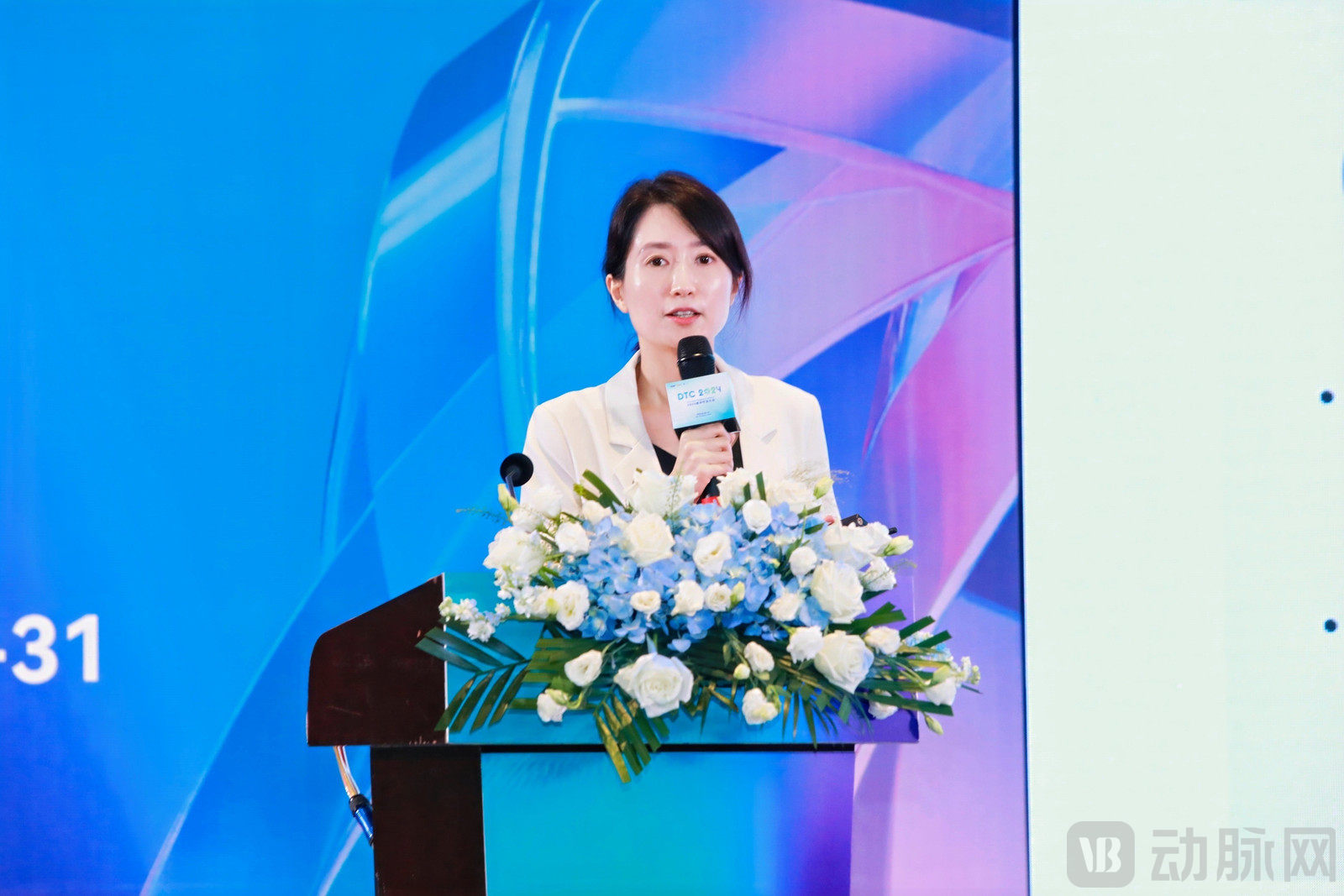
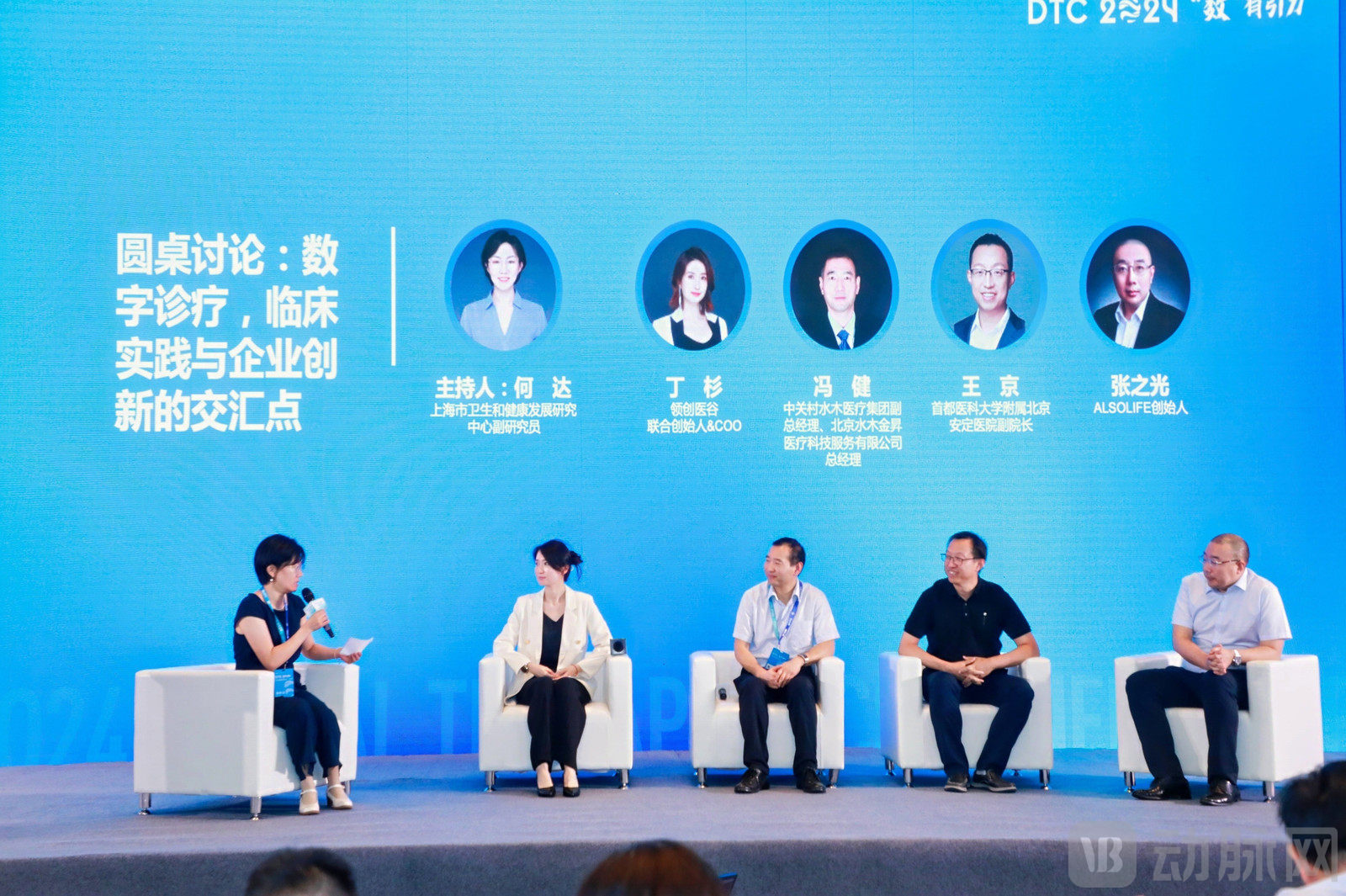
On August 30, 2024, byBeijing Danhuang Technology Co., Ltd.Hosted by,Chongqing VCBeat Orange Technology Co., Ltd., Hainan Danhuang Technology Co., Ltd.Organized by,Hainan Eco-Software Park Group Co., Ltd., Beijing Shuimu Jinsheng Medical Technology Service Co., Ltd.Strategic Cooperation,Hainan Provincial Women and Children's Medical Center, Hainan Provincial Anning HospitalCo-hosted 2024 Digital Therapeutics ConferenceForum on Digital Diagnosis, Treatment Practices, and Innovation in Neurological DiseasesHeld at the Hilton Haikou Meilan Lake Resort in Haikou, Hainan. Conference Venue According to the GBD 2021 analysis of the burden of neurological disorders published in The Lancet Neurology in March 2024, approximately 3.4 billion people worldwide were affected by neurological disorders in 2021. These conditions cause severe health impairments, including morbidity, disability, and premature death, resulting in 443 million disability-adjusted life years (DALYs). This has surpassed cardiovascular diseases as the leading cause of global disease burden. Over the past three decades, China has witnessed a significant increase in the incidence of neurological disorders, accompanied by marked changes in the disease spectrum. Indeed, individuals across all age groups face threats from various types and severities of neurological disorders. Chronic diseases have become one of the urgent public health issues requiring immediate attention.In addressing these challenges, digital therapeutics for neurological disorders demonstrate unique clinical advantages, including higher adherence, greater portability, broader accessibility, and more comprehensive all-scenario treatment. These therapies have been proven effective in clinical practice for patients of all age groups, with no significant side effects. Currently, digital therapeutics are being widely applied in the treatment of various neurological conditions, gradually becoming a powerful complement to traditional diagnostic and therapeutic approaches.This forum brought together leaders from China’s academic, clinical, and corporate sectors in the field of neurological disorders to jointly explore the latest advancements in digital diagnosis and treatment. Participants shared insights from diverse perspectives, including academic research, clinical application, technological innovation, and industrial strategy. The exchanges and discussions not only provided valuable opportunities for learning and collaboration among experts across disciplines but also offered robust theoretical support and practical guidance for ushering in a new chapter in the digital management of neurological disorders. Through multi-party cooperation and concerted efforts, the future of digital diagnosis and treatment for neurological disorders promises even broader prospects for development. Forum byHe Da, Associate Researcher at the Shanghai Health Development Research Center and Editor-in-Chief of the Editorial Department of Health Development and Policy ResearchModerator. Yang Xuejun | Tenured Professor at Tsinghua University, Head of the Department of Surgery and Director of Neurosurgery at Beijing Tsinghua Changgung Hospital, Tsinghua University Professor Xuejun Yang, Tenured Professor at Tsinghua University, Head of the Department of Surgery, and Director of Neurosurgery at Beijing Tsinghua Changgung Hospital, Tsinghua UniversityIn the presentation titled “New Digital and Intelligent Technologies: Fostering a New Paradigm in Neurosurgery,” the extensive applications and profound impact of digital technologies in the field of neurosurgery were explored in depth. As surgical paradigms continue to evolve, digital and intelligent technologies have become essential tools for achieving precision medicine. Particularly in the complex and delicate field of neurosurgery, digital empowerment is crucial for enhancing the precision, controllability, and safety of surgical procedures.Professor Yang provided a detailed introduction to the application of digital technologies in the five key aspects of neurosurgery, including patient assessment, surgical planning, perioperative management, clinical decision-making, and surgical execution. The integration of digital technologies enhances physicians’ capabilities in perception, cognition, decision-making, and operational performance. Through multiple clinical cases, Professor Yang comprehensively demonstrated how digital technologies assist surgeons in achieving greater precision during operations and improved postoperative outcomes. Zhang Mingjun | Tenured Professor at Tsinghua University, National-Level Distinguished Expert, Doctoral Supervisor Professor Zhang Mingjun, Tenured Professor at Tsinghua University, National Distinguished Expert, and Doctoral SupervisorHis remarks centered on the development of brain-computer interface (BCI) technology and its potential in scientific research and clinical applications. He emphasized the complexity of the human brain and pointed out that the key to BCI lies in effectively connecting brain signals with the external world.Professor Zhang introduced various novel electrodes and lightweight wireless brain-computer interface (BCI) systems developed by his team. These electrodes feature high density and self-expanding capabilities, and have achieved significant results in animal experiments involving mice and marmosets. He particularly emphasized research on closed-loop modulation of epilepsy via BCIs, as well as innovative work on constructing mathematical models based on neural signals. These studies not only lay the foundation for the clinical application of BCI technology but also demonstrate its broad prospects in neuroscience research. Yan Weiqi | Professor and Doctoral Supervisor at Zhejiang University, Chief Physician; Dean of the Zhejiang Academy of Medical Sciences / Hangzhou Institute for Advanced Study, UCAS Professor and Doctoral Supervisor, Zhejiang University; Chief Physician, Zhejiang Academy of Medical Sciences/Yan Weiqi, Dean of the Institute of Advanced Technology, Hangzhou Medical College, Chinese Academy of SciencesProfessorTitle: Clinical Exploration of Dual Physiological and Cognitive Interventions and Digital Therapeutics Based on Precision Anti-Aging and LongevityThe presentation focuses on the emerging frontier of anti-aging and longevity. It analyzes the medical advancements and business models of precision anti-aging from the perspective of novel model systems in modern biology and anti-aging intervention targets and application scenarios identified through emerging technologies, particularly for challenging conditions such as Alzheimer’s disease (AD), bipolar disorder (BD), and Parkinson’s disease (PD). The discussion explores clinical models that integrate precision anti-aging with dual physiological and cognitive interventions. He pointed out that by leveraging digital medicine and biomarker-based early warning systems for aging-related degeneration, and utilizing physiological and psychological behavioral characteristics, digital imaging features, and indices of body fluid cells and cytokines as translational clinical indicators for anti-aging therapies, it is possible to achieve healthy longevity rather than mere life extension.During his presentation, he showcased clinical exploration results combining stem cells and pluripotency factors with digital therapeutics. He demonstrated that AI algorithms combined with EEG monitoring can enable more precise assessment and treatment in the early detection of cognitive impairment and integrated medical interventions. He also called for strengthened collaboration between hospitals and enterprises, as well as between universities and industries, to jointly promote technological innovation and internationalization in the field of anti-aging, thereby creating next-generation digital longevity products that lead the era. Wang Jing | Deputy Director of Beijing Anding Hospital, Capital Medical University Wang Jing, Vice President of Beijing Anding Hospital, Capital Medical UniversityTitle: “The Changing Role of Physicians in the Digital Age”The lecture, titled “The Changing Role of Physicians in the Digital Age,” centers on the transformation of physicians’ roles in the digital era. He first points out that physicians must not only possess professional expertise but also cope with multiple pressures from teaching, research, and career advancement. In particular, in the realms of digital therapeutics and translation of research findings into clinical practice, physicians need to transition from their traditional clinical roles to those of innovators and data managers.He emphasized that hospitals, as the forefront of translating scientific and technological achievements into practical applications, need to explore new performance evaluation criteria that focus on the actual implementation of new technologies and products, rather than merely publishing papers or filing patents. Furthermore, he discussed issues related to the ownership, trading, and distribution of medical data, calling for the establishment of high-quality data management platforms to incentivize physicians to contribute valuable data during routine clinical practice, thereby fostering the sustainable development of digital healthcare. Li Ling | Chief Expert, Department of Pediatric Rehabilitation, Hainan Women and Children’s Medical Center Li Ling, Chief Expert in the Department of Pediatric Rehabilitation at Hainan Women and Children’s Medical Center“Exploring the Rehabilitation Efficiency of Combining Human Services with Digital Therapeutics in Autism Spectrum Disorder” was presented, providing a detailed introduction to the exploration of integrating human services with digital therapeutics in autism rehabilitation training.Ms. Li Ling began by examining the challenges associated with autism spectrum disorder (ASD) and its traditional interventions, delving into the difficulties faced by rehabilitation therapists, parents, and society at large. She emphasized that digital therapeutics can partially replace manual labor in ASD rehabilitation, thereby enhancing training efficiency. In particular, practical applications at the Hainan Women and Children’s Medical Center have demonstrated that digital tools help address many of the persistent challenges inherent in conventional rehabilitation methods. These outcomes clearly indicate that digital therapeutics yield significant benefits for the cognitive development of children with ASD. Furthermore, she highlighted the potential for further optimizing rehabilitation pathways through intelligent algorithms in the future. He Xingzhi | Researcher, Ma Huan Lab, Zhejiang University Researcher Xingzhi He, Ma Huan’s Research Group, Zhejiang UniversityDelivered a lecture on behalf of Professor Ma Huan, titled “Digital Analysis and Application of Emotional Cognition from the Perspective of Neuroplasticity.” Researcher He Xingzhi first introduced the global prevalence of depression and its threat to human health, emphasizing the importance of identifying objective biological markers. He then discussed the application of artificial intelligence and brain imaging technologies in the diagnosis of depression, specifically highlighting treatment modalities such as ketamine, cognitive behavioral therapy (CBT), and magnetic stimulation therapy, along with their efficacy.Researcher He Xingzhi also shared findings from Professor Ma Huan’s research group, highlighting the impact of neuronal functional plasticity on cognitive function. He discussed the relationship between brainwaves and cognitive behavior, proposing that dual-frequency coupling stimulation may serve as an effective approach for future electroencephalographic stimulation therapies. Zhang Zhiguang | Founder of ALSOLIFE ALSOLIFE Founder Zhang ZhiguangIn the presentation “Exploration of Digital Therapeutics in the Cognitive Domain for Children with Autism and Developmental Delays,” ALSOLIFE’s endeavors in digital therapeutics for this population were detailed.ALSOLIFE is committed to providing high-quality intervention systems for families of children with autism, addressing the high costs and resource shortages of offline rehabilitation through online digital therapeutics. Zhang Zhiguang shared the company’s digital therapeutic product, which significantly improves cognitive abilities and treatment adherence in children with autism by using AI to simulate human-environment interactions. With the application of large language models, this product is expected to further optimize rehabilitation outcomes for children with autism in the future, while driving industry development and reducing intervention costs. Ding Shan | Co-founder & COO of Lingchuang Medical Valley Ding Shan, Co-Founder & COO of LinkMed ValleyIn her presentation titled “Wireless Implantable Neuromodulation Products and Systems,” she introduced LinkCare Valley and its innovative implantable neuromodulation products. Founded in 2016, LinkCare Valley specializes in the field of neuromodulation medicine, boasting robust expert resources and a comprehensive R&D team.Ms. Ding Shan highlighted the company’s wireless implantable neurostimulation technology. Leveraging its innovative platform for wireless implantable neurostimulation, the company is committed to providing novel solutions for implantable neurostimulation therapy to patients with neurological functional disorders worldwide. Its core product is the first and only passive implantable Spinal Cord Stimulation (SCS) device independently developed in China. This product addresses the pain points associated with traditional Implantable Pulse Generator (IPG)-based systems, including surgical complexity, patient comfort, therapeutic efficacy, and cost. Upon market launch, it will support clinical practice by effectively reducing surgical costs, streamlining surgical procedures, minimizing clinical risks, and enhancing patient comfort and recovery rates. Furthermore, the company will continue to explore Peripheral Nerve Stimulation (PNS) products for peripheral nerve disorders, closed-loop neurostimulation systems, and additional applications across a broader range of disease indications. Photo of the Roundtable Discussion The forum entered the roundtable discussion session, with the roundtable moderatorHe Da, Associate Research Fellow at the Shanghai Health and Development Research Center, and Editor-in-Chief of the Editorial Department of *Health Development and Policy Research*with four guests around“Digital Diagnostics and Treatment: The Intersection of Clinical Practice and Corporate Innovation”Continuing the in-depth discussion, the host and guests shared their perspectives on various aspects of technological innovation and clinical practice.Co-Founder of LinkMed Valley&COODing ShanIt is believed that in promoting the application of neuromodulation technologies, enterprises must strictly adhere to regulatory and ethical standards, ensuring compliance throughout the product’s entire lifecycle and safeguarding patient rights; this constitutes the foundation of innovation for medical device companies.Deputy General Manager of Zhongguancun Shuimu Medical Group, and General Manager of Beijing Shuimu Jinsheng Medical Technology Service Co., Ltd.Feng JianThis paper analyzes how to effectively promote the development of digital technologies and medical devices from three dimensions: the importance of the project initiation phase, regulatory compliance during the research and development phase, and clinical evaluation and health economics.Vice President, Beijing Anding Hospital, Capital Medical UniversityWang JingFrom the perspective of hospital management, it is pointed out that medical institutions have started relatively late in innovation and translation, mainly due to the highly regulated and high-risk nature of the healthcare industry. He emphasized the challenges hospitals face in identifying and selecting new technologies, which need to be evaluated based on clinical outcomes to ensure that they truly address clinical problems;ALSOLIFEFounderZhang ZhiguangAddressing the promotion of product and technological innovation, it is pointed out that products can only gain widespread acceptance when they precisely match user needs. Furthermore, achieving broader promotion and adoption requires patience and sustained long-term efforts to gradually address and fulfill those needs.He Da, Associate Research Fellow at the Shanghai Health Development Research Center and Editor-in-Chief of the Editorial Department of "Health Development and Policy Research"It is recommended that digital health technologies be closely integrated with hospital management, health technology assessment, and healthcare system reform, to deeply support decision-making in hospital equipment procurement and the formulation of health administration and medical insurance policies. Through in-depth discussions at this forum, the future blueprint for digital diagnosis and treatment of neurological disorders has become increasingly clear. The insightful perspectives shared by attendees have injected new vitality into the development of digital therapeutics in this field and provided strong support for the industry’s long-term growth. The successful convening of the forum marks a new phase in the digitalization of diagnosis and treatment for neurological disorders. Joint efforts from all stakeholders will bring greater benefits to patients and drive the continuous advancement of healthcare.