

Multidisciplinary Perspectives Usher in a New Era of Chronic Disease Management: Forum on Digital Transformation and Weight Management Strategies Successfully Concludes
On August 30, 2024, byBeijing Danhuang Technology Co., Ltd.Hosted by,Chongqing VCBeat Orange Technology Co., Ltd., Hainan Danhuang Technology Co., Ltd.Organized by,Hainan Eco-Software Park Group Co., Ltd., Beijing Shuimu Jinsheng Medical Technology Service Co., Ltd.Strategic Cooperation,Hainan General Hospital, Haikou Orthopedic and Diabetes HospitalThe Forum on Digital Transformation of Chronic Disease Management and Weight Loss Strategies at the 2024 Digital Therapeutics Conference, co-hosted by VBInsight, was held at the Hilton Haikou Meilan Hotel in Haikou, Hainan.
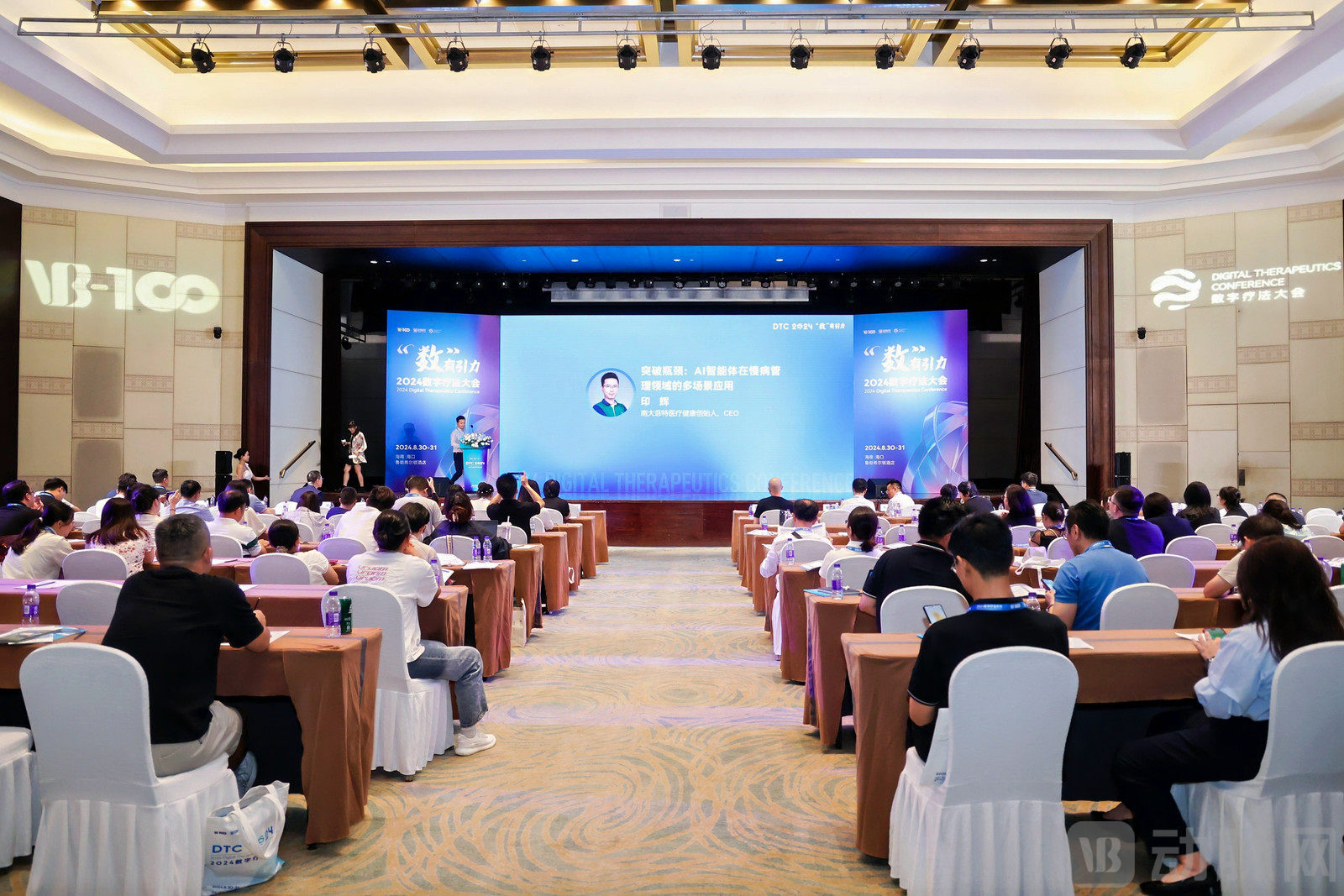
Conference Venue
According to the data from the Report on Nutrition and Chronic Disease Status of Chinese Residents (2020), in 2019, deaths caused by chronic diseases accounted for 88.5% of the total deaths in China. Among them, cardiovascular and cerebrovascular diseases, cancer, chronic respiratory diseases, and diabetes, known as the four major chronic diseases, andMetabolic Diseasesaccounting for over 80% of all deaths. In the face of China’s vast population at risk for chronic diseases and the increasingly severe trend of population aging, the “Healthy China 2030” Planning Outline proposes the implementation of a comprehensive strategy for the prevention and control of chronic diseases, and has separately issued action plans for the prevention and treatment of four major chronic diseases, demonstrating that chronic disease management has become a critical step toward realizing the vision of Healthy China 2030.
Chronic diseases are characterized by their prolonged course and tendency to recur. Digital therapeutics are leveraging their unique advantages in this field, infusing technological power into chronic disease management. By providing digital support services to patients, physicians, and healthcare institutions, digital therapeutics for chronic disease management demonstrate significant benefits in the prevention, management, and treatment of these conditions. For instance, software designed for diabetes prevention, apps for hypertension management, and general health management applications not only offer patients around-the-clock, comprehensive health management services across all scenarios but also reshape the supply-demand dynamics between doctors and patients, thereby enhancing the accessibility of medical services and improving patient adherence.
Attendees explored how to better integrate digital technologies into chronic disease management from multiple dimensions, including academic research, clinical practice, technological innovation, and industry development. To address challenges such as overcoming technical bottlenecks, improving patient adherence, and achieving sustainable development, participants offered numerous constructive suggestions and recommendations. These in-depth discussions not only provided important theoretical support for the digitalization of chronic disease management but also charted a clear course for future development.
The forum is hosted byWang Jing, Co-founder and Medical Director of Hai Le Huo Yuan Medical TechnologyHost.
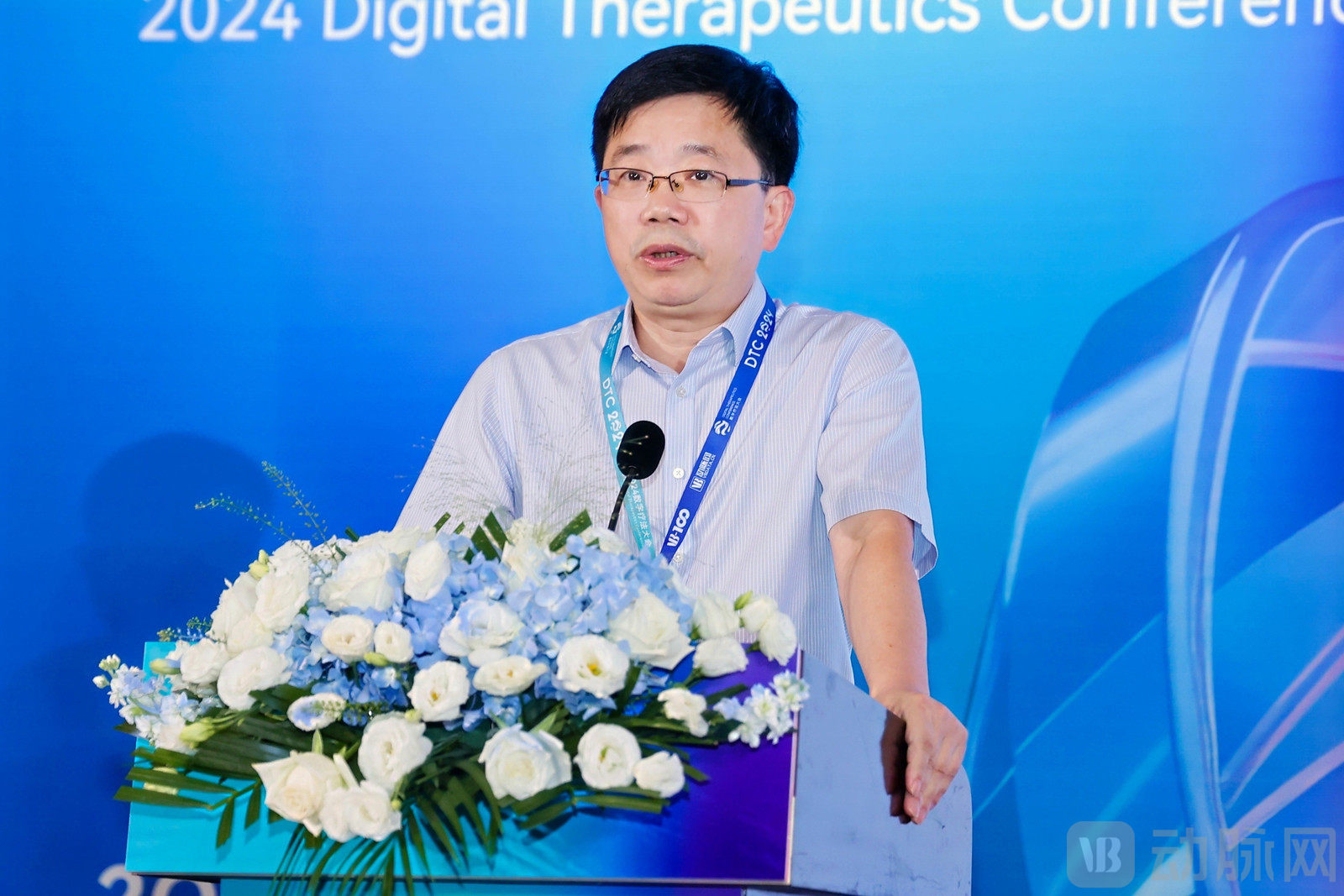
Wang Tao | Second-Level Professor/Doctoral Supervisor, Department of Nephrology, Peking University Third Hospital; Jointly Appointed Professor, Institute for Global Health and Development, Peking University
Professor Wang Tao, Second-Grade Professor and Doctoral Supervisor in the Department of Nephrology at Peking University Third Hospital, and Jointly Appointed Professor at the Institute for Global Health Development, Peking UniversityThe presentation delved into the fundamental differences between chronic disease management and health management. He pointed out that many current practices in chronic disease management are merely an extension of health management, whereas true chronic disease management requires not only support from medical technology but also a transformation of service models.
Professor Wang Tao emphasized that the core of chronic disease management lies in integrating medical resources to achieve expert-led, multi-tiered collaborative management. Through the effective establishment of "medical consortia," primary healthcare institutions and higher-level hospitals must participate jointly, particularly in implementing full-course management for patients with chronic diseases under expert supervision. Professor Wang also called on all sectors of society to pay attention to the social governance of chronic diseases, advocating for the establishment of a comprehensive chronic disease management system centered around county-level hospitals and traditional Chinese medicine hospitals, ultimately improving patient management rates, treatment rates, and control rates.
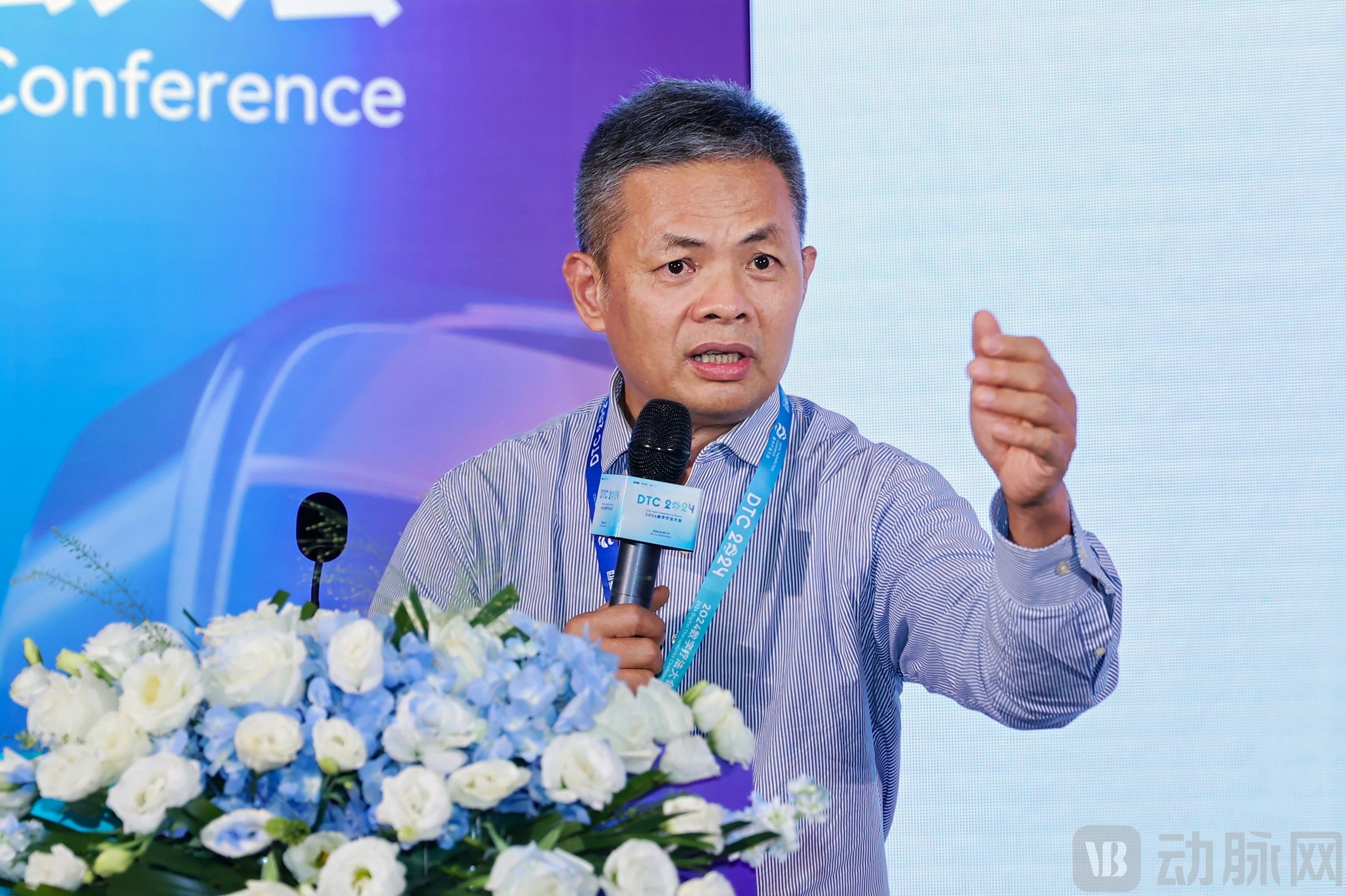
Chen Kaining | Director, Department of Endocrinology, Hainan General Hospital
Chen Kaining, Director of the Department of Endocrinology, Hainan Provincial People's HospitalAn in-depth exploration of the application of digital therapeutics in diabetes management. He pointed out that digital therapeutics are high-quality software applications that, combined with digital services, wearable devices, and medical devices, provide evidence-based treatments and interventions for patients and their families.
Director Chen Kaining particularly emphasized the advantages of digital therapeutics in diabetes management, such as the development of personalized treatment plans, synergy with pharmacological therapies, and the expansion of application scope. He also highlighted challenges related to privacy protection, timeliness, and limitations in applicability. Furthermore, Director Chen introduced the pilot programs for digital therapeutics in diabetes management in Hainan Province, noting that the use of mobile apps and artificial intelligence platforms has effectively improved the quality and efficiency of primary healthcare management, yielding significant results. These innovative measures aim to enhance the health status of Hainan residents and provide strong support for the widespread adoption of digital therapeutics in chronic disease management.
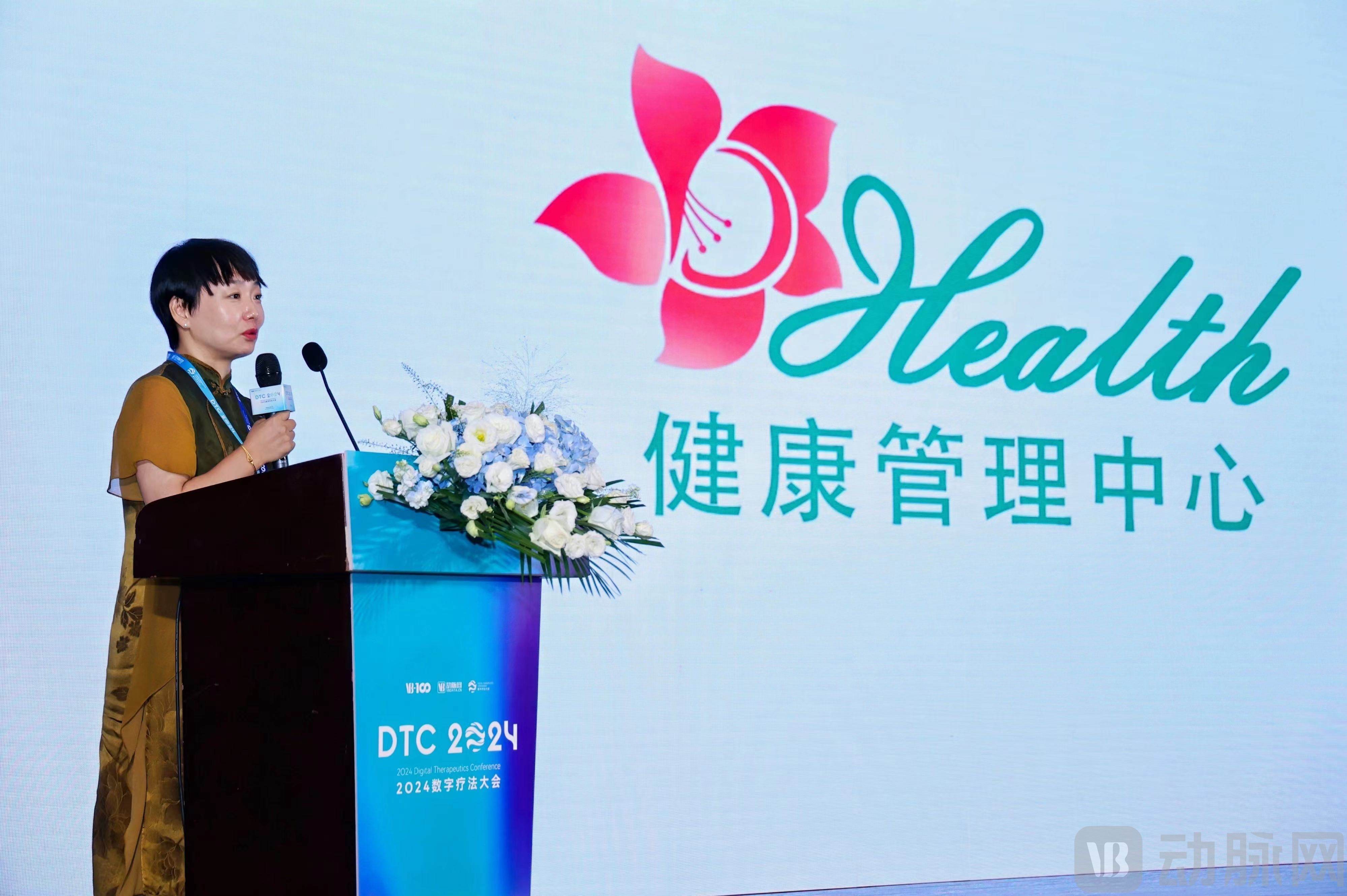
Meng Fanli | Director of the Health Management Center, First Affiliated Hospital of Hainan Medical University; Deputy Dean, School of Management, Hainan Medical University
Meng Fanli, Director of the Health Management Center at the First Affiliated Hospital of Hainan Medical University and Deputy Dean of the School of Management at Hainan Medical UniversityDelivered a keynote speech titled “Digital Health Check-ups and Health Management for Common Chronic Diseases.” She introduced the achievements and development direction of the Health Management Center of Hainan Medical University since its establishment in 2022.
Director Meng Fanli elaborated in detail on the importance of digital therapeutics in chronic disease management, particularly through implantable glucose monitoring and mobile applications.Type 2 DiabetesRemote Patient Management. She shared the findings of related studies and her experience publishing in international journals, emphasizing the prospects and challenges of digital therapeutics in health management. She called on the industry to strengthen the standardization of digital therapeutic applications, promote their adoption in hospitals and communities, and ultimately provide high-quality health management services to a broader population.
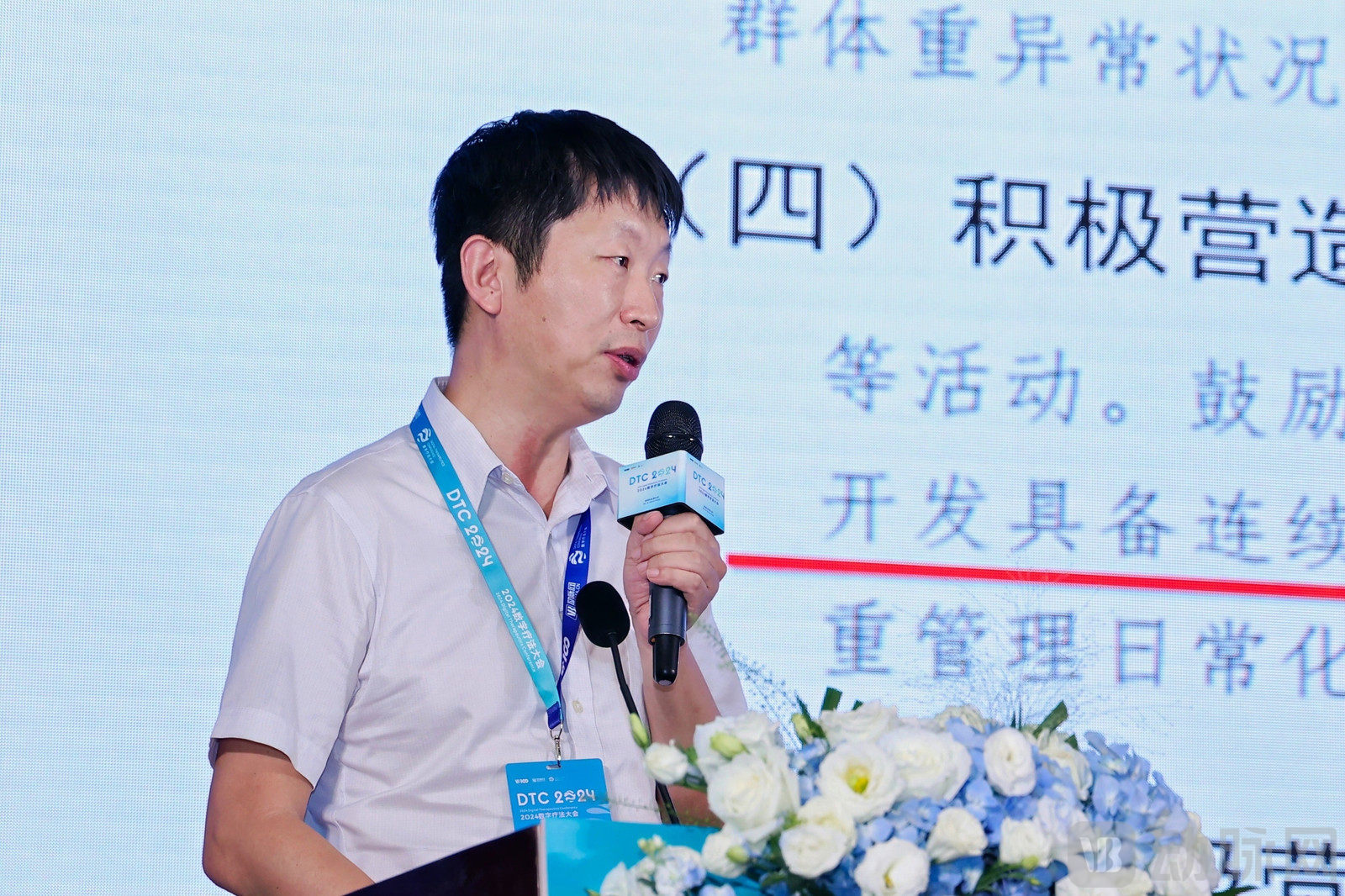
Zhang Lei | Executive Director, Department of Endocrinology, Haikou Orthopedic and Diabetes Hospital
Zhang Lei, Executive Director of the Department of Endocrinology, Haikou Orthopedic and Diabetes HospitalIn his keynote address titled “Lifecycle Management of Patients Undergoing Metabolic Weight Loss,” he outlined the severity of China’s obesity crisis and the background of the annual weight management campaign, with a particular focus on the application of digital therapeutics in obesity management. He emphasized that diet and exercise are pivotal to weight management, and that digital therapeutics can effectively support both aspects through mobile apps and smart devices.
Director Zhang Lei provided a detailed introduction to internationally established digital weight-loss programs, such as WeightWatchers andNoomsuccessful experiences, while also pointing out the deficiencies of domestic weight-loss apps in terms of clinical trial evidence and personalized plans. He suggested that domestic developers should focus on integrating personalization, clinical research, and social interaction features to enhance the effectiveness and user adherence of weight-loss apps.
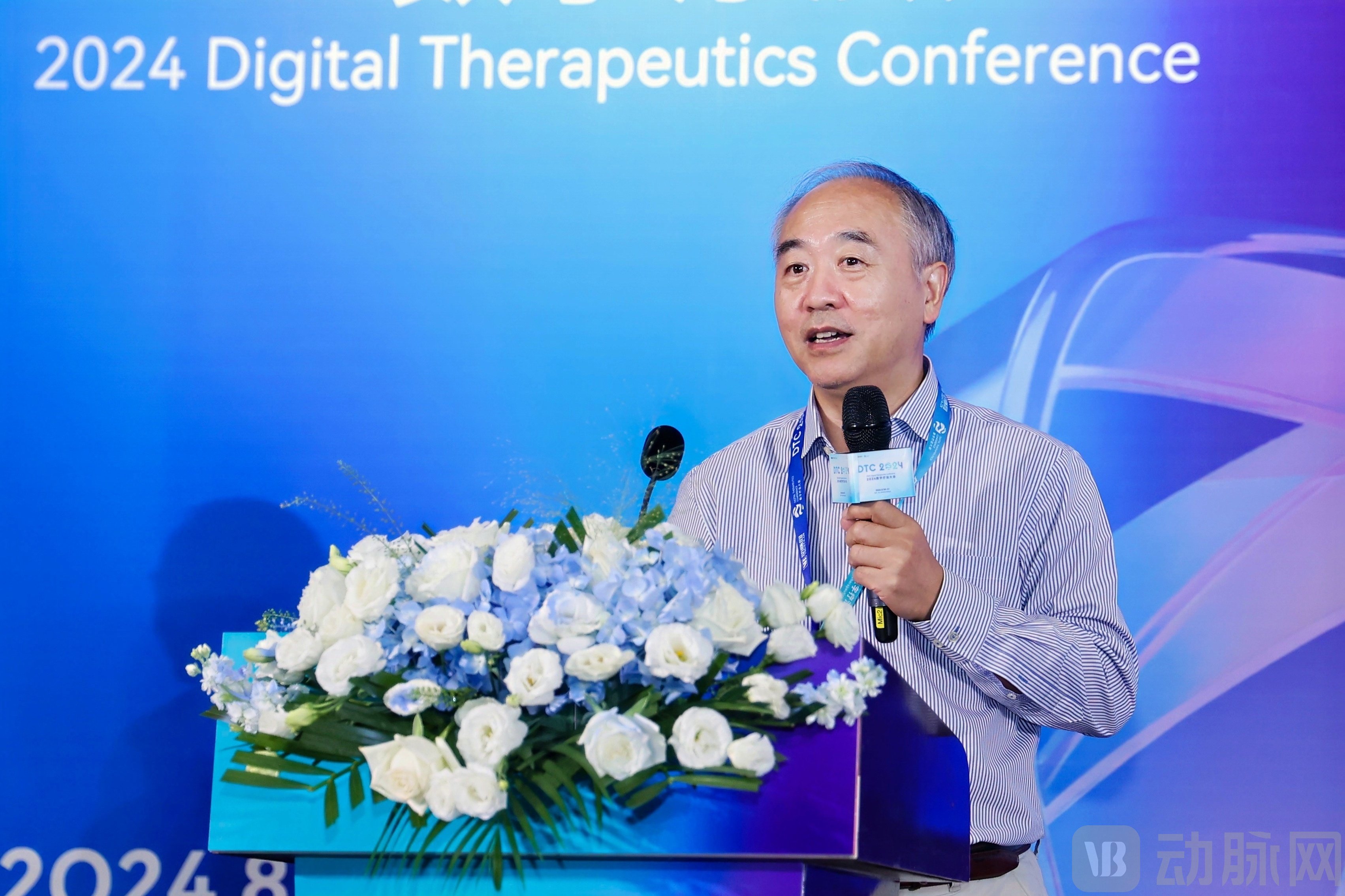
Gu Chengming | Vice President, Sanofi Greater China; Head of Medical Affairs, Sanofi Greater China
Mr. Gu Chengming, Vice President of Sanofi Greater China and Head of the Medical Department of Sanofi Greater ChinaHe delivered an insightful presentation titled “Applications of Artificial Intelligence in Chronic Disease Management.” He pointed out that artificial intelligence (AI) holds broad application prospects across multiple stages, including screening, diagnosis, and treatment. In particular, for the screening of common chronic diseases, machine learning enables more accurate identification of key influencing factors.
Mr. Gu also introduced the application of AI in Clinical Decision Support Systems (CDSS), which helps primary care physicians utilize clinical guidelines more effectively, and showcased successful cases of AI in the management of chronic diseases such as diabetes. Through data integration and personalized management, AI assistance can significantly improve patient health outcomes. Professor Gu also discussed virtual doctors andGenerative AIIt highlights the potential in patient education and physician training, offering a vision for the broader application of AI in healthcare in the future.
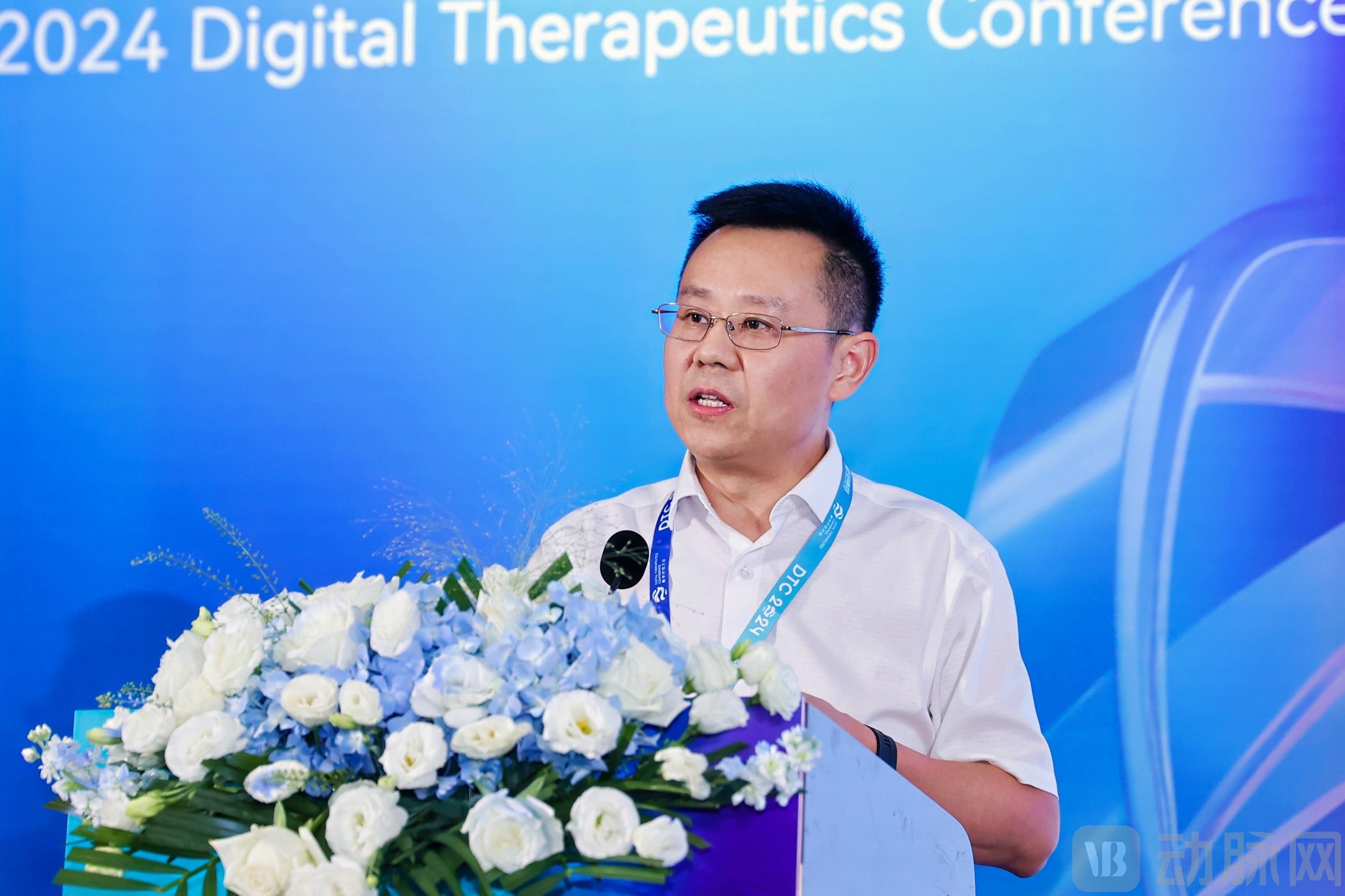
Zhu Xun | General Manager, Clinical Business Division, Sinocare Inc.
Mr. Zhu Xun, General Manager of the Clinical Business Division at Sinocare Inc.Shared the practical experience of their team’s data-driven diabetes management system. Mr. Zhu Xun pointed out that managing diabetes in non-endocrinology departments still faces significant challenges, and traditional systems struggle to meet physicians’ needs. To address this, the Sinocare team developed the “4-in-1 Diabetes Management System,” which integrates blood glucose monitoring (BGM), continuous glucose monitoring (CGM), insulin pumps, and patient education functionalities. By deeply integrating with hospital information systems (HIS), the system enables effective blood glucose management across the entire hospital.
Mr. Zhu Xun specifically highlighted that the system has been successfully implemented in numerous tiered hospitals, significantly enhancing the efficiency and accuracy of blood glucose management. Particularly in non-endocrinology departments, physicians can achieve efficient management through simple operations. Furthermore, he emphasized the importance of integrated management across inpatient and outpatient settings, enabling proactive hospital-wide blood glucose management through data integration, which effectively reduces length of stay andDiabetes Complicationsincidence. This innovative practice provides robust support for proactive management in the Department of Endocrinology and makes a significant contribution to enhancing the hospital’s overall diabetes management capabilities.
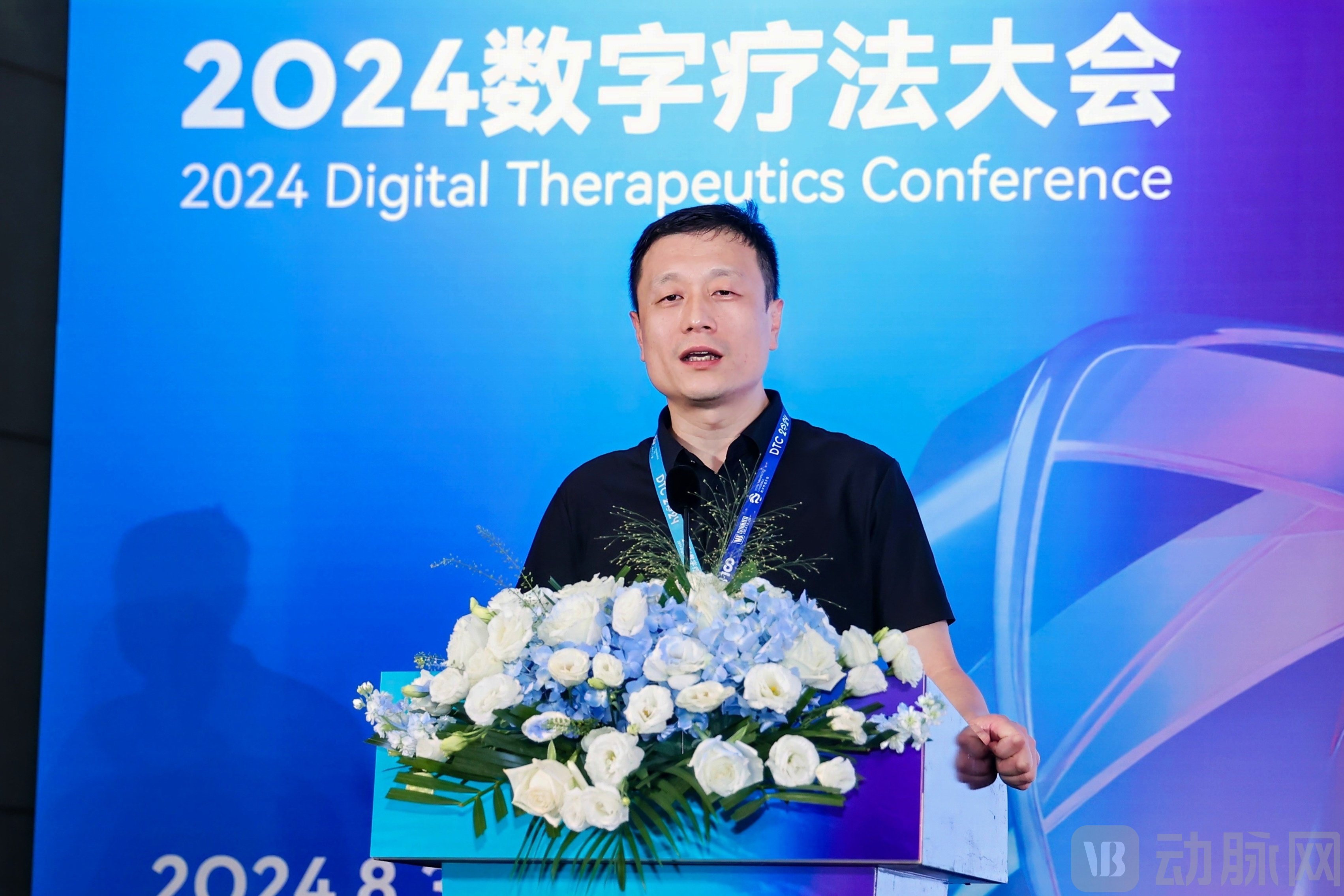
Yu Jun | CEO, Alanbell Health Technology Group
Mr. Yu Jun, CEO of Alanbell Health Technology GroupIn his presentation titled “Digital Health and Integrative Medicine for Effective Management of Chronic Diseases and Aging,” he explored the application of digital health and integrative medicine in managing chronic diseases and aging from three perspectives: the relationship between chronic diseases and aging, the application of Alanbel Integrative Medicine, and practical experiences with digital health.
Mr. Yu analyzed the sharp rise in the chronic disease population and its challenges to an aging society, pointing out that Alanbell’s integrative medicine offers a new perspective on chronic disease management by enhancing quality of life and extending lifespan. He introduced the core concepts of integrative medicine, emphasizing a holistic approach that combines clinical medicine, nutrition, exercise rehabilitation, and other disciplines to provide personalized health management.
In the realm of digital health, Mr. Yu shared Alanbell’s practical experiences in telemedicine, digital therapeutics, and personalized health management. By leveraging advanced technology platforms and digital tools—such as at-home testing, data visualization, and intelligent decision support systems—Alanbell has significantly improved the effectiveness of chronic disease management, offering new insights into the innovative development of chronic disease and aging management.
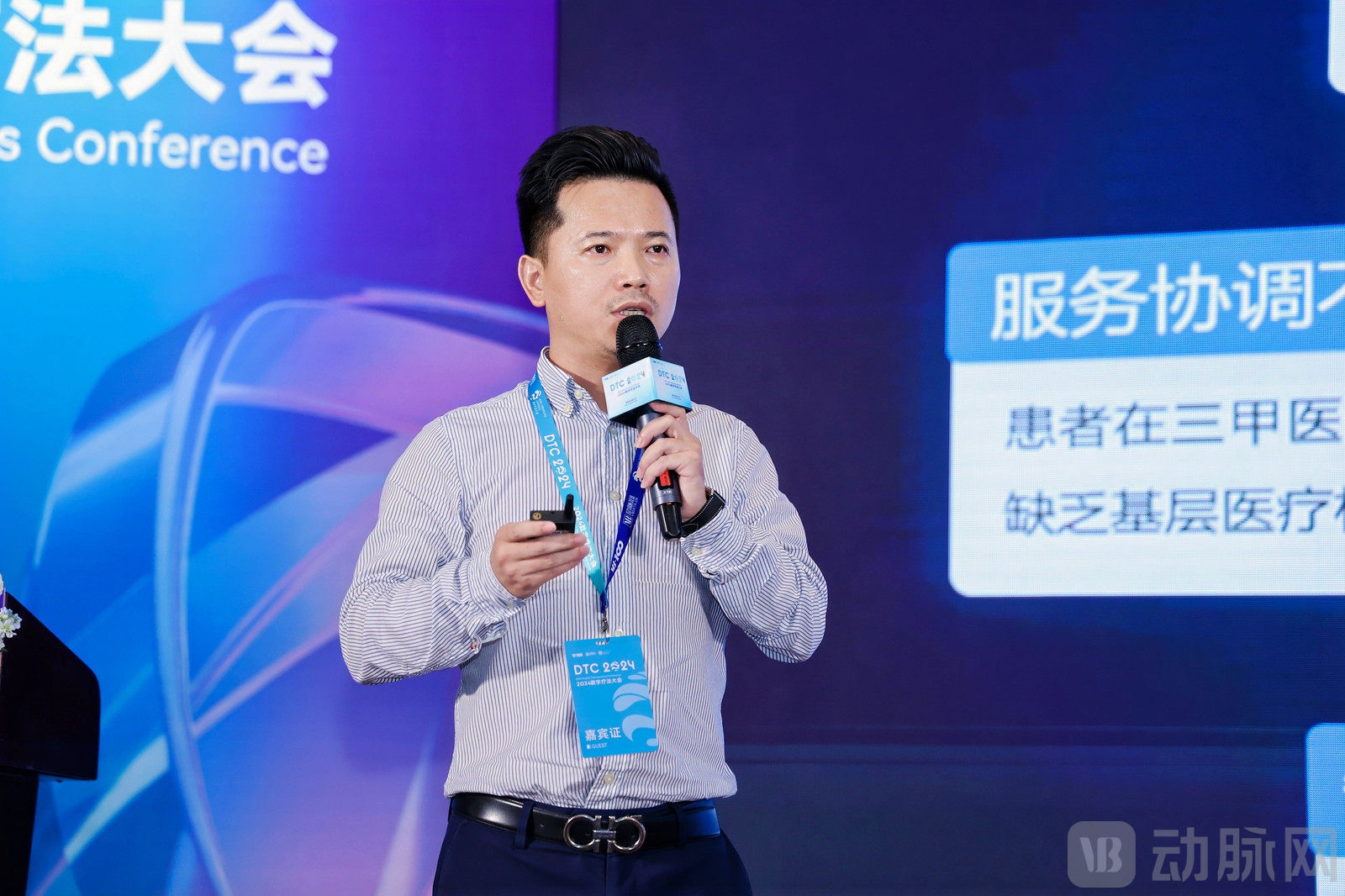
Yin Hui | Founder and CEO of Nanda Fit Health
Mr. Yin Hui, Founder and CEO of Nanda Feite Medical HealthIt delved into the multi-scenario applications of AI agents in chronic disease management. He noted that the digital chronic disease management market has surpassed RMB 200 billion, and elaborated on three primary application scenarios: internet hospitals providing appointment registration and health consultations; pharmaceutical e-commerce integrating medications and medical devices; and vertical-specific disease management, such as for oncology and diabetes.
Yin Hui emphasized that policy-supported, AI-driven chronic disease management is facing challenges, including fragmented patient data, insufficient service coordination, and a lack of educational systems. AI agents leverage big data and artificial intelligence to provide dynamic health records, patient education, and follow-up services, thereby compensating for the shortage of healthcare professionals. Nanjing Fit’s AI agents have been deployed in over 40 large hospitals, significantly improving the efficiency of chronic disease management through real-time data analysis and personalized care. He also demonstrated the capabilities of the AI agent “Tangdou” (Sugar Bean), which features intelligent data collection, personalized recommendations, and 24/7 online support. This AI agent not only optimizes service efficiency but also addresses the bottlenecks of traditional manual services through precise, personalized management.
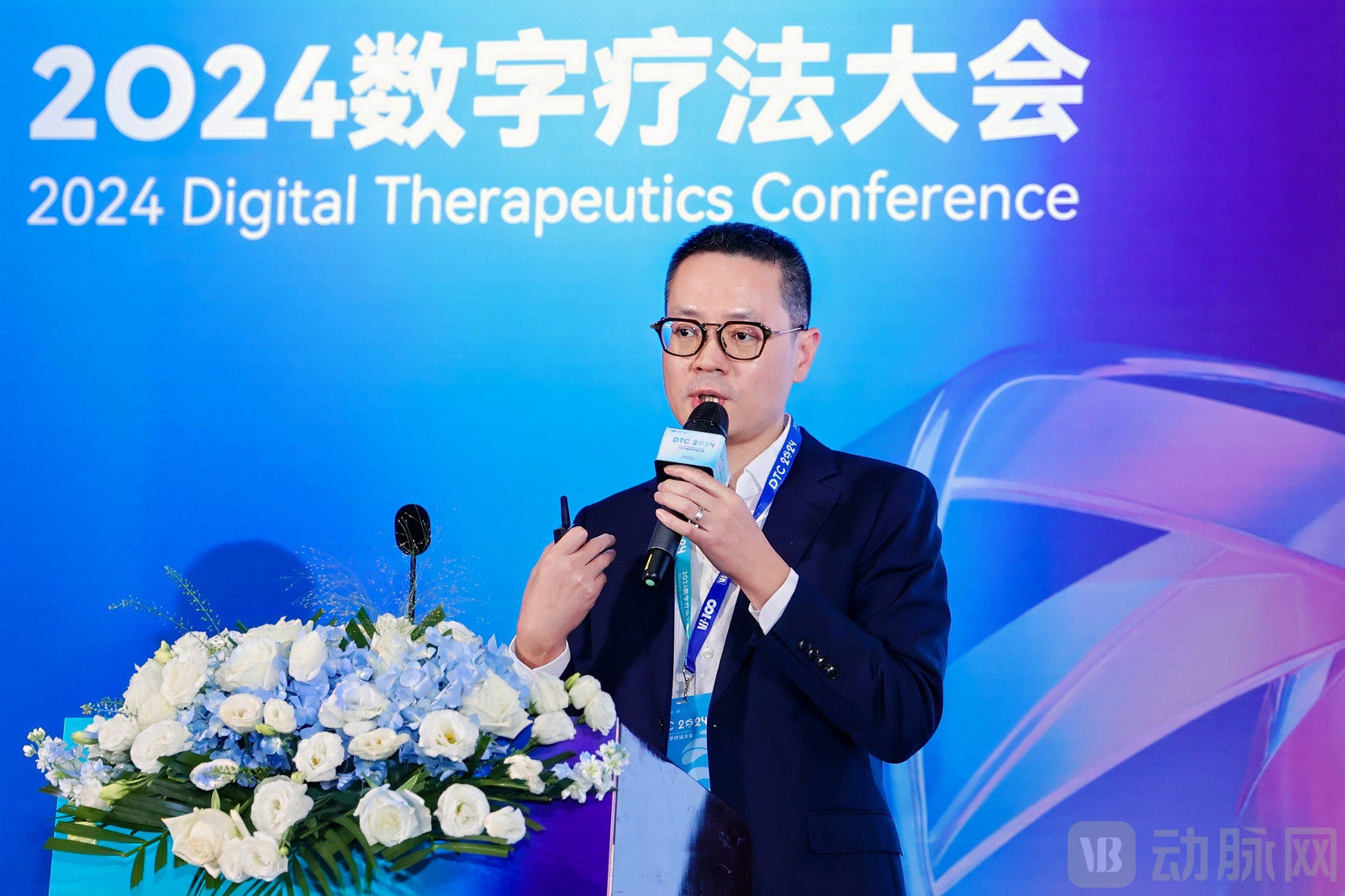
Peng Can | Chief Scientific Officer, Shenzhen Silicon-Based Bionics
Mr. Peng Can, Chief Scientific Officer of Shenzhen Silicon-based BionicsShared their latest research advancements in digital therapeutics for chronic disease management. Peng Can pointed out that the development of continuous physiological monitoring sensors, such as continuous glucose monitors (CGMs), has brought significant opportunities to chronic disease management, particularly for diabetes. The widespread adoption of these technologies has made personalized interventions possible and enhanced patients’ health awareness.
The Silicon-Based Bionics team is dedicated to the research and development of an artificial pancreas system, which automatically adjusts insulin delivery based on continuous glucose monitoring (CGM) data, effectively helping patients with type 1 and advanced type 2 diabetes maintain stable blood glucose levels. Peng Can emphasized that the system’s adaptive algorithm can adjust parameters in real time to ensure safety and ease of use, while providing personalized blood glucose management solutions.
Furthermore, the Silicon Bionics team also discussed the importance of improving patient adherence through behavioral interventions and demonstrated how they leverage continuous glucose monitoring (CGM) data feedback to foster healthy habits. Peng Can stated that the future development of digital therapeutics will bring more innovation and breakthroughs in precision medicine and personalized health management.
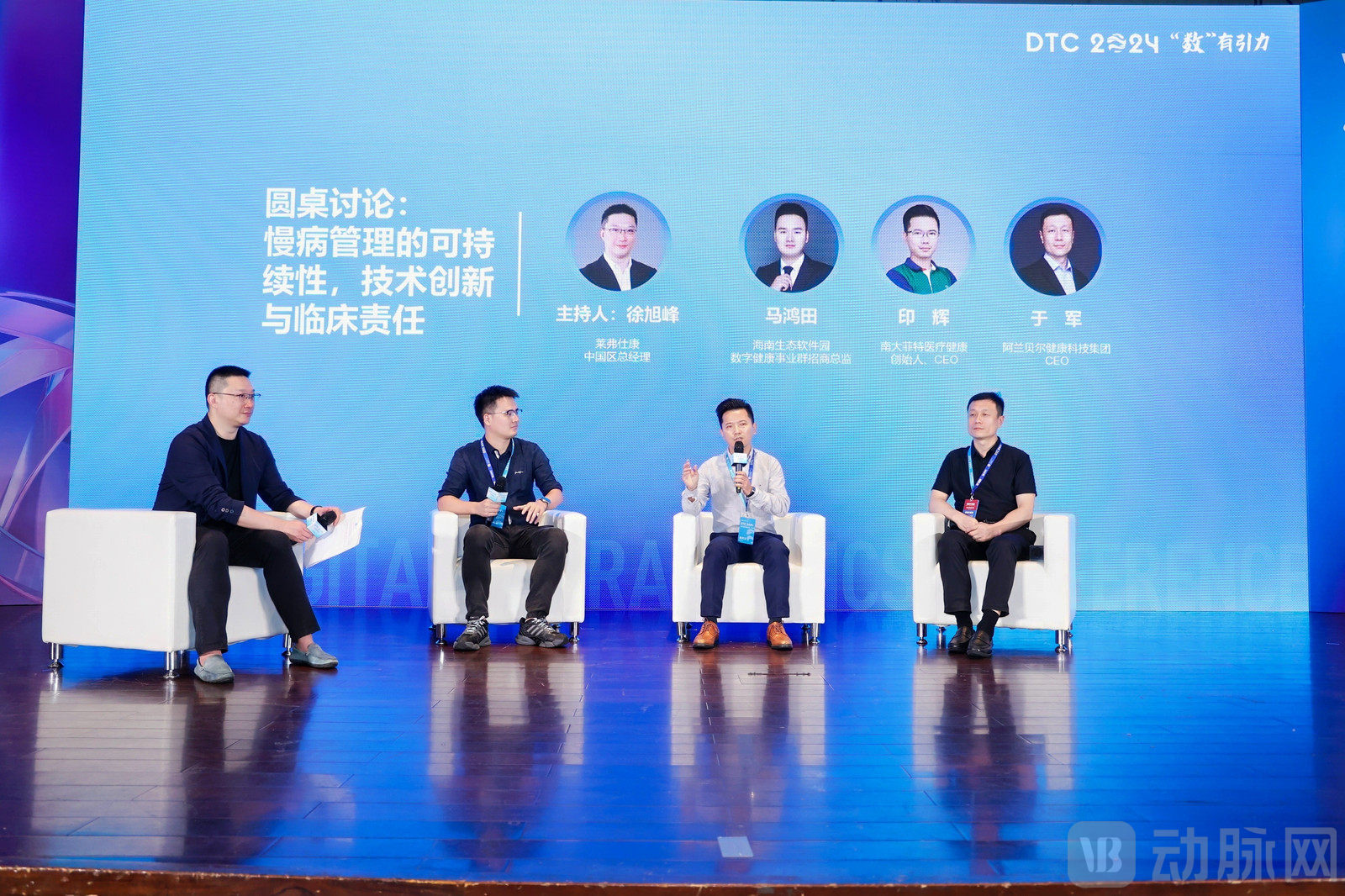
Roundtable Discussion: On-Site Photo
Subsequently, the forum proceeded to the roundtable discussion session, moderated by the roundtable hostMr. Xu Xufeng, General Manager of LifeScan ChinaCentered around"Sustainability of Chronic Disease Management: Technological Innovation and Clinical Responsibility"Engage in a clash of viewpoints with the three roundtable guests on the topic.
Mr. Ma Hongtian, Investment Promotion Director of the Digital Health Business Group at Hainan Eco-Software ParkIt is believed that in out-of-hospital chronic disease management, such as weight management, adherence can be significantly improved through social interaction, visual feedback, and the utilization of fragmented time, thereby achieving better health management outcomes.Founder of Nanda Feite Medical Health,CEOMr. Yin HuiIt introduces how Nanda Feite assumes clinical responsibilities alongside technological innovation, comprehensively advancing the management and prevention of obesity and related metabolic diseases through collaborations with Grade IIIA hospitals, development of subspecialties, and establishment of industry standards;Alambel Health Technology GroupCEOMr. Yu JunIt is believed that weight management requires not only scientific and technical approaches but also addressing patient adherence issues, achieved through multidimensional comprehensive interventions. Finally,Mr. Xu Xufeng, General Manager of LifeScan China RegionIt is concluded that psychological factors are crucial in chronic disease management. Addressing patients' emotional concerns is a vital step in intervention, while equal communication and interaction to meet their social needs are equally important for effective chronic disease management.
The successful hosting of the forum marks a significant step forward in the digital diagnosis and treatment of chronic disease management in China. Participating experts, scholars, and corporate representatives engaged in in-depth discussions on the clinical application and future development of digital therapeutics, laying a solid foundation for promoting technological innovation and industrial growth in this field. Through the exchange of ideas and collaboration at this forum, digital therapeutics will play an increasingly important role in the diagnosis and treatment of chronic diseases, contributing to the realization of the Healthy China 2030 goals.