

Digital Transformation in Rehabilitation and Wellness: Clinical Applications and Industry Trends Forum Successfully Concluded at 2024 Digital Therapeutics Conference
2024Year8Month30On the day, byBeijing Danhuang Technology Co., Ltd.Hosted by,Chongqing Artery Orange Technology Co., Ltd., Hainan Egg Yolk Technology Co., Ltd.Organized by,Hainan Eco-Software Park Group Co., Ltd., Beijing Shuimu Jinsheng Medical Technology Service Co., Ltd.Strategic Cooperation,Health Industry Branch of the Chinese Health Economics Association, Hainan Provincial People's HospitalCo-hosted by2024The Digital Therapeutics Conference Forum on Clinical Applications and Industry Trends in Digital Health and Rehabilitation Was Held at the Hilton Haikou Luneng Hotel in Haikou, Hainan.
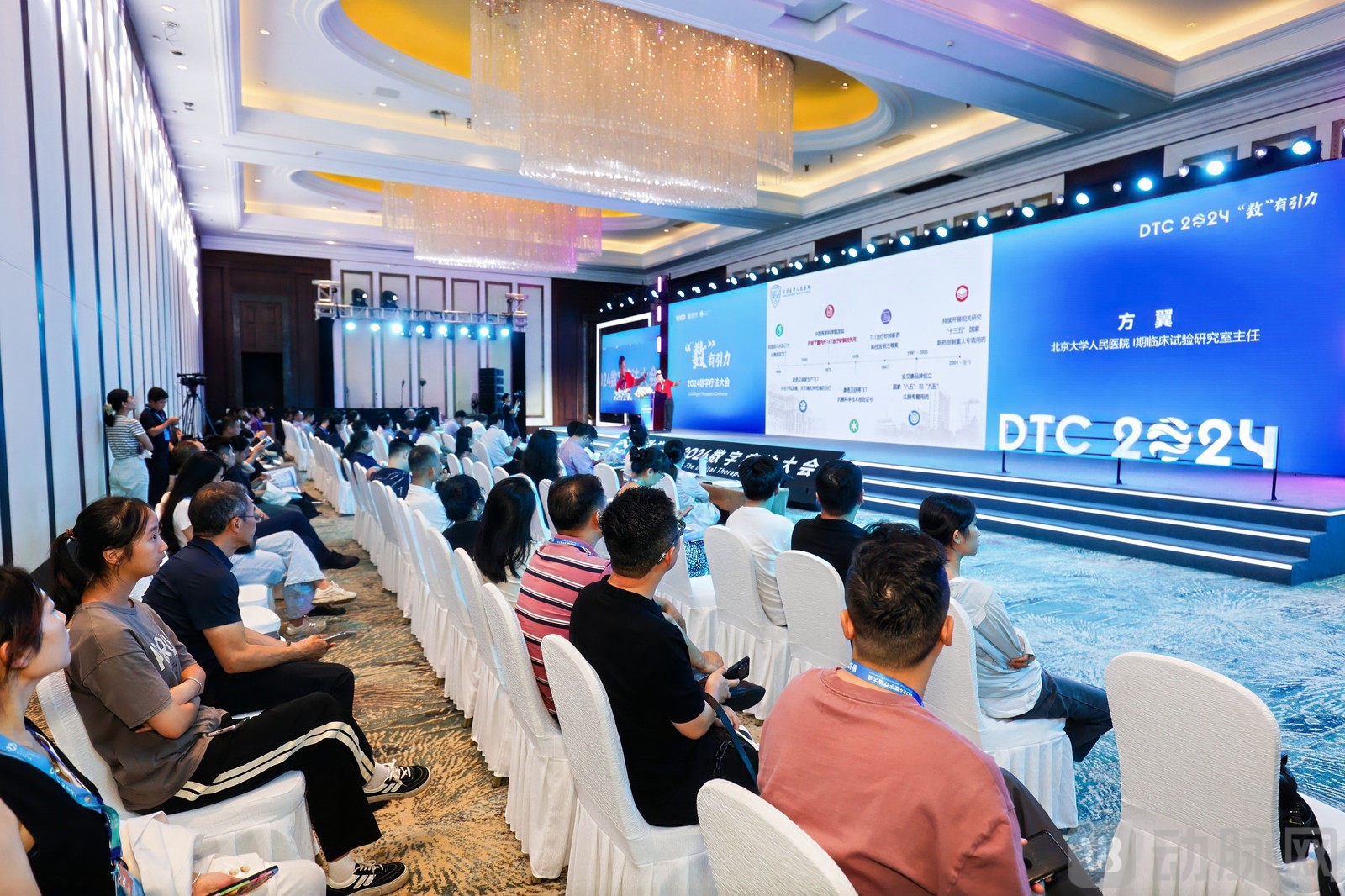
Conference Venue
As China gradually enters a phase of deep population aging, the health and wellness and rehabilitation sectors are facing unprecedented demands for transformation. As a key component in enhancing the overall quality of life for the elderly, health and wellness helps older adults maintain and improve their health status by optimizing health management and lifestyle practices. Rehabilitation, on the other hand, focuses on recovery following disease or trauma, employing professional medical interventions to help patients restore function and regain independent living. Against this backdrop, the rapid advancement of digital technologies has brought new opportunities and challenges to the health, wellness, and rehabilitation industries.
By leveraging digital tools, we can achieve more precise health monitoring and management, promoting the widespread adoption of personalized wellness and elderly care services. Meanwhile, intelligent rehabilitation equipment and telemedicine platforms are reshaping traditional rehabilitation models, making rehabilitation therapy more efficient and convenient. However, the popularization and application of these technologies still face numerous obstacles, necessitating in-depth exploration and innovation across multiple levels, including policy support, industrial collaboration, and service system development.
The Digital Health and Rehabilitation Clinical Application and Industry Trends Forum has brought together numerous industry experts to interpret these urgent new issues and challenges, share successful experiences and best practices, and jointly promote the sustainable development of the health and rehabilitation industries.
The forum is organized byJiang Wei, Executive Deputy Secretary-General of the Chinese Society of Health Economics, and Vice President and Secretary-General of the Health Industry Branch of the Chinese Society of Health EconomicsHost.
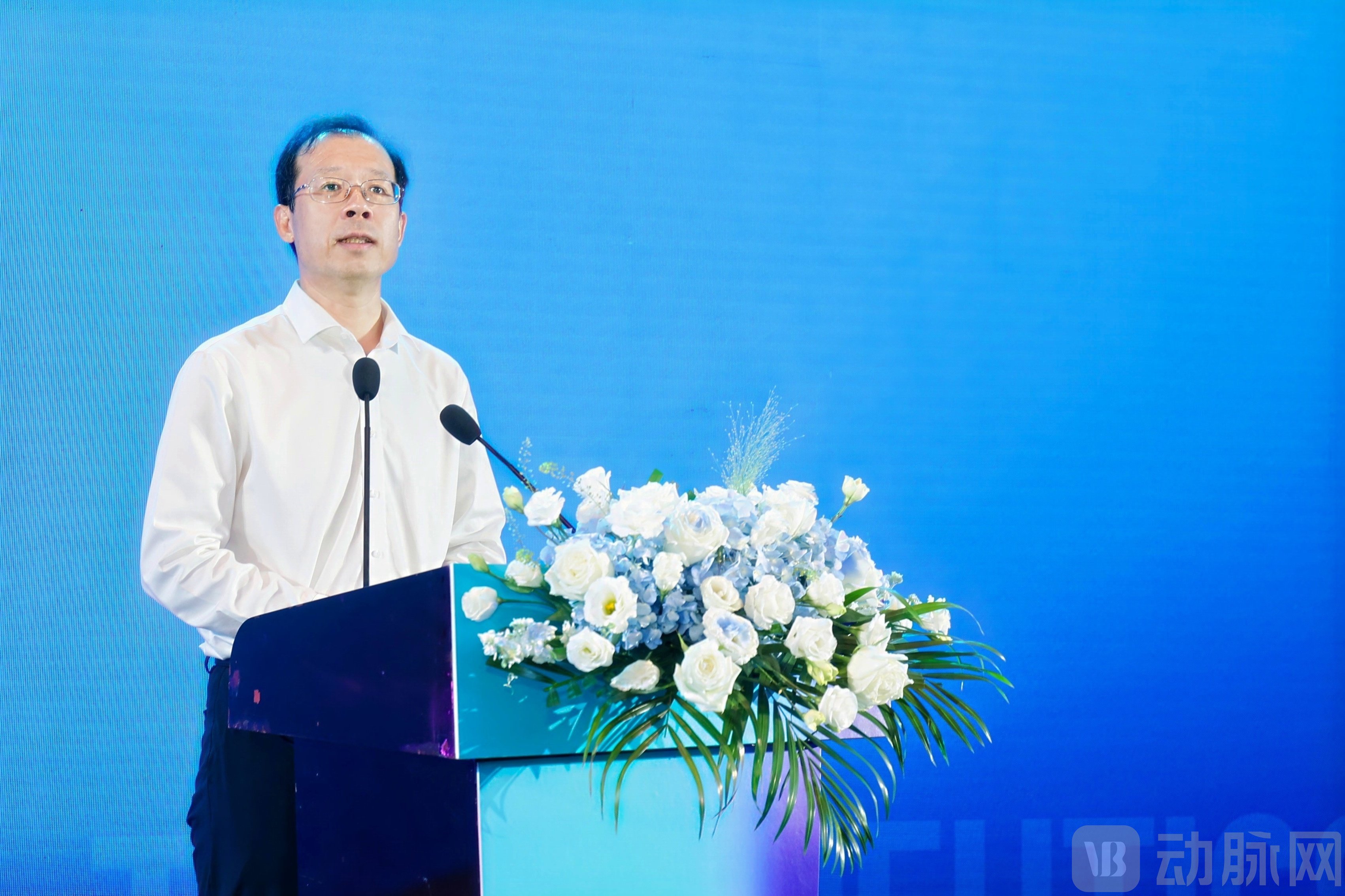
Zhang Guangpeng | Deputy Director of the Hainan Provincial Health Commission, President of the Health Industry Branch of the Chinese Health Economics Association
First,Zhang Guangpeng, Deputy Director of the Hainan Provincial Health Commission and President of the Health Industry Branch of the Chinese Health Economics AssociationAddress to the Conference. He pointed out that with the implementation of the Healthy China strategy, the health industry, particularly the wellness and elderly care sector, has become a key area of national focus. The wellness and elderly care industry features an extensive value chain, spanning multiple sectors and domains, and addressing the health needs of the entire population across all life stages. The application of digital and intelligent technologies in this industry is crucial, serving as a key driver for technological innovation, industrial development, and capacity enhancement.
According to Deputy Director Zhang Guangpeng, Hainan boasts unique natural resources that are well-suited for the development of the health and wellness industry. The province has actively explored various sectors, including home-based care, forest therapy, climate-based wellness, traditional Chinese medicine (TCM) wellness, and health tourism. Through policy innovation and fund guidance, Hainan is further optimizing its industrial layout, enhancing service functions, establishing robust service standards, and improving service quality. Additionally, it is cultivating a batch of demonstration projects to promote the high-quality development of the health and wellness industry.
Furthermore, Deputy Director Zhang Guangpeng highlighted the application of digitalization and intelligence in health and wellness rehabilitation, asserting that these technologies will foster technological innovation and industrial development while enhancing the efficiency of health and wellness services. He called on experts to actively participate in developing and refining health and wellness service programs and packages, and to jointly cultivate talent in the field of health and wellness services.
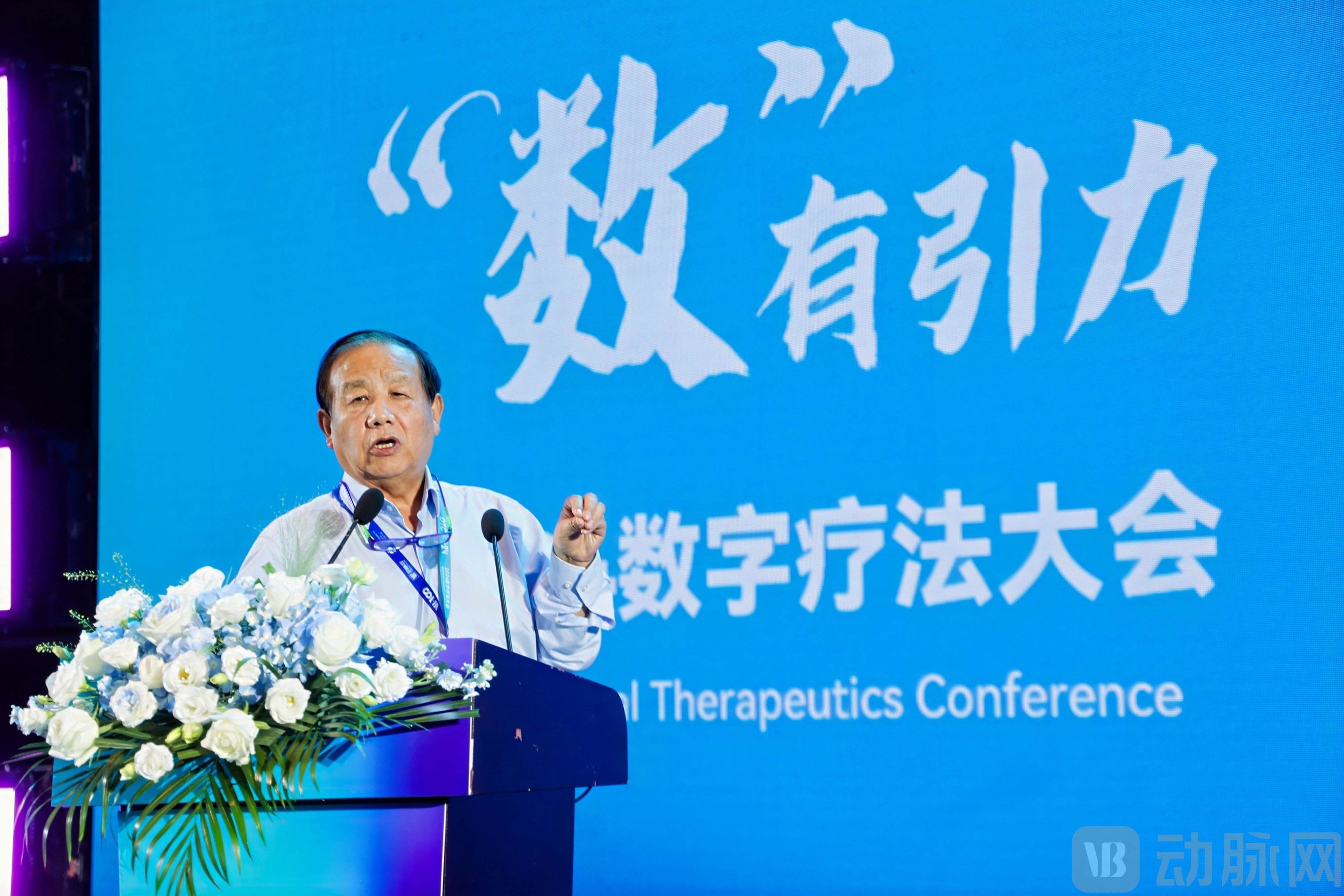
Zhang Zhenzhong | Professor, Researcher; Honorary Director of the Health Development Research Center of the National Health Commission; Honorary President of the Health Industry Branch of the Chinese Society of Health Economics
Next,Professor Zhang Zhenzhong, Honorary Director of the Health Development Research Center of the National Health Commission, and Honorary President of the Health Industry Branch of the Chinese Health Economics Associationwith“Promoting High-Quality Development of the Secondary Market in the Health Industry through Wellness and Healthcare Innovation”Delivered a keynote speech. Professor Zhang Zhenzhong’s remarks primarily centered on innovative pharmaceutical and medical technologies, China’s five-tier market access system, and the primary and secondary markets within the health industry. He emphasized the challenges and opportunities facing innovative pharmaceutical and medical technologies in China, particularly focusing on how to accelerate the adoption of new technologies in the secondary market, where there is demand for high-end medical services and timely access to innovative drugs and devices. Using Jiahui Health as a specific example, he demonstrated how premium hospitals can leverage the flexibility of the secondary market to more rapidly integrate innovative pharmaceutical and medical technologies into clinical practice, thereby delivering high-quality medical services.
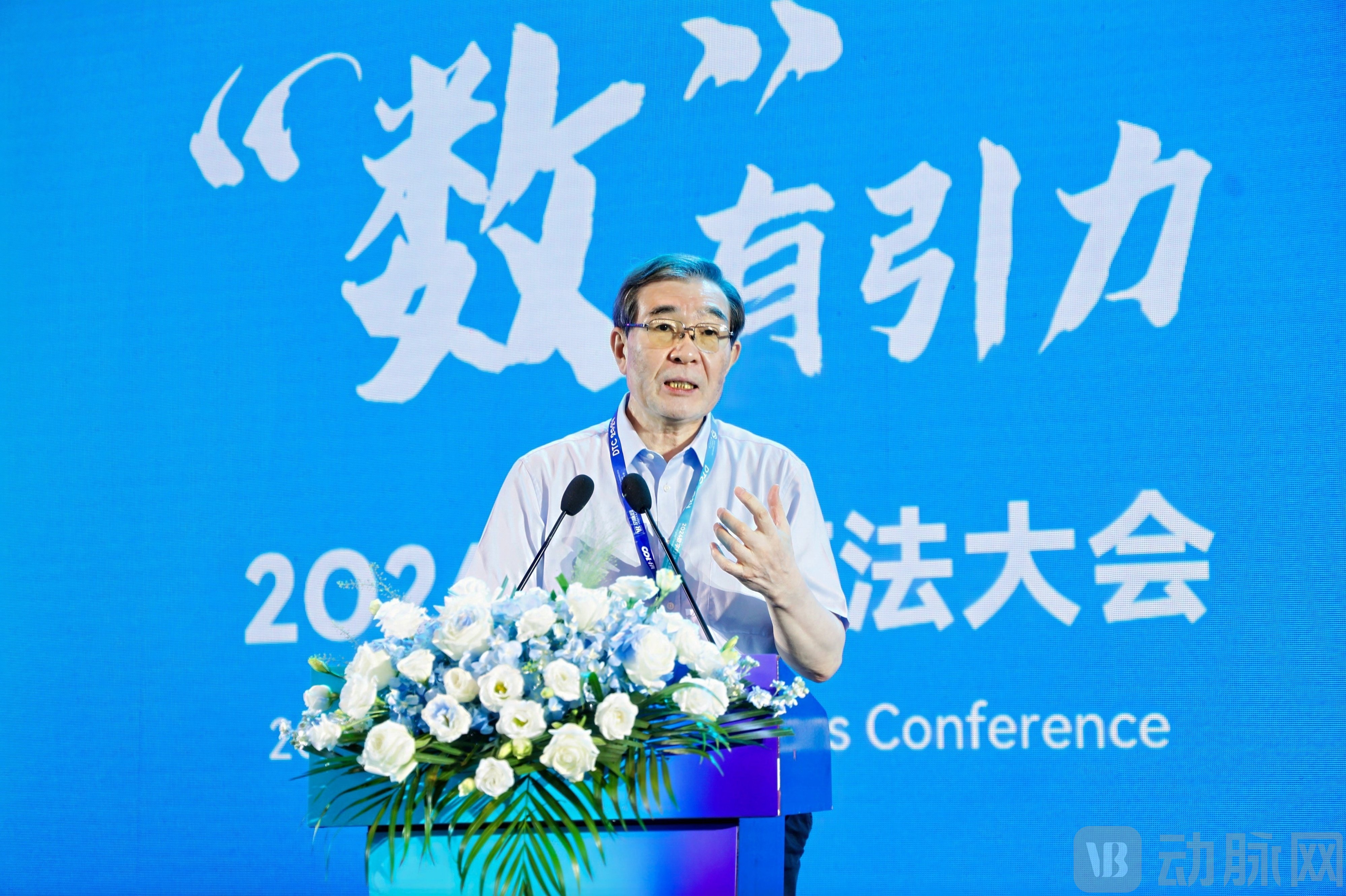
Ao Yingfang | Honorary Director of the Institute of Sports Medicine, Peking University; President of the Sports Medicine Branch of the Chinese Medical Doctor Association
Professor Ao Yingfang, Honorary Director of the Institute of Sports Medicine at Peking University and President of the Sports Medicine Branch of the Chinese Medical Doctor AssociationIn“Clinical R&D Translation of Digital Rehabilitation and Its Application and Prospects in Medical, Health, and Elderly Care”The presentation introduced the development and application of digital health and rehabilitation medicine in China. He shared his and his team’s research and translational achievements in sports medicine, specifically the “Shu Kang Shi” platform, emphasizing the critical role of digital health and smart hospitals in enhancing clinical efficiency and outcomes.
Professor Ao noted that, supported by digital technologies, the application of exercise prescription formulation and rehabilitation guidance in both clinical and community settings has been significantly enhanced. This not only addresses the strain on medical resources but also provides patients with personalized and precise rehabilitation plans. Furthermore, he highlighted the successful market translation of collaborative R&D outcomes developed jointly with enterprises, laying a solid foundation for innovation in the field of rehabilitation.
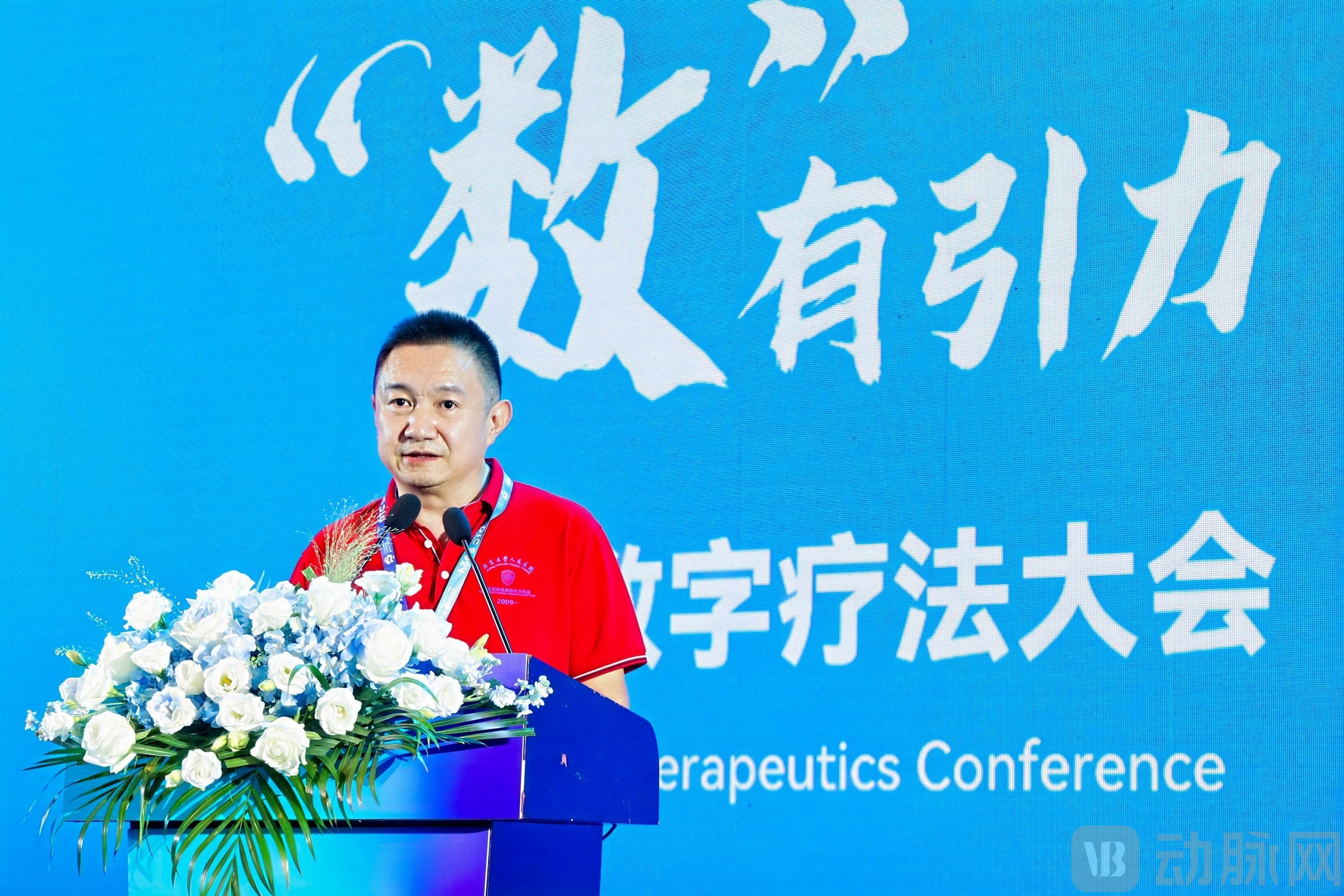
Fang Yi | Director, Phase I Clinical Trial Research Office, Peking University People's Hospital
Fang Yi, Director of the Phase I Clinical Trial Research Office, Peking University People's HospitalAt“Profound Insights, Foreseeing the Future”It first reviews the historical progression of drug development, from traditional biologics to modern protein therapeutics, and then to brain-computer interface (BCI) technology, which has garnered significant attention in recent years. It also explores the future applications of cutting-edge technologies such as cell therapy and BCI in medicine.
Director Fang Yi provided a detailed introduction to the advances in the treatment of psoriasis in recent years andAnkylosing Spondylitisbreakthrough progress achieved in this area, and shared the story of how he led his team to successfully develop and launch an innovative drug. He pointed out that with continuous technological advancements, extending human lifespan and improving health levels will no longer be distant dreams. In the future, digital therapeutics will become a significant force driving medical progress, particularly in areas such as anti-aging and organ regeneration, where digital approaches will play an increasingly important role.
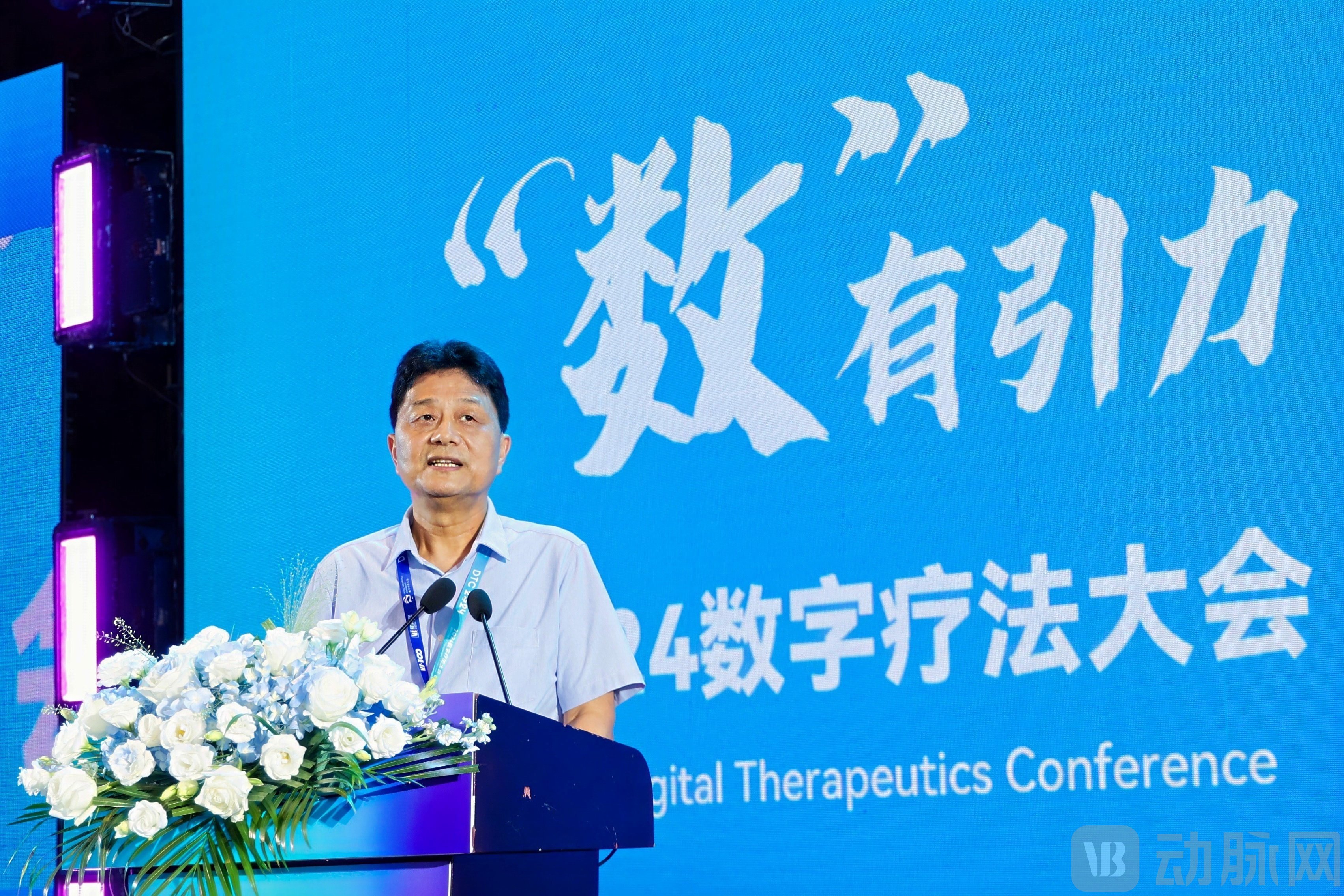
Ding Yipeng | Director of the Department of Respiratory and Critical Care Medicine and Director of the Department of General Practice, Hainan Provincial People's Hospital
Ding Yipeng, Director of the Department of Respiratory and Critical Care Medicine and Director of the Department of General Practice at Hainan Provincial People's HospitalWith"Digital Full-Course Cycle Rehabilitation Management for Respiratory Diseases"In his keynote address, Director Ding pointed out that with social development and technological advancement, the management model for chronic diseases is undergoing profound transformation, as the traditional biomedical model gradually gives way to a more comprehensive biopsychosocial medical model.
He emphasized that in modern medicine, it is not only necessary to focus on the disease itself but also to pay greater attention to the patient’s overall health, including the impact of lifestyle, environmental, and psychosocial factors on health. Respiratory diseases occupy a significant position in the disease spectrum in China.COPDThe high incidence and mortality rates of chronic respiratory diseases, such as asthma, pose a serious threat to public health. In response to these formidable challenges, Director Ding provided a detailed overview of the application of digital technologies in the full-cycle management of chronic respiratory diseases, highlighting the extensive use of smart wearable devices, telemedicine, and cloud-based data management platforms.
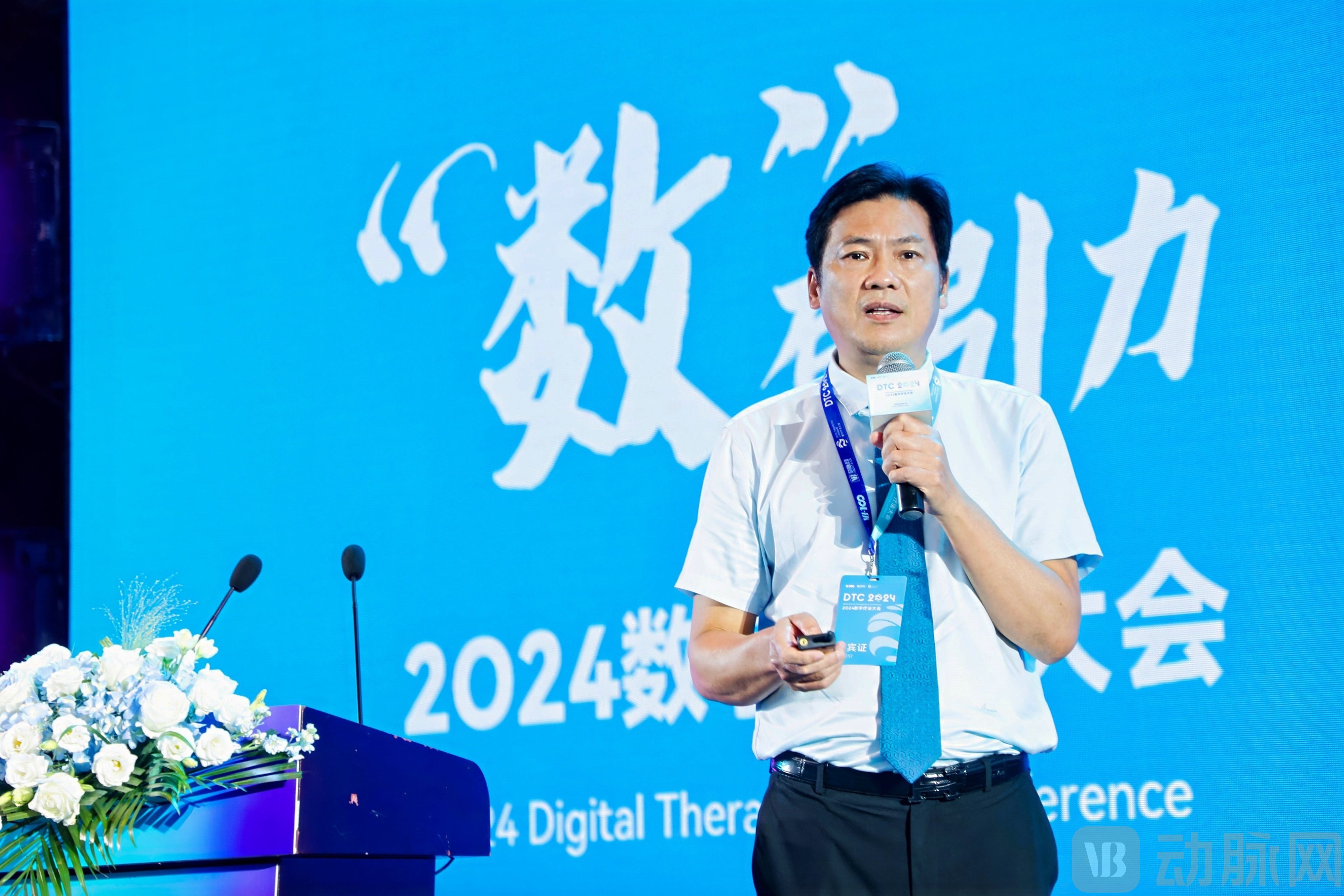
Wang Guangji | Deputy Director of the Orthopedic Center and Director of the Sports Medicine Department, Hainan Provincial People's Hospital
Wang Guangji, Deputy Director of the Orthopedic Center and Director of the Sports Medicine Department at Hainan General HospitalIn“Applications and Future Prospects of Digital Therapeutics in Orthopedics”The presentation provided a detailed overview of the application of digital therapeutics in orthopedic rehabilitation and shared his team’s research findings and practical achievements in this field.
Director Wang Guangji pointed out that the demand for orthopedic rehabilitation is enormous, with 2.4 billion people worldwide requiring musculoskeletal rehabilitation, including 460 million in China. However, there is a severe shortage of rehabilitation therapists in China, with only 3.6 therapists per 100,000 people, far below international standards. This issue is particularly pronounced in non-tier-1 cities and remote areas across China, leaving many patients unable to receive timely and effective rehabilitation treatment. To address this, Director Wang’s team collaborated with enterprises to develop a rehabilitation system incorporating wearable devices and AI technology. This system provides personalized rehabilitation plans and monitors patient progress in real time. It enables most patients to complete their rehabilitation at home, thereby improving efficiency and reducing costs.
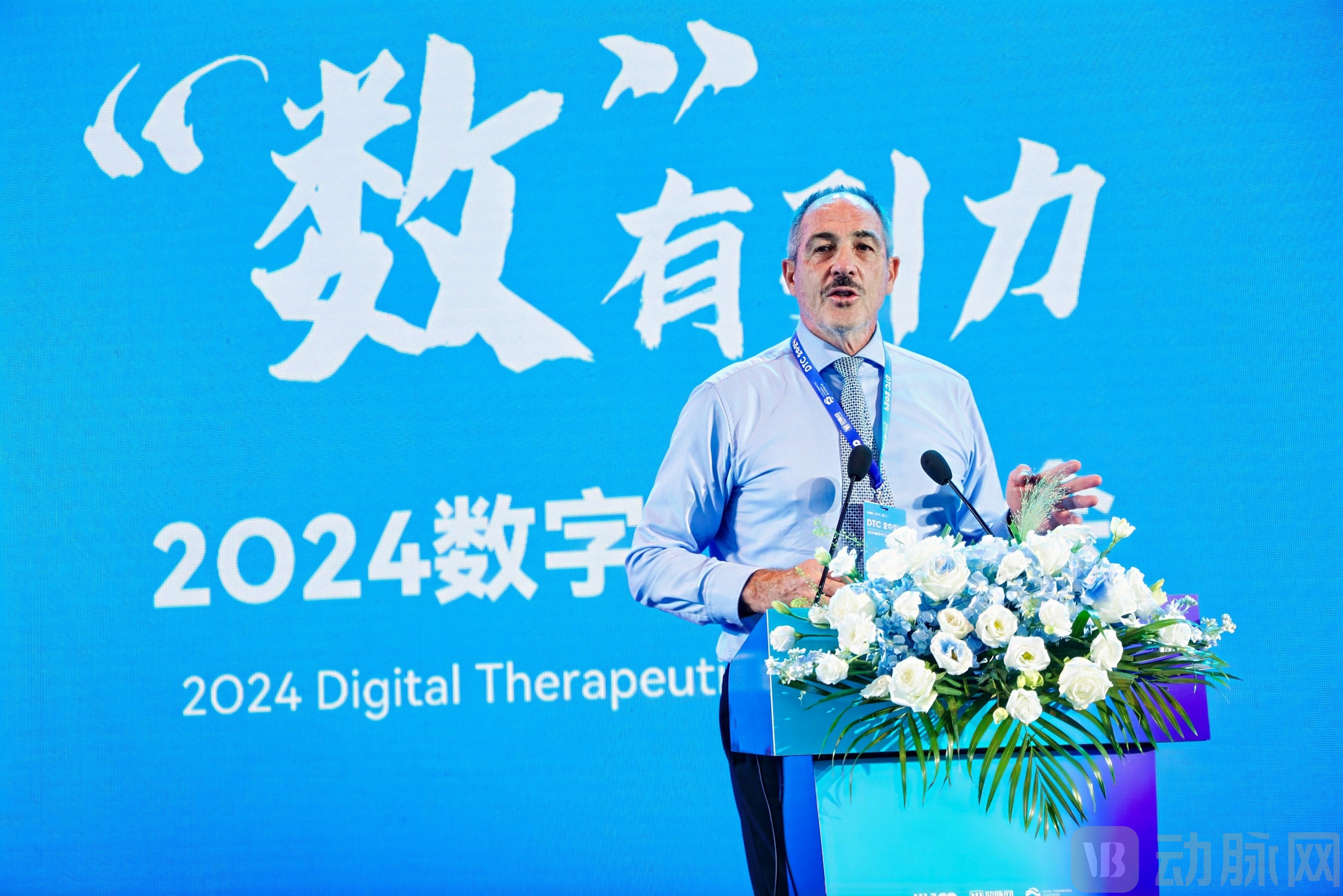
Rob Phillips | Founder and CEO of Uscom
Professor Rob Phillips, Founder and CEO of Uscomwith"The New Digital World of AI-Enhanced Non-Invasive Circulatory Monitoring: Transforming Global Patient Care Through Innovation"delivered a speech titled . Professor Rob Phillips first pointed out that there are many areas for improvement in current medical practice, particularly in the field of circulatory monitoring, where complications and increased costs associated with invasive techniques are especially prominent. He emphasized that with advances in non-invasive technologies and the application of artificial intelligence, the efficacy of non-invasive monitoring has been significantly enhanced, enabling the provision of more precise data, thereby improving clinical decision-making and patient care outcomes.
He further explored the contributions of artificial intelligence to non-invasive hemodynamic monitoring, particularly its potential in data analysis, pattern recognition, and real-time decision support, by integrating high-fidelityDigital SensorWith intelligent algorithms, medical teams can detect anomalies earlier and implement corresponding interventions, thereby reducing global mortality rates.
He concluded that the integration of digitalization and artificial intelligence not only empowers patients and healthcare providers but also promotes the widespread adoption of gold-standard medical services globally. Professor Rob Phillips called on the healthcare community to embrace and invest in AI technologies to enhance the quality and efficiency of care.
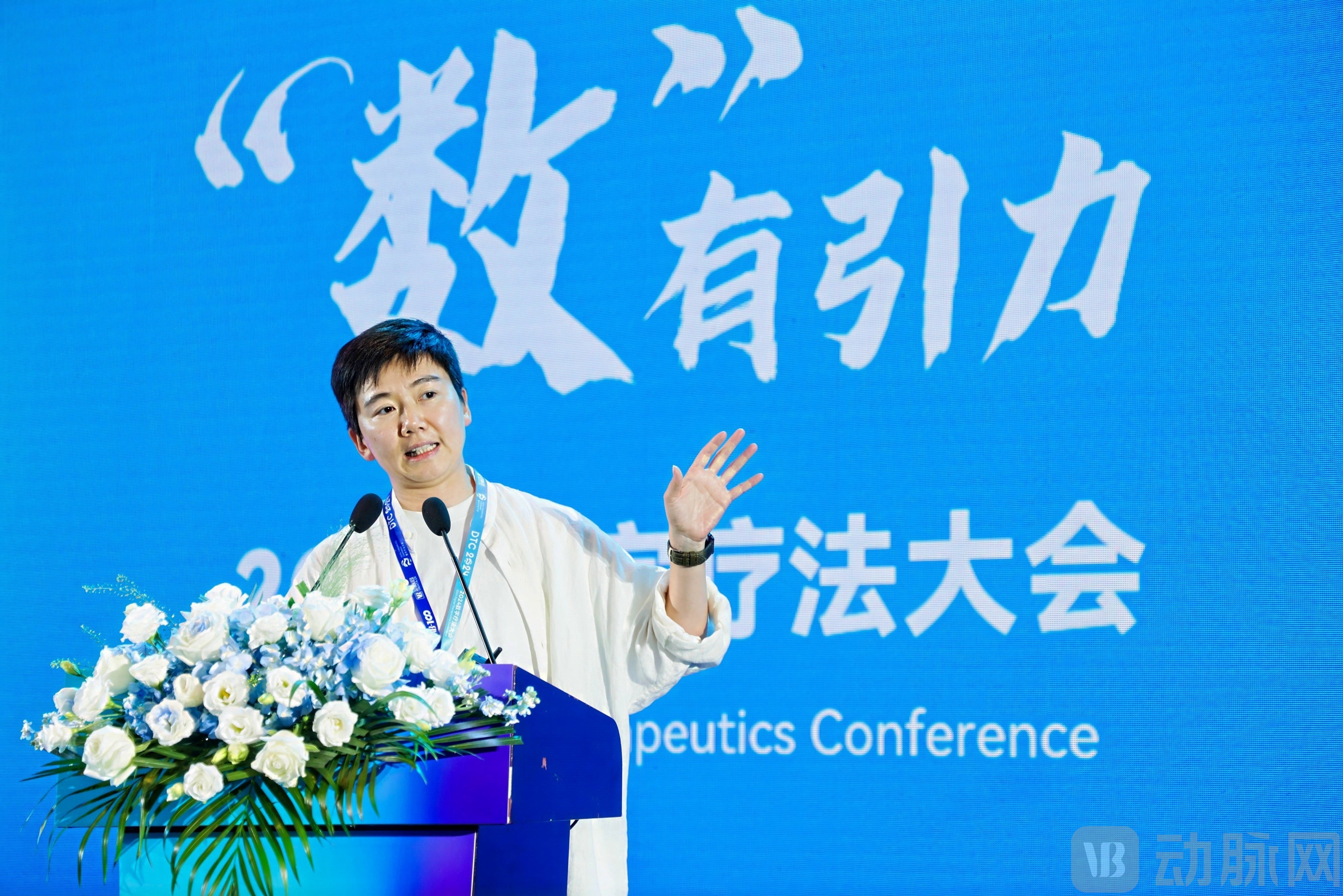
Luo Jia | Chief Operating Officer and Vice President of Philan Eye Hospital
Luo Jia, Chief Operating Officer and Vice President of Feilan Eye CareIn"Thermal Comfort and Airflow Organization in Health and Wellness Buildings"The presentation approached the field of rehabilitation and wellness from an architectural perspective, offering new interdisciplinary insights.
In her address, Ms. Luo Jia emphasized the pivotal role of evidence-based design in enhancing the quality of built environments, particularly in hospitals and health-related facilities. She highlighted that guiding design with scientific evidence can significantly improve building comfort and operational performance. She delved into the importance of thermal comfort, pointing out that environmental design, especially the regulation of thermal conditions, has a profound impact on the quality of life for the elderly and individuals in suboptimal health states. Furthermore, Ms. Luo introduced the extensive application of digital technologies in healthy buildings, demonstrating their critical role in designing, monitoring, and optimizing comfortable environments. Citing practical examples from companies such as Landsea and Ping An, she outlined the future development direction of healthy human settlements.
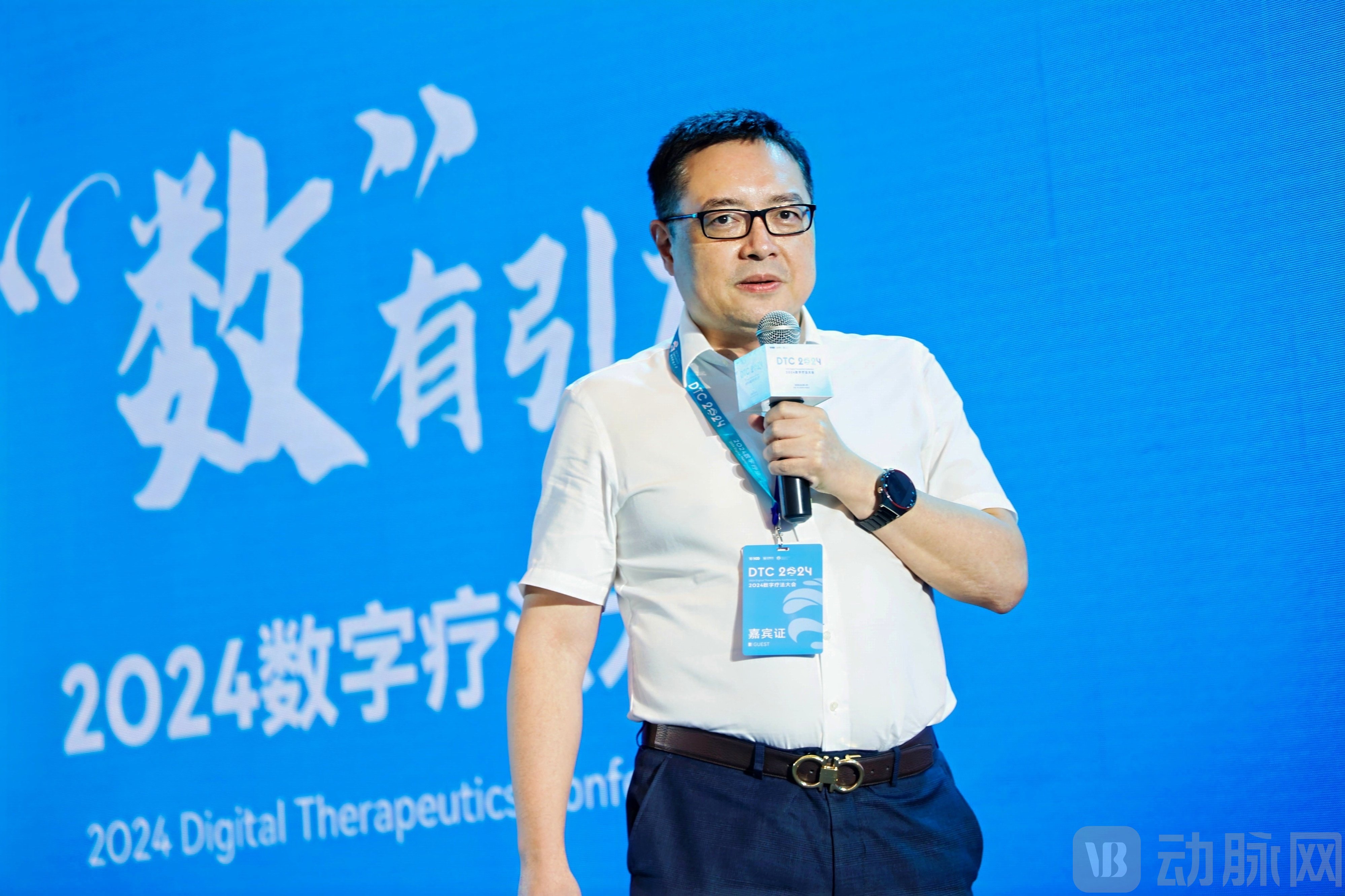
Liang Gang | Founder and CEO, Chengdu Shangyi Future Medical Technology Co., Ltd.
Liang Gang, Founder and CEO of Chengdu Shangyi Future Medical Technology Co., Ltd.In his speech titled “Empowering China’s Health Industry with Medical Big Data and AI Modeling,” he pointed out that China’s current physical examination system and personal health record management still suffer from numerous deficiencies, particularly the lack of effective multi-indicator analysis and continuous tracking, which directly undermines the value of physical examinations and the effectiveness of subsequent health management.
To address these challenges, Mr. Liang Gang introduced the intelligent health records and multi-indicator analysis system developed by Shangyi Future, emphasizing its importance in precision health management. In his closing remarks, Mr. Liang outlined the future of the health management sector, stating that their products and technologies would not only serve enterprises and government agencies but also benefit a broader base of general users. He pointed out that digital empowerment would enable more extensive and in-depth coverage of medical resources, thereby allowing more people to access high-quality health management services.

Roundtable Discussion On-Site Photo
Subsequently, the roundtable discussion centered on“Opportunities and Challenges in Building a Digital Health and Wellness Ecosystem”Expand,Gan Meng, Chairman of Zhi's MedicalAs the roundtable moderator first pointed out, the digital health and wellness industry encompasses multiple sectors, including elderly care, healthcare, sports, health preservation, and tourism. Achieving full collaboration among various stakeholders and efficient resource allocation is a key issue for the industry's development. The panelists engaged in an in-depth discussion around the roundtable theme.
Founder of Chengdu Shangyi Future Medical Technology Co., Ltd.CEOMr. Liang GangHe spoke first. He pointed out that, with medical resources becoming increasingly scarce and expensive, digital health and elderly care will inevitably become the future direction of development. Precise health management systems can effectively identify health risks in the elderly and formulate personalized care plans, which not only improve service quality but also significantly reduce operational costs.Ms. Luo Jia, Chief Operating Officer and Vice President of Feilan Ai'erFrom the perspective of Feilan Aier, this article shares strategies for responding to the increasingly competitive landscape of digital health and wellness solutions within the industry.HURMr. Mao Su, Chief Representative in ChinaHe shared his observations on the evolving demand for digital health and wellness products in the Chinese market, pointing out that the demand for high-end digital health and wellness devices is growing, with an increasing number of customers proactively seeking advanced solutions.
The successful conclusion of this forum not only showcased cutting-edge achievements in digital therapeutics within the rehabilitation and wellness sector, but also provided valuable insights and recommendations for future development. Numerous guests from academia, industry, and the corporate sector jointly explored the application prospects of digital technologies in rehabilitation and wellness, sparking many new concepts and inspirations. The successful holding of the forum will further promote the popularization and application of digital therapeutics in the rehabilitation and wellness field, bringing about a better experience in rehabilitation and wellness care.