Amid the wave of globalization, digital health is emerging as a new focal point for international cooperation and exchange. Its rise and development represent an irreversible trend that is transforming the operational models of traditional healthcare, while presenting new opportunities and challenges for corporate and technological innovation.
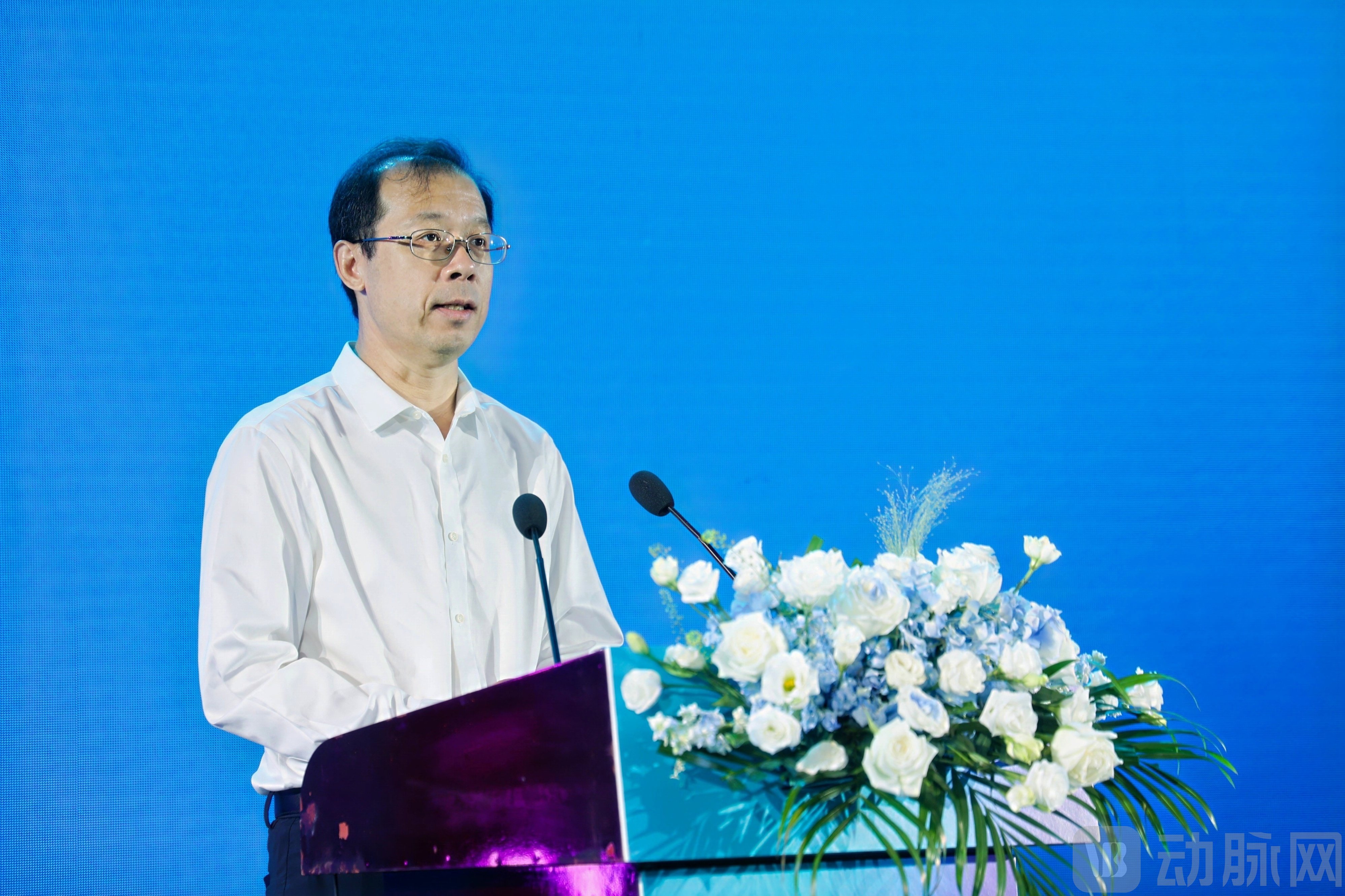
With the introduction of the “Overall Layout Plan for Building a Digital China,” China has demonstrated its determination to strengthen digital technology innovation and foster an open, mutually beneficial framework for international cooperation in the digital sphere. As an indispensable component of the digital ecosystem economy, the healthcare industry requires concerted efforts from the government, enterprises, and all sectors of society to advance the research, development, and application of digital technologies. Only through such collaboration can we promote the sustainable development of the digital ecosystem and achieve the digital transformation of healthcare.The 2024 Digital Therapeutics Conference is organized byBeijing Danhuang Technology Co., Ltd.Hosted by,Chongqing Artery Orange Technology Co., Ltd., Hainan Egg Yolk Technology Co., Ltd.Hosted by,Hainan Eco-Software Park Group Co., Ltd., Beijing Shuimu Jinsheng Medical Technology Service Co., Ltd.Strategic Cooperation. On August 31, with the successful conclusion of the Main Forum: Diversified Ecosystem Innovation, the entire conference drew to a close, bringing this grand gathering of wisdom and innovation to a perfect end. Zhang Guangpeng | Deputy Director of the Hainan Provincial Health CommissionZhang Guangpeng, Deputy Director of the Hainan Provincial Health Commissionattended the Main Forum · Diversified Ecosystem Innovation, and delivered a speech at the conferenceOpening RemarksHe noted that Hainan Province is currently leveraging its policy advantages and ecological environment to actively build a Digital Health Innovation Island, promoting the coordinated development of healthcare services and the health industry. Digital therapeutics will play a significant role in improving the efficiency of medical services, optimizing resource allocation, and promoting equity in health services. In October 2022, the General Office of the Provincial People's Government issued the "Notice on Printing and Distributing Several Measures for Accelerating the Development of the Digital Therapeutics Industry in Hainan Province," providing policy support from six aspects to create a policy highland. These six aspects include establishing a nationally leading clinical research demonstration base for digital therapeutics, accelerating the registration and approval of digital therapeutics products, actively promoting the application of digital therapeutics products, encouraging the exploration of diverse payment methods, strengthening publicity and industrial cluster development for digital therapeutics, and standardizing development alongside other safeguards. From 2023 to 2024, the government, medical institutions, enterprises, and experts collaborated closely to expand the application of digital therapeutics, focusing on facilitating public access, supporting governance, enhancing efficiency, and enabling empowerment. A number of digital therapeutics products were promoted and applied across the province, achieving remarkable results and providing reference and benchmarks for the global development of the digital therapeutics industry. He also emphasized the importance of innovation in the field of digital therapeutics and how Hainan Province is using digital therapeutics as a new engine to drive the deep integration of industry and the digital economy. Finally, he called for strengthened policy guidance, international cooperation, and technical exchanges to build a new ecosystem for the health economy and jointly promote the prosperous development of the global digital therapeutics industry.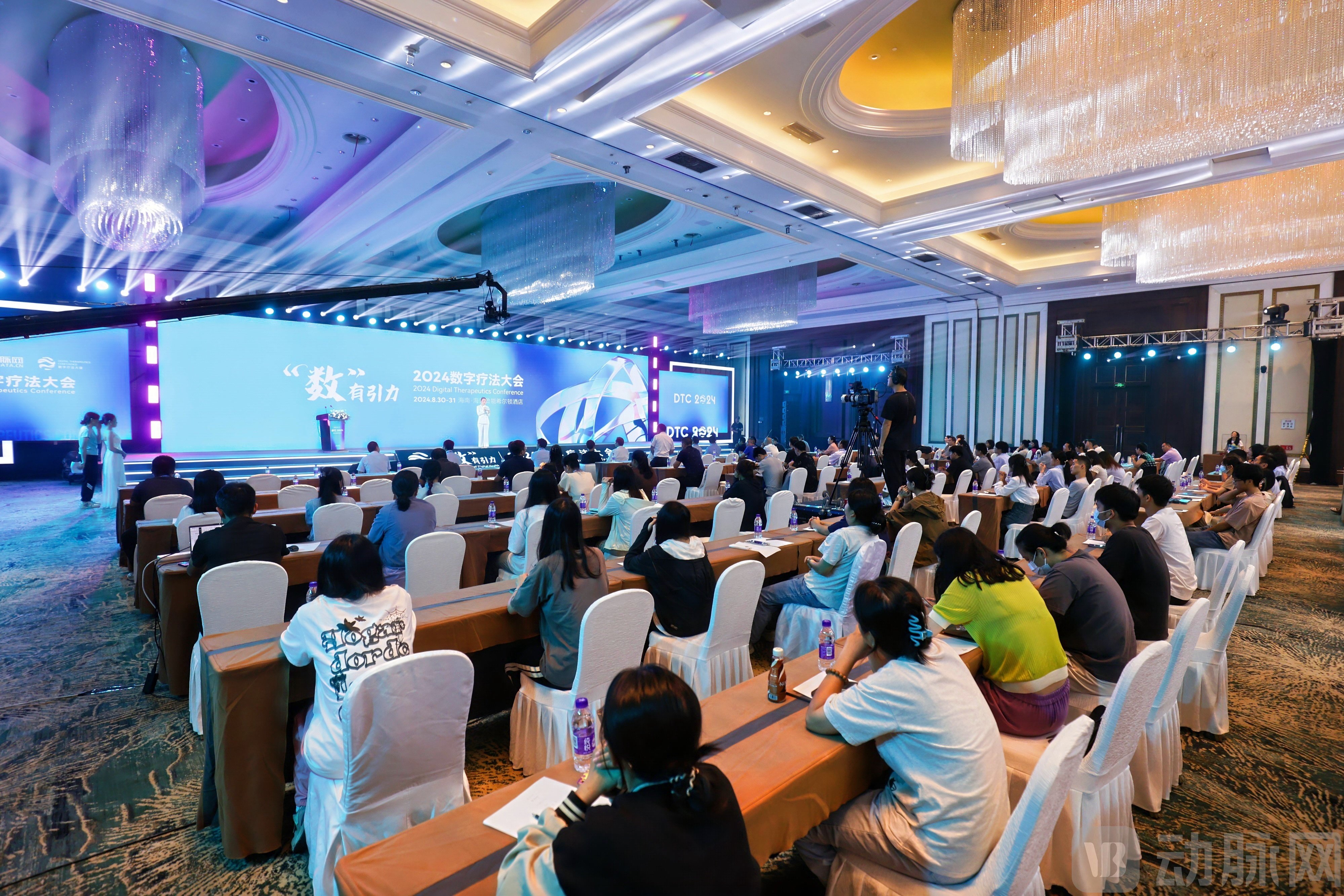 Conference VenueThe forum is organized byAcademician of the Chinese Academy of Sciences, Researcher, and Academic Director of the Center for Excellence in Brain Science and Intelligence Technology, Chinese Academy of Sciences,Shanghai Center for Brain Science and Brain-Inspired IntelligenceLed by Director Pu Muming, the team includes You Mao, Deputy Director of the Health Development Research Center of the National Health Commission; Wu Jian, Qiushi Distinguished Professor at Zhejiang University, Changjiang Scholar of the Ministry of Education, and Vice Dean of the Zhejiang University International United College; Zhu Lili, Vice President of AstraZeneca China and Head of the Digital & Business Innovation Department as well as the Commercial Strategy & Excellence Operations Department; and a Senior Vice President of BOE Technology Group and Chief Growth Officer of the Smart Medical Engineering Business.Zhang Wei; Wang Guoxin, Head of Intelligent Algorithms, Technology and Product Department, JD Health; Professor at Northeastern University, Chairman of Neusoft HanfengLu Zhaoxia, CEO and Dean of the 5G Smart Hospital Collaborative Innovation Research Institute at Neusoft Group; Yan Jinhong, Senior Vice President of WeDoctor Holdings and Dean of WeDoctor Internet General Hospital; Ding Caihui, General Manager of the Industrial Business Group and Assistant General Manager of Hainan Eco-Software Park, as well as Executive Vice President of the Hainan Digital Healthcare Association;Investment Promotion Manager, Industry Development Department, Sanya Yazhou Bay Science and Technology City AdministrationHan Xiao; Yang Jiawei, COO of Haihu Health; Feng Jian, Deputy General Manager of Zhongguancun Shuimu Medical Group and General Manager of Beijing Shuimu Jinsheng Medical Technology Service Co., Ltd.A distinguished group of experts and guests shared cutting-edge insights into emerging trends, explored collaborative opportunities within a diverse ecosystem, and jointly charted an ambitious roadmap for the future of healthcare.Insight into the Future: Analysis of Trend Strategies
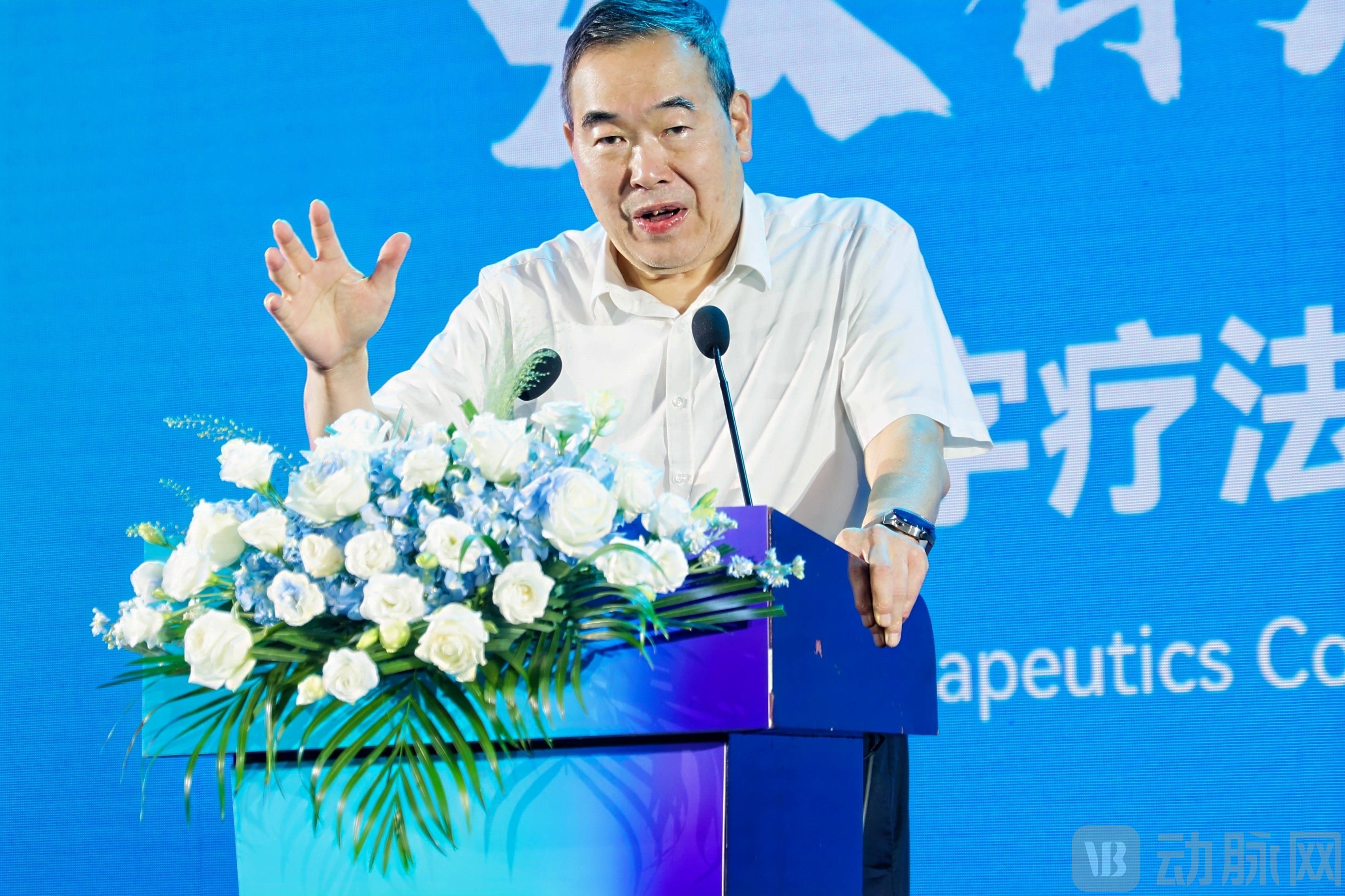 Mu-Ming Poo | Academician of the Chinese Academy of Sciences, Researcher, and Academic Director of the Center for Excellence in Brain Science and Intelligence Technology, Chinese Academy of SciencesDirector of the Shanghai Center for Brain Science and Brain-Inspired IntelligenceAcademic Director of the Center for Excellence in Brain Science and Intelligence Technology, Chinese Academy of Sciences, and Director of the Shanghai Research Center for Brain Science and Brain-Inspired Intelligence, Academician Mu-Ming PooBrought《Neuroplasticity and Neuromodulation》His presentation guided the audience through an in-depth exploration of the mysteries and frontiers of neuroscience, emphasizing the importance of brain plasticity in the development of digital therapeutics. He pointed out that there are three types of brain plasticity: normal, adaptive, and maladaptive, which can be modified by experience and are particularly pronounced during youth. Electrical activity in the brain forms the basis for learning and memory formation, while the strengthening and weakening of synapses constitute the primary mechanisms for information storage. Academician Pu also introduced Hebbian learning rules and spike-timing-dependent synaptic plasticity, which are crucial for understanding the modification of neural networks. In terms of neuromodulation, he emphasized the importance of task-specific training, noting that applying neuromodulation during specific tasks can enhance or weaken particular neural networks, and illustrated this with examples involving transcranial electrical stimulation (tDCS) specific activation role in motor learning in mice, emphasizing the importance of timing in modulation.
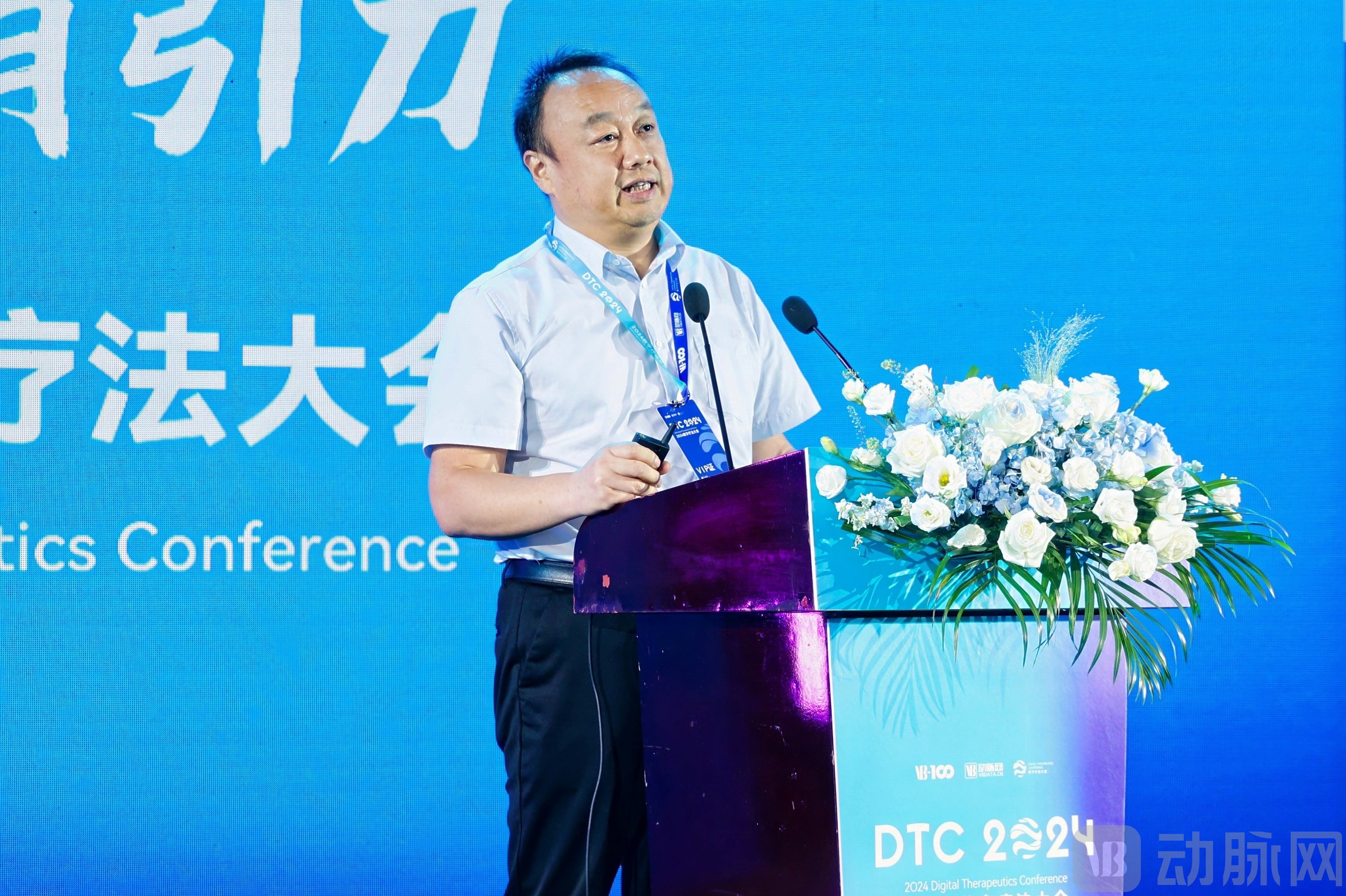 You Mao | Deputy Director, Health Development Research Center, National Health CommissionYou Mao, Deputy Director of the Health Development Research Center under the National Health CommissionShared《Current Status, Opportunities, and Challenges of Digital Therapeutics Development in China》He pointed out that multiple digital therapeutics (DTx) products in China have received approval from the National Medical Products Administration (NMPA), with widespread applications particularly in the fields of cognitive impairment and ophthalmology. However, DTx still faces challenges regarding its definition, regulation, efficacy, technical safety, and prescribing authority. To address these challenges and seize development opportunities, Director You Mao proposed several policy recommendations, including establishing a flexible registration and approval list, improving tiered and classified management, constructing a comprehensive approval process, and setting up fast-track approval channels, all aimed at encouraging technological innovation while ensuring safe and effective application. He also emphasized the importance of strengthening policy support, promoting clinical trials, establishing industry standards, and fostering international cooperation. Furthermore, the event explored the value of digital therapeutics across various application scenarios involving healthcare institutions, medical enterprises, patients, and government agencies.
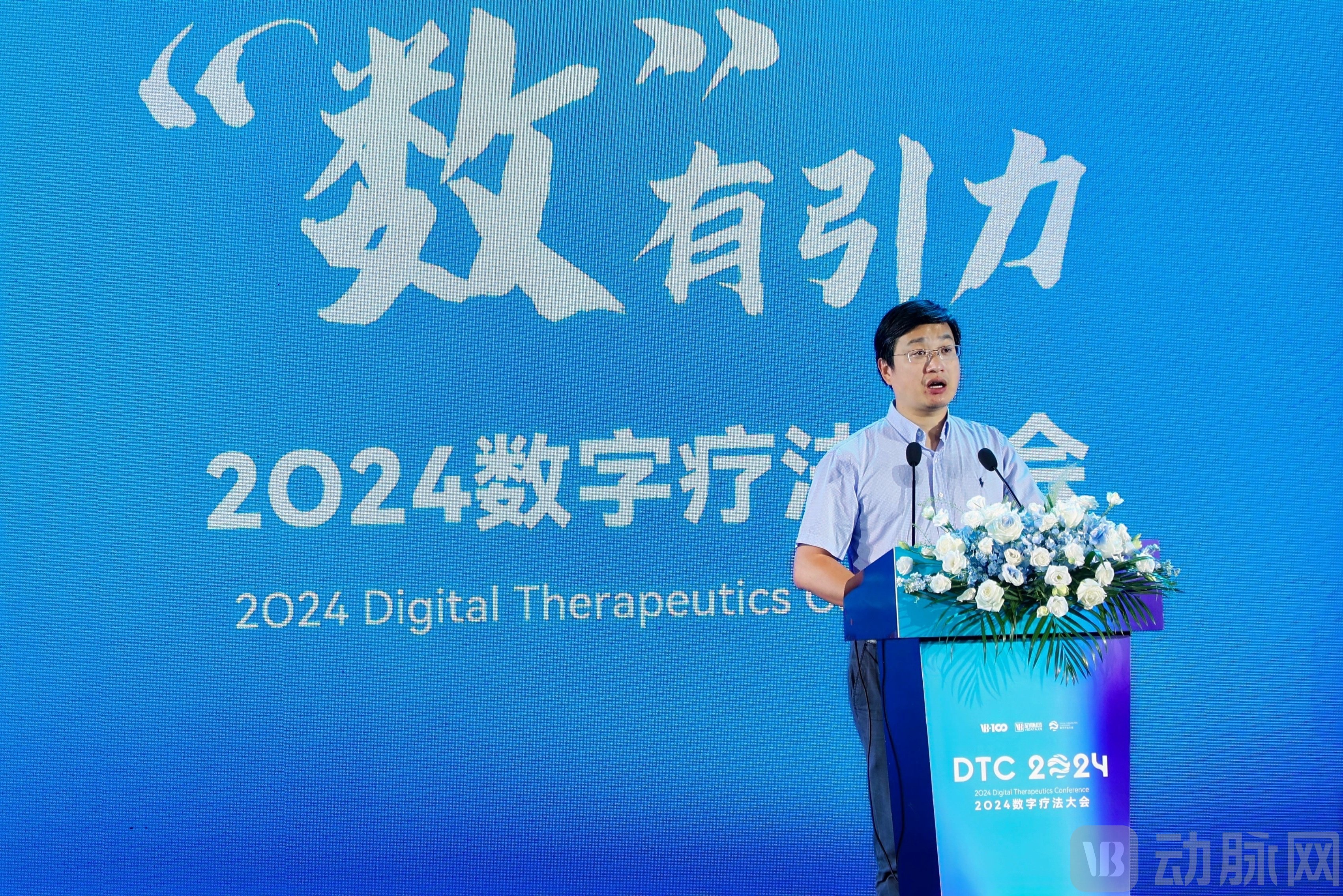 Wu Jian | Qiushi Distinguished Professor at Zhejiang University, Chang Jiang Scholar of the Ministry of Education, and Deputy Dean of the Zhejiang University International Joint CollegeQiushi Distinguished Professor at Zhejiang University, Chang Jiang Scholar of the Ministry of Education, and Deputy Dean of the Zhejiang University United International CollegeShared"Exploring Innovation in Medical Artificial Intelligence". First, it summarizes medical artificial intelligence tasks and algorithms, categorizing them into empirical methods, fully supervised learning, and incompletely supervised learning based on two dimensions: sample size and annotation quantity. In terms of medical AI scenarios, medical tasks are classified into low-dimensional simple problems, high-dimensional simple problems, low-dimensional complex problems, and high-dimensional complex problems according to data dimensionality and complexity, and the applications of medical AI in different scenarios are discussed.In the section on innovative practices, in-depth discussions were conducted across three scenarios: classification, detection, and segmentation. For the classification scenario, techniques proposed include tabular classification with efficient feature interaction, ECG classification based on multi-view generation, and disease grading via ordinal regression modeling. The detection scenario focuses on pathological cell detection based on task decomposition, attention-based detection of cervical lesions, and time-aware clinical risk detection. The segmentation scenario explores image segmentation under partial annotation, intelligent enhancement techniques for 3D image segmentation, andMultimodal ImagingIntelligent Segmentation and Fusion Technology: A Comprehensive Showcase of Research Achievements and Innovative Directions in the Field of Medical Artificial Intelligence.Synergistic Development: Building a Diverse Ecosystem Together
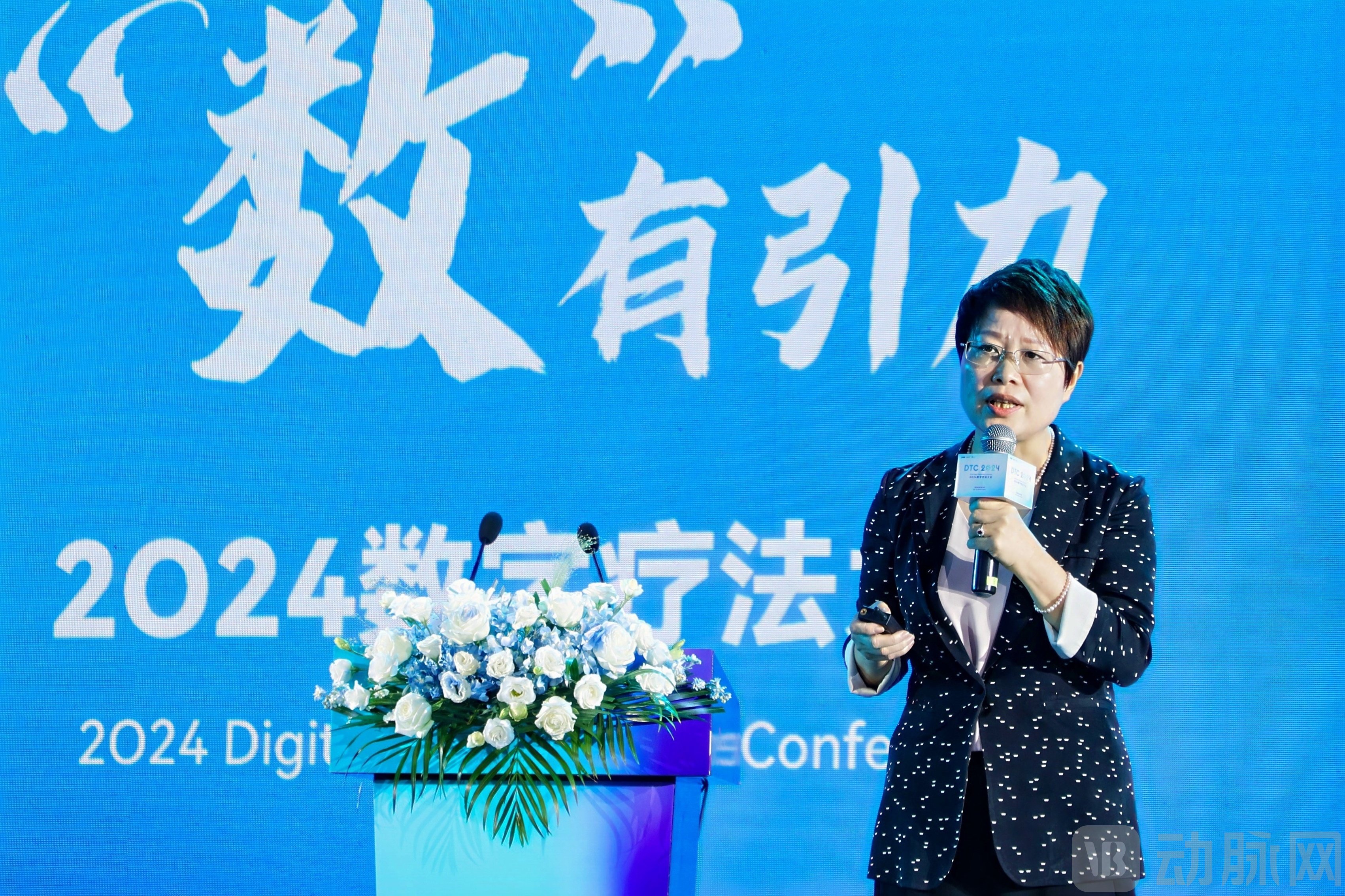 Zhu Lili | Vice President, AstraZeneca China; Head of Digital & Business Innovation, and Commercial Strategy & ExcellenceZhu Lili, Vice President of AstraZeneca China, and Head of the Digital & Commercial Innovation Department and the Commercial Strategy & Operational Excellence DepartmentWith《Cross-Border Innovation: Leaping Toward the Future of Digital Health》“Titled ‘[Title],’ she shared AstraZeneca’s explorations and practices in the field of digital health, focusing on how artificial intelligence and big data empower the digital transformation of healthcare and the construction of a health innovation ecosystem. She pointed out that digitalization is injecting momentum into the industry, demonstrating significant potential across multiple scenarios, including drug research and development, clinical diagnosis, and patient management. She further shared practical cases in which AstraZeneca, together with its partners, has accelerated the transformation and upgrading of the medical and health industries through digitalization, supporting the creation of integrated innovative solutions for diagnosis and treatment that cover “screening, diagnosis, treatment, and management.” With more than three decades of deep engagement in the Chinese market, AstraZeneca has not only continued to introduce innovative medicines and increased its investment in manufacturing in China, but also, through the China Digital Health Innovation Center (CCiC), the International Life Sciences Innovation Park (iCampus), and the AstraZeneca CICC Healthcare Industry Fund serve as the “three pillars” that lead the development of an innovation ecosystem and actively support the global expansion of Chinese innovations. In light of the current challenges in the application of healthcare big data and the opportunities presented by the layout of the digital health industry, she called for strengthened cross-sector collaboration and exchange among government, industry, academia, research institutions, healthcare providers, and investors; accelerating the integration of clinical research with industrial development; breaking down data silos; unlocking the value of data; and fostering collaborative efforts among all stakeholders to create a promising future for digital health.
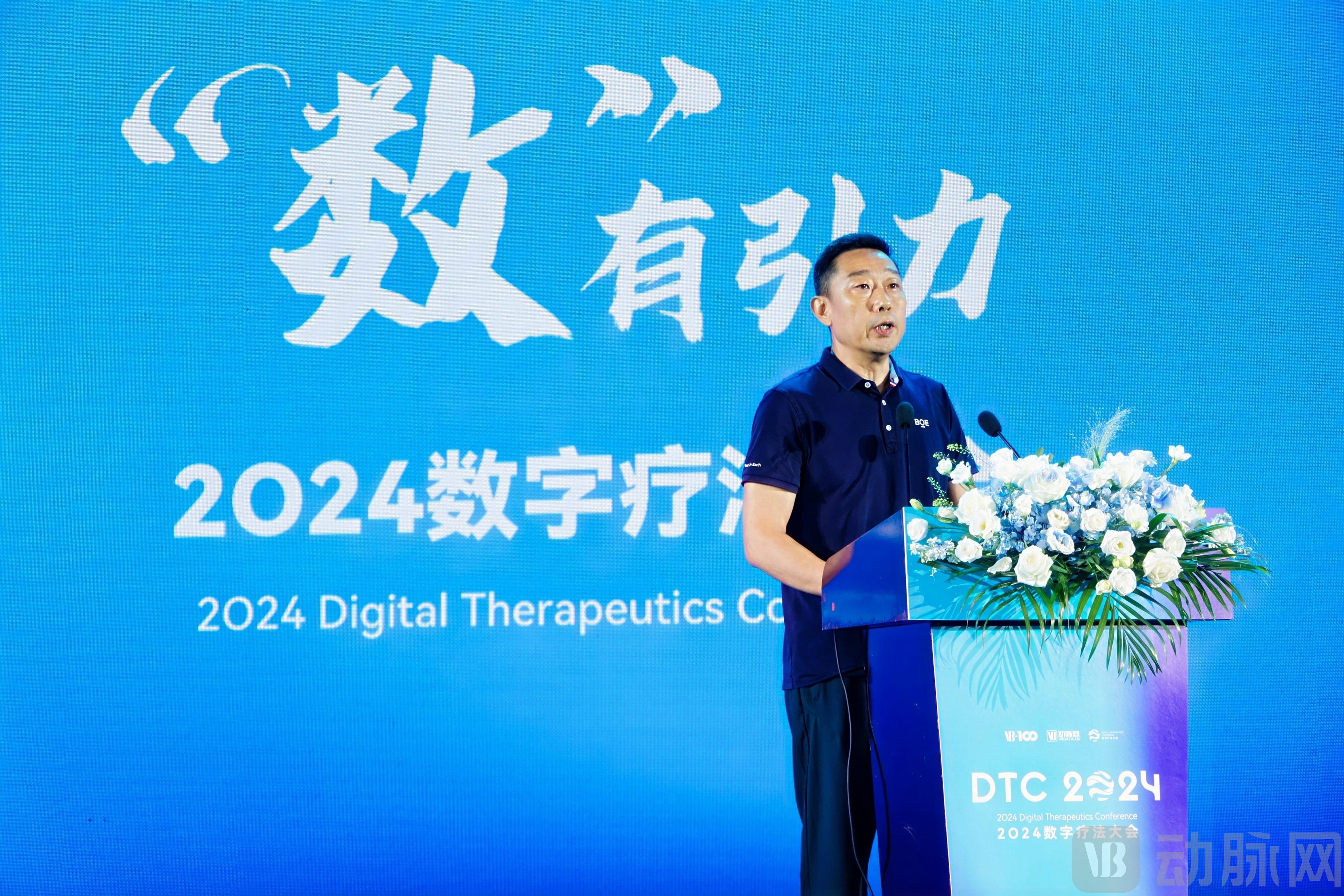 Zhang Wei | Senior Vice President, BOE Technology Group; Chief Growth Officer, Smart Healthcare Business
Zhang Wei, Senior Vice President of BOE Technology Group and Chief Growth Officer of the Smart Medical Engineering Business, shared BOE“Ten Years of Deep Cultivation: Integrating Medicine and Engineering to Build a Full-Lifecycle Health Service Ecosystem”. With the advent of the Internet of Things (IoT) era, technologies such as IoT, big data, and artificial intelligence are rapidly iterating, driving healthcare services to break through temporal and spatial constraints and realize a personalized, proactive health model.
BOE Smart Health Engineering has built a health IoT ecosystem centered on health management, driven by medical-engineering products, and supported by digital hospitals. BOE has constructed and operated high-quality digital hospitals and integrated medical-care communities in multiple regions across China. Leveraging this foundation, it integrates existing IoT technologies with medicine, focusing on scenarios such as homes, communities, and hospitals, to create a full-cycle health service platform. Furthermore, through its innovation incubation platform, BOE focuses on smart terminals, molecular diagnostics, regenerative medicine, and other areas to develop translated medical-engineering products. Medicine provides demand sources and clinical translation for engineering, while engineering continuously empowers the advancement of medical technological capabilities, thereby delivering high-quality services to customers on an ongoing basis.
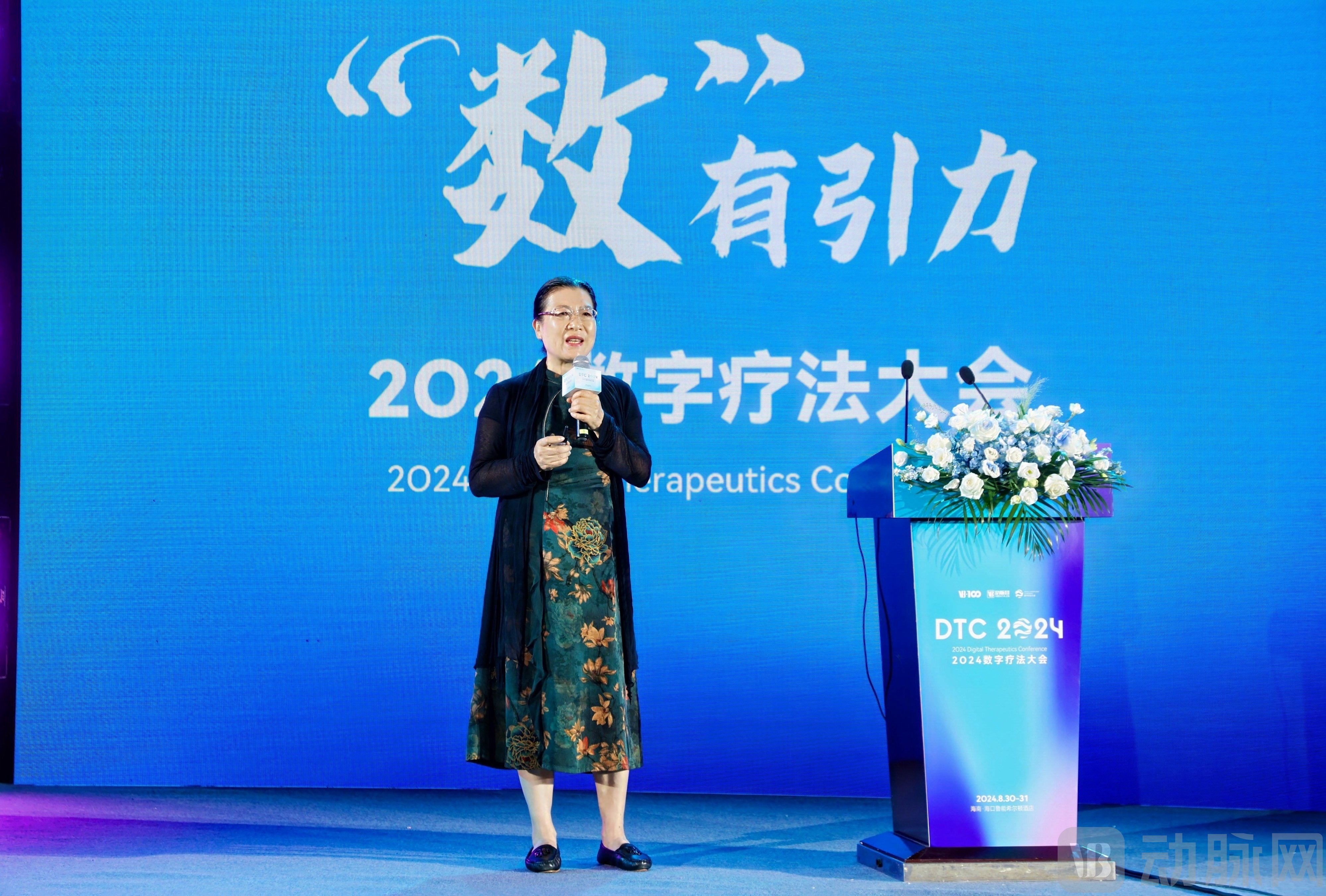 Lu Zhaoxia | Professor at Northeastern University, Chairman and CEO of Neusoft Hanfeng, Dean of the Neusoft Group 5G Smart Hospital Collaborative Innovation Research InstituteProfessor at Northeastern University, Chairman of Neusoft HanfengCEO Lu ZhaoxiaIn“Digital Intelligence and IoT Empowering High-Quality Hospital Development”The presentation primarily explored three key areas: first, the healthcare industry’s entry into the era of digital intelligence; second, the need to proactively respond to changes and courageously innovate in practice; and third, reflections on and analysis of future hospitals. “Digital-intelligent infrastructure will comprehensively support the high-quality development of public hospitals.” Professor Lu stated in his speech that “data and intelligence” are driving profound transformations in the healthcare industry. Internet of Things (IoT) technology serves as a critical foundation for unlocking the value of data elements, with data being the most representative factor of production in new quality productive forces. Neusoft Hanfeng, leveraging its core medical IoT platform and industry-leading capabilities in real-time medical data connectivity and services, is facilitating the digital and intelligent upgrade of future healthcare.
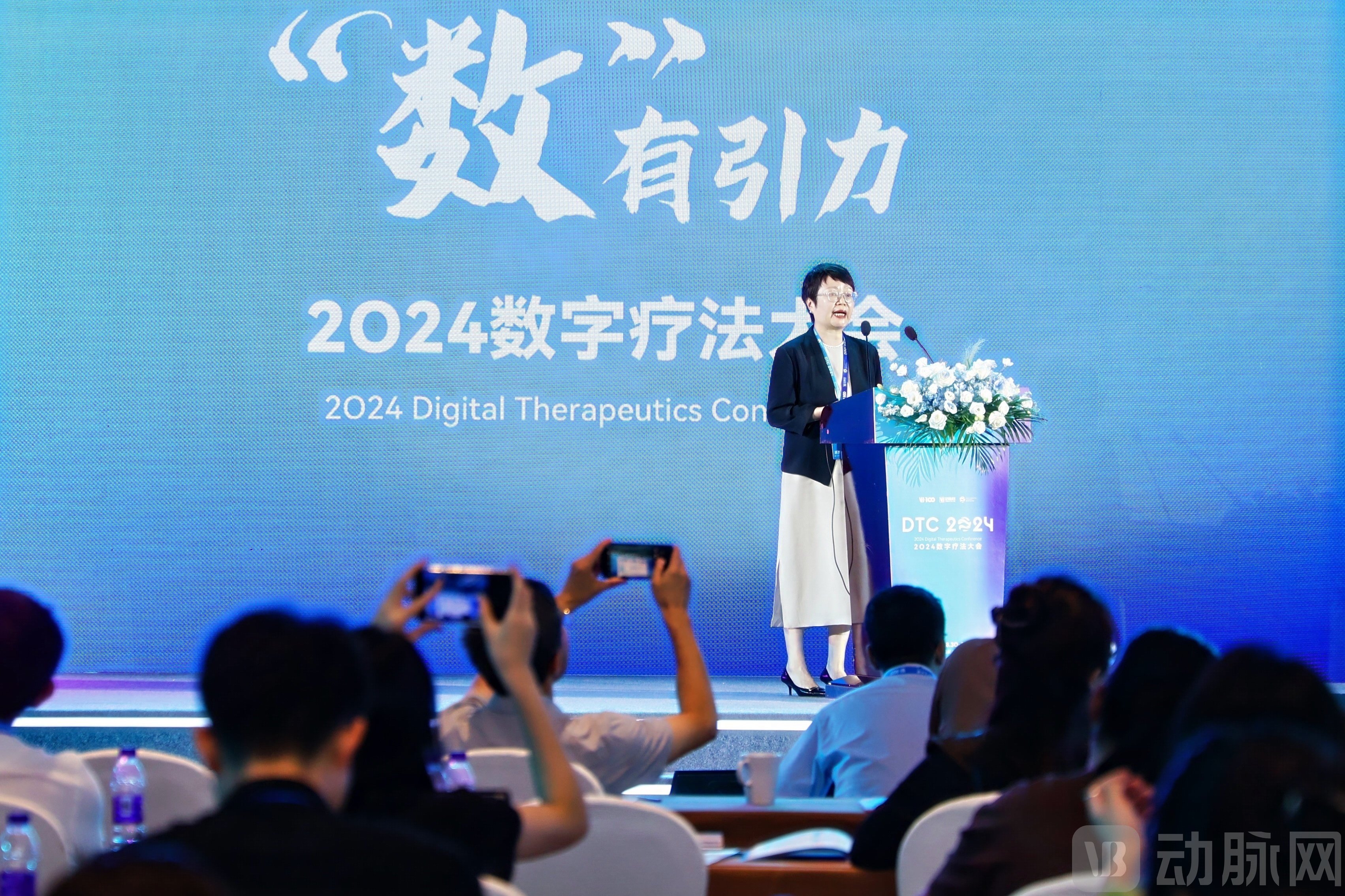 Yan Jinhong | Senior Vice President of WeDoctor Holdings, Dean of WeDoctor Internet General HospitalYan Jinhong, Senior Vice President of WeDoctor Holdings and Dean of WeDoctor Internet General Hospitalwith“Digital Intelligence Empowers the Upgrade of Chronic Disease Management”with the theme of , introduced in the sharing sessionThe Company’s Evolutionary Journey: From 1.0 Internet Hospital to 2.0 Digital Health Community, and Then to 3.0 AI-Driven HospitalCurrently, WeDoctor is leveraging its smart hospital infrastructure to build the “1143” digital and intelligent chronic disease management system, which comprises one large medical AI model, one full-lifecycle digital health profile, four intelligent products (AI Physician, AI Pharmacist, AI Care Management, and AI Intelligent Control), and three standardized service systems. WeDoctor’s intelligent products are designed to empower physicians, enhance service efficiency, ensure medication safety, optimize health management, and mitigate risks. The company also collaborates with institutions such as the Expert Committee on Grassroots Digital and Intelligent Co-management of Major Chronic Diseases, the Shanghai Digital Medicine Innovation Center, and Shanghai Ruijin Hospital, pooling top-tier expert resources across China to jointly explore and establish an academic framework for digital and intelligent chronic disease management. In addition, WeDoctor has established a partnership with Zhejiang University to foundArtificial Intelligence Research Center, and has partnered with Tencent to jointly enhance the capabilities of large medical models. WeDoctor’s business model is being progressively implemented across various provinces and municipalities in China. While providing patients with full-lifecycle medical and health management services, it delivers a standardized and replicable system of digital medical products and services, offering tailored, comprehensive solutions to support the deepening of healthcare reform nationwide.
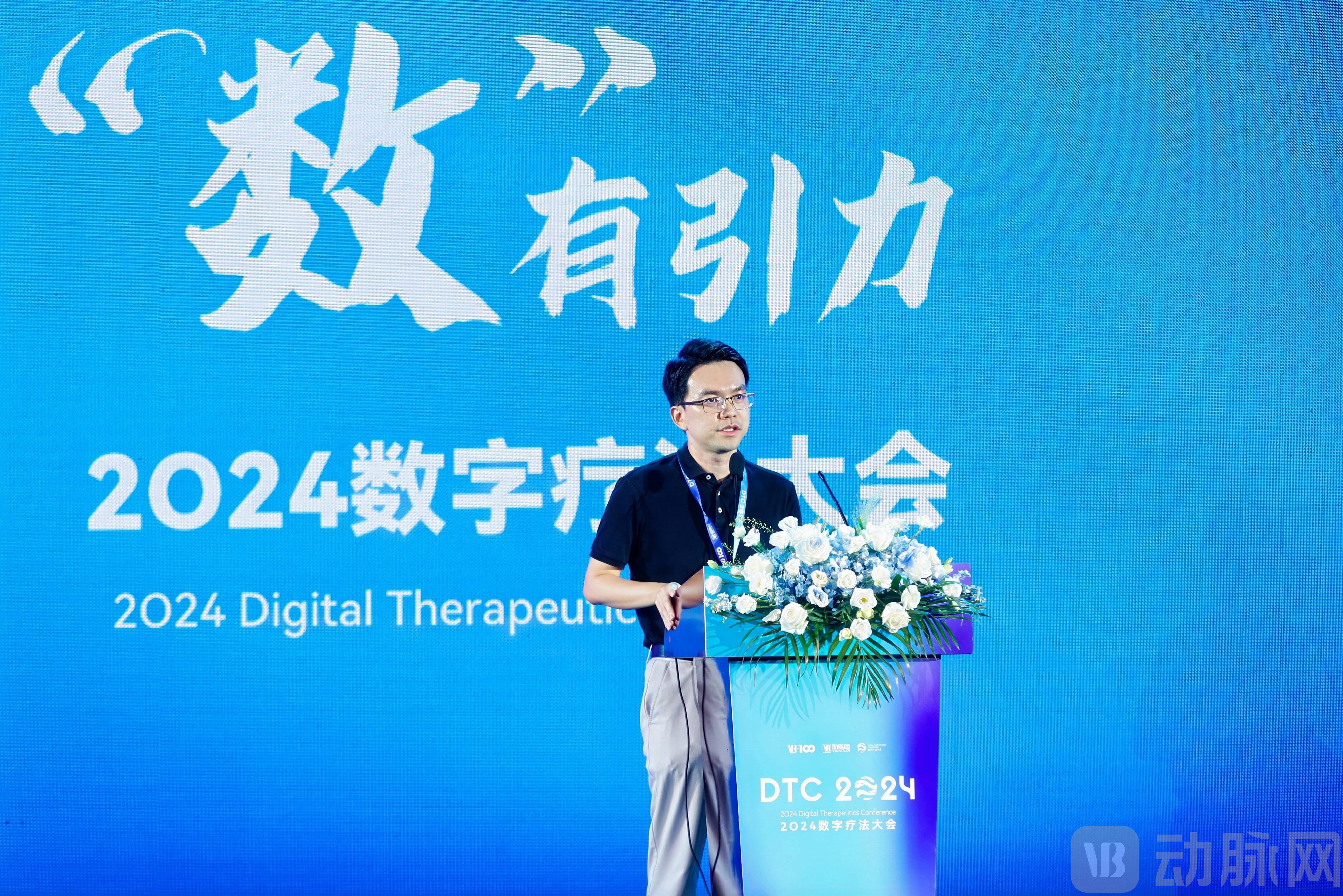 Ding Caihui | General Manager of the Industrial Business Group and Assistant General Manager of the Group at Hainan Eco-Software Park, Executive Vice President of the Hainan Digital Medical Health AssociationGeneral Manager of the Industrial Business Group of Hainan Eco-Software Park and Assistant General Manager of the Group, Ding Caihui, Executive Vice President of the Hainan Digital Health and Medical Association"Data + Scenarios + Policies: Driving High-Quality Development of the Digital Therapeutics Industry"presentation, sharing the development of the digital health industry at Hainan Eco-Software Park. He mentioned that the park has received strong support from both the national and provincial governments, becoming the first park in Hainan Province to implement a “one park, one policy” framework, and it hosts the Hainan Digital Medical Innovation Base. As of the end of 2023, the park was home to more than 15,000 enterprises, with an annual revenue of approximately RMB 250 billion. The park has developed three key industries: culture and sports, finance, and digital health, with over 1,600 companies operating in the digital health sector. Well-known domestic and international enterprises such as Tencent, Douyin, Baidu, and Alibaba have established internet hospitals or related health industry projects within the park. He emphasized that the park’s development relies on the project to transform health data into production factors, promoting collaboration across the industrial chain, with the goal of enabling doctors worldwide to serve global patients using global resources.
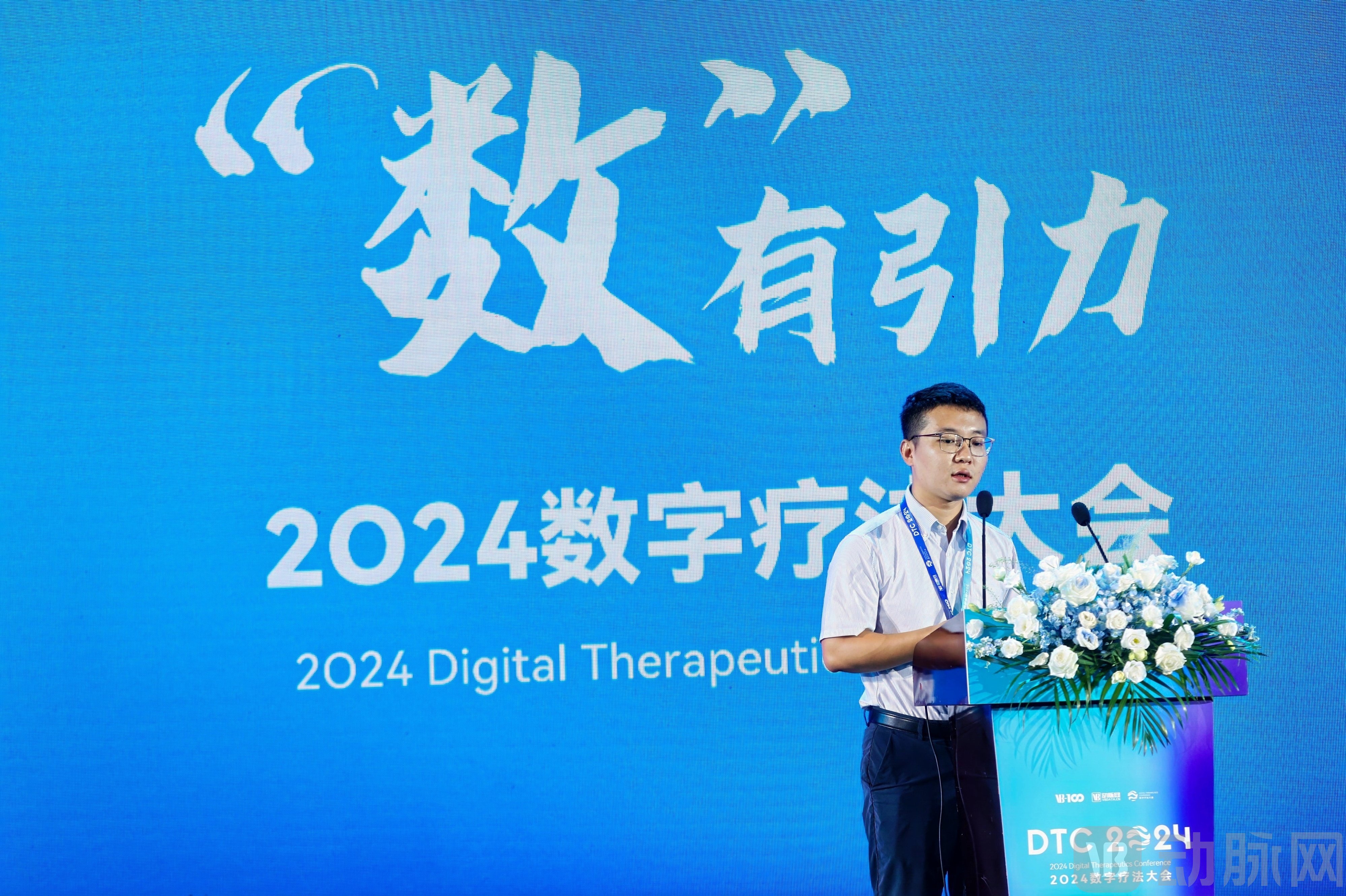 Han Xiao | Investment Promotion Manager, Industry Promotion Department, Sanya Yazhou Bay Science and Technology City AdministrationHan Xiao, Investment Promotion Manager, Industry Promotion Department, Sanya Yazhou Bay Science and Technology City Administration Bureaureport is"Introduction to Industries and Preferential Policies of Sanya Yazhou Bay Science and Technology City Administration"Yazhou Bay Science and Technology City is located in the western part of Sanya, Hainan Province, with a total planned area of approximately 69.3 square kilometers. It is a technology-oriented high-tech development zone focused on deep-sea science and technology and the Nanfan seed breeding industry, while fostering the coordinated development of life sciences, the digital economy, and other sectors. As one of the 13 key development parks in the Hainan Free Trade Port (FTP), it plays a pivotal role in the region’s strategic growth.In terms of innovative management mechanisms, the park advances the high-level construction of an FTP sci-tech innovation hub through a model combining “statutory empowerment + market-oriented operations.” Regarding industrial infrastructure, the park focuses on technological innovation and industrial development by introducing numerous renowned enterprises, establishing multiple incubator platforms, and setting up guidance funds and specialized sub-funds to promote the commercialization of scientific and technological achievements and cultivate emerging industries.Furthermore, the park has launched an integrated “five-in-one” intellectual property management system and the “Cheng Xiaoer” service platform to provide enterprises with services such as registration for occupancy, settlement support, and development facilitation. It has also formulated several policy measures to accelerate the aggregation of talent in the Science and Technology City, aiming to create an attractive environment for top-tier professionals and achieve mutual success and win-win outcomes.
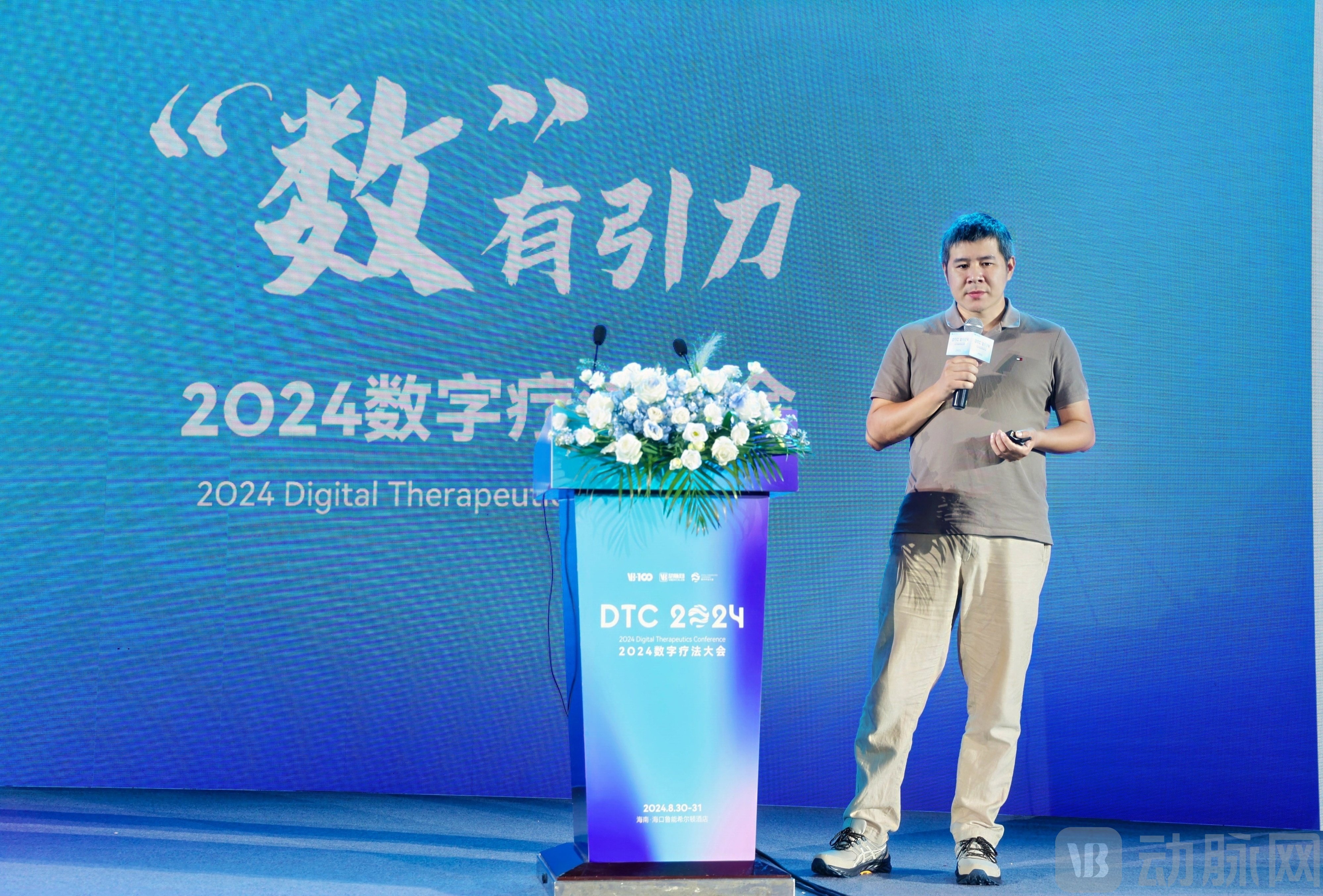 Yang Jiawei | COO, Haihu HealthHaihu HealthCOO Yang JiaweiShared《How to Provide Services and Oversight for the Digital Health Industry》Haihu Health has established a “Five Clouds, One Park” digital healthcare ecosystem. Leveraging Haier’s medical resources, it has built an industrial park in Qingdao that provides services spanning systems, regulatory compliance, supply chain, and operations. The company has also developed an internet hospital to serve as a platform for enterprises, facilitating the creation of closed-loop business models. Haihu Health’s service offerings include regional support, qualification assistance, system and product assurance, resource support, financing support, as well as talent and fiscal/taxation support. In the realm of digital healthcare regulation, its activities cover sectors such as internet-based medical services, digital therapeutics, and “Internet + Nursing.” These initiatives have already been implemented in Shandong and other regions. Meanwhile, the company has built a regulatory platform that provides services including qualification access, permission management, end-to-end regulatory oversight, violation alerts, and big data visualization analytics. Yang Jiawei emphasized that Haihu Health holds competitive advantages in the operation and services of its digital healthcare industrial park, and expressed the hope to promote its “service plus regulation” model in more provinces across China.
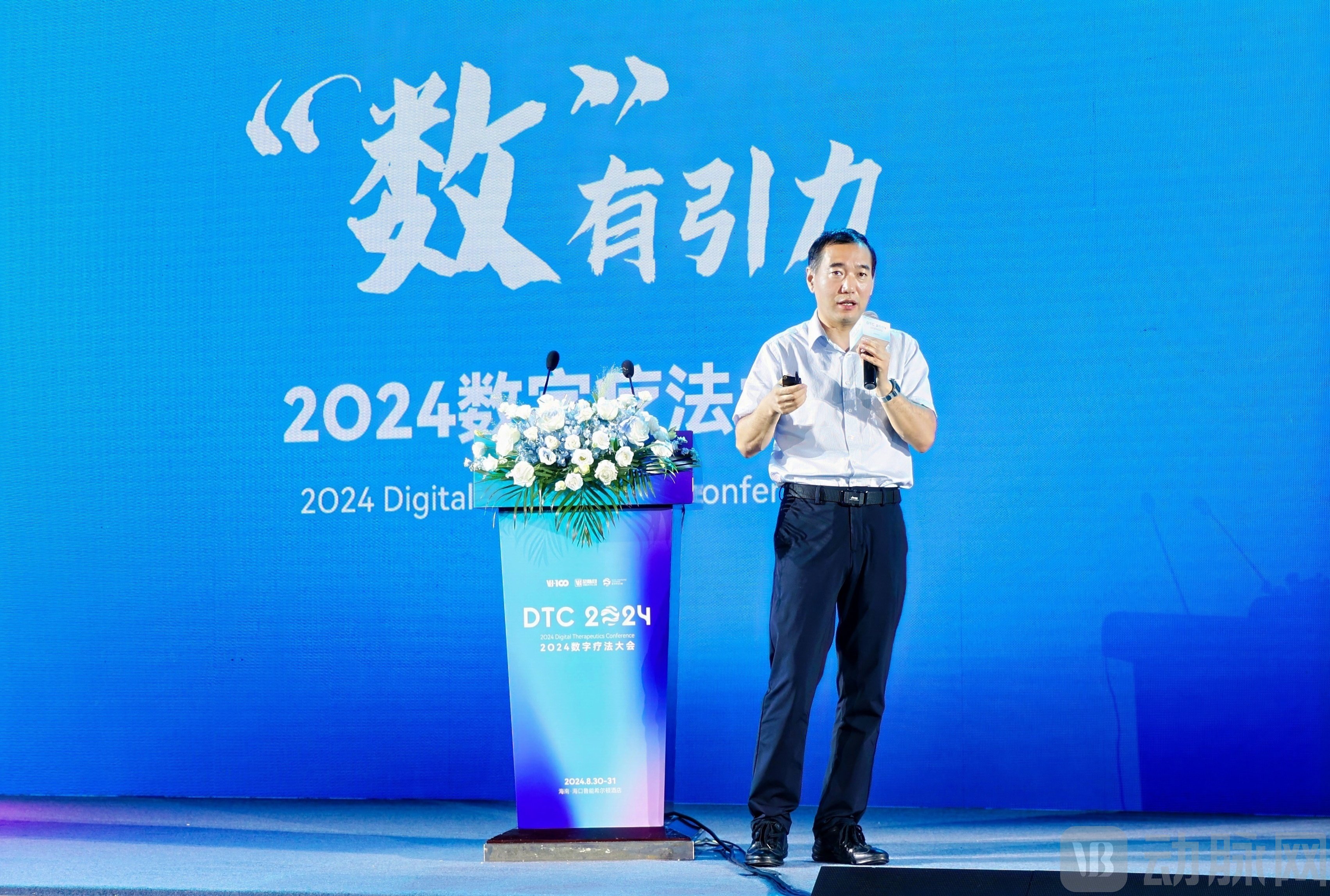 Feng Jian | Deputy General Manager of Zhongguancun Shuimu Medical Group, General Manager of Beijing Shuimu Jinsheng Medical Technology Service Co., Ltd.Feng Jian, Deputy General Manager of Zhongguancun Shuimu Medical Group and General Manager of Beijing Shuimu Jinsheng Medical Technology Service Co., Ltd."Explored in the speech""An Analysis of the Classification and Management Framework for Digital Therapeutics Products", pointing out that China’s regulatory framework in this area requires further refinement. Citing FDA registration information as an example, he shared how the FDA regulates digital therapeutics (DTx) products and discussed the implications for China. He emphasized that the classification of DTx products should be determined comprehensively based on their intended use, clarity of usage scenarios, whether a physician’s prescription is required, and risk level. He recommended that DTx products return to the track of evidence-based medicine, with some products required to demonstrate safety and efficacy through clinical trials, while also incorporating health economics considerations. Finally, Feng Jian called on the industry to work together to standardize the DTx field, ensuring its healthy, rapid, and safe development, avoiding hype and distorted growth. While DTx products hold broad prospects for development, they must be approached with seriousness.As the forum drew to a successful close, the distinguished experts and guests left behind not only profound academic impressions and valuable intellectual assets, but also boundless aspirations and firm confidence in a new era of future healthcare. Driven by a diversified ecosystem, digital therapeutics will continuously push the boundaries of innovation, contributing ever greater strength to human health and well-being.