Home Visionary Innovation: Exploring the Frontier of Digital Ophthalmology — Ophthalmic Digital Therapeutics Innovation Forum Concludes Successfully!

Visionary Innovation: Exploring the Frontier of Digital Ophthalmology — Ophthalmic Digital Therapeutics Innovation Forum Concludes Successfully!

Sep 05, 2024 15:14 CST Updated 15:15
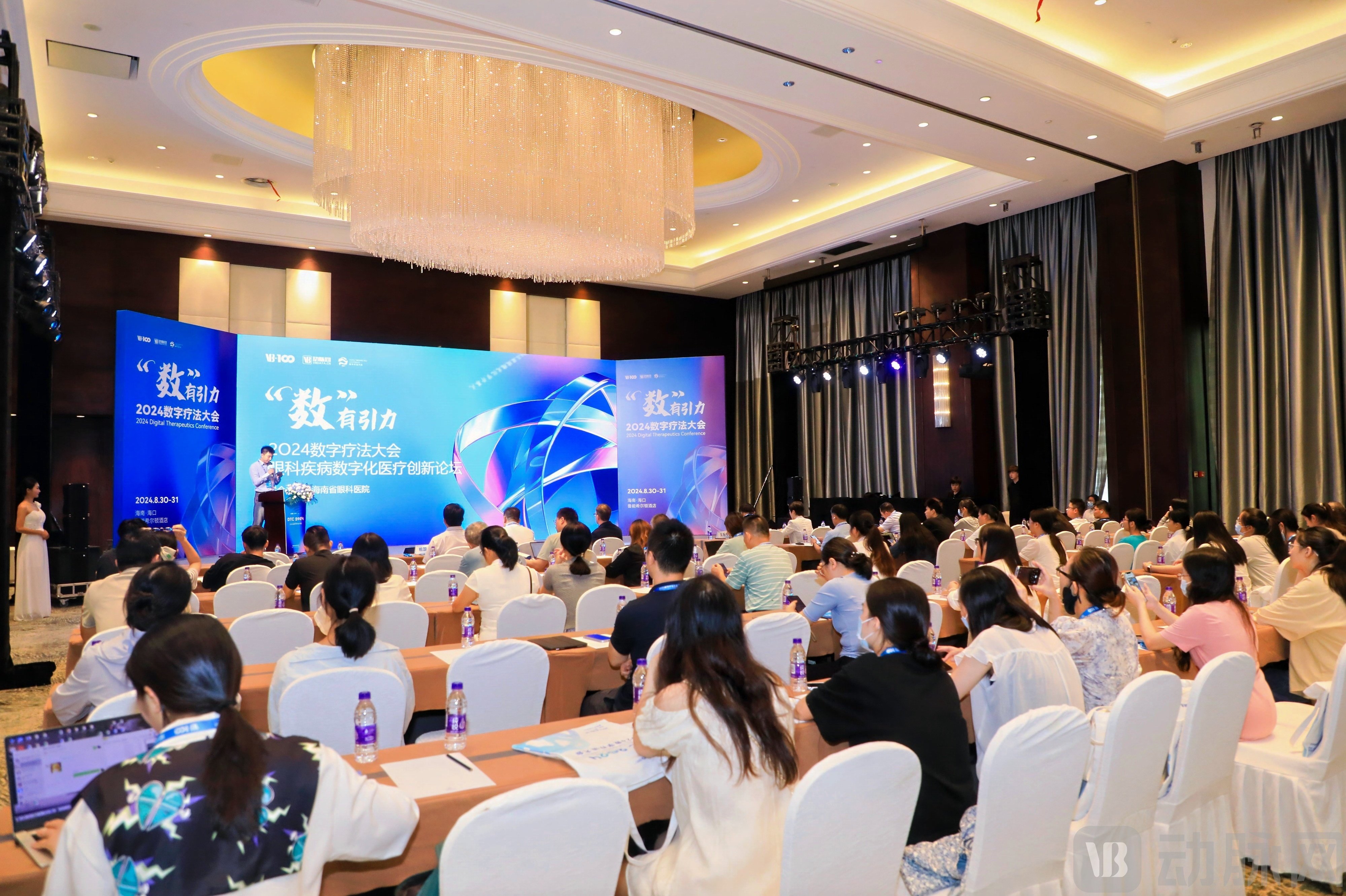
“The eye” is one of the most important sensory organs in the human body, and its health status directly affects people’s perception and understanding of the world. With the deep application of cutting-edge technologies such as big data, cloud computing, and artificial intelligence, the digitalization of patient services has accelerated, ushering in unprecedented development opportunities for the ophthalmic healthcare market.
August 30, 2024,Digital Healthcare Innovation Forum for Ophthalmic Diseasessuccessfully held in Haikou. The 2024 Digital Therapeutics Conference was organized byBeijing Danhuang Technology Co., Ltd.Hosted by,Chongqing VCBeat Orange Technology Co., Ltd., Hainan Danhuang Technology Co., Ltd.Organized by,Hainan Ecological Software Park Group Co., Ltd., Beijing Shuimu Jinsheng Medical Technology Service Co., Ltd.Strategic Cooperation, IncludingForum on Digital Healthcare Innovation in Ophthalmic DiseasesCo-hosted by Hainan Provincial Eye Hospital.

1.jpg
On-site Diagram
The forum is organized byZhang Mengru, Founding Partner of LeLi CapitalServed as the Invited Moderator. The forum brought togetherWang Lejin, Chief Physician and Professor at Peking University People's HospitalThe University of Nottingham’s Beacon of Excellence ProgrammeMichael Wormstone, Director of the Life and Health Center at the (Ningbo) Innovation Research Institute and Fellow of the Royal Society of MedicineDing Hui, Deputy Chief Physician and Director of the Myopia and Refractive Surgery Department at Hainan Provincial Eye HospitalCo-founder of Twelve Millimeters Health Technology,CEO Zhao XinleiZu Guodong, Director of Regulatory Affairs at Shuimu JingchuangLiu Dong, Head of the Product Center at AirdocChen Xinjian, Distinguished Professor at Soochow University and Founder of Bigway Medical, to jointly explore high-quality development in ophthalmology and the application and future trends of digital transformation in the field, focusing on issues and solutions related to digital technologies in ophthalmology, and collectively promoting the advancement of digital healthcare in this specialty.

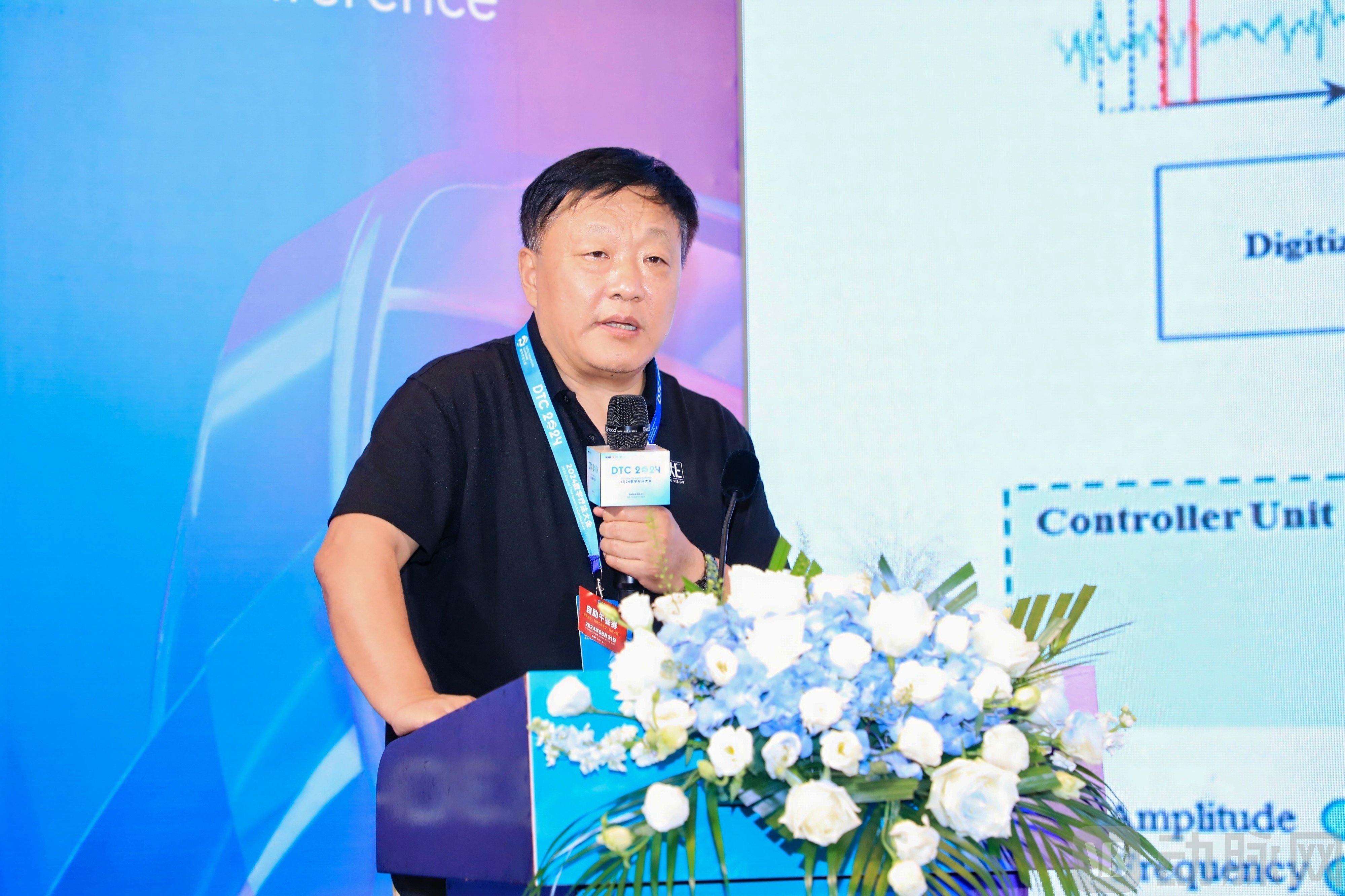
Research and Development and Application of AI Neuromodulation Digital Chips
2.jpg Wang Lejin | Chief Physician, Professor at Peking University People's Hospital

The forum opening was hosted byWang Lejin, Chief Physician and Professor at Peking University People's HospitalProfessor Wang shared his insights, pointing out that the United States, Israel, and China are currently the global leaders in digital neuromodulation technology, although China still needs to enhance its capabilities in original technological innovation. Professor Wang showcased an ophthalmic-specific chip developed in collaboration with a Belgian company, emphasizing its miniaturization, intelligence, and multifunctionality. He noted that closed-loop modulation technology represents the future trend, enabling precise stimulation and personalized treatment. Furthermore, he presented his team’s innovative achievements in treating nystagmus, demonstrating tremor suppression through neuromuscular stimulation and validating its efficacy via clinical trials. He also highlighted the potential of digital health in treating conditions such as Parkinson’s disease, refractory pain, and epilepsy, predicting that the market value will reach $10 trillion over the next decade. Finally, Professor Wang introduced the team at Chaomu Technology and its product line of digital therapeutics for ophthalmology, including innovative devices for treating nystagmus, myopia, and glaucoma, underscoring the importance of originality and improving patients’ quality of life.

Academic-industry engagement promotes advances in intraocular lens development and cataract surgery outcomes
3.jpg Michael Wormstone | Director of the Centre for Life and Health, University of Nottingham Ningbo China Beacon of Excellence Innovation Institute; Fellow of the Royal Society of Medicine

Cataract SurgeryIt is the most common ophthalmic surgery worldwide, with approximately 30 million procedures performed annually. The precise implantation of intraocular lenses (IOLs) has become a critical step in restoring patients’ vision, driving a market size of approximately $4 billion.University of Nottingham Beacon of Excellence ProgrammeProfessor Michael Wormstone, Fellow of the Royal Society of Medicine, London, and Director of the Life and Health Center at the (Ningbo) Innovation Research Instituteis globally renownedIntraocular LensA research scholar in the field of research and development (R&D) and evaluation, he brings nearly 20 years of relevant scientific research experience and has established extensive collaborations with leading international eye care and optometry companies such as Carl Zeiss and Hoya. At this conference, Professor Michael Wormstone introduced his developed intraocular lens (IOL) model to the attendees, which effectively facilitates postoperative assessment for cataract patients in clinical practice. Furthermore, drawing on numerous case studies, he highlighted how to foster industry-academia-research collaborations, which not only yield substantial academic achievements but also effectively promote the industrialization of technologies. Finally, as a globally renowned scholar in ophthalmology, Professor Michael Wormstone expressed his hope that experts and scholars present would strengthen cooperation between academia and industry to better tackle various clinical diseases in ophthalmology, thereby benefiting a broad patient population.

A New Era of Visual Health: Reshaping Myopia Prevention and Control Strategies with Digital Therapeutics
4.jpg Ding Hui | Director of the Myopia and Refractive Surgery Department, Hainan Eye Hospital; Associate Chief Physician
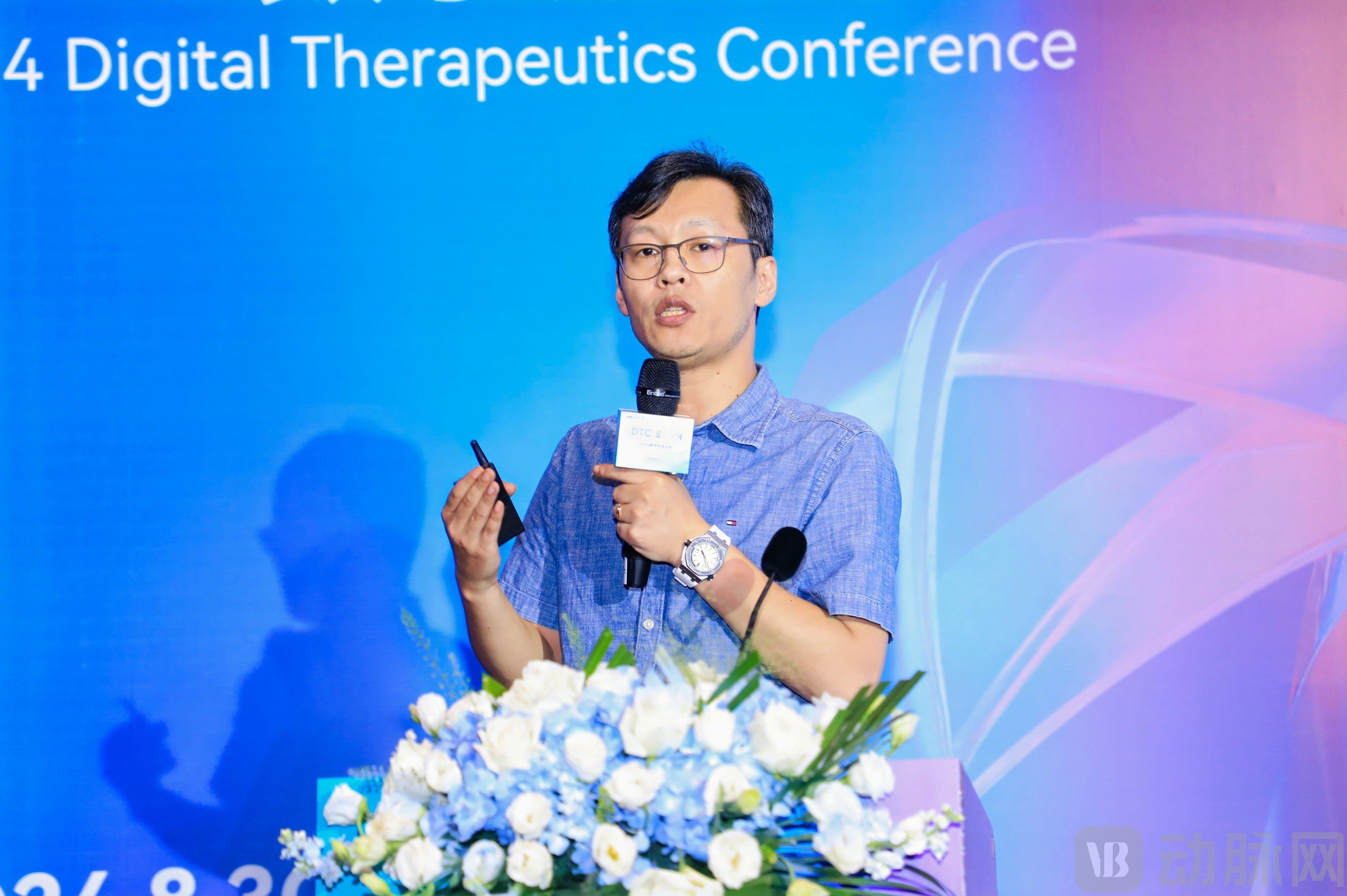
Ding Hui, Deputy Chief Physician and Director of the Myopia and Refractive Surgery Department at Hainan Eye HospitalShe pointed out that increased near work, excessive use of electronic devices, and lack of outdoor activities are the primary factors contributing to myopia. Given the irreversible nature of myopia, she advocated prioritizing preventive measures. Director Ding noted that although outdoor activities have been proven to reduce the risk of myopia, further research is needed on how to implement them effectively. She expressed hope that real-time monitoring devices and big data analytics tools could be leveraged to enhance the efficiency of myopia management. Furthermore, Director Ding emphasized the critical role of medical science popularization in raising public awareness of myopia prevention and control. She also highlighted the application potential of digital therapeutics in myopia management, as well as the importance of government bodies, educational institutions, and healthcare sectors in formulating and implementing prevention and control strategies. She hopes that, through effective myopia management in the future, outdoor activities, reading, and eye examinations can all contribute to eye health, empowering every family and physician to become a force in safeguarding visual health.

Pioneering with Technology: Ushering in a New Era of Digital Therapeutics for Eye Health
5.jpg Zhao Xinlei | Co-founder and CEO of 12mm Health Tech
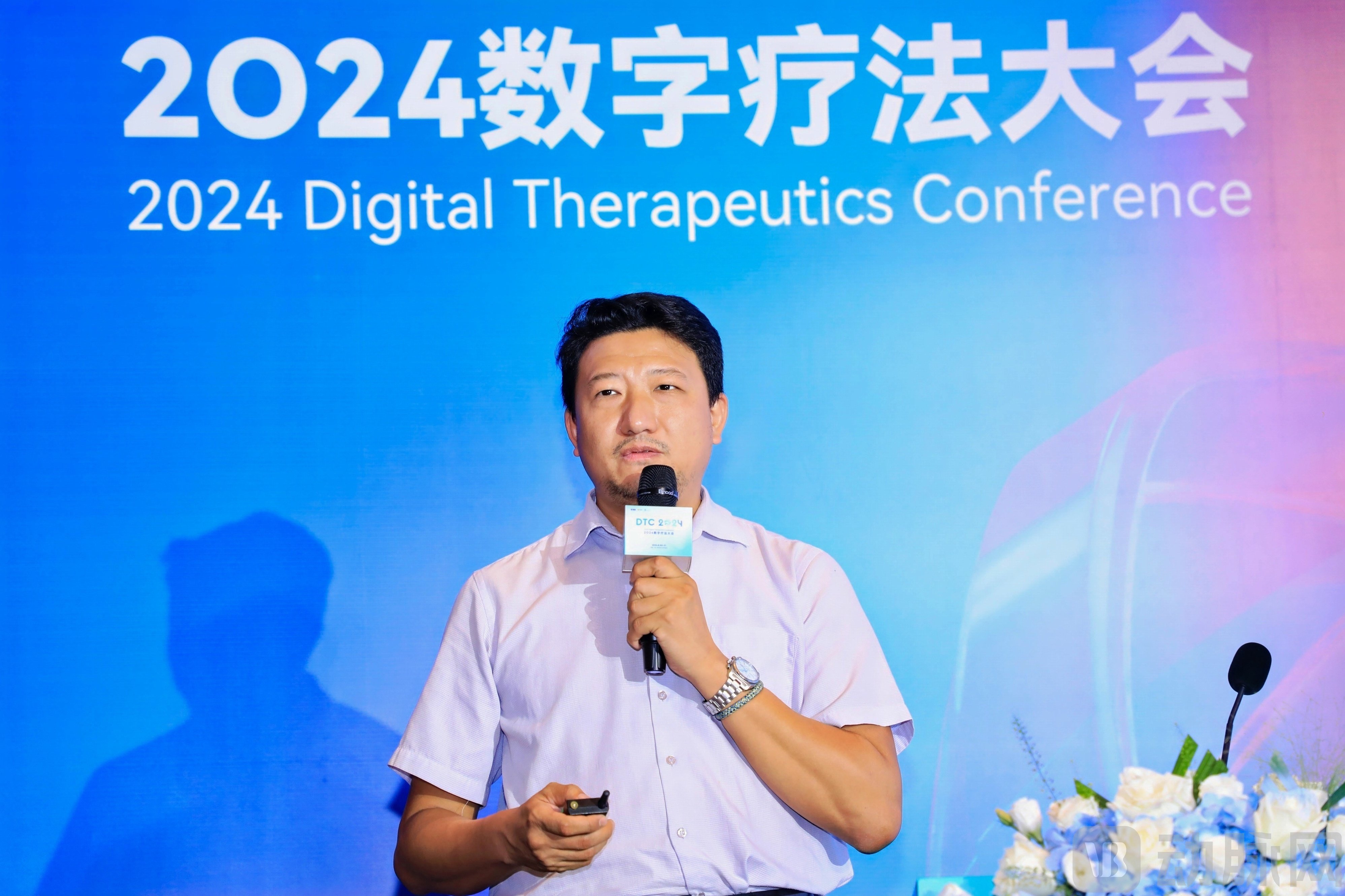
Co-founder of Twelve Millimeter Health TechCEO Zhao Xinlei,He shared his experience in the field of medical science popularization, particularly in myopia prevention and control. He explained the progression of myopia, including the hyperopic state of newborns, the process of emmetropization, and the impact of acquired eye-use habits and environmental factors on myopia development. Meanwhile, Zhao Xinlei emphasized the irreversibility of myopia and proposed a three-tier prevention strategy: primary prevention targeting risk factors,Secondary PreventionEmphasizing early detection, diagnosis, and treatment, tertiary prevention focuses on disease control in diagnosed patients. The medical devices developed by Twelve Millimeters monitor eye-use environments and behaviors through multiple sensors, forming a closed-loop system for myopia prevention and control. This system aims to reduce the incidence of myopia and curb its progression. The product has received recognition from the Hainan Provincial Medical Products Administration and has initiated preclinical studies. Furthermore, plans are underway to launch additional myopia prevention and control products, thereby building a comprehensive solution for myopia management.

A Brief Discussion on Registration Strategies for Digital Therapeutics Products- Commercialization of Research Achievements in Ophthalmic Digital Products
6.jpgZu Guodong | Regulatory Affairs Director, Shuimu Jingchuang

Zu Guodong, Director of Regulatory Affairs at Shuimu JingchuangHe shared insights into product industrialization, emphasizing a corporate development strategy that evolves from a single product to multiple product lines. He pointed out that realizing the transition of a product from concept to market requires a comprehensive consideration of product characteristics, technical capabilities, and management strategies. As a paradigm of product innovation, the success of digital therapeutics relies on the synergy between hardware and software, as well as their integration with non-pharmacological interventions such as medications. Understanding the intended use and scope of application is crucial for defining product composition and registration strategies. He advocated for incorporating market access planning at the early stages of product development to mitigate risks and attract investment. The innovativeness of product technology determines its market positioning; each level, ranging from novelty to creativity and then to foresight, corresponds to different access strategies. From a management perspective, team structure and resource allocation should align with the product’s development stage to ensure the efficiency of translating scientific achievements into practical applications.

AI Visual Health Digital Therapeutics
7.jpgLiu Dong | Head of Product Center, Airdoc
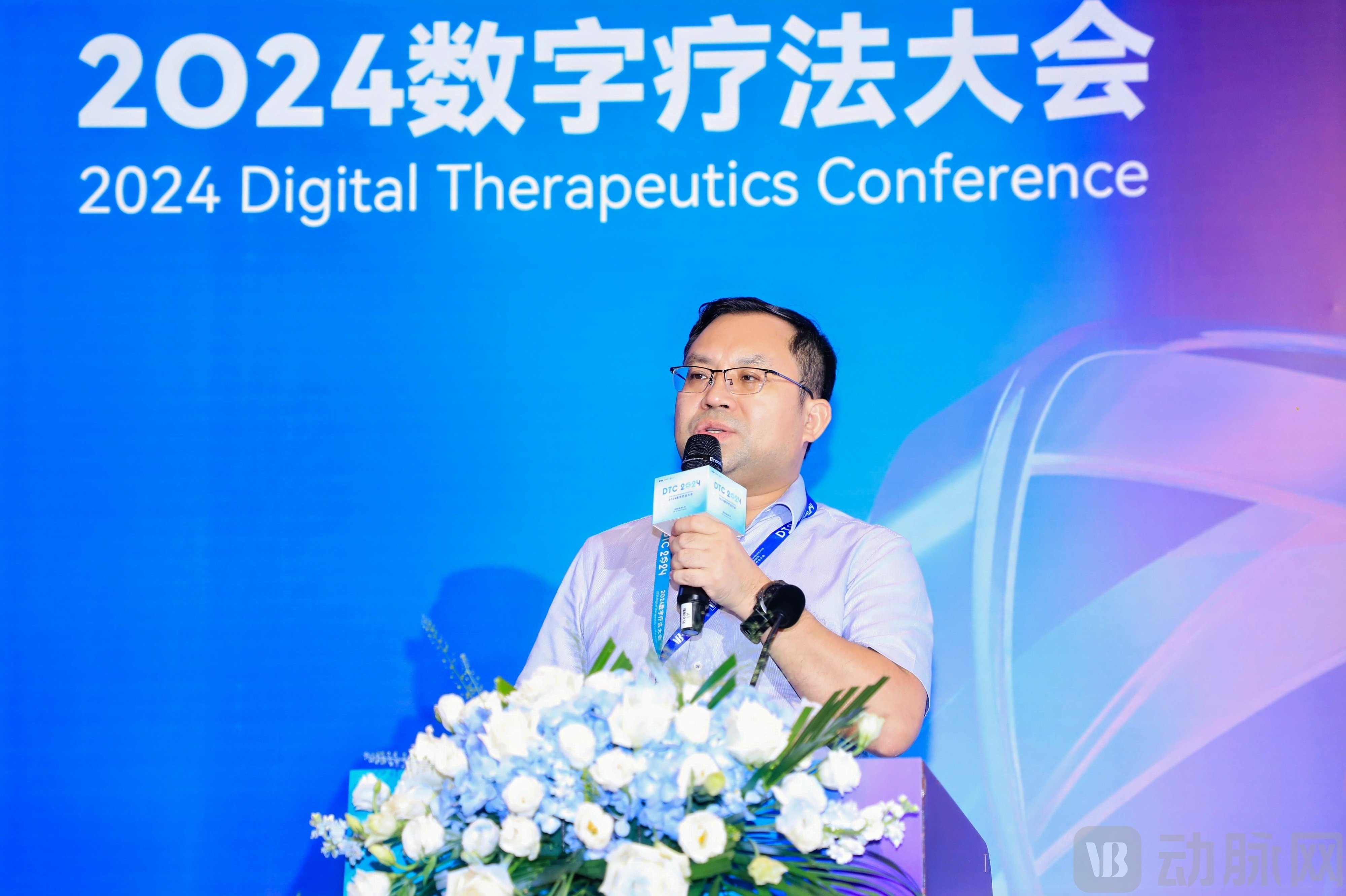
Liu Dong, Head of the Product Center at AirdocHe shared the innovative potential and practical application value of AI in visual health management. He pointed out that the retina serves as a window to overall systemic health, with its changes correlated to various chronic diseases. He introduced a multi-center study conducted in collaboration with Zhongshan Ophthalmic Center, which utilizes AI to screen for fundus complications associated with multiple chronic conditions, including diabetic retinopathy. The application of AI technology in primary healthcare institutions also holds significant promise. Through integrated smart devices combining software and hardware, rapid screening and analysis can be achieved, thereby promoting the development of a tiered diagnosis and treatment model. Additionally, this technology enables monitoring of myopia progression and facilitates tracking and management as part of digital therapeutics. Furthermore, Liu Dong explored the application of AI in visual function assessment and vision therapy, discussing how to integrate clinical monitoring and evidence-based medicine to provide AI-driven personalized recommendations and optimize treatment plans. Finally, he outlined the future of combining digital therapeutics with intelligent hardware, integrating technologies into unified solutions for myopia prevention and control, amblyopia treatment, and other areas of visual health.

OphthalmologyAI-Powered Diagnosis of OCT Images
8.jpgChen Xinjian | Distinguished Professor at Soochow University, Founder of Bigway Medical

Chen Xinjian, Distinguished Professor at Soochow University and Founder of Bigway MedicalThe team’s progress in AI-based diagnostic technologies for ophthalmology was presented. In response to the growing volume of OCT imaging data, they have developed computer-aided diagnostic techniques to provide solutions for healthcare institutions. The team has achieved notable results in color fundus photography, corneal topography analysis, and the development of dry eye diagnostic devices, thereby advancing the intelligent analysis of ocular diseases. Professor Chen believes that integrating AI-driven diagnostics with smart devices can effectively alleviate the shortage of ophthalmic resources at the primary care level.Bigway Medical TechnologyThe research findings have been published in prestigious journals, including Nature sub-journals, and more than 100 patents have been secured. Devices such as fully automated AI-powered OCT systems and dry eye diagnostic instruments have already been deployed in multiple hospitals, with big data analytics implemented on cloud platforms. Professor Chen stated that the application of these technologies has not only improved diagnostic efficiency and accuracy but also provided significant support for the treatment of ophthalmic diseases. Finally, he expressed his expectation to achieve more breakthroughs in this field in the future, thereby benefiting patients with eye diseases.

Using medical big data,AI Modeling Empowers China's Health and Wellness Industry
9.jpgFrom left to right: Roundtable Moderator Zhang Mengru | Founding Partner, Leli Capital; Chen Xinjian | Distinguished Professor at Soochow University, Founder of Bigway Medical; Zhao Xinlei | Co-founder and CEO of Twelve Millimeter Health Technology; Zu Guodong | Director of Regulatory Affairs, Shuimu Jingchuang

In the roundtable discussion,Founding Partner, Leli CapitalZhang MengruAs the moderator, I guided discussions on the future impact of AI in ophthalmic diagnosis, opportunities for domestic substitution, and the challenges and opportunities in personalized medical management, emphasizing the uniqueness and challenges of healthcare entrepreneurship, as well as the positive impact of policy changes on investment and entrepreneurial teams.
Chen Xinjian, Distinguished Professor at Soochow University and Founder of Bigway MedicalShared the team's breakthroughs in AI-driven ophthalmic diagnostic technologies, particularly solutions addressing the surge in OCT imaging data, along with R&D achievements in fundus color photography, corneal topography analysis, and dry eye diagnostic devices. It was emphasized that integrating AI with smart devices can help alleviate the shortage of ophthalmic resources. Bigwei devices have been deployed in hospitals, leveraging cloud-based big data analytics to enhance diagnostic efficiency and accuracy.
Subsequently, the roundtable discussion centered on “Digital Integration and Innovation Challenges in Ophthalmic Disease Management,”Zhao XinleiAsCo-founder of 12mm Health TechIt introduced its pioneering myopia risk factor monitor and digital therapeutics, emphasizing the importance of personalized management and precise user engagement.Zu GuodongrepresentsShuimu Jingchuang Regulatory Affairs Center, shared insights on registration testing and clinical trials for medical devices, andCDMO Servicesexperience, emphasizing that startup teams need to prioritize compliance and clinical effectiveness, and mentioning the benefits of new policies for entrepreneurial teams.

As the final, captivating roundtable discussion drew to a close, the Digital Health Innovation Forum on Ophthalmic Diseases concluded successfully amid enthusiastic response from the audience. The forum not only brought together top ophthalmology experts, leaders of medical technology enterprises, and industry elites from both China and abroad, but also served as a vital platform for exploring cutting-edge technologies in ophthalmic care, exchanging achievements in digital innovation, and jointly charting the future development blueprint for the industry.