

YuGuo Bio Enters the Second Half of mNGS Era: R&D Efficiency and Productization Emerge as Core Competitive Advantages

hugo biotech
Provider of Microbial Sequencing and Microbial Genome Big Data Analysis Services
Infectious diseases remain a major threat to human health. According to data released by the World Health Organization (WHO), deaths from infectious diseases account for 28% of global mortality. Etiological diagnosis is the foundation for timely and effective control of infections, and identifying the causative pathogen is the basis for precise diagnosis and treatment of infectious diseases.
Metagenomic Next-Generation Sequencing (mNGS) for Pathogenic Microorganisms began transitioning from research services to clinical applications around 2017. By performing high-throughput sequencing on samples and analyzing the resulting data, mNGS employs bioinformatics algorithms to compare sequences against clinical pathogen databases. This process identifies the types and functional information of pathogenic microorganisms present in the samples, enabling rapid, objective, comprehensive, and accurate detection of pathogens—including viruses, bacteria, fungi, and parasites—in clinical specimens. Consequently, it facilitates digital monitoring of disease progression in infected patients, source tracing, and predictive analysis of infections.
In February 2017, Xia Han returned to China to found Hugo Biotech, taking full responsibility for the company’s operations and technological R&D. It was among the first enterprises in China to translate cell-free metagenomic next-generation sequencing (mNGS) technology into clinical practice. At that time, approximately 50% of clinical cases involving common human infectious diseases—such as central nervous system infections, respiratory tract infections, and bloodstream infections—lacked clear diagnostic criteria, necessitating diagnosis and treatment based on expert experience. Meanwhile, microbial detection methods were relatively backward, generally suffering from low positivity rates and the limitation of identifying only known pathogens, thereby making it difficult to detect polymicrobial infections and unknown pathogenic microorganisms.
After seven years, Hugo Biotech has steadily grown into a star player in its field by following the classic NGS trajectory of services to equipment to products. However, with mNGS and tNGS yet to cross the threshold of commercialization, and persistent questions surrounding costs, barriers to entry, and clinical value, how is Hugo Biotech adhering to a long-term development strategy to ensure continued steady progress? VCBeat spoke with Xia Han, Founder and CEO of Hugo Biotech.

Xia Han, Founder and CEO of Hugo Biotech, earned his bachelor’s degree from the School of Life Sciences at Fudan University and his master’s degree in Applied Biotechnology from Uppsala University in Sweden, where he studied under Royal Swedish Academy of Sciences member Ulf Landegren. He is currently pursuing a Ph.D. in Control Science and Engineering at Xi’an Jiaotong University, with a research focus on bioinformatics. He has developed MultiPrime, a tNGS design tool, and RVFScan, an mNGS virulence factor analysis tool. He currently serves as an Executive Committee Member of the Beijing Federation of Industry and Commerce and as Vice President of the Beijing Economic-Technological Development Area Chamber of Commerce for Science and Technology Innovation.
Xia Han also serves as a member of the expert group for the first batch of standardized technical focal units for medical high-throughput sequencing under the National Medical Products Administration (NMPA), an executive committee member of the third session of the Branch of Biological Diagnostic Technology of the Chinese Society of Biotechnology, a founding committee member of the Gene Testing Branch of the China Association of Medical Equipment, and an expert in the Beijing Expert Pool for the Transformation of Scientific and Technological Achievements in Medicine and Health. She actively promotes the formulation and revision of various industry standards and offers proactive advice and suggestions to foster the healthy development of the industry.
“One particularly intriguing aspect of microbial sequencing is that the experimental workflow employed at the front end directly influences, or even determines, the analytical pipeline at the back end. This underscores the critical importance of designing a holistic overview and an integrated testing pathway, which serve as the foundation for results, products, and services.” At the inception of Hugo Biotech, Xia Han conducted extensive research into clinical needs and consulted with domestic and international experts regarding strategic direction and indication selection, ultimately introducing cell-free nucleic acid technology to China for the first time.
In the detection of sterile body fluids such as blood, cerebrospinal fluid, and synovial fluid, cell-free technology demonstrates significant advantages: it offers high sensitivity, enabling the detection of cell-free nucleic acids at extremely low concentrations, which is suitable for early disease diagnosis and the detection of minimal lesions; furthermore, it eliminates the risk of cellular contamination by avoiding nucleic acid contamination caused by cell lysis, thereby enhancing assay specificity.
After confirming the underlying cell-free technology pathway, Hugo Biotech integrated microbial detection technologies with digital pathogen diagnostics, built a robust bioinformatics R&D team, developed supporting bioinformatics algorithms, and launched the PACEseq metagenomic pathogen detection technology.Leveraging foundational innovations such as “ultra-high-dimensional eigenvalue analysis” machine learning algorithms and noise reduction technologies, and integrating a pan-genomic pathogen database, we have established a cutting-edge digital solution for pathogen diagnosis. By combining qualitative precision through a “confidence scoring system” with quantitative analysis based on “specific sequence counts,” and ensuring broad pathogen coverage, this solution achieves a diagnostic concordance rate of ≥85%.
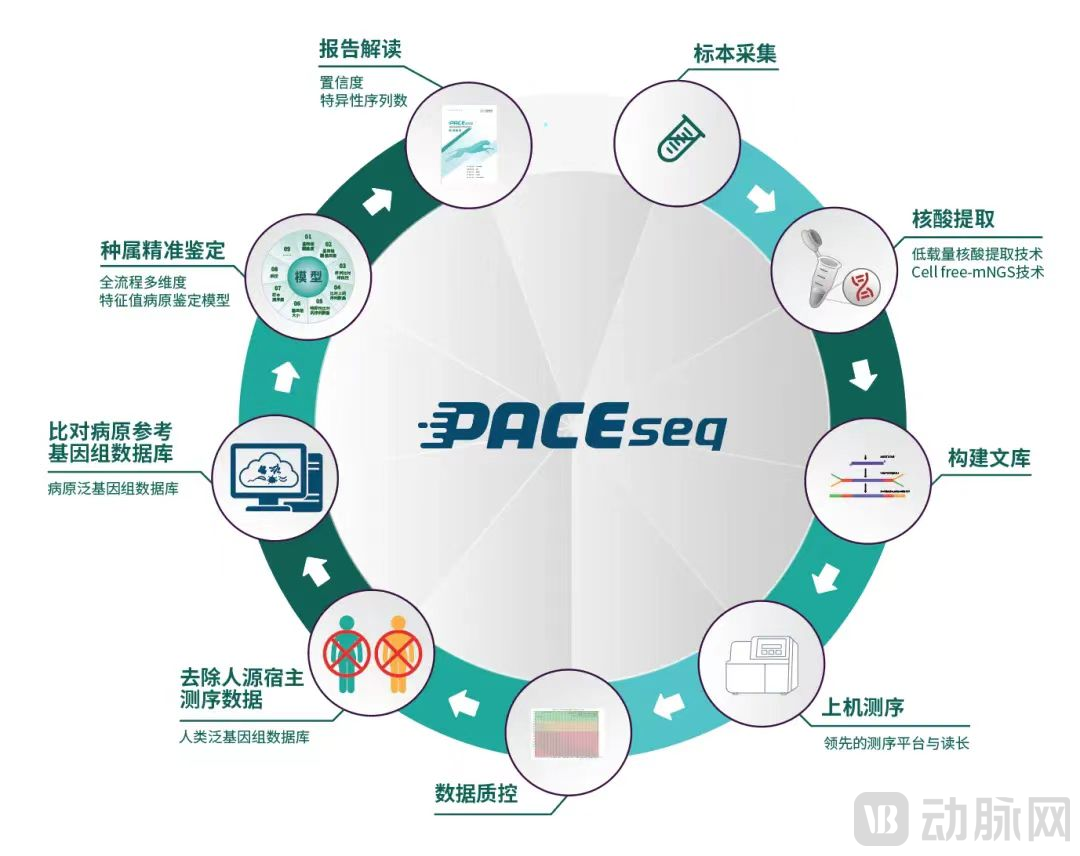
In terms of sample processing, pathogenic microbial DNA and RNA sequencing can be performed on clinical samples (including cerebrospinal fluid, blood, bronchoalveolar lavage fluid, sterile body fluids, tissues, etc.) without the need for culture or specific amplification. This enables comprehensive, rapid, and accurate detection of various microorganisms in clinical samples, shortening the time required for pathogen detection. It is suitable for patients with different types of infections, such as those who are critically ill, have difficult-to-diagnose conditions, are immunocompromised, suffer from chronic infections, or are infected with emerging and rare pathogens.
Xia Han stated, “Only by adhering to a product-oriented strategy, prioritizing product stability, technical registrability, and the balance between cost and profitability, can we build a product portfolio that is scientifically sound, aligned with clinical needs, and commercially viable.” On the path toward regulatory compliance and approval of its mNGS products, Hugo Biotech has gradually established a product portfolio tailored to diverse disease and pathogen detection scenarios.
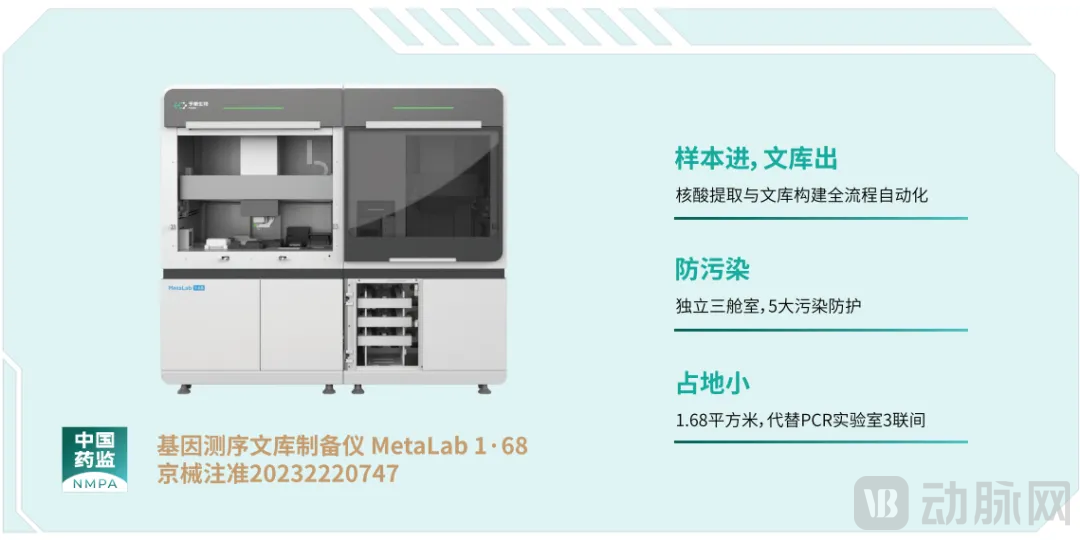
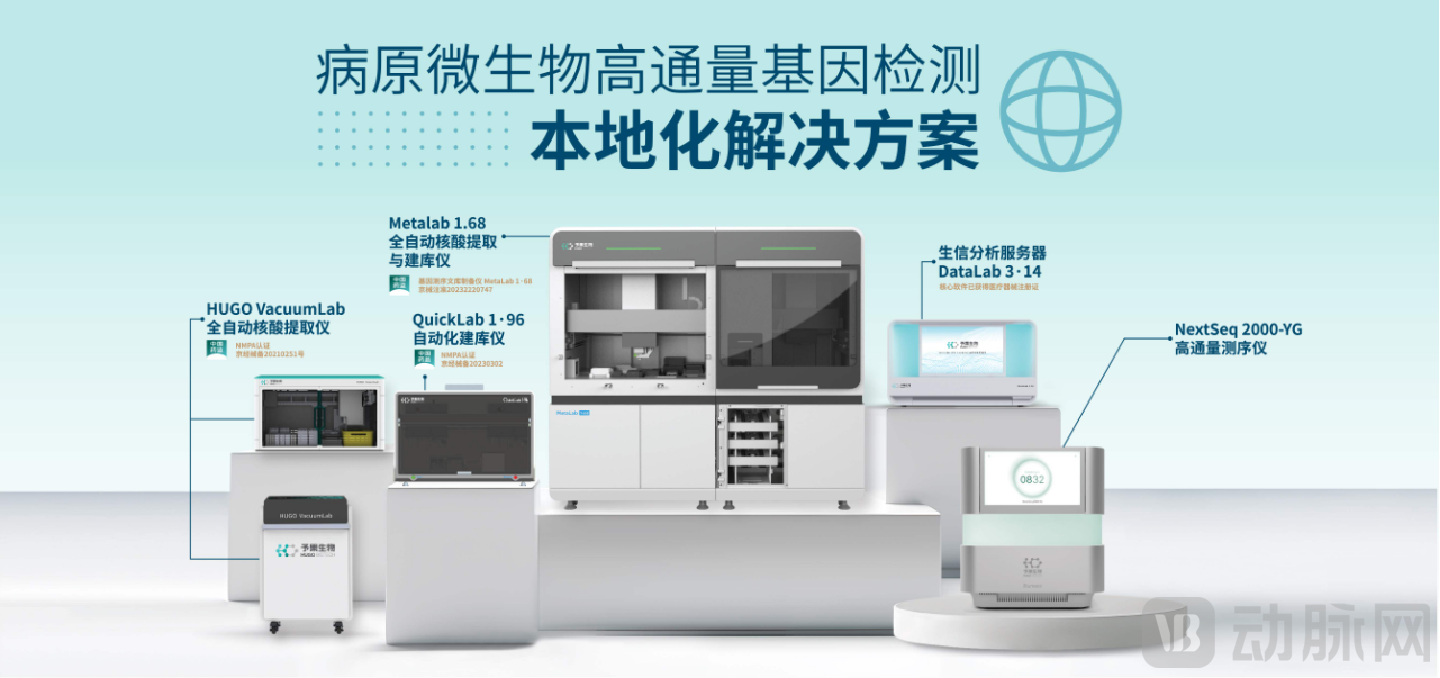
One pathway is to drive product line iteration and the development of proprietary high-throughput sequencing equipment, based on PACEseq and accumulated clinical data:Leveraging a large clinical cohort of 300,000 mNGS cases, we innovatively integrate dual DNA and RNA metagenomic workflows to launch PACEseq 2in1, a comprehensive pan-pathogen metagenomic test. This solution enables the simultaneous detection of 30,248 pathogens—including bacteria, fungi, parasites, DNA viruses, and RNA viruses—in a single workflow. We have independently developed multiple instruments and equipment, including the MetaLab 1·68 Automated Nucleic Acid Extraction and Library Preparation System, which has received market approval. By integrating high-throughput sequencing laboratory capabilities into a single automated device, it achieves end-to-end automation from “sample in to library out,” optimizing spatial footprint, operational efficiency, and environmental control.
Another path is to develop a more specialized, highly sensitive, and versatile series of pathogen-targeted next-generation sequencing (tNGS) products.tNGS bypasses traditional microbial culture by directly enriching dozens to hundreds of known pathogenic microorganisms and their virulence/resistance genes in clinical samples, followed by high-throughput sequencing and database alignment analysis to identify the pathogenic microorganisms present in the samples. Hugo Biotech has launched tNGS products including BloodSeq (for blood samples) and DRseq (for body fluid samples), both targeting key clinical pathogens via high-throughput sequencing, as well as TB Pro, a targeted assay for Mycobacterium tuberculosis and non-tuberculous mycobacteria.
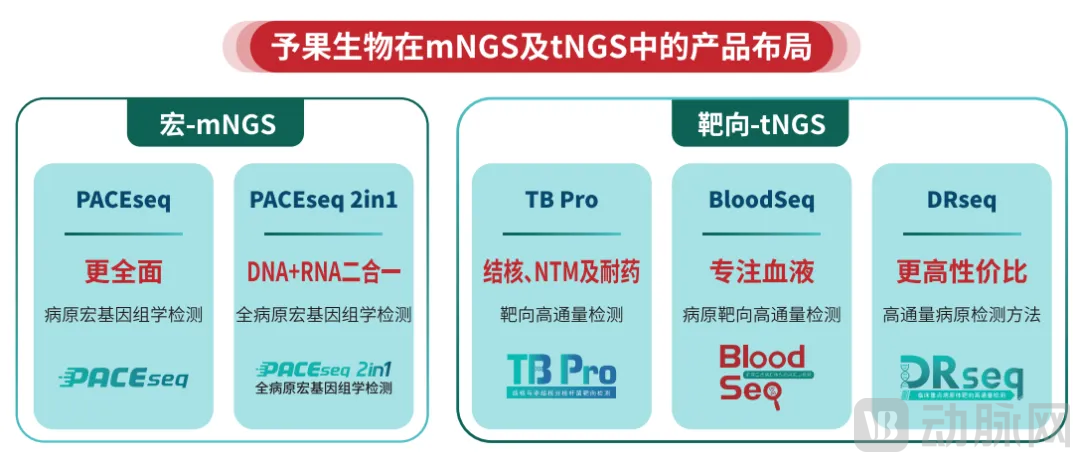 Overall, Hugo Biotech’s self-developed product portfolio covers a wide range of infectious disease areas, including central nervous system infections, bloodstream infections, tuberculosis, fungal infections, and respiratory tract infections. Leveraging its dual-track strategy, Hugo Biotech has established localized solutions tailored for hospital laboratories.
“Productization is more about approaching from a methodological perspective, studying how we develop a product,” mentioned Xia Han. Hugo Biotech has invested substantial resources in methodological discovery and R&D, developing multiple underlying technology platforms,“After establishing a replicable methodological framework, the technology platform will significantly reduce the development time and costs for subsequent products. For instance, by leveraging Hugo Biotech’s proprietary Multi-Prime targeted primer design platform, the development timeline for a single product can be reduced from five years to 6–9 months.”
In October 2023, Hugo Biotech, in collaboration with The Hong Kong University of Science and Technology, Xi’an Jiaotong University, and the Shenzhen Institute of Agricultural Genomics at the Chinese Academy of Agricultural Sciences, published an article titled “MultiPrime: A Reliable and Efficient Tool for Targeted Next-Generation Sequencing” online in iMeta (Impact Factor: 23.7). The first authors were Xia Han from Hugo Biotech, Zhang Zhe from The Hong Kong University of Science and Technology, and members of Hugo Biotech’s technical team.
The joint team developed MultiPrime, a primer design software tailored for ultra-multiplex tNGS technology. MultiPrime enables tNGS to perform sequencing of massive and diverse ultra-multiplex targeted regions across species. The introduction of this innovative algorithm facilitates primer design for ultra-multiplex PCR, addressing key R&D pain points such as primer design, system optimization, and mutual constraints, thereby enhancing product development efficiency.
Xia Han emphasized, “From a bioinformatics perspective, I believe the most fundamental principle of productization is ‘quality by design’—product quality begins with front-end product design. The Multi-Prime primer design software starts with initial primer design and takes into account the entire R&D process of the reporting system, thereby establishing a rigorous closed-loop R&D cycle from primer design to report analysis.”
In the field of infectious diseases, patients with critical and severe infections often face higher mortality risks, as well as more complex pathogens and antimicrobial resistance issues, making rapid diagnosis and precise testing crucial. For companies in the next-generation sequencing (NGS) sector, this demands high-quality product development and stringent quality control standards.Xia Han stated, “This is determined by the gravity of diagnosing infectious diseases and serves as the foundation for product development.”In an environment where product compliance and regulatory approvals continue to advance, price wars will no longer be the focal point of competition in the second half of the NGS market.In conducting microbiological testing and infection diagnosis, we must maintain a sense of reverence and seek out genuine, clinically valuable unmet needs. These critical needs can only be identified by engaging directly with hospitals, immersing ourselves in clinical practice, and analyzing real-world patient data.”
To date, Hugo Biotech has established a comprehensive industry chain covering upstream instruments and equipment, midstream testing reagents and consumables, and downstream medical testing services. The company’s diagnostic products for pathogen metagenomics, bloodstream infections, tuberculosis, and drug-resistance mutations innovatively integrate sequencing technology with artificial intelligence, significantly enhancing the sensitivity and specificity of infectious disease diagnosis. Hugo Biotech has established localized product centers in cities such as Beijing, Shanghai, Guangzhou, and Xi’an. Its business operations span over 150 cities, serving more than 1,500 hospitals and providing advanced, precise testing services to over 350,000 patients.
Meanwhile, collaboration and exploration on the product side continue to generate synergies, injecting a steady stream of innovation into R&D and clinical research.
By continuously exploring the efficient integration of bioinformatics analysis and metagenomic next-generation sequencing (mNGS), Hugo Biotech has pioneered a novel pathogen diagnostic model. Leveraging its robust database and advanced bioinformatics algorithms, the company builds a “bridge” between infectious diseases and immune responses. This approach enables rapid, objective, and accurate detection and identification of diverse microorganisms in clinical samples, while also predicting patients’ individual immune responses. These insights provide valuable references for treatment, assisting physicians in formulating more precise therapeutic regimens.
Furthermore, Hugo Biotech’s independently developed pathogen and antimicrobial resistance gene analysis model can interpret existing phenotypic antimicrobial susceptibility testing results and establish correlations between resistance phenotypes and corresponding genotypes. This capability not only provides critical guidance for the precise use of antibiotics but also holds significant implications for guiding future new drug development.
During the interview, Xia Han repeatedly emphasized the goal of building a “long-termist NGS company,”Productization and methodology are both forms of “internal capability” building. In the context of corporate development, cost reduction and efficiency enhancement, along with brand building, represent more practical challenges on the path to enterprise growth.“For Hugo Biotech, from the core logic of cost reduction and efficiency enhancement, it is first necessary to recognize that NGS testing is a business. Consequently, one must understand the company’s own commercial decision-making logic, and finally, take a step back to learn operational best practices from large-scale manufacturing enterprises.” Operational improvements such as cost reduction, efficiency enhancement, and digital transformation will be the focal points of innovation for Hugo Biotech in the near term, representing an essential path under its long-termist development strategy.