

Suns Automation Advances in High-End Drug-Device Combination Manufacturing with Integrated Equipment Solutions
With the issuance of the “Outline of the Healthy China 2030 Plan,” the healthcare and wellness sector has become a top choice for cross-industry expansion by major players from non-medical sectors. These giants have gradually formed a clear development and strategic logic following the path of “technological innovation – product diversification – Healthy China.”
As the funding surge recedes and capital grows increasingly rational, the healthcare industry in 2024 is confronting a new wave of technological transformation, with numerous technology-driven products at a critical juncture of achieving breakthroughs from zero to one. Meanwhile, large cross-industry entrants, having weathered intense market consolidation, will continue to serve as vital components of the upstream supply chain, facilitating the breakout of innovative technologies and products from hyper-competitive markets.
Suzhou Scians Automation Technology Co., Ltd. (hereinafter referred to as “Scians”), which was incubated from Suzhou HanChuan Intelligent Technology Co., Ltd. (stock code: 688022, hereinafter referred to as “HanChuan Intelligent”)is one of them. Currently, Sciens is committed toIntegrated drug-device combination solutions, with R&D as the core focus, specializing in the automated production of drug delivery devices.
Incubated by HanChuan Intelligent, specializing in the integration of pharmaceuticals and medical devices, as well as drug delivery.
Hanchuan Intelligent, which started in the automotive electronics sector, was founded in 2007 and entered the medical health equipment field in 2015. It has successively launched intelligent manufacturing equipment for medical devices, auxiliary materials, and instruments, providing professional intelligent manufacturing solutions to many leading global healthcare companies. The company possesses unique technical advantages in specialized areas such as assembly, testing, packaging, logistics, and data management of medical products.Leveraging its accumulated expertise, HanChuan Intelligence has gradually cultivated a portfolio of benchmark clients, including globally renowned giants such as Medtronic, Baxter, 3M, and BD.
In 2019, Hamchun Intelligent successfully went public, becoming one of the first companies listed on the STAR Market. In the year of its listing, Hamchun Intelligent adjusted and optimized its organizational structure, shifting from a function-based model to a business unit-centric model. It established four Business Units (BUs), one R&D Center (R&D Department), and two major service platforms (the Supply Chain Platform and the Public Service Platform). Notably, the company’s four BUs directly serve customers and are respectively responsible for intelligent manufacturing operations in the automotive electronics, healthcare, new energy, and industrial internet sectors.
It is precisely forIn line with this strategic consideration, Sains was established in 2021 as a subsidiary incubated by HanChuan Intelligent.. The reason HanChuan Intelligence chose the incubation model was to optimize the allocation of corporate resources: on one hand, concentrating efforts on core businesses such as automotive to avoid resource dispersion; on the other hand,To provide greater room for development and flexibility for healthcare businesses, fostering the release of innovative thinking and capabilities.
Currently, Sains has established in the medical and pharmaceutical fieldsComprehensive intelligent manufacturing solutions with complete equipment and system integration. The equipment manufacturing solution supports multi-process integration and customized design; the manufacturing system solution enables device-level connectivity, remote operation and maintenance management, and seamless integration of the entire plant’s data chain. Specializing in the fields of drug-device combination products and drug delivery.
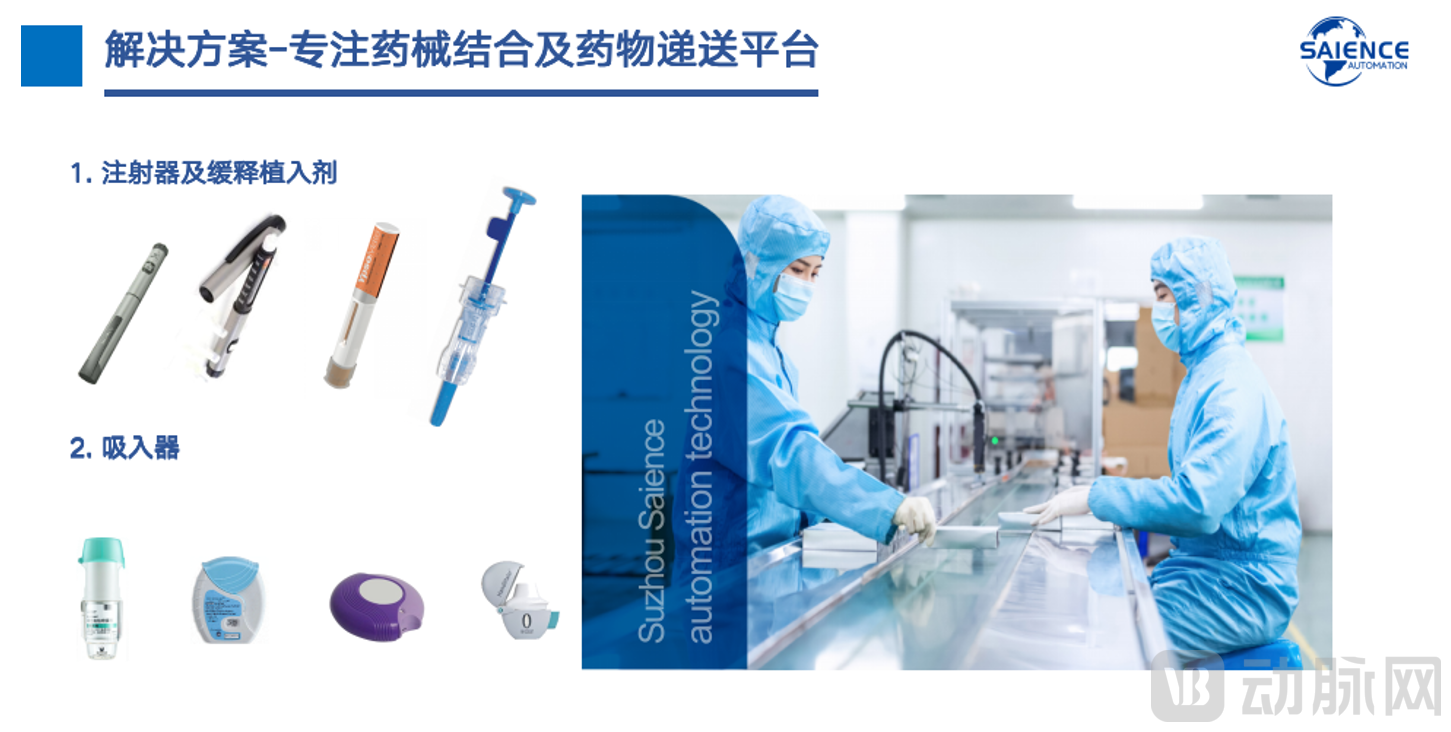
Sciense's Integrated Medical Device-Drug and Drug Delivery Platform Solutions, image sourced from Sciense
Focusing on Deep Cultivation in the Field of Drug Delivery Devices to Build a Closed-Loop R&D System
With the continuous rise in the global incidence of chronic diseases, the market for drug delivery devices is experiencing steady growth. Mordor Intelligence predicts that the global drug delivery device market size will reach USD 191.79 billion in 2024 and is expected to grow to USD 295.23 billion by 2029. Taking inhalation drug delivery devices as an example, inhalation therapy has gained considerable popularity in the European and American markets; furthermore, inhaled formulations of glucose-lowering agents such as semaglutide and GLP-1 receptor agonists hold promising prospects for inhalation-based treatment. In China, although this sector remains largely undeveloped, it is poised for explosive growth in the coming years as multiple drugs advance into late-stage clinical trials and approach market launch. Sciens has also developed a comprehensive understanding of, conducted thorough research on, and engaged in the R&D and delivery of numerous customer projects.
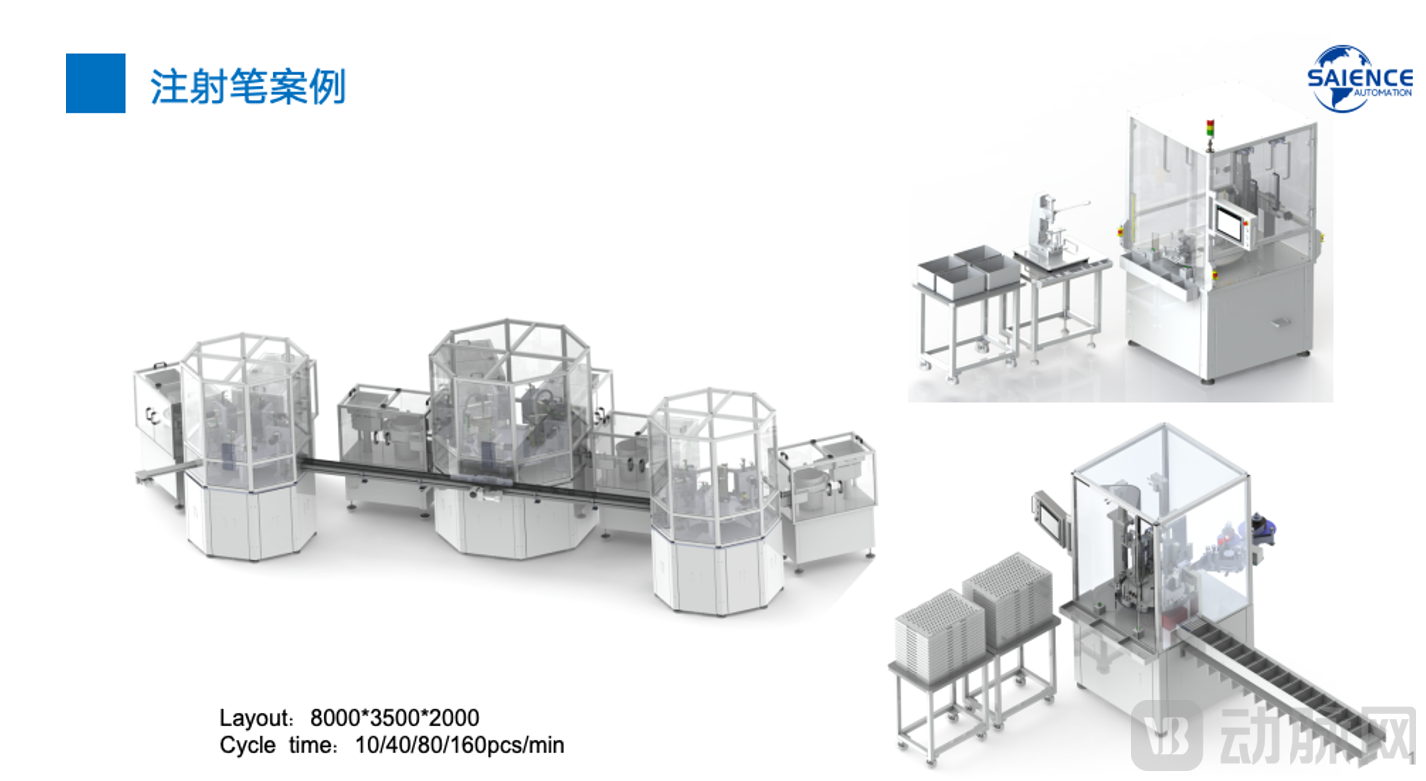
GLP-1 Science Case: Multiple Projects Currently In Progress and Delivered
Faced with such an incremental market, Chen Run, General Manager of Saiensi, recounted the company’s considerations when planning its future development, namely that it shouldPlace greater emphasis on product lifecycle, technological barriers, and market potential to build a company that is “small yet specialized, and specialized yet refined.”Therefore,Medical equipment characterized by high technological sophistication, significant entry barriers, and long-term viability has been incorporated into the company’s development strategy.Currently, Saiens is not blindly pursuing market expansion but is placing greater emphasis on technological innovation and product quality. The company focuses on high-barrier segments and untapped markets within the product lifecycle, while continuously driving R&D innovation to pave the way for future entry into international markets.

Chen Run, General Manager of Sciens, at the 2024 Qingdao Pharmaceutical Machinery Exhibition. Image source: Sciens
In the niche sector of inhalation drug delivery devices, ScienCare provides tailored solutions for each type of inhalation formulation, taking into account its specific product characteristics, manufacturing processes, and micro-dose filling equipment:Upon clarifying the technical challenges, immediately initiate the R&D process, including in-house prototyping and demo development, to ensure a closed-loop R&D workflow.
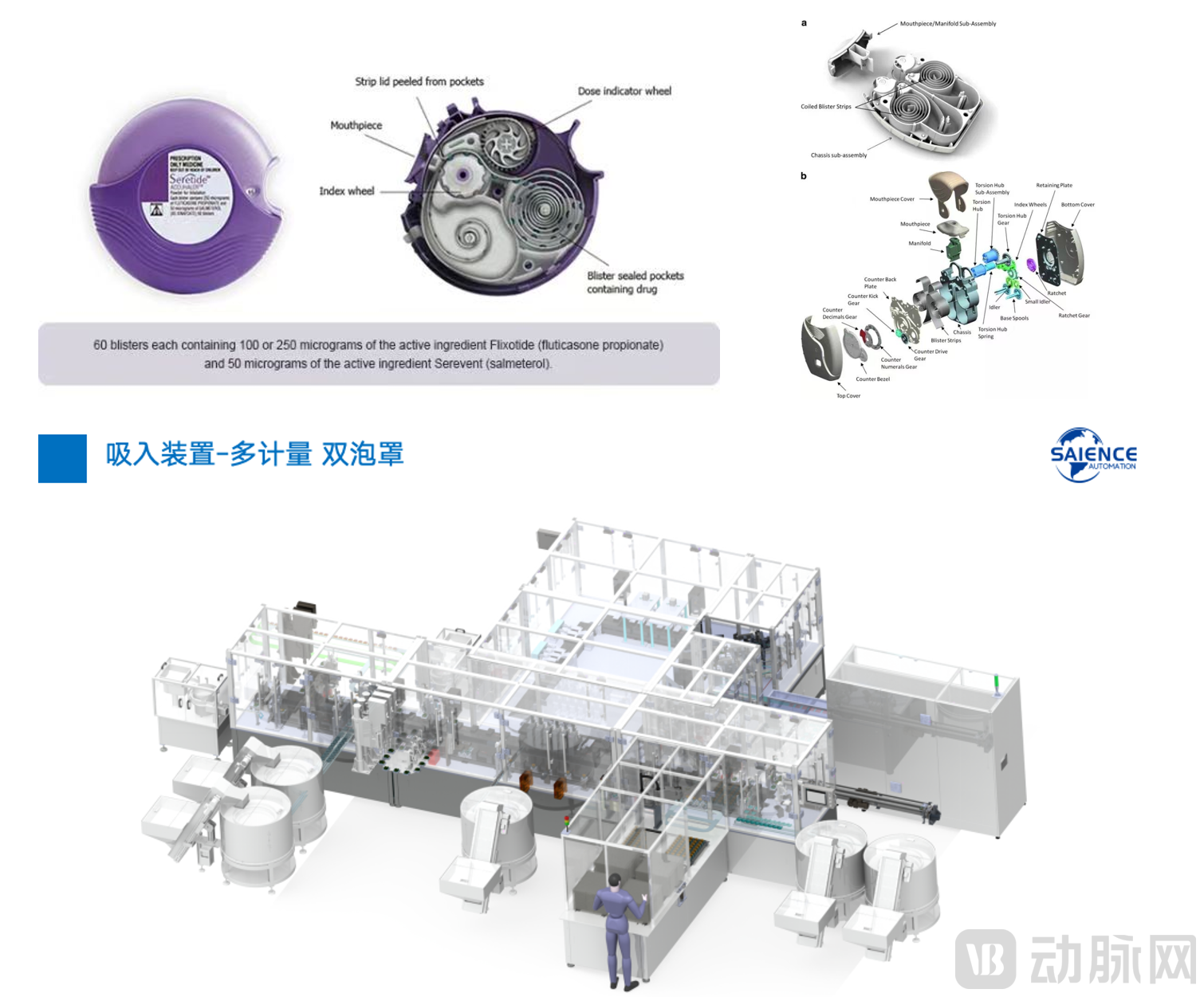

Sains inhalation drug delivery assembly and inspection line, blister filling equipment, etc. Image source: Sains
There is a wide variety of inhalation drug delivery devices, including dry powder inhalers, soft mist inhalers, and traditional metered-dose inhalers. Among these, the Soft Mist Inhaler (SMI) represents one of the products with the highest technical barriers. The complexity of this device is evident in every stage, from design and manufacturing to raw material selection. Specifically, due to its unique aerosolization mechanism, the SMI features a precision-engineered structure with specific requirements for raw materials, including certain specialized metal components and advanced processing techniques. These capabilities remain at the forefront of technology within China.
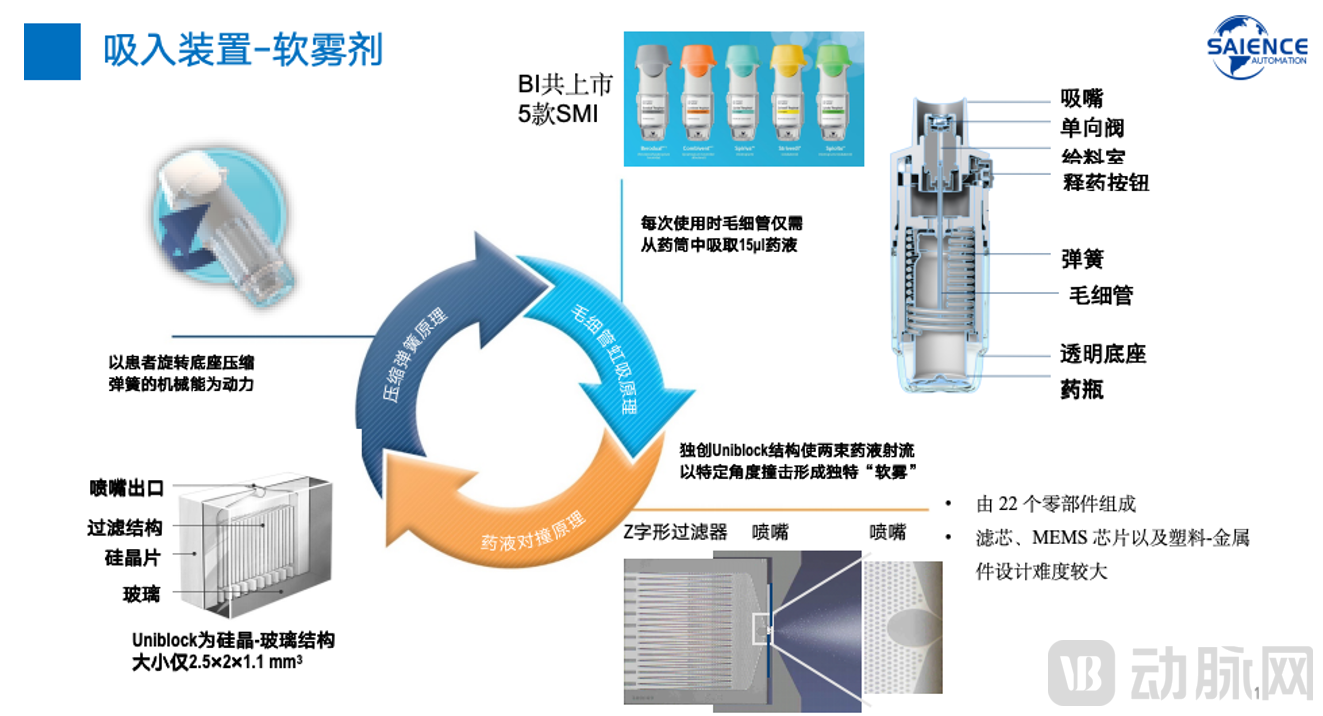
Cience Inhaler - Soft Mist Highlights, Image Source: Cience
To this end,Since 2019, ScienSight has been dedicated to the research and development of manufacturing equipment for soft mist inhalers. By conducting repeated validations using self-developed testing machines, it has obtained critical data support.Chen Run noted that maintaining communication with clients was paramount throughout this process. To adjust and optimize the final solution, the R&D team spent nearly a year refining it through repeated iterations. Additionally, ScienCs built small-scale validation prototypes to facilitate client verification during practical operations, thereby gradually establishing customer trust.Notably, in late 2022, Sciences delivered a complete, end-to-end production line with a 95% automation rate, earning strong recognition from both customers and the industry.
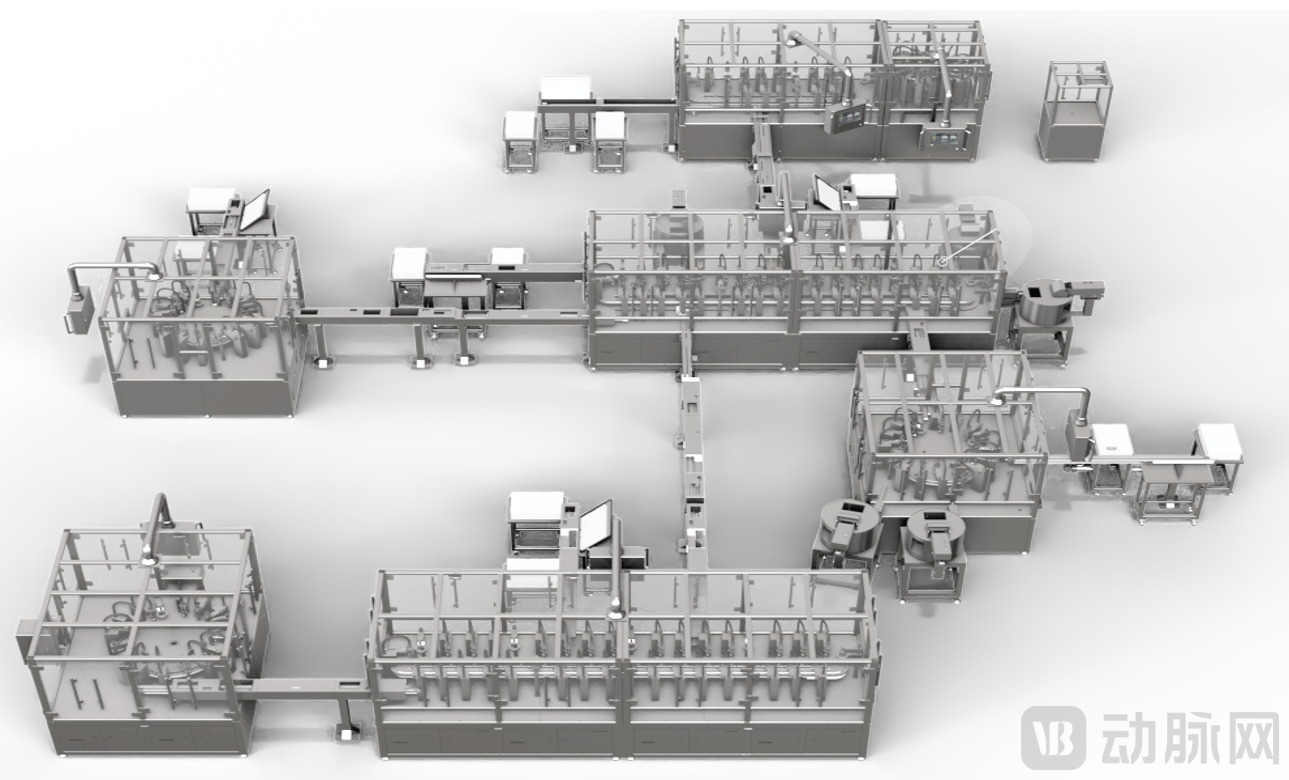
Schematic Diagram of Sains’ Full-Process Production Line with 95% Automation Rate. Image source: Sains
Moreover, ScienCare is continuously deepening its collaboration with clients. Chen Run specifically noted that partners provide support for the company’s product validation efforts by supplying original formulations, packaging materials, and devices. Once the validation results meet the expectations of both parties, they often quickly translate into actual orders. Furthermore,During the product development process, Sciens consistently prioritizes intellectual property protection, ensuring that every technological achievement is granted patent certification prior to its release.
Creating Customer-Centric Holistic Solutions to Successfully Overcome "Cross-Industry Challenges"
From automotive automation to the healthcare sector, a company must undergo not only technological transitions but also fundamental shifts in philosophy and mindset—breaking free from the traditional constraints of automotive equipment thinking and gaining a deep understanding of the unique requirements and standards for medical devices. In the development of drug delivery device equipment, Scians now places greater emphasis on precision, aesthetics, and ease of use.Ensure that the equipment not only complies with GMP regulations and standards but also enhances the customer user experience; meanwhile, the company also prioritizes the cleanability and maintainability of the equipment to meet the stringent requirements for equipment validation during audits.
However, to stand out among the many automation companies crossing over into the medical field, besides focusing on research and development, Sciense has also throughAdhering to the service principle of “customer-centricity,” we have carved out a path of differentiated competition. First, ScienCare is committed to significantly shortening the cycle for customers to acquire equipment, facilitating their rapid initiation of mass production and the efficient completion of subsequent validation, regulatory filing, and other processes. This ensures smooth project advancement and delivers time value to our partners.
Secondly, given its deep understanding of the importance of cost control, Sains leveraged its in-depth knowledge of the domestic market in equipment procurement and selection,Helped clients effectively avoid the high procurement costs and long delivery cycles associated with foreign equipment, achieving significant cost savings.
Furthermore, SainsHighlighting after-sales service and committing to rapid response to customer needs.In addition to responding promptly to on-site issues, Sains has long stood by its customers to resolve various production challenges, including structural adjustments, mold optimization, dimensional tuning, and process improvements. By adhering to the business principle of “small yet beautiful, beautiful yet refined,” Sains ensures flexibility and in-depth service in commercial collaborations, setting itself apart in the industry and earning the trust of numerous clients, including leading domestic pharmaceutical companies.
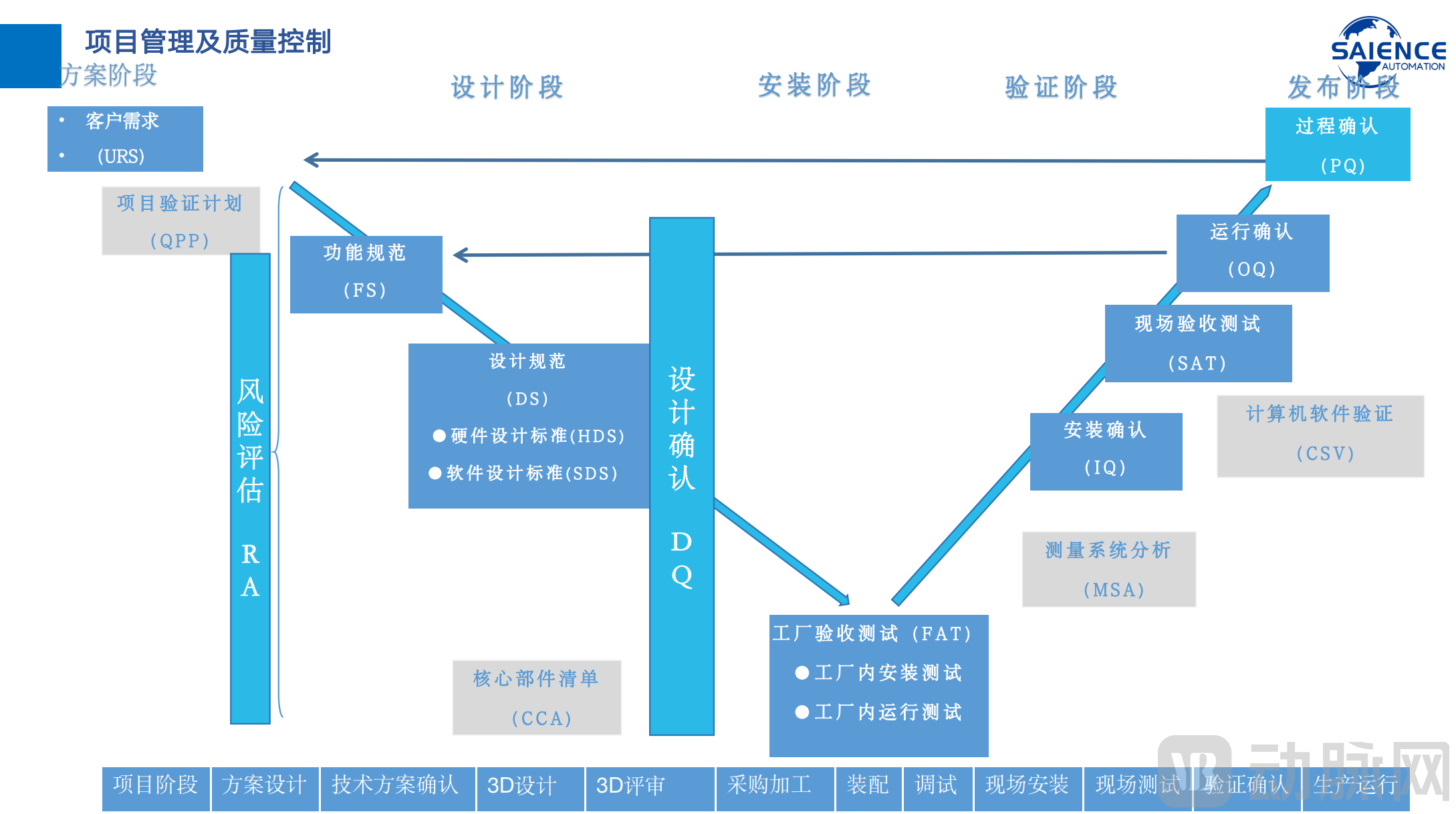
Saiens Project Management and Quality Control Process. Image source: Saiens
This collaborative model has also, in turn, driven improvements in Sains’ technological roadmap.In response to customer feedback on software design and interface style, ScienS has been continuously optimizing and improving its products. Chen Run believes that excellent medical devices must not only deliver outstanding hardware performance but also feature user-friendly interfaces and smooth operational experiences. Therefore, ScienS has devoted substantial effort to software design, striving for perfection in every aspect—from framework architecture and functional implementation to interface design.
It is worth mentioning that,Saiens Launches Strategic Partnership with Multinational Giant Siemens in Pharmaceutical Automation and Digitalization,The latter will provide end-to-end support for the design and validation of Scien's equipment. In addition, both parties jointly participated in the 2024 China (Xi'an) Pharmaceutical Equipment and Packaging Machinery Exhibition.
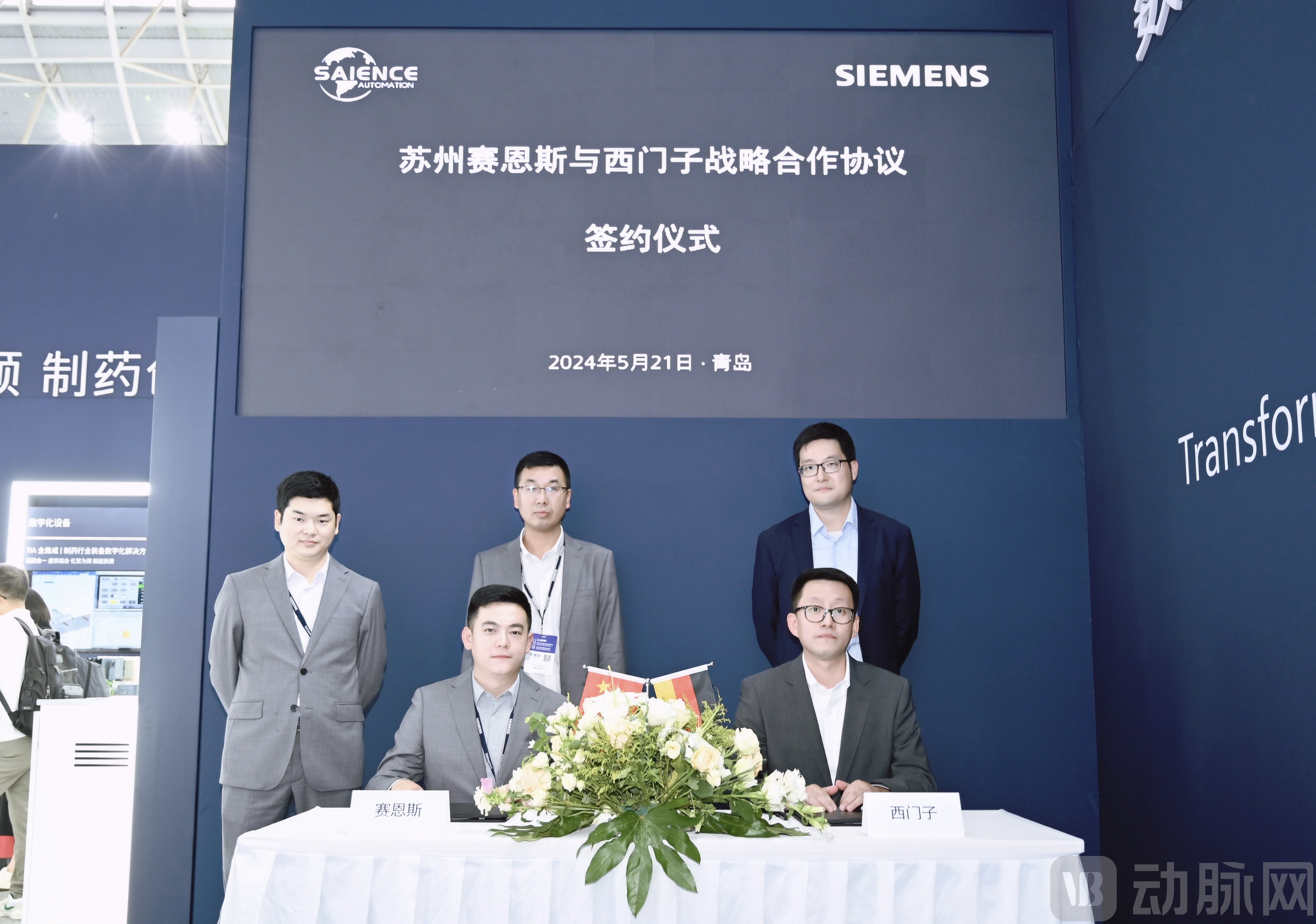
Saiens and Siemens Reach Strategic Partnership, Image Source: Saiens
Furthermore, Chen Run specifically mentioned that Saince is alsoEnhance the overall quality of products by continuously optimizing supplier selection and supply chain management.Currently, Sains has established long-term and stable cooperative relationships with its suppliers. Through rigorous screening and evaluation mechanisms, it ensures that the products and services provided by suppliers meet Sains’ standards and requirements. This mechanism not only guarantees product quality but also reduces Sains’ external procurement costs, enabling the company to offer more cost-effective solutions to its customers.
Chen Run remarked, “When giants deeply entrenched in the automation sector venture into the pharmaceutical industry, I have observed that they have not fully adapted to the standards and requirements of this specialized field, lacking professional teams and standard systems tailored to the pharmaceutical industry. Domestic mainstream pharmaceutical companies still tend to favor foreign products for key systems such as Distributed Control Systems (DCS), reflecting deficiencies in certain segments of the domestic industrial chain. This is related not only to national policies and regional disparities but also underscores the need for greater emphasis on improving and coordinating the industrial chain in the future.” Thanks to its focus on the long-term development of business partners, Sciens has avoided falling into development traps; however, in Chen Run’s view,“Cross-boundary” initiatives in the supply chain still face numerous challenges, requiring concerted efforts from all stakeholders to drive progress and development across the entire industry.