

Novo Nordisk China R&D Day: Envisioning a Future Free from Serious Chronic Diseases / EntreStar 2024 Winners Announced
Editor’s Note: This article is from DrugTimes, and VCBeat has been authorized to republish it.
In 1994, Novo Nordisk began its strategic entry into the Chinese market by establishing Novo Nordisk (China) Pharmaceuticals Co., Ltd. Within the first three years, the company rapidly built a comprehensive, integrated value chain encompassing research and development, manufacturing, and operations.
In 1997, the Novo Nordisk China Research and Development Center was officially established, marking the first biopharmaceutical R&D facility set up in China by a multinational pharmaceutical company. To date, China has become Novo Nordisk’s second-largest market globally, a vital component of its global R&D network, and one of its strategic manufacturing bases.
As the Chinese market matures and its global influence grows, how will Novo Nordisk China continue to overcome challenges and accelerate the delivery of innovative treatment solutions to patients in China?
Recently, Novo Nordisk China successfully held its second R&D Day. Themed “Envisioning a Future Free from Serious Chronic Diseases—Focusing on Diabetes and Obesity,” the event brought together Novo Nordisk’s global and China-based executives, numerous experts and scholars, industry leaders, partners, and participating teams from the “Star Start” Innovation Competition to discuss and explore future directions in scientific research and innovation.
GuanKeywords——Mission
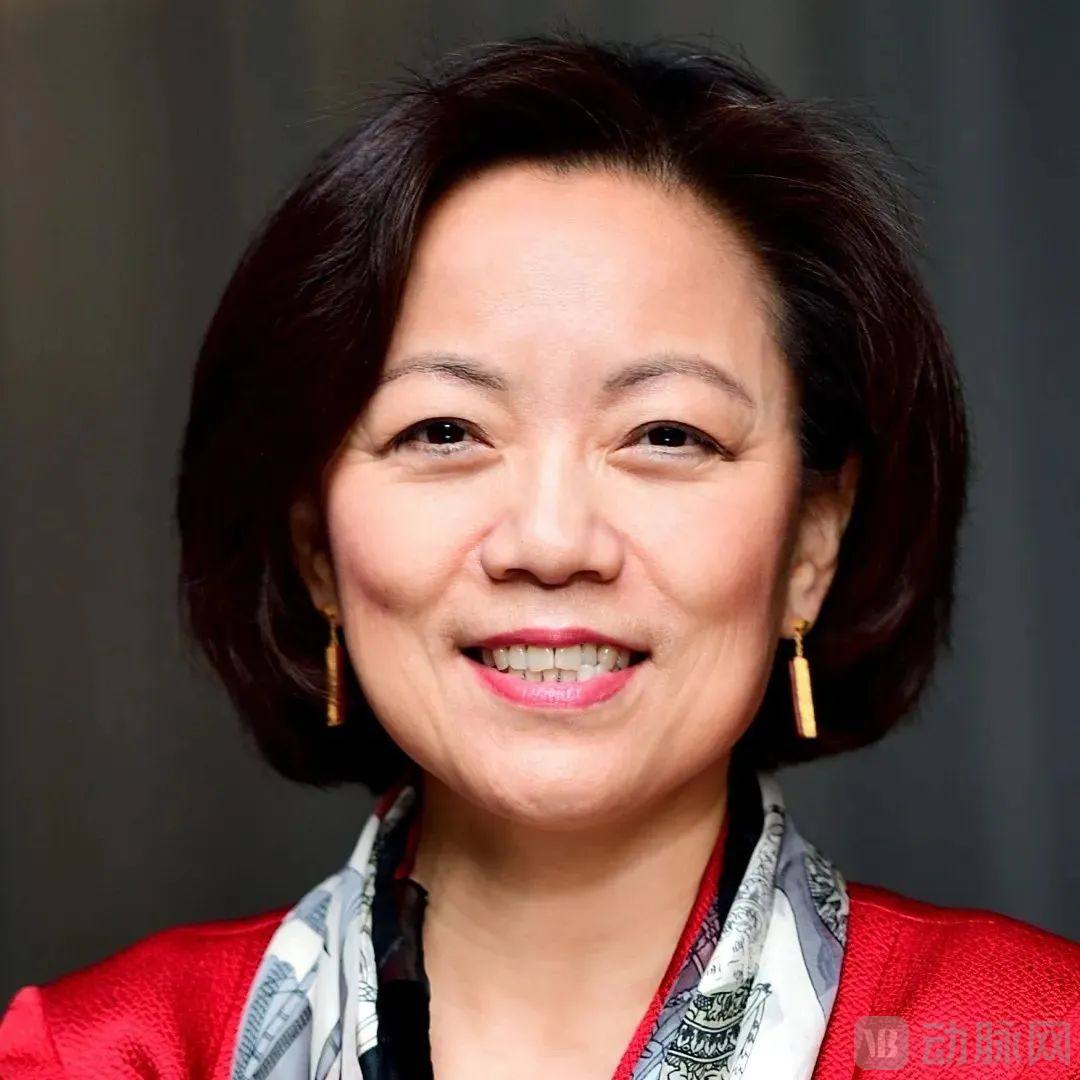
Zhou Xiaping, Senior Vice President of Novo Nordisk and President of Greater China
Zhou Xiaping delivered the opening address, reiterating Novo Nordisk’s mission as a century-old pharmaceutical company to drive change and join forces to defeat serious chronic diseases. Regarding the development of Novo Nordisk China, she put forward three aspirations for fostering innovation: continuing to accelerate innovation, promoting the simultaneous approval of innovative medicines in China and globally, and ensuring that innovations from China benefit the world.
Keywords—Cooperation
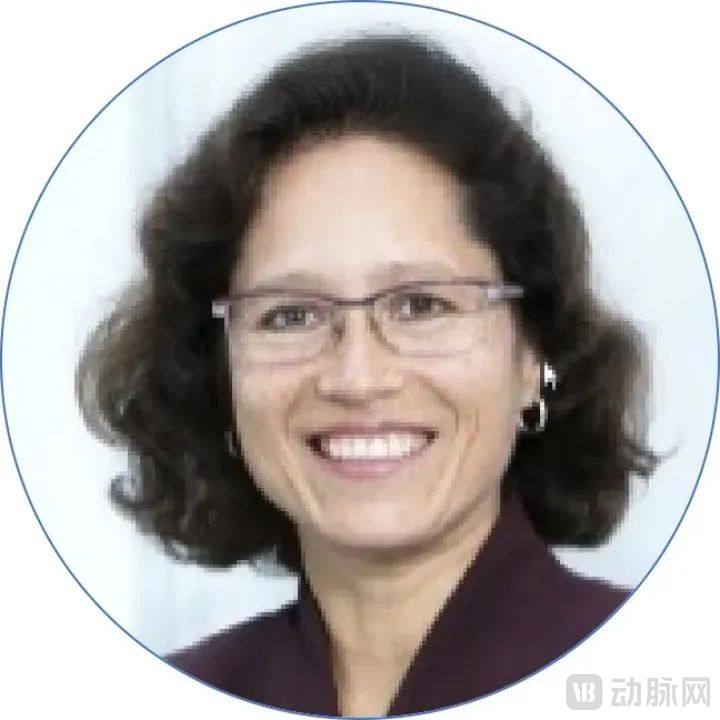
Karin Conde-Knape, Senior Vice President of Global Drug Discovery at Novo Nordisk
In her opening remarks, Karin Conde-Knape highlighted that the Novo Nordisk China Research Center is the first research facility established by a foreign pharmaceutical company in China, underscoring Novo Nordisk’s strong commitment to innovation in the country. She also invited attendees to share innovative ideas, expressing Novo Nordisk’s willingness to collaborate with scientists dedicated to translational research. Through this event, the company aims to stimulate scientific dialogue, showcase external innovation achievements, and jointly explore future development opportunities.
Diabetes and Obesity
Future Development Directions
Keywords—Future Trends
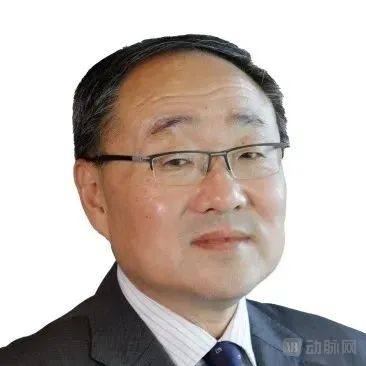
Professor Ji Linong, Peking University People's Hospital
Professor Ji Linong shared that diabetes and obesity have become global public health issues. A study published in The Lancet indicated that the total number of people with obesity worldwide exceeded 1 billion in 2022. Since 2000, the WHO has called on countries to formulate and implement a series of measures to curb the rising prevalence of obesity, but with limited success.
In China, obesity is increasingly affecting the quality of life of its citizens and adding to the national healthcare burden. According to longitudinal data from the China Health and Nutrition Survey conducted between 2000 and 2009, annual medical expenditures related to overweight/obesity and their complications accounted for approximately 2.5% of the total national healthcare spending. Conservatively projected, medical costs attributable to overweight and obesity will reach RMB 418 billion by 2030, representing about 22% of the country’s total healthcare expenditure.
In light of this, the current management paradigm for obesity has undergone a significant shift, transitioning from a past “BMI-centric” approach to a present “patient-centered” one. Clinicians should not only focus on patients’ body weight but also pay greater attention to associated complications and clinical outcomes.
Concurrently, the number of individuals with diabetes continues to rise. It is projected that by 2030, the number of patients with type 2 diabetes in China may exceed 200 million. This population is showing a significant trend toward younger age of onset and earlier disease manifestation, leading to an undoubtedly substantial disease burden. The continuous evolution of diabetes management concepts and the ongoing emergence of innovative glucose-lowering medications will undoubtedly help improve clinical outcomes for patients with diabetes and extend their life expectancy.
However, by focusing on the underlying pathological mechanisms linking obesity, diabetes, and cardiorenal metabolic syndrome, and by formulating more comprehensive prevention and control strategies from the perspective of holistic treatment and integrated management, we can truly contribute to a systematic improvement in the nation’s health.
The SELECT study is the first to confirm that weight management with semaglutide 2.4 mg can reduce the risk of cardiovascular events in patients with cardiovascular disease (CVD) who are overweight or obese but do not have diabetes, providing new insights into the management of diabetes-related conditions. This approach involves upstream intervention centered on weight control and downstream intervention focused on glycemic control, thereby reducing the risk of vascular complications associated with these diseases.
In this regard, Professor Ji Linong called on researchers to actively expand the clinical application of innovative drugs such as GLP-1 receptor agonists and novel insulins, including for early-onset diabetes, cardiovascular diseases, and MASH; strengthen China’s participation in global R&D, promote international cooperation and innovation, and amplify China’s voice.
Cancer Cachexia and Chronic Exercise
Impact on Metabolic Reprogramming

Keywords—Metabolic Reprogramming
Xiao Ruiping, Dean of the School of Future Technology and Tenured Chair Professor at Peking University
Xiao Ruiping’s presentation centered on three core topics: lactate-mediated breakdown of mature adipocytes, regulation of adipose-derived stem cell fate, and the translation of research findings into clinical applications.
Professor Xiao first introduced the critical role of lactate in cancer cachexia. Through methods such as tumor resection and lactate infusion simulations, a correlation between lactate and cachexia was identified. Further research demonstrated that lactate acts on deep tissues via the GPR81 receptor, leading to their browning. Moreover, the absence of the GPR81 receptor protected mice from tumor-induced weight loss and tissue atrophy.
Secondly, Professor Xiao discussed the differential regulatory effects of cachexia and chronic exercise on adipose-derived stem cells. The study found that under cachectic conditions, the proportion of fibro-adipogenic progenitor (FAP) cells increased, accompanied by fibrosis and inflammatory responses; whereas exercise did not affect the proportion of FAP cells.
Finally, Professor Xiao shared her insights on the translational application of research findings to clinical practice. She believes that this basic scientific research not only reveals another significant clinical gap but also provides a novel perspective for the development of drugs targeting metabolic diseases, exemplified by drug development efforts focused on the GPR81 target.
Novo Nordisk Strategy and Pipeline:
Diabetes and Obesity
Keywords——Robust R&D Pipeline
Karin Conde-Knape, Senior Vice President of Global Drug Discovery at Novo Nordisk
Karin Conde-Knape emphasized the company’s commitment to staying focused on diabetes and obesity. Novo Nordisk is pursuing a dual strategy of internal development and external expansion, continuously consolidating its position as a leader in diabetes care while actively expanding into obesity—a therapeutic area with significant unmet needs.
In the face of the high mortality rate and severe cardiovascular and renal complications associated with diabetes, Karin pointed out that the company is committed to building a robust R&D pipeline. Among these efforts, GLP-1 receptor agonists have garnered significant attention due to their dual efficacy in glycemic control and organ protection.
When discussing obesity, Karin emphasized the global prevalence of this disease and its association with various comorbidities. She stated that the company is committed to developing multiple therapeutic options, including GLP-1 receptor agonists and CB-1 receptor antagonists that are currently in clinical stages.
Furthermore, to gain a deeper understanding of disease mechanisms and facilitate the design of novel therapeutics, Novo Nordisk, staying true to its patient-centric mission, has leveraged datasets from large-scale clinical trials, such as the SELECT trial, to analyze the drivers of cardiovascular disease and diabetes. Within a compliant legal and regulatory framework, Novo Nordisk has actively integrated artificial intelligence technologies, human cell-based models, and human cohort data starting from the earliest stage of target discovery in new drug development, significantly enhancing the efficiency and success rate of early-stage research.
Novo Nordisk China Clinical
Development and Collaboration Strategy
Keywords——Global Synchronization
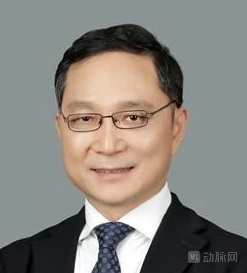
Zhang Kezhou, Corporate Vice President, Pharmaceutical and Quality Department, Novo Nordisk Greater China
Zhang Kezhou shared that in 2015, the State Council issued the “Opinions on Reforming the Drug and Medical Device Review and Approval System,” launching reforms to China’s drug and medical device review and approval system. In 2017, China became the eighth regulatory member of the ICH, formally aligning China’s drug regulatory authorities, industry, and research institutions with international standards. The efficiency and rapid pace of China’s pharmaceutical reforms have made it possible for China to participate in global simultaneous drug development.
To enable Chinese patients to access innovative products as quickly as possible, Novo Nordisk launched the “China Co-Creation” initiative in 2020, with the commitment that by 2025, more than 90% of its global innovative medicines will have simultaneous New Drug Applications submitted in China.
To achieve this goal, Novo Nordisk is helping to build an ecosystem for pharmaceutical innovation, collaborating with industry associations and partners in the pharmaceutical sector to provide industry support for the regulatory and institutional development efforts of drug regulatory authorities.
Meanwhile, Novo Nordisk strengthens the capacity building of clinical centers through its “Strategic Collaboration Center” model, promoting the high-quality and rapid conduct of clinical trials. To date, Novo Nordisk’s Strategic Collaboration Centers for Clinical Research have expanded to dozens of specialized departments across more than ten medical institutions.
Through Novo Nordisk’s unwavering efforts, the once-weekly insulin icodeg, as the first achievement of the “China Co-Creation” initiative, achieved simultaneous submission for market approval in China and globally, and was approved by Chinese regulatory authorities this June.
Furthermore, in June this year, the 2.4 mg injection of semaglutide was approved in China for long-term weight management indications, owing to its superior clinical efficacy and regional Phase III clinical trials primarily conducted in China as part of the STEP series.
Dr. Zhang Kezhou stated, “The China Co-Creation Initiative is a concentrated manifestation of efforts to align pharmaceutical innovation with international standards and accelerate the effectiveness of reforms in new drug approval processes during the deepening of China’s healthcare reform. In this process, the Chinese government has been gradually increasing policy support for the biomedical sector, while local governments have launched pilot programs, with the aim of enabling China to participate in global clinical trials at an earlier stage.”
Novo Nordisk Early-Stage R&D
Technical Platform Strategy
Keywords—Emerging Therapeutic Models
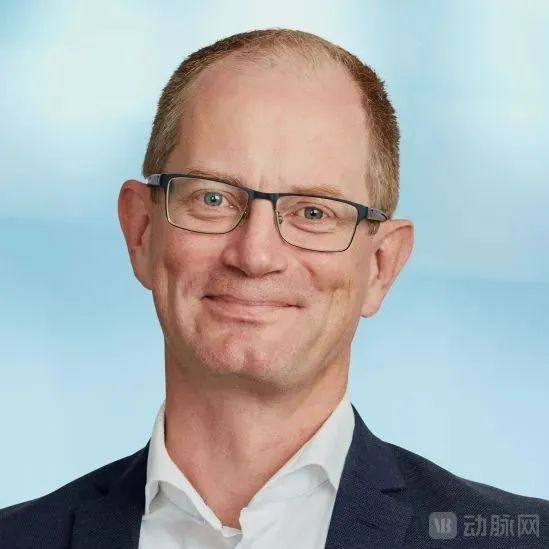
Brian Vandahl, Senior Vice President of Global Research and Development Technology at Novo Nordisk
Brian Vandahl shared the company’s technical platform strategy in drug R&D via an online meeting.
He pointed out that, in addition to traditional proteins, peptides, and monoclonal antibodies, Novo Nordisk is actively exploring emerging therapeutic modalities such as RNAi therapy, cell therapy, and gene therapy, while also co-developing and in-licensing small-molecule projects through external collaborations.
Furthermore, Brian emphasized the importance of large-scale drug manufacturing, noting that even the most effective APIs and products cannot benefit a broad patient population without sustainable mass-production capabilities. To this end, Novo Nordisk is leveraging its expertise in scalable drug manufacturing to guide the design of future medicines.
Regarding data and digitalization, Brian stated that Novo Nordisk is building various digital models to acquire and analyze data through technologies such as artificial intelligence, thereby accelerating the drug development process while reducing the use of laboratory animals.
“Star Start” Program
Novo Nordisk and ALTATL Empower Local Innovation in China
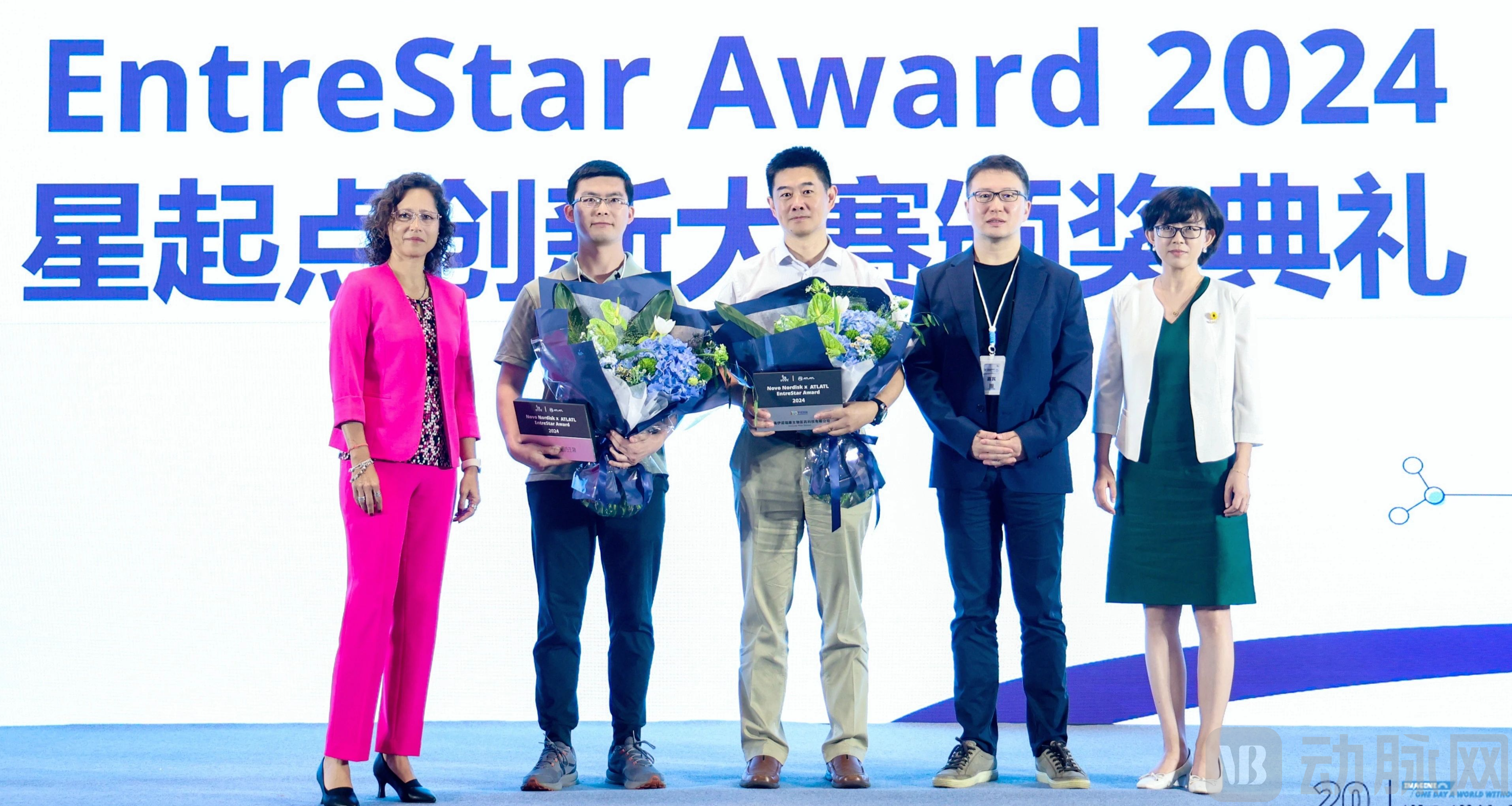
The “Star Start” initiative, jointly launched in 2022 by Novo Nordisk China R&D Center and ATLATL Innovation Center, aims to support high-potential, high-quality innovative projects. It represents a key endeavor by Novo Nordisk to strengthen collaboration with local innovation forces in China.
2024 marked the third year of the “Star Starting Point” initiative. Over these three years, Novo Nordisk’s China R&D Center and ATLATL Innovation Center have jointly identified numerous outstanding start-ups. Karin stated that Novo Nordisk places significant emphasis on scientific dialogue and mentorship, leveraging both internal and external expertise in science and drug development to facilitate more efficient translation of innovative achievements.
In the 2024 Star Point Program, five companies stood out from more than 20 participating firms to reach the finals, presenting their innovative proposals at this R&D Day. Ultimately, InnoRegen and Yufang Bio emerged as the top winners.
Focused on mRNA Drug Development
Wu Ligang, Founder and CEO of InnoCare: “We sincerely thank Novo Nordisk and ATLATL for organizing EntreStar, which has provided biotechnology startups with a valuable opportunity to showcase themselves during this challenging capital winter. This award also serves as significant recognition and encouragement for our team and technology.”

Gene Therapy for Heart Failure
Zhang Jiayu, Founder and Chief Scientist of Yufang Biotech: “It is a great honor to participate in the ‘Star Starting Point’ program and emerge as a winner, which has further affirmed our innovative concepts and R&D direction.”
Engineering Life Sciences
Facilitating Institutional Innovation

Keywords—Ecosystem Building
Zhu Pengcheng, Founder and CEO of ATLATL
Zhu Pengcheng mentioned that ATLATL’s goal is to transform life sciences into an engineering discipline, akin to the smartphone and electric vehicle sectors, thereby unlocking innovation potential through engineering.
In China, ATLATL is not merely a provider of physical space, but also an ecosystem builder that connects multinational corporations, research institutions, and startups to help scientists rapidly achieve research milestones. By collaborating with globally leading institutions, ATLATL has created an ecosystem encompassing multiple research platforms, including gene editing and cell therapy. This enables biotechnology companies to focus on R&D and collaboration without bearing the high costs of infrastructure construction and operational expenses.
Zhu Pengcheng also presented a typical case of the collaboration between ATLATL and Novo Nordisk, demonstrating how a scientist validated an idea and founded a company with the support of ATLATL.
Review of Novo Nordisk
GLP-1 Research History
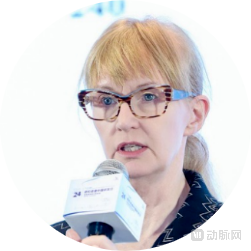
Keywords——Multiple Mechanisms of Action of GLP-1
Lotte Bjerre Knudsen, Head of GLP-1 Research and Development at Novo Nordisk and Chief Scientific Advisor for Research and Early Development
Lotte Bjerre Knudsen reviewed the history of GLP-1 research and its applications in the treatment of diabetes and obesity.
From the perspective of her personal career, Lotte vividly recounts how she witnessed GLP-1 evolve from a theoretical concept into one of the most competitive sectors globally.
Due to its excessively short half-life, native GLP-1 is inherently unsuitable for therapeutic use. Lotte and his team developed a fatty acid conjugation technology that significantly prolongs its half-life in vivo. This technology not only rendered GLP-1 a viable pharmaceutical agent but also laid the foundation for the subsequent development of a series of long-acting GLP-1 analogs.
Lotte highlighted the multifaceted mechanisms of action of GLP-1, including glycemic control, weight reduction, cardiovascular protection, and its potential in the treatment of Alzheimer’s disease (AD). Although there is currently no direct evidence supporting its efficacy in AD treatment, existing data suggest that GLP-1 may have a beneficial effect on neuroinflammation.
In response, Lotte stated that the GLP-1 story is still unfolding, with more discoveries likely in the future.
It is worth noting that during the Q&A session, when Lotte was asked what advice she could offer to young scientists and entrepreneurs who are currently facing confusion, she replied, “If you face criticism, if you don’t understand, listen and ask questions, then go back and reflect, and come back. If you still believe you have a valid idea, then don’t give up.”
30 years ago, Novo Nordisk China, together with numerous pioneers, embarked on a path of transformation;
30 Years On, We Remain True to Our Original Aspiration, Forging Ahead with Confidence and Envisioning the Future Together with Our Partners“A Future Without Serious Chronic Diseases”...