

Advancing Forward: BioRay & Alioth Host Biopharma Enterprise Tour – Chengdu Station!
BRC BIOTECHNOLOGY
Biosafety Testing Service Provider

ALIOTH
Process Support Technology Product Developer
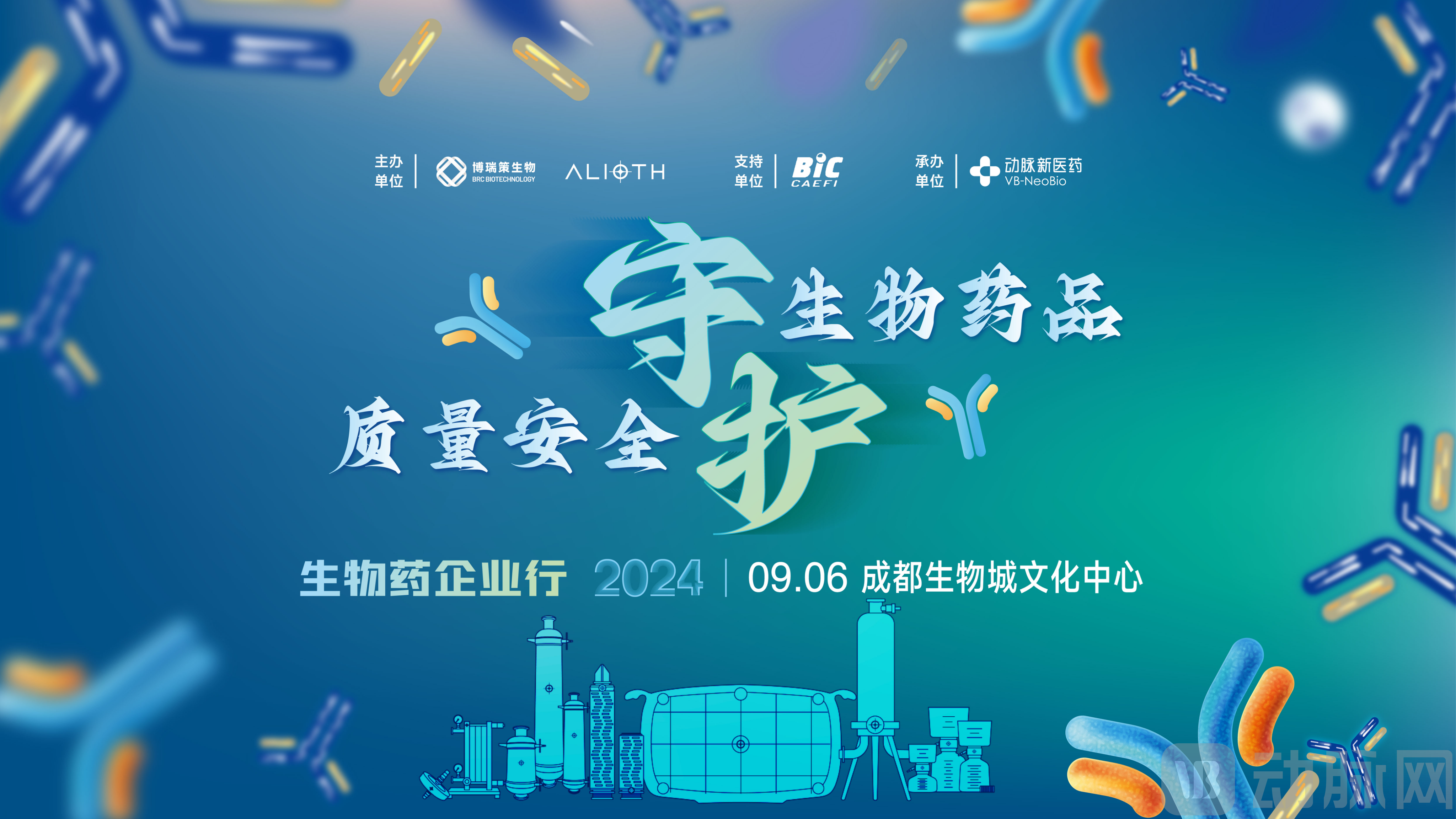
On the afternoon of September 6, by“Safeguarding the Quality and Safety of Biological Products” (Chengdu Stop), hosted by BRC BIOTECHNOLOGY and ALIOTH, supported by the Biotechnology Innovation Working Committee of the China Association of Enterprises with Foreign Investment, and organized by VCBeat New Medicine, the Biopharmaceutical Enterprise Tour Event was successfully held at the Chengdu Bio-town Cultural Center!
During this event, senior technical experts from BRC BIOTECHNOLOGY and ALIOTH introduced novel processes, regulatory insights, and quality control experiences to Chengdu’s biopharmaceutical quality control sector, aiming to establish a high-quality platform for exchange and promote the healthy development of Chengdu’s biopharmaceutical industry.
“Testing Requirements and Regulatory Standards for Antibodies at the BLA Stage”
Hu Xiao | Operations Director, BRC BIOTECHNOLOGY
Golden Quote: The primary key to commercial regulatory filing for antibodies is compliance with regulations
Key Takeaways:
1. Regulatory requirements vary in detail across different countries and regions; therefore, corresponding biosafety testing protocols must be developed in accordance with the regulatory frameworks of the target submission jurisdictions.
2. Biosafety testing requires a thorough understanding of the manufacturing process. Due to the presence of numerous biologically active substances during the production of biologics, there is a heightened risk of contamination by microorganisms, mycoplasma, and viruses, which may introduce biosafety risks into the final biological drug products. Therefore, biosafety risks should be controlled by aligning with the customer’s manufacturing process, focusing on source materials, production cell banks, and process operations.
3. Key Points for Biosafety Testing: Sterility testing, mycoplasma testing, detection of extraneous viral agents, retrovirus testing, and murine-specific virus testing.
4. Domestic and international regulations explicitly require that antibody-based drug products in the pre-marketing stage undergo product-specific testing and assessment using at least three batches. However, there are subtle differences in the requirements for method validation parameters between domestic and international standards; therefore, actual testing and assessments should be conducted in accordance with the specific applicable requirements.
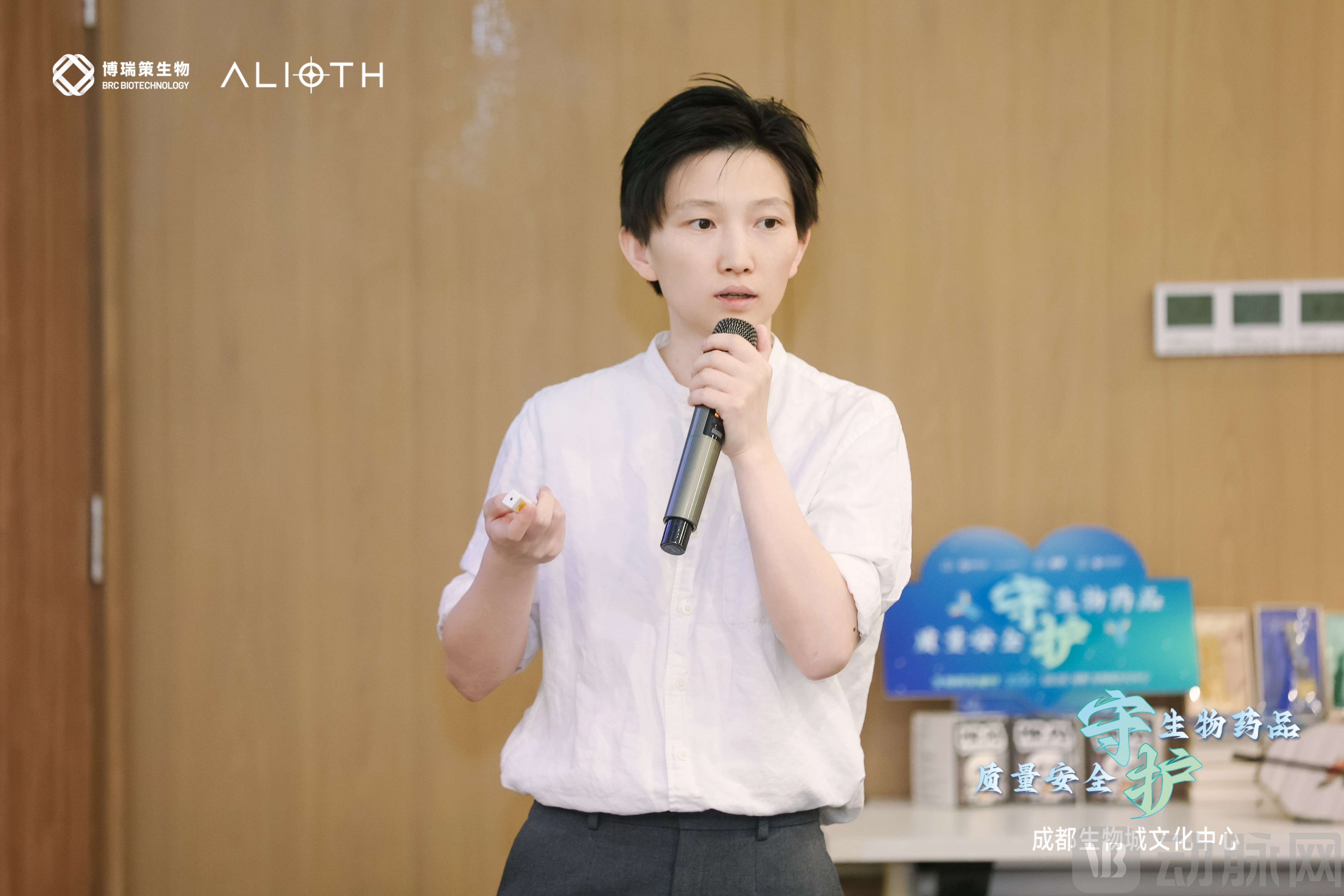 ▲Hu Xiao | Director of Operations, BRC BIOTECHNOLOGY
《Deep Filtration in Biopharmaceutical PurificationHCP,HCD Removal Study》
Yu Lingju | ALIOTH Senior Technical Manager
Golden Quote:Feedstock, depth filters, and process parameters are the key optimization directions for depth filtration strategies in removing HCPs and HCDs.
Key Takeaways:
1. HCPs and HCDs are major process-related impurities that pose potential risks to the quality of biopharmaceutical products, and regulatory authorities have established clear limits for their levels.
2. Currently, the removal of host cell proteins (HCPs) presents significant challenges. Control strategies in the manufacturing process primarily include optimizing upstream process conditions such as cell culture and molecular construct design, as well as employing downstream purification techniques like chromatography and filtration to facilitate HCP clearance.
3. Depth filters consist of cellulose, filter aids, and resins, and they clarify and remove impurities through multiple mechanisms, including direct interception, inertial impaction, diffusional interception, and adsorption. Optimization of depth filtration for the removal of host cell proteins (HCP) and host cell DNA (HCD) can be achieved by selecting appropriate filter types, optimizing filtration process parameters, and improving upstream feedstock production processes, with the aim of achieving highly efficient impurity removal. For example, pre-removing more DNA during the clarification of cell harvest fluid helps enhance the removal of HCP by affinity chromatography.

▲Yu Lingju | ALIOTH Senior Technical Manager
“High-Speed Detection Technologies Empower Production and Quality Control in Biopharmaceuticals”
Zhang Ting | Revvity Biomedical Product Manager
Golden Quotes:Cell counting is one of the key process decision factors in biopharmaceutical process development.
Key Takeaways:
1. Revvity offers two high-speed analytical technologies—high-speed imaging analysis and microfluidic chip capillary electrophoresis—which have numerous applications in biosafety and bioprocessing, effectively facilitating the development and evaluation of biologics.
2. High-speed imaging analysis technology can be applied in areas such as monoclonality verification, viral clearance validation, cell counting, and viability analysis. Specific products include the Celigo whole-field cell scanning analyzer and the Cellaca MX high-throughput cell counter. Notably, for monoclonality verification, the monoclonality report generated by the Celigo whole-field cell scanning analyzer software can be submitted as supporting documentation for Investigational New Drug (IND) applications.
3. Microfluidic chip capillary electrophoresis technology can be used for efficient protein characterization and detection of residual host cell DNA, among other applications. Specific products include the LabChip® microfluidic system for protein and nucleic acid characterization and analysis, and the JANUS qPCR assay setup workstation.
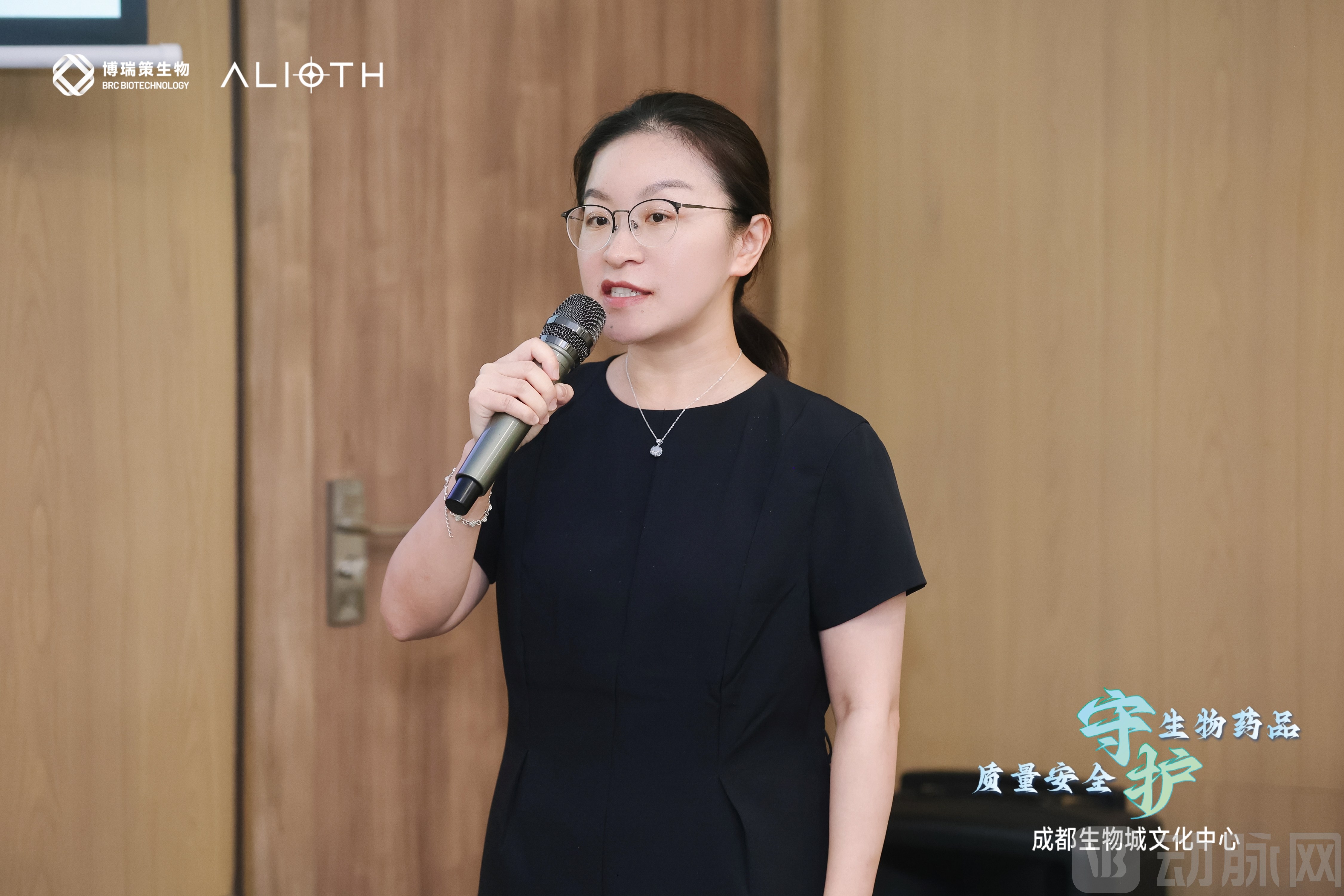
▲ Zhang Ting | Product Manager, Revvity Biomedicine
"Key Points for Biosafety Testing of Antibody Drugs"and Regulatory Differences Among China, the United States, and Europe》
Wang Xin | BRC BIOTECHNOLOGY Chief Strategy Officer (CSO)
Golden Quotes:The sources of contamination that truly need to be prevented and controlled in biosafety risks are predominantly attributable to operators.
Key Takeaways:
1. In terms of regulatory compliance, there are differences in the biopharmaceutical regulatory frameworks, related regulations, and guidelines both domestically and internationally, with significant disparities particularly among the regulatory systems in China, the United States, and Europe. These differences will also have a direct impact on clinical trial applications, commercialization applications, and other submissions for candidate products.
2. In the biopharmaceutical manufacturing process, biosafety risks are ubiquitous. Even in highly clean production environments, operators may be the primary source of contamination.
3. Biosafety risks can only be controlled to the best extent possible, but cannot be completely eliminated. Among these measures, biosafety testing is a critical means of risk control. It is particularly important to implement comprehensive control over production processes, biosafety testing, and the entire production cycle in accordance with GMP-grade procedures, through the three risk management steps of risk identification, risk control, and risk review, thereby further ensuring the consistency and reliability of product quality.
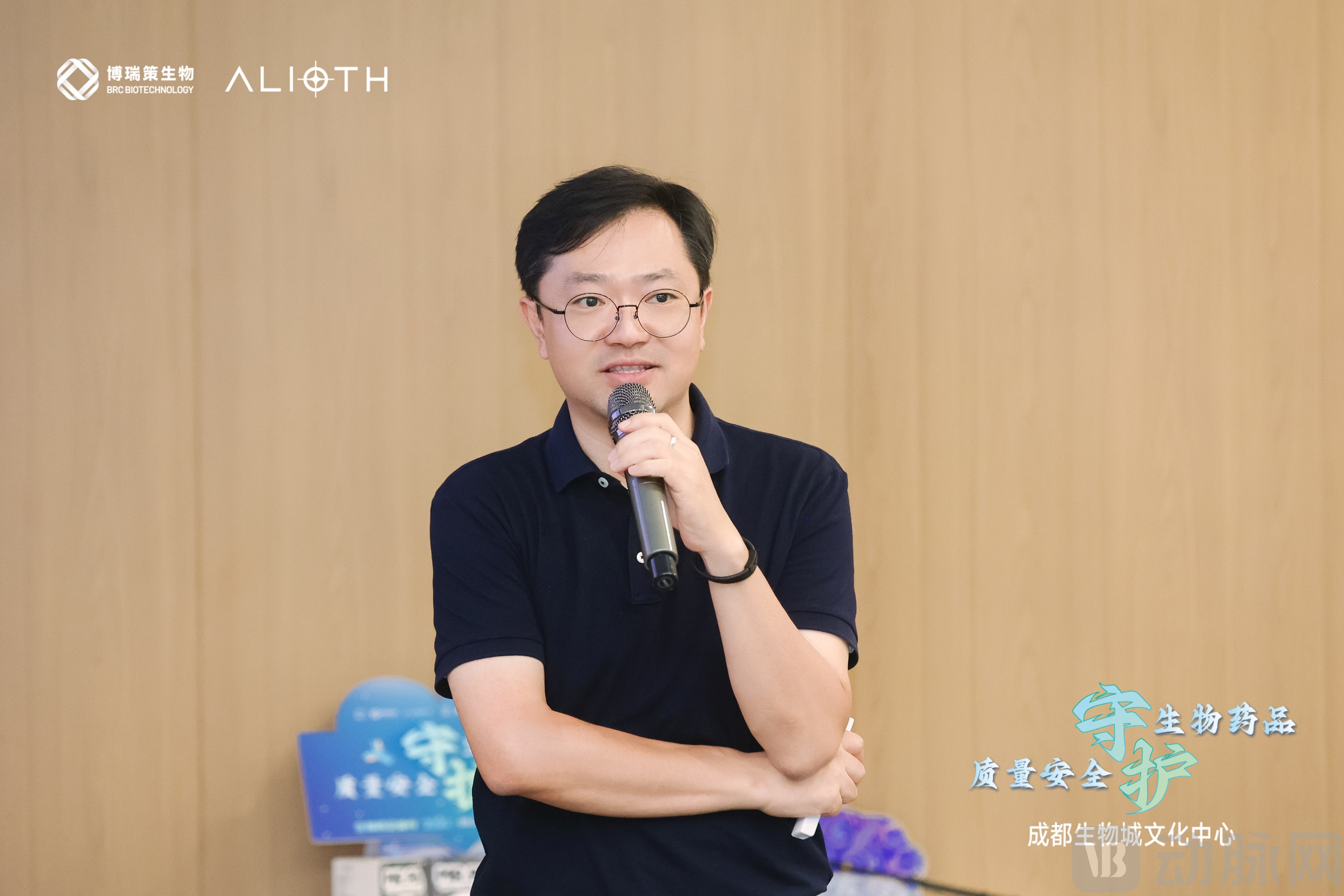
▲Wang Xin | Chief Strategy Officer (CSO), BRC BIOTECHNOLOGY
《Regulatory Developments and Interpretation of Sterilizing Filtration Technology and Applications》
Liu Qiulin | ALIOTH
Regulatory Advisor and Head of Filter Product Development
Key Quote:Users should balance the risk of implementing PUPSIT against the potential for masking filter defects when making decisions.
Key Takeaways:
1. Companies should pay particular attention to the updated EU GMP Annexes and China’s 2018 Technical Guidelines for Sterilizing Filtration, as many of their provisions and requirements may accelerate corporate progress in hardware and quality system upgrades.
2. Requirements for PUPSIT (Pre-Use Post-Sterilization Integrity Test) vary across different countries and regions. The European Union’s requirements are particularly stringent; even when performing PUPSIT poses operational challenges, regulations generally mandate its execution, while permitting exceptions under special circumstances. In practice, most companies, especially Chinese firms, tend to comply with these requirements to avoid the complexities of regulatory scrutiny. However, when making decisions, users should balance the risks associated with implementing PUPSIT against the potential risk of masking filter defects.
3. Regulations do not mandate redundant filtration; however, in practice, most companies implement redundant filtration as a precautionary measure to mitigate economic risks.
4. Regarding sterilizing-grade filtration validation, frequent re-validation is unnecessary when process conditions remain unchanged. However, any changes, such as those involving the facility, batch size, supplier, or sterilization conditions, require re-evaluation. For instance, when a company expands production leading to a change in filter size, validation must be considered even if the scale-up is proportional. In particular, the increased level of extractables resulting from a larger filter surface area must be assessed to ensure it remains within patient safety thresholds.
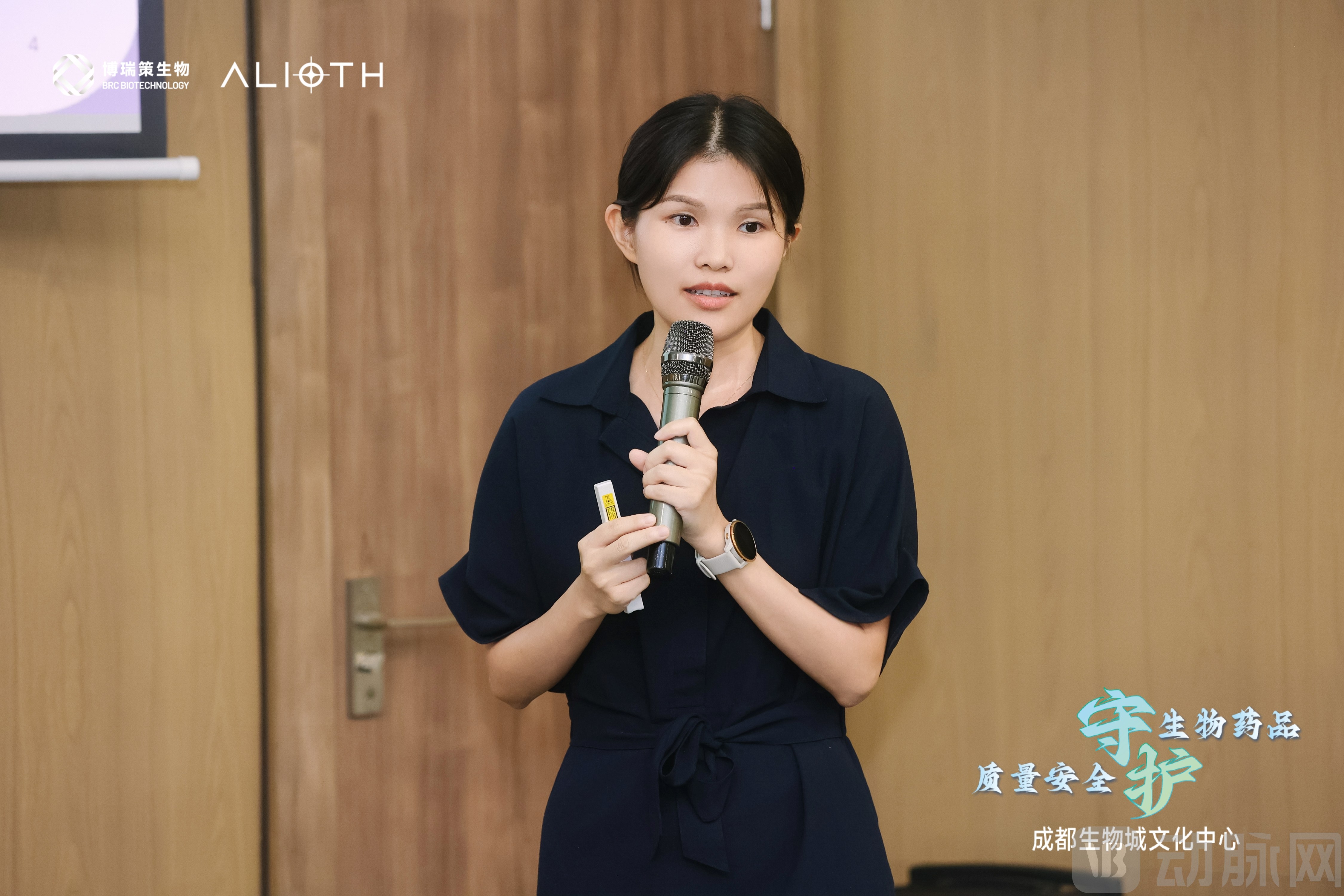
▲Liu Qiulin | ALIOTH Regulatory Consultant and Head of Filter Product Development
"Application of High-Throughput Sequencing in Quality Control of Biopharmaceuticals"
Zhao Shikun | BRC BIOTECHNOLOGY Senior Technical Compliance Manager
Key Quotes:The WHO, ICH, EMA, FDA, NMPA, and other regulatory bodies encourage the use of NGS as an alternative to traditional viral detection methods.
Key Takeaways:
1. Currently, regulatory authorities such as the WHO, ICH, EMA, FDA, and NMPA encourage the use of NGS as an alternative to in vitro biological screening assays. For viral vaccines or vectors that cannot be neutralized by antibodies, NGS serves as a suitable alternative method. Furthermore, compliance validation, reference standards, standard databases, analytical method validation, and scope of applicability are currently key focal points in regulatory development.
2. NGS offers advantages such as high sensitivity, high specificity, and broad pathogen detection capability, making it suitable for whole-genome sequencing-based identification of viruses and screening for exogenous viral agents in biosafety testing.
3. The application of NGS technology still has certain limitations. Currently, there is no unified standard for the validation of NGS methods, and further confirmation is needed to ensure their suitability for regulatory environments. In addition, challenges such as large data volumes, diverse virus types, selection of reference viruses, diagnostic criteria, and analytical workflows remain key developmental hurdles to be overcome.
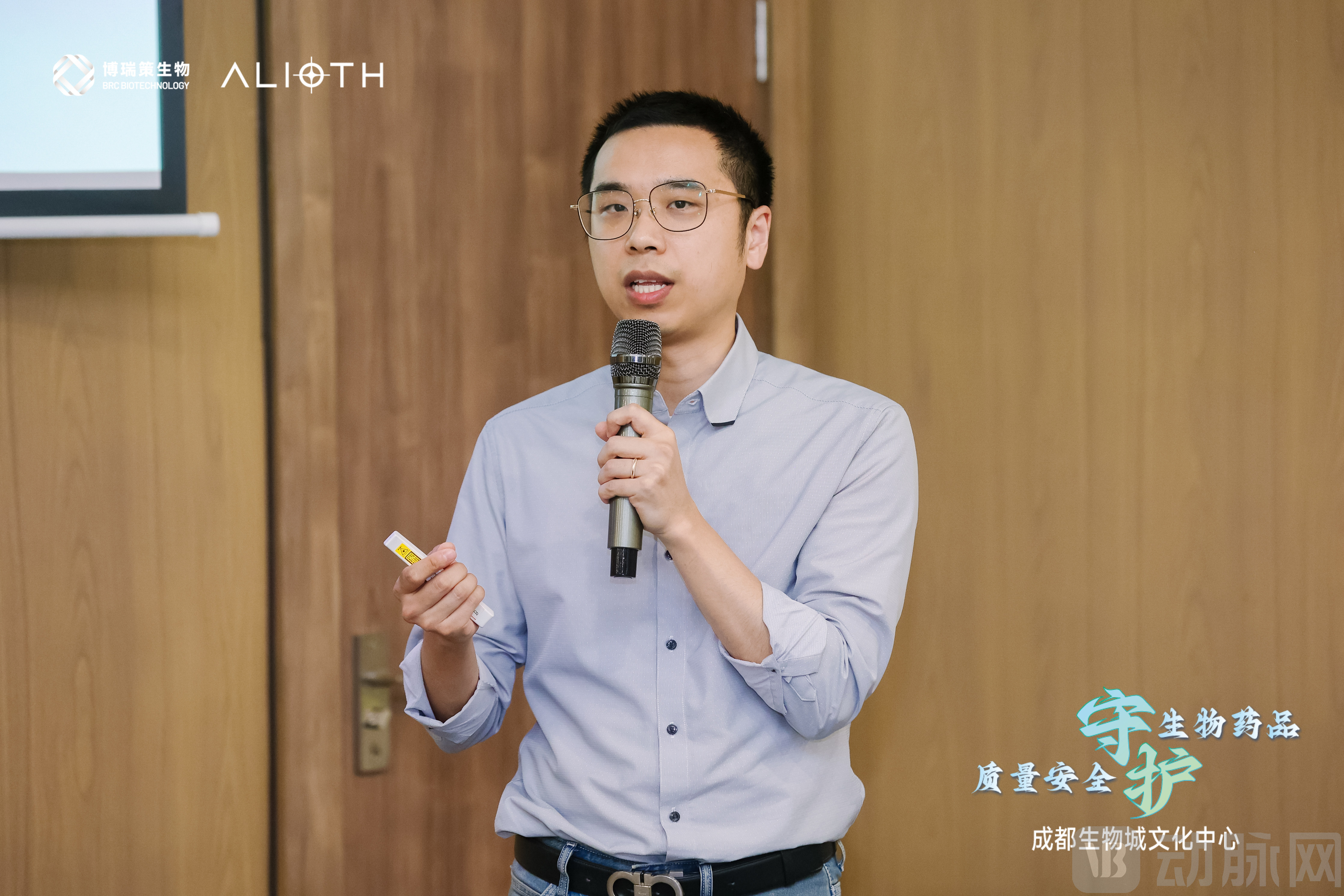
▲Zhao Shikun | BRC BIOTECHNOLOGY Senior Technical Compliance Manager
[Safeguarding the Quality and Safety of Biological Products]Antibody Drug Company TourYantai Station, Successfully Concluded!Stay tuned for more.Activity!
Informal Meeting Notes
Audience Member 1 [10 years of work experience, Supervisor of Process R&D Center at an antibody pharmaceutical company] Conference Reflections:
Audience Member 2 [12 years of work experience, Head of Quality Control Department at a vaccine company] Conference Reflections:
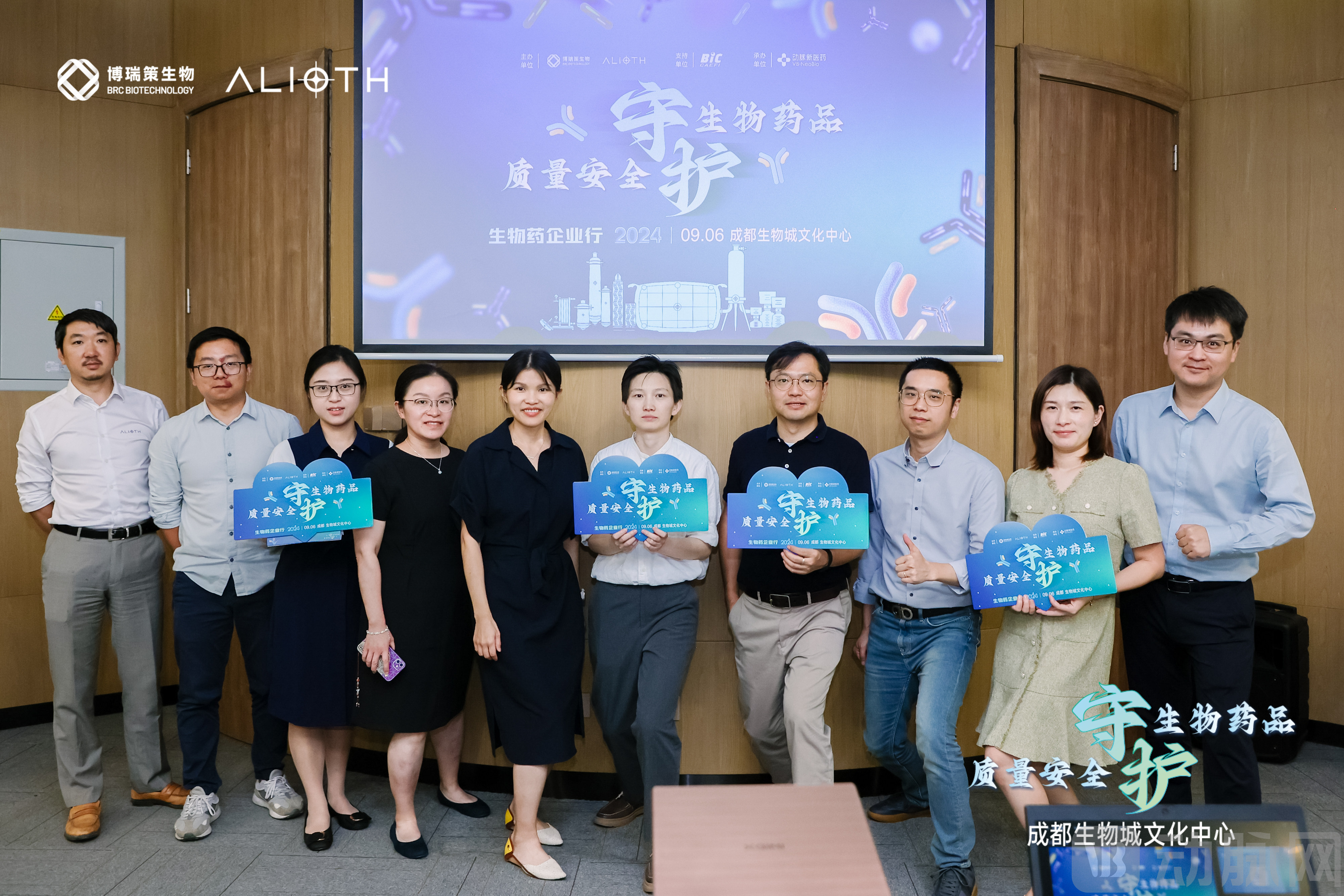
▲ Group Photo of Guests
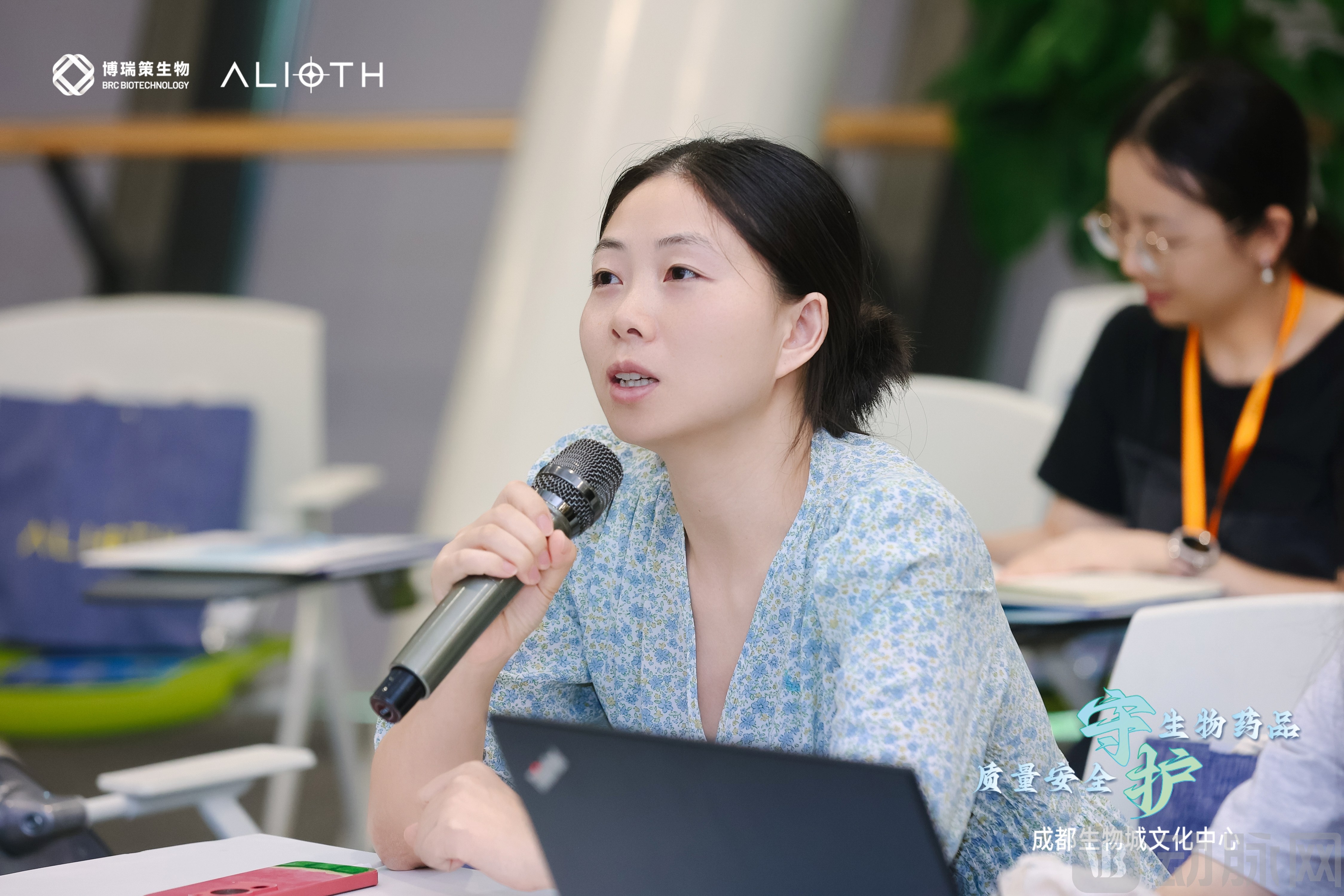
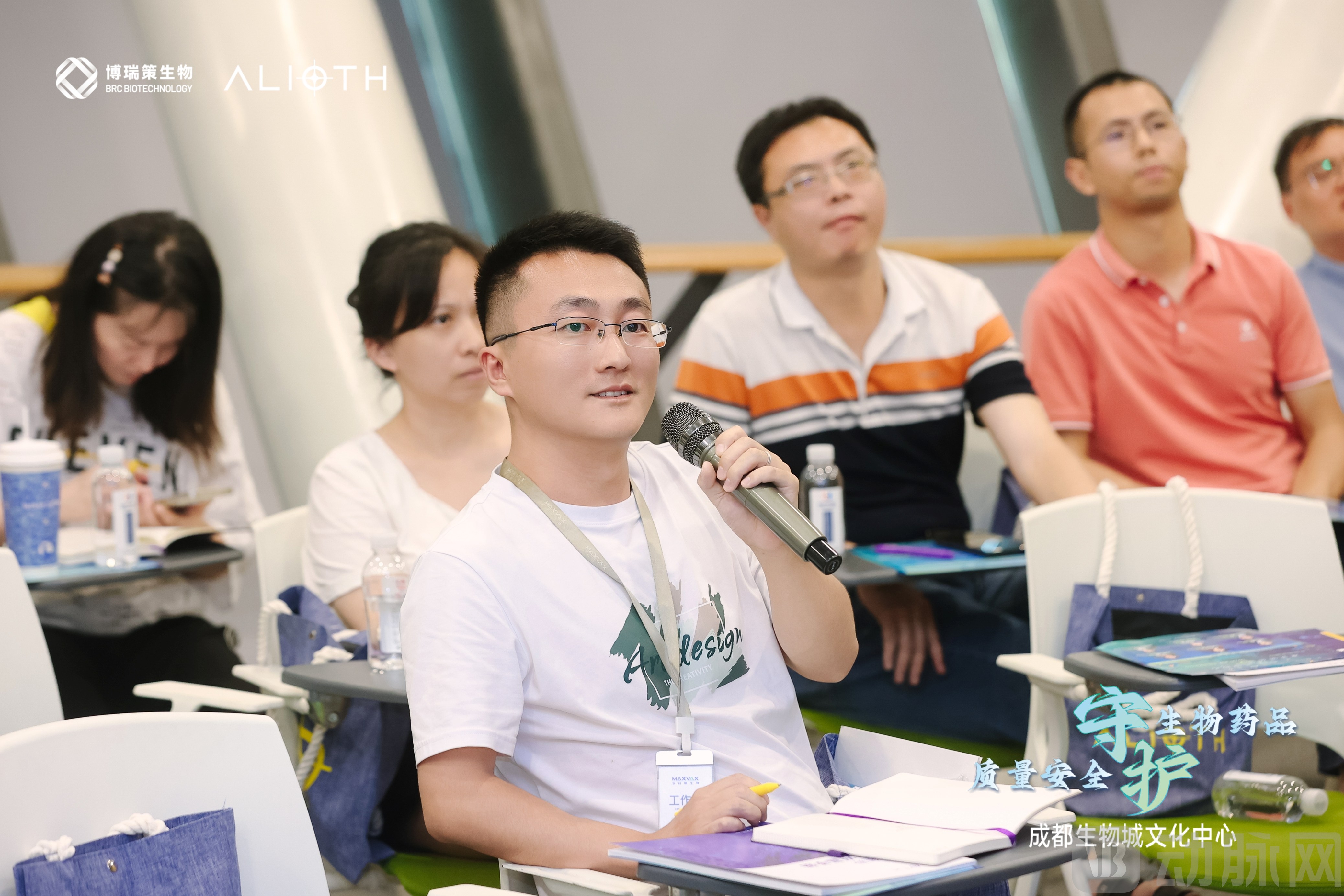
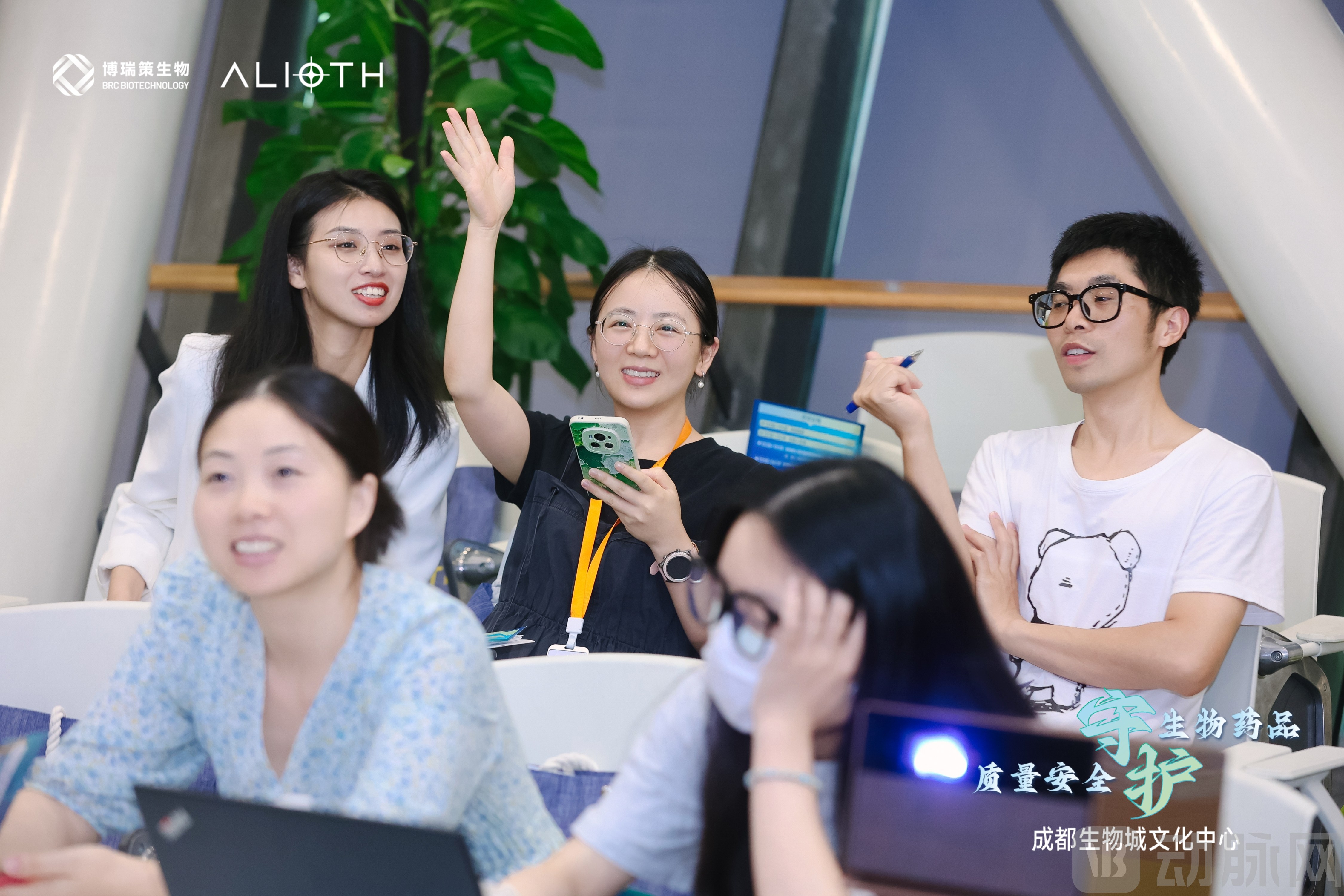
▲ Highlights
About BRC BIOTECHNOLOGY
BRC BIOTECHNOLOGY specializes in compliance, quality, and safety testing services for biological drugs. The company has established a testing service platform, commercial office space, and training center spanning over 16,000 square meters across Shanghai and Suzhou, fully compliant with cGMP and BSL-2 standards. Adhering strictly to various national pharmacopoeias and domestic and international regulations, BRC BIOTECHNOLOGY has obtained certifications and qualifications including EU GMP Qualified Person (QP), FDA FEI Number, ISO 9001:2015, BSL-2, and CMA. These credentials ensure the authenticity, validity, and data integrity of test results. Its biological drug evaluation system, aligned with international quality standards, supports quality assessments for biologics, cell and gene therapies, nucleic acid drugs, vaccines, and other biological products. Upholding the service philosophy of efficient delivery and scientific rigor, BRC BIOTECHNOLOGY has developed proprietary biosafety testing capabilities, successfully passed audits by nearly one hundred leading domestic and international biopharmaceutical companies, and supported the successful submission of multiple IND and BLA applications in both China and the United States. As your partner in biosafety testing, we provide high-quality, one-stop biosafety testing services to accelerate the regulatory approval and market launch of innovative biopharmaceutical products.
BRC BIOTECHNOLOGY Provides You with
GMP-Compliant Cell Bank Establishment and Testing
Drug Substance and Product Testing Services
Development of Customized Product Testing Technologies
Viral Clearance Validation Services for Manufacturing Processes
Technical Consulting on Product Quality Compliance
About ALIOTH
Alioth Biotech (Shanghai) Co., Ltd. specializes in the development and application of process-supporting technologies for pharmaceutical manufacturing, and is committed to providing high-quality separation and purification solutions that comply with domestic and international regulatory requirements.
ALIOTH has established its own production bases in Shanghai Lingang and Hangzhou in accordance with GMP requirements. The company is equipped with process development laboratories, validation laboratories, and a filtration product R&D center, and has built an R&D team led by membrane technology scientists. These initiatives aim to better safeguard the supply chain security of Chinese pharmaceutical companies, assist users in optimizing drug R&D and manufacturing processes, and enhance the safety of pharmaceutical production.
Guided by its corporate values of creating value for customers, pursuing endless improvement, fostering collaborative evolution through teamwork, demonstrating proactive responsibility, and embracing change through continuous learning, ALIOTH empowers the innovative development of China’s pharmaceutical enterprises.
About VCBeat Pharma
VBMedVCBeatAs a media and research platform under the VCBeat umbrella focused on biomedicine, it delivers “in-depth” and “incremental” communication value to innovators and entrepreneurs through both content and operations. On the content front, key offerings include exclusive coverage of financing rounds, corporate interviews, the “Drug Developers” column, in-depth industry analyses, and sector reports. On the operational front, its flagship program, “VB Think Tank,” focuses on practical challenges, discusses industrial trends, and fosters tangible collaborations through the exchange of ideas.
Special Topic Achievements: [CGT】【IPO Financial Report Analysis】【iPSC】【Nuclear Medicine Drugs】【Protein Degraders】【Upstream Tools】【Synthetic Biology】【Organoids】【VB Think Tank].
Previous Reviews