

25 'Startup Grinders' Experience the Warmth and Challenges of Medical Device Market Entry in Indonesia

VCBeat
Internet Medical Health Media

Climbing Ivy Society
Big Health Entrepreneurship Service Provider

PT Lumina Procare Meditech
--
In late August, with temperatures at 28°C and cloudy skies, we finally reached our destination from a year ago—Indonesia.
Adjacent to the hotel where I stayed lies an 18-hole golf course. Just twenty paces further south runs a fetid ditch, long neglected and unaddressed, which has plagued local residents for years. Under the scorching sun and a gentle breeze, the noxious odor grew increasingly pungent. Fortunately, a few cats were leisurely basking in the free sunshine on the nearby plaza, while people danced in the light.
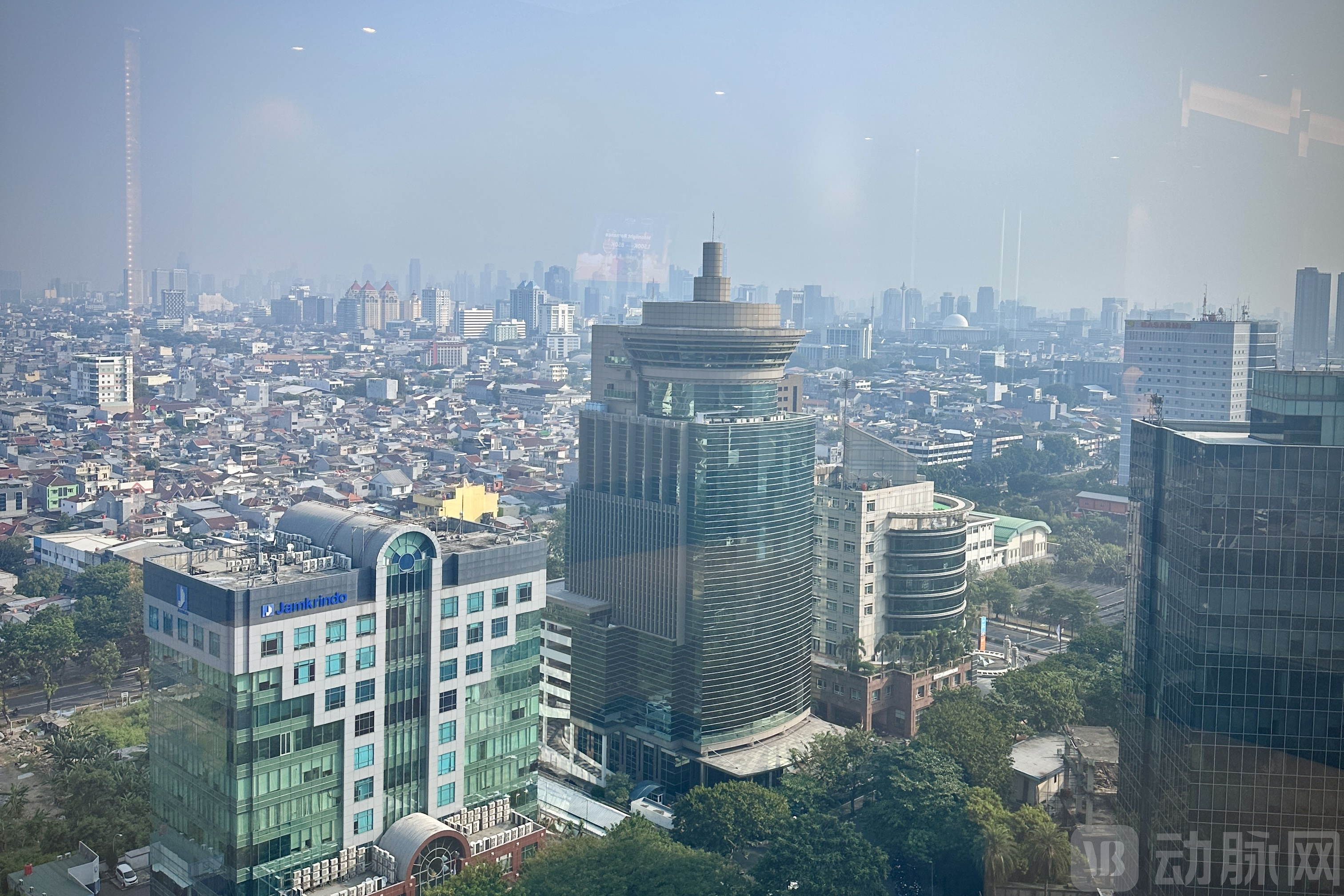
At 6:00 a.m., Wang Guoyang, Managing Director of B. Braun China, and Liu Yujing, CEO of Sunpharm, went for a run together and specifically purchased two bags of cat food to feed the countless stray cats in the area.

Photo by Li Hong, Founder of Climbing Ivy Society
This marks VCBeat’s inaugural overseas delegation this year. In collaboration with Climbing Ivy Society, Shinuo Medical, and PT Lumina Procare Meditech, we jointly organized the Indonesia Practical Camp 2024. The program brought together representatives from 25 healthcare companies featuring innovative medical device products and seeking to expand into developed markets, guiding them through a five-day market exploration tour in Indonesia.
Over the course of five days, traveling from Jakarta to Bandung, we gained a comprehensive understanding of the Indonesian government’s regulatory policy framework and conducted on-site visits to a diverse range of medical institutions across Categories A, B, and C, thereby obtaining deep insights into the multifaceted ecosystem of Indonesia’s healthcare industry. Concurrently, we carried out a thorough examination of Indonesian industrial parks, with a particular focus on factories pioneered by Chinese capital, to comprehensively assess their operational environments and development potential. As our investigation deepened, we progressively validated the feasibility of implementing an international strategic layout in Indonesia and developed a preliminary yet clear outline for market entry into the country.
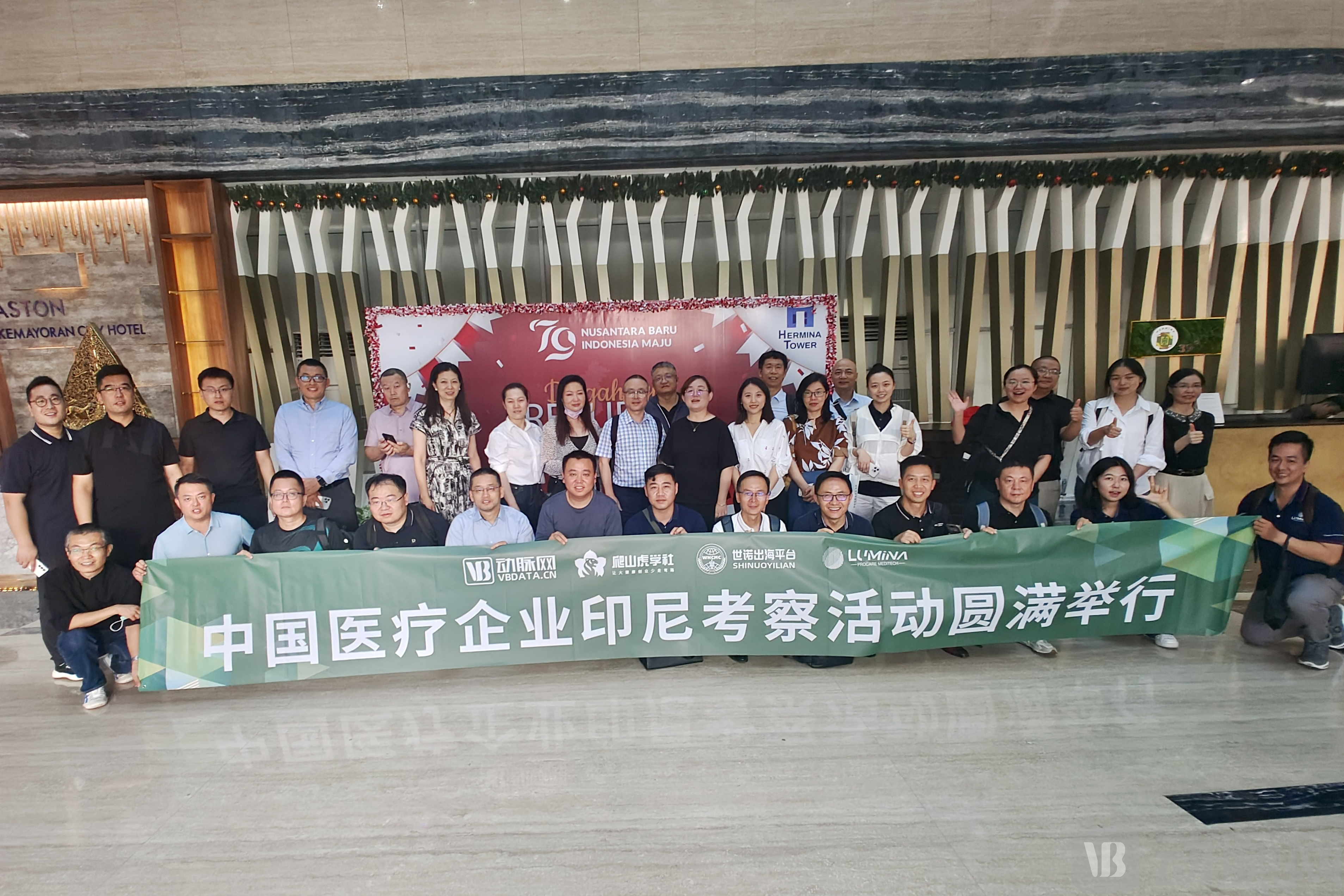
Over the course of the multi-day itinerary, several companies even reached preliminary agreements with multiple Indonesian hospitals on the spot, marking a significant highlight of this overseas inspection tour.
Indonesia, a nation whose fate has become increasingly intertwined with that of Chinese enterprises, is no longer a tranquil land untouched by the tides of commerce. Amidst the sweltering and vibrant air, undercurrents of market competition surge powerfully, silently yet intensely weaving a new chapter in the business landscape of healthcare.
Indonesia's trees are laden with gold.
Since late 2023, VCBeat has been contemplating the “major initiative” of global expansion. Da Tao successively visited Singapore, Dubai, Indonesia, and other locations for on-site assessments, designating organized overseas delegations as an “imperative undertaking.” After a year of meticulous preparation and planning, VCBeat has officially set sail, launching its inaugural overseas inspection tour in Indonesia—a land brimming with opportunities—thereby commencing its substantive journey of international exploration.
Indeed, with Indonesia’s economy sustaining a 5–6% growth rate over the past two decades, its per capita GDP reached $4,940.6 in 2023, officially marking the country’s most robust period of development in the last 20 years.
Indonesia is the world’s fourth most populous country and the largest economy in Southeast Asia. Leveraging its vast population base and rapidly growing economy, the Indonesian market has emerged as one of the most vibrant markets in Southeast Asia. Since China and Indonesia established a comprehensive strategic partnership in mid-2013, cooperation between the two countries across various sectors has yielded fruitful results under the Belt and Road Initiative, with China remaining Indonesia’s largest trading partner for ten consecutive years.
“Indonesia is invariably the first stop for Chinese companies expanding into Southeast Asia,” said Ding Haibo, founder of Beideng Medical. From the investment and construction of the Jakarta-Bandung High-Speed Railway to the advancement of the “Two Countries, Twin Parks” project, cooperation between China and Indonesia has continued to deepen and expand. According to statistics from China’s Ministry of Commerce, as of April 2022, a total of 639 registered Chinese enterprises were conducting business operations in Indonesia.
The notion of being “draped in gold” is not without foundation. Jakarta’s streets are notoriously congested, clogged with slowly moving imported Japanese cars and buzzing electric scooters. We nervously navigated across zebra-less intersections alongside the surging flow of young pedestrians, searching for traces of Chinese enterprises in Indonesia. A vibrant vitality permeates the teeming crowds, propelling the city forward like a gear that is both recklessly forceful and precisely interlocked.
“It’s as if we’ve traveled back to China twenty years ago.” Such remarks were repeatedly made throughout the days of our visit. Two decades ago, China was undergoing unprecedented transformation and rapid development—an era brimming with opportunity. Cities embarked on large-scale infrastructure construction, with skyscrapers springing up like mushrooms after rain. The internet was just emerging, smartphones had not yet become ubiquitous, and roads were filled with a mix of cars and bicycles. Meanwhile, a stark contrast persisted between old and new urban districts.

Rapid economic growth, immense demand and opportunities, a massive population with countless young people... We can’t help but ask: Is this China from 20 years ago? Can Chinese healthcare companies strike gold here?
It has become an emerging policy trend in Indonesia to increasingly welcome Chinese enterprises, particularly high-tech firms in the life sciences sector. In contrast to the booming overall market, Indonesia’s pharmaceutical industry lags significantly behind. Field research reveals a rather “paradoxical” phenomenon in the Indonesian healthcare market: although payment capacity is not yet fully sufficient, nearly all medical devices used by hospitals are imported. “High-quality, low-cost products are what Indonesia wants and needs most,” said Mark, a member of the delegation.
For Chinese medical device companies, after 20 years of prolonged development, they have grown into a significant force capable of competing with international high-end brands. Particularly in the field of high-end medical devices, although starting late, market competition has become increasingly fierce in recent years. This “involution” has not only driven technological innovation and product upgrades within the industry but also significantly improved the level and quality of medical services accessible to the Chinese population.
“Rapid economic growth, a vast population base, and an open investment environment... Indonesia boasts a market size and business climate similar to that of China two decades ago; yet it is not China. ‘Factors such as the level of technological development, sociocultural background, the diligence of its people, and the significant wealth gap all indicate that it is not entirely comparable to China from 20 years ago,’ said Mark.”
“Looking at it from a different perspective, if Indonesian companies were also given 20 years, would Chinese enterprises be able to replicate their domestic success there?” said Zhang Lin, a professor at the University of New Hampshire. “We often fall into the misconception that past successes can be replicated elsewhere. However, the current global expansion of Chinese enterprises relies more on the diligence and self-challenge of Chinese people. While this internal drive is strong, it does not necessarily guarantee acceptance in overseas markets.”
“We still see new possibilities in this land. ‘With the promotion and in-depth implementation of Indonesia’s national health insurance, medical demand has surged explosively, significantly enhancing affordability and creating new opportunities for Chinese healthcare companies expanding overseas,’ said Bob. A large population translates into a vast market, while an open investment environment and supportive policies have injected strong momentum into Indonesia’s healthcare sector.”
According to Statistics Indonesia, there are 3,132 hospitals in the country, 62% of which are private. These hospitals are classified into four categories—A, B, C, and D—based on bed capacity, from highest to lowest. Over the course of an intensive multi-day itinerary, we visited and conducted in-depth assessments of Class A, B, and C public and private hospitals across various regions of Indonesia.
Contrary to common perception, hospitals in Indonesia are not as overcrowded as those in China; instead, they operate in a more caring and tranquil atmosphere. Since 2014, Indonesia has been implementing the JKN program to achieve universal health coverage, aiming to improve the healthcare system and enhance drug accessibility. Currently, the program covers over 90% of the population. Meanwhile, through a relatively well-established tiered diagnosis and treatment system, patients are encouraged to seek initial diagnosis and treatment at local community clinics or primary healthcare centers, with referrals to higher-level medical institutions made only when medically necessary. This approach has, to some extent, alleviated the burden on large hospitals and improved the utilization efficiency of medical resources by diverting patient flow.
Hermina Group is a Class A hospital established in 1985 and is one of the largest private hospital groups in Indonesia. Over the past 38 years, Hermina has expanded across various dimensions, growing from a maternity hospital with just 7 inpatient beds to a network of 47 general hospitals with more than 6,600 beds across Indonesia. Its operations now span 26 cities, and through an extensive medical network comprising 4,600 doctors and specialists, it provides healthcare services to over 6 million outpatients and 375,000 inpatients annually.
Hermina Hospital gives visitors the impression of stepping into a luxury star-rated hotel, with its soft lighting, warm color tones, and exquisite décor. In terms of medical equipment and technology, Hermina Hospital has spared no expense in introducing the most advanced facilities and equipment available internationally. Based on our limited understanding and observations, there is hardly any domestically produced or Indonesian-made medical device in sight; instead, the hospital is equipped with a range of high-end imported devices.
RS UNPAD Hospital was the second Class B hospital we visited. According to the hospital director, the facility is currently undergoing expansion to transition into a Class A hospital. In terms of medical equipment, RS UNPAD’s procurement standards are nearly identical to those of Class A hospitals. While they prefer importing internationally top-tier equipment, they have developed a strong interest in high-end Chinese medical devices.
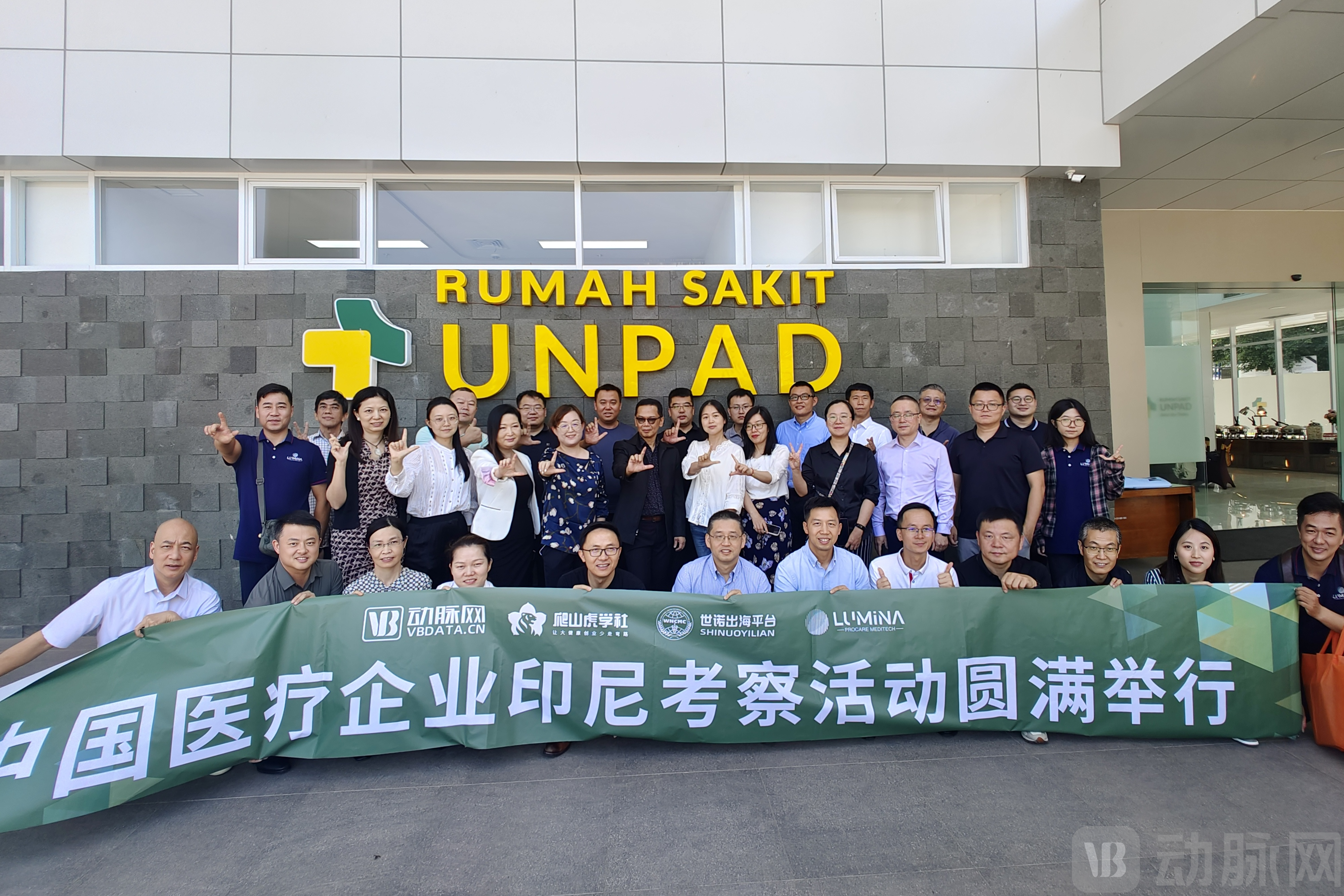
As part of the current expansion plan at RS UNPAD Hospital, in addition to increasing bed capacity and recruiting more clinicians, the acquisition of new medical equipment has also been added to the agenda. During our conversation with the hospital director, he stated, “Funding is secured. We welcome more high-end medical device and consumables companies from China to enter the Indonesian market and seize business opportunities.”
Yes, the funds are ready. According to data from the Indonesian Ministry of Finance, the total budget allocated to the health sector in Indonesia’s 2024 priority projects ranged from IDR 187.9 trillion to IDR 200.8 trillion, representing a 12.37% increase compared to the 2023 budget.
Funding is secured. According to a previous report by Indonesian Minister of Health Budi Gunadi Sadikin, the Indonesian government is seeking to improve the regulatory environment to attract more investment in the medical device and biopharmaceutical sectors, while actively promoting cooperation with Chinese healthcare enterprises to facilitate the transformation and upgrading of Indonesia’s healthcare system.
Money is ready. According to data from Eshare MedDevice Hub, the Indonesian medical device market is valued at approximately USD 1 billion, with an annual growth rate of 12%. However, Indonesia’s domestic self-sufficiency rate is extremely low, with 90% of high-end medical devices being imported, primarily from the United States (24.5%), Germany (15.7%), and China (14.9%). Local Indonesian manufacturers mainly produce low-end products, such as surgical gloves and syringes, and lack advanced technologies.
In a heartwarming gesture to welcome our delegation, the Dean of RS UNPAD personally invited us to dine at the hospital cafeteria during the lunch break. In a delightful surprise, he took the microphone and passionately performed two classic Chinese songs, “The Moon Represents My Heart” and “Sweet as Honey,” expressing his wish that the exchanges between China and Indonesia in the healthcare industry’s global expansion would be equally “sweet.”
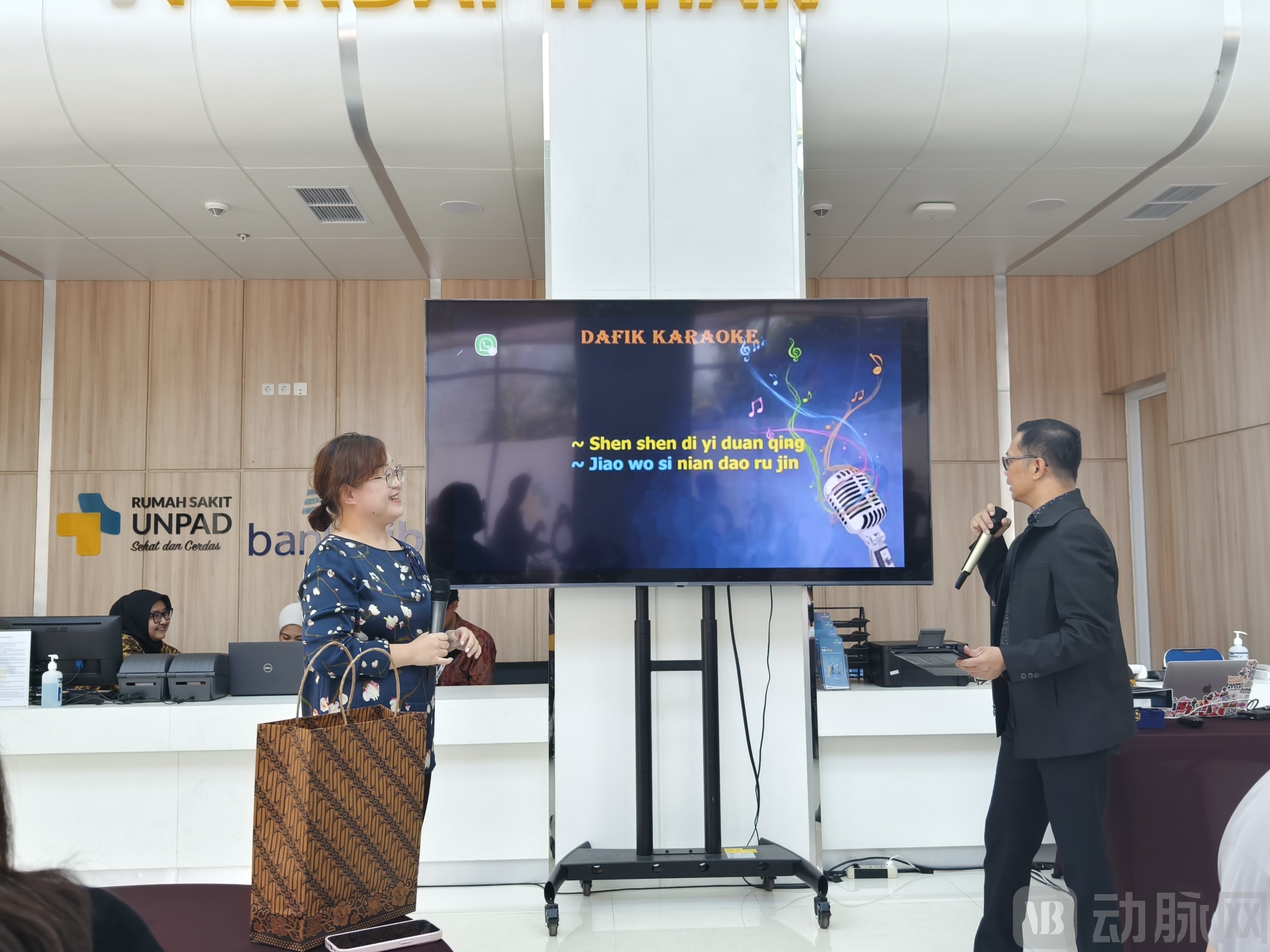
Photo by Professor Zhang Lin
Professor Zhang Lin was deeply impressed by this scene. “The warmth and relaxed demeanor of the Indonesians touched me; what I regret most is that we were unable to respond by singing Indonesian songs in Indonesian.” After performing “Tian Mi Mi” (“Sweet as Honey”), the hospital president also played two classic Indonesian folk songs, one of which was “Ayo Mama,” a huge hit in the 1980s. Only a few members of the delegation were able to sing along in Chinese. In Indonesia, the use of Indonesian, the official language, is significantly more prevalent than English, and it is often spoken with a distinct local accent. During our communications with clinicians at various Indonesian hospitals, there were frequent instances where even local translators struggled to provide accurate translations.
Citra Harapan Hospital was the last Class C hospital we visited. It resembles a community hospital, with medical equipment that is more outdated and basic compared to Class A and B hospitals. However, we discovered the only piece of high-end domestically produced medical equipment seen during this trip—a ventilator from Mindray. More encouragingly, there is a more urgent demand for cost-effective products here, and the hospital showed strong interest in the products from Kangdelai presented by our delegation, with follow-up cooperation negotiations to be arranged.
During a break in the itinerary, Da Tao visited Gakeslab Indonesia and held in-depth discussions with its President and Vice President. Gakeslab Indonesia is the Indonesian Association of Medical Device and Laboratory Companies, currently comprising over 1,700 member organizations. Recognized by the Ministry of Health, it serves as the official association for medical device and laboratory companies in Indonesia. At the opening ceremony of the national conference, Professor Nila Djuwita F Moeloek, the Indonesian Minister of Health, encouraged Gakeslab Indonesia to play a more active role in achieving a Healthy Indonesia by participating in the provision of high-quality healthcare services.
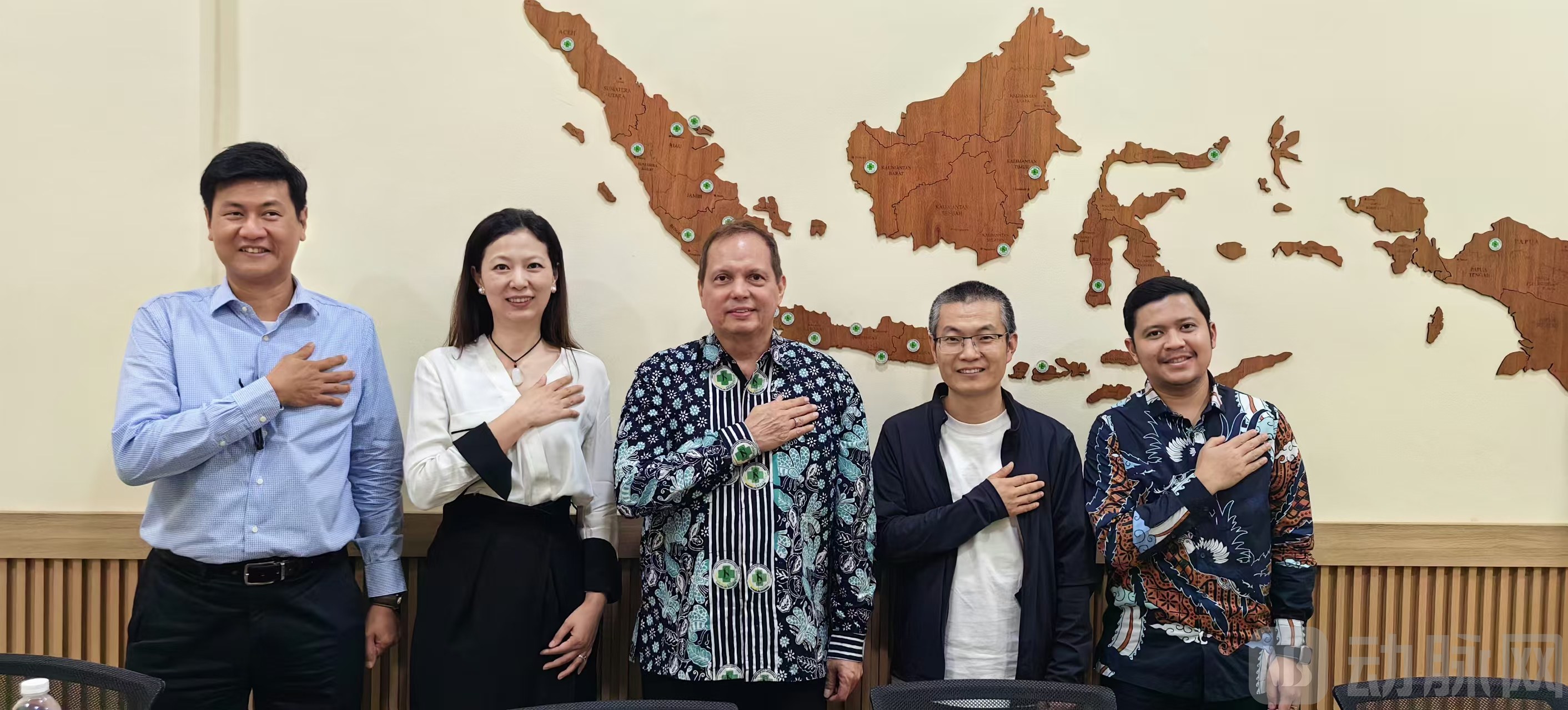 DataTao Visits Gakeslab Indonesia
Indonesia, the world’s largest archipelagic nation comprising 17,508 islands, faces significant challenges in its healthcare system. According to historical data from Statistics Indonesia, there is one doctor serving every 350 people in the Jakarta area, whereas in Maluku and Papua, one doctor serves every 4,000 people. To address this disparity, the Indonesian government is actively investing in the construction of new hospitals and the upgrading of existing facilities, while also encouraging private sector participation in healthcare services to improve accessibility and quality.
“Indonesia is like a brash young man in his early twenties, while China resembles a successful forty-year-old facing a mid-life career transition,” Li Hong remarked during the trip. Our observations across various hospital departments revealed that, in stark contrast to the popular specialties in China, obstetrics and gynecology are significantly more in demand in Indonesia. According to a report by Datareportal, Indonesia’s population structure skews young, with a median age of just 30.
This August, Sunyang Nuohé signed a cooperation agreement with Indonesian pharmaceutical company PT Anvita Pharma to jointly develop the dapagliflozin formulation project. This collaboration builds upon their earlier joint development of the ticagrelor tablet project initiated at the beginning of the year, marking a further deepening of the partnership between the two companies.
This collaboration is not merely a joint development effort for a single project, but rather an innovative partnership model. The parties have clearly defined the profit-sharing ratio for product rights within the three years following market launch in their cooperation agreement, thereby sharing R&D outcomes and jointly assuming market risks, thus achieving genuine mutual benefit and win-win results.
Liu Yujing, CEO of Sunyooking, was also a member of the Indonesian delegation. “We have previously collaborated with overseas companies, such as those in Pakistan and Japan, but we place greater hope on long-term strategic development for our cooperation with Indonesia.”
Similar China-Indonesia medical innovation collaborations are also taking place with the Indonesian pharmaceutical company PT Etana Biotechnologies Indonesia (hereinafter referred to as “Etana”). On the fifth day of our trip to Indonesia, we arrived at Etana’s manufacturing facility. Located in the Pulo Gadung Industrial Estate in East Jakarta, the plant covers an area of 6,471 square meters and features state-of-the-art technological facilities along with a high-quality production system that meets international standards.
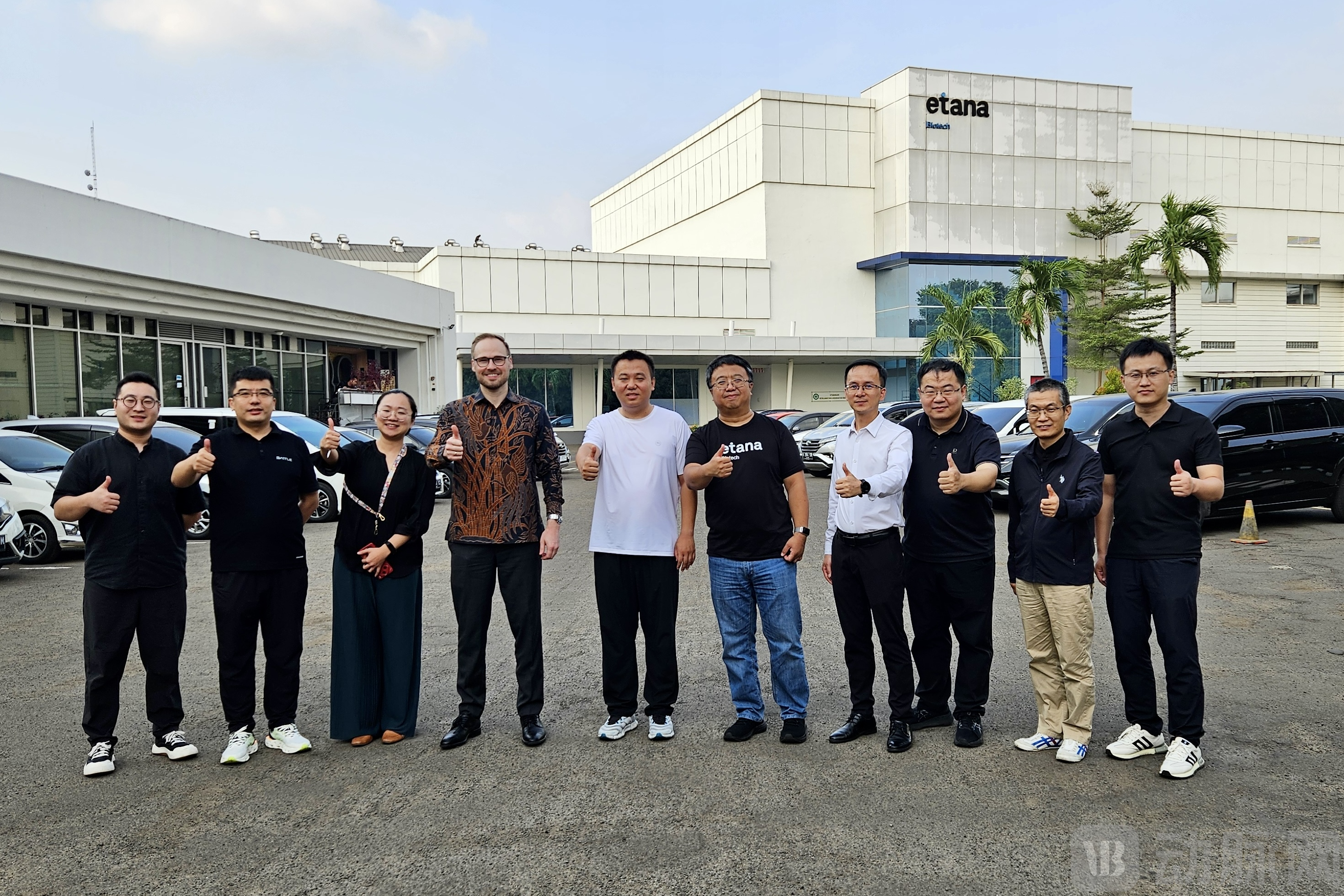
ETANA has deep-rooted ties with China. In 2019, Legend Capital and Innovent Biologics jointly visited Indonesia to assess ETANA’s facilities, production, quality control, and other operational aspects. By the end of 2020, the Series A financing round, led by Legend Capital and joined by Innovent Biologics and UOB Venture Management (UOBVM), was finalized with the signing of agreements. In 2021, ETANA entered into a pipeline collaboration with Innovent Biologics, initiating the technology transfer for bevacizumab and comprehensively expanding its portfolio in oncology biologics. In 2022, ETANA secured investments from institutions including Yunfeng Capital, Honghui Fund, and DEG. That same year, its COVID-19 mRNA vaccine, developed in partnership with Chinese enterprises, received emergency use authorization and Halal certification in Indonesia, making ETANA the first private vaccine manufacturer in the country. Subsequently, ETANA established extensive collaborations with renowned Chinese vaccine companies such as Walvax and CanSino Biologics, fully entering the fields of vaccines and anti-infectives.
This July, Etana announced that Bevacizumab (Dayoutong) and the 13-valent pneumococcal conjugate vaccine, transferred from Chinese pharmaceutical companies Innovent Biologics and Walvax Biotechnology, have completed localized large-scale production and received marketing approval from the Indonesian Food and Drug Supervisory Agency (BPOM), securing opportunities for inclusion in the national health insurance formulary and exclusive market status.
To encourage foreign investment in establishing manufacturing facilities in Indonesia and boost the local manufacturing sector, the Indonesian government has specifically introduced the TKDN (Tingkat Komponen Dalam Negeri, or Domestic Component Level) localization policy. Under this policy and the BMP (Benefit Multiplier Program), once domestically produced pharmaceuticals in Indonesia achieve a TKDN of at least 40%, other identical imported drugs will be barred from inclusion in Indonesia’s National Essential Medicines List. In other words, localized products with high TKDN scores, such as bevacizumab and the PCV13 vaccine, upon approval, will have the opportunity to enter the national health insurance scheme and enjoy exclusive access to the Indonesian market.
Leveraging resources from Chinese funds such as Legend Capital and Yunfeng Capital, Innovent Biologics, Walvax Biotechnology, and CanSinoBIO, in partnership with Etana, have successfully expanded into the Indonesian market. With multi-party support, these companies have continuously improved their TKDN scores, thereby establishing an innovative pathway for market entry into Indonesia.
Liu Yujing commented on the Indonesian market-entry model, which partners with local pharmaceutical companies such as Etana, stating, “Companies can secure access to Indonesia’s national health insurance scheme by continuously improving their TKDN (Domestic Component Level) scores. In turn, Indonesia leverages this mechanism to raise the localization rate of products, thereby enhancing the nation’s overall industrial manufacturing capabilities. This policy approach is truly eye-opening and presents a significant opportunity for Chinese enterprises.”
“However, medical devices differ significantly from pharmaceuticals. If medical device companies adopt the same approach to enter the Indonesian market, they may still face a series of challenges, including an underdeveloped supply chain, backward industrial manufacturing capabilities, and channel development,” said Jack. To enter the Indonesian market, the TKDN (Domestic Component Level) policy cannot be overlooked; improving TKDN scores has become key to further expanding market share.
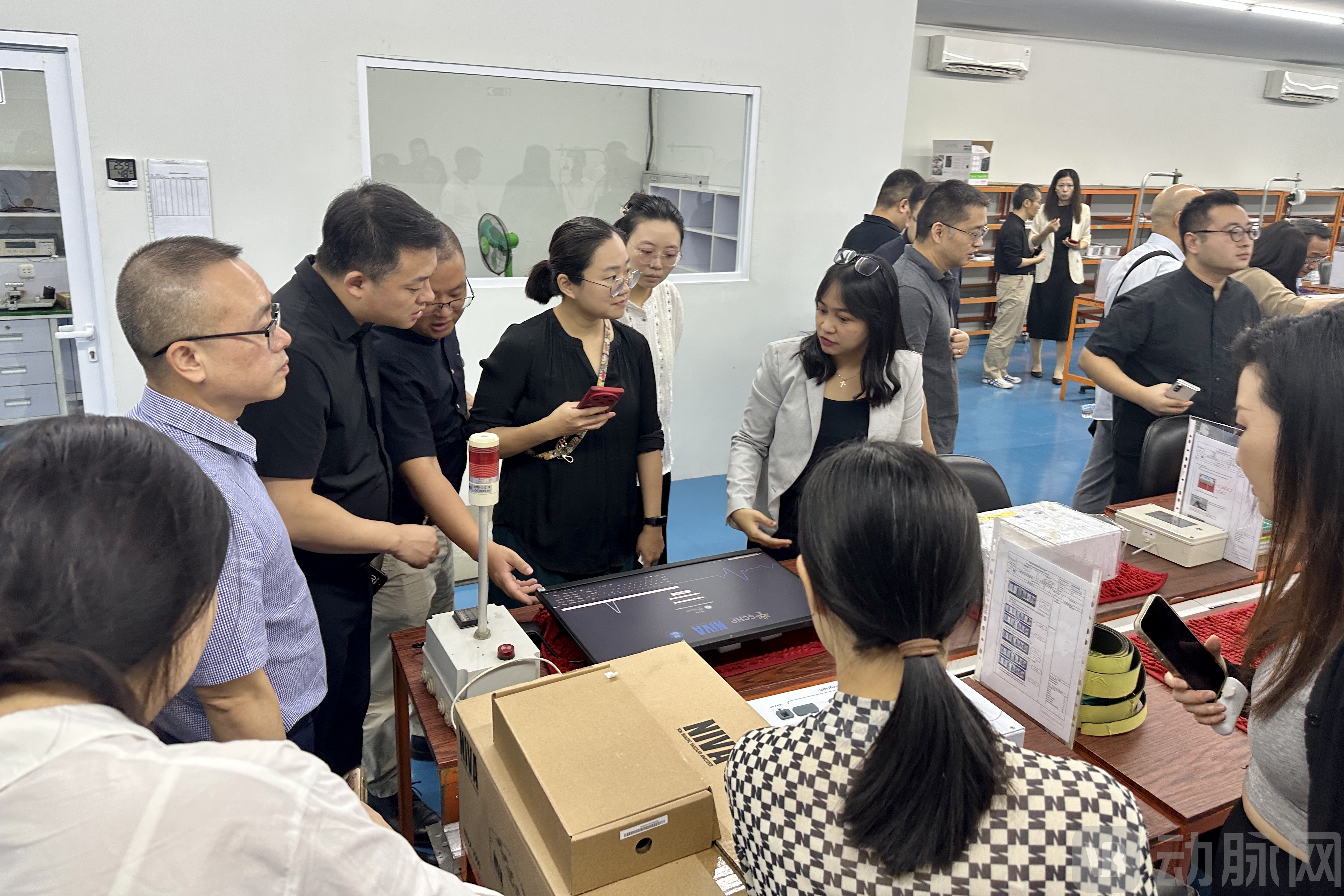
“The best time to plant a tree was ten years ago; the second-best time is now.” Nearly all team members agreed that Mindray Medical is currently one of the Chinese healthcare companies with the strongest overseas performance in Indonesia, and it was the only domestic brand we encountered during our trip there.
According to public information, Mindray has been deeply engaged in the Indonesian market for over 20 years, earning the trust of local healthcare institutions through its robust product quality and services. Mindray’s financial reports indicate that the company has helped establish more than 300 emerging clinical departments in Indonesian healthcare facilities, with its equipment and services reaching 60% of the country’s population. In terms of distribution channels, Mindray has established a local service team in Indonesia and collaborated with healthcare institutions to set up ultrasound physician training centers, aiming to train more young physicians and enhance its influence in the country. Notably, Mindray has also formed a long-term partnership with Siloam, Indonesia’s largest private healthcare group, to further penetrate the Indonesian healthcare market.
As the leading Chinese medical device company, Mindray Medical has been advancing its internationalization strategy since 2000, spanning over two decades. Financial reports indicate that by 2023, overseas revenue accounted for 38.8% of Mindray Medical’s total revenue, with a growth rate of 15.8%, outpacing the overall revenue growth. Notably, in developing countries, Mindray Medical has continuously secured breakthroughs with high-end clients, covering 80 of the global Top 100 hospitals as ranked by Newsweek in 2023. Mindray Medical’s products, including patient monitors, anesthesia machines, ventilators, defibrillators, hematology analyzers, and ultrasound systems, have achieved top-three market share positions globally.
Can Mindray Medical’s Expansion into Indonesia Be Replicated? “We typically define global expansion through three concepts: product export, marketing globalization, and overseas manufacturing. At present, we do not recommend that smaller companies pursue capital-intensive overseas ventures independently,” said Wei De, Chairman of Ruiqi Medical. When determining an overseas expansion strategy, enterprises should not limit themselves to a single model. Instead, they should comprehensively consider the distinct focuses of product export, marketing globalization, and overseas manufacturing, as well as how these elements support the company’s long-term development and market competitiveness.
“More importantly, shouldn’t we ensure our leading position in the domestic market before expanding overseas?” said Zhang Yong, General Manager of Kindly Medical. “Furthermore, the domestic market serves as a touchstone for testing products and services. Only by continuously refining and perfecting them within the domestic market can we accumulate sufficient strength and experience to meet the greater challenges of the international market.”
However, some delegation members believe that this is an opportunity not to be missed. “Trends determine direction, demand determines opportunities, and endowments determine strategy,” said Wei De, Chairman of Ruiqi Medical. In the context of globalization, it has become an inevitable trend for Chinese enterprises to expand overseas, and seizing the first-mover advantage is one of the decisive factors in capturing a larger market share. Currently, large multinational corporations (MNCs) have not yet prioritized the Indonesian market as a strategic focus; only a few MNCs, such as Sanofi and Bayer, have established manufacturing plants in Indonesia, producing only traditional pharmaceuticals. On the other hand, the rapid development of China’s medical device industry has driven technological innovation and advancements in product R&D, giving Chinese products unique competitive advantages in Indonesia. Under the promotion of the Belt and Road Initiative, the higher cost-performance ratio of Chinese medical devices better meets Indonesia’s growing healthcare needs.
Professor Zhang Lin is currently writing a book on “Globalization and the Transformation of China’s Healthcare Industry,” which opens with a historical account of multinational corporations’ entry into the Chinese healthcare market.

Photo by Professor Zhang Lin
Broadly speaking, the opening of China’s pharmaceutical market to foreign investment dates back to 1980. In that year, Japan’s Otsuka Pharmaceutical became the first multinational pharmaceutical company to enter China, establishing a joint venture with China National Pharmaceutical Corporation to form China Otsuka Pharmaceutical. This marked the first step for multinational pharmaceutical companies in China’s healthcare market.
In the subsequent years, more multinational pharmaceutical companies began to enter the Chinese market—from Sino-American Shanghai Squibb and Wuxi Huasui to Xi’an Janssen, which has since exited—bringing new drugs and technologies to China’s healthcare market and driving its continuous development and internationalization.
Multinational pharmaceutical companies have undergone several stages of development in the Chinese market. Their initial focus was on technology transfer and product sales, which gradually shifted toward localized research and development (R&D) and manufacturing. These multinational enterprises have not only brought capital, technology, and management expertise to China but also promoted the standardization and internationalization of China’s pharmaceutical market. Accompanying the continuous transformation and upgrading of multinational pharmaceutical companies in China has been the enhancement of domestic healthcare enterprises’ own R&D and manufacturing capabilities. In just a few decades, Chinese healthcare companies have achieved a historic leap from being “low-cost import substitutes” to engaging in “generic production or fast-follow strategies,” and even attaining “first-in-class and best-in-class” status domestically, thereby rapidly completing nearly the entire cycle of industrial development in the healthcare sector.
Entering the 21st century, with China’s rapid economic development and growing market demand, multinational pharmaceutical companies have further increased their investments in China, accelerating the establishment of R&D centers and manufacturing bases. Meanwhile, these companies have begun to place greater emphasis on the Chinese market, integrating it as a vital component of their global strategies. Driven by both policy support and market demand, the operations of multinational pharmaceutical firms in China have continued to expand, making them key players in the country’s pharmaceutical market.
Over the more than two decades since entering the Chinese market, a significant number of multinational pharmaceutical companies have embarked on a journey characterized by sustained growth and compounding value, with the German company PAUL HARTMANN being one such example.
On the final evening of our visit to Indonesia, we gathered for a fireside chat. Wang Guoyang, Managing Director of B. Braun China, raised a thought-provoking question: “How many small and medium-sized enterprises (SMEs) came to China seeking opportunities back then? And among them, how many have achieved significant success in the Chinese market to date?”
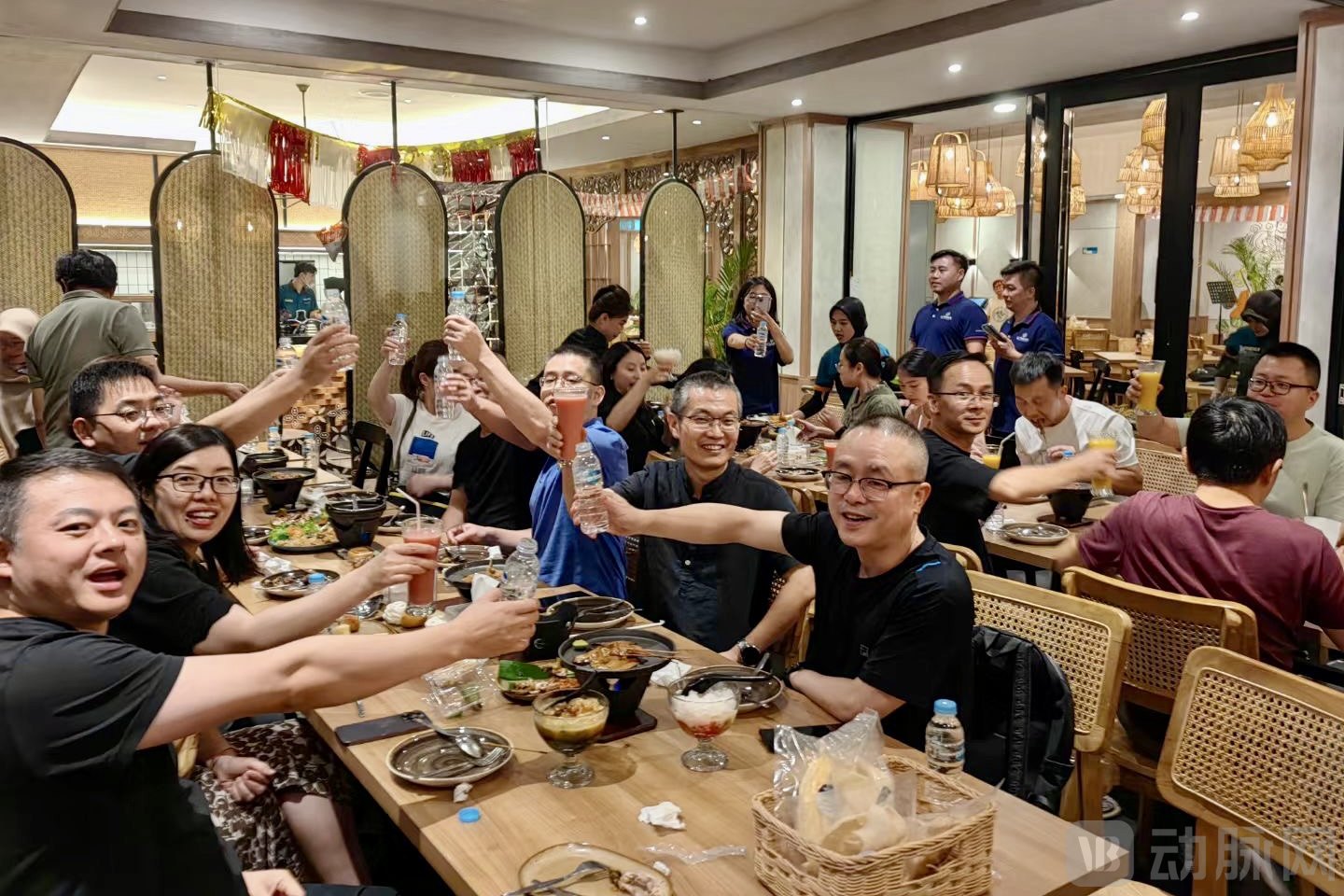
B. Braun established its Asia-Pacific subsidiary in Hong Kong, China, in 1997, subsequently expanding its global footprint to mainland China, Singapore, Japan, Indonesia, and other regions. In the following years, however, the company continuously closed multiple branches across the Asia-Pacific region due to a financial crisis, ultimately retaining only its subsidiaries in Hong Kong, China, and mainland China.
According to B. Braun's financial report, the Group's adjusted EBITDA and turnover in 2020 were €290 million and €2.433 billion, respectively, with a total workforce of over 10,000 employees. In 2021, B. Braun Group reported revenue of €2.302 billion and had 10,622 employees, demonstrating overall steady growth.
However, B. Braun also experienced a fairly long period of dormancy in its Chinese operations. “In 1998, B. Braun entered the mainland China market directly by investing in and establishing manufacturing facilities. Faced with fierce competition and rapid development among Chinese medical enterprises, it frankly failed to achieve profitability in mainland China for approximately ten years,” said Wang Guoyang.
However, B. Braun can tolerate the prolonged losses incurred in mainland China. By leveraging the lower manufacturing costs at B. Braun’s Chinese factories and exporting these products to other overseas markets, the company aims to secure greater profit margins. “Considering our performance over more than two decades since entering the Chinese market, we have basically achieved break-even. Therefore, we are once again attempting to expand into other parts of the Asia-Pacific region, and we are already seeing signs of success,” said Wang Guoyang.
Indonesia is not China as it was 20 years ago, but it similarly boasts a large population base, growing healthcare demand, and an open investment environment and policy framework, holding the same potential for rapid development as China did two decades ago. We have indeed seen hope for success.
“The core factors determining the success of overseas expansion are an understanding of the Indonesian market, the execution of overseas strategies, the implementation of localized policies, and the ability to develop a highly competitive systemic solution tailored to Indonesia. Based on this, I believe that Chinese small and medium-sized enterprises (SMEs) may have greater opportunities in expanding into the Indonesian market,” said Ding Haibo, Chairman of Beideng Medical.
“Based on our findings, in short, Indonesia’s healthcare market offers substantial capacity and a comprehensive regulatory framework. We are prepared for a protracted effort, maintaining long-term optimism as we expand into the Indonesian market. We are not afraid of the challenges posed by long cycles,” said Nana.
“On the other hand, Chinese companies do not need to venture into Indonesia alone. The ‘collective expansion’ approach holds significant potential. By integrating resources in niche sectors—for instance, by jointly developing department- and disease-centric solutions—companies can achieve economies of scale, facilitate channel access, share resources, and reduce costs,” said Scott, a member of the delegation. In fact, Chinese companies have already begun implementing this model in South America.
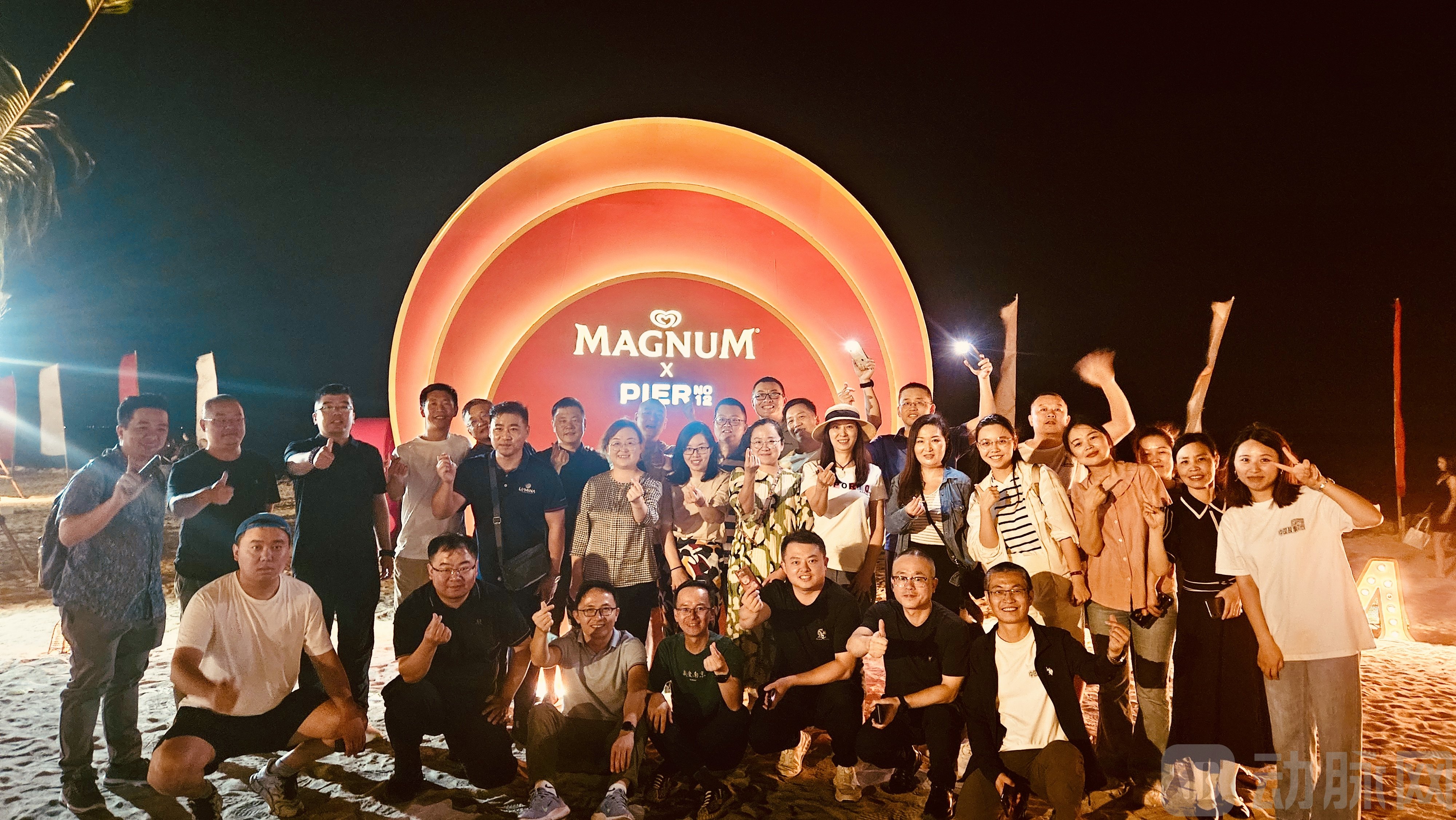
Photo by Li Yaqi, Founder & CEO of PT Lumina Procare Meditech
During our visit to the industrial park, we also observed that German companies entering Indonesia almost invariably expand overseas in clusters. Their factories are typically concentrated within the same industrial park, where they share supply chains and distribution channels and join forces to build brand recognition.
“From the current perspective, I believe that any enterprise with even a modicum of vision or ambition must consider expanding overseas. Those with the requisite conditions should seize the opportunity to go global without delay; those lacking such conditions or capabilities must create them and still pursue international expansion,” said Ding Haibo. “Over the next decade, the key opportunity for a Chinese company to transform into a global enterprise lies in going overseas.”
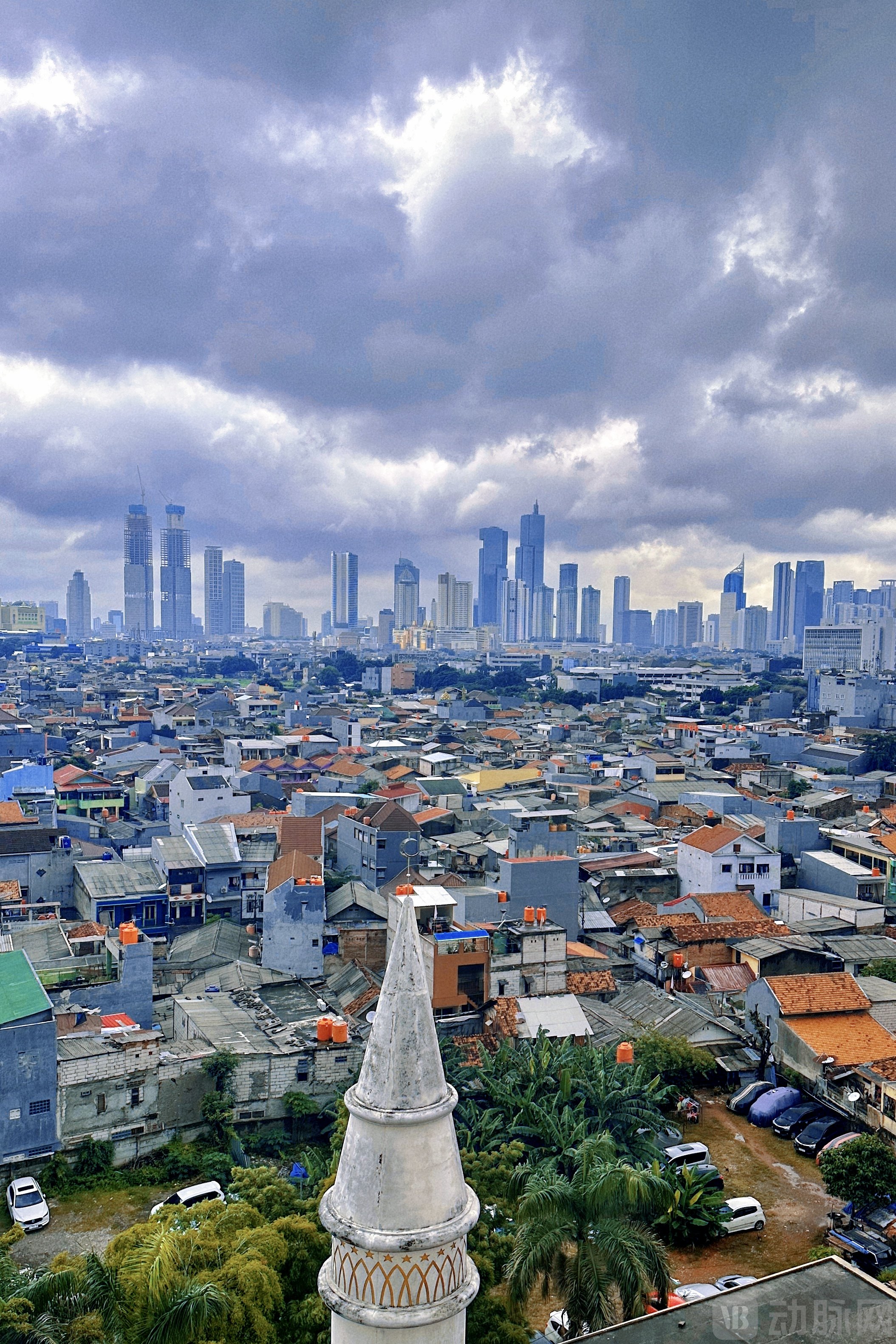
On the day before leaving Indonesia, we took a city walk through the streets of Jakarta. A storefront sign displayed in both Chinese and English caught our attention, briefly reading “Cross-Border Enterprise Services.” The building was a self-constructed two-story structure. The first floor primarily offered study-abroad agency services, while the second floor provided corporate cross-border expansion services.
At 10:30 a.m., a training course on corporate overseas expansion was about to begin. The founder of the organizing institution is a native of Henan Province who studied in Indonesia for many years and remained there after marriage, turning this venture into his career. Over time, five or six participants trickled in, engaged in businesses ranging from steel and tiles to various other sectors. They had learned about the training through online channels and stated decisively, “The Indonesian market is sufficiently large. We have already conducted thorough due diligence on the market during this trip. Our purpose in attending this session is to understand the procedures and processes for establishing a manufacturing plant in Indonesia.”
We did not attend this training. On our way out of the institution, we happened to encounter some Chinese individuals asking for directions to the facility.
Wandering the streets of Jakarta, we also visited a folk museum. The most impressive exhibit in the museum was a painting depicting Hanuman, a figure from Hindu mythology. As divine monkeys in their respective mythologies, Hanuman and Sun Wukong share numerous similarities.
We firmly believe that China’s healthcare industry will leverage technological innovation and product advantages to demonstrate strong competitiveness in the Indonesian market, employing Sun Wukong’s “Fiery Golden Eyes” to gain keen market insights and wielding the “Ruyi Jingu Bang” to unlock new market opportunities.
Special thanks to the following delegation members for their contributions to this article (in no particular order):
Liu Yujing, CEO of Sunlight Noah
Li Hong, Founder of Climbing Ivy Camp
Wang Guoyang, Managing Director of PAUL HARTMANN CHINA
Ding Haibo, Chairman of Beden Medical
Shen Degang, Founder of Qianlan Medical
Shu Chang, General Manager of the Overseas Business Department at Ruiqiao Dingke
Fenghe Medical COO Zhang Fang
Professor Lin Zhang, University of New Hampshire
Note: ① Unless otherwise specified, all images in this article were taken by VCBeat. ② Mark, Bob, Jack, Nana, and Scott are pseudonyms used in this article.