

Biomanufacturing Industrialization: The Future Is Here!

VCBeat
Internet Medical Health Media
Recently, VCBeat, in collaboration with the Tianjin Institute of Industrial Biotechnology of the Chinese Academy of Sciences, Bloomage Biotech, and Dr. Fang, launched a training course titled “Strategies and Solutions for Building Pilot-Scale Platforms in Bio-Manufacturing (2024).” Leveraging the mature expertise of China’s top research institutions and leading enterprises, the course aims to help bio-manufacturing companies address challenges encountered during pilot platform construction and capacity scale-up. By standing on the shoulders of “giants,” participants can efficiently overcome critical pain points and technical bottlenecks.
This was a paid training program. It took only 10 days from the issuance of the first round of notifications until all spots were filled, indicating that the content of this training must have addressed key and universal needs within the industry.
First, pilot-scale scale-up is an urgent need for innovative growth-oriented enterprises.
Biomanufacturing is not a brand-new topic. Around the year 2000, a cohort of companies including Bloomage Biotech, Cathay Biotech, Huaheng Biotechnology, and Giant Biogene kicked off the development of China’s biomanufacturing industry (including synthetic biology). Over the past two decades, the market size of China’s biomanufacturing sector has continued to expand.
In 2021, investment and financing in China’s biomanufacturing sector (including synthetic biology) experienced a comprehensive surge, with total funding reaching RMB 2.3 billion. Meanwhile, a wave of initial public offerings (IPOs) swept the secondary market, as industry giants Cathay Biotech and Huaheng Biotechnology sequentially listed on the STAR Market.
Based on the registration data for this training program, these innovative enterprises have reached the stage of product launch, capacity expansion, and market deployment, creating an urgent need to address challenges in pilot-scale testing and scale-up.(More than half of the applicants’ institutions are “currently building or planning to build pilot-scale platforms”)
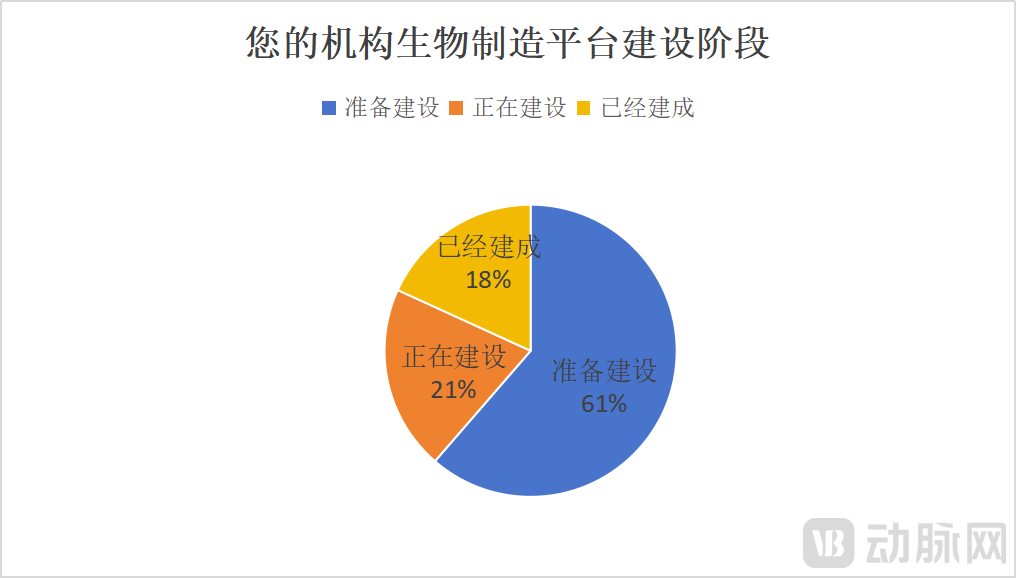
However, pilot-scale upscaling is a complex challenge that cannot be overcome through solitary exploration alone. Therefore, industry exchange is indispensable, making it crucial to learn from the experience of specialized institutions and established enterprises. As a leading research institution and a pioneering enterprise in the field, respectively, the Tianjin Institute of Industrial Biotechnology of the Chinese Academy of Sciences and Bloomage Biotechnology have delivered substantial, tangible content and value to the industry.
Second, the biomanufacturing industrial chain harbors immense business opportunities.
The establishment of a pilot-scale platform requires proper coordination among hardware, software, and talent. Taking hardware investment as an example, industry insiders estimate that the construction cost for a platform with a capacity of hundreds of liters exceeds RMB 2 million. As the scale increases, the overall costs rise exponentially. Bloomage Biotech has already invested over RMB 1 billion in its Tianjin pilot-scale platform, which represents only one-third of the overall plan. If the aforementioned innovative growth-stage companies all advance to the stage of building pilot-scale platforms, it will have a substantial driving effect on the relevant industrial chains.
Specifically, substantial new demands and orders will emerge across the entire value chain, ranging from upstream provision of equipment and consumables, to midstream platform development guidance, product registration and filing, and downstream sales network establishment. In fact, the registration data for this training session corroborates our assessment: preliminary statistics indicate that approximately 30% of the registered attendees represent companies involved in equipment, consumables, and CXO services. These participants have also expressed their desire to seize this customer acquisition opportunity and contribute collectively to the development of China’s biomanufacturing industry.
Third, only by addressing real needs can true value be created.
In the past, VCBeat excelled in developing content products, including industry research reports, industry landscape maps, in-depth articles, and industry conferences, with training being its first foray into this area. However, the current progress has given us great confidence. This once again proves that high-quality content will inevitably help attract like-minded partners, and addressing real needs will create genuine value.
Admittedly, the current macroeconomic environment presents certain challenges; however, a vibrant and upward-trending economy is bound to resolve these issues. In particular, government support for the biomanufacturing industry has bolstered confidence among practitioners. Multiple cities, including Shanghai, Shenzhen, Beijing, and Changzhou, have successively introduced supportive policies related to biomanufacturing (including synthetic biology). Beyond providing financial and technical support, these policies also clarify the industrial layout and development direction for biomanufacturing (including synthetic biology).
Economic development follows its own natural laws, independent of human will. The challenges faced by others may well represent opportunities for your product and business model—addressing genuine pain points and creating real value. As the initial and ongoing companion to entrepreneurs, VCBeat has always stood by their side.
Due to limited venue capacity, the number of registrants for the first session exceeded the available seats by 100%. We will be launching a second training session shortly. You may pre-register by scanning the QR code below, and we will contact you promptly.

Attached are the key agenda items and registration details for this training session. Companies across the upstream and downstream industrial and supply chains of biomanufacturing (including synthetic biology) are welcome to exhibit or sponsor promotional activities.

Partial Registration Information
I. Training Objectives and Target Audience
(I) Training Objectives
1. Assist entities preparing to establish or currently constructing pilot-scale platforms for biomanufacturing in clarifying their strategic approach and avoiding common pitfalls.
2. Help entities with established pilot-scale platforms improve operational efficiency and precisely connect with partners
3. Guidance on the Construction and Operation of Pilot-Scale Platforms for Different Industries (Pharmaceuticals, Food, Skincare Products, Bio-based Materials, etc.), along with Case Studies
(2) Target Audience for Training
1. Key personnel from government bodies, pilot-scale testing platforms in industrial parks, or investment promotion and investment platforms
2. Key personnel at pilot-scale platforms of established companies in the biomanufacturing sector
3. Key Personnel of the Pilot-Scale Platform at Biotechnology Application Enterprises
4. Key personnel of supply chain enterprises in the field of biomanufacturing
II. Training Overview
Training Name: Training on the Ideas and Plans for Building a Pilot-Scale Platform for Bio-Manufacturing in 2024
Training Time: September 23-24, 2024
Training Venue: Tianjin Institute of Industrial Biotechnology, Chinese Academy of Sciences
Training Scale: 60-80 attendees (limited venue capacity, first come, first served)
Organizer:Tianjin Institute of Industrial Biotechnology, Chinese Academy of Sciences; Professional Committee on Technology Development and Consultation, Chinese Society for Microbiology; Bloomage Biotechnology Corporation Limited
Organizer:Dr. Fang, Beijing Danhuang Technology Co., Ltd. (VCBeat)
III. Training Schedule
Total Duration: 2 Days, Including 1.5 Days (10 Hours) of Theoretical Study and 0.5 Days (2 Hours) of Pilot Platform Inspection
IV. Training Outline
Training Topic: Overall Approach to the Construction and Operation of Pilot-Scale Platforms
Training Guest:Dr. Ji-Bin Sun, Tianjin Institute of Industrial Biotechnology, Chinese Academy of Sciences
Training Outline:
1. Domestic and International Landscape and Development Trends of the Biomanufacturing Industry
2. The Importance of Pilot-Scale Platforms to National, Local, and Enterprise Development
3. Positioning and Functions of the Biomanufacturing Pilot-Scale Platform: Process Optimization, Scale-Up Trials, Process Package Development, Application Development, Technology Transfer, and Incubation
4. Construction Content and Overall Framework of the Biomanufacturing Pilot-Scale Platform, Including Pilot Fermentation, Downstream Processing, Industry R&D Laboratories, Analytical Testing Laboratories, and Utilities
5. Construction, Operation Models, and Sustainable Development of Pilot-Scale Platforms for Biomanufacturing, Including Funding, Talent, Projects, Management, Services, and Government-Enterprise Relations
Training Topic: Background, Challenges, and Solutions for the Construction of High-Throughput Fermentation Modules in Pilot-Scale Platforms
Training Guest: Researcher Xia Jianye, Tianjin Institute of Industrial Biotechnology, Chinese Academy of Sciences
Training Outline:
Background, Challenges, and Solutions for the Construction of the High-Throughput Fermentation Module in the Pilot-Scale Platform (Part I)
1. Revolutionary Advances Brought by Synthetic Biology Biofoundries and the Bottlenecks in Industrializing Their Outcomes
Paradigm Shift in Research Driven by Automated Equipment for High-Throughput Strain Construction
The Significant Discrepancy Between High-Throughput Strain Screening Standards and Industrial Environments
Problems and Challenges Caused by Insufficient Throughput in Fermentation Optimization
2. High-Throughput Fermentation Optimization: The Key Hardware System for Addressing Bottlenecks
Research Progress and Development Trends at Home and Abroad
Application of Mature, Commercialized Products
Development of Domestic Equipment Technology and Existing Deficiencies
3. High-throughput fermentation optimization is the key software technology for resolving bottlenecks
High-Throughput Experimental Design Methods
High-Throughput Process Data Analysis Methods
Applications of Data Science and Artificial Intelligence
Background, Challenges, and Solutions for the Construction of the High-Throughput Fermentation Module in the Pilot-Scale Platform (Part II)
4. Digitalization and Intelligence in the Construction of Pilot-Scale Platforms for Biomanufacturing
Intelligent Sensing Infrastructure for Biomanufacturing Processes
Digital Twins and Intelligent Decision-Making in Biomanufacturing Processes
Possible Pathways to Achieve Intelligent Biomanufacturing Processes
5. Talent Requirements for the Construction of Pilot-Scale Platforms in Biomanufacturing
Demand for Interdisciplinary Talent in Biomanufacturing Processes
Cultivation of Interdisciplinary Talents in Biomanufacturing Processes
The Critical Role of Technical Managers in Biomanufacturing Processes
6. Reflections on the Operational Mechanisms of Pilot-Scale Platforms in Biomanufacturing
Construction of a Credible Public Technical Service Platform
The Mission and Responsibility of the Public Technology Service Platform
Possible Operating Mechanisms for the Privatized Pilot-Scale Platform
Training Topic: Background, Challenges, and Solutions for the Construction of the Separation Module in the Fermentation Pilot-Scale Platform
Training Speaker: Fu Shaoping, Senior Engineer (Professor Level), Tianjin Institute of Industrial Biotechnology, Chinese Academy of Sciences
Training Outline:
I. Background for the Construction of the Separation Module in the Fermentation Pilot-Scale Platform
II. Equipment Selection for the Separation Module of the Fermentation Pilot-Scale Platform
2.1 Principles for Selecting Centrifugation Equipment
2.2 Principles for Selecting Membrane Separation Equipment
2.3 Principles for Selecting Drying Equipment
III. Services for the Separation Module Project of the Fermentation Pilot-Scale Platform
3.1 Separation Module for Internal Project Services
3.2 External Project Services of the Separation Module
IV. Product Cases of the Separation Module for the Fermentation Pilot-Scale Platform
4.1 Case Studies on the Separation and Purification of Fermented Natural Products
4.2 Case Studies on the Separation and Purification of Fermentation Chemical Products
4.3 Case Study on the Separation and Purification of Fermented Plastic Monomers
4.4 Case Study on the Isolation and Purification of Fermented Protein Macromolecules
V. Technical System of the Separation Module for the Fermentation Pilot-Scale Platform
VI. New-Generation Digital, Flexible, and Intelligent Platform
Training Topic: Construction, Operation, and Application of Bloomage Biotech’s Pilot-Scale Platform
Training Guest: Wang Enxu, Assistant General Manager of the Pilot Scale Achievement Transformation Center at Bloomage Biotech
Training Outline:
●1. Significance and Positioning of Bloomage Biotech’s Pilot-Scale Platform Development
1.1 Background & Significance of Pilot-Scale Platform Development
1.2 Positioning of the Pilot-Scale Platform Construction
●2. Characteristics and Capabilities of Bloomage Biotech’s Pilot-Scale Production Platform
2.1 Characteristics of Pilot-Scale Platform Construction
2.2 Hardware Capabilities of the Pilot-Scale Platform
2.3 Software Infrastructure Capabilities of the Pilot-Scale Platform
●3. Service Model and Advantages of Bloomage Biotech’s Pilot-Scale Platform
3.1 Service Model of the Pilot-Scale Platform
3.2 Service Advantages of the Pilot-Scale Platform
3.3 Service Cases of the Pilot-Scale Platform
● 4. Future Outlook
Training Topic: Development Strategies and Solutions for Building a Bio-Manufacturing Application Platform in the Food Sector
Training Speakers:Professor Xia Xiaole, Academic Dean of the College of Food Science and Engineering at Tianjin University of Science and Technology; Professor at the School of Biotechnology, Jiangnan University
Training Outline:
●1. Background and Challenges in Building a Development Platform for Biomanufacturing Applications in the Food Sector
1.1 Background of Biomanufacturing in the Food Sector
1.2 Significance of Platform Construction: Promoting the Transformation and Upgrading of the Food Industry
1.3 Challenges in Building Food Bio-manufacturing Platforms
●2. Research and Innovation in Platform Technologies for the Development of Biomanufacturing Applications in the Food Sector
2.1 Process Innovation in Food Biomanufacturing Platforms
2.2 Nutritional Evaluation of Food Bio-manufacturing Platforms
2.3 Toxicological Studies on Food Bio-manufacturing Platforms
2.4 Applications of Food Bio-manufacturing Platforms
●3. Intelligent Construction of Bio-manufacturing Platforms in the Food Sector
3.1 Hardware Specifications and Configuration for Food Biomanufacturing
3.2 Talent Requirements for Food Bio-manufacturing Platforms
3.3 Management and Strategic Planning of the Food Bio-manufacturing Platform
●4. Summary and Outlook
4.1 The Role of Platforms in Driving Technological Innovation in the Food Industry
4.2 Prospects for the Long-Term Impact of Platforms on Sustainable Development in the Food Industry
Training Topic: Strategic Framework and Solutions for Building a Biomanufacturing Application Platform Targeting Cosmetic-Grade and Pharmaceutical-Grade Products
Training Guest: Xue Guoxi, Process Director of the Pilot Scale-up and Technology Transfer Center at Bloomage Biotech
Training Outline:
●1. Background and Challenges in Building a Biomanufacturing Application Development Platform for the Cosmetics and Pharmaceutical Sectors
1.1 Background of Biomanufacturing in the Cosmetics and Pharmaceutical Fields
1.2 Significance of Platform Development: Driving the Transformation and Upgrading of the Pharmaceutical Industry
1.3 Challenges in Building Platforms for Cosmetics and Pharmaceutical Biomanufacturing
●2. Intelligent Framework for Building Biomanufacturing Platforms in the Cosmetics and Pharmaceutical Sectors
2.1 Hardware Specifications and Configuration of the Pilot-Scale Platform
2.2 Architectural Setup and Talent Requirements for the Pilot-Scale Platform
2.3 Matching of Supporting Facilities
●3. Key Points in the Operation of Biomanufacturing Platforms in the Cosmetics and Pharmaceutical Sectors
3.1 Quality System Level
3.2 Registration Level
3.3 Confidentiality Aspects
●4. Summary and Outlook
Training Topic: Application Development Cases of Biomanufacturing-Related Products
Training Speaker: Rong Jinlei, Process Director, Pilot Scale-up and Technology Transfer Center, Bloomage Biotech
Training Outline:
●1. Conditions Required for Pilot-Scale Amplification
1.1 Process Stability and Product Stability
1.2 Operating Conditions, Raw and Auxiliary Materials, and Three Wastes Issues
1.3 Process Safety
●2. Common Issues in Pilot-Scale Up Process
2.1 Device Compatibility and Tolerance
2.2 Performance Differences of the Equipment
2.3 Differences in Raw Materials and Excipients During Scale-Up
●3. Bloomage Biotech Pilot-Scale Case Study
3.1 Risks in the Pilot-Scale Amplification Process of BL-21 Series Strains
3.2 Process Control During E. coli Scale-Up
3.3 Process Optimization During Pilot-Scale Scale-Up
*More training outlines are continuously being updated
V. Instructor Introduction
● Researcher Xia Jianye, Tianjin Institute of Industrial Biotechnology, Chinese Academy of Sciences
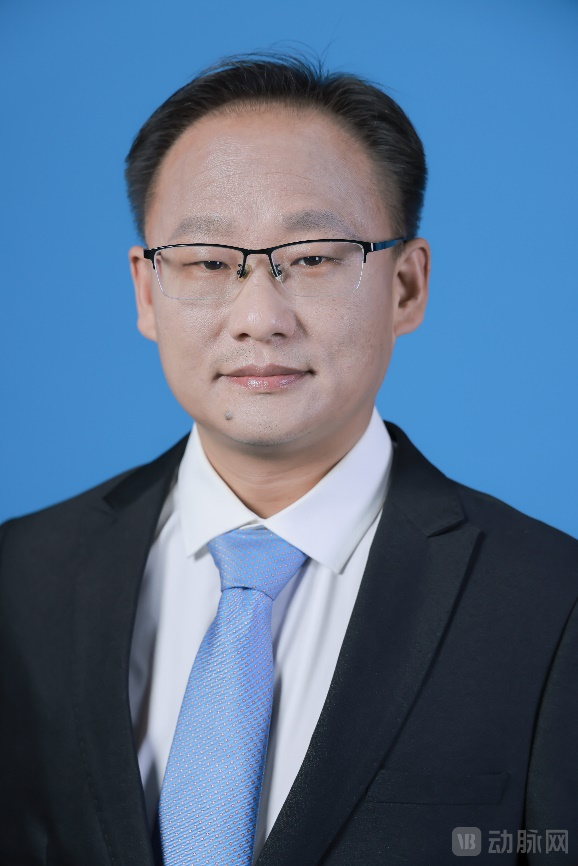
Xia Jianye, Research Professor and Doctoral Supervisor, is a recipient of the Chinese Academy of Sciences (CAS) “Hundred Talents Program” and a Leading Talent in Tianjin. He serves as Vice Chairman of the Special Committee on Biochemical Process Modeling and Control under the Chinese Society for Microbiology, and currently holds the position of Director of the Pilot Scale Platform for Intelligent Biomanufacturing at the Tianjin Institute of Industrial Biotechnology, CAS.Dr. Xia received his Ph.D. from East China University of Science and Technology in 2008, studying under Professor Zhang Siliang. He proposed an optimization and scale-up methodology for fermentation processes that integrates reactor flow fields with cellular physiology, which has been successfully applied in numerous biomanufacturing enterprises across China. His accolades include the Second Prize of the National Science and Technology Progress Award, the First Prize of the Shanghai Science and Technology Progress Award, and the Second Prize of the Science and Technology Progress Award from the China National Light Industry Council. He has published more than 30 research papers in prestigious journals such as *Cell*, *Nature Communications*, *Biotechnology and Bioengineering*, and *Trends in Biotechnology*, and holds five authorized patents.In July 2021, Dr. Xia joined the Tianjin Institute of Industrial Biotechnology, CAS, as a full-time researcher, where he was tasked with establishing the laboratory for the Center for Intelligent Biomanufacturing. He oversaw the development of a 6,000-square-meter digitalized and intelligent pilot-scale platform for biomanufacturing, innovated the technical service mechanisms of the pilot platform, and facilitated the industrial translation of three synthetic biology products from the laboratory to commercial production.
● Researcher Sun Jibin, Tianjin Institute of Industrial Biotechnology, Chinese Academy of Sciences
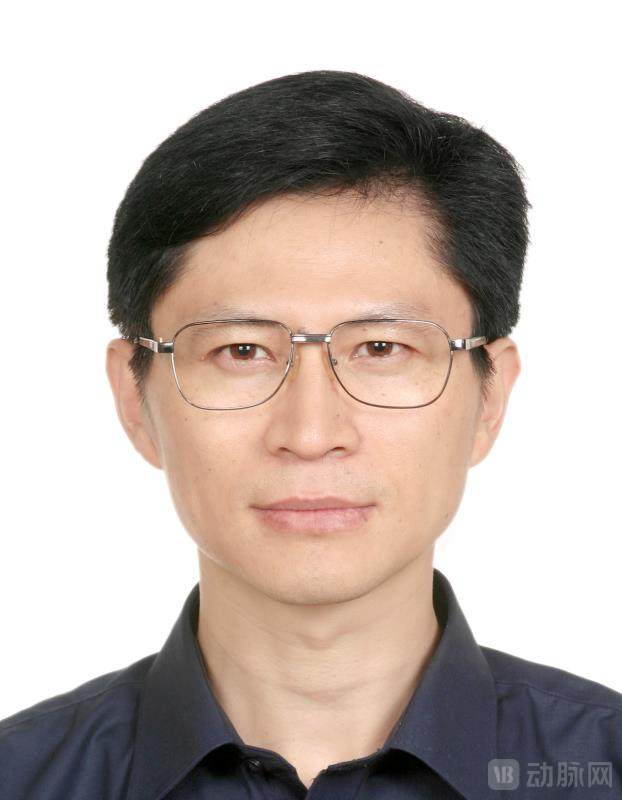
August 2020–Present, Tianjin Institute of Industrial Biotechnology, Chinese Academy of Sciences, Director of the Center for Systems Biology
Research Areas: Systems biology of industrial microorganisms; multi-omics technologies; synthetic biology technologies; design and development of industrial microbial strains
● Shao-Ping Fu, Senior Engineer (Professor-level), Tianjin Institute of Industrial Biotechnology, Chinese Academy of Sciences
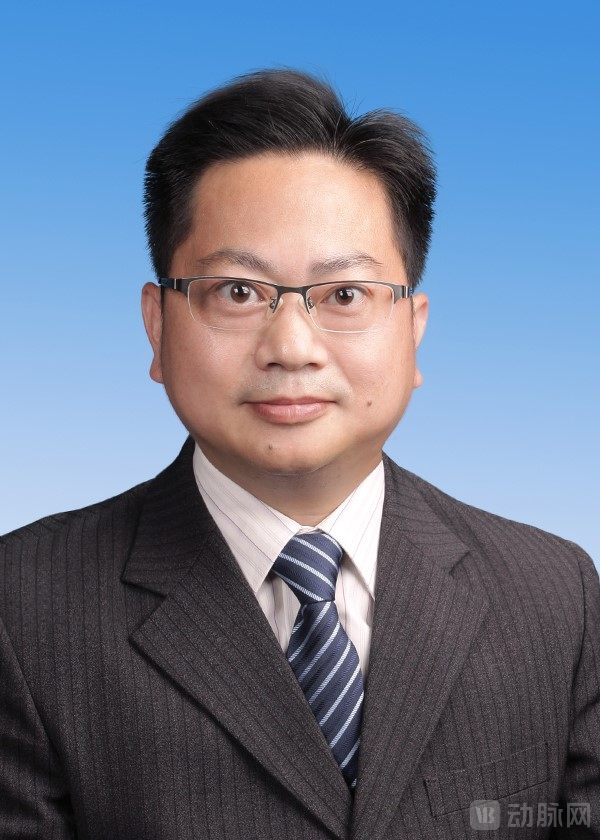
Shao-Ping Fu, male, born in 1978, holds a Ph.D. and is a Senior Member of the Chinese Chemical Society. He serves as a Professor-Level Senior Engineer at the Center for Intelligent Bio-manufacturing, Tianjin Institute of Industrial Biotechnology, Chinese Academy of Sciences (CAS). He received his Ph.D. in Analytical Chemistry from the Dalian Institute of Chemical Physics, CAS, in March 2006. In the same year, he joined the School of Biological and Food Engineering at Dalian Polytechnic University. From 2008 to 2009, he conducted research on the separation of complex components and structural identification of plant natural products at the Universidad de Granada in Spain. In October 2012, he joined the Tianjin Institute of Industrial Biotechnology, CAS, where his primary research focus has been on the separation and purification processes of bio-fermentation products. He has presided over key projects under the Tianjin Municipal Science and Technology Support Plan and the National Key R&D Program of China. He was responsible for completing the development of separation and purification processes for more than thirty industrialization projects involving products such as lycopene, inositol, and protocatechuic acid, generating significant economic value. His accolades include the Second Prize of the Dalian Municipal Science and Technology Progress Award (2010), the Second Prize of the Liaoning Provincial Science and Technology Progress Award (2011), selection as one of the “High-Level Talents Introduced to Tianjin (Over 1,000 Individuals within Three Years)” (2012), selection into the second tier of the Tianjin Binhai New Area “131” Innovative Talent Training Project (2013), recognition as a “Key Technical Talent of the Chinese Academy of Sciences” (2019), and appointment to the “Distinguished Research Backbone Position” of the Chinese Academy of Sciences (2022).
● Professor Xia Xiaole, Academic Dean of the College of Food Science and Engineering at Tianjin University of Science and Technology, and Professor at the School of Biotechnology, Jiangnan University
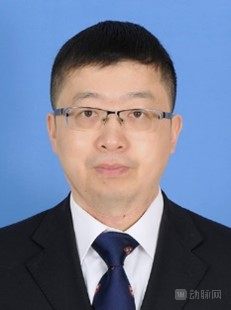
Primary Research Areas:
1. Future Fermented Foods
Based on evolutionary analysis, synthetic biology and computational biology approaches are employed to identify, analyze interactions, and reconstruct core microorganisms in traditional fermented foods, with the aim of addressing issues such as food safety and flavor enhancement in industrial practices.
2. Synthetic Biological Manufacturing of Active Macromolecules
For health-related bioactive macromolecules, such as lipopeptides, hydrolases, and Monacolin K, computational biology and synthetic biology are employed to address challenges in their synthesis, expression, and engineering, with applications in the life and health sectors.
● Wang Enxu, Assistant General Manager of the Pilot Scale Achievement Transformation Center at Bloomage Biotech
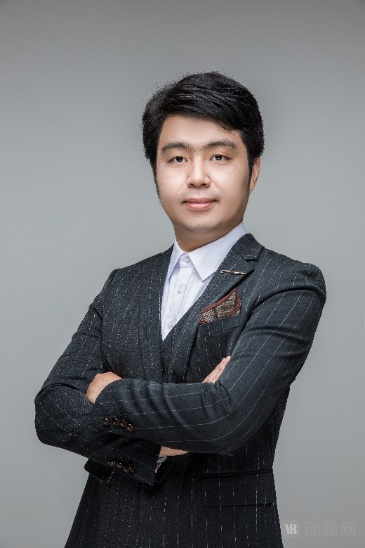
Wang Enxu, Ph.D. candidate, Senior Engineer (Associate Level), and Adjunct Master’s Supervisor at Tianjin University of Science and Technology, currently serves as Assistant General Manager of the Pilot Scale-up and Technology Transfer Center at Bloomage Biotech (Tianjin) Co., Ltd. He possesses comprehensive expertise in end-to-end synthetic biology technologies, with a holistic understanding of process development, scale-up, optimization, and commercial manufacturing of microbial fermentation products. With extensive experience in process development and industrial translation, he is dedicated to providing tailored bioprocessing solutions for clients. He has built an elite team of 150 members and established in-depth collaborations with numerous renowned universities and research institutions, successfully completing pilot scale-up and industrial translation for more than 20 types of bioactive substances. Furthermore, he has participated in or led multiple large-scale projects, including the construction of a Pilot Scale-up and Technology Transfer Center with a total investment exceeding RMB 1 billion and covering an area of 30,000 square meters. This project integrates advanced flexible production line designs, capable of simultaneously supporting pilot experiments and small-scale commercial production for six major categories of substances: functional sugars, proteins, peptides, amino acids, nucleotides, and natural active compounds, thereby laying a solid foundation for the company’s future industrialization strategy.
● Rong Jinlei, Process Director of the Pilot Scale-up and Technology Transfer Center at Bloomage Biotech
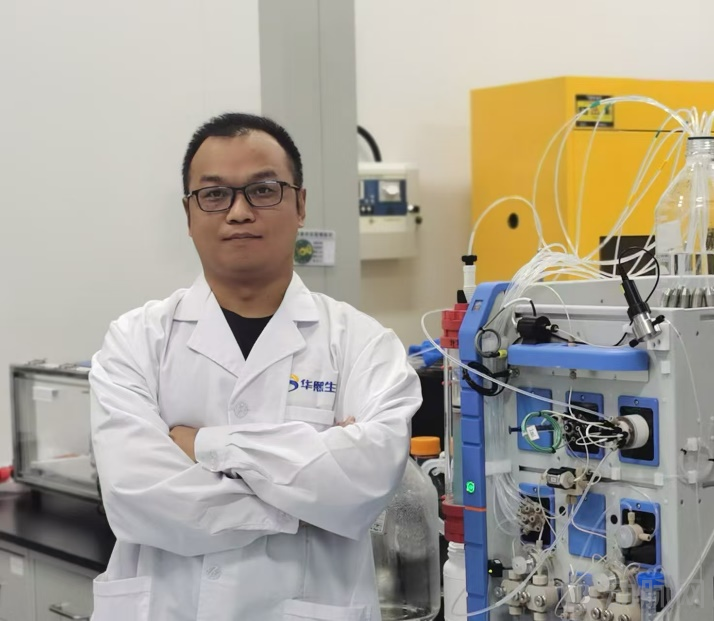
Rong Jinlei, Master’s Degree Holder, currently serves as the Process Director at the Pilot Scale Achievement Transformation Center of Bloomage Biotech (Tianjin) Co., Ltd. With nearly two decades of professional experience specializing in the development and optimization of microbial fermentation, extraction, and purification processes, he has accumulated extensive expertise in project development and scale-up for active pharmaceutical ingredients (APIs) of small-molecule bioactives, antibiotics, peptides, proteins, and macromolecular polysaccharides. He has achieved outstanding performance in industrial fermentation medium optimization, fermentation process improvement, and separation and purification optimization. The multiple products he led in development have achieved industry-leading standards in both cost efficiency and quality. As a key member, he participated in the project on Key Technologies and Industrialization of Glutathione (GSH) API and Formulations, which was awarded the First Prize for Provincial Scientific and Technological Progress.
● Xue Guoxi, Process Director, Pilot Scale-up and Technology Transfer Center, Bloomage Biotech
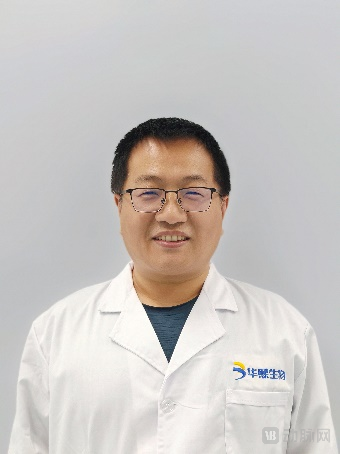
Xue Guoxi, Master’s degree holder, with 16 years of experience in pharmaceutical R&D at large pharmaceutical companies. Currently serves as the Process Director of the Pilot Scale Achievement Transformation Center at Bloomage Biotechnology (Tianjin) Co., Ltd. He has led and completed one National Science and Technology Support Program project (RMB 100 million), one major science and technology special project of Shandong Province (RMB 15 million), and one scientific and technological plan project funded by the Huayanghe City Finance (RMB 1.5 million). He holds four authorized patents. He has spearheaded the R&D and scale-up of 16 raw materials for pharmaceutical, food, and cosmetic grades, among which three products generate approximately RMB 500 million in annual profit for the company. He has completed drug registration applications for six microbial fermentation projects, undergoing two FDA inspections and six GMP compliance inspections. He was responsible for the design and construction of fermentation and purification workshops with a fermentation capacity of 500 tons, and has successively established and operated six R&D and pilot-scale platforms.
*More instructor profiles are continuously being updated
VI. Introduction to the Organizers
Pilot Scale Platform, Tianjin Institute of Industrial Biotechnology, Chinese Academy of Sciences
The Intelligent Biomanufacturing Center is one of the six platform laboratories established under the National Center for Technological Innovation in Synthetic Biology. It serves as a pilot-scale biomanufacturing platform that provides technical services and conducts key technology R&D, including strain performance validation, pilot process development and verification, trial production of samples ranging from kilograms to hundreds of kilograms, and scale-up of biomanufacturing processes, thereby facilitating the industrialization of innovative achievements in synthetic biology. Officially approved for establishment in September 2021, the center has invested RMB 130 million in equipment construction and built 6,000 square meters of new laboratory space. Its equipment covers the entire chain of bioprocess development, optimization, and scale-up, including high-throughput strain performance validation, high-throughput media optimization, high-throughput fermentation process optimization, and digitalized, intelligent pilot production lines.Focusing on intelligent manufacturing technologies for industrial biological processes, the Intelligent Biomanufacturing Center develops key technologies such as strain validation, media optimization, process scale-up, and intelligent biomanufacturing process packages. It promotes the technological upgrading of traditional fermentation industries toward automation and intelligence, fully supporting the efficient industrial translation of synthetic biology achievements. This significantly reduces the time and cost required to transfer high-performance strains from laboratory development to industrial production, providing intelligent manufacturing process packages suitable for industrial-scale production.Since its establishment, the center has actively explored new technical service models. It has proposed a novel pilot-scale service mechanism focused on ensuring the safety of core strains and innovatively introduced three customized and personalized service models: “Shared Kitchen,” “Shared Chef,” and “Contracted Development.” To date, it has served more than 20 biomanufacturing enterprises in China, successfully facilitating the transition of three biomanufacturing products from the laboratory to industrial production, achieving remarkable results.
Bloomage Biotech
Bloomage Biotech (688363.SH), established in 2000, is a globally renowned biotechnology and biomaterials company. Driven by synthetic biology technologies, the company is committed to continuously improving quality of life and extending lifespan, delivering healthy, beautiful, and joyful life experiences to humanity. Upholding its corporate mission of “Keeping Every Life Vibrant,” the company primarily focuses on the development and industrial application of bioactive substances beneficial to human health, including functional sugars, proteins, peptides, amino acids, nucleotides, and natural active compounds. As the world’s largest enterprise engaged in the research and development, production, and sales of hyaluronic acid, Bloomage Biotech ranks first globally in the industrialization of hyaluronic acid.
Dr. Fang
Ph.D. in Economics, Zhejiang University; Original Author of the WeChat Official Account “Dr. Fang”
Managing Director, Titanium Capital; oversees government and corporate ecosystem partnership initiatives, with a focus on synthetic biology, healthcare, and industrial internet.
During his tenure at the High-Tech Division of the Xiamen Municipal Development and Reform Commission, he undertook “mass entrepreneurship and innovation” initiatives, including the planning of startup parks, the drafting and promotion of entrepreneurial policies, and the implementation of policies for high-level talent. He previously served in the Strategy Division of the Xiamen Development Research Center, where he was responsible for research topics such as the Belt and Road Initiative and regional economic trends. He also participated in the editing of internal reference reports at the Zhejiang Provincial Policy Research Institute, with more than ten reports receiving written instructions from senior leaders, including the then Party Secretary of Zhejiang Province.
Serves as an Adjunct Research Fellow at the Industrial Research Center of Fudan University’s Zhangjiang Institute, a member of the Expert Advisory Committee of the Xiamen Guoxin Credit Big Data Innovation Research Institute, and a consultant for multiple startup enterprises.
Technology projects involving investment and financing or providing consulting services have secured over RMB 10 billion in funding, including Anchnet, HEC Pharm, CanSino Biologics, Lifu Pharmaceutical, Yunyin Technology, and Ulesay.
Areas of Expertise: Regional development planning, policy consulting and project application, business plan writing, startup pitch coaching, corporate business and financial structuring, and investment and financing matchmaking.
VCBeat
VCBeatFounded in 2014, it is a company that leverages data as its foundation, research as its core, and brand media as its connector to facilitate the precise aggregation of industry resources and help industry changemakers achieve rapid growth.Innovative Industry Service Agency. Egg Yolk Tech focuses on the life and health sector, providing services such as brand communication, research consulting, data monitoring, and resource/project matchmaking to enterprises, scientists, government industrial parks, investment institutions, and other entities within the industry chain. Since its establishment, Egg Yolk Tech has received investments from multiple renowned firms, including Legend Capital, BV Baidu Ventures, Honghui Capital, Changling Capital, Yifang Group, and Weilai Capital, achieving a valuation of several hundred million RMB. Under the Egg Yolk Tech umbrellaVCBeat, innovation and investment in China's pharmaceutical, medical, and broader healthcare sectorOne of the Well-Known Media Outlets。