

Where Is Precision PCI Heading? Global Insights from Top Scholars at Insight Forum 2024
To further explore the development prospects of precision PCI (percutaneous coronary intervention), promote in-depth exchange and integration of global cardiovascular precision PCI technologies, and achieve international wisdom sharing and win-win cooperation, on September 15, aFocusing on the Field of Precision Treatment for Cardiovascular Diseasesan international grand event—The 1st True North Forum (Insight Forum 2024)InShenzhenSuccessfully held. As a premier international exchange platform in the field of precision PCI for cardiovascular diseases, the True North Forum adheres to"Healthcare Without Borders"the core mission, dedicated to building aOpenness, Inclusiveness, and Collaborationacademic exchange environment, promoting global communication and advancement in precision PCI, thereby benefiting more patients worldwide.
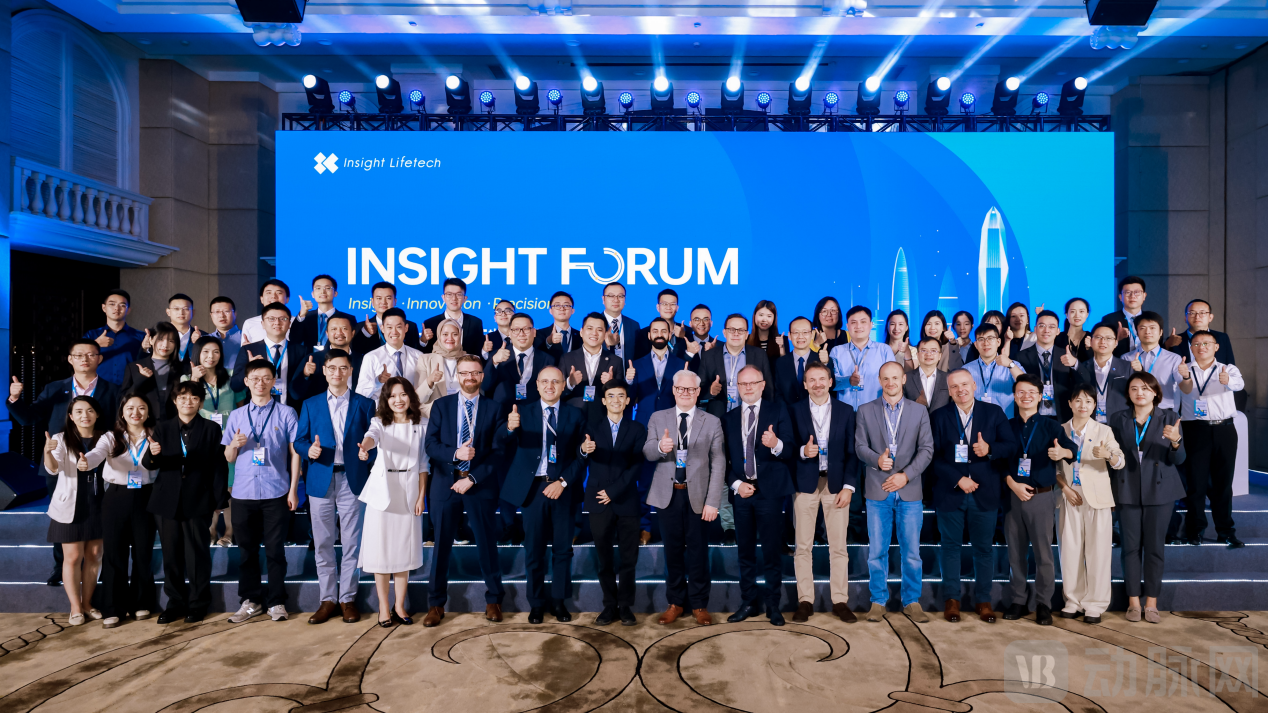
Top International Cardiovascular Experts Convene at the True North Forum
This timeTrue North ForumInitiated by Shenzhen Beixin Life Technology Co., Ltd. (hereinafter referred to as “Beixin Life”), invitingDozens of cardiology experts from more than ten countries and regions worldwide, they possess profound academic expertise and extensive clinical experience in the field of precision cardiovascular intervention, which not only infuses the Zhenbei Forum with a robust international perspective but also provides valuable intellectual support for advancing the development of precision PCI worldwide.
This forum deviates from the traditional one-way lecture format, instead emphasizing in-depth interaction and discussion between Chinese and international experts. It encourages experts to share their respective research findings and practical experiences, fostering an exchange of ideas to jointly explore the latest developments in the field of precision PCI and drive advancements in precision PCI technology.
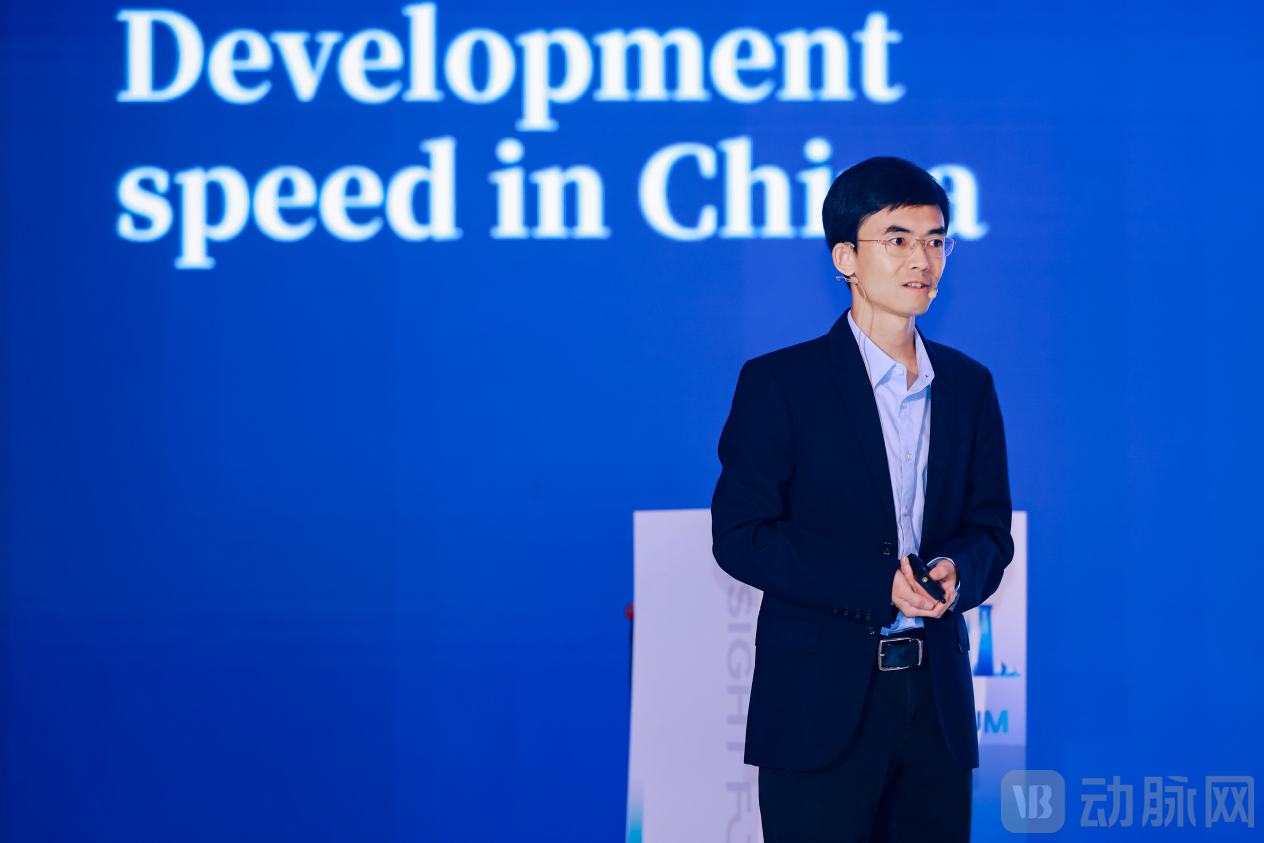
Founder, Chairman, and CEO of LifeCardio
Dr. Liang Song
Returning to clinical application scenarios, the total number of registered cases of percutaneous coronary intervention (PCI) in China reached over 1.6 million in 2023. Among these, the growth rate of PCI cases was 26.44%, the highest on record. Clearly, there is an urgent clinical need for precise, efficient, and safe solutions, and it remains essential to determine which types of products can better meet these clinical demands.
Dr. Song Liang stated that the penetration rate of FFR (Fractional Flow Reserve) will continue to rise in China and many other Asian countries. Looking back, four years ago, the proportion of PCI procedures in China utilizing the physiological assessment technology FFR was only 2%; by last year, its penetration rateMore than doubled, and continue to grow.
In China, IVUS (intravascular ultrasound), which was introduced slightly earlier, saw its penetration rate rise from approximately 7% to around 25% in less than four years, achievingThreefold Growth. Precision PCI tools are expected to sustain their current growth trajectory in China and other Asian countries, thereby improving patient outcomes. In the future, to meet the growing clinical demand, precision PCI technologies will continue to undergo iterative advancements, further enhancing convenience and promoting intelligent integration, thus optimizing the clinical user experienceFaster, Simpler, Smarter.
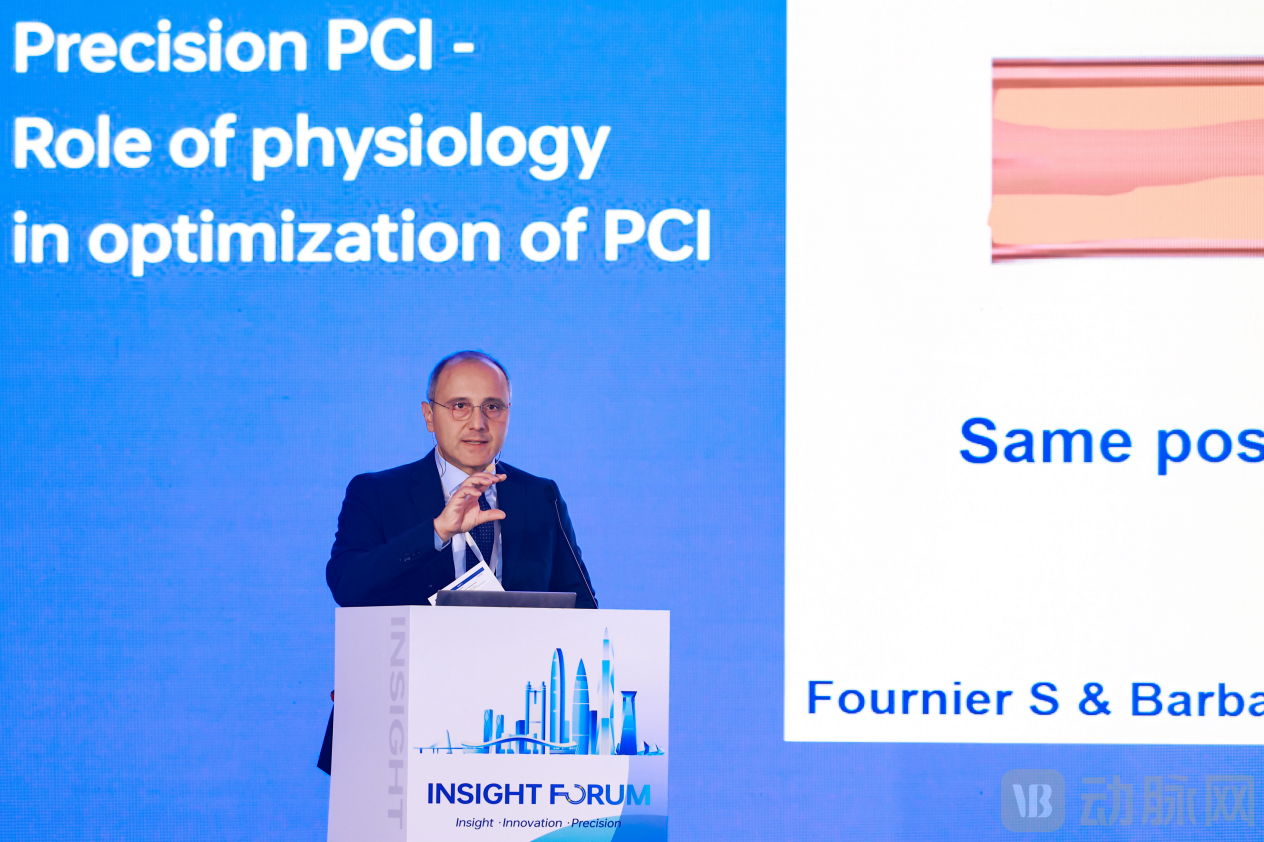
Emanuele Barbato
Former President of the European Association of Percutaneous Cardiovascular Interventions (EAPCI)
Professor Emanuele Barbato has published more than 900 journal articles and has received several international and national research awards, including the William Harvey Award from the Italian Society of Cardiology and the Parmley Award from the American College of Cardiology. He has served as President of the Italian Society of Cardiology and President of the European Association of Percutaneous Cardiovascular Interventions (EAPCI).
“True North Forum has created an atmosphere filled withEnthusiasm, Friendshipatmosphere, an atmosphere that empowers us to courageously face challenges; at this forum, everyone should haveOwnership Mentality(ownership), acquire and utilize new technologies, boldly experiment, and listen, contribute, and share experiences in forums, because only in this way can we refine clinical practice and collectively improve patient care.”
“… enthusiasm and friendship,…which is an enabling environment even the most challenging things can happen…ownership, everyone should own and raise this technology, it’s a unique opportunity to listen, to contribute, and to share experience, because in this way, we can all advance our practice and improve together the treatment of all our patients.”
On the eve of the forum, the newly released “2024 ESC Guidelines for the management of chronic coronary syndromes” by the European Society of Cardiology (ESC) made significant adjustments regarding intravascular ultrasound (IVUS). The new guidelines recommend that, for anatomically complex lesions, particularly left main coronary artery lesions, true bifurcation lesions, and long lesions,IVUS-guided PCI is explicitly listed as a Class I, Level A recommendation.
With the wider application of IVUS in PCI treatment, physicians can more accurately assess vascular lesions and formulate more precise, personalized treatment plans, thereby tailoring optimal therapeutic strategies to individual patients, ultimately improving the success rate of PCI procedures and enhancing long-term patient outcomes.
Optimizing PCI Treatment with Coronary Physiology: Expanded Application of FFR and Other Technologies
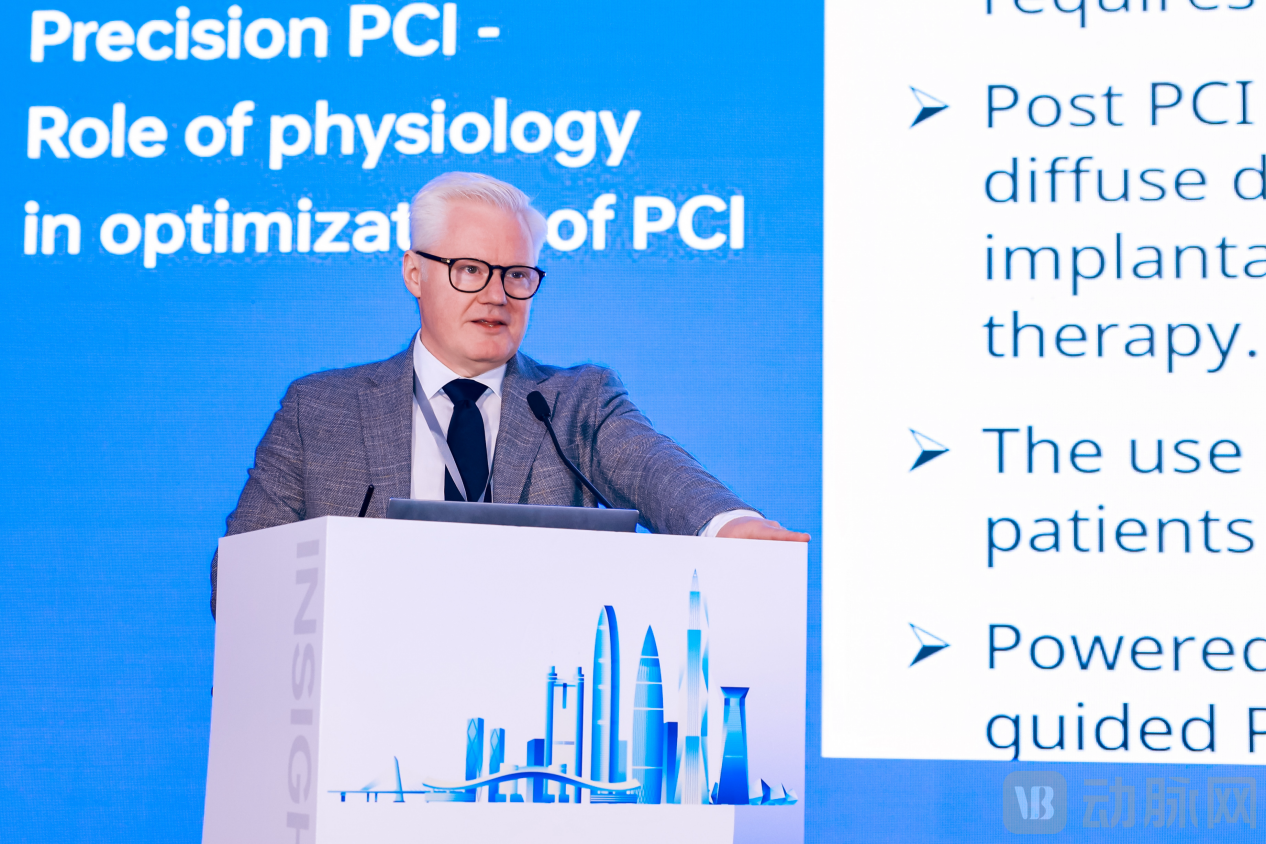
Jacek Legutko
Director of the Department of Cardiology, Institute of Cardiology, Jagiellonian University Medical College, Poland
Professor Jacek Legutko has over 25 years of experience in this field. He currently serves as Director of the Institute of Cardiology at the Jagiellonian University Medical College, Head of the Department of Interventional Cardiology at the John Paul II Hospital in Kraków, and Chairman of the Scientific Congress Committee of the Polish Cardiac Society.
“Clinical guideline recommendations are crucial to our daily practice. Currently, in China and even some other countries around the world,”"The clinical application of coronary physiology remains insufficient, with low penetration rates; we need to optimize PCI treatment through coronary physiology."
“…the guidelines which were presented by Prof. Barbato… are very important for our everyday practice because the penetration is too late not only in China but in majority of countries all over the world. Physiology is not enough used during our practice… we should optimize PCI with physiology.”
Advances in coronary physiology have also been remarkable. Professor Jacek Legutko demonstrated, through case studies, the significant value of physiological assessment in accurately characterizing lesions, guiding treatment decisions, and evaluating therapeutic outcomes in patients with multivessel and tandem lesions, thereby offering a new perspective on the clinical application of techniques such as fractional flow reserve (FFR).
For example, some recent studies on FFR have shown that,Pullback: The pullback curve not only helps identify lesions requiring priority treatment but also detects residual ischemic lesions after PCI, thereby providing optimization strategies.。Nowadays'FFR can not only determine whether to perform PCI preoperatively,Still possibleOptimizing surgical strategies intraoperatively and evaluating procedural efficacy postoperatively have become effective tools for guiding the entire PCI process.。
Physiological testing techniques can further assist physicians in clinical decision-making and predict the efficacy of percutaneous coronary intervention (PCI).
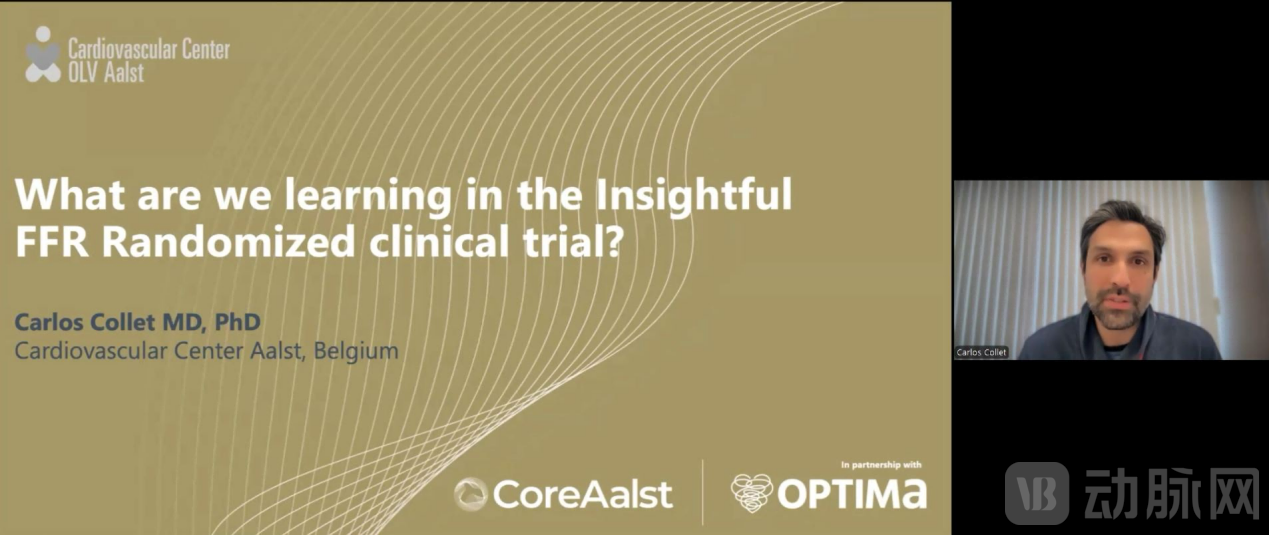
Carlos Collet
Director of the Catheterization Laboratory, Cardiovascular Center, OLV Hospital Aalst, Belgium
Professor Carlos Collet is an interventional cardiologist dedicated to the integrated study of physiology and imaging in complex coronary artery disease. He has published more than 400 peer-reviewed articles and participated in six clinical trials over the past 15 years.
“Coronary physiology can not only help physicians decide whether to perform PCI,”It can also predict the therapeutic outcomes of percutaneous coronary intervention (PCI).”
“…So we're starting to understand how physiology is not only helping us to decide whether lesions can be treated or not, but physiology as a tool that can predict the effectiveness of PCI in patients with stable coronary artery disease. ”
Professor Carlos Collet presented multiple cases from the large-scale, international, multicenter INSIGHTFUL-FFR clinical studies at the forum, stating that,Empirical studies have more clearly demonstrated that physiological assessment techniques not only assist clinicians in determining whether to perform percutaneous coronary intervention (PCI) but also optimize intraoperative strategies and predict the efficacy of PCI procedures.
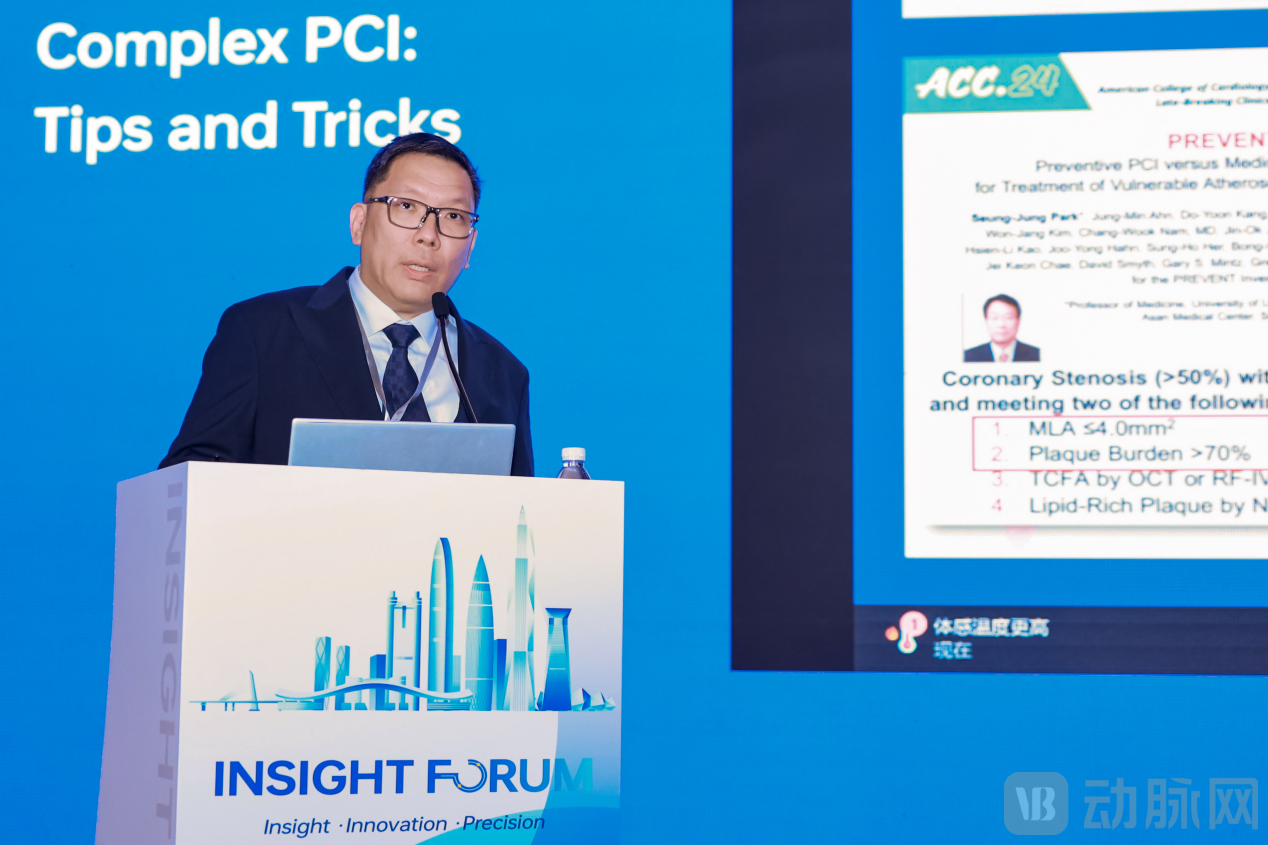
Anuruck Jeamanukoolkit
Director, Center for Internal Medicine and Cardiology, Police General Hospital, Bangkok, Thailand
Professor Anuruck Jeamanukoolkit is a renowned interventional cardiologist in Thailand, with approximately 25 years of extensive clinical experience. He has performed over 3,000 non-surgical coronary interventions and has more than 13 years of teaching experience in the field of percutaneous coronary intervention (PCI).
“New-generation IVUS featuresAutomatic Measurement Function, overcoming the limitations of previous IVUS image interpretation that relied on physicians' visual assessment, thereby enabling more accurate identification of key parameters such as MLA (minimum lumen area), MSA (minimum stent area), and plaque burden.Reliable。”
“Previous IVUS version has the limitation due to visual estimation, but the new generation, the automatic measurement is more reliable for MLA (minimum lumen area), MSA (minimum stent area) and Plaque Burden.”
Revisiting Coronary Imaging. Professor Anuruck introduced:Next-Generation IVUS Enables Automated Measurements, providing more reliable acquisition of MLA, MSA, and plaque burden information; as displayed by the IVUS systemLong View and Color CodingThe location of plaque in a segment of blood vessel can be detected,Combined Angiography Registration Function, assisting interventional physicians in identifying stent landing zones and plaque regions on angiography, with color-coded markers facilitating the recognition of varying plaque burdens and lumen areas.
Therefore, Professor Anuruck also called on physicians at the Zhenbei Forum to continuously enhance their skills and fully leverage advanced tools to achieve better treatment outcomes.
At the True North Forum, experts conducted five engaging academic panel discussions on the dynamic and innovative areas of precision PCI.Focusing on Coronary Physiology, Frontiers in Coronary Imaging, Treatment Strategies for Complex Lesions, and Future Innovations and Evolution in PCI Procedurestopics such as these, sharing cutting-edge theories and practical insights, and engaging in lively discussions.
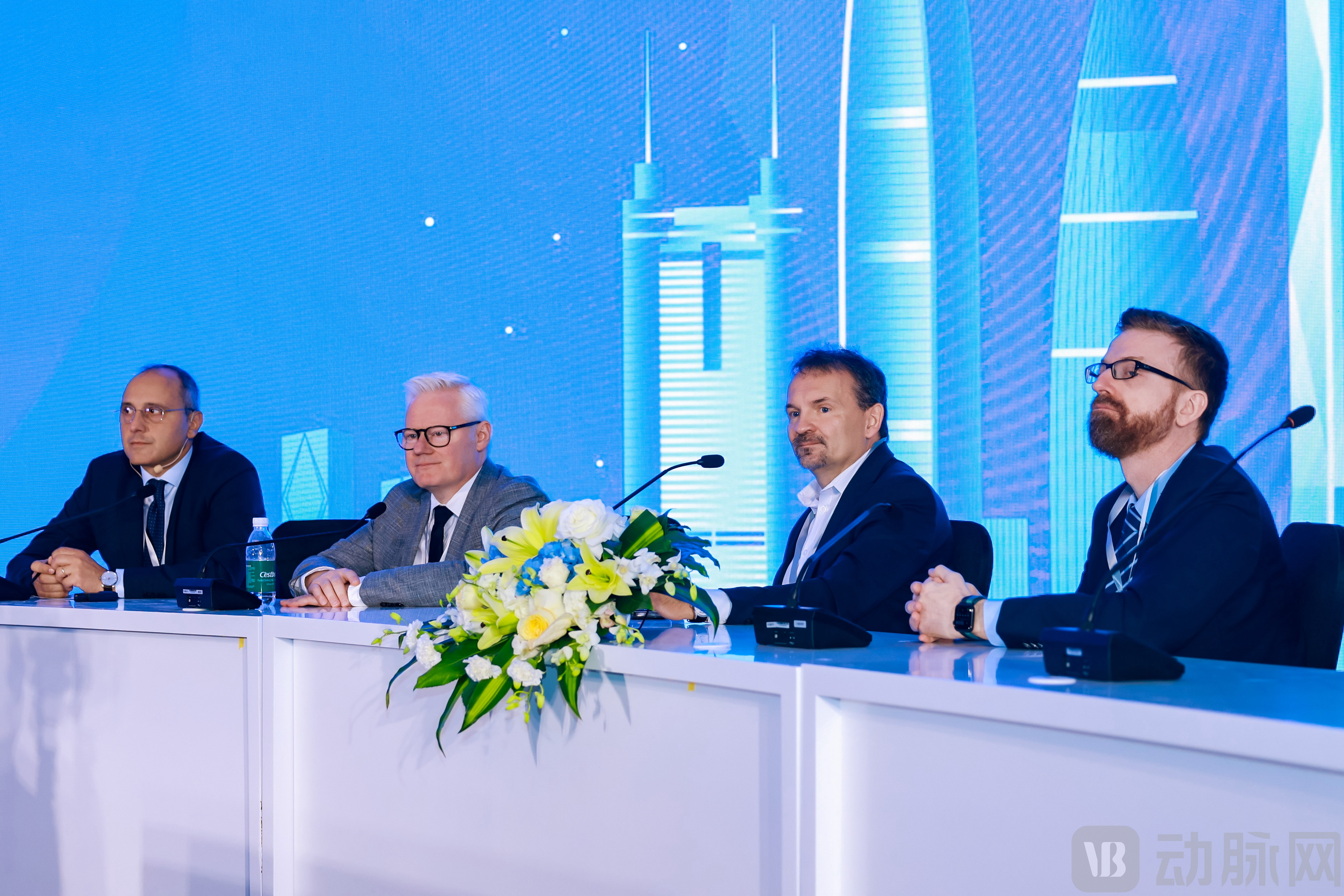
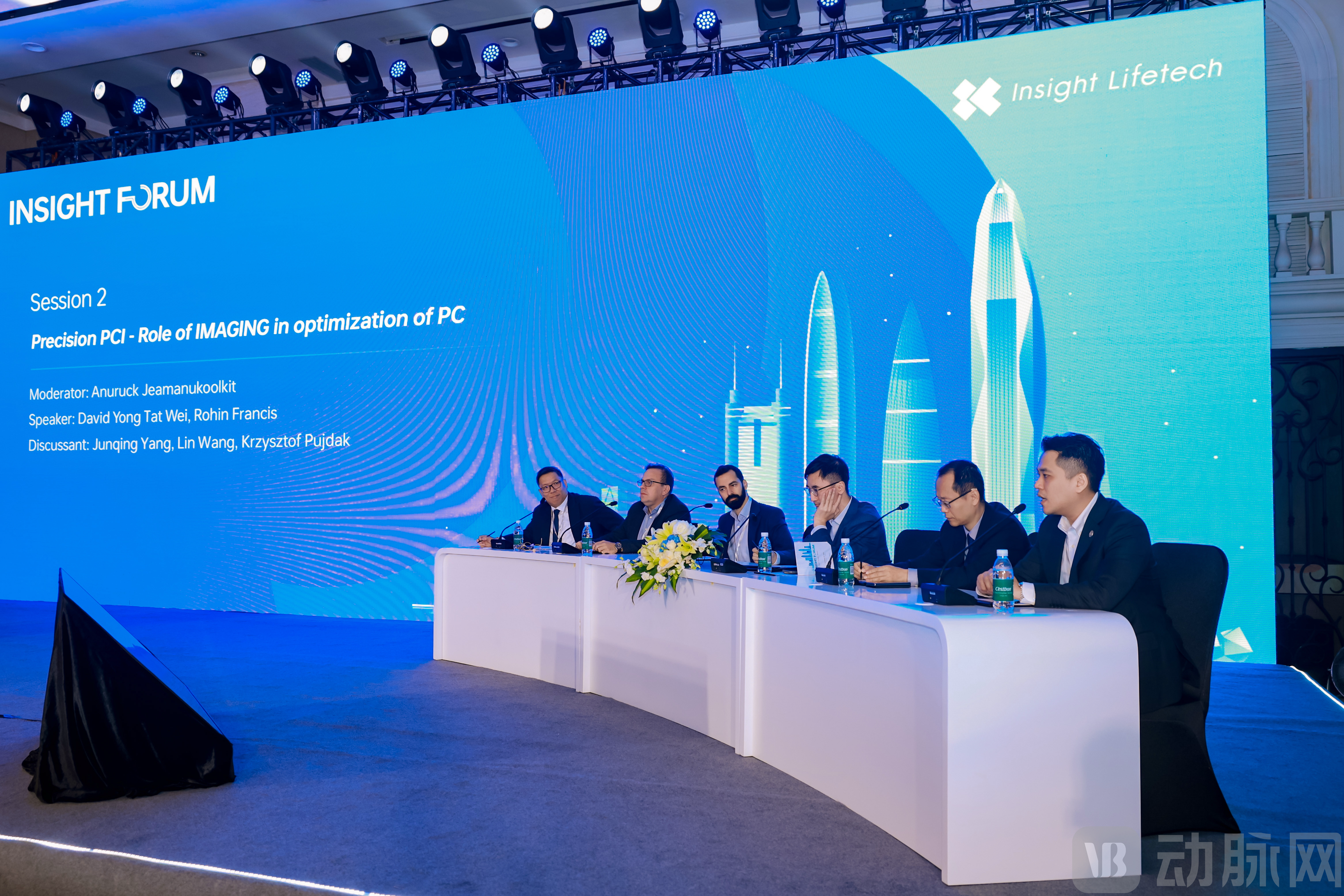
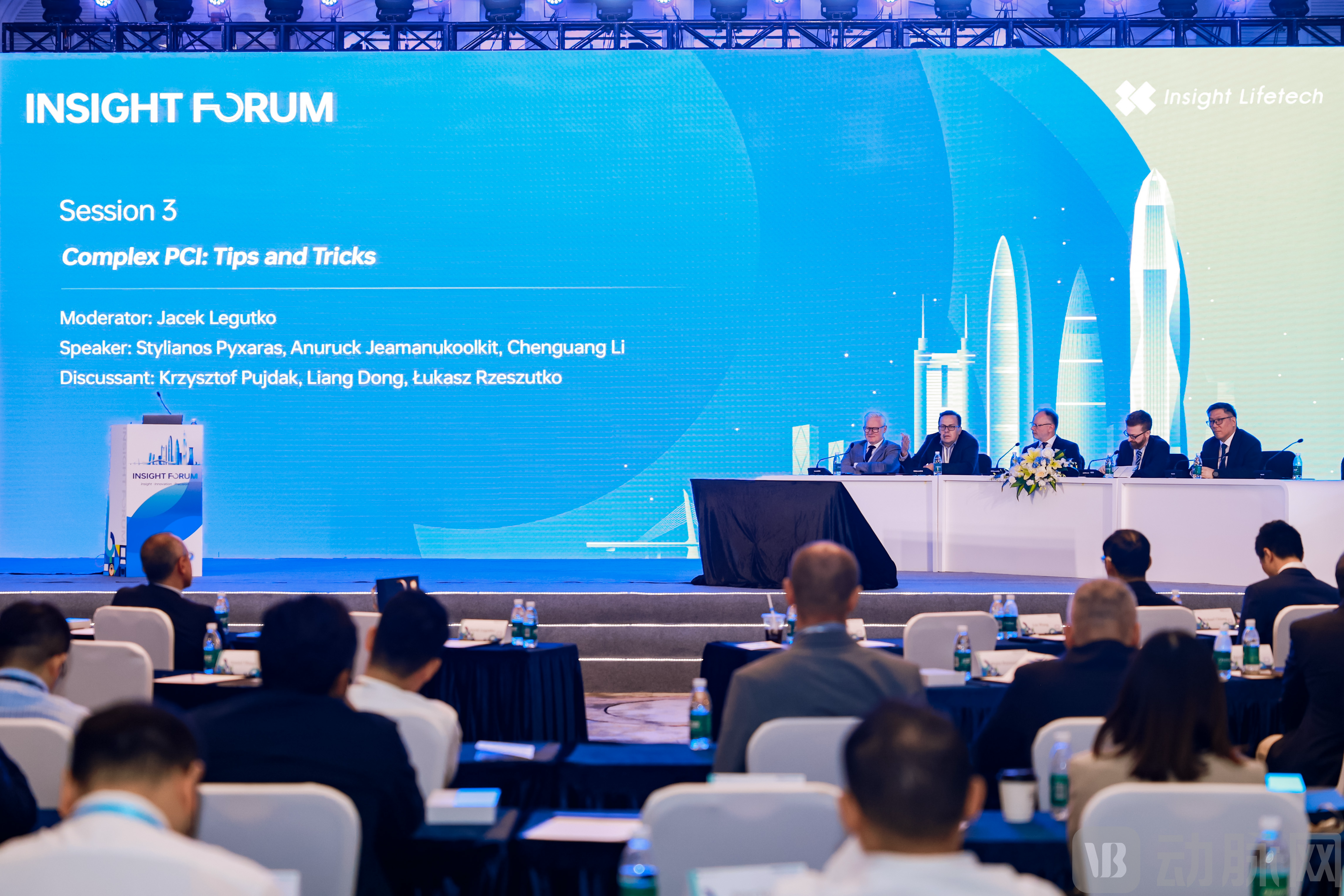
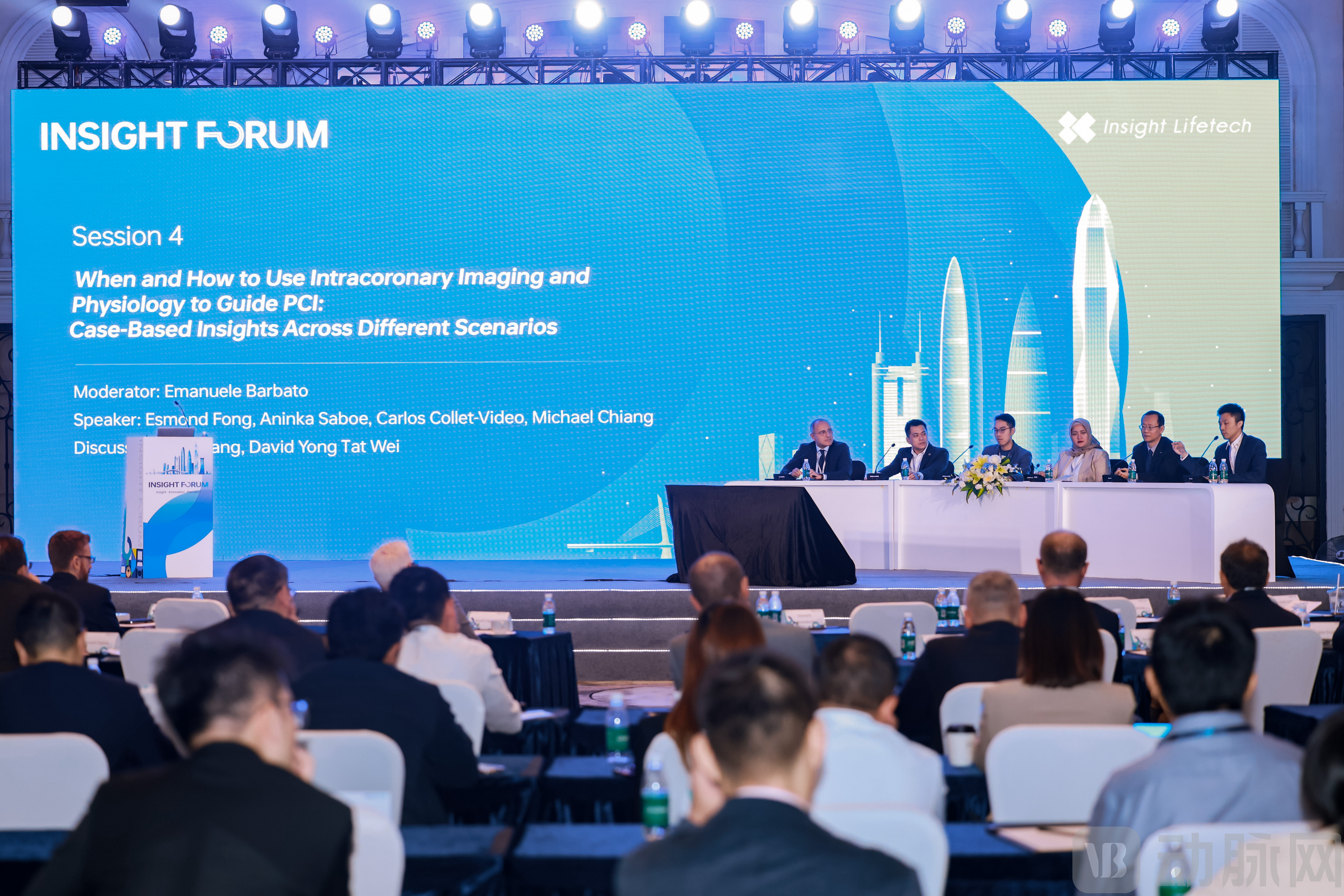
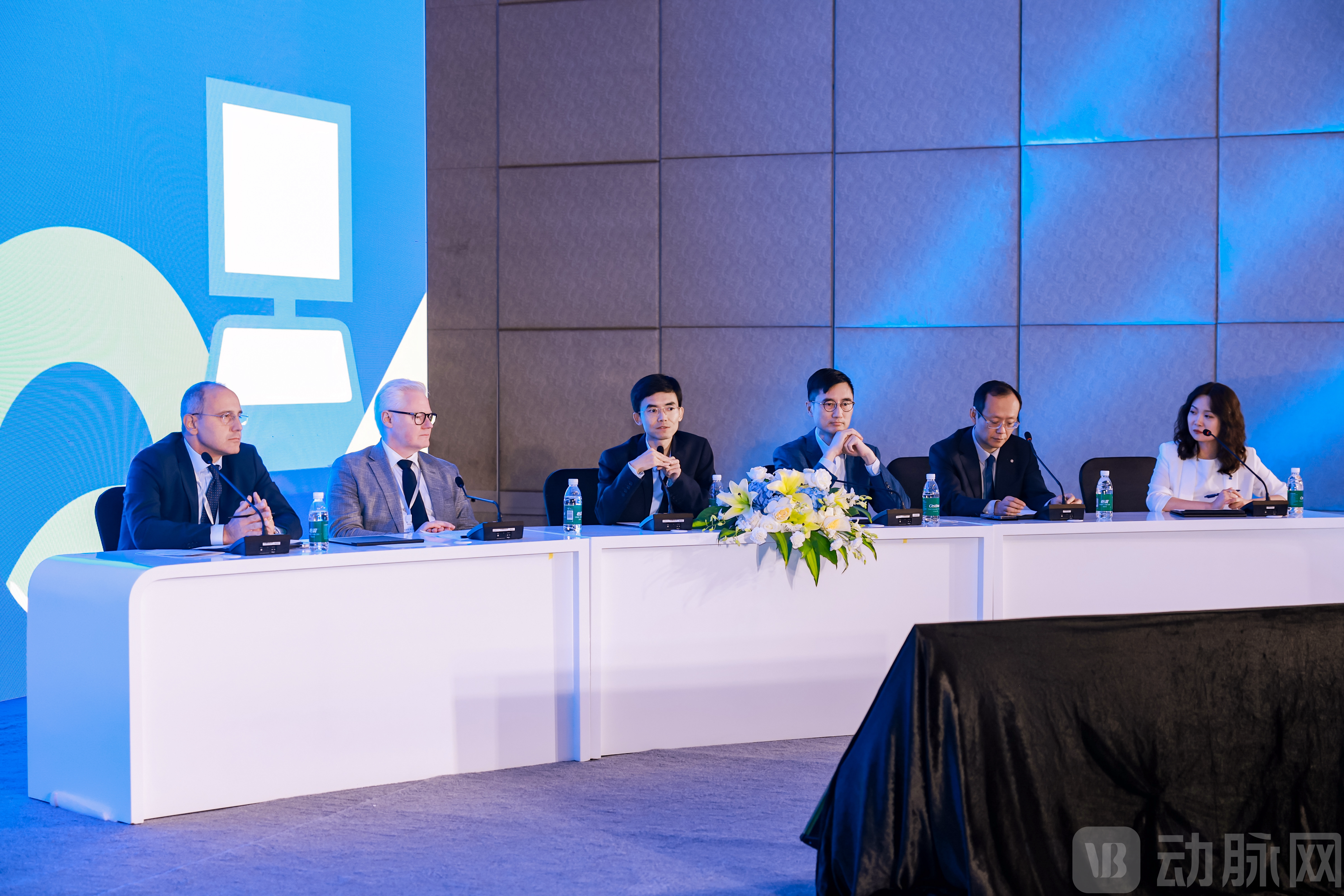
Roundtable Discussion Session
Nowadays, with the advancement in the diagnosis and treatment of coronary heart disease, precision PCI has become an inevitable trend. Clinical evidence for precision diagnostic and therapeutic technologies, such as coronary physiology and coronary imaging, is continuously accumulating; their recommendation levels are steadily rising; application scenarios are expanding; and operational procedures are being progressively refined. Correspondingly, innovative tools are also evolving in response to the most urgent clinical needs, towardFaster, Simpler, Smarterdirection.
Medical Care Knows No Borders, looking forward to the True North Forum providing a platform for exchange, allowing top clinical experts from China and abroad to discuss how to achieve masterful application in response toLeveraging advanced precision PCI diagnostic and therapeutic technologies, promoting the concept of precision PCI, and exploring best practices in precision PCI to benefit patients worldwide and improve health outcomes!
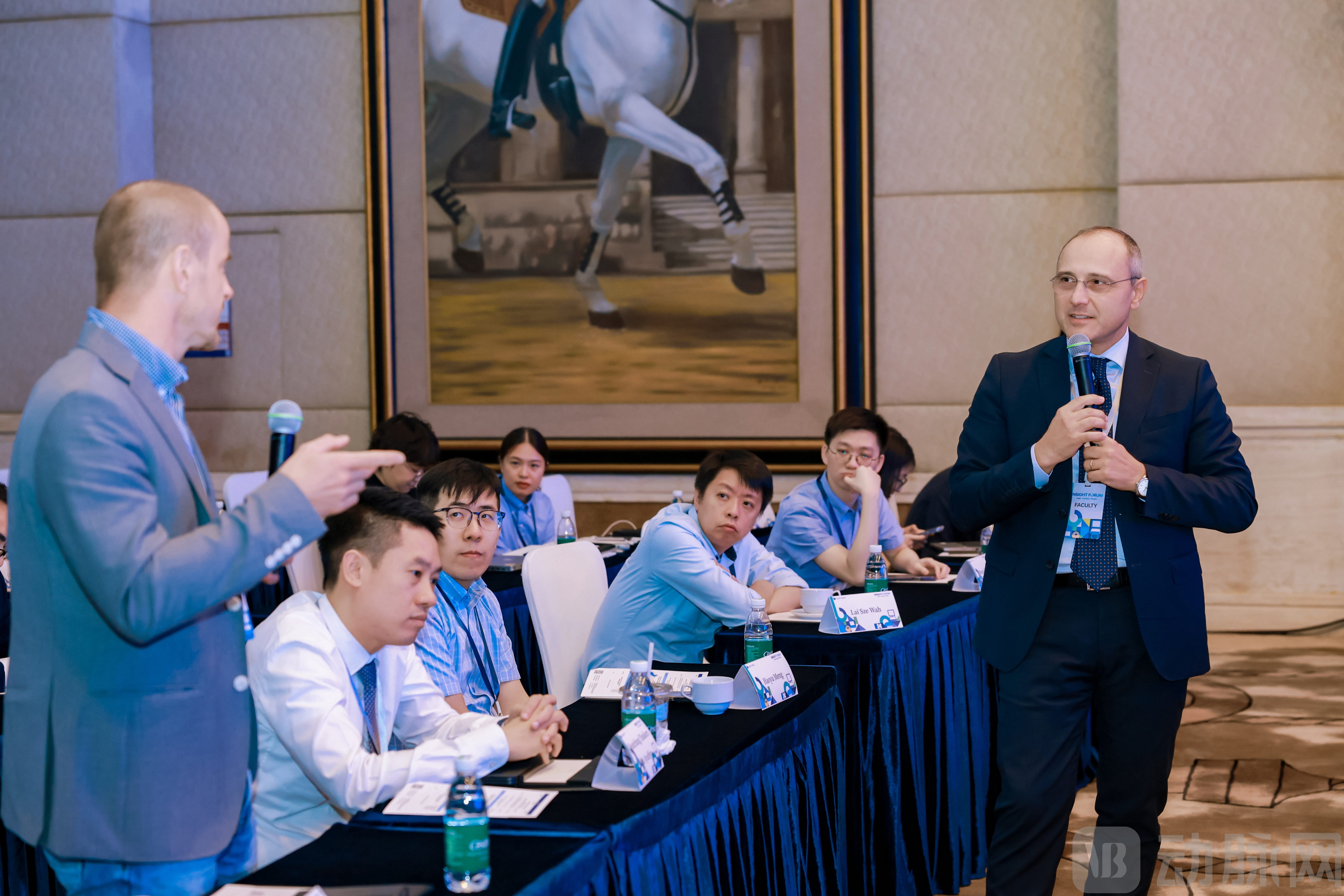
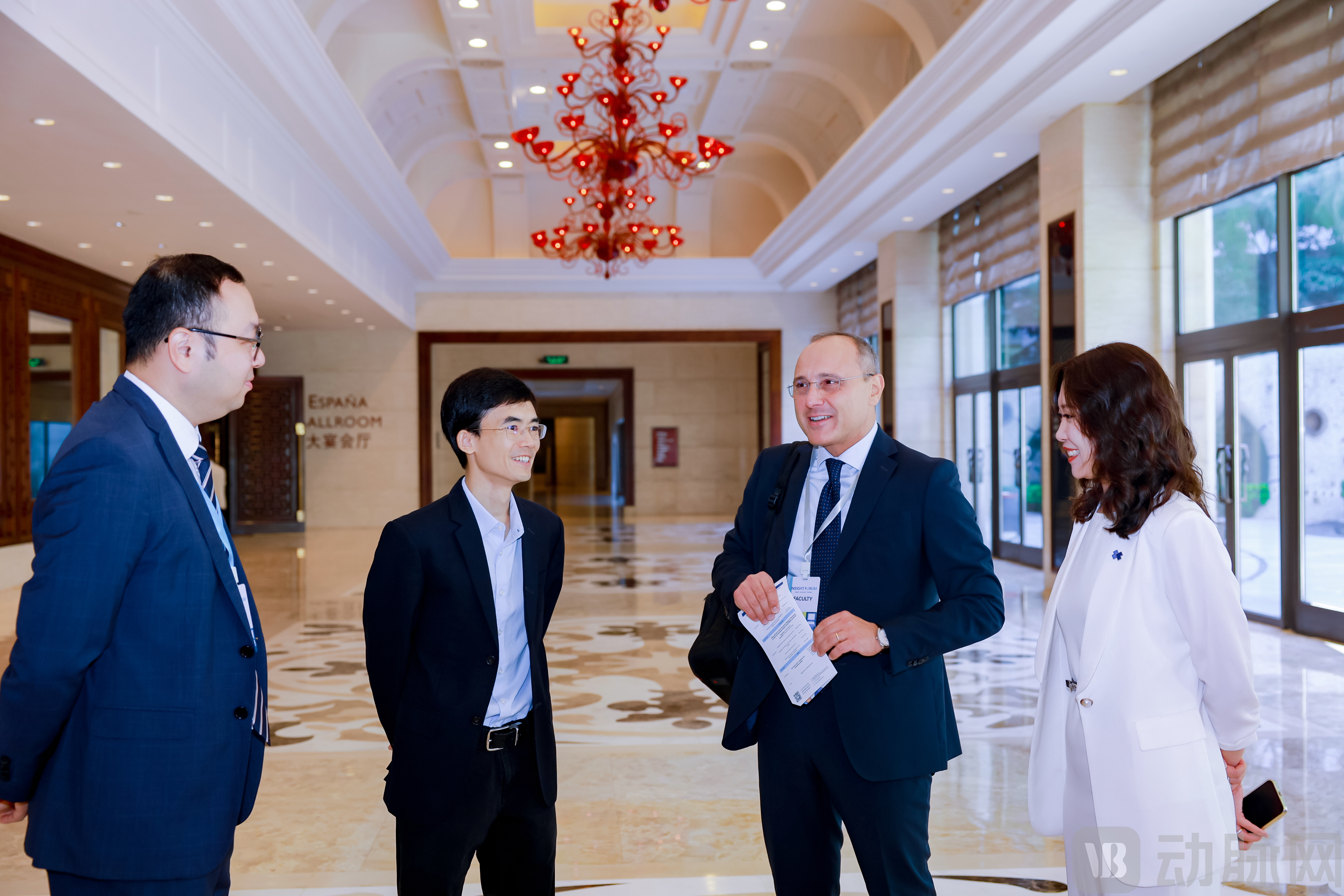

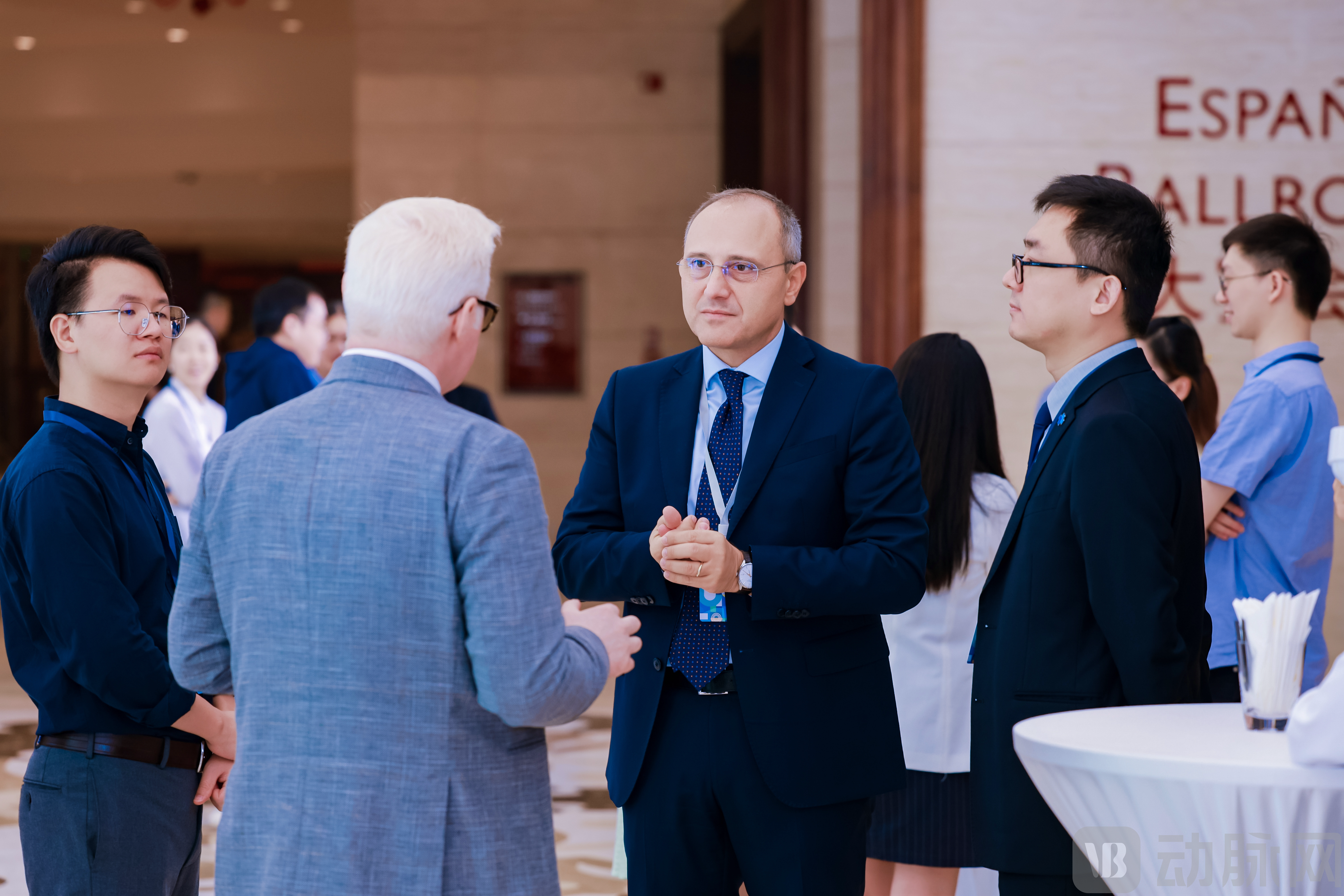
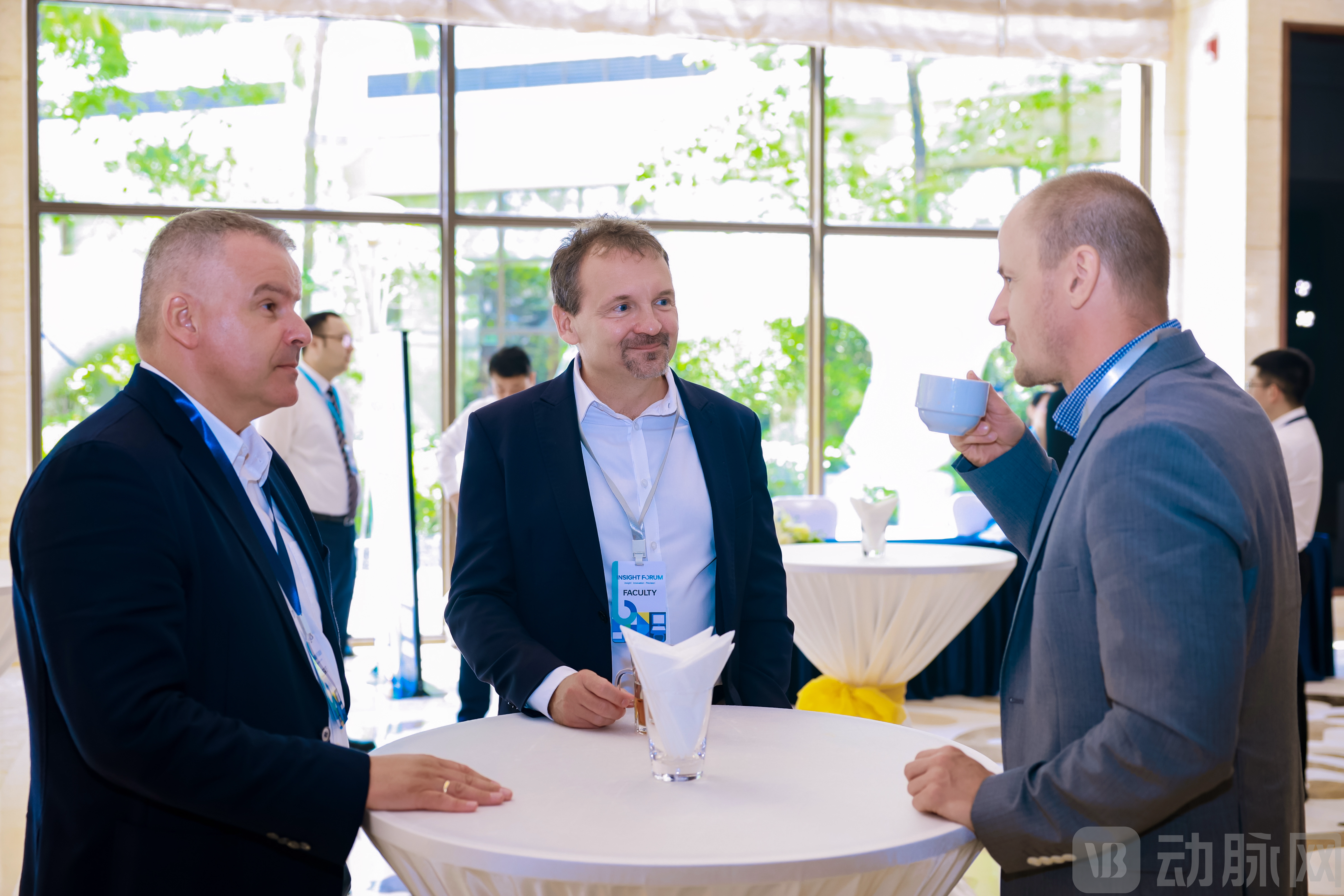
True North Forum Insight Forum 2024: Highlights
The “Insight Forum,” initiated by LifeTech Scientific, is dedicated to building a world-class academic platform for precise percutaneous coronary intervention (PCI). Guided by the principle that “medicine knows no borders,” the forum invites leading cardiologists from China and abroad to discuss the latest theories and technologies in global precise PCI, forecast development trends, and explore technological innovations. Through insightful discussions and exchanges, participants jointly shape the future of precise PCI, thereby benefiting more patients worldwide.