

Forum on 'Digital Technology and a Healthy China' Concludes Successfully, Showcasing Innovations in Digital Health
In recent years, the global digital health industry has experienced robust growth, making the digital transformation of healthcare an irresistible trend. The rapid advancement of emerging technologies such as 5G, artificial intelligence (AI), and big data has not only significantly expanded the scope and depth of medical services but also laid a solid technological foundation for building a comprehensive health service system that covers all stages of the life cycle and provides holistic care.
The integrated development of emerging technologies is driving profound transformations in the healthcare industry, accelerating China’s digital transformation in healthcare and laying a solid foundation for the “Healthy China” strategy. Against this backdrop, on September 19, as the Health Science Popularization thematic session of the 15th Healthy China Forum—hosted by People’s Daily Health Client and supported by Qingsong Group·Qingsong Health—was held in Beijing, VCBeat and Qingsong Group·Qingsong Health jointly hosted the “Healthy China in the Era of Digital Technology” forum.
This forum has brought together numerous industry experts, medical institutions, and entrepreneurs to promote the deep integration of digital technology with the health industry through collaborative discussion and exchange, thereby advancing digital transformation and the development of Healthy China.
Su Wen, Vice President of Airdoc, delivered a keynote presentation titled “AI Applications and Prospects for Healthy China.”
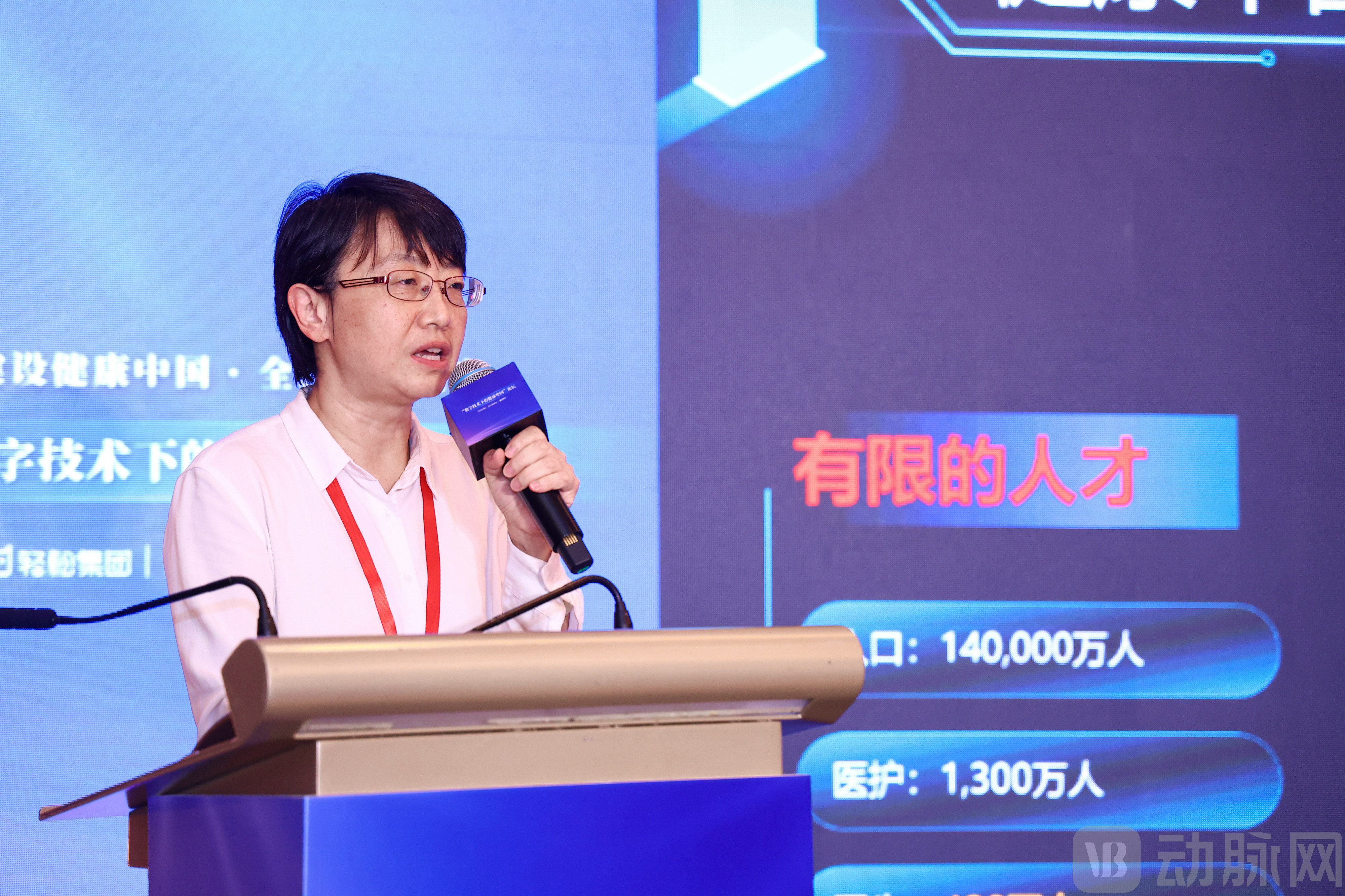
Vice President of Airdoc, Su Wen
Su Wen pointed out that China currently faces a scarcity of medical resources. Moreover, hospitals focus primarily on “treating existing diseases,” leaving limited means for the vast sub-healthy population to mitigate health risks. AI serves as the key to breaking this impasse. Airdoc’s products and devices encompass two levels of examination: one is assisted diagnosis, and the other is health risk assessment. In the latter, Airdoc employs “AI retinal image analysis” to predict various health risk factors, enabling the assessment of dozens of health risk indicators related to the cardiovascular and cerebrovascular systems, endocrine and metabolic systems, nervous system, and eyes.
Currently, foreign giants largely monopolize artificial intelligence in terms of computing power, but China has achieved overtaking on the curve in many areas at the application level. Among them, Airdoc’s retinal database has surpassed many companies in the industry.
In the medical field, artificial intelligence is advancing rapidly in areas such as tiered diagnosis and treatment, precision medicine, computer-aided diagnosis, and telemedicine. Keeping pace with this trend, Airdoc’s AI-based software for auxiliary diagnosis of diabetic retinopathy became the first product in its category to obtain a Class III Medical Device Certificate from China’s National Medical Products Administration (NMPA) and has already been deployed in medical institutions.
Currently, Airdoc has established three major diagnostic and therapeutic product lines: AI for fundus imaging, AI for myopia prevention and control, and AI for vision training. Driven by artificial intelligence, Airdoc will continue to promote new-quality productive forces, standardized big data applications, and intelligent personalized services, while consistently improving the cost-effectiveness of its products, thereby realizing its mission of “bringing AI services to every household.”
Yan Guowei, founder of Qingyun Medicine, delivered a keynote presentation titled “AI-Empowered Physician-Centric Omnichannel Marketing.”
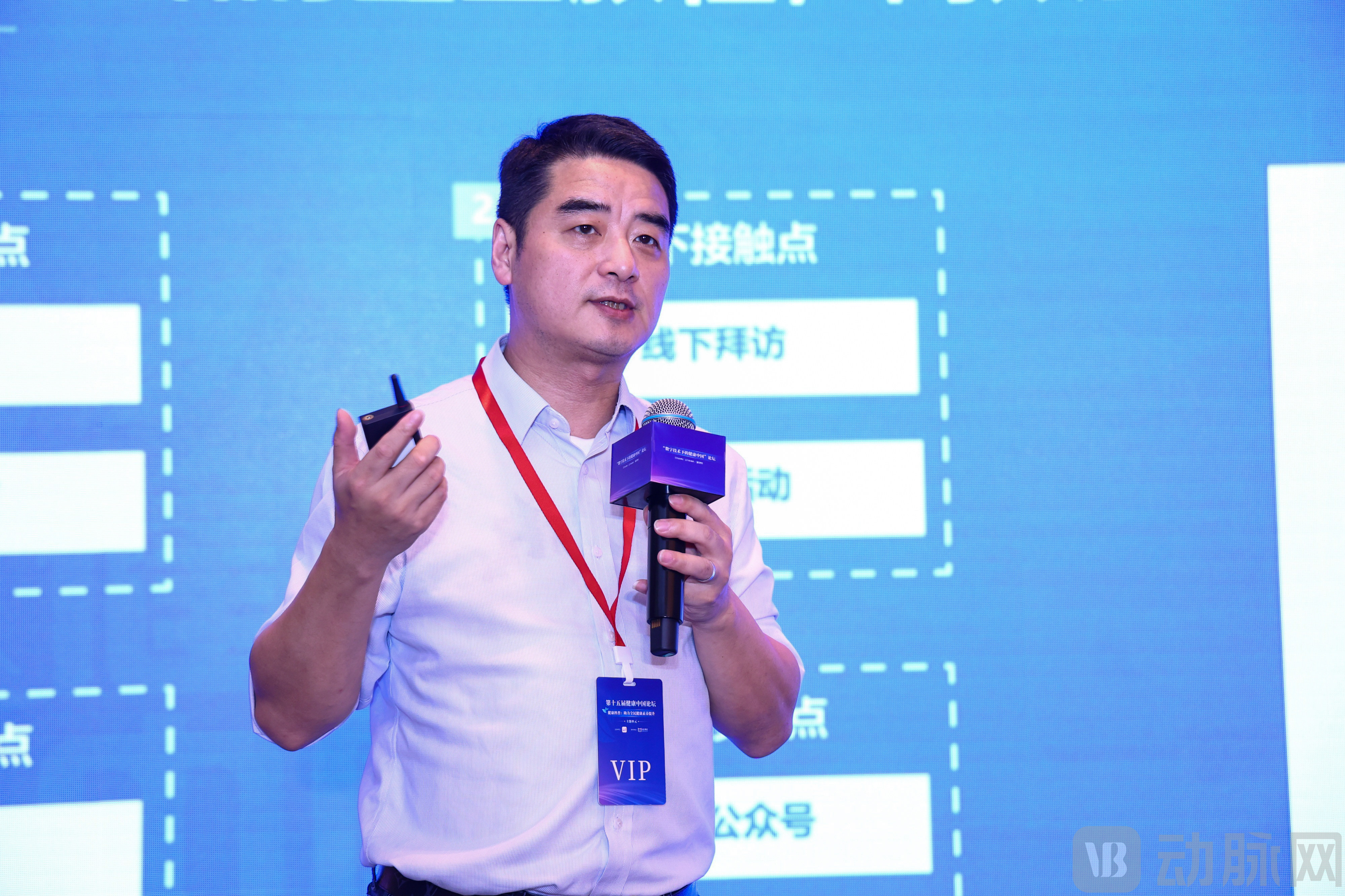
Yan Guowei, Founder of Qingyun Pharmaceuticals
Yan Guowei pointed out that to empower clinicians through personalization, it is first essential to reach them with precision. Currently, methods for reaching clinicians include private-domain channels, public-domain channels, and offline interactions. Qingyun Pharma leverages a social SCRM (Social Customer Relationship Management) system to analyze and tag communication content with physicians across these channels, thereby refining physician personas. This process enables a deeper understanding of their preferences regarding academic interests, communication styles, and engagement channels, which in turn informs the development of recommendation algorithms to better serve and empower physicians. Subsequently, the algorithm parameters are tuned and optimized based on the practical outcomes of the recommendation system.
Currently, Qingyun Medical primarily applies AI to understanding physician needs, identifying value leads, classifying feature tags, and evaluating communication skills. The company has accumulated extensive experience in data cleaning and speech-to-text transcription, reaching approximately 800,000 primary care physicians. Meanwhile, Yan Guowei emphasized the critical importance of building an AI capability platform, expressing confidence that AI trainer roles will emerge across various enterprises to help them develop AIGC capabilities for different specialized positions.
Zhao Wengui, Vice President of Zhuhai TrinoMab Biopharmaceutical Co., Ltd., delivered a presentation titled “Innovative Linkages in Biopharmaceuticals and Digital Applications.”
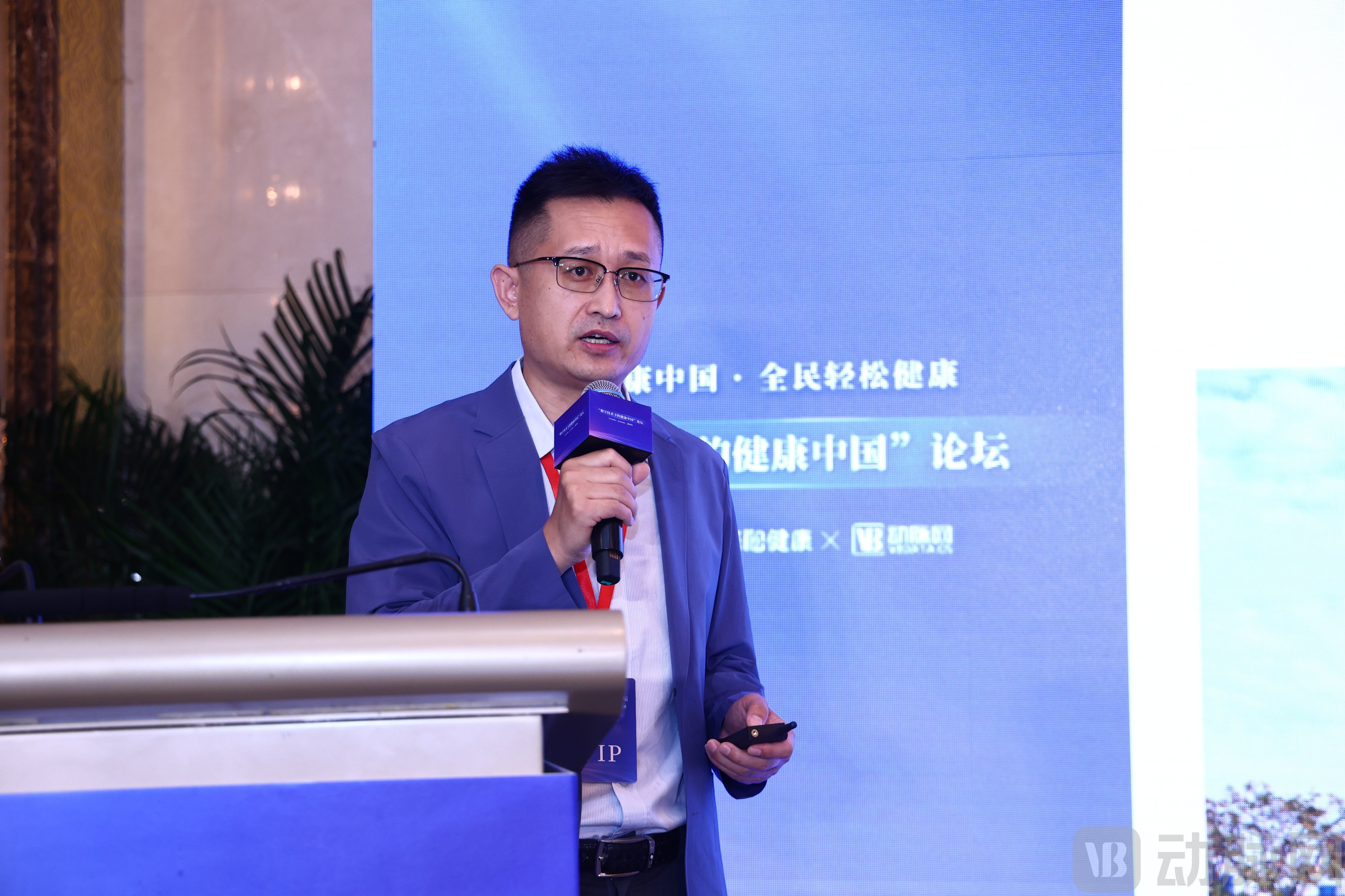
Zhao Wengui, Vice President of Zhuhai Trinomab Pharmaceutical Co., Ltd.
Tianmai Biopharma has mastered fourth-generation monoclonal antibody technology, whereas most existing monoclonal antibody products utilize second- and third-generation technologies. The New Drug Application (NDA) for TNM002 Injection, independently developed by the company, has been formally accepted by the National Medical Products Administration (NMPA) and granted priority review status. TNM002 Injection is intended for emergency prophylaxis of tetanus in adults and represents the world’s first innovative natural fully human monoclonal antibody for tetanus prevention.
Regardless of whether benchmarked against international or domestic standards, Tranomebo maintains a technological lead. Zhao Wengui pointed out that building a closed-loop marketing system around products requires focusing on the following four aspects: first, how to reach customers, which customers to target, through what channels, and with what effective content; second, how to establish sustainable connections; third, feedback and analysis; and fourth, revenue and return on investment.
Currently, as a benchmark enterprise for new quality productive forces, Tainuomab has attracted significant attention from many mainstream media outlets. Zhao Wengui attributes this to Tainuomab’s five “news”: new technologies, new targets, new mechanisms, new breakthroughs, and original innovation.
Li Qi, Executive Vice President of Chenxi Health, delivered a keynote presentation titled “Empowering ‘Insurance + Health’ with Digital Technology: Innovative Practices.”
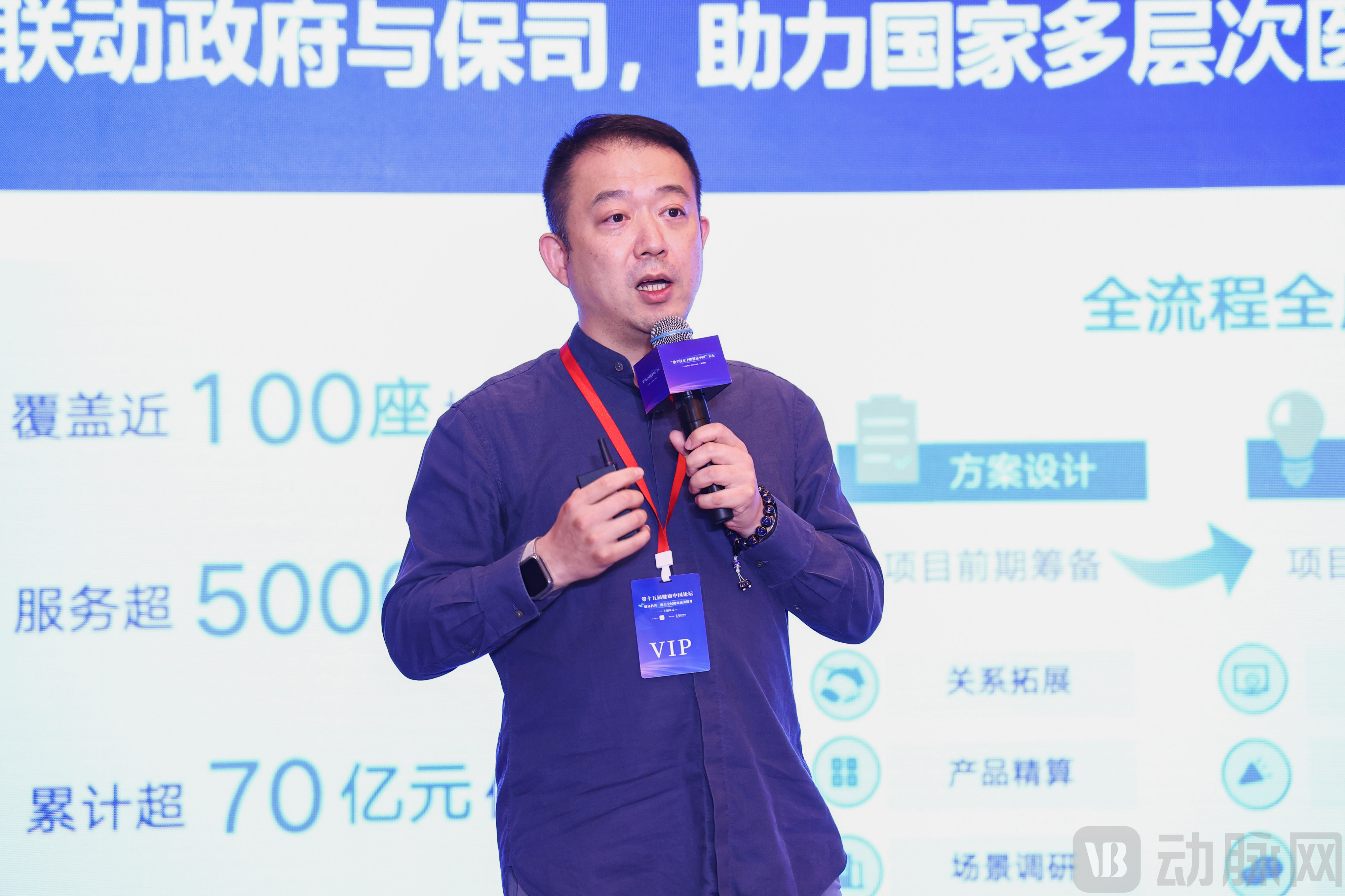
Li Qi, Executive Vice President of Chenxi Health
Chenxi Health is a health management and comprehensive patient service platform under Sinopharm Group, committed to becoming a leading innovative “medical care + pharmaceuticals + patients + insurance” integrated service provider in China. Currently, its Huiminbao (city-specific supplemental medical insurance) business covers nearly 100 cities, serves over 50 million policies, and has accumulated more than RMB 7 billion in premiums. Meanwhile, it has achieved significant breakthroughs in insurance for individuals with pre-existing conditions, particularly in specialized disease areas such as breast cancer recurrence.
In the realm of health management, Chenxi Health has established a one-stop case management service, with its in-house “Worry-Free Steward” team responsible for providing end-to-end services covering prevention, diagnosis, treatment, and rehabilitation. Currently, the new “Ten National Measures on Insurance” have put forth new requirements for the deep integration of “health insurance + health management,” making the convergence of healthcare, insurance, and digital technology an inevitable trend.
Chenxi Health, aligning with the trends of policy innovation and technological iteration, has jointly launched a 24/7 “Private Video Doctor” service. This initiative enables one-click calling for rapid connection and provides prompt responses to emergencies at home or during travel, thereby breaking geographical barriers to medical resources and benefiting a broader population. It also serves as an effective tool to facilitate customer acquisition for insurance providers.
In the realm of thyroid diseases, Chenxi Health offers in-home high-resolution ultrasound services. Powered by AI technology, its equipment can classify nodules and generate health management recommendation reports for clients, forming an integrated solution with insurance products. For gastric diseases, the image interpretation system of the magnetically controlled capsule gastroscope robot pioneers AI-driven, expert-level auxiliary diagnosis for the digestive tract. With advantages including being non-invasive, painless, anesthesia-free, free of side effects, comprehensive without blind spots or missed detections, and precise yet comfortable, it has emerged as a novel approach to preventive healthcare for longevity and a means to mitigate health risks for insurance clients. Coupled with mobile examination vehicles, it supports early screening for gastric cancer and facilitates the implementation of the Healthy China strategy.
Cheng Jin, Founder and CEO of Wanmu Health, delivered a keynote presentation titled “Igniting the Value of Medical Content Creation with AI.”
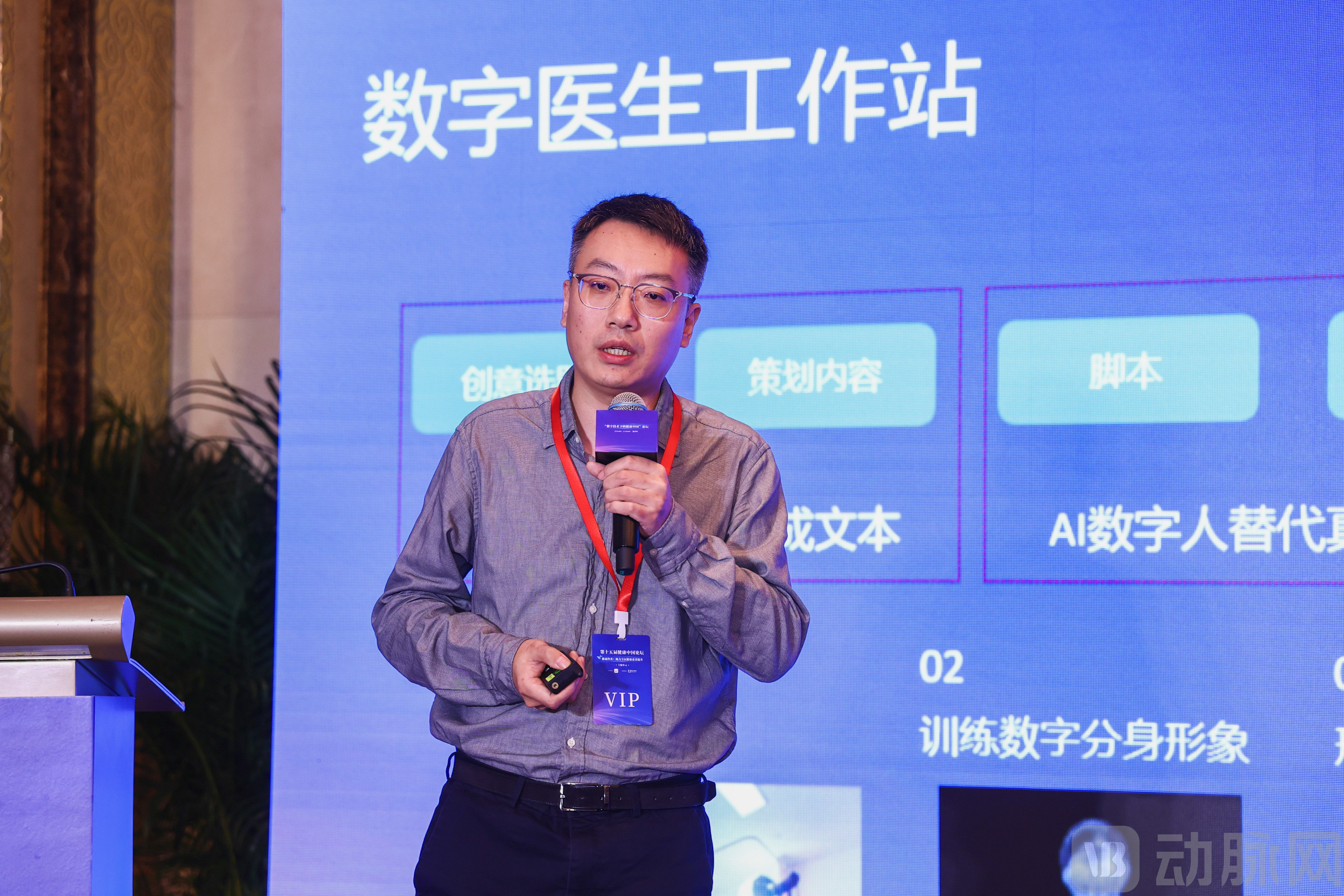
Cheng Jin, Founder and CEO of Wanmu Health
Over the past year or two, at least dozens of large medical AI models have been registered and launched in China. For a considerable period, the industry has been gripped by anxiety over keeping up with new technologies, leading to rapid technological expansion and exploratory practices. Wanmu Health is also promoting the integration and application of technology in the healthcare sector; however, the company frequently reflects on whether it has seriously considered what physicians truly need, what patients are willing to accept, and what ultimate outcomes are achieved.
Wanmu Health’s founding mission is to transform knowledge into a powerful tool for treatment, empowering physicians to conduct patient education and popularize medical science. Physicians’ professional growth and the realization of their social value can be divided into three stages: information acquisition, proactive learning, and proactive output. In the wake of the pandemic, an increasing number of physicians have begun disseminating general health knowledge through digital content. However, 60–70% of physicians who wish to engage in such efforts have not done so, primarily due to time constraints and the high difficulty of content creation. AIGC (Artificial Intelligence-Generated Content) can significantly enhance content creation efficiency while reducing production costs.
Cheng Jin emphasized that various advanced digital and artificial intelligence technologies can currently be adapted to serve experts in different specialties and disease-specific fields by facilitating the creation of scenario-based content. Today’s society does not lack communication platforms and channels; rather, it lacks truly high-quality, high-value content and a robust creator ecosystem, which AIGC can help establish. This includes enabling precise, personalized patient management and follow-up through private-domain channels.
In the future, Wanmu Health will stand firmly alongside Chinese physicians, leveraging digital technologies to help them create high-quality content more quickly, efficiently, and cost-effectively. The company aims to explore and build a medical version of the “CapCut” tool and ecosystem, contributing to the Healthy China initiative.
Zhuo Shu, Vice President of R&D at Xige Biotech, delivered a keynote presentation titled “Integrating Organoid Disease Models with AI to Empower the Development of Innovative Targeted Oncology Drugs.”
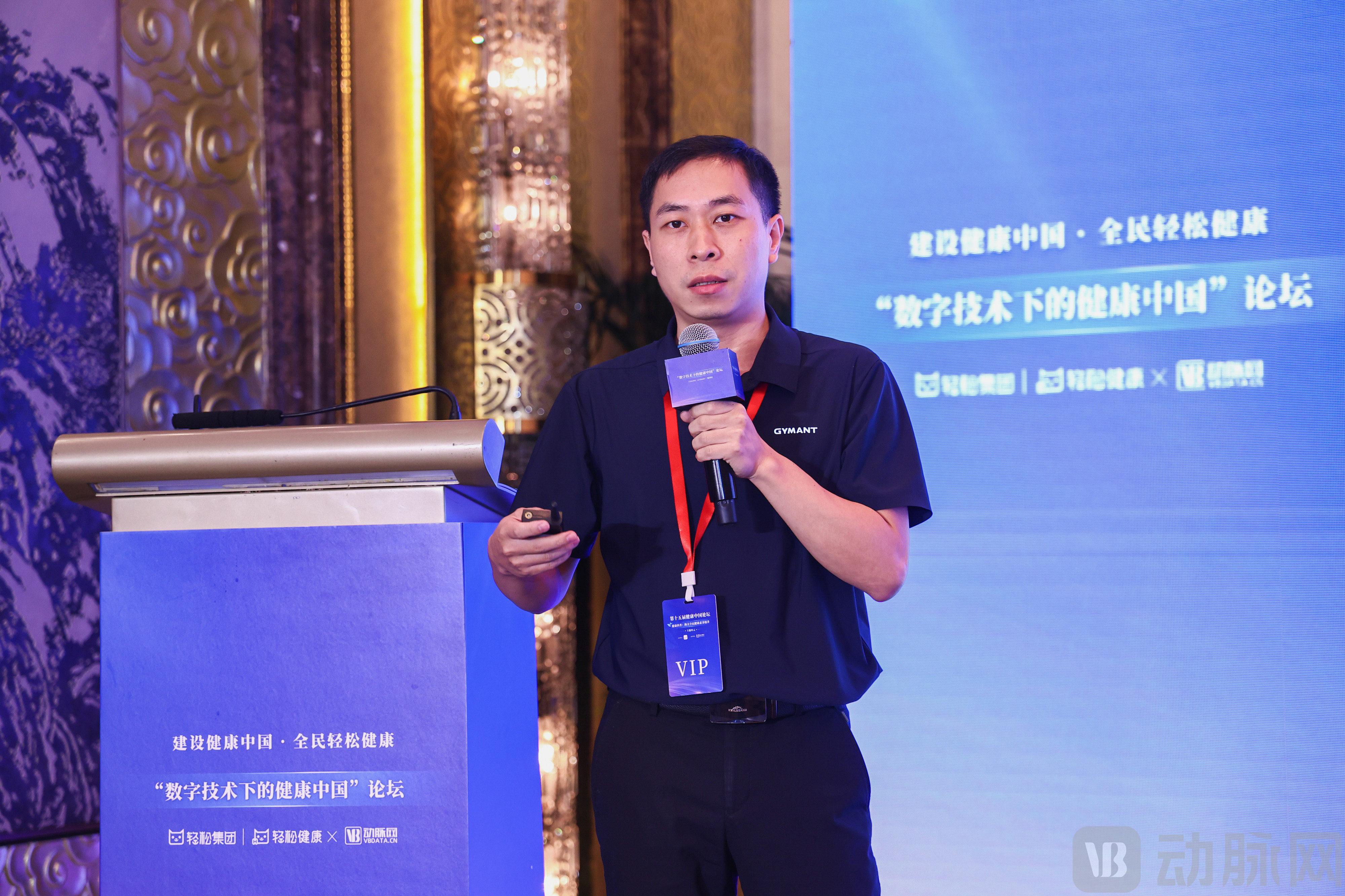
Zhuo Shu, Vice President of R&D at Xige Biotech
Xige Biotech focuses on leveraging novel organoid and AI technologies to deeply investigate disease pathogenesis and identify therapeutic targets, thereby facilitating the development of targeted drugs for these diseases.
For a long time, drug research has predominantly relied on traditional biological models, such as fruit flies, nematodes, and mice. However, these models differ significantly from humans, creating substantial obstacles in the transition from preclinical studies using lower-order organisms to clinical trials in humans. This discrepancy contributes to high failure rates in clinical drug development, with 40%–50% of failures attributed to lack of efficacy and 30% to toxicity issues.
Traditional biological models struggle to balance cost-effectiveness with human physiological relevance. Throughout the past decade of drug development history, organoid technology may be the only approach capable of addressing this limitation. Xige Biotech aims to leverage organoid technology and AI to resolve the efficacy challenges faced in traditional drug discovery.
The organoid industry has undergone more than a decade of development, demonstrating strong capability in simulating the human physiological environment and exhibiting high human relevance. In 2022, the FDA approved the first organoid-based therapy for clinical trials. Furthermore, the FDA’s removal of mandatory animal testing requirements has created significant opportunities for the growth of the organoid sector. The integration of organoids with artificial intelligence (AI) may enable preemptive resolution of drug efficacy and safety issues traditionally encountered during clinical trials, shifting these assessments to the preclinical stage.
Xigesheng Biotech currently has several first-in-class small-molecule oncology drug pipelines. Among them, the world’s first FAK inhibitor targeting diffuse gastric cancer has entered clinical trials, while its pan-cancer small-molecule drug is in the preclinical candidate (PCC) optimization stage. Other pipelines are also advancing toward clinical development, and multiple patents have been filed.
Following the launch ceremony of the Medical AI Multi-Cancer Early Screening and Full-Cycle Health Management Project, the forum held a roundtable discussion on “Building a Closed-Loop Service Ecosystem of ‘Screening + Medical Care + Pharmaceuticals + Wellness + Insurance’ Through Digitalization.”
Participants in the discussion included Zhang Sicheng, General Manager of the Business Center at Easy Group; Yu Jun, CEO of Alanbell; Yan Guowei, Founder of Qingyun Medicine; Li Hongxia, Deputy General Manager and VP of Marketing at Ruibi Biology; Zhuo Shu, VP of R&D at Xige Life Sciences; and Song Yiran, Managing Director at Yuan Yi Capital, who served as the roundtable moderator.
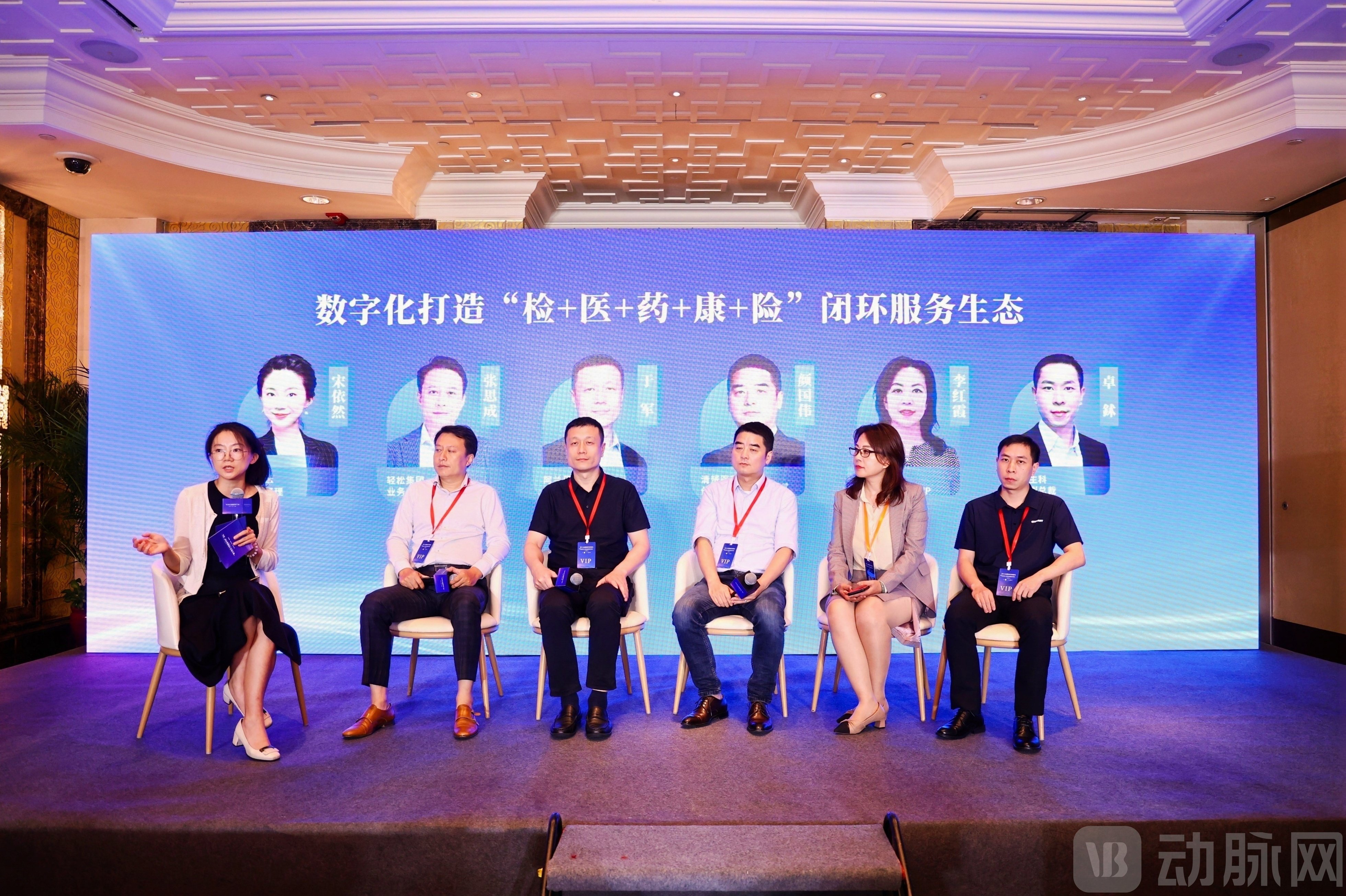
From left to right: Song Yiran, Managing Director of Yuan Yi Capital; Zhang Sicheng, General Manager of the Business Center at Qingsong Group; Yu Jun, CEO of Alan贝尔 (Alanbell); Yan Guowei, Founder of Qingyun Medicine; Li Hongxia, Deputy General Manager and VP of Marketing at RayBiotech; Zhuo Shu, VP of R&D at Xige Biotech.
During the roundtable discussion, panelists engaged in an in-depth exchange on “How to Build a Closed-Loop Service Ecosystem of ‘Screening + Medical Care + Pharmaceuticals + Wellness + Insurance’ Through Digitalization.” Meanwhile, drawing from perspectives such as internet insurance, health management and anti-aging, intelligent marketing, non-invasive tumor detection, and drug R&D, the guests shared insights into the substantial value generated by integrating digital technologies with medical scenarios, based on their companies’ business practices.
For instance, in the field of early cancer screening, the integration of AI can prevent missed diagnoses due to human error and enhance accuracy. Although AI-driven drug discovery is still in its infancy, it holds broad prospects, such as accelerating drug development and optimizing clinical trial enrollment. Meanwhile, as enterprises leverage AI technologies to upgrade their products and services, they must also prioritize data security and establish robust internal information defenses.
Overall, the integration of healthcare with digital technologies such as AI remains in an exploratory and developmental stage. While presenting significant opportunities, it also poses numerous challenges. Industry professionals must remain grounded and diligently strengthen their digital infrastructure, collectively exploring a sustainable path forward.