

InnoTech Completes Clinical Enrollment for China's First Controllable-Degradation Magnesium Alloy Absorbable Bone Screw
Recently, the field of orthopedic implants has witnessed a significant breakthrough.
Led by Beijing Jishuitan Hospital, Capital Medical University, and in collaboration with six other renowned orthopedic hospitals across China, Suzhou InnoCare Medical Technology Co., Ltd. (hereinafter referred to as “InnoCare”) completed patient enrollment for the clinical trial of its independently developed bioabsorbable magnesium alloy bone fixation screws in September 2024. Investigators from all participating centers fully affirmed the safety and efficacy of the clinical trial, recognizing that the product holds significant potential in promoting fracture healing.
It is worth mentioning that this product isChina's First Controllably Degradable Magnesium Alloy Trauma Orthopedic Product to Complete Clinical EnrollmentThe completion of this clinical enrollment signifies that the biodegradable magnesium alloy bone fixation screws have officially entered a new phase of clinical application in trauma orthopedics, marking a milestone in the commercialization process of biodegradable magnesium alloy implants. It also indicates that China’s medical-grade magnesium alloy orthopedic implant devices have reached an internationally advanced level.
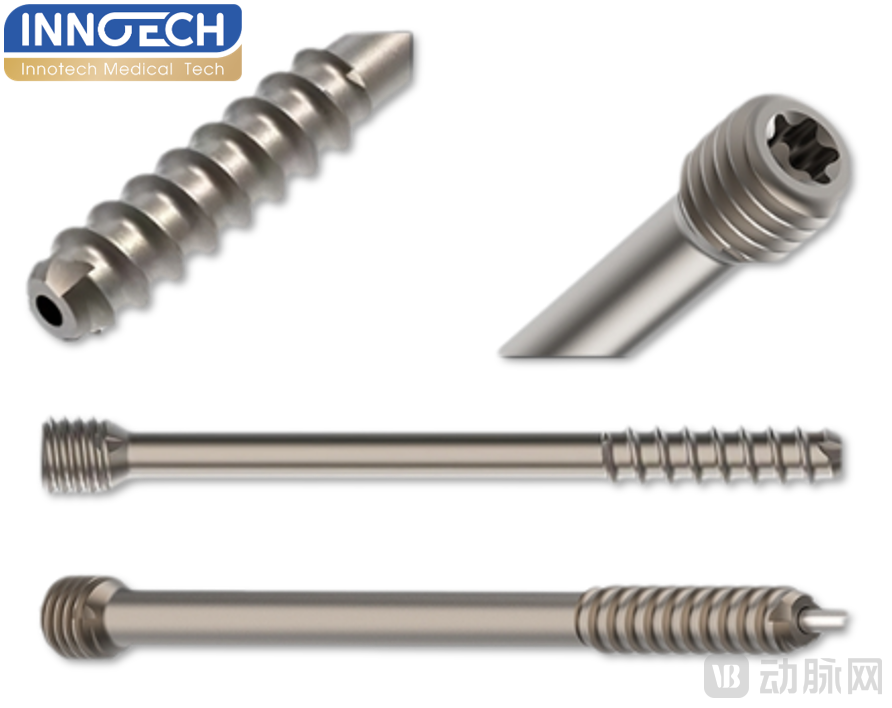
It is reported that the registrational clinical trial enrolled nearly 190 patients. The fracture sites among the enrolled participants included the foot, ankle, shoulder, elbow, and wrist.
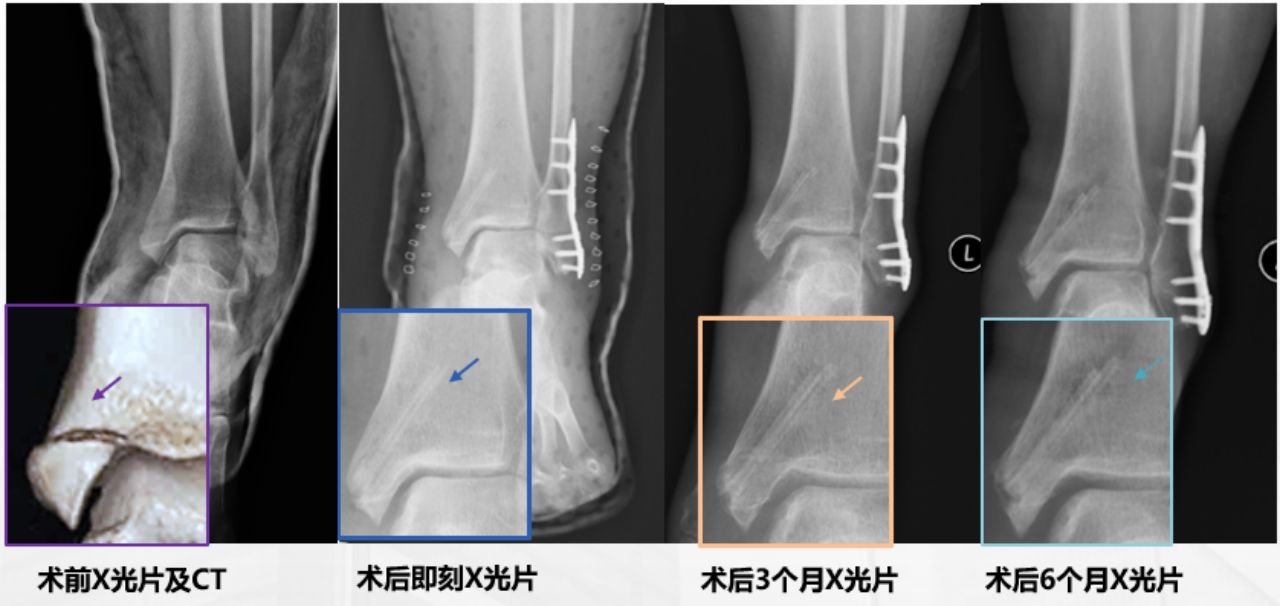
One of the subjects enrolled in this clinical study was a 52-year-old female patient. The patient had previously been in good health with no significant medical history. An X-ray examination confirmed a diagnosis of “left ankle fracture,” and hospitalization for surgical treatment was recommended. Seeking more specialized care, the patient underwent comprehensive evaluation at Beijing Jishuitan Hospital and was admitted with the diagnosis of “left ankle fracture.”
Following admission, the patient underwent open reduction and internal fixation (ORIF) for a left ankle fracture. Intraoperatively, the fracture was well reduced, and the internal fixation was stable and reliable.
The surgery was a complete success,Resolves the issue of traditional orthopedic implants being non-degradable within the patient's body, which easily triggers foreign body reactions and necessitates secondary removal, while simultaneously reducing the stress shielding effect.It also demonstrates the safety and efficacy of InnoCare's bioabsorbable magnesium alloy bone screws in clinical applications.
In the immediate postoperative X-ray examination, the fracture site was well reduced, with accurate screw placement and stable fixation; no obvious displacement or loosening was observed. Over time, at three months postoperatively, the fracture line had become further blurred, callus formation was evident, and fracture healing progressed smoothly. In the six-month postoperative X-ray examination, the fracture line had nearly completely disappeared, the callus had matured, and the fracture site had achieved complete union. Meanwhile, the bioabsorbable magnesium alloy bone fixation screws began to degrade, demonstrating that the productPerformance in promoting fracture healing and enabling controllable degradation.
As population aging continues to intensify, the prevalence of conditions such as fractures is rising sharply. According to statistics from Southern Institute, more than 6 million patients in China suffer from bone defects or functional impairments each year due to orthopedic conditions, including traumatic fractures, degenerative spinal diseases, bone tumors, and bone tuberculosis. Driven by substantial market demand and supported by favorable policies, domestically produced innovative products are leveraging their advantages to steadily increase their market share.
However, possessing innovative R&D capabilities remains fundamental to developing products that truly meet clinical needs while overcoming the limitations of orthopedic implants.
The successful development of absorbable magnesium alloy bone screws is preciselyBenefiting from InnoCare’s deep expertise and continuous innovation in the fields of materials science, biomedical engineering, and clinical medicine. The team not only maintains collaborations with universities and hospitals, but its founding members also possess professional research and medical backgrounds, enabling them to work with physicians to develop products that truly meet clinical needs, demonstrating a certain degree of foresight and advancement.
Since its establishment,In just two short years, InnoCare has rapidly achieved breakthrough progress.Its products have a wide range of applications, essentially on par with those of traditional titanium alloys. In the future, as R&D efforts deepen, Innoco will continue to optimize its existing products and further expand their application scenarios.
Magnesium alloys hold promising application prospects in the field of orthopedic implants. However, magnesium is a chemically active metal element; its rapid degradation in the human body is often accompanied by hydrogen gas accumulation at the implantation site. Furthermore, uncontrollable degradation rates lead to unstable mechanical properties, thereby resulting in the failure of internal fracture fixation. With the development of novel alloy systems and surface coating modification technologies, products that effectively regulate the in vivo degradation rate of magnesium alloys are poised for widespread clinical application in orthopedics.
InnoCarePioneering Controllable Degradation Coating Technology, successfully resolvedThe Widespread Issue of Excessively Rapid Degradation in Magnesium Alloy Products, ensuring that the magnesium alloy maintains a stable degradation rate during the critical period of bone healing.
It is reported that the coating exhibits excellent biocompatibility, with uniform, safe, and intact coverage. It enables precise control over the degradation timeline of magnesium alloy implants after in vivo insertion, thereby synchronizing it with the bone healing process. This ensures the implant remains stable during bone regeneration, reducing the risk of treatment failure.
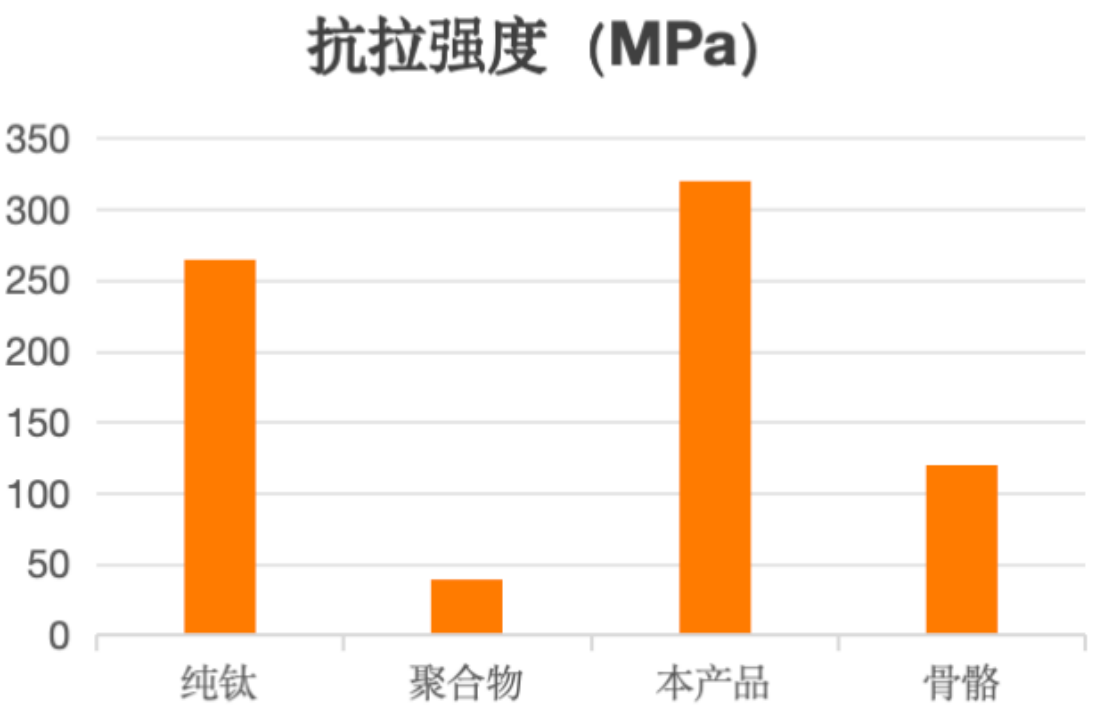
Moreover, Innoco Materials has introduced innovations to address the shortcomings of existing biodegradable products, such as polylactic acid (PLA) devices, which are prone to fragmentation due to insufficient mechanical strength during degradation, resulting in inadequate mechanical support and failure of internal fracture fixation.The magnesium alloy material developed by Innoco boasts a tensile strength exceeding that of pure titanium, providing robust internal fixation.
With this series of breakthroughs, InnoCo’s bioabsorbable magnesium alloy bone fixation screws completed clinical enrollment of nearly 190 cases in just six months,As the first company to complete patient enrollment in the clinical trial of controllably degradable magnesium alloy bone fixation screws,This demonstrates that InnoCare’s controllable degradable magnesium alloy bone screws are highly recognized by researchers at all participating institutions. During the clinical trial enrollment process, no product-related adverse events or complications were observed in patients. For subjects who received the magnesium alloy bone screws, six-month postoperative follow-up results showed that fracture healing met excellent criteria across the board, filling a gap in this field.
Currently, intraosseous implant materials are primarily titanium alloys and stainless steel. These materials exhibit high mechanical strength and biological inertness, leading to their widespread application in the medical field. However, these materials have a significant drawback: their elastic modulus (110–210 GPa) is mismatched with that of human bone (15–20 GPa), resulting in stress shielding. Additionally, metal wear may cause adverse effects. In contrast, magnesium alloys have an elastic modulus (41–45 GPa) close to that of human bone tissue, which can effectively avoid osteogenic impairment and poor osseointegration caused by stress shielding.
Furthermore, if inert metal screws remain permanently in the patient’s body, they impose a significant psychological burden. These implants preclude patients from undergoing essential medical examinations, such as magnetic resonance imaging (MRI), in the future, and cause considerable inconvenience during routine security screenings at airports and high-speed railway stations.
To address these pain points, research indicates that ideal orthopedic internal fixation materials should be biodegradable while maintaining sufficient strength and stiffness. In light of this, recent years have witnessed the emergence of a series of novel materials and orthopedic implants, driven by cross-disciplinary collaboration between medicine and engineering, to comprehensively meet the aforementioned clinical needs.
However, within the current scope of biodegradable products, polylactic acid (PLA) products have certain limitations. For instance, they are prone to fragmentation during degradation, which may lead to collapse at the implantation site; furthermore, their acidic degradation products can easily trigger postoperative inflammatory responses.
In contrast, biodegradable magnesium alloy implant materials for medical use demonstrate significant advantages.
Magnesium, as one of the essential elements constituting bone tissue, helps maintain internal homeostasis within bone tissue and is crucial for skeletal health; magnesium deficiency can lead to skeletal disorders such as osteoporosis. Furthermore, magnesium alloys, when used as medical implant materials, exhibit natural degradability in vivo and possess excellent biocompatibility.
It is worth noting that, in addition to the aforementioned advantages, its mechanical and biological properties are superior to those of biodegradable polymer materials. It can meet clinical needs while reducing secondary injuries and medical burdens associated with infections or implant removal.
Suzhou Innoco Medical Technology Co., Ltd. was established in 2022 within the Suzhou New District Comprehensive Bonded Zone. It is a high-tech enterprise possessing innovative technologies and independent intellectual property rights. Innoco is dedicated to the research, development, and industrial translation of absorbable magnesium alloy materials and advanced orthopedic devices. The company holds multiple core technologies, including high-performance magnesium alloy synthesis, preparation of controllable degradation composite coatings, and scientific structural design. To date, it has applied for or been granted more than 20 independent intellectual property rights.
InnoCare’s product portfolio, initially rooted in orthopedic medical devices, now spans multiple fields including trauma orthopedics, sports medicine, spinal surgery, and plastic surgery. Its pipeline of innovative Class III medical devices under development includes magnesium alloy bone screws, magnesium alloy suture anchors, and magnesium alloy craniomaxillofacial mini-plate systems.
InnoCore has maintained long-term, in-depth collaborations with numerous universities and research institutions both domestically and internationally, jointly expanding the application of advanced materials such as bioabsorbable magnesium alloys across various orthopedic fields. The company is building a forward-looking research platform for orthopedic materials and bone science that fosters deep, multidisciplinary integration and collaboration among clinical medicine, materials science, and engineering.